News / Blog
Announcing: The Maynard Institute is partnering with BlueLena.
Watch this space for more information on how to manage YOUR donor portal with BlueLena and FundraiseUp!


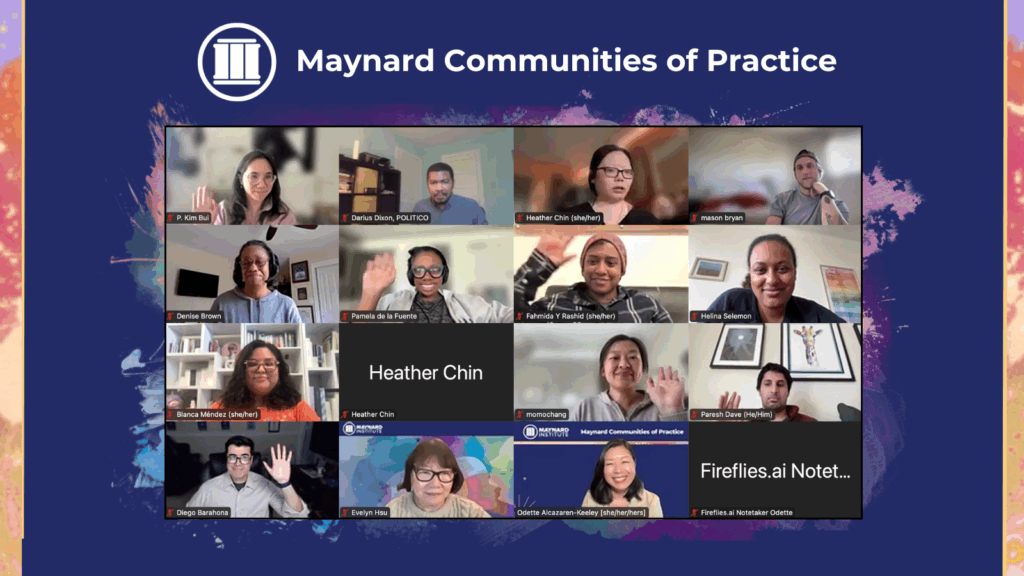
Building community is central to the Maynard Institute’s mission. In April we launched our Maynard Communities of Practice, a tuition-free initiative for all institute alumni. This new program serves as a hub for specialized instruction, peer learning, coaching, open conversations, networking and support across various cohorts. It strengthens the network of Maynard alumni across different programs and generations.
This resilient support system helps community members navigate their pivotal roles in newsrooms and media spaces, grounded in belonging. Modeled after the Maynard 200 Fellowship curriculum tracks, the program offers customized training and open conversations led by newsroom executives and subject matter experts. Some themes for discussion include leading through change, ethical editorial decision-making, entrepreneurial journalism, audience & community engagement, innovation and media sustainability.
Each cohort engages in skills-based instruction and expert coaching led by high-caliber faculty. Participants will take part in open dialogues, sharing of best practices, collaborative projects and a supportive network designed to accelerate career growth and leadership development.
In line with one of the key frameworks of the program – peer-to-peer learning, alumni will drive discussions and also lead some sessions, to ensure the communities have relevant, solutions-focused conversations.
Guided by our Maynard legacy and recent programming alumni, our initial meetings discussed their desired topics reflecting the main challenges our alumni face as frontline editors, mid-career managers, executives, storytellers in traditional and remote newsrooms; and as freelance journalists and media entrepreneurs.
Keeping up with the fast-changing world of digital journalism and the news needs of diverse communities, our Maynard alumni are incorporating new and trusted wisdom in team management, ethics & authenticity in storytelling, and audience engagement in their journalistic practices.
They’re also incorporating crisis management, newsroom and journalist safety, and community-centered story development while managing work/life balance and gender equity.
Embracing AI tools with guidance on ethics and a focus on dispelling misinformation in an increasingly social-media driven news environment, they’re examining the responsibility of media in current political climate and finding ways to rise to the occasion, cultivating media literacy while reporting the news.
Guided by our Maynard Communities of Practice Lead Advisors, those who have joined the Communities of Practice are adapting the skills they need to ensure career sustainability amid shifts in the journalism industry.
In continuing our Maynard Communities of Practice virtual gatherings, we will hold sessions in late May/early June, as well as in September and early December.
If you are a Maynard Institute alum and have not signed up yet, please click on any of the links below. Alumni can be members of more than one community.
If you are a Maynard Institute alum and have not signed up yet, please click on any of the links below. Alumni can be members of more than one community.
This year’s Maynard Communities lead advisors have served as former track executives-in-residence, track deputies, keynote speakers and mentors for the Maynard 200 Fellowship Program. They are respected newsroom leaders specializing in different journalism disciplines.
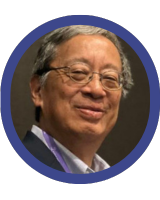
Dickson Louie – Principal, Dickson Louie Case Writing and Consulting (Dickson Louie & Associates). Visiting Assistant Professor and Lecturer, UC Davis Graduate School of Management. Board Treasurer, Maynard Institute.
Dickson is principal of Dickson Louie Case Writing and Consulting (Dickson Louie & Associates).a Bay Area consultancy providing strategic planning, competitive analysis and executive development services to startups, nonprofits and Fortune 500 companies.
He was a research associate at Harvard Business School, where he authored over 20 management case studies for the second-year MBA course.
He is an adjunct at UC Davis Graduate School of Management and the Executive MBA Program at San Francisco State. He has a bachelor’s in business administration from California State University, East Bay, and an MBA in finance, marketing and statistics from the University of Chicago. He also serves on the board of the Maynard Institute.
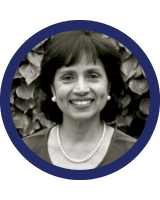
Linda Lloyd da Silva – Brand, Marketing & Communications Strategist. Former Maynard 200 Track Deputy, Media Entrepreneurs & Product Developers Track.
Linda is a marketing and communications strategist whose career spans private and public sectors across diverse areas including media, consumer technology, and international development.
She began her career at the Los Angeles Times as a financial planning department analyst helping the times wrestle with major strategic decisions such as market expansion and new product development.
Linda previously worked for Gemstar TV Guide, marketing products that helped shape the way consumers interact with screen-based content. Later, she directed her interests back to global development and joined World Vision, one of the nation’s largest nonprofit organizations, and the World Intellectual Property Organization, a specialized agency of the United Nations.
She currently works as a Senior Consultant for Greater Life Communications, a communications firm serving nonprofit and humanitarian organizations.
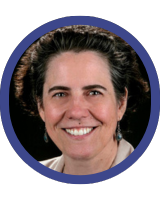
Maria Carrillo – Consultant and Coach
Maria is a former enterprise editor at the Tampa Bay Times and The Houston Chronicle and, before that, managing editor at The Virginian-Pilot. She has edited dozens of award-winning projects, frequently lectures on narrative journalism, co-hosts a podcast (WriteLane) about craft and has been a Pulitzer Prize juror six times.
She is a board member of the Virginia Center for Investigative Journalism. Carrillo was born in Washington, D.C., two years after her parents left Cuba in exile. She now lives in St. Petersburg, Fla., with her husband, and they have two grown children.
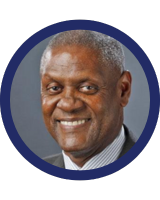
Virgil Smith – Principal, Smith Edwards Group, LLC. Author, The Keys to Effective Leadership. Board Member, Maynard Institute.
Virgil, principal of the Smith Edwards Group, LLC, started the consulting firm in October 2015 after retiring from the Gannett company, where he worked for 24 years as a president and publisher at The Record in Stockton, California, and the Asheville Citizen-Times.
Before joining Gannett, Smith spent 20 years with the McClatchy company, where he held several executive positions, including director of consumer marketing and chief labor negotiator.
He continues involvement with diversity and leadership issues, serving on the Fox News Workplace Professionalism and Inclusion Council, as a consultant and career coach for the Asian American Journalists Association Executive Leadership Program, the WAN-IFRA World Newspaper Congress and as executive-in-residence for the Maynard 200 Advanced Leadership Program.

Tom Huang – Asst. Managing Editor, The Dallas Morning News. Adjunct Faculty, The Poynter Institute.
Tom Huang is the Assistant Managing Editor for the The Dallas Morning News and Adjunct Faculty at The Poynter Institute in St. Petersburg, Florida.
Tom is Assistant Managing Editor for Journalism Initiatives atThe Dallas Morning News, where he edits enterprise stories,oversees the newsroom’s internship program and leads the newsroom’s community-funded journalism initiative, which seeks philanthropic support of public service journalism.
Since 2020, he has helped launch The News’ Education Lab, which has expanded education reporting with the support of local foundations; Arts Access, a partnership with KERA that covers arts and culture through an equity lens; and the Dallas Media Collaborative, an alliance of news outlets and universities focused on solutions-based reporting on affordable housing.
As an adjunct faculty member of The Poynter Institute, he organizes seminars for professional journalists on writing, reporting and editing. For the past six years, he has served as a coach in the Poynter Table Stakes program, which helps newsrooms make the transition to sustainable digital publishing.
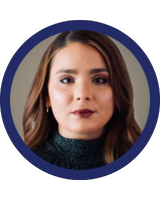
Monique O. Madan – Award-Winning Investigative Journalist
Monique O. Madan is an award-winning investigative journalist with over 17 years of experience at legacy publications across the country. Throughout her career, Madan has tackled complex issues at the intersection of social justice, criminal justice, government accountability, immigration and technology. As an investigative reporter for CalMatters and The Markup, she uncovered pivotal stories on these topics. While at USA TODAY, she led a groundbreaking investigation, “Left to Rot,” revealing botched construction and evidence of money laundering in the tragic collapse of the Surfside condominium in South Florida.
Earlier in her career, Madan covered immigration for the Miami Herald, earning accolades for her in-depth series, “Immigration Pandemic.” Her investigative work has been published in The New York Times, The Boston Globe, The Boston Herald, and El Nuevo Herald and The Dallas Morning News. Her reporting was instrumental in the release of a man who had been held in solitary confinement in ICE detention for an astounding 11 years, and she also exposed coercive self-deportation tactics and significant flaws in immigration policies.
In 2019, she was selected as a fellow at Reveal from The Center for Investigative Reporting. Madan is a graduate of both Harvard University and Emerson College.
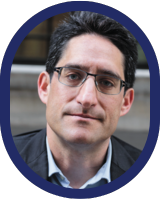
Aaron Glantz – Annenberg Fellow at Stanford University, Center for Advanced Study in the Behavioral Sciences
Aaron Glantz served as Executive-in-Residence for the Maynard 200 Fellowship’s Investigative Storytelling Track in 2023.
He served as California bureau chief and a senior editor at The Fuller Project, the global newsroom dedicated to groundbreaking reporting that catalyzes positive change for women.
Aaron is a two-time Peabody Award winner and Pulitzer Prize finalist, who produces journalism with impact. His work has sparked dozens of Congressional hearings and investigations by the FBI, DEA, Pentagon inspector general, and the United Nations Special Rapporteur for extrajudicial, summary, or arbitrary execution. One project prompted the second largest redlining settlement in Justice Department history, against Warren Buffett’s mortgage companies.
In 2024 Aaron joined Stanford Center for Advanced Study in the Behavioral Sciences, an interdisciplinary research lab at Stanford University, as a fellow.

P. Kim Bui – Media Consultant. Founder, Quen Media.
P. Kim Bui is a digital journalist and consultant who’s spent her career exploring new ways to tell stories and helping newsrooms become more inclusive and supportive. She runs Quen Media, where she works with news organizations on audience strategy, editorial workflows, and leadership development. She was most recently a 2023–24 John S. Knight Journalism Fellow at Stanford. In past roles, she led product and audience innovation at the Arizona Republic, was editor-at-large at NowThis News, and helped shape social reporting at reported.ly (http://reported.ly/).
Originally from Iowa, she was part of the first cohort of CUNY’s Executive Program in News Innovation and Leadership. She’s spoken around the world on journalism, equity, and newsroom culture, and her writing on empathy and power in journalism has been published in a range of research outlets.
For more information about the Maynard Regional Training Series, please reach out to: Maynard Regional Training Series Director, Odette Alcazaren-Keeley at okeeley@mije.org.
Watch this space for more information on how to manage YOUR donor portal with BlueLena and FundraiseUp!
We’re partnering with the Kansas City Defender for Black Philanthropy Month! August is Black Philanthropy Month! Founded in…
The inaugural cohort of Fire Up Fellows represent the power and potential of diverse news in the State…
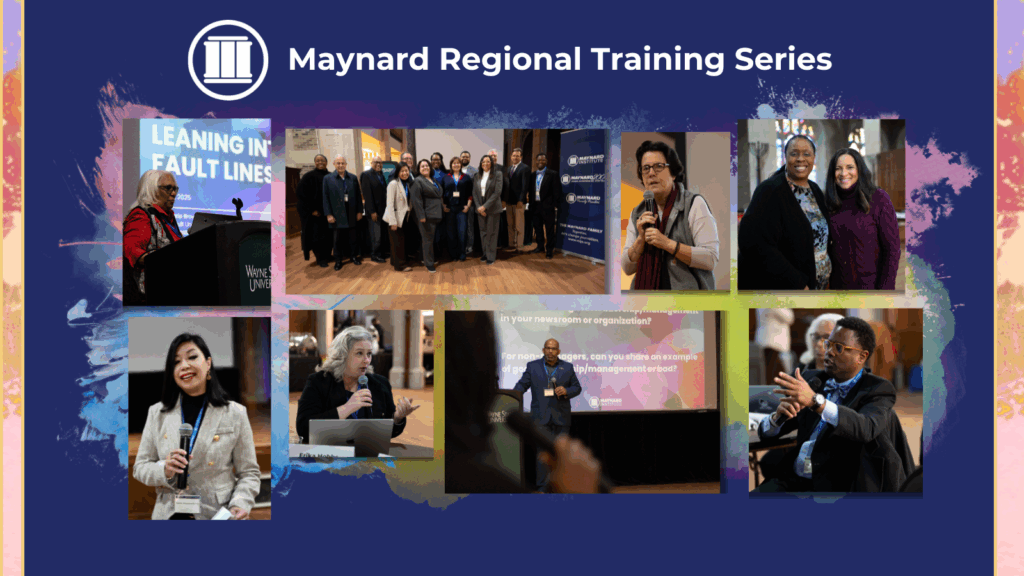
The Maynard Regional Training Series kicked off April 5 and 6 in Detroit in partnership with the Journalism Institute for Media Diversity on the campus of Wayne State University.
The inaugural weekend-long training, led by 21 veteran journalists and educators, brought together an impressive cohort of nearly 20 emerging news leaders representing varied backgrounds from across the United States.
They represented a wide spectrum of media affiliations, including the Kansas City Defender, EducationNC, The Detroit News, The Associated Press, Detroit Free Press, The Conversation US, Telegram Newspaper, PBS News Hour, independent journalists, media consultants and students from WSU’s Journalism Institute for Media Diversity.
“The training sessions, helmed by executive-level faculty, aimed to advance their proficiency, confidence and resilience as frontline editors and mid-level managers in U.S. newsrooms,” said Odette Alcazaren-Keeley, director of two Maynard Institute programs – Regional Training and Communities of Practice.
“Their diverse perspectives are driving courageous news coverage and discourse, informing and emboldening audiences. Their work is vital especially in this volatile time, with relentless assaults on our industry, First Amendment rights, and truth.”
Trainees engaged in customized workshops, panels and group office hours led by faculty with extensive newsroom experience.
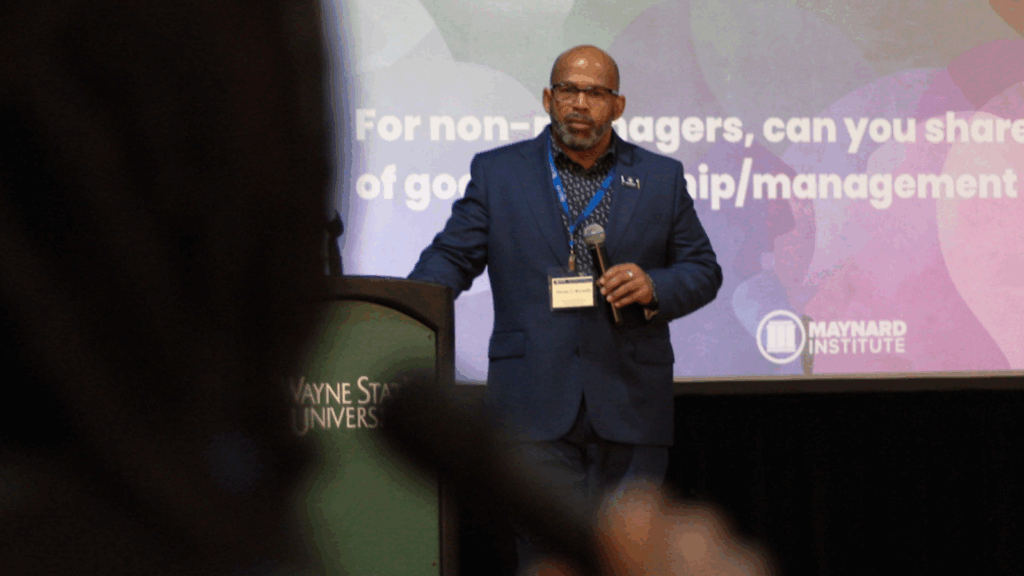
Maynard Co-Executive Director Martin G. Reynolds set the tone for the weekend with a session on “The Manager’s Mindset” and what editors need to consider when stepping into leadership roles.
“I especially appreciated that Martin Reynolds emphasized the interpersonal aspects of management — that leadership is not just a title or a set of responsibilities, but a mindset you embody and uphold,” one participant wrote in a post-training survey. “His slideshow also offered thoughtful guidance on fostering belonging within a team, which really resonated with me.”
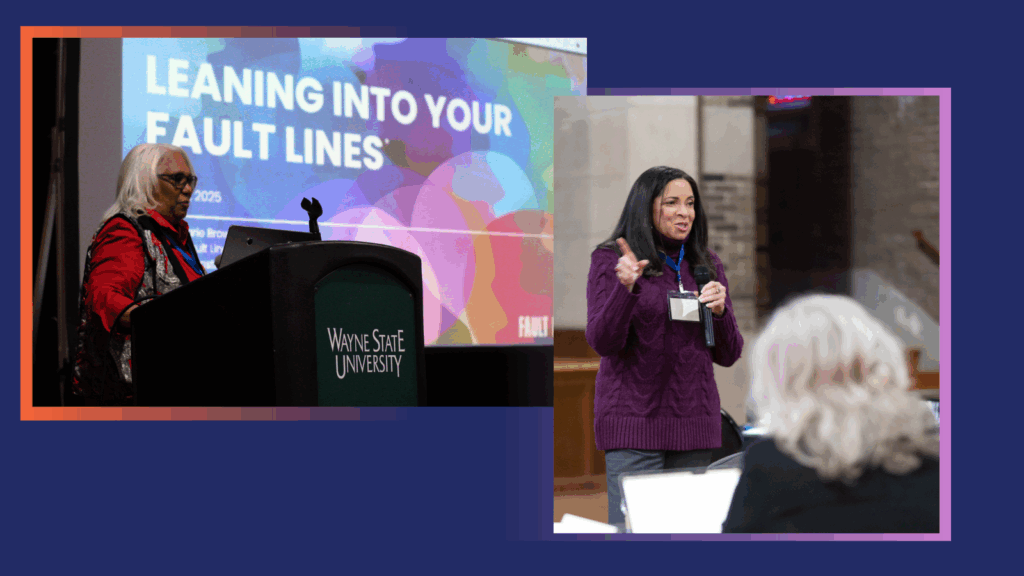
Maynard Senior Director of Strategic Initiatives Felecia D. Henderson facilitated a problem-solving discussion on management issues with Jean Marie Brown, associate professor of professional practice at TCU Bob Schieffer College of Communications.
Professor Brown led a session on “Leaning Into Your Fault Lines®,” built around the Maynard Institute’s signature Fault Lines® framework, which helps editors understand how their biases – unconscious and conscious – inform the ways they manage news coverage.
“This was my favorite presentation,” a participant wrote of the session. “I really appreciated that the approach to this topic wasn’t to villainize fault lines or personal identity in journalism, but rather to recognize that we all have them, and that they can be an asset in our coverage.”

Alicia Nails, director of Wayne State’s Journalism Institute for Media Diversity, moderated a discussion on race, gender and culture reporting with panelists Laurén Abdel Razzaq of Bridge Detroit, Kat Stafford, global race and justice editor at Reuters, and anchor/reporter Demond Fernandez of WDIV-TV in Detroit.
“I thought this session was great,” an attendee wrote in the survey comments. “The panelists reinforced the aspect of belonging, which Martin had introduced the day before. I have tried to be intentional about looking out for and checking in with new people in the newsroom, particularly those who may be the only ones they see who look like themselves. I realize I need to do that more frequently and in a more sustained manner.”
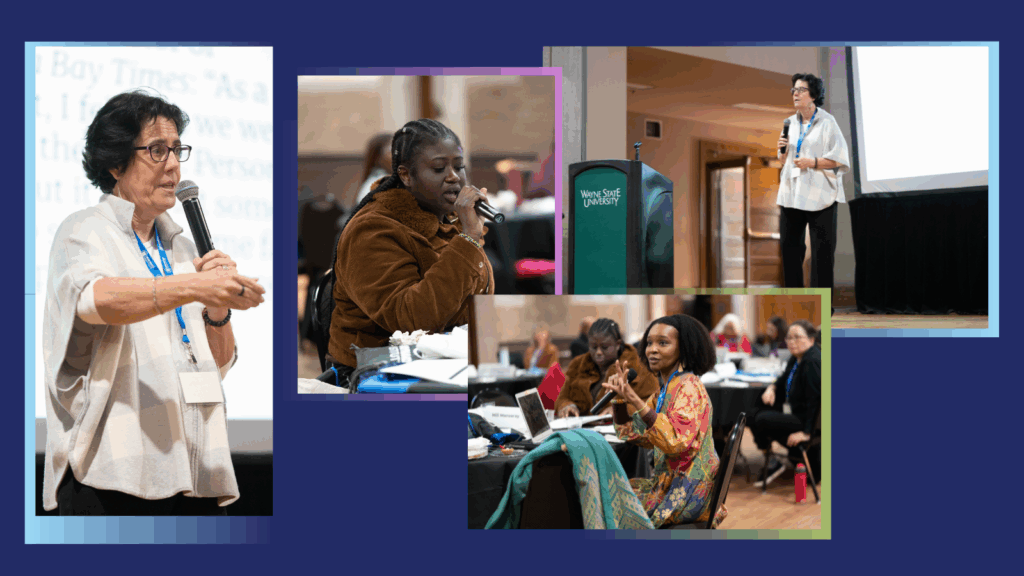
Coach and consultant Maria Carrillo led two sessions: Ethical Editorial Decision Making and Coaching for Story and Building Trust.
“I hope to be as thoughtful to the people I mentor/supervise,” an attendee wrote of Carrillo. “She really drove home that managers are there to serve their people.”
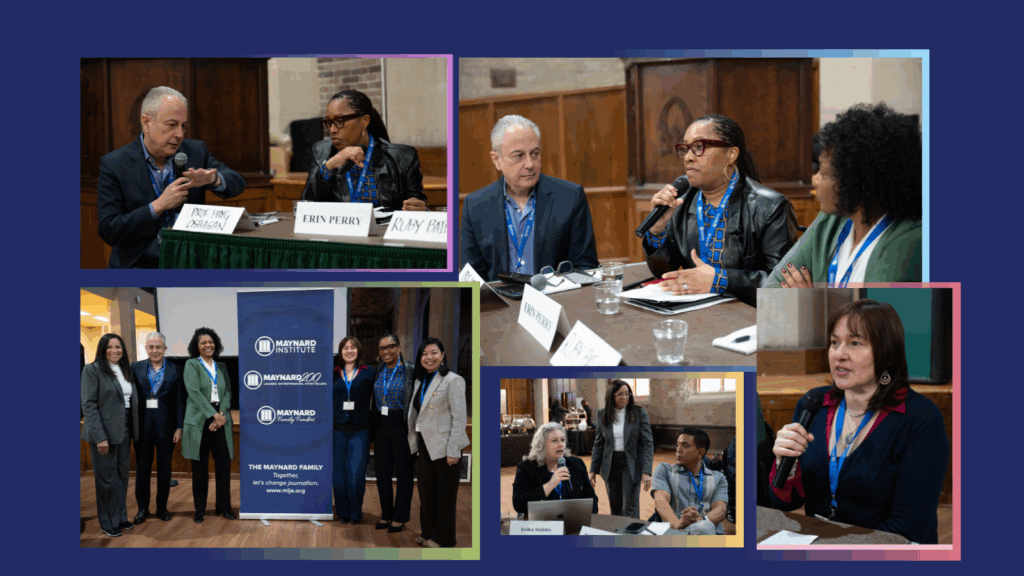
During the panel discussion “Strategizing Innovation, Engagement and Sustainability for Teams and News Organizations,” Erin Perry, editor of Outlier Media, Ruby Bailey, editor-in-chief of the Illinois Answers Project, and Martina Guzman, director of the Race and Justice Reporting Initiative at the Damon J. Keith Law Center, discussed the changing face of journalism and local news audiences with moderator Hayg Oshagan, associate professor of communication at Wayne State University and founder of New Michigan Media.
“I was blown away by some of the examples of engagement that were given and the lengths that some of the newsrooms are going to support their communities,” a survey respondent wrote. “It opened my mind to how innovative a news organization must be to truly serve and inform its audience.”
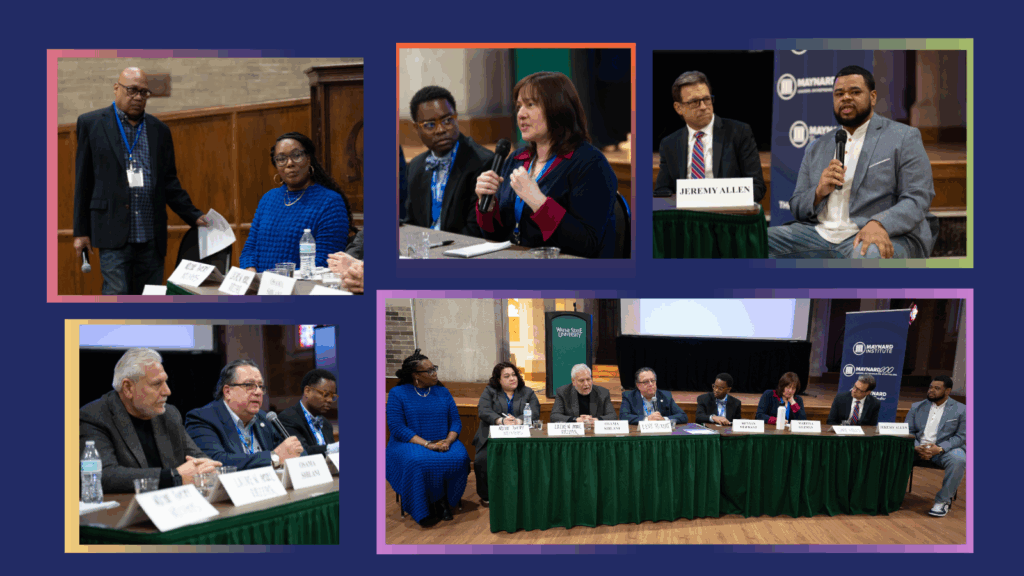
In the closing roundtable discussion moderated by Vincent McCraw, regional manager of Report for America and president of Detroit NABJ, local and statewide leaders of legacy print and broadcast, nonprofit, and ethnic media discussed the challenges of covering news in the midst of distrust of local and national media and government.
“This was amazing!” one participant responded. “It was just really great to see some of the regional news leaders in Detroit all in one place and they had very insightful comments to share about the future of news, especially for reporters of color.”
Panelists included Laurén Abdel Razzaq, executive director of Bridge Detroit, Jeremy Allen, executive editor of the Michigan Chronicle, Nicole Avery Nichols, vice president and editor of the Detroit Free Press, Martina Guzman of the Damon J. Keith Law Center and creator of Spanish-language app VERDAD, Gary Miles, editor and publisher of The Detroit News, Kennan Oliphant, VP news and station manager for CBS Detroit, Levi Rickert, editor, publisher, and founder of Tribal Business News ad Native News Online, and Osama Siblani, publisher of Arab American News.
“The training concluded with a stirring roundtable of leaders from local, state, mainstream, nonprofit, and ethnic media—each offering a unique lens shaped by their communities and coverage. Together, they explored the evolving landscape of news coverage, showcasing the vibrancy of the region’s media ecosystem,” Alcazaren-Keeley said.
Participants enthusiastically told organizers they enjoyed learning from veteran journalists and connecting with fellow editors.
“This training was overall an amazing experience!” one participant wrote in the post-training survey. “I enjoyed connecting with the Maynard team as well as the other journalists in attendance. As a first-time editor and news leader, this was just what I needed to move forward confidently in my new position!”
The Maynard Institute will provide more training for entry-level and mid-career editors and managers this year. The next Regional Training weekend will be hosted July 17-18 by the UNC Hussman School of Journalism and Media at Chapel Hill.
The Maynard Regional Training Series is made possible thanks to the support of our generous funders The Ford Foundation and The John S. and James L. Knight Foundation and donations from individuals who support our mission of diversifying journalism.
For more information about the Maynard Regional Training Series, please reach out to: Maynard Regional Training Series Director, Odette Alcazaren-Keeley at okeeley@mije.org.
Watch this space for more information on how to manage YOUR donor portal with BlueLena and FundraiseUp!
On Tuesday, May 19, 2026 the Maynard Institute was honored to receive the Lorraine Branham Award from Syracuse…
“Our contributions to journalism will outlast ourselves if we do it right — I’m really encouraged that there’s…
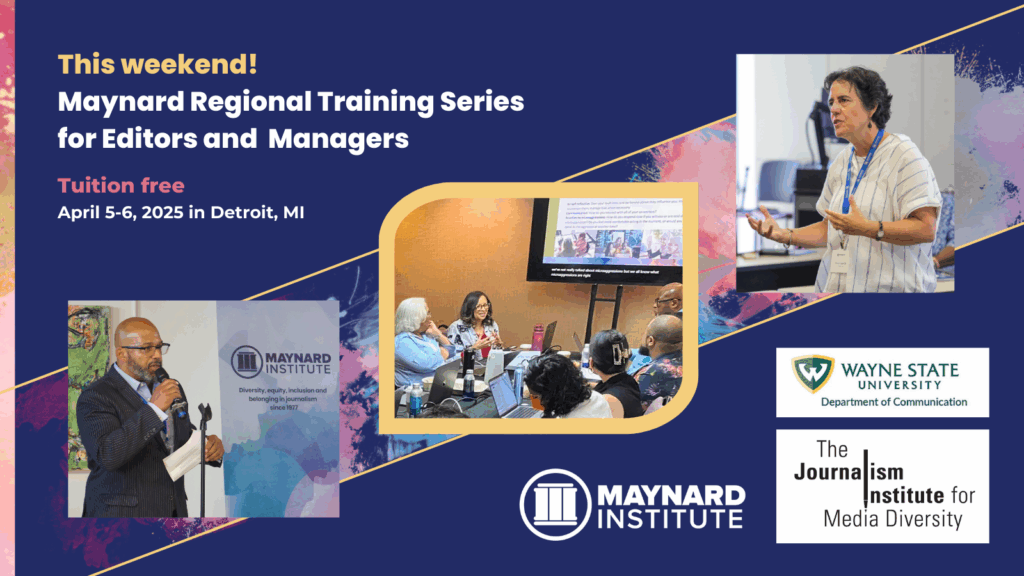
The inaugural Maynard Regional Training Series launches on April 5-6, 2025 with the program’s university partner, the Journalism Institute for Media Diversity at Wayne State University’s campus in Detroit, Michigan. The Maynard Regional Training Series is an ongoing in-person, weekendlong leadership and management training program for early- and mid-career journalists across the United States.
Faculty members will lead training sessions on ethical editorial decision making, reporting on race, gender and culture and strategizing innovation, engagement and sustainability for news organizations.
Guided by core Maynard training principles, these professionals lead the charge in building more inclusive, dynamic media spaces.
In partnership with universities, these sessions give entry- and mid-level editors and managers the tools and confidence they need to traverse the complexities of newsroom leadership.
Maynard Institute staff, journalism professors, award-winning journalists and subject-matter experts lead all trainings, which are focused on essential areas for news leaders.
Through this dynamic training series, the Maynard Institute continues to live out its mission to equip journalists with the skills, strategies and leadership mindset they need to thrive in an evolving media landscape.
This year’s program is made possible thanks to the generous partnership of Wayne State University and the Journalism Institute for Media Diversity.
The first full day of programming, April 5, will kick off with an assembly and breakfast followed by opening remarks by Professor Alicia Nails, Director of the Journalism Institute for Media Diversity as well as welcoming remarks from Odette Alcazaren-Keeley, Director of Maynard Regional Training and Communities of Practice programs, and Felecia D. Henderson, Maynard Senior Director of Strategic Initiatives.
Professor Alicia Nails, Director of the Journalism Institute for Media Diversity at Wayne State, is an Emmy Award-winning broadcast journalist with 40 years of experience in television, radio and print. She was named Journalism Educator of the Year by the National Association of Black Journalists at the 2018 national NABJ convention in Detroit. During her several decades of experience,
Nails has reported breaking news and features, and worked as a writer and producer for broadcast news in Detroit, Atlanta, and New York City.
As a freelance journalist, her writing has also appeared in the Detroit Free Press, The Detroit News, the Michigan Chronicle, and BLAC magazine, where she also served on the advisory board. She also continues to freelance through her company, SaidWrite.
Nails also serves on the board of the Detroit Chapter of the National Association of Black Journalists and the Rosa Parks Scholarship Foundation.
The first training round is in partnership with Wayne State University’s Journalism Institute for Media Diversity. Director and Professor Alicia Nails will moderate a panel on: “Reporting on Race, Gender & Culture.”
“The proactive training of media professionals has never been more vitally important than it is at this moment. Bombarded by messages that all seem urgent, important and true, today’s journalists will have to use discernment to decipher – separating valuable content from the distractions that masquerade as news,” Professor Nails said. “Our role in society demands that we pay close attention as we distinguish ourselves from other content creators and relay accurate information with the sensitivity and context that the public deserves.”
The Maynard Regional Training Series is a new training program advancing the Maynard Institute’s efforts to expand the diversity pipeline in news media and dismantle structural racism in its newsrooms. It is designed for and serves the next generation frontline managers and editors in order to advance their career growth and leadership power in newsrooms and organizations.
Maynard Institute programs are open to all. We are committed to addressing the under-representation of people of color and other historically disadvantaged groups in media-related professions.
This professional development program provides customized training courses, resources and 1:1 mentorship by industry professionals, to fellows who have represented a wide spectrum of racial, gender and geographic backgrounds. The Maynard Institute’s new training programs are supported by the John S. and James L. Knight Foundation, the Ford Foundation, Craig Newmark Philanthropies, and The Hearthland Foundation.
For more information about the Maynard Regional Training Series, please reach out to: Director of Maynard Regional Training and Communities of Practice, Odette Alcazaren-Keeley at okeeley@mije.org.
Watch this space for more information on how to manage YOUR donor portal with BlueLena and FundraiseUp!
On Tuesday, May 19, 2026 the Maynard Institute was honored to receive the Lorraine Branham Award from Syracuse…
“Our contributions to journalism will outlast ourselves if we do it right — I’m really encouraged that there’s…
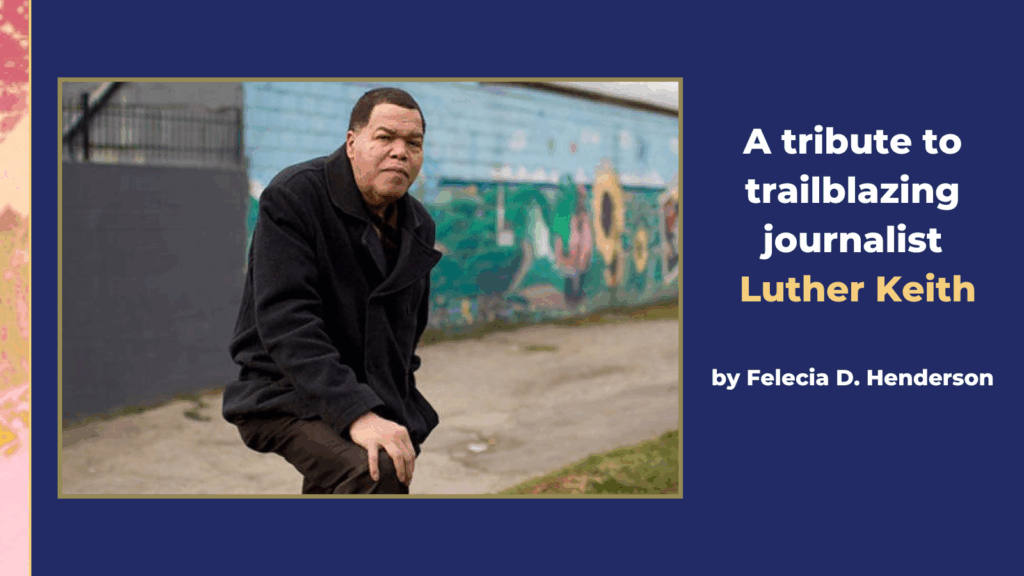
If you don’t know the name Luther Keith, you should.
Keith was the first Black sportswriter at a Detroit daily newspaper.
He was the first Black statehouse reporter in Michigan. In 1982, he became the first Black assigning editor. And 10 years later, he was appointed assistant managing editor, making him the first Black masthead-level editor in the paper’s history.
All of those firsts took place during his 33 years at The Detroit News.
The native son of Detroit died peacefully in his sleep on March 5. He was 74.
The trailblazing journalist loved to tell stories of everyday people, and in doing so, he strived to ensure that the city and residents of his beloved Detroit were portrayed accurately and fairly, and placed on the front page. For Keith, diversity inside and outside the newsroom was paramount.
Midway through a successful reporting career, Keith stepped away from the newsroom for a few years to become the founding director of the Journalism Institute for Minorities (JIM), an academic scholarship program at Wayne State University that serves as a pipeline to diversify media organizations. More than 300 students have graduated from what is now known as the Journalism Institute for Media Diversity. It turns 40 this year.
Keith took every opportunity he could to recruit diverse journalists, such as JIM graduate Mekeisha Madden Toby.
“It was an interview and a conversation and a chance that led to my first newspaper internship,” she said, “and that internship, at The Detroit News, opened too many professional and personal doors to count.”
After a negative portrayal of the city aired on ABC’s “Primetime Live” in the early ’90s, Keith was inspired to create a tabloid publication called On Detroit. The weekly section in The Detroit News showcased the residents, neighborhoods, schools, churches and businesses often overlooked by large media outlets.
On Detroit was the prototype for what is known today as community-centered engagement journalism.
Detroit Free Press columnist Darren Nichols got his start as a reporter covering the education beat for On Detroit.
“There literally isn’t a day I don’t use a lesson from Luther Keith,” Nichols said. “He taught me to eliminate the words ‘I think’ in my copy. Luther would say, ‘We know he thinks it because he said it.’ It’s not only a lesson I use, I teach it to young reporters that I mentor. Luther was full of all of these small things that would make you a better reporter.
“With On Detroit, our goal was to get good enough stories that would (run on) 1A,” Nichols said.
Luther Keith changed the trajectory of my career. I was set on becoming one of the top female design editors in the country. However, Keith saw me in a role I had dreamed of but thought was unattainable: He appointed me editor of On Detroit, a role that provided valuable experience in editing and management while leading a team of five. The lessons I learned from him allowed me many years later to follow in his footsteps as assistant managing editor at The Detroit News.
Most importantly, Keith and his family became my family.
“Luther was the soul of The Detroit News when he worked here. He loved The News, but loved Detroit more, so he left to start an organization serving the city’s neighborhoods,” said Detroit News editorial page editor Nolan Finley in a story published on March 6. “He had a personality that drew people to him. If I had to describe him in one word, it would be joyous. He radiated a love for life, no matter what he was doing.”
Keith was a mentor to many, including retired photo editor Charlotte Massey.
“When I arrived at The Detroit News in 1998, he took me under his wing and put me up for Push the Edges, a community/journalism fellowship with Wayne State University, the Poynter Institute, and the Ford Foundation,” Massey said. “It was an amazing introduction to the city and some of its most interesting citizens.”
A multiple award-winner over the years, Keith was the youngest inductee in the Michigan Journalism Hall of Fame in 1995.
Upon retirement in 2005, Keith was eager to do more for the city of Detroit. Ever the visionary, he created ARISE Detroit!, a nonprofit dedicated to equipping residents with the tools to tackle societal issues affecting their neighborhoods. Since its inception, the organization has sponsored “Neighborhoods Day,” an annual event the first Saturday in August for children, teens and adults to participate in service projects across the city.
Maynard alum Walter Middlebrook, a former assistant managing editor at The Detroit News, said Keith’s commitment to young people will be long remembered through his service as a trustee for the Rosa Parks Scholarship Foundation, which awards approximately 40 scholarships annually to graduating Michigan high school seniors.
Keith was part of the team at The Detroit News that created the foundation. The board voted to name a scholarship in his memory.
“(Luther) was considered the soul of the board and always jumped at the opportunity to help pick the awardees,” said Middlebrook, a member of the foundation board.
When Keith wasn’t serving the city of Detroit by day, his alter ego, “Badman,” was entertaining blues fans at night. The self-taught guitarist/singer/songwriter and his band performed regularly at clubs across the city. They even performed on Memphis’s famed Beale Street and at international blues festivals.
Winner of the Detroit Music Awards’ Outstanding Blues Songwriter, Keith released five albums over the past 26 years. One of his songs, “Cooking in the Kitchen,” was the jingle for the restaurant Captain D’s advertising campaign.
Keith was a dedicated member of Detroit NABJ and a former first vice president. President Vincent McCraw described him as the chapter’s North Star, known for his wisdom and humor, often showcased during celebrity roasts. He lent a hand whenever he could, always willing to support the chapter and its members.
“Luther’s unassuming warmth and genuineness was his calling card,” McCraw said. “For 16 years he never hesitated to perform at our Show the Love benefit to raise funds to support Metro Detroit journalists facing financial hardships. For decades, he made a difference in the lives of many of our members.”
Keith is survived by his wife of 36 years, Jacqueline Hall Keith; daughter, Erin Yvonne Hall Keith; loving siblings and extended family members; a grateful community; and countless journalists, who, like me, entered the Detroit market through doors he opened for us to walk through.
Detroit journalists stand tall on Luther Keith’s shoulders and are committed to honoring his legacy because a person’s spirit lives on as long as they are remembered. We will ensure his name endures for generations to come.
Felecia D. Henderson is Senior Director of Strategic Initiatives for the Maynard Institute.
Watch this space for more information on how to manage YOUR donor portal with BlueLena and FundraiseUp!
On Tuesday, May 19, 2026 the Maynard Institute was honored to receive the Lorraine Branham Award from Syracuse…
“Our contributions to journalism will outlast ourselves if we do it right — I’m really encouraged that there’s…
Robert C. Maynard Institute for Journalism Education Secures Historic Grants to Advance Diversity, Equity, Inclusion and Belonging in Journalism
We’re thrilled to share some exciting news about the Maynard Institute. Two transformative grants will significantly bolster our mission to foster Diversity, Equity, Inclusion and Belonging (DEIB) in journalism. The Ford Foundation has awarded us a $400,000 grant for general support between 2025 and 2026, and the John S. and James L. Knight Foundation has committed an unprecedented $2.5 million over four years—the largest grant in our history.
These generous contributions, totaling $2.9 million, couldn’t come at a more critical time. As DEIB initiatives face increasing challenges nationwide, this funding empowers us to expand our signature Fault Lines® training methodology, create new programming, and deepen our commitment to building organizational cultures that truly reflect the diversity of our communities.
“Ford and Knight have been some of our longest-standing funding partners,” said Martin G. Reynolds, Maynard Institute co-executive director overseeing fundraising and external affairs. “A few years ago, at the height of the racial awakening and pandemic, supporting this work was a priority. Today, we are facing an entirely different climate, making these grants all the more important, impactful, and meaningful. These funds will super-charge our efforts to build journalistic institutions of belonging and help us hire our first-ever development director, as well as other support staff.”
“As an organization dedicated to pushing for accurate and fair representation, we don’t get to step back when attacks happen, or decide it’s a good time to do the work of belonging because the moment lends itself to an opportunity,” Reynolds added.
“This is who we are. This is the work we do, and these grants will help us and the people we seek to serve, immensely. We are deeply appreciative of Ford and Knight foundations for their continued support.”
The Ford Foundation’s $400,000 award follows its pivotal five-year BUILD grant, which supported our general operations, enhanced skill-building for our leadership team, strengthened strategic planning, and funded a website redesign that will launch later this year. This ongoing partnership shows Ford’s steadfast belief in ensuring we have the infrastructure and resources needed to sustain and grow our impact.
Building upon Knight Foundation’s 2019 investment of $1.2 million, which established the Equity and Inclusion Transformation Program and supported our work to infuse Fault Lines® into the Table Stakes initiative, the Maynard Institute will expand its focus to journalism infrastructure organizations. While the previous project paired DEIB training specialists directly with GBH News in Boston and the Cedar Rapids Gazette in Iowa, this new effort will elevate the cultural capacity and organizational cultures of the entities tasked with supporting news publishers.
“The Maynard Institute is igniting a wave of new programming, building on the transformative power of the Maynard 200 Fellowship. It is an experience many alumni describe as career and life-changing, as it has propelled their professional growth and leadership voice,” Odette Alcazaren-Keeley said. Alcazaren-Keeley directed the Maynard 200 program and will direct two new programs: Maynard Communities of Practice and Maynard Regional Training.
“The support from the Ford and Knight foundations will supercharge these two initiatives, helping us deliver even greater impact for frontline editors and managers, executive leaders, storytellers, media entrepreneurs, and others of all backgrounds, especially those who have been historically underrepresented,” Alcazaren-Keeley explained.
“These programs will provide specialized instruction, peer dialogues, collaborative solutions-based endeavors, dedicated coaching, and a resilient community of support.
Our new programs will benefit all institute alumni and the next generation of media professionals across America, whose work is reshaping the face of the journalism industry,” Alcazaren-Keeley added.
This work is essential, as these organizations, which create products and services for an increasingly diverse media ecosystem, must be mindful of blind spots and biases when engaging with news publishers. Additionally, it will benefit these infrastructure organizations to foster hospitable environments where people of diverse backgrounds can thrive and innovate.
Over the grant period, the Institute will conduct three year-long initiatives for journalism infrastructure organizations, which will be chosen over the coming months.
This new funding will also support efforts to:
All of this work is grounded in the vision of our co-founder, Robert C. Maynard, who fought to ensure diverse voices were integrated into journalism. In his 1972 essay, Perspective: A Black Journalist Looks at White Newsrooms, Maynard wrote, “The picture of America as seen through the lens of the mass media is badly distorted.” He believed that bringing minorities into the management structure of media organizations was critical to providing a fuller and more accurate view of society. “When a singular or narrow perspective dominates the news landscape, no American has full access to truth, even if their perspective is represented,” Maynard wrote. “It is this, I think, that hinders the fulfillment of democracy.”
Since our founding, the Maynard Institute has stood firm in our mission to advance equity in journalism, developing programs that meet the moment and have trained generations of reporters, editors, news leaders and media entrepreneurs. These historic investments will allow us to expand our reach and deepen our impact, aligning with the belief that a diverse media landscape is essential to a thriving democracy.
We’re deeply grateful to the Ford Foundation and Knight Foundation for their unwavering support of our mission. Together, we’re building a future where every voice is heard, every story matters, and every newsroom belongs to everyone.
Watch this space for more information on how to manage YOUR donor portal with BlueLena and FundraiseUp!
On Tuesday, May 19, 2026 the Maynard Institute was honored to receive the Lorraine Branham Award from Syracuse…
“Our contributions to journalism will outlast ourselves if we do it right — I’m really encouraged that there’s…

In light of recent proposed legislation and executive orders that affect nonprofit organizations, DEI, and press freedom, the Maynard Institute sat down with several Maynard alumni and faculty members to discuss the values that keep them grounded in journalism and in DEI.
They agreed that amid growing political and legislative threats to journalism, DEI, and nonprofit organizations, core values—community, diversity, and press freedom—remain essential. Despite shifting policies, they emphasized that journalism’s mission endures: serving the public with integrity and holding power to account.
Ernesto Aguilar is the Executive Director of Radio Programming and Content DEI Initiatives with Bay Area PBS affiliate KQED. He also runs the Substack newsletter OIGO, about Latino/a, Latine, Latinx content, audiences and engagement in public media.
A Maynard 200 alum, Aguilar recently became Maynard Institute faculty, teaching on the intersections between AI and DEI in journalism.
Remaining grounded and values-oriented, he said, will allow journalists to center community and chase solutions, rather than running from fear.
“I think the big hurdle is…grounding those who are in the journalism space around what our core values are,” Aguilar said. “People asked me how it felt after the election, and I said my values don’t change from administrations or policies or what happens in the news cycle on a day-to-day basis.”
Dickson Louie is a consultant and case writer as well as institute faculty, Treasurer and member of the Maynard Institute Board of Directors since 2015.
He’s recently finished working on a case study with the New Jersey Civic Information Consortium, established by the state of New Jersey in 2018 to address news deserts and the growing crisis in local news.
“New Jersey is the first state to use state-appropriated funds to address the local news crisis and the rise of news deserts and misinformation by supporting news startups, early-state, and more established products/outlets that seek to rebuild the community information network and grow the local news ecosystem,” the case study’s executive summary explains.
Itself a 501c3 nonprofit organization, the consortium builds on the American public media model to “reimagine how public funding can be used to address the growing problem of news deserts, misinformation” and seeks to support and foster informed communities.
Colloquially known as the “Nonprofit Killer Bill,” House Resolution 9495 would give unilateral discretion to the Executive Branch to designate nonprofit organizations as supporters of terrorism without any appeal process or adjudication.
“Under the leadership of an unscrupulous authoritarian, it is not hard to imagine how an administration could use the powers in this bill to hinder or dismantle organizations that its leaders do not like,” Rep.Don Beyer (D-VA) said during debate on the House floor Nov. 21.
By shifting their focus from creating a profitable product to providing a sustainable service, newsrooms are staying open and connected to audiences, according to the 2024 State of Local News Report through Northwestern University’s Medill School of journalism.
“Of the startups included in the 2024 State of Local News Project, 53% are nonprofits. Among just the digital startups, that number rises to 60%,” the report stated.
“I think the nonprofit model is the way to go,” Dickson Louie said in an interview with the Maynard Institute, “because basically, you get that multiple revenue support, from donations, from grants.”
Among the key takeaways from Louie’s work on the case study with the NJCIC: encourage entrepreneurship, promote civic engagement, empower underserved communities, and re-invest in local communities.
“Aside from promoting civic engagement, grant money reinvested in community journalism addresses a public service,” the case study concluded. “It helps local news organizations to re-engage in their traditional roles as an economic driver in their local communities. They hire local people, tell local stories, encourage local business, and act as a resource when the community experiences a natural disaster such as a hurricane or fire.”
As more and more newsrooms shift to a nonprofit model, the threat of having their 501c3 status revoked in the midst of allegations of materially aiding terrorism, without evidence or judicial due process, presents a threat not only to the livelihoods of the journalists they employ, but to the communities they inform.
Senate Bill 4516, the Dismantle DEI Act, may now be redundant legislation after a day-one Trump executive order called for immediately dismantling DEI offices in departments operated by the federal government. The bill, put forward by then-senator and now Vice President JD Vance, would not only dismantle DEI offices in the federal government, it would prohibit DEI practices.
“I think they’re ignoring the fact that having a diverse population in the U.S. is a mega trend that will continue to not be reversed,” Louie said.
The effects of DEI backlash are already evident throughout nonprofit organizations that receive government grants, as well as institutions of higher education.
Louie believes the math will bear out that diversity, beyond considerations of equity, is profitable. Diversity, especially as a practice and not merely a demographic calculation, is a strength.
“Embracing diversity is just good for business,” Louie said.
It’s also good for national security.
Jaisal Noor is a Maynard 200 alumni, Democracy Cohort Manager at Solutions Journalism Network, and reporter for Baltimore Beat. He also worked with Montclair State University’s Center for Collaborative Journalism on Democracy Day 2024, a national pro-democracy reporting collaboration coinciding with International Democracy Day.
In an interview with the Maynard Institute, Noor referenced a Dec. 2024 court decision upholding racial considerations in admission to the U.S. Naval Academy in which Senior District Judge Richard D. Bennett upheld Supreme Court exemptions from the historic SCOTUS ruling which struck down Affirmative Action in civilian colleges and universities, but not military higher education.
“For decades, our Nation’s military leaders have determined that a diverse officer corps is vital to mission success and national security,” Bennett stated in his 179-page opinion.
“If that makes sense for the military, I think it makes sense for our society more broadly. Journalism should more broadly reflect the society we live in,” Noor said. “And we know historically Black and brown communities have been systematically excluded from these kinds of opportunities.”
Beyond reflecting reality in a demographic sense, Aguilar said journalism and newsrooms must create a sense of community, of shared interest.
“DEI really is work in which we embrace the differences among our workforce and as journalists about our communities and the walks of life who join us along these paths within our communities, and that’s why I think it’s so important,” Aguilar said.
He also connected DEI and community investment to one of the most graphic depictions of police brutality and one of the most galvanizing instances of citizen journalism on American soil.
Darnella Frazier, then 18, was recognized with a Pulitzer Prize in Special Citations and Awards in 2021 for recording George Floyd’s murder by Minneapolis police officer Derek Chauvin.
Aguilar recalled the recorded murder of George Floyd “one of the starkest reminders of the power of citizen journalism.”
HB 4250, the “Protect Reporters from Exploitative State Spying Act” or the “PRESS Act,” was introduced in Congress by Rep. Kevin Kiley (R-CA) and despite bipartisan support, has stalled in Congress.
The bill would broadly define a journalist protected under the law to include citizen and independent journalists, ensuring digital protection by requiring federal entities to subpoena service providers before being provided with information from a journalist’s phone or computer, including their personal devices and accounts.
After the murder of George Floyd, seen through Darnella Frazier’s camera phone, Aguilar said there was more interest in DEI programming and understanding diversity.
“George Floyd was killed, and then there was a lot of interest from broadcasters about how we represent voices within our communities,” he said. “In that moment was this opportunity for the public to understand that we as individual citizens and individual residents have agency to help represent what’s happening in our communities.”
While Aguilar is using his free OIGO newsletter to connect people to information on Latinx audience engagement and sees centering citizen journalism as a 21st century challenge to innovating newsrooms, Jaisal Noor said he understands fear of suppression of citizen journalism that documents abuses and holds power to account.
“I think it’s pretty reasonable for the media to be expecting a crackdown from the incoming Trump administration. I think there are legitimate concerns there,” Noor said. “We’re seeing a lot of repression of dissenting voices in the U.S.”
To understand suppression of journalism, Noor said journalists must understand their history. He referenced the FBI’s CounterIntelligence Program (COINTELPRO), the anti-communist Red Scare, and the labeling of Black press and Labor press initiatives as terrorist insurgents by the Wilson administration during WWI.
According to Noor, the solution to suppression of critical journalism is a pro-democracy approach, building trust with audiences and positioning journalism as a public service integral to community.
“What the media needs to be doing, regardless of who’s in office, is building those connections and building trust,” Noor said.
Journalists from diverse backgrounds are not just covering the community, they are the community. This relationship between journalists covering their own neighborhoods, cultures, or particular areas of sensitivity builds trust with audiences and communities based not only on perceptions of shared interests, but shared risks.
Growing up a member of the Sikh community post 9/11 during a time when Sikh men were often victims of hate crimes and discrimination, Noor said he saw journalism as a mission to humanize those who had been dehumanized in dominant media narratives.
“The media has a choice, whether to humanize or dehumanize ‘the other,’” Noor said. “That’s basically why I became a journalist, because I saw that my community, and people that look like me, were being excluded.”
Aguilar wants journalists and news leaders to “remind people about the value of having all these perspectives in our organizations, to help make what we do stronger.”
Louie believes the backlash against DEI will fade as it is realized across industries that diversity is a reality that is here to stay.
“Don’t worry about what people are saying about DEI,” Louie said. “Or, as Dan Rather would say: ‘don’t let the bastards scare you.’”
Since 1977, the Maynard Institute has fought to push back against the systemic lack of diversity in the news industry through training, collaborations and convenings. The Institute promotes diversity and antiracism in the news media through improved coverage, hiring and business practices. We are creating better representation in U.S. newsrooms through our programs , which gives media professionals of color and those of diverse backgrounds the tools to become skilled storytellers, empowered executives and inspired entrepreneurs.
Watch this space for more information on how to manage YOUR donor portal with BlueLena and FundraiseUp!
We’re partnering with the Kansas City Defender for Black Philanthropy Month! August is Black Philanthropy Month! Founded in…
The inaugural cohort of Fire Up Fellows represent the power and potential of diverse news in the State…
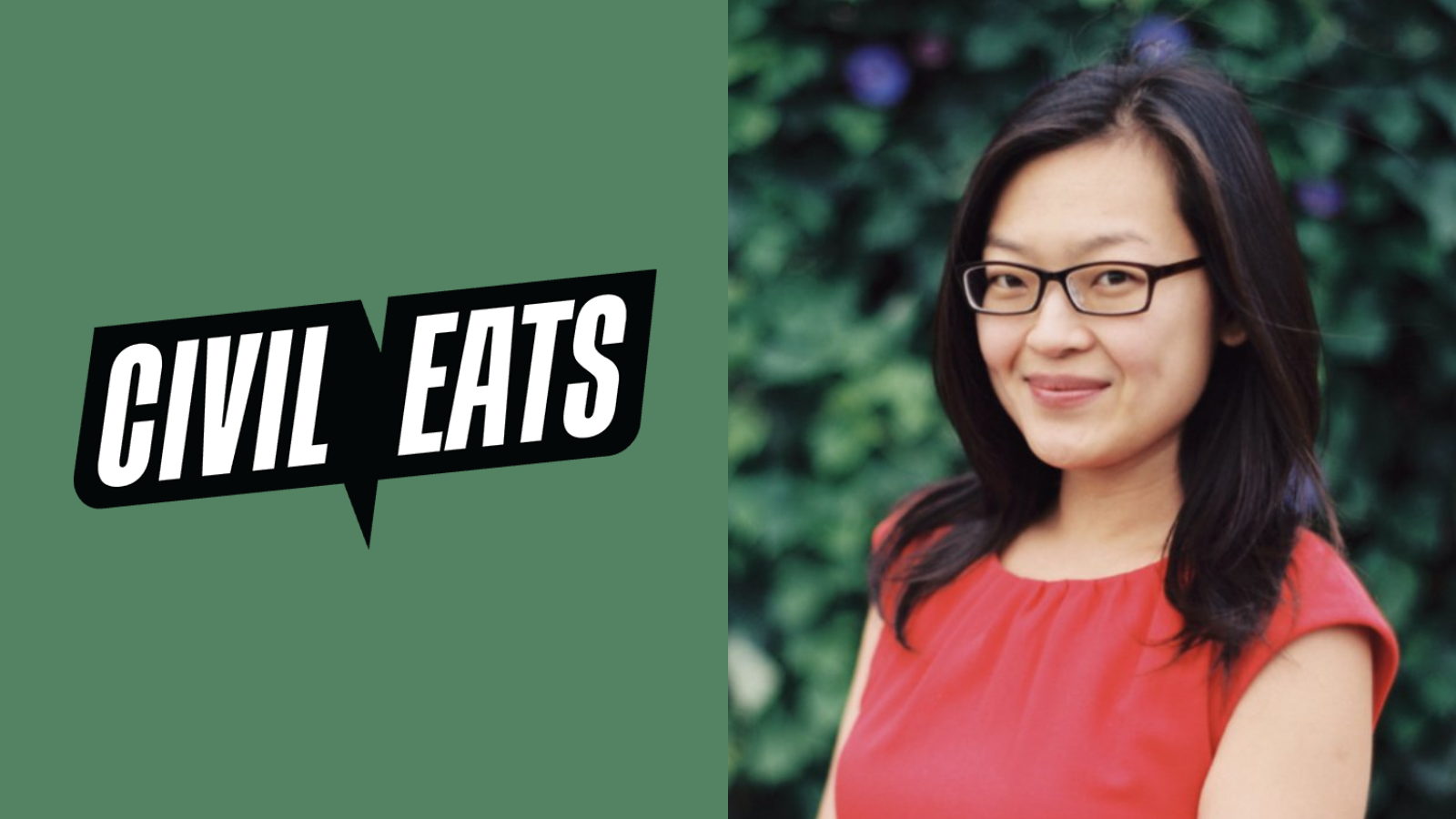
The Maynard Institute congratulates Momo Chang on her new role as Senior Editor at Civil Eats, a news source for critical thought about the American food system. Chang joined the Maynard Institute to manage the Oakland Voices alumni program in November 2019, a few months before the onset of the COVID-19 pandemic. She quickly adapted to the Oakland Voices alumni program to meet the moment. Chang launched virtual events and led a wave of alumni reporting on the pandemic and other community stories.
“I have had the pleasure of working with Momo at the Oakland Tribune and Oakland Voices. She is a wonderful person, journalist and editor. She is thoughtful, insightful and has always had the capacity to connect with different kinds of folks, a skill that made her a perfect fit to engage Voices alumni,” Martin G. Reynolds, Co-Director of the Maynard Institute, said of Momo Chang.
“Under her direction, we significantly increased the stories coming from Oakland Voices alumni, created new learning opportunities for them, and also benefited from Momo’s connections to the wider journalism community through annual meet-ups she would help coordinate. She also began to widen her work with the Maynard Institute around events and thought leadership before this new opportunity emerged. I am sad to see her go but happy for Civil Eats, and will do my best to find a way to bring her back into the Maynard family fold.”
“It’s been my honor and privilege to work with so many community journalists from all backgrounds, who each brought their own unique perspectives and experiences,” Chang said.
“We had no idea what the times ahead would look like,” she said in a written statement to the Maynard Institute. “Together, and mostly virtually for the first year, we gathered to talk about Oakland, the pandemic, and to share stories and story ideas.”
Even through the logistical difficulties presented to all journalists by the COVID-19 pandemic, Chang helped steer the Oakland Voices newsroom towards impactful choices and stories that both reflected and informed the community and its unique struggles and community heroes.
As co-director of Oakland Voices, Chang’s dedication to Oakland and its people was evident in her fidelity to the stories of the ever-changing city. In addition to contributing articles, she also devoted time to the Oakland Voices alumni and their growth as journalists and storytellers.
“Oakland Voices is a small but mighty community journalism program that’s made waves in the local community. This is in large part due to the journalism academy members and our alumni group of correspondents who continue to harness the power of telling stories that reflect the diversity of the Oakland community. We covered school closures, health equity issues, our winning basketball teams, the teachers and firefighters of Oakland, arts and culture, and so much more,” Chang wrote.
Though her time with the Maynard Institute has come to an end, Chang’s mentorship of the Oakland Voices alumni leaves a lasting mark on the small-scale, hyper-local outlet, and though her journalism journey is far from over, her influence on Oakland community journalists will forever be part of her legacy.
“I’m especially proud of Oakland Voices’ alumni network of dozens of community journalists, who’ve contributed stories and their voices to the Oakland Voices site,” she continued. “Our alumni have also published their works in outlets such as the The Oaklandside, Guardian US, NOSH, SF Chronicle, and many others. I know that the journalism academy and our alumni will continue to use their voices to tell meaningful stories about Oakland.”
“I wore many hats over the past few years, including editing stories, collaborating with partners like Oaklandside, putting on events… How lucky I am to have worked with some wonderful people, to help tell stories of a town that is near and dear to my heart. Oakland has its challenges, but one thing I know is that the people are what makes its heart beat.”
“I want to thank Maynard co-executive directors Martin Reynolds and Evelyn Hsu, and Oakland Voices co-director Rasheed Shabazz — and all of the staff members and our board members, who I’ve learned so much from. Working alongside everyone the past few years has been a joy, and these are experiences I’ll carry with me through the rest of my career,” Chang said.
Rasheed Shabazz co-led Oakland Voices with Chang, and worked closely with her in mentoring and devloping the Oakland Voices Community Correspondents.
“Momo was already an accomplished reporter when she came to Oakland Voices. It was amazing to work with her as she deepened her skills as an editor, facilitator, social media maven, and mentor,” Shabazz said. “My predecessor Brenda Payton invited her to speak to the 2016 class. I invited her in 2019. I look forward to the 2025 class learning from her.”
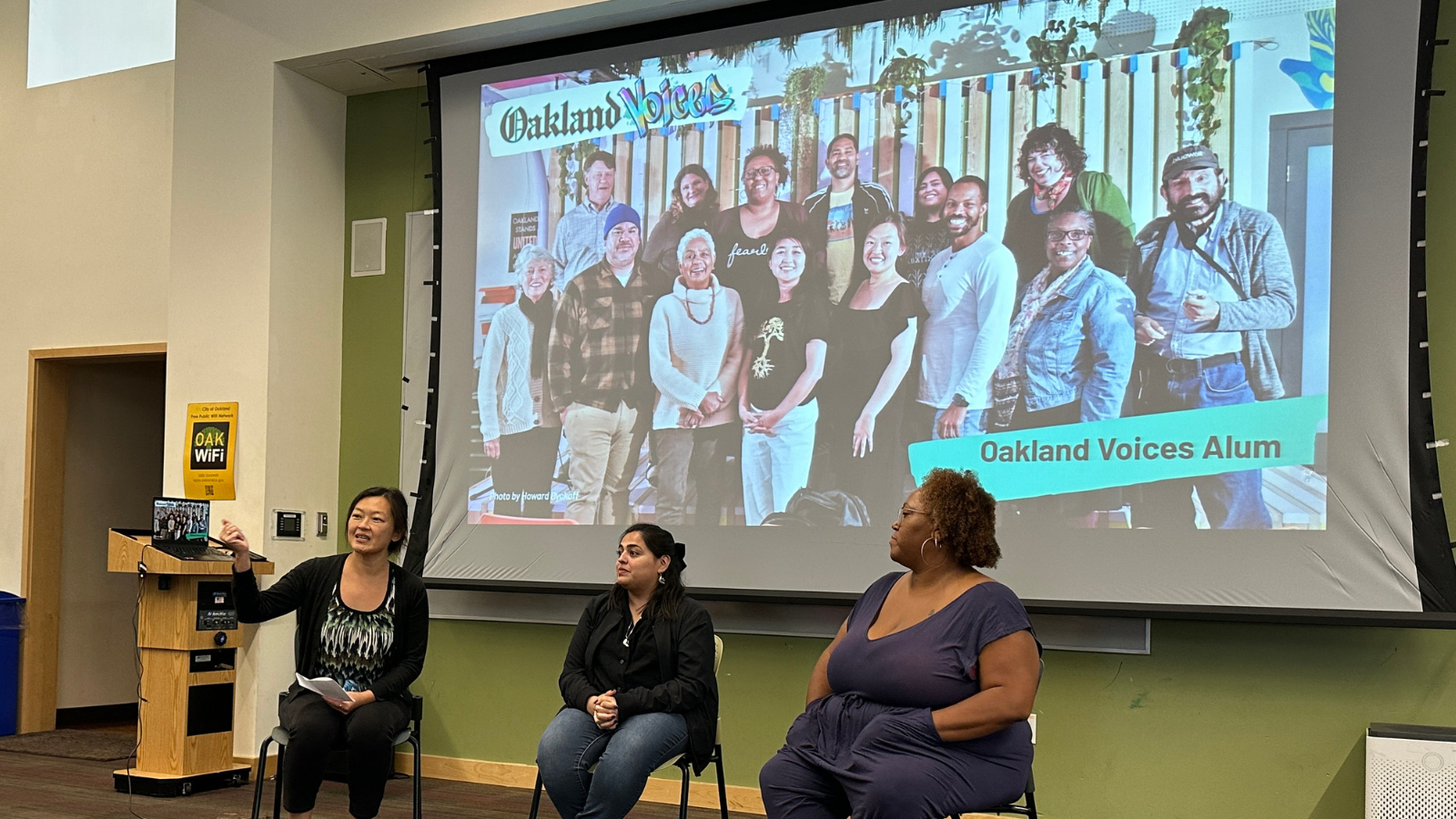
Left to right: Momo Chang, Marabet Morales Sikahall, Brandy Collins at an Oakland Voices session. Photo credit: Rasheed Shabazz.
When the Maynard 200 Fellowship expanded to include a curriculum track designed for frontline editors and managers, Chang joined the thriving professional network of over 200 fellows.
“It was always a great joy to collaborate with Momo, and it is fitting that one of her last projects was a reporting piece that leveraged the expertise of Oakland Voices and Maynard 200 journalists,” said Maynard 200 Director Odette Alcazaren-Keeley.
I am thankful to have had the opportunity to connect her editorial leadership with one of her fellow M200 alums, Mason Bryan of Prison Journalism Project. This piece is but one example of various impactful coverage she has expertly guided, empowering diverse journalists to tell more authentic stories. It’s a testament to the totality of who she is — a news leader, empathetic colleague and an inspiring friend.”
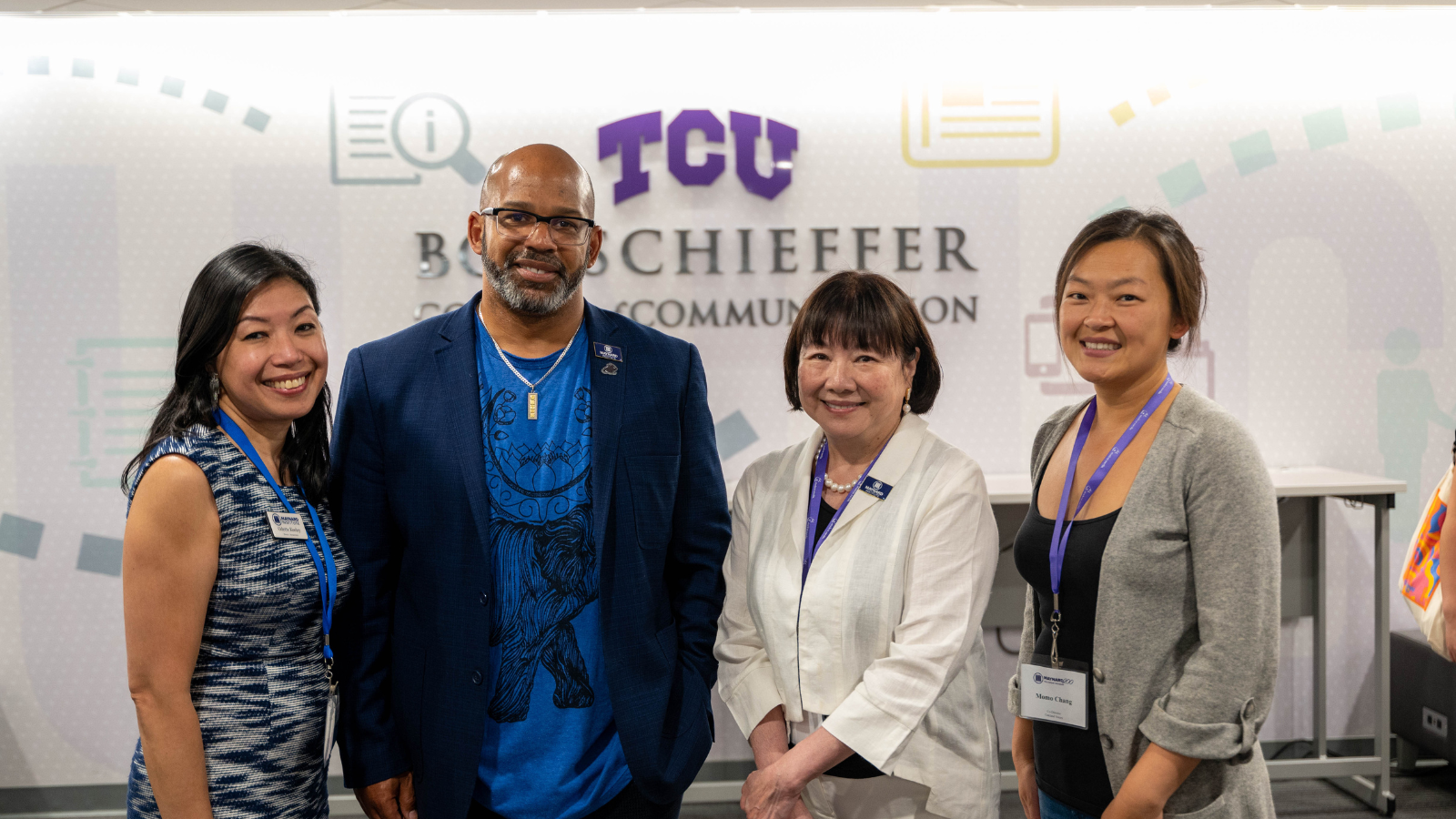
Left to right: Odette Alcazaren-Keeley, Martin G. Reynolds, Evelyn Hsu and Momo Chang during the 2023 Maynard 200 Fellowship at TCU’s Bob Schieffer College of Communication. Photo credit: Jaida Joiner.
Chang also helped organize and execute Maynard Institute events such as our recent data training for journalists on heat-related incidences of gun violence, featuring her Maynard 200 Fellow alum Helina Selemon and Maynard 200 Faculty Aaron Glantz, “Data for Journalists Covering Climate Change and Gun Violence.” Chang also wrote a recap of the resources from this training.
The Oaklandside invited Chang to participate in a sold-out panel discussion on Bay Area Journalism as part of their Culture Makers lecture series in 2023. Later that year, she teamed up with co-host Pendarvis Harshaw to organize a recurring networking meetup for Bay Area journalists.
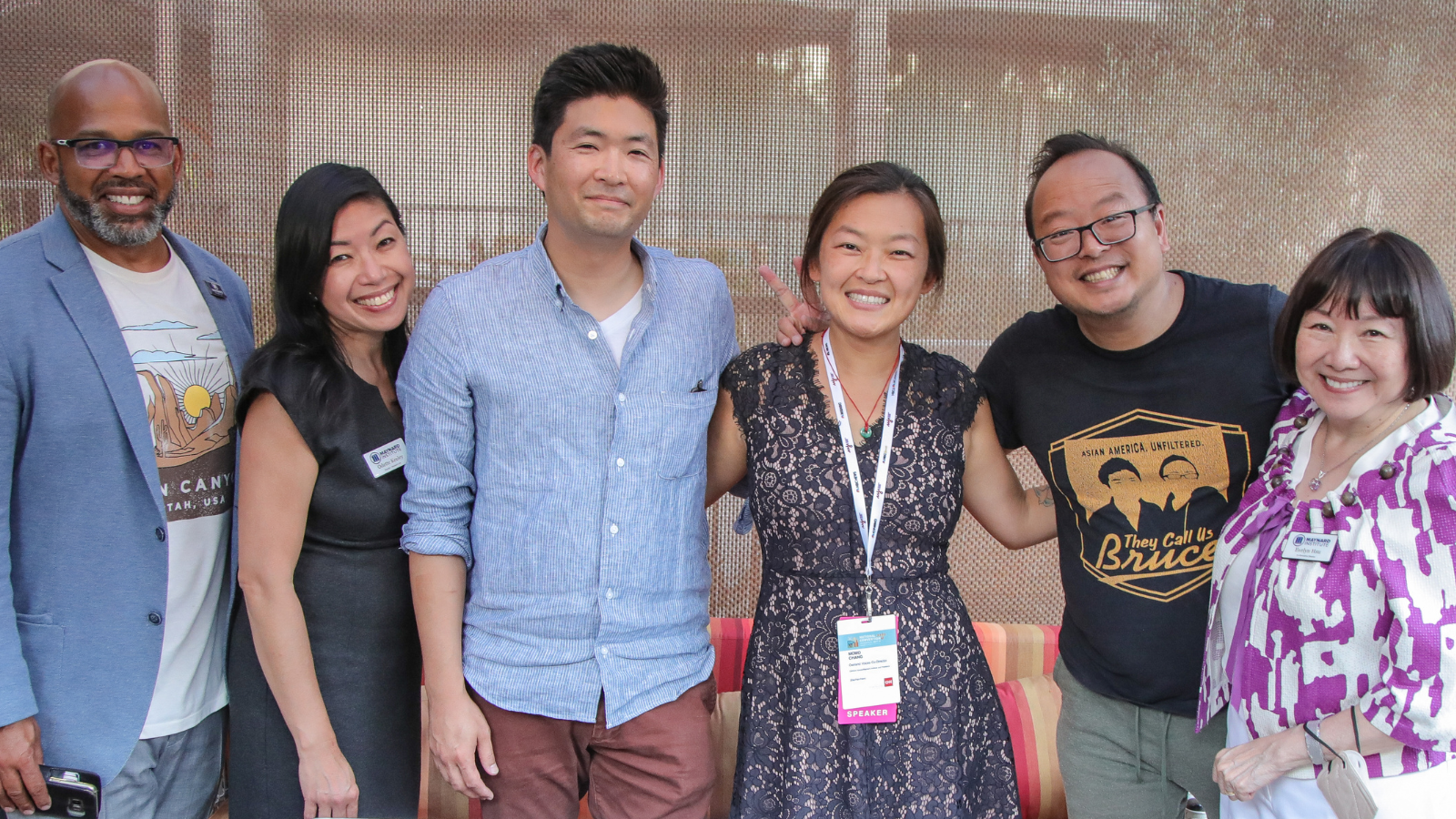
Left to right: Martin G. Reynolds, Odette Alcazaren-Keeley, Phil Yu, blogger of Angry Asian Man and co-author of RISE, Momo Chang, Jeff Chang, creater of They Call Us Bruce podcast and co-author of RISE, and Evelyn Hsu at the Maynard Family AAJA Happy Hour. Photo credit: Michelle Felix.
When professional associations were returning to in-person conferences in 2022, Chang helped coordinate and co-host the Maynard Institute’s outdoor happy hour reunion at the Asian American Journalists Association convention in Los Angeles. She was instrumental in recruiting guest speaker authors of the book Rise: A Pop History of Asian America from the Nineties to Now. Chang also contributed to a conference panel session on freelancing.
As a longtime journalist, editor, and organizer, Chang served nearly five years as co-director of Oakland Voices. We agree the new role at Civil Eats is a great fit considering Chang’s experience as a culturally sensitive food writer.
Founded in 2009, Civil Eats is an online outlet delving into stories about sustainable agriculture and encouraging critical conversations on the American food system in an effort to “build economically and socially just communities.”
Like Momo Chang, Civil Eats “doesn’t shy away from pursuing difficult or complicated stories.” Both solutions-oriented, centering human wellbeing and community, and focused on the overlooked layers of context and detail missing from many other publications, Chang and Civil Eats are a great fit for one another.
Civil Eats recently took to X, formerly Twitter, to announce Momo’s new role, saying “We are very excited to announce that veteran journalist Momo Chang will be joining the Civil Eats team as our senior editor!”
“I’m delighted that I’m now a part of Civil Eats as their senior editor, to work with this award-winning team of journalists, and to tell stories about our food systems, farmers and farming, fishing, and national and local policies on food that affect all of us,” Chang said.
“I look forward to helping build on the canon of work that Civil Eats has been publishing for the past 15 years,” she responded to Civil Eats on Twitter.
We look forward to watching Momo continue her journalism journey growing and shaping the incredible work of Civil Eats. She will always remain part of the extended #MaynardFamily.
Watch this space for more information on how to manage YOUR donor portal with BlueLena and FundraiseUp!
On Tuesday, May 19, 2026 the Maynard Institute was honored to receive the Lorraine Branham Award from Syracuse…
“Our contributions to journalism will outlast ourselves if we do it right — I’m really encouraged that there’s…
Maynard Institute fellows, faculty and alums continue to create change in journalism and in their communities, breaking into new roles and winning awards for their consistently humanizing, community-oriented, and groundbreaking journalism across myriad beats and investigative paths. Join us in celebrating their accomplishments and contributions to the field of journalism.
Maynard 200 alum and CEO of the Institute for Nonprofit News Karen Rundlet was named one of The NonProfit Times’ Power and Influence Top 50.
Block Club Reporter and Maynard 200 alum Rachel Hinton was honored with a DePaul Distinguished Alumna Award.
Joshua Barajas, 2024 Maynard 200 Fellow, and the PBS NewsHour team received the 2024 Newsletter Journalism Award from the National Press Club for their newsletter “Here’s the Deal.” Even more critical in a historic election year, “Here’s the Deal” breaks down and simplifies Capitol Hill happenings and their relevance to the everyday lives of Americans.
Eleanore Catolico, Maynard 200 alum class of 2021, won second place in the Society for Features Journalism writing competition for the category “Inclusion and Representation in Features.”
Walter Smith Randolph, Maynard 200 class of 2023, was selected to the NABJ Leadership Academy Cohort 2024.
Angela Chen, Maynard 200 class of 2021, has been awarded a Carter Center Fellowship.Recipients of the Rosalyn Carter Fellowship for Mental Health Journalism pursue groundbreaking mental health journalism projects, reporting on the mental health’s biggest challenges, reducing stigma surrounding mental illness through storytelling, and driving change through community-oriented journalism.
Heidi Chang, 2002 Maynard Cross-Reporting Fellow, received the AAJA Award for Excellence in Audio Storytelling.
Rachel James-Terry Maynard 200 class of 2023, was named a “Woman to Watch” by PR Week.
Boston Globe mental health reporter and 2018 Maynard 200 alum Esmy Jimenez won one First Place and two Second Place awards from SPJ Washington.
2024 Maynard 200 Fellow Erica McIntosh received an Edward R. Murrow Award for her reporting on mini-documentary “Miss Gen from Georgia” with Connecticut Public Broadcasting.
2019 Maynard 200 alum Natasha S. Alford received her Masters in Public Policy from Princeton University, and her young son participated in awarding her degree, a moment which was captured for posterity.
2022 Maynard 200 alum Joe Ruiz was selected for a John S. Knight Journalism Fellowship. JSK fellows receive nine months of support at Stanford exploring and testing practical solutions to journalism’s systemic problems and urgent questions from AI to misinformation and mistrust in journalism.
Jasmine Vaughn-Hall, Maynard 200 class of 2021, won Best of Show from the MDDC Press Association.
Allison Jing Yang, 2024 Maynard 200 Fellow and Senior Editor of Initium Media, was recognized with a 2024 Human Rights Press Award for Investigative Writing.
Helina Selemon, Maynard 200 class of 2023, was recognized with a Solutions Journalism Award for her story on the heat crisis and gun violence. Last month, Helina co-presented data reporting methods for heat-related gun violence with faculty member Aaron Glantz.
Josh McGhee, Maynard 200 alum class of 2023 received several awards in quick succession: Josh was awarded a McGraw Fellowship for Business Journalism and will be investigating how hospitals profit from involuntary mental health treatment laws.
He was also recognized with a 2024 Community Media Awards Studs Terkel Award for his work on criminal justice and mental health with MindSite News, and won Best Collaboration in the inaugural Stillwater Awards recognizing excellence in prison journalism.
Josh also received a Gold Award from Digital Health Awards for his coverage of criminal justice and mental health.
Dr. Jonathan P. Higgins, Maynard 200 class of 2018, just announced the release of their book, “Black Fat Femme,” based on their award-winning podcast, coming out March 25, 2025.
Maynard Media Academy alum Ebony Reed released “Fifteen Cents on the Dollar, How Americans Made the Black-White Wealth Gap” with co-author Louise Story, and embarked on a successful press tour, giving many interviews explaining the concepts of wealth, debt, and generational security and how nearly 200 years after the end of chattel slavery and the first proposals of reparations, the Black-White wealth gap persists.
Brianna Tucker, Maynard 200 class of 2022 and Deputy Campaign Editor with the Washington Post, was voted NABJ Chair of the Political Task Force for 2024.
Marian Chia-Ming Liu, 2021 Maynard 200 alum-turned-faculty, marked five years at the Washington Post. She also spearheaded the AAJA Style Guide project, an essential guide to covering Asian American and Pacific Islander communities with cultural competence and sensitivity.
Faculty Member Ron Nixon was awarded the Dorothy Butler Gilliam Trailblazer Award by the Washington Association of Black Journalists for his own trailblazing career as an exemplary investigative journalist and for being an exceptional leader in journalism. The award was established in honor of Maynard Institute co-founder Dorothy Butler Gilliam, who in 1961 became the first Black woman reporter at the Washington Post and still retains a board position with the Maynard Institute.
Steve Padilla, Maynard 200 faculty member and Editor of the LA Times’ Column One, inducted into the NAHJ Hall of Fame.
Faculty member Aaron Glantz began his resident fellowship at the Center for the Advanced Study of the Behavioral Sciences at Stanford University, and will be using the same office in which Palestinian academic titan Edward Said wrote his most famous work, “Orientalism.” Building on his experience at the Carter Center, Glantz aims “to incubate an initiative that builds resilience for investigative journalists, human rights advocates, and others dedicated to social change.”
Board member Kevin Merida won a 2024 Richard M. Clurman Award for his superb on-the-job mentorship of young journalists from the University of Michigan Wallace Center for Journalists.
Sandra Clark, Maynard 200 faculty member, was listed as one of Editor & Publisher’s “15 over 50.”
Mei-Ling Hopgood, consultant and member of the extended Maynard Family was honored with a University Teaching Award.
Penda Howell, Maynard 200 class of 2019, joined the National News Publisher’s Association/The Black Press.
The Maynard Institute is proud to see Momo Chang join Civil Eats as their new Senior Editor after serving nearly five years as Co-Director of Oakland Voices.
Alison Saldanha, Maynard 200 class of 2022, left the Seattle Times and is headed to Dallas News.
The Maynard Institute for Journalism Education is proud of all members of our Maynard Family. We’re excited to continue this work with optimism and passion for diversity and belonging in journalism, and can’t wait to see what our Fellowship graduates and Fault Lines training recipients will do next to build inclusive and equitable news ecosystems in the new year.
Our work is made possible by individual donors, The California Endowment, Craig Newmark Philanthropies, Democracy Fund, Ford Foundation, The Hearthland Foundation, Inasmuch Foundation, Knight Foundation, Jacob and Valeria Langeloth Foundation, The Reva and David Logan Foundation, and the MacArthur Foundation.
Since 1977, the Maynard Institute has fought to push back against the systemic lack of diversity in the news industry through training, collaborations and convenings. Founded by Robert C. Maynard, the Institute promotes diversity and antiracism in the news media through improved coverage, hiring and business practices. We are creating better representation in U.S. newsrooms through our programs , which gives media professionals of color the tools to become skilled storytellers, empowered executives and inspired entrepreneurs.
Contact Community Engagement Coordinator, Amani Hamed, at ahamed(at)mije(dot)org to be featured in our next Maynard Family Update.
Watch this space for more information on how to manage YOUR donor portal with BlueLena and FundraiseUp!
On Tuesday, May 19, 2026 the Maynard Institute was honored to receive the Lorraine Branham Award from Syracuse…
“Our contributions to journalism will outlast ourselves if we do it right — I’m really encouraged that there’s…
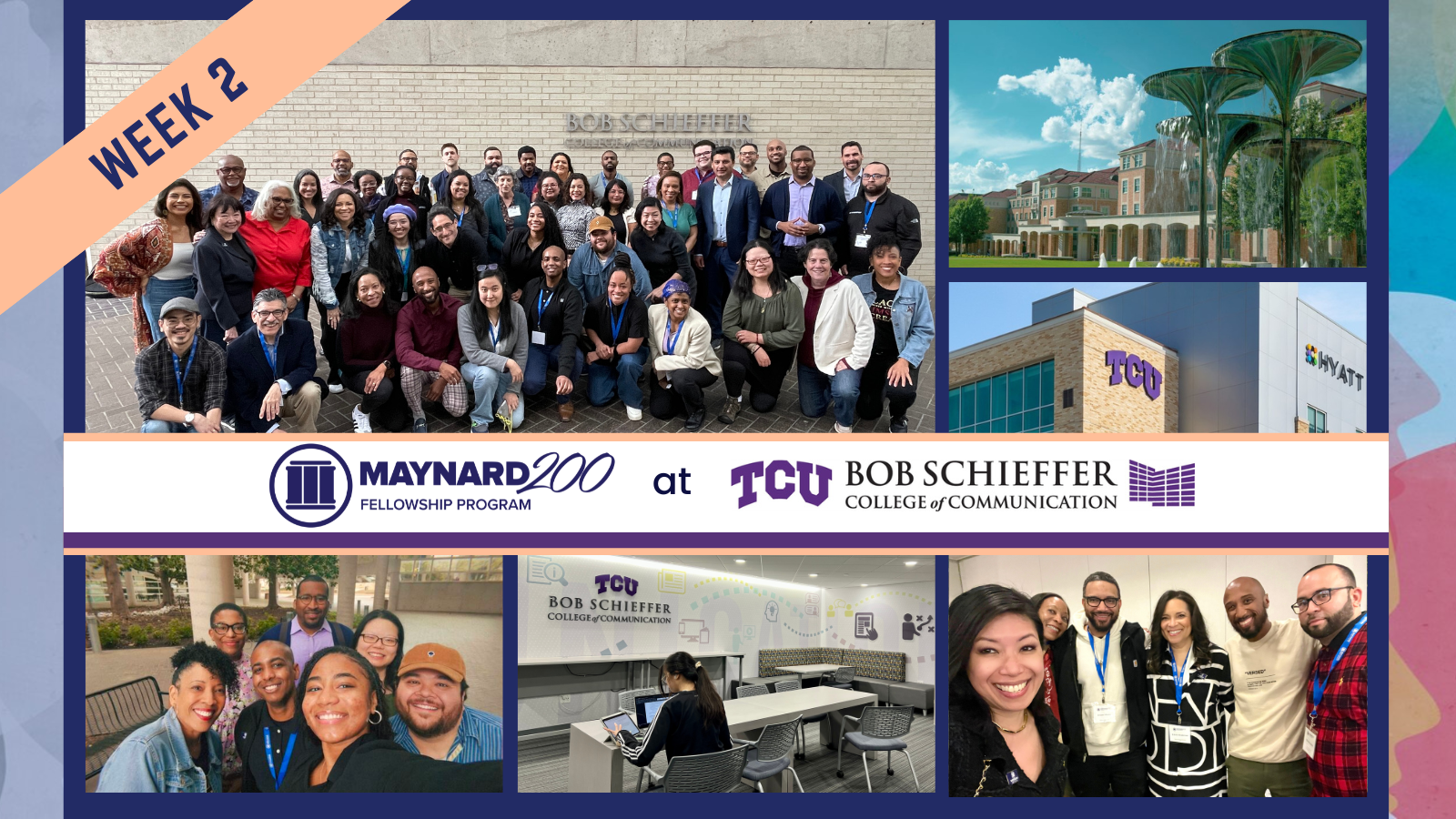
The 2024 Maynard 200 Fellowship is designed to sharpen skills, provide hands-on training as well as a one-to-one year-long mentorship, and build a community of peer support. This year’s curriculum has been updated with a hyperfocus on the critical role editors and managers play in today’s newsrooms. Hosted by the Bob Schieffer College of Communication at TCU, fellows benefit from two weeks of in-person training sessions and workshops led by industry leaders. This blog highlights just a few of the 2024 Maynard 200 Faculty who will be leading the fellows through their second week of training with presentations carefully crafted to build leadership skills and hone managerial instincts.
Faculty: Maria Carrillo
Maria is a consultant and coach after spending 36 years in seven newsrooms. She was enterprise editor at the Tampa Bay Times and Houston Chronicle, and, before that, managing editor at The Virginian-Pilot. She has edited dozens of award-winning projects, frequently lectures on narrative journalism and co-hosts a podcast about craft called WriteLane.
She is a board member of the Virginia Center for Investigative Journalism as well as the National Press Photographers Association and a juror for the Hillman Prizes.
Maria was born in Washington, D.C., two years after her parents left Cuba in exile. She now lives in St. Petersburg, Florida.
Faculty: P. Kim Bui
P. Kim Bui is a 2023-24 John S. Knight Journalism fellow. Recently, she was senior director of product and audience innovation at the Arizona Republic. A native Iowan, she’s focused her career on leading real-time news initiatives and creating new storytelling forms for digital, print and broadcast companies catering to local, national and global audiences.
Prior, she was editor-at-large for NowThis News and deputy managing editor for reported.ly, a distributed social journalism startup.
She was in the inaugural class of the Executive Program in News Innovation and Leadership from City University of New York’s Craig Newmark Graduate School of Journalism. She’s spoken on journalism and leadership worldwide and written about empathy in journalism for a number of research outlets. She writes a newsletter for emerging leaders: The Middles.
Faculty: Caroline Ceniza-Levine
Caroline Ceniza-Levine is a career expert, media personality, and founder of the Dream Career Club. Caroline is a Senior Contributor to Forbes.com, Top LinedIn Voice for Executive Coaching, Career Counseling, and Personal Development, and former career columnist for Money.com, Time.com, CNBC, and Portfolio. She has been a repeat guest expert on CBS, CNN, CNBC, and Fox Business and has been quoted in major media outlets, including BusinessWeek, Entrepreneur, Fast Company, Fortune, Inc, NPR, and The Wall Street Journal.
As an executive coach, Caroline has worked with professionals from Amazon, American Express, Condé Nast, Goldman Sachs, McKinsey, Tesla, and other leading firms. She designed and oversees the career program for the Columbia Business School Executive Program in Management and is the creator of the online courses “Behind the Scenes in the Hiring Process” and “Making FIRE Possible.”
Caroline is the author of “Jump Ship: 10 Steps to Starting a New Career.” A classically-trained pianist at Juilliard and Manhattan School of Music, Caroline performed stand-up comedy in NYC clubs for 10 years and is currently a producer and writer with FBC Films. A native New Yorker, Caroline divides her time among Florida, New York, and Costa Rica and blogs about her journey to the land of Pura Vida on Costa Rica FIRE.
Faculty: Virgil Smith
Virgil L. Smith is the founder and Principal of the Smith Edwards Group, LLC, a consulting firm he established in 2015 after a distinguished 24-year career at the Gannett Company. Prior to his retirement, Smith held various leadership roles, including President and Publisher at the Stockton Record and Asheville Citizen-Times as well as a corporate HR executive responsible for talent development and diversity across broadcast, print, and digital operations.
Before joining Gannett, Smith spent two decades at the McClatchy Company, where he held executive positions such as Human Resources Director, Director of Consumer Marketing, and Chief Labor Negotiator.
Throughout his career, Smith has helped numerous professionals achieve their career and life goals. In addition to his work as a consultant and career coach, Smith is currently the President of the Board of Trustees for the Z. Smith Reynolds Foundation. He has served as a Trustee since 2005.
Smith authored the book “The Keys for Effective Leadership” and has been recognized for his contributions by numerous professional and community organizations.
His awards include the Ida B. Wells Award for Distinguished Leadership, the Lifetime Achievement Award from the Asheville Human Relations Council, and the Dr. Martin Luther King Jr. Legacy of Peace, Justice, and Community Award. Smith holds a Bachelor of Science and Master’s degree from the University of San Francisco and an Honorary Doctorate Degree from the University of North Carolina Asheville. He resides in Atlanta with his wife, Joann Smith, PhD.
Faculty: Marian Chia-Ming Liu
For the past two decades, Marian Liu has worked across newspapers and digital platforms, diving into what resonates with readers in the local, national, and global news cycle.
Her career has always been about reflecting the communities she represents – Asian, immigrant and female, covering everything from Korean Pop to health disparities across communities.
Currently, Marian Chia-Ming Liu is The Washington Post’s Projects Editor of Special Newsroom Initiatives and Partnerships, focused on developing innovative new ways to reach new readers. She’s managed several projects and section launches, including the new Style section covering news from the frontlines of culture; Well+Being, wellness stories on bodies of all shapes, sizes and colors, and the Pulitzer-winning series “The Attack: Before, During, and After.”
Before The Post, she was a writer, music critic, and editor at CNN in Hong Kong and several newspapers, including the Seattle Times, San Jose Mercury News, Source Magazine, and the South Florida Sun Sentinel, where she launched a hyperlocal entertainment site and app. Liu also directed the student multimedia convention projects for the Asian American Journalists Association and UNITY. She serves as National Vice PResident of Civic Engagement for AAJA and is developing an updated style guide for the AANHPI community.
Faculty: Ernesto Aguilar
Born in East Houston, Ernesto Aguilar’s life was transformed by public media. His career has traversed daily newspapers and alternative weeklies to public radio news and program director roles.
At KQED, he oversees radio broadcast content and DEI initiatives in the organization’s Content division. He is former co-chair of the KQED DEI Council.
In his spare time, he writes OIGO, a newsletter on public media and diverse audiences. Prior to KQED, Aguilar served stations as executive director of the National Federation of Community Broadcasters. He was also part of the founding committee of Public Media for All, an initiative aimed at organizing radio stations around actionable DEI outcomes.
A Robert C. Maynard Institute for Journalism Education Fellow, Sulzberger Executive LEadership Fellow, and Public Media CEO/COO Bootcamp graduate, Aguilar has a B.A. in journalism, with minors in sociology and Women’s Studies from the University of Houston.
Faculty: Katrice Hardy
Katrice is vice president and executive editor of The Dallas Morning News. Previously, she was executive editor of The Indianapolis Star and Midwest regional editor for USA Today Network. When Katrice joined the network in 2016, she was the executive editor of The Greenville News and then took on responsibilities as the South regional editor overseeing news organizations in South Carolina, North Carolina, Louisiana, Alabama, Mississippi and Virginia.
Previously, she had worked for 20 years at The Virginian-Pilot where she started as an intern and left as managing editor. Her IndyStar newsroom and its reporting partners The Marshall Project, AL.com, and Invisible Institute were awarded the 2021 Pulitzer Prize for National Reporting for “Mauled: When Police Dogs Are Weapons,” and the newsrooms where she has led have won multiple IRE and Editor and Publisher awards, and myriad state honors as well. She is a board member of the Marshall Project, a member of the National Association of Black Journalists, the Dallas Assembly and the International Women’s Forum.
Katrice believes strongly that a news organization’s role is to shine light on wonderful people and organizations making a difference in local communities and to uncover the problems, ills, misuses and abuses to help make positive change.
Faculty: Sandra Clark
Sandra Clark, featured in Editor and Publisher’s “15 Over 50” Class of 2024, is CEO of StoryCorps and is a leading voice in journalism and beyond, challenging norms and practices that create barriers to building trust and meaningful, sustainable connections with communities. At StoryCorps, she leads the award-winning organization’s mission to help us believe in each other by recording and sharing stories from everyday people that illuminate the humanity and possibility in us all.
Prior to joining StoryCorps, Clark was Vice President for News and Civic Dialogue at WHYY in Philadelphia. Her innovative approaches to collaborating with grassroots information providers garnered national recognition. Previously, Clark served as Managing Editor at the Philadelphia Inquirer, leading the paper to a 2014 Pulitzer Prize for Criticism. She is a longtime visiting coach and mentor for the Maynard Institute.
Faculty: Andy Alford
Andy Alford is The Texas Tribune’s director of recruitment, training and career development. She also manages the Tribune’s fellowship program, which employs student fellows to work in all areas of the organization, including on teams in the newsroom, as well as the events, product development, and marketing and communication teams.
Andy came to the Tribune in 2022 after a long stretch at the Austin American-Statesman, where she rose from reporter to managing editor. Alford had a nearly 19-year tenure at the Statesman where she had various roles, including local editor, data journalist on the investigative team and community affairs reporter.
The Maynard 200 Fellowship program is made possible thanks to all members of the 2024 faculty and mentors and the second training week kicks off on July 15.
Our university host partners at TCU’s Bob Schieffer College of Communication have been instrumental in welcoming the Maynard 200 Fellowship, including Chair of the Journalism Department, Dr. Uche Onyebadi, and long-standing TCU faculty member, Associate Professor of Professional Practice and Director of Student Media Journalism, Jean Marie Brown has also been instrumental in welcoming the Maynard 200 Fellowship. The reception on July 18 will include an address by the Dean of TCU’s Bob Schieffer College of Communication, Dr. Kristie Bunton.
Also rejoining the fellows for week two of their Maynard 200 training are Executive-in-Residence Felecia Henderson and faculty members John X. Miller, Tom Huang, and Dickson Louie.
Read the bios for all week 2 faculty (PDF).
For more than 45 years, the Maynard Institute has fought to push back against the systemic lack of diversity in the news industry through training, collaborations and convenings. Founded by Robert C. Maynard, the Institute promotes diversity and antiracism in the news media through improved coverage, hiring and business practices. We are creating better representation in America’s newsrooms through our Maynard 200 fellowship program, which gives media professionals of color the tools to become skilled storytellers, empowered executives and inspired media entrepreneurs.
Maynard 200 is the cornerstone program advancing the Maynard Institute’s efforts to expand the diversity pipeline in news media and dismantle structural racism in its newsrooms. Since 2018, the Maynard Institute has trained media leaders, storytellers, editors, managers and entrepreneurs through the fellowship program. Maynard 200 is designed to sharpen skills, provide hands-on training as well as a one-to-one year-long mentorship, and build a community of peer support for diverse journalists. In 2024, the program returns with two weeks of in-person training rounds — specifically designed to support the success of newsroom editors and managers. Hosted by the Bob Schieffer College of Communication at TCU in Fort Worth, Texas, the program will convene in March and July of 2024.
Maynard 200 is made possible thanks to the support of our generous funders Craig Newmark Philanthropies, The Hearthland Foundation and McClatchy.
For more information about the Maynard 200 Fellowship, please reach out to:
Maynard 200 Director, Odette Alcazaren-Keeley at okeeley@mije.org.
Watch this space for more information on how to manage YOUR donor portal with BlueLena and FundraiseUp!
We’re partnering with the Kansas City Defender for Black Philanthropy Month! August is Black Philanthropy Month! Founded in…
The inaugural cohort of Fire Up Fellows represent the power and potential of diverse news in the State…
We want to hear from you! The Maynard Institute’s annual community survey helps us to better understand the needs of our alumni and to shape our programs, training offerings, and events. We strive to foster an inclusive sense of ownership and empowerment within our community through this survey practice. Take the survey and join us in shaping the future of the Maynard Institute.
When we launched our first community survey in 2022, we learned that certain communities of our alumni were less engaged than others. For example, a lower percentage of survey respondents were Asian American journalists than we had expected. We used this feedback to prioritize reconnecting with the community in a few ways.
First, as part of the Vision 25 Belonging in the News virtual discussion series, coordinated in partnership with Online News Association and Open News, we featured editor-in-chief of Teen Vogue, Versha Sharma. From 2015 to 2021, Sharma was managing editor at NowThis, where she shared in a 2018 Edward R. Murrow Award for a documentary on Hurricane Maria’s effects on Puerto Rico. Teen Vogue, a web-only Condé Nast publication, pivoted to become a strong voice on social justice issues in recent years and we invited Sharma to share her experience as the first South Asian American woman to helm Teen Vogue.
Second, we hosted a networking happy hour at the 2022 Asian American Journalists Association conference featuring Jeff Yang and Phil Yu, guest speakers and co-authors of the book RISE: A Pop History of Asian America from the Nineties to Now. The sold out, outdoor reception was a joyous celebration and for many attendees, it was the first in-person networking gathering since the pandemic began in 2020. The success of the event proved that our extended Maynard Family is eager for opportunities to connect with each other.
Third, the Maynard Institute’s local community journalism program Oakland Voices hosted a meetup featuring special guest, Thi Bui. Thi Bui was born in Vietnam and came to the United States in 1978 as part of the “boat people” wave of refugees fleeing Southeast Asia at the end of the Vietnam War. Her debut graphic memoir, The Best We Could Do (Abrams ComicArts, 2017) has been selected for an American Book Award, a Common Book for UCLA and other colleges and universities, an all-city read by Seattle and San Francisco public libraries, a National Book Critics Circle finalist in autobiography, and an Eisner Award finalist in reality-based comics. In a lively and frank discussion, Bui shared the challenges of getting a fine arts degree with professors who did not have the cultural competency to value storytelling that centered her Asian American identity.
These programming efforts were not only successful events, they helped increase the engagement among Asian American journalists in our community survey the following year.
How will your survey input help guide our programming in the future? We can’t wait to find out! Take the survey today.
Since 1977, the Maynard Institute has fought to push back against the systemic lack of diversity in the news industry through training, collaborations and convenings. Founded by Robert C. Maynard, the Institute promotes diversity and antiracism in the news media through improved coverage, hiring and business practices. We are creating better representation in U.S. newsrooms through our programs , which gives media professionals of color the tools to become skilled storytellers, empowered executives and inspired entrepreneurs.
Watch this space for more information on how to manage YOUR donor portal with BlueLena and FundraiseUp!
We’re partnering with the Kansas City Defender for Black Philanthropy Month! August is Black Philanthropy Month! Founded in…
The inaugural cohort of Fire Up Fellows represent the power and potential of diverse news in the State…