News / Blog
Strong journalism starts with strong newsrooms: How one Maynard alum is investing in both
Communities depend on healthy newsrooms and well-supported journalists to access reliable information, stay informed and participate in civic…


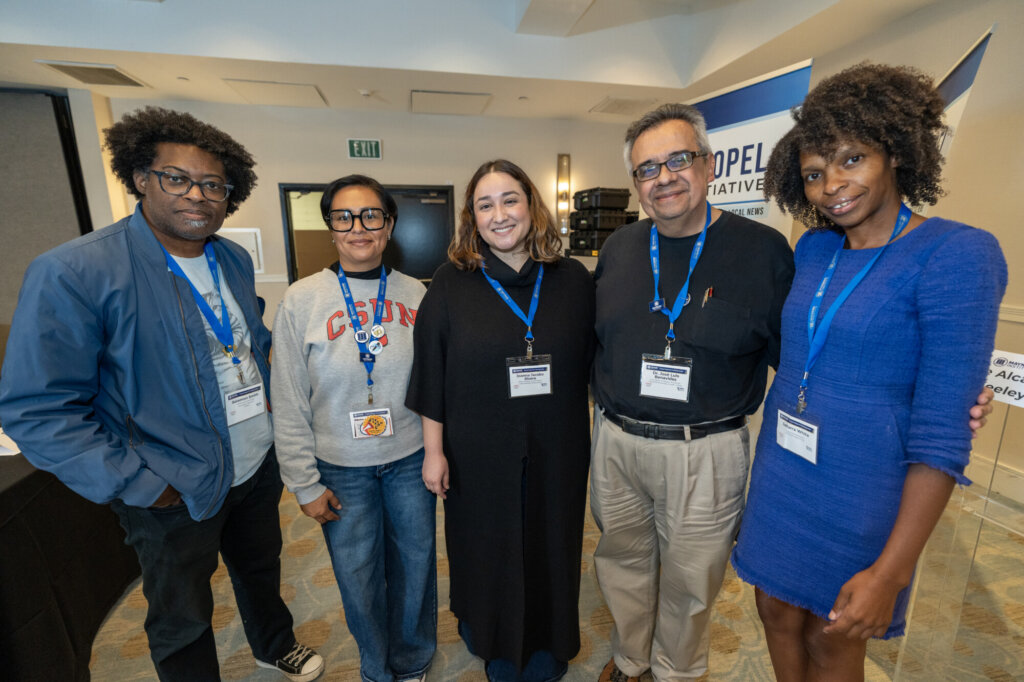
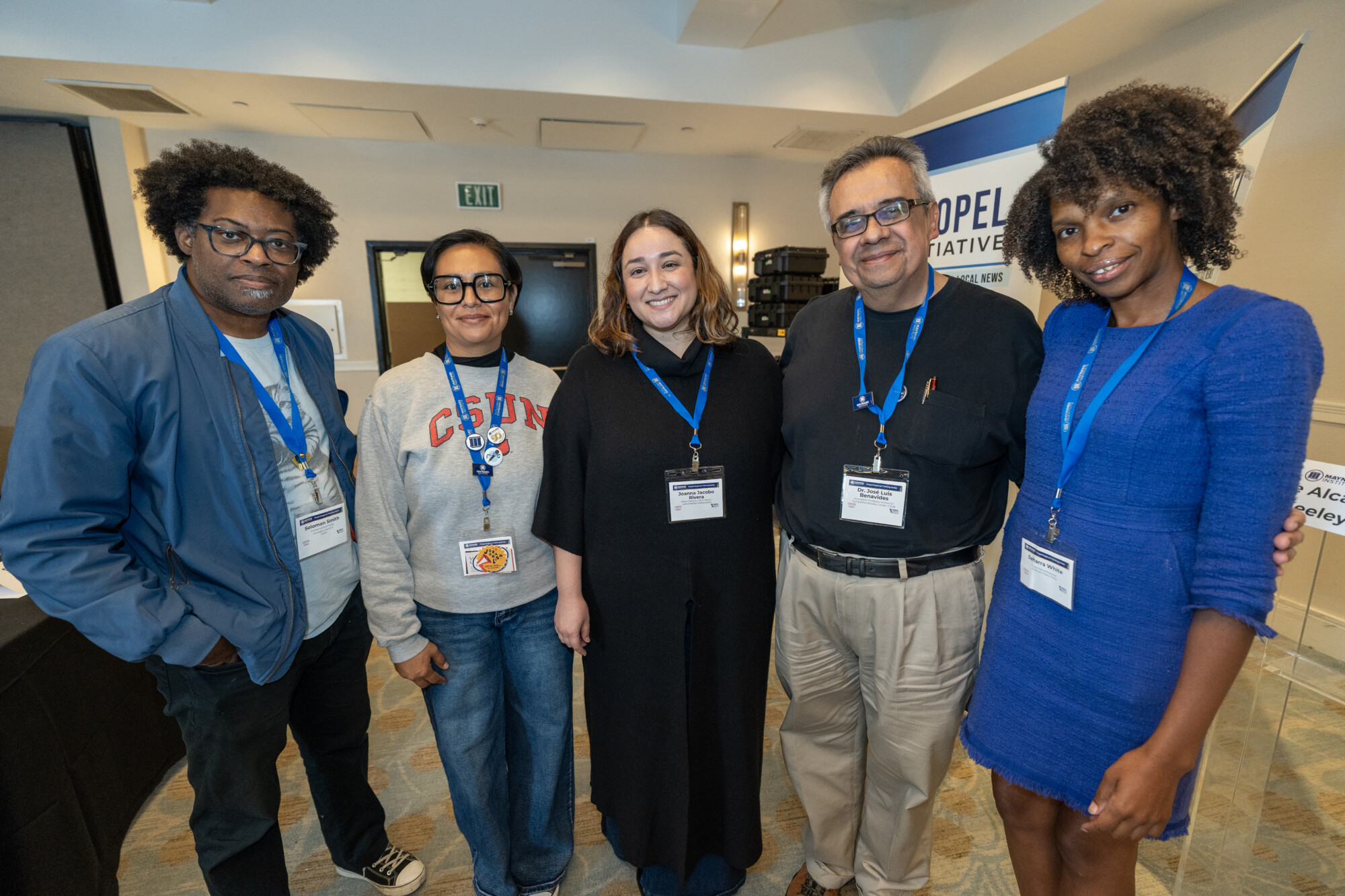
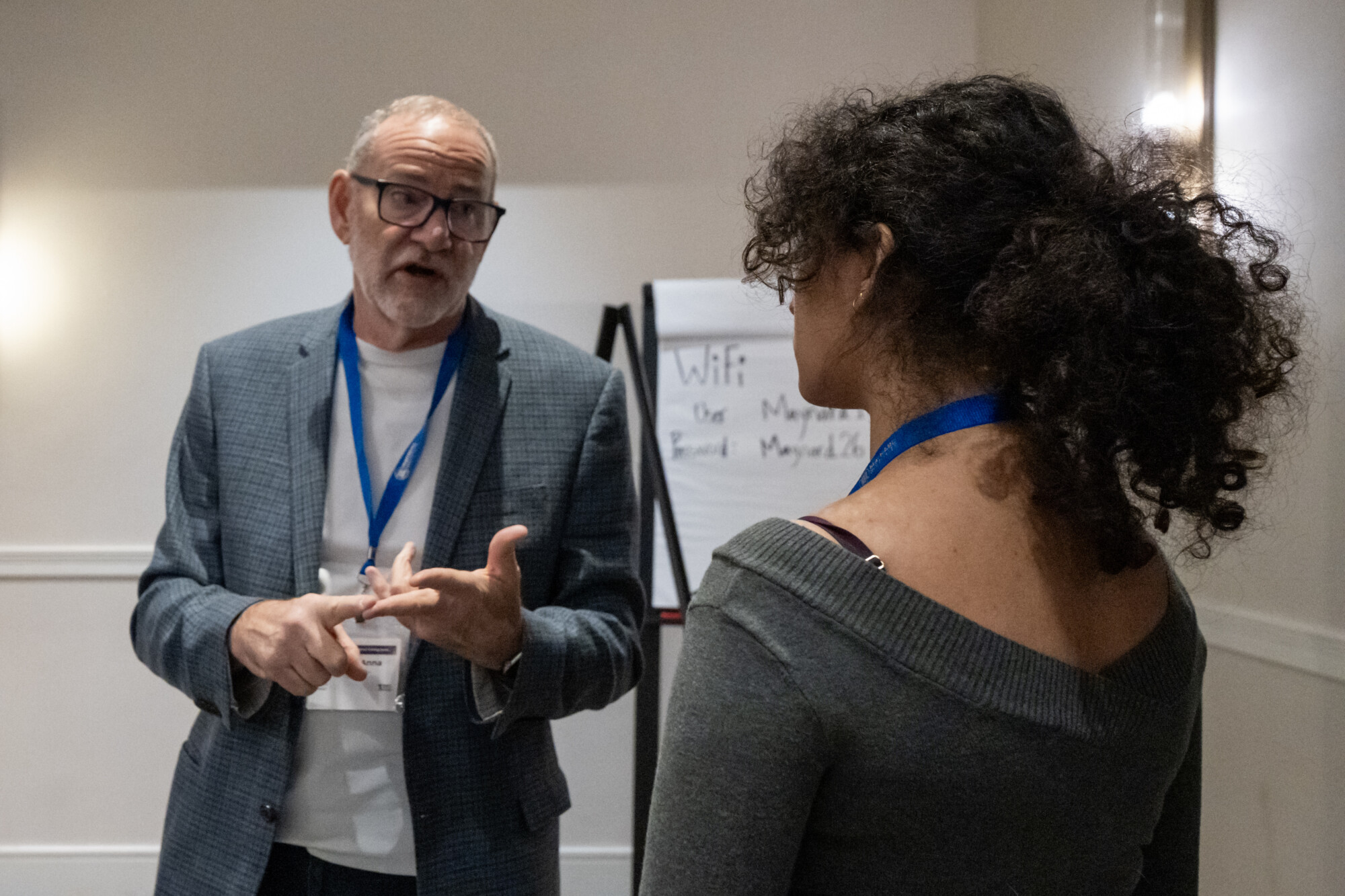
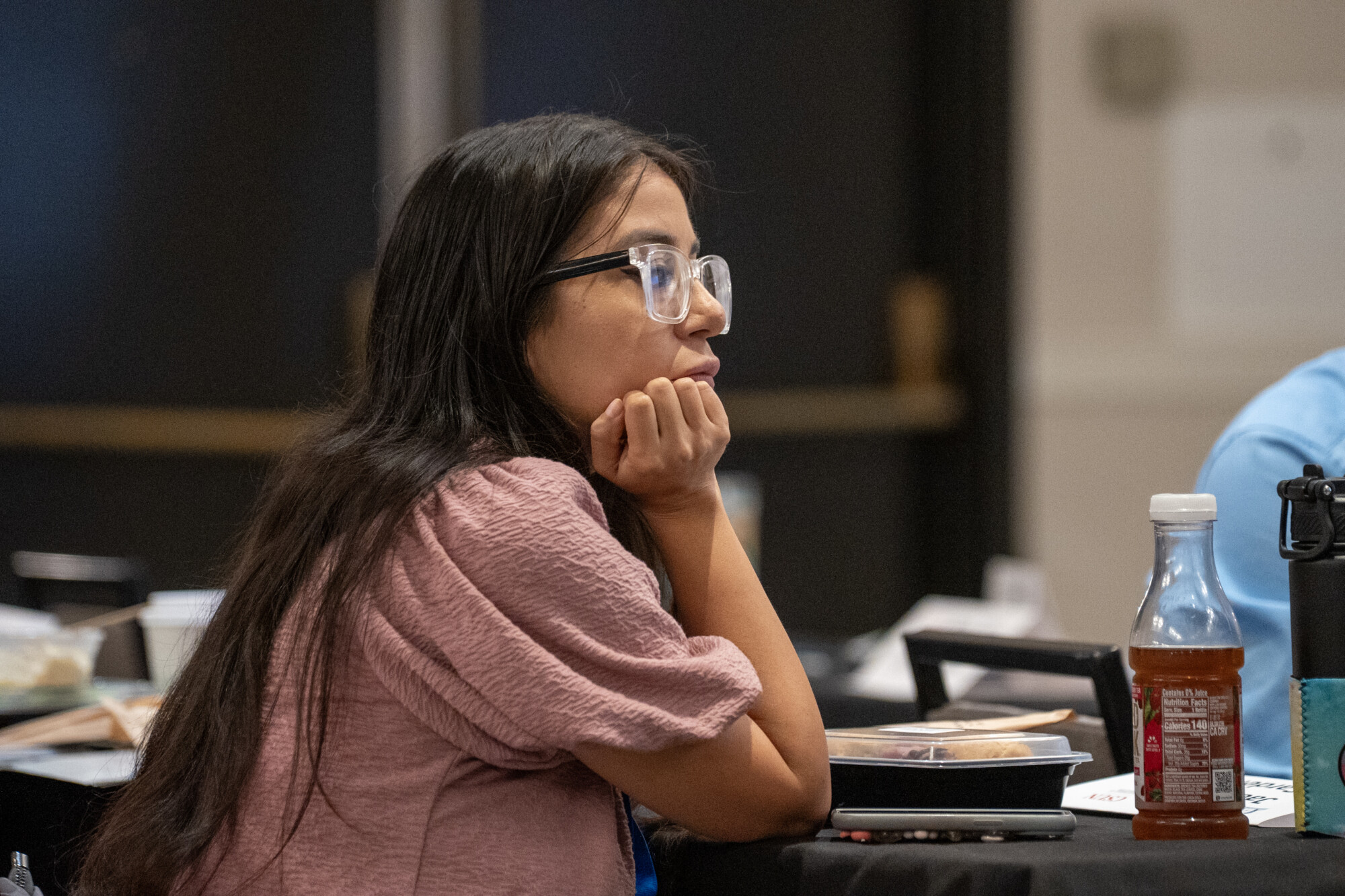
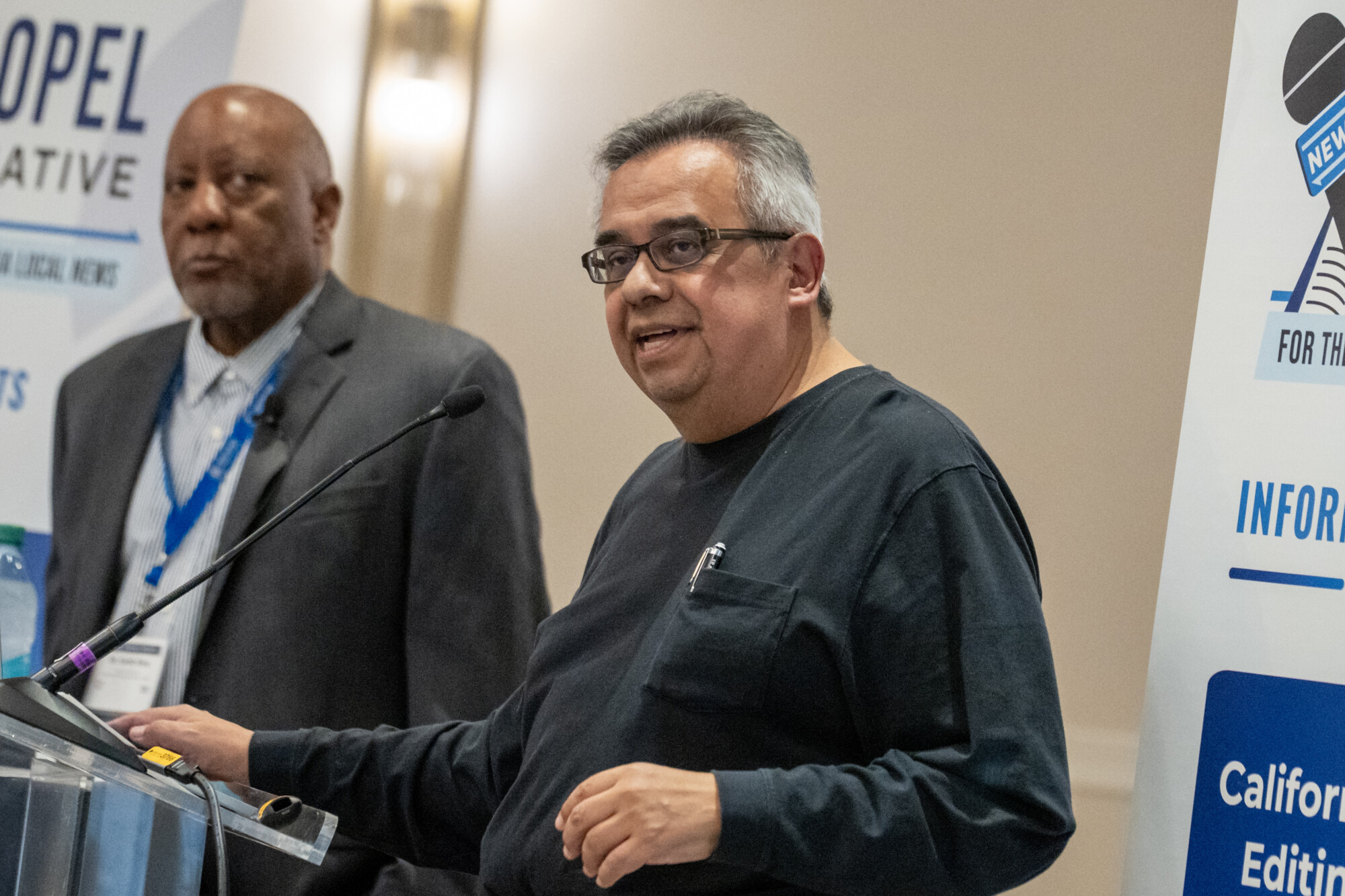
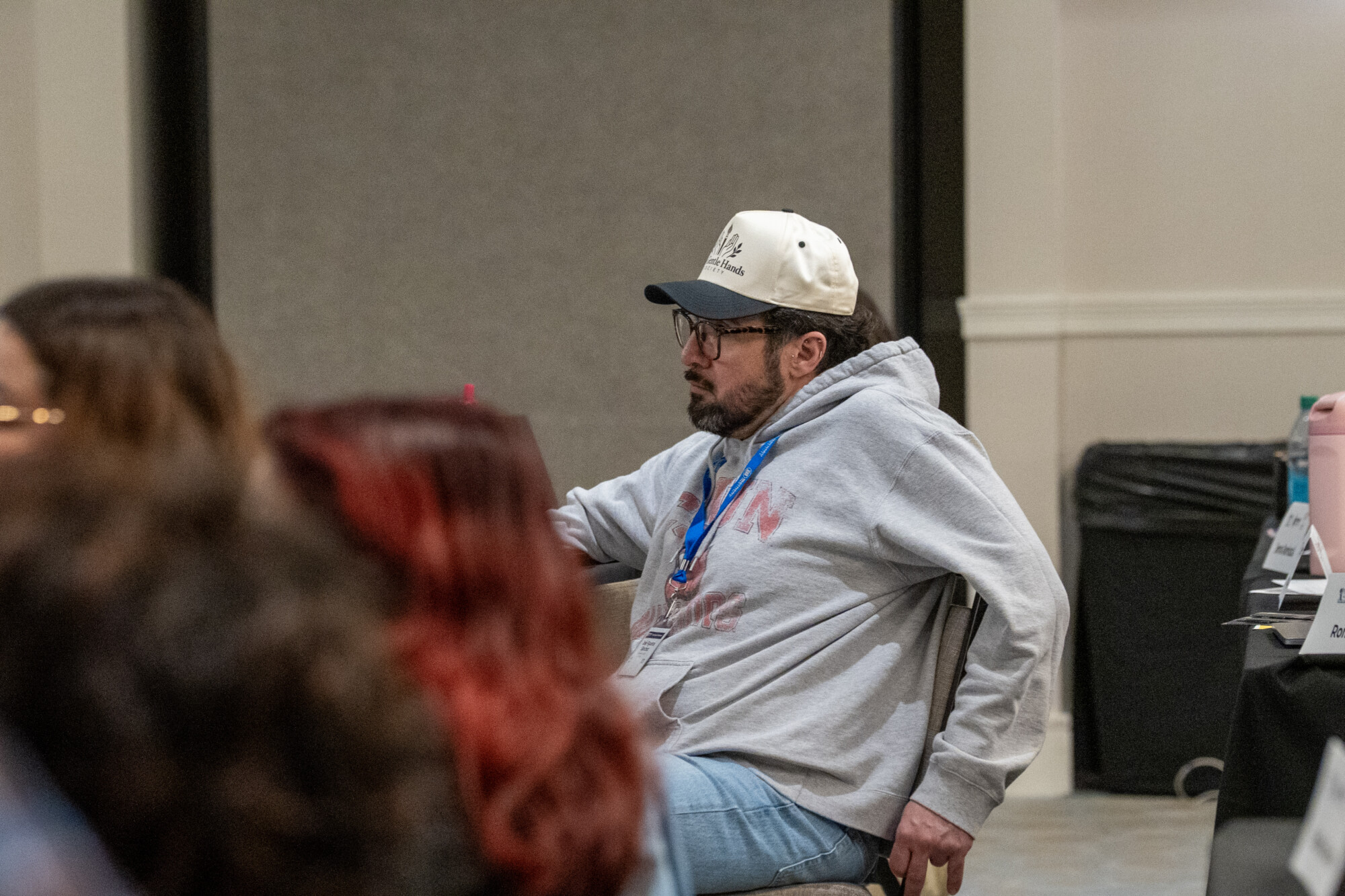
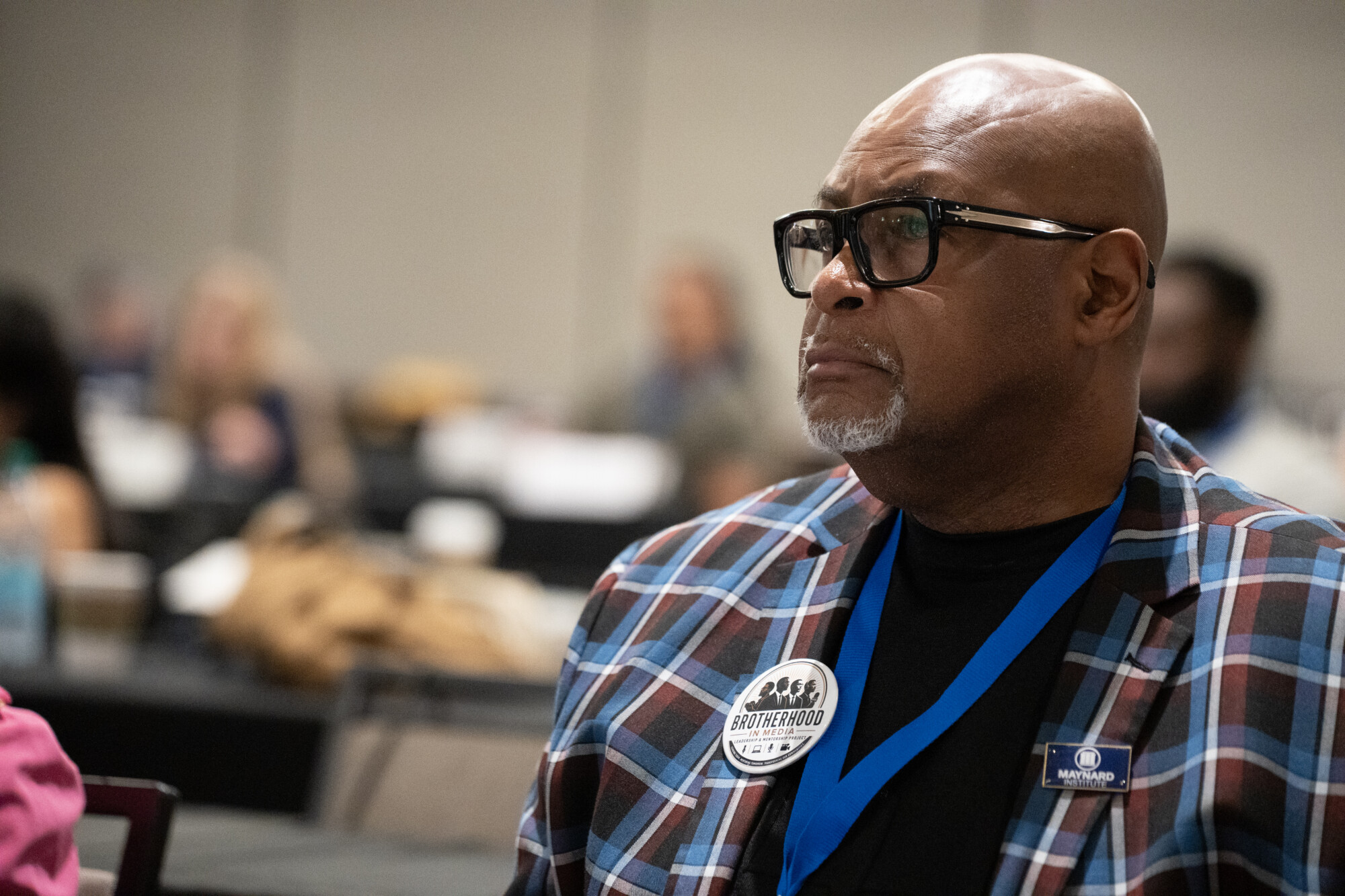
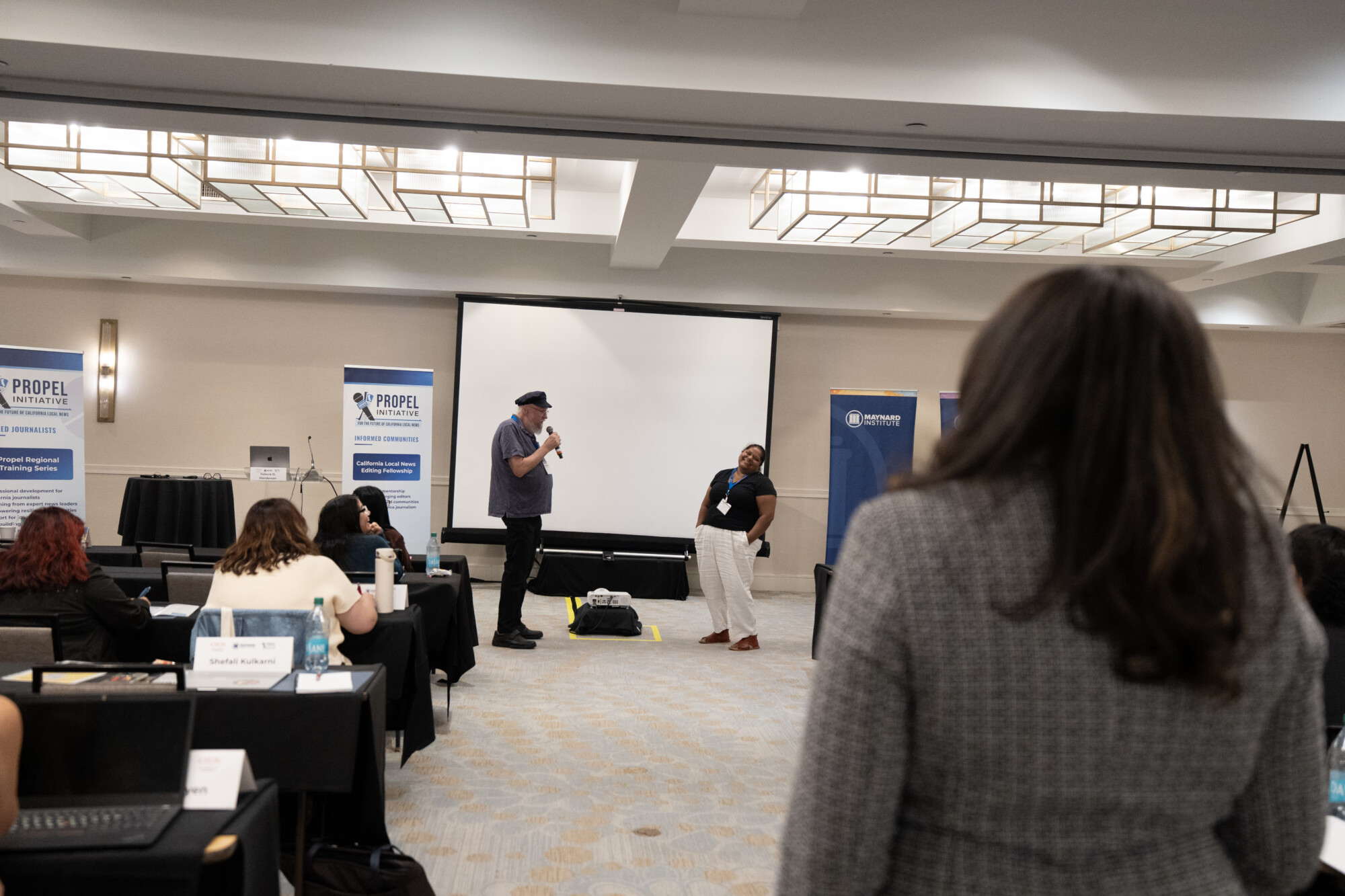
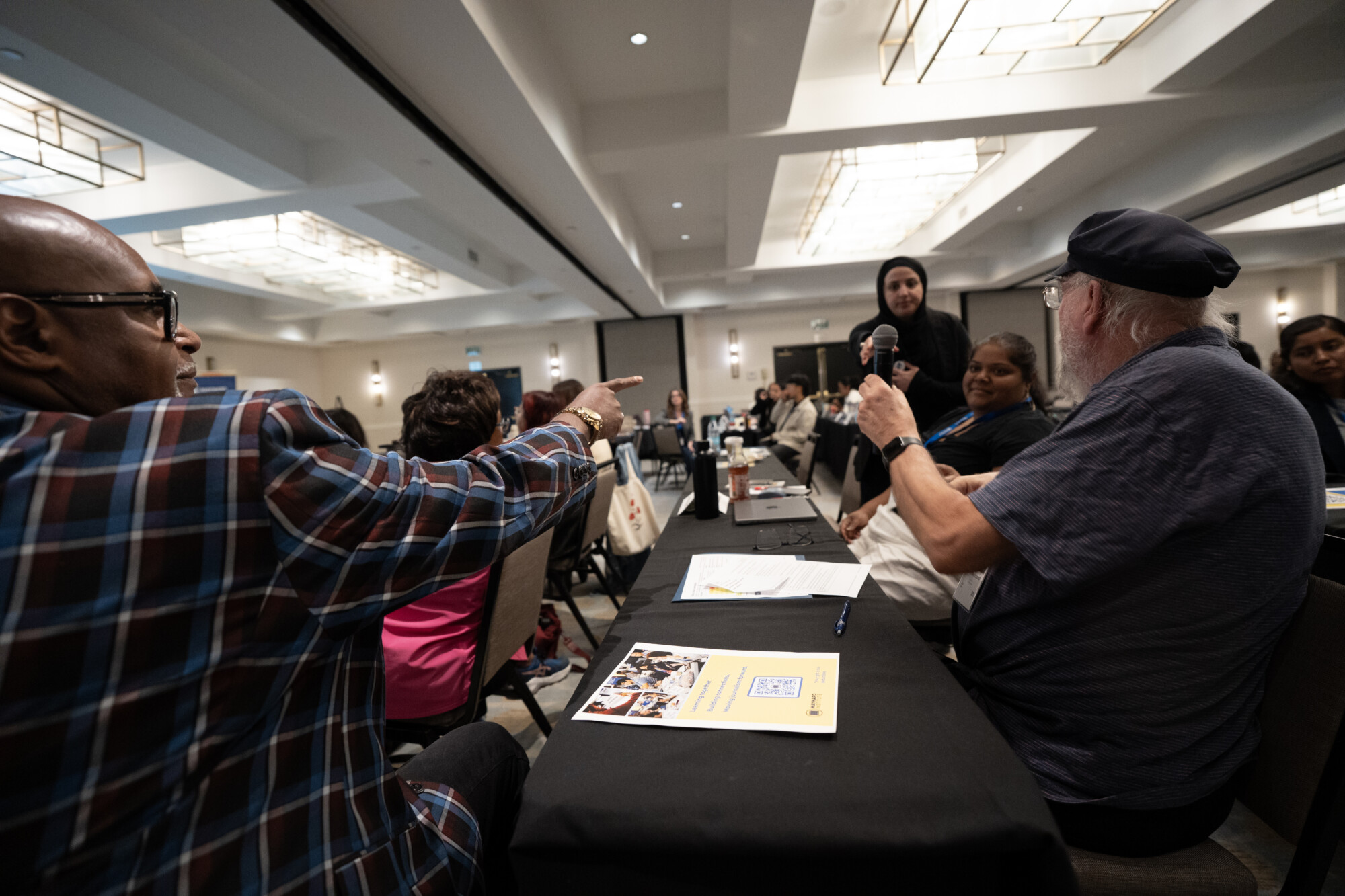
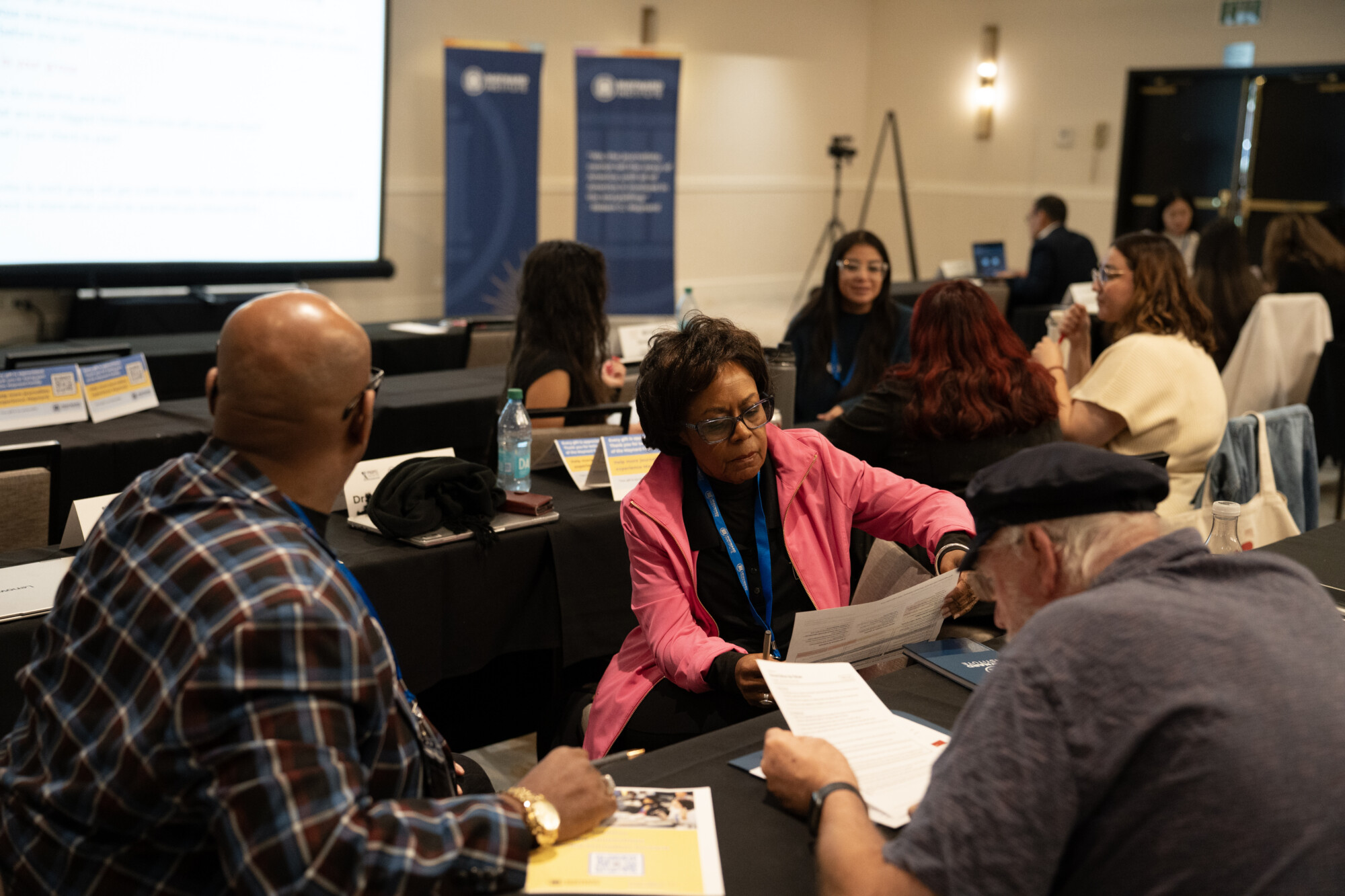
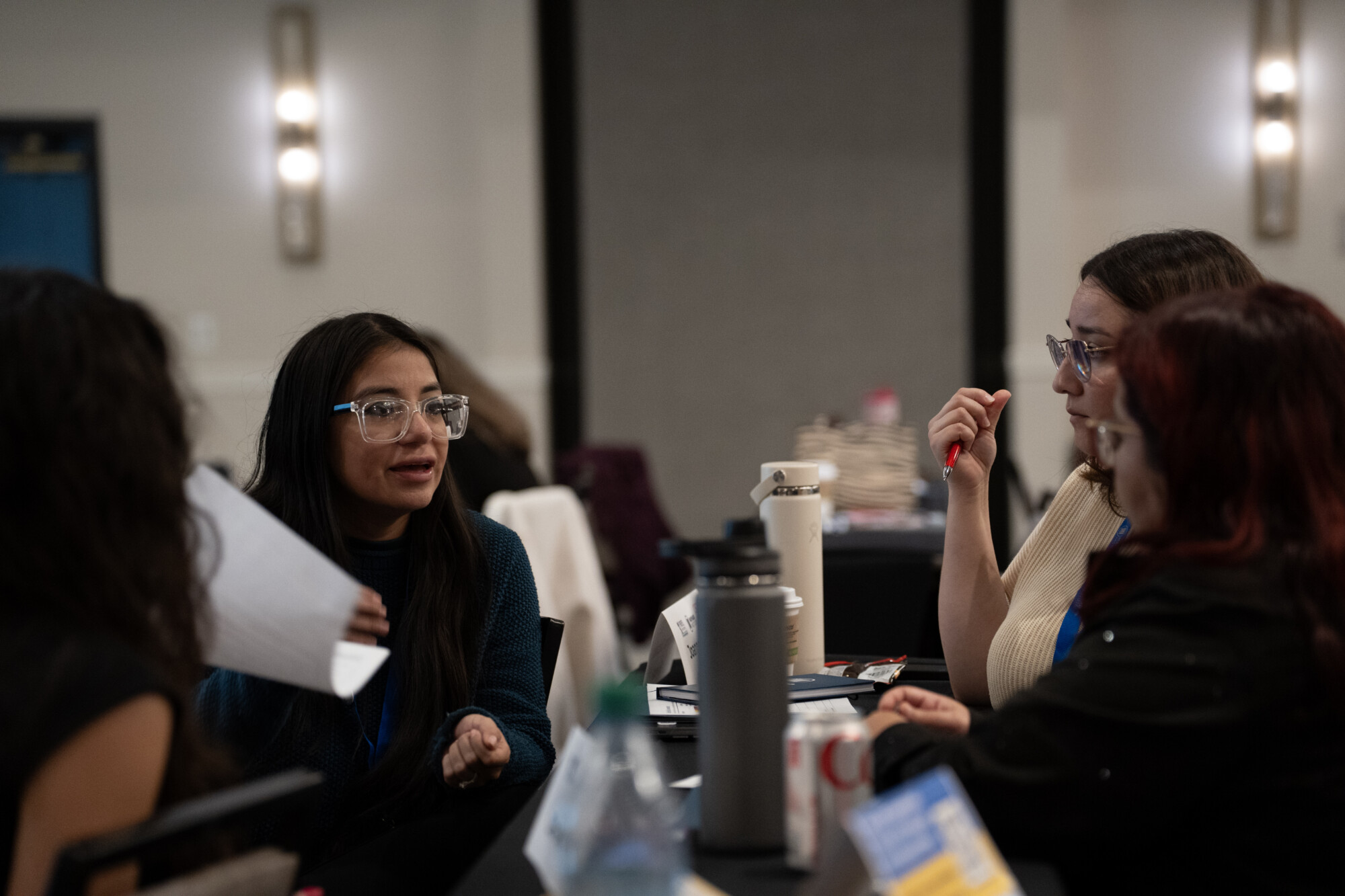
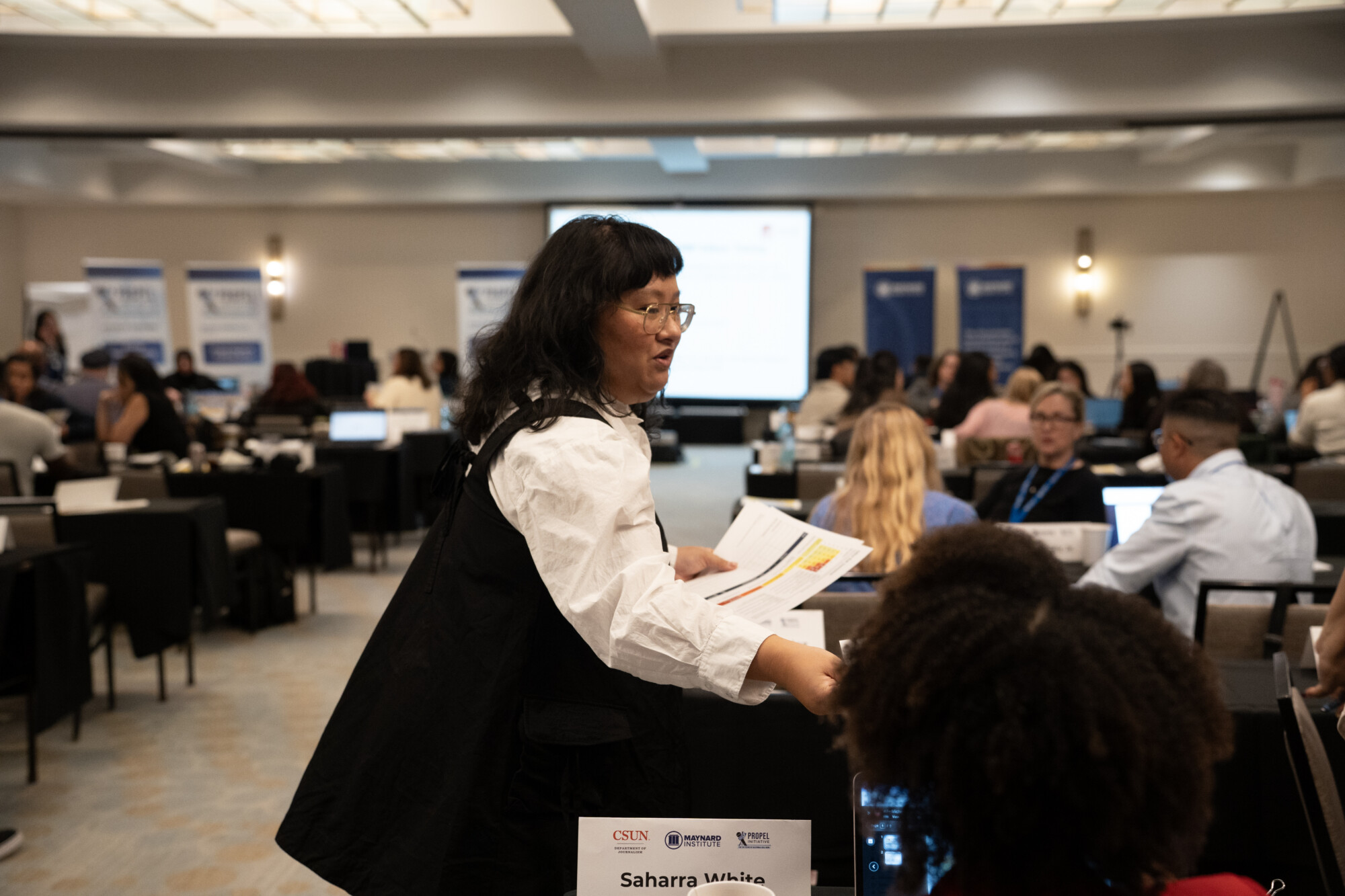
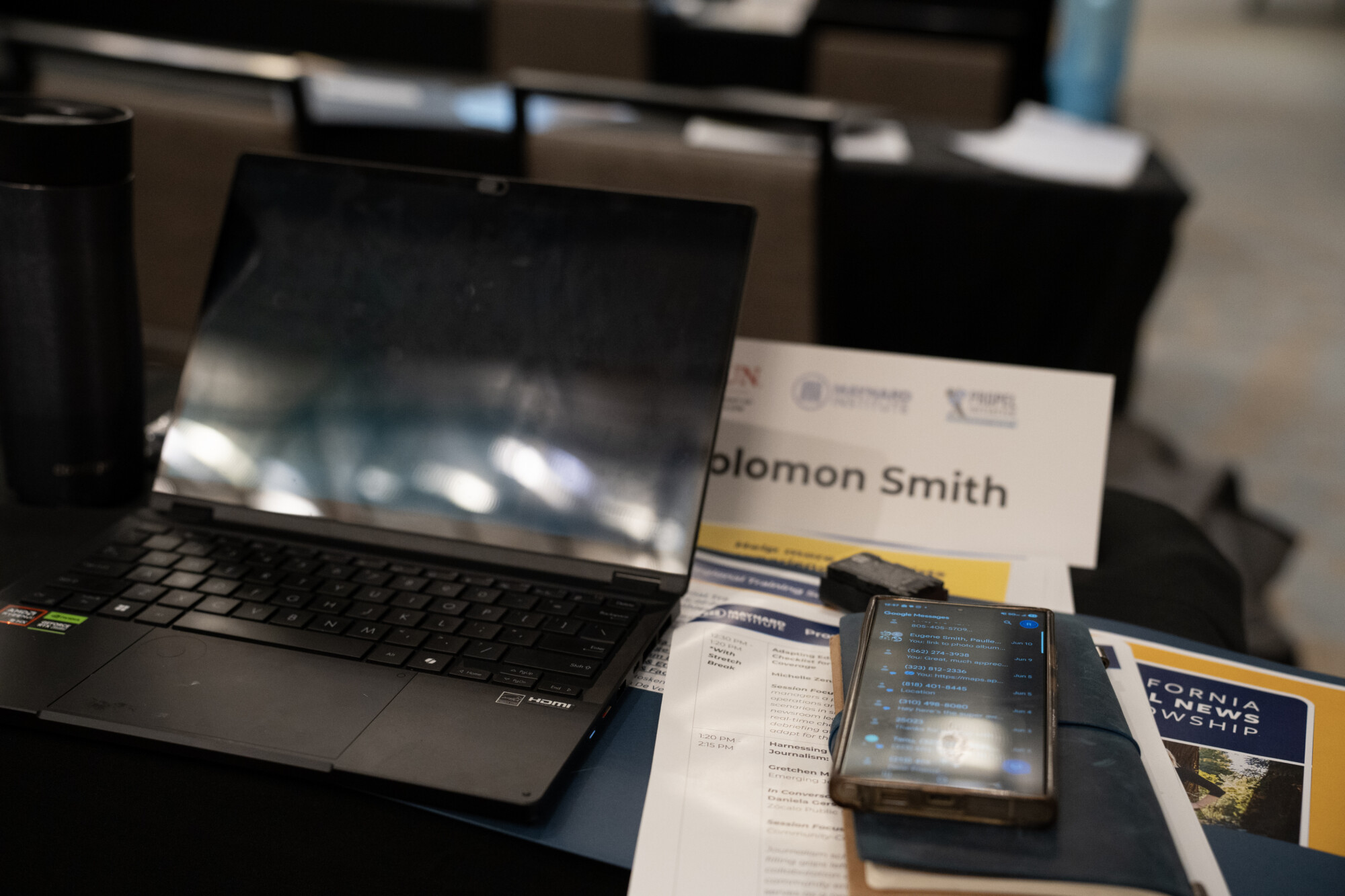
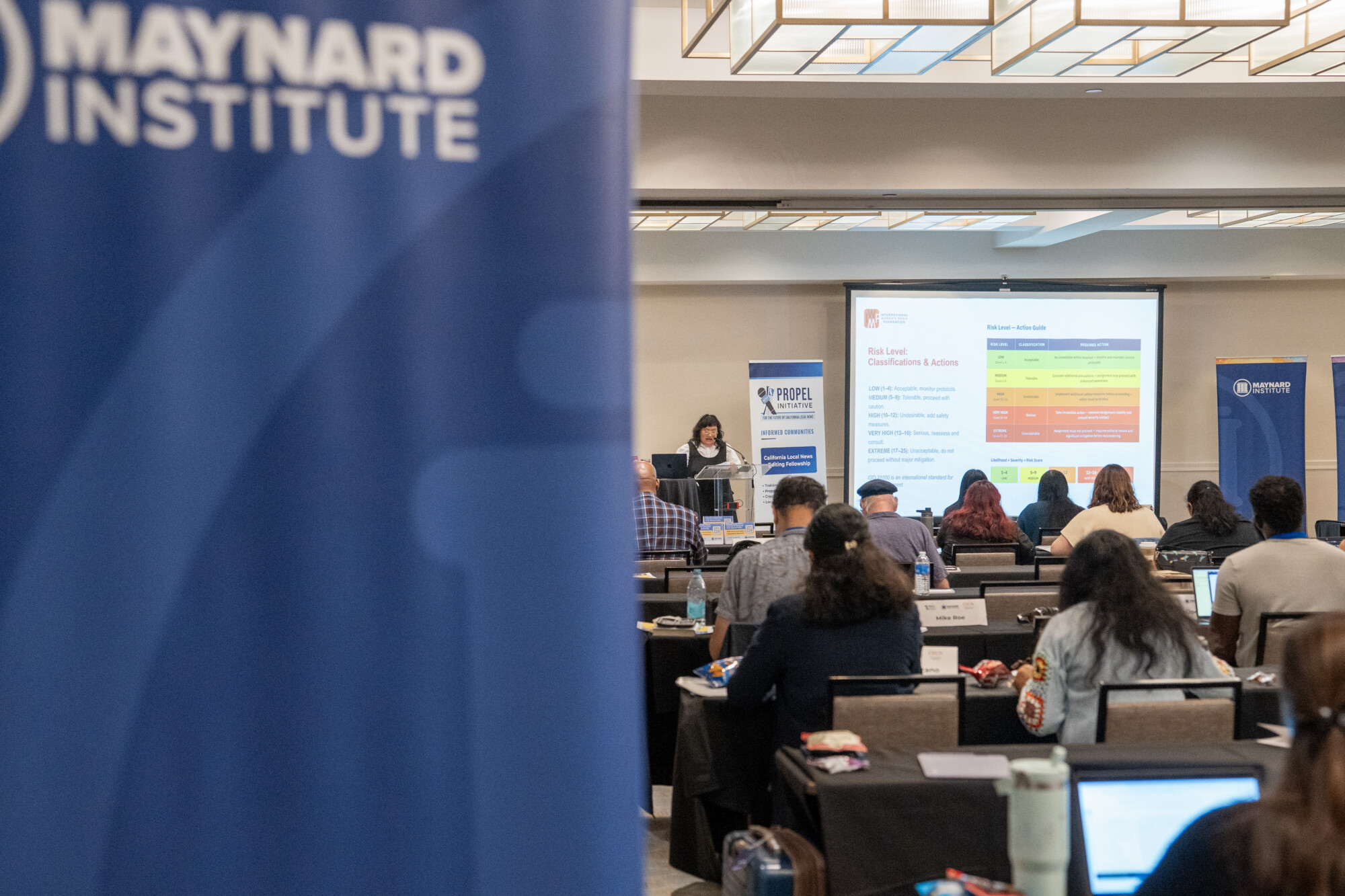
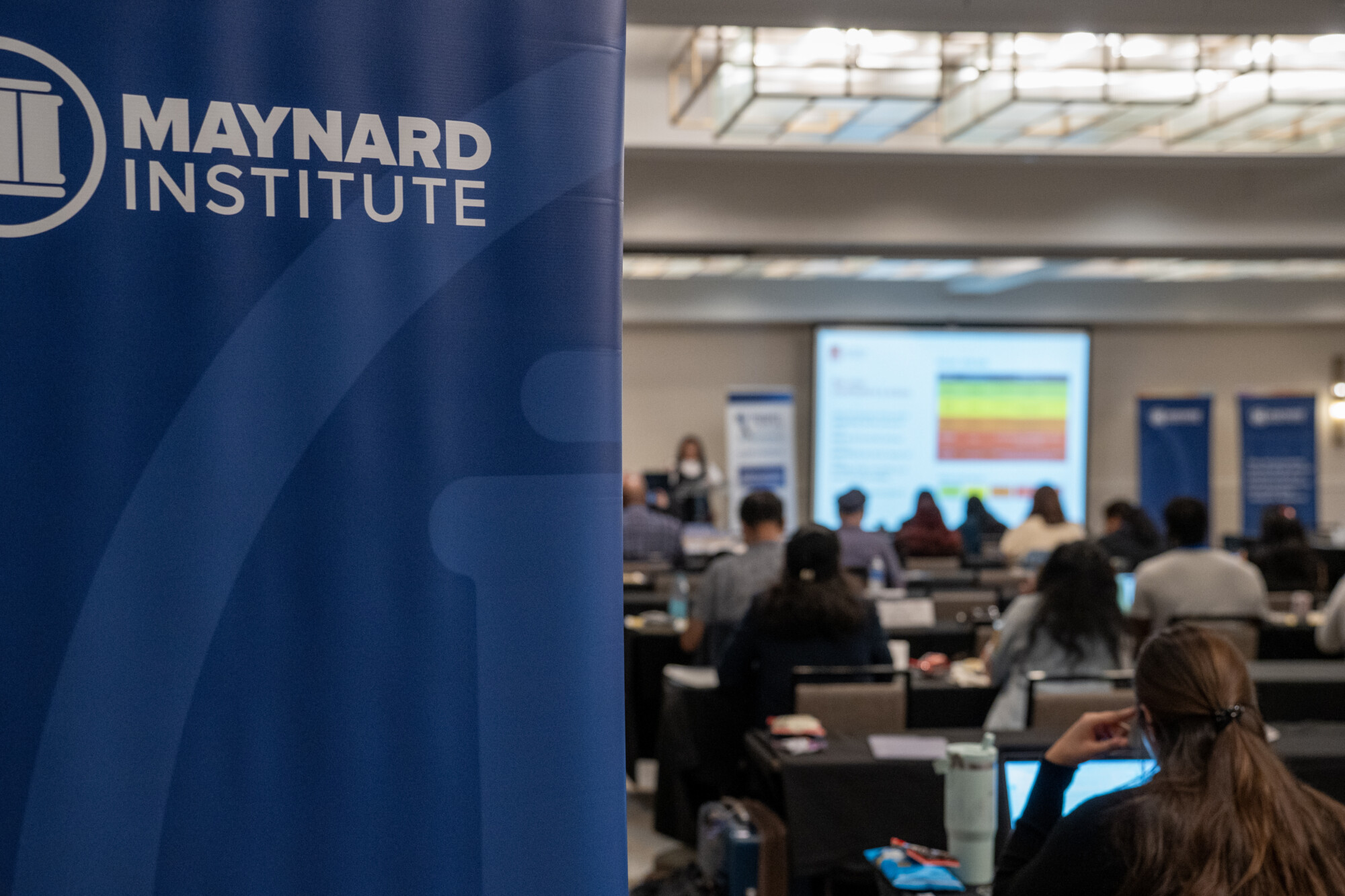
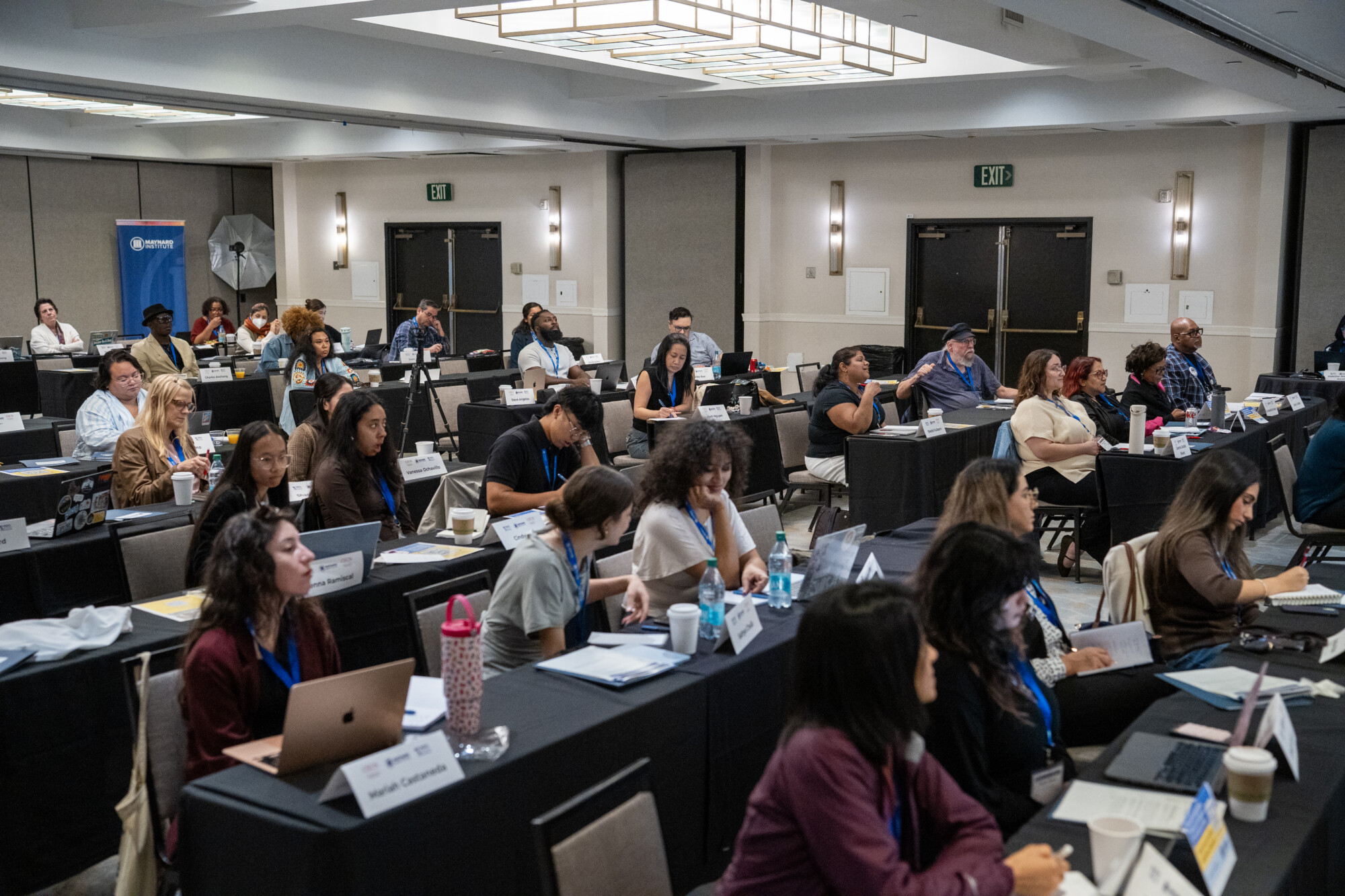
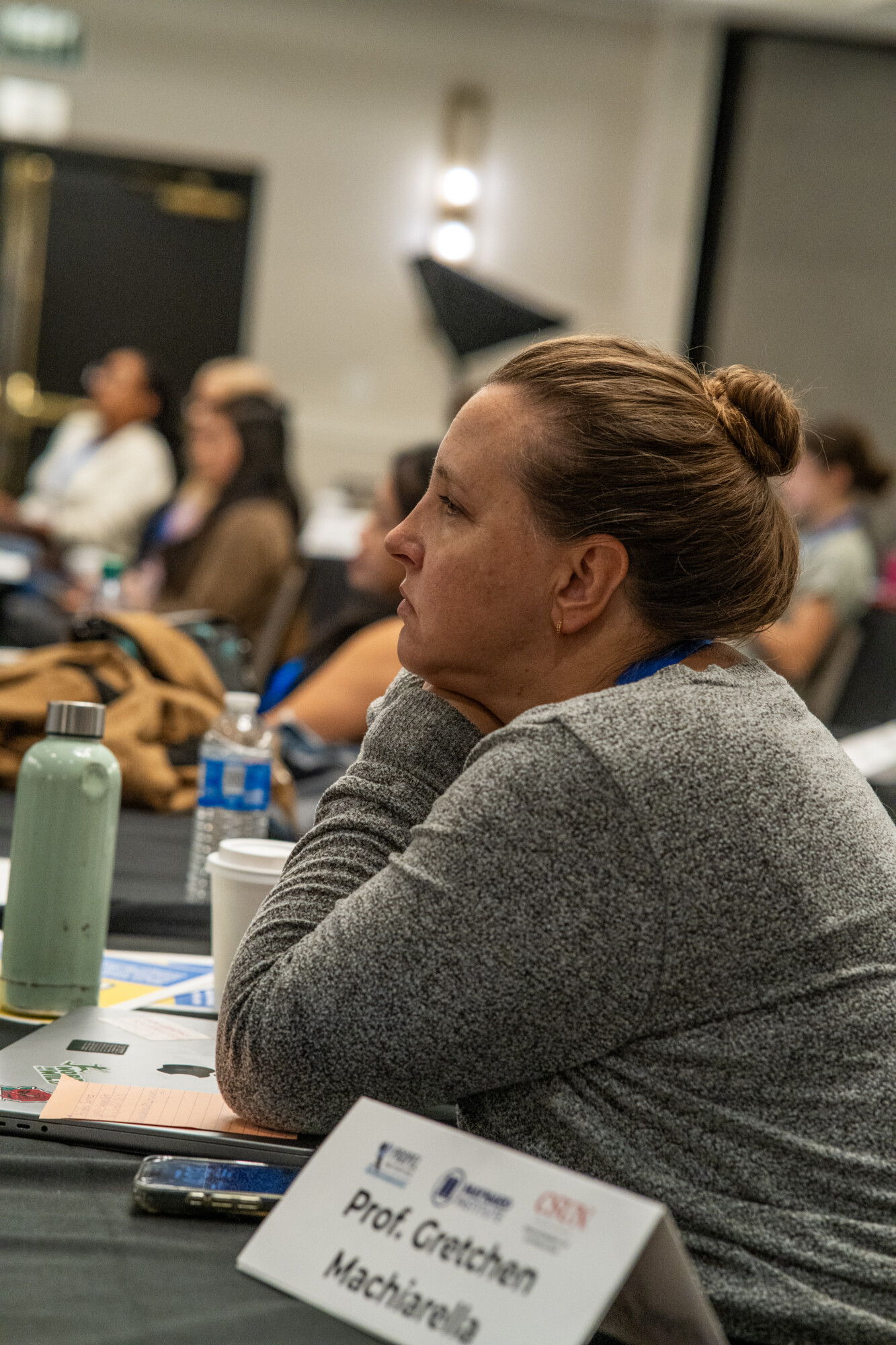
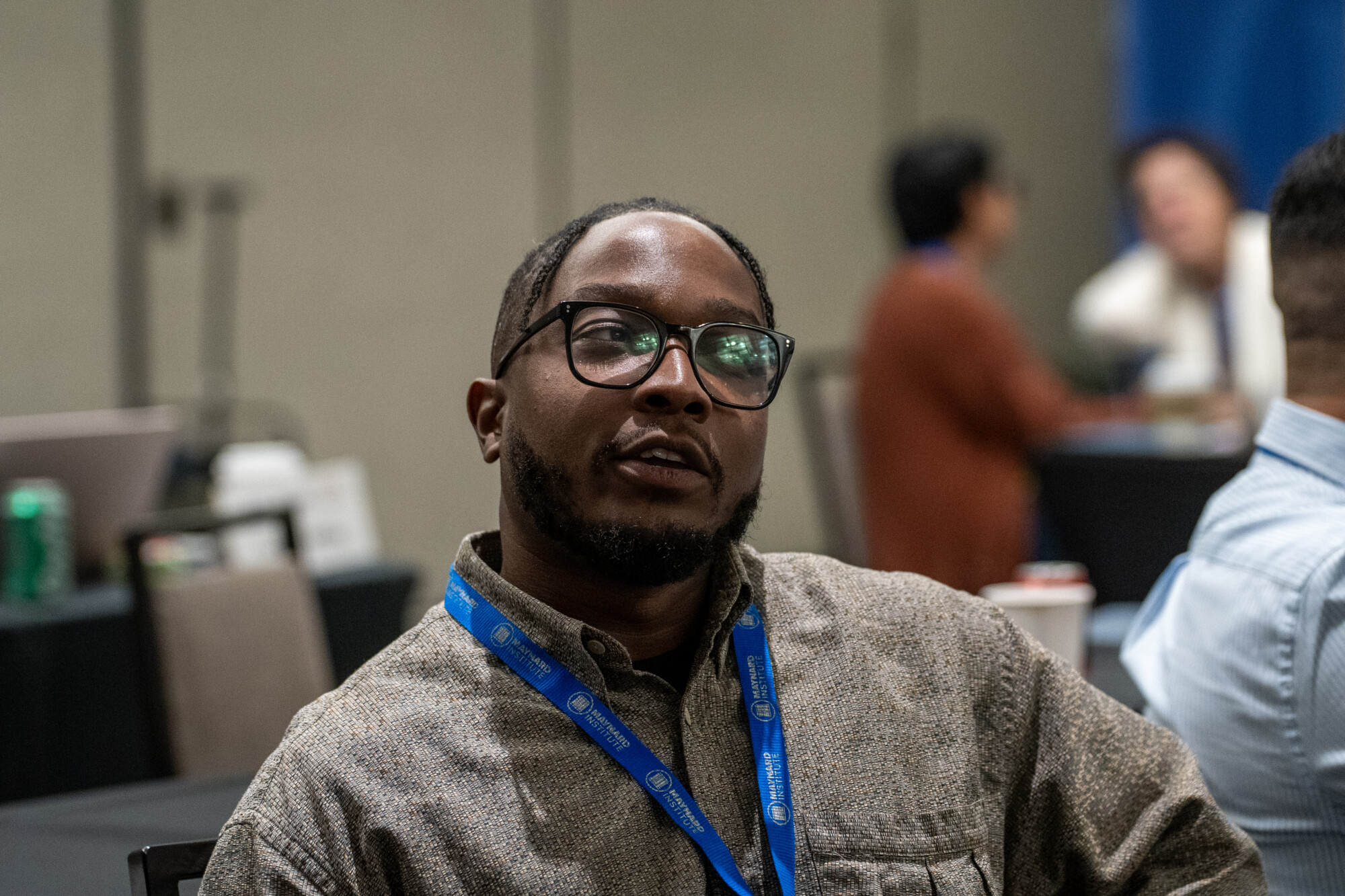
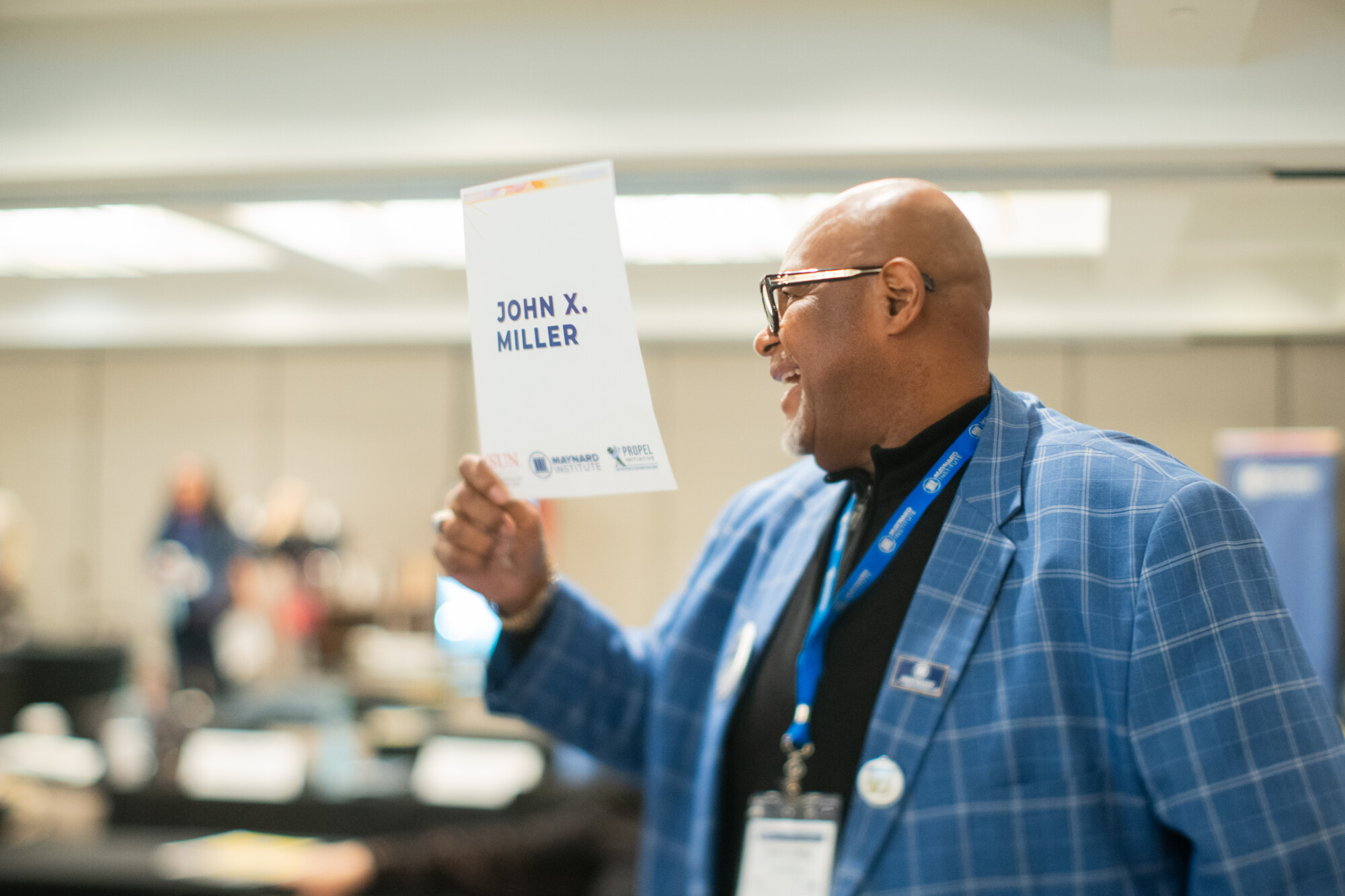
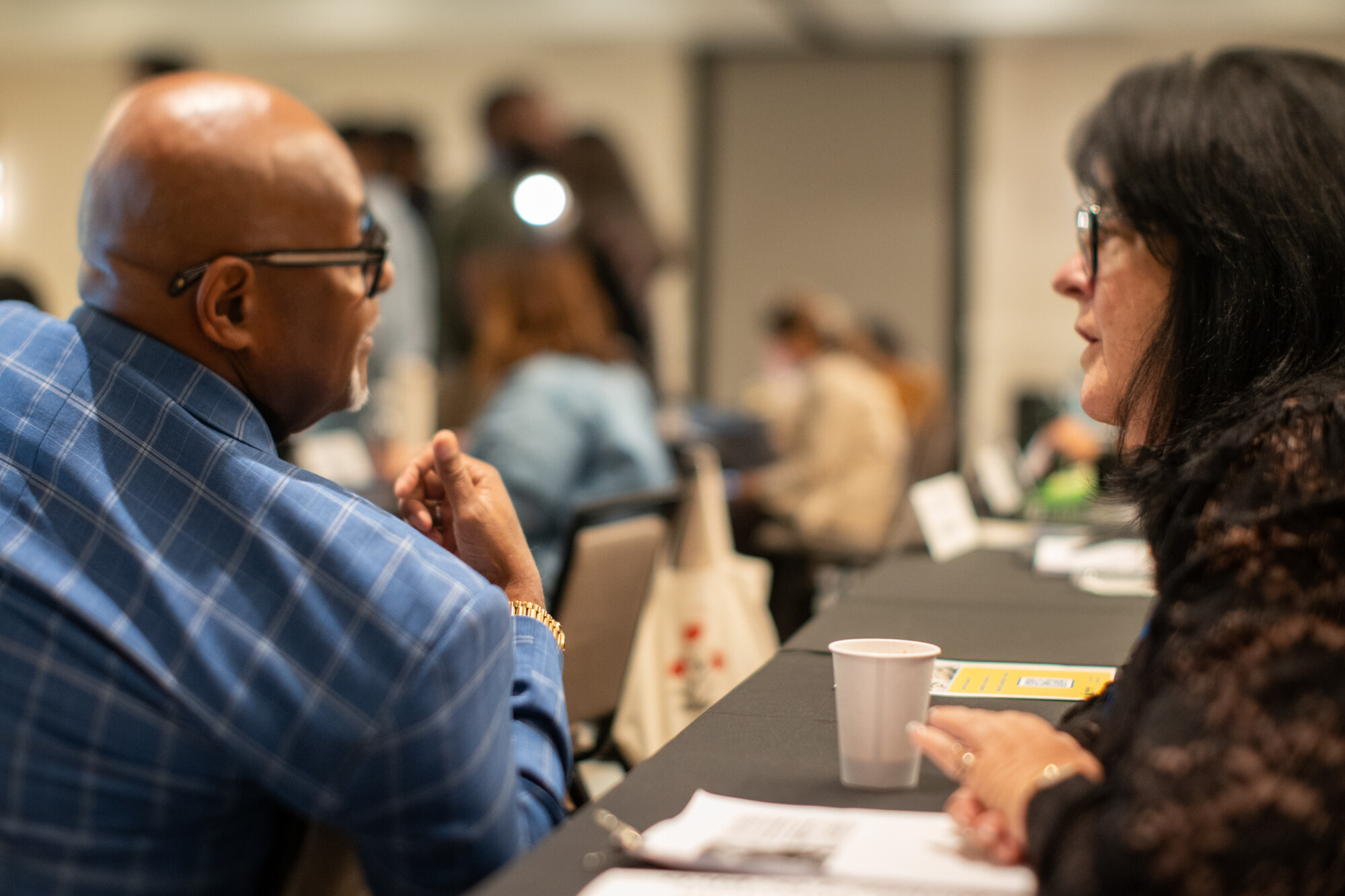
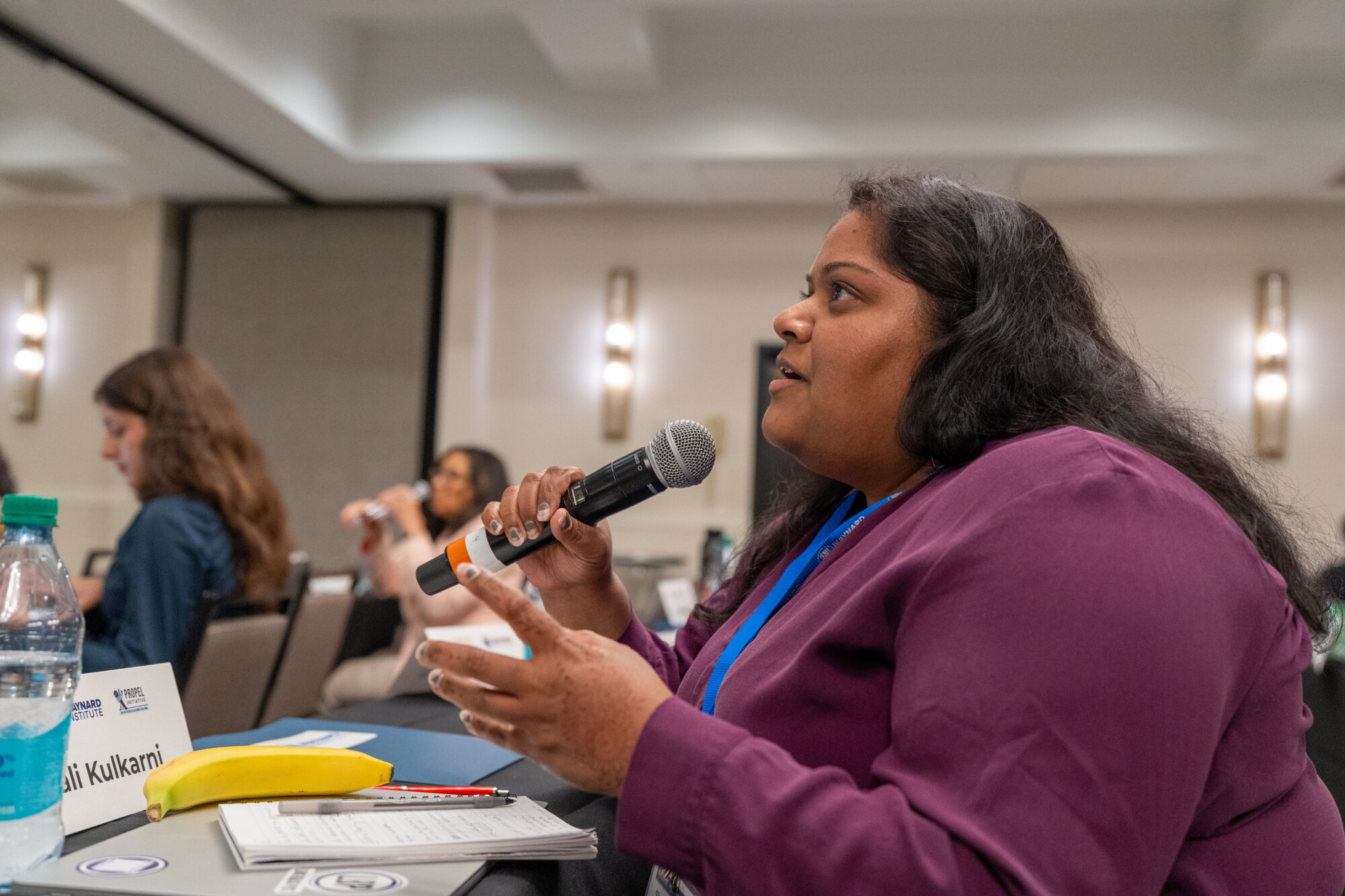
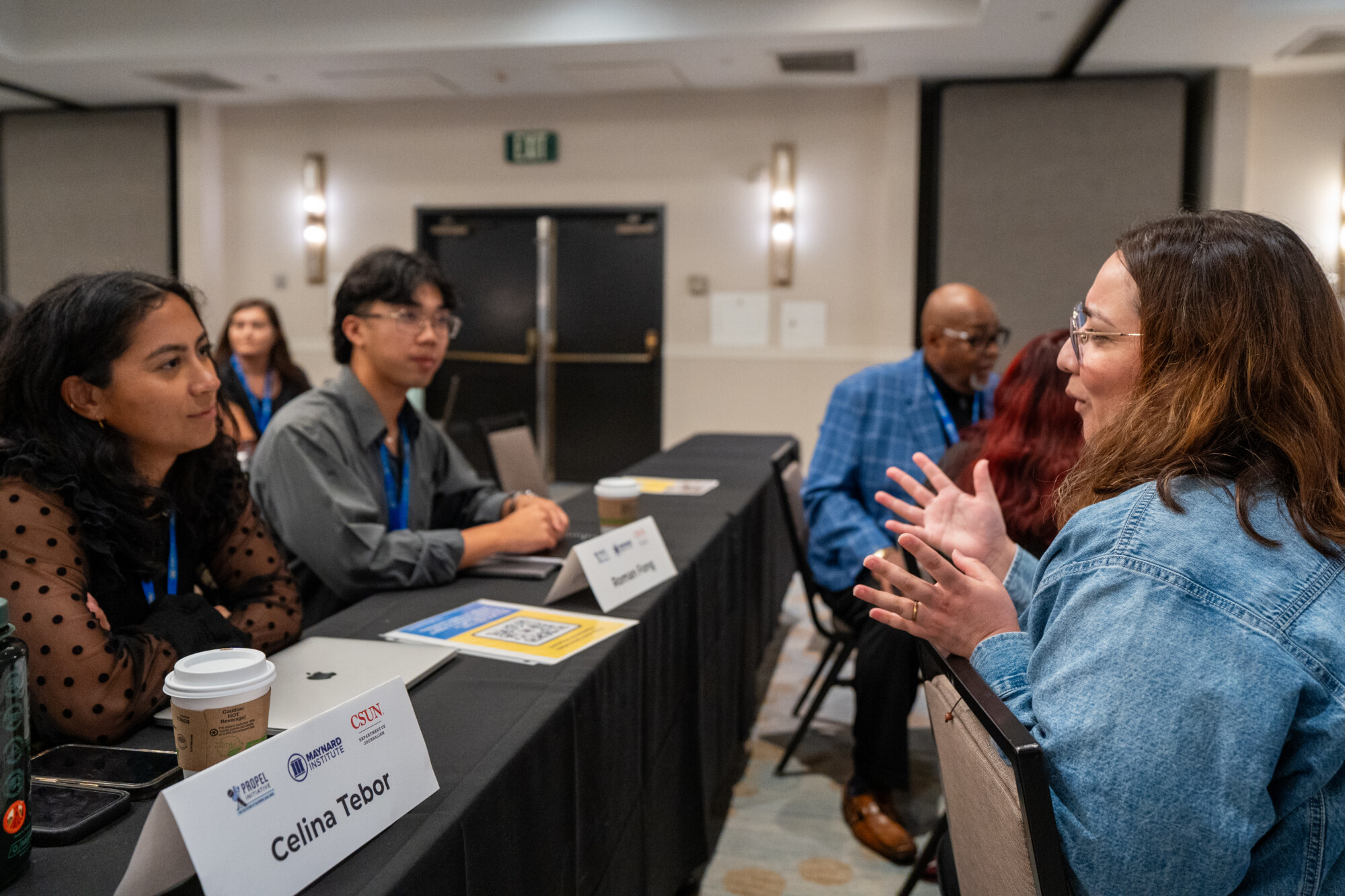
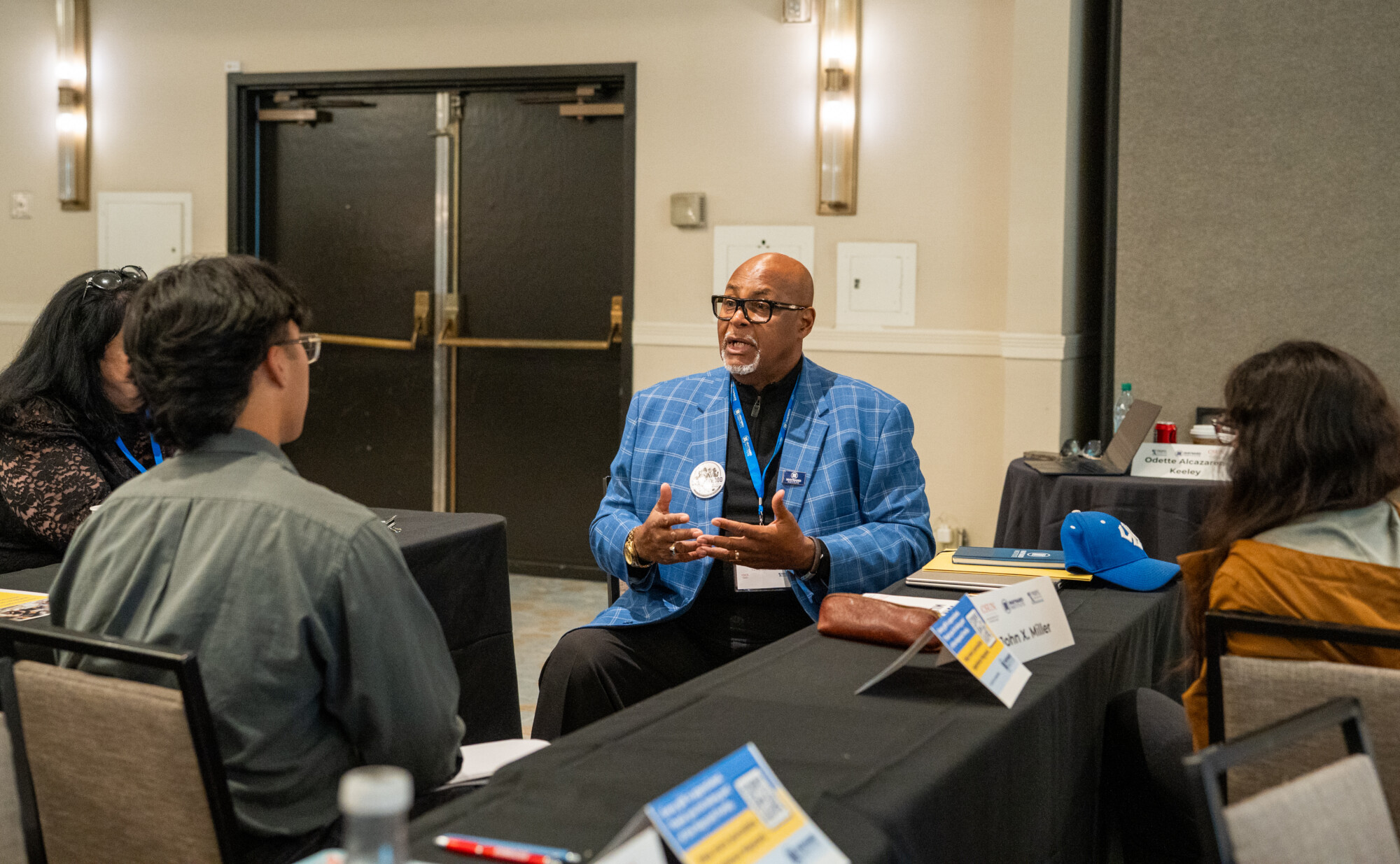
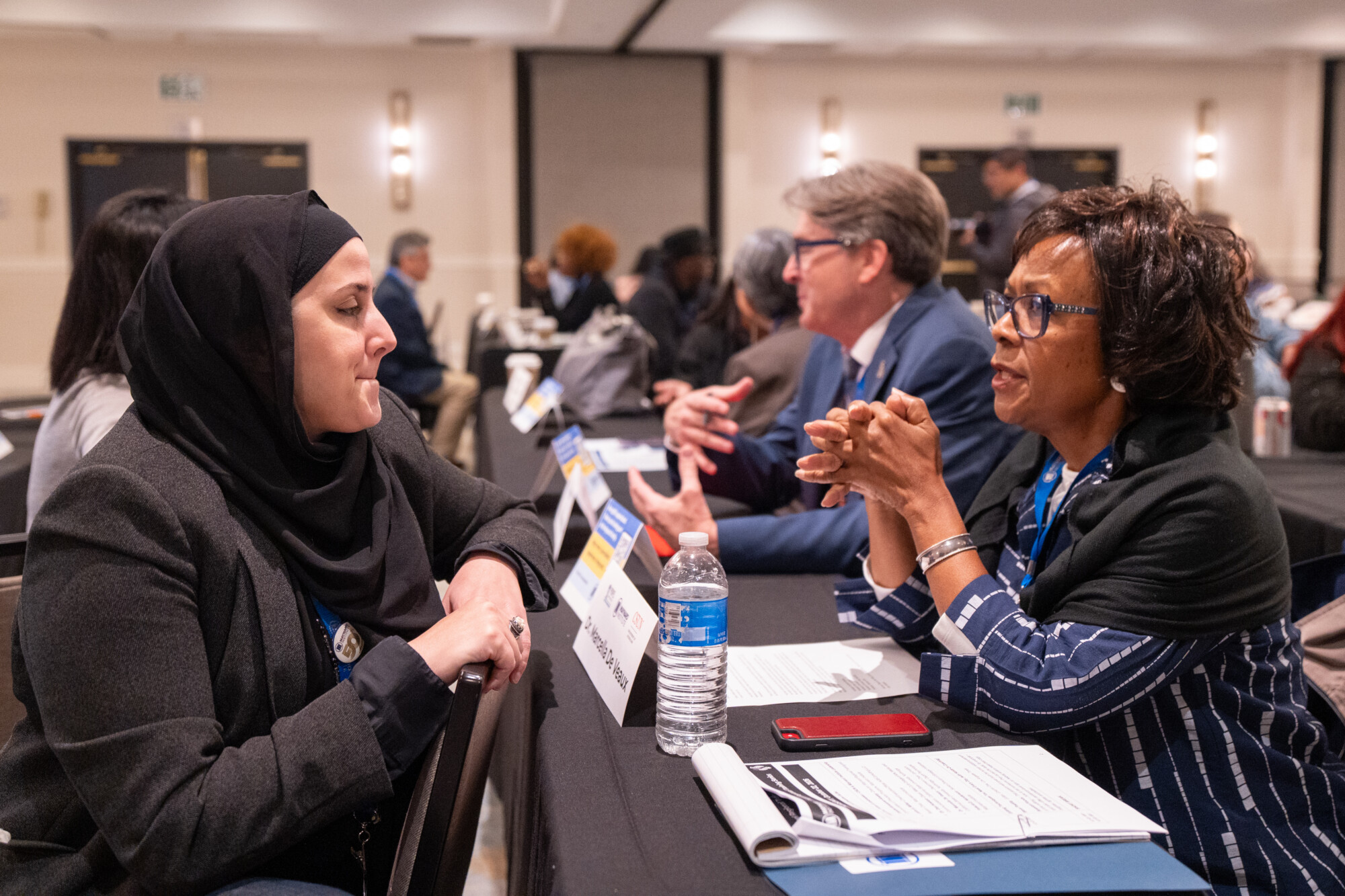
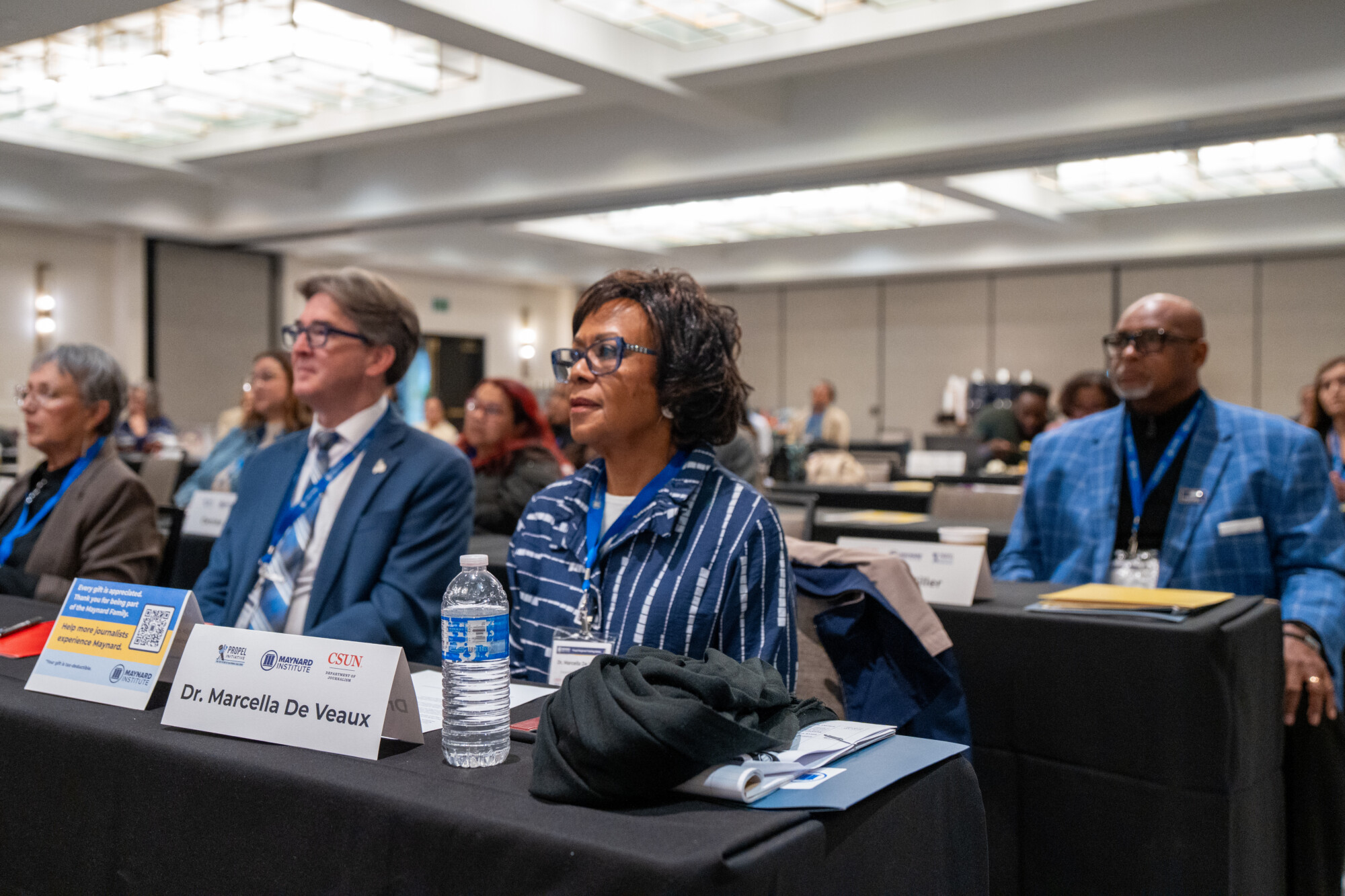
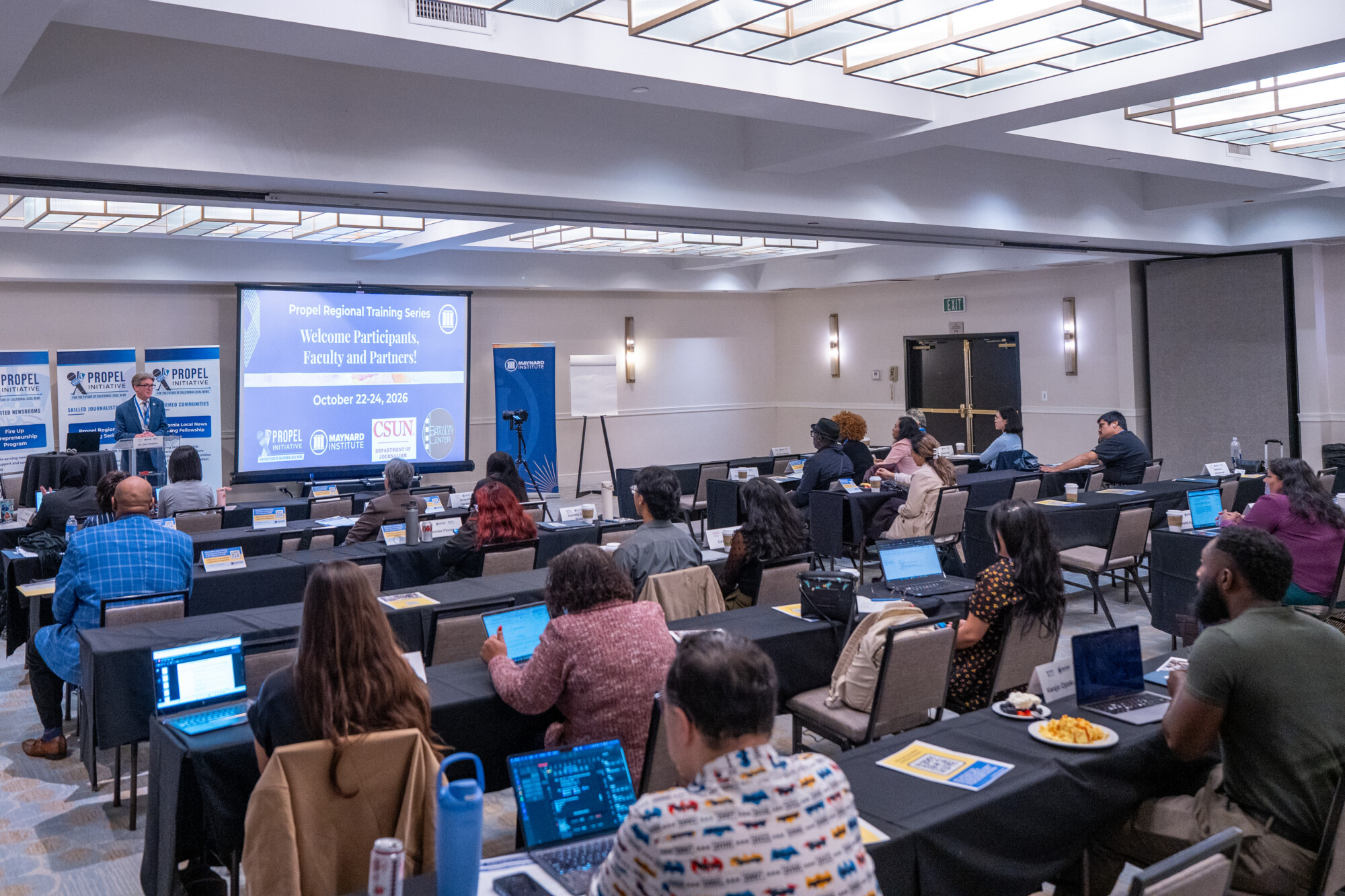
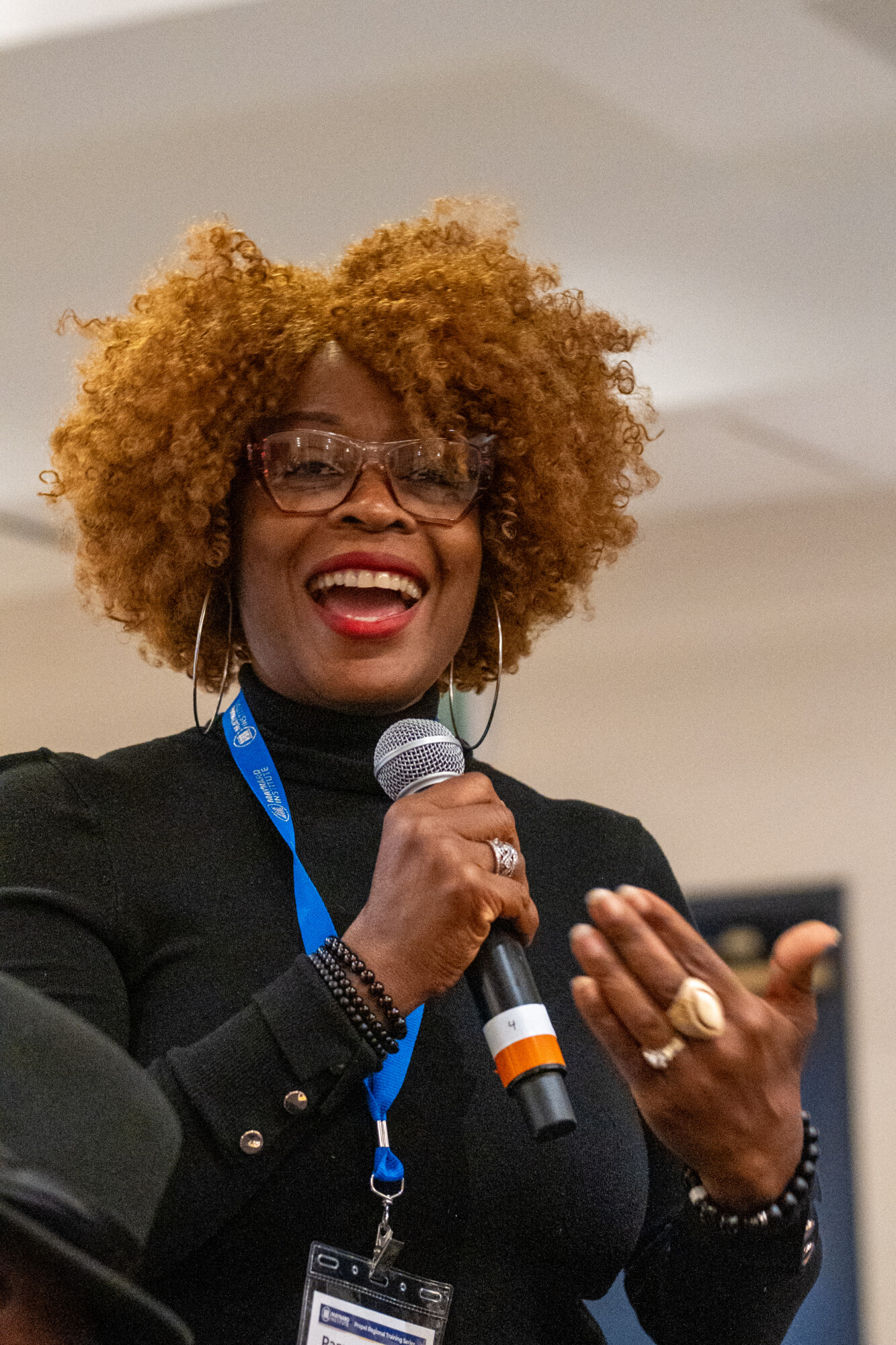
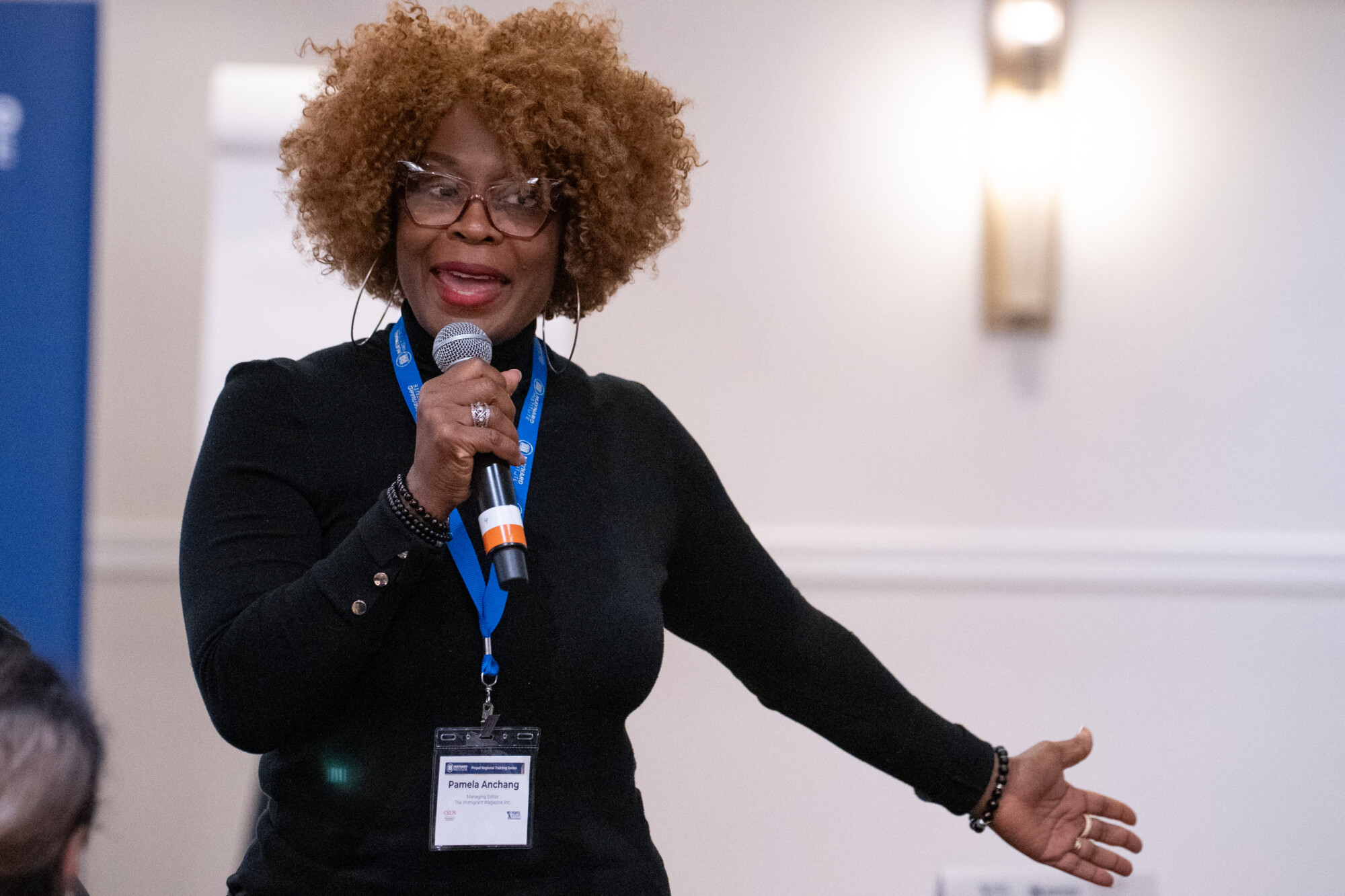
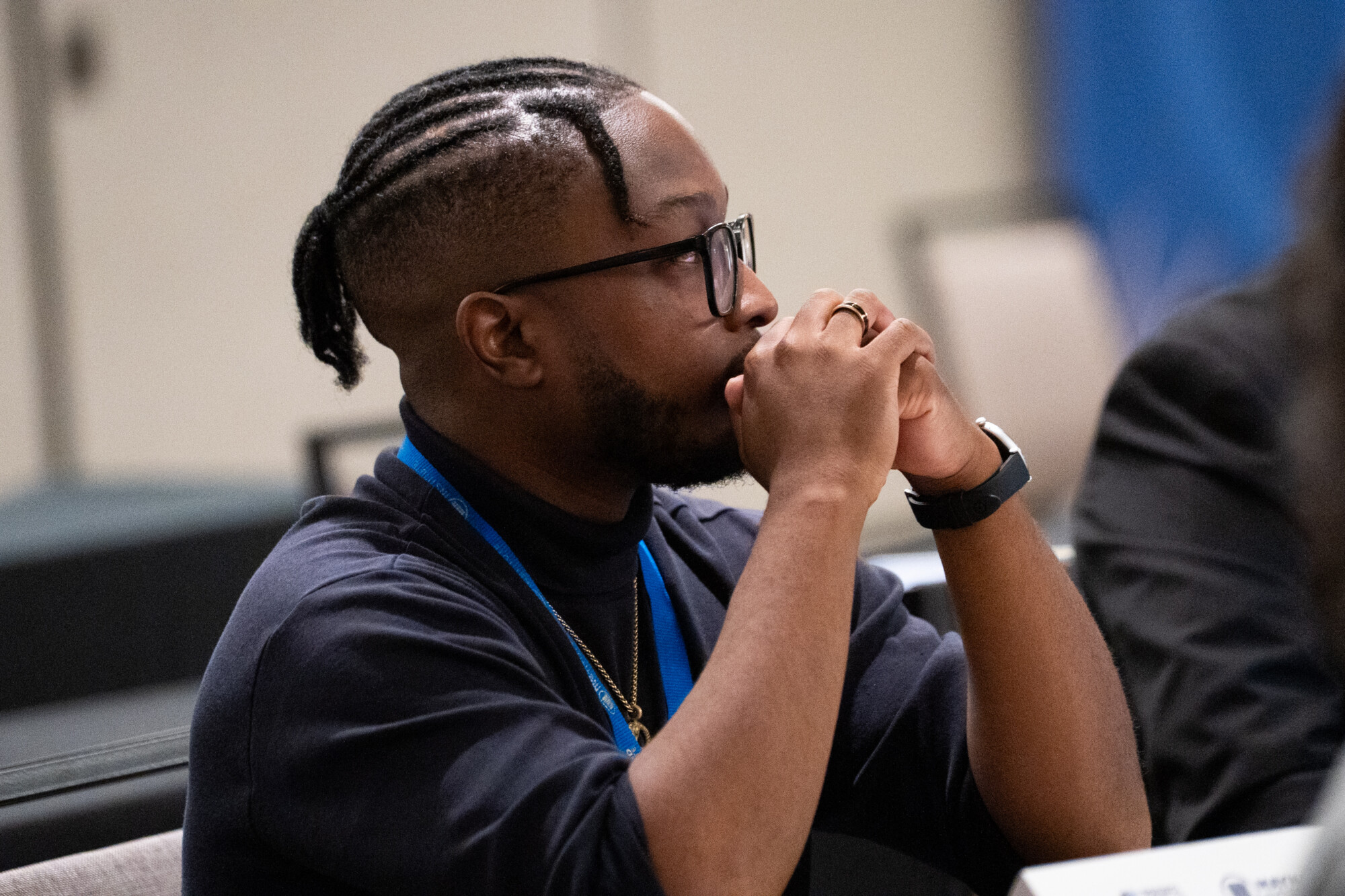
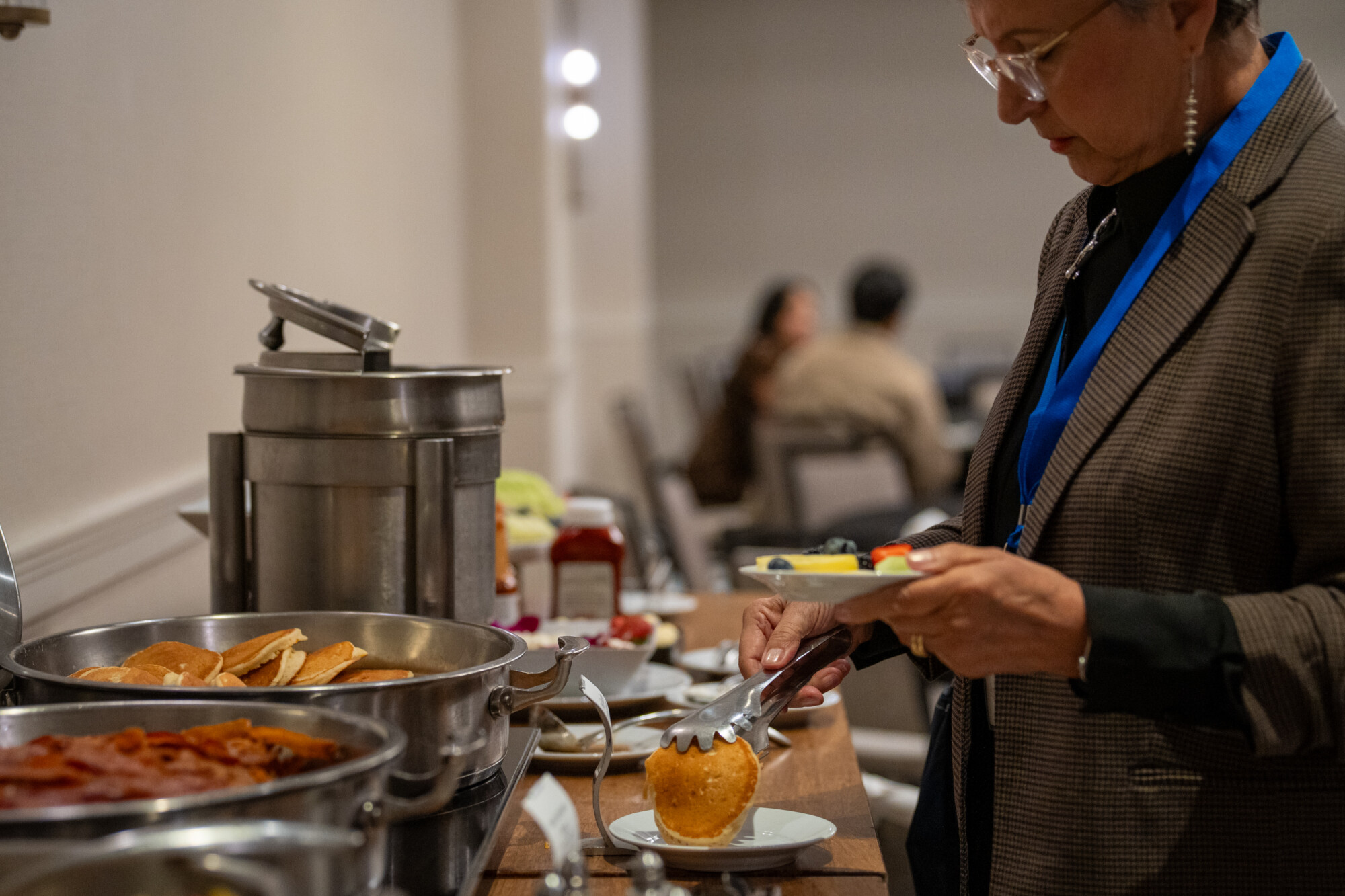
BURBANK, Calif. – Initially I did not intend to go to the Maynard Institute’s three-day training event, the Propel Regional Training Series in Burbank. It was for editors and managers — I am neither. I exist as a neophyte and a freelancer, often with the Black Press. I had a few bits of work that I was particularly proud of, but they are sparse. I thought the publishers, editors, writers and photojournalists that would be there would surely be too busy to see or hear from the likes of me.
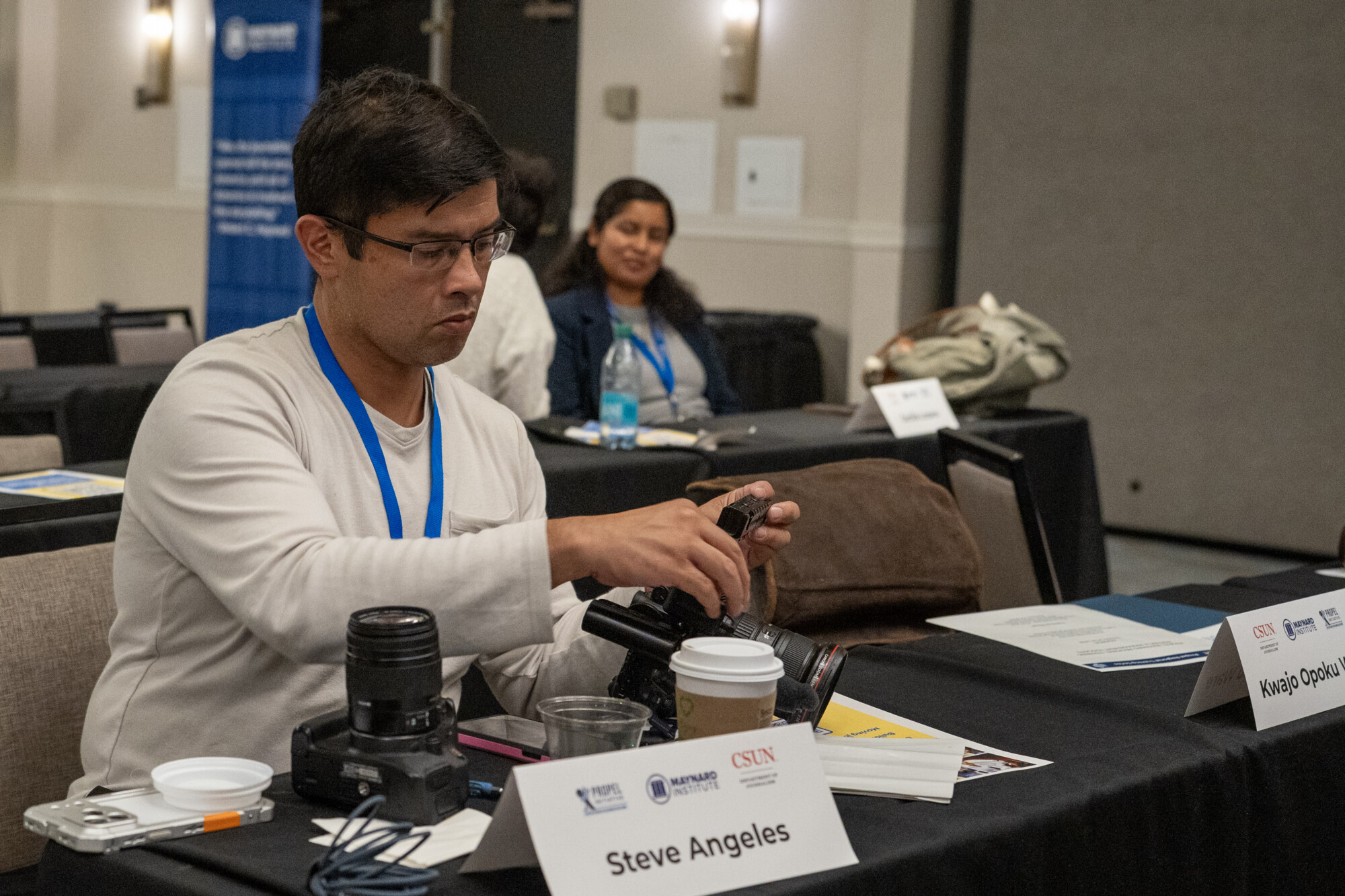
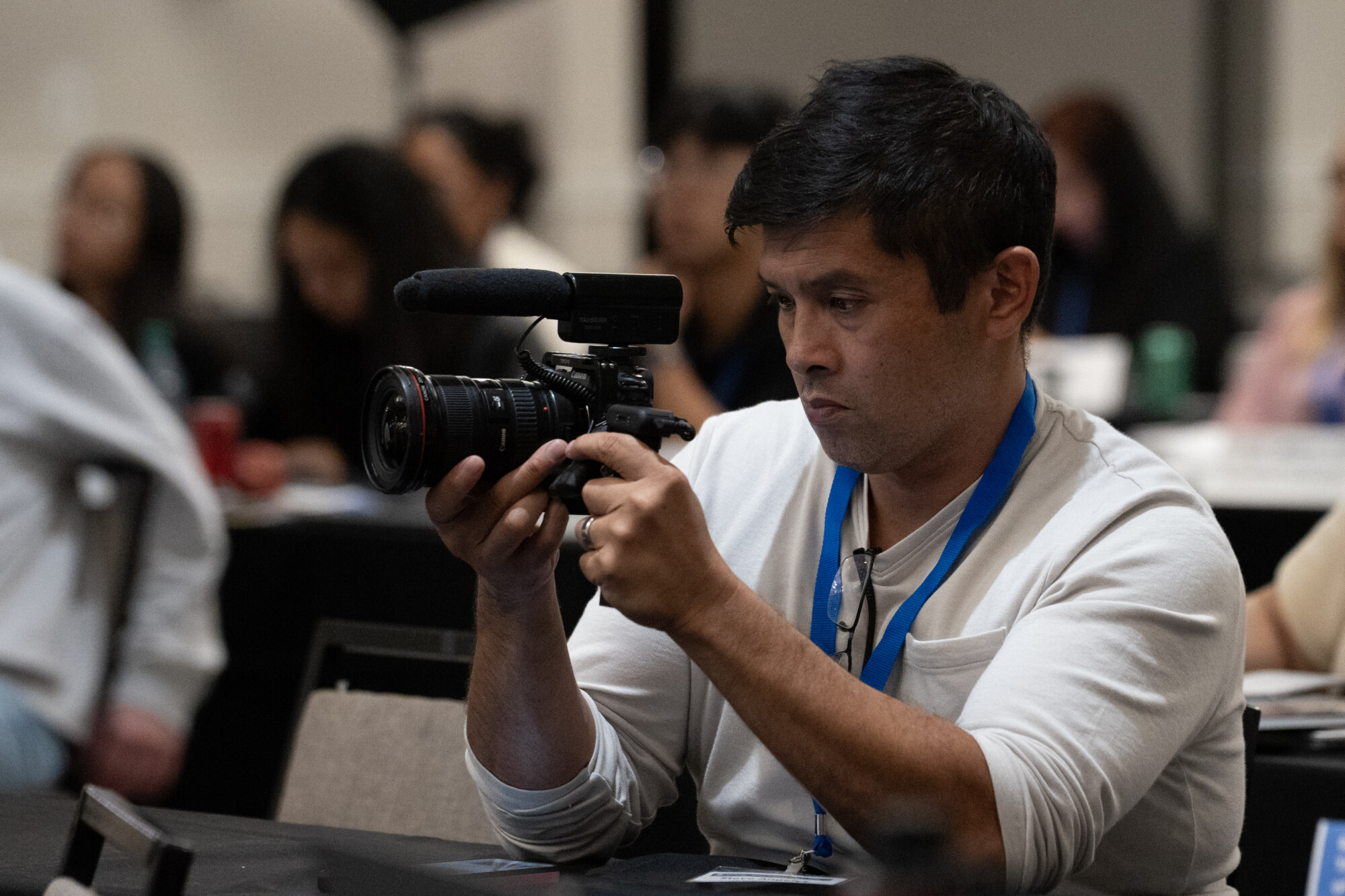
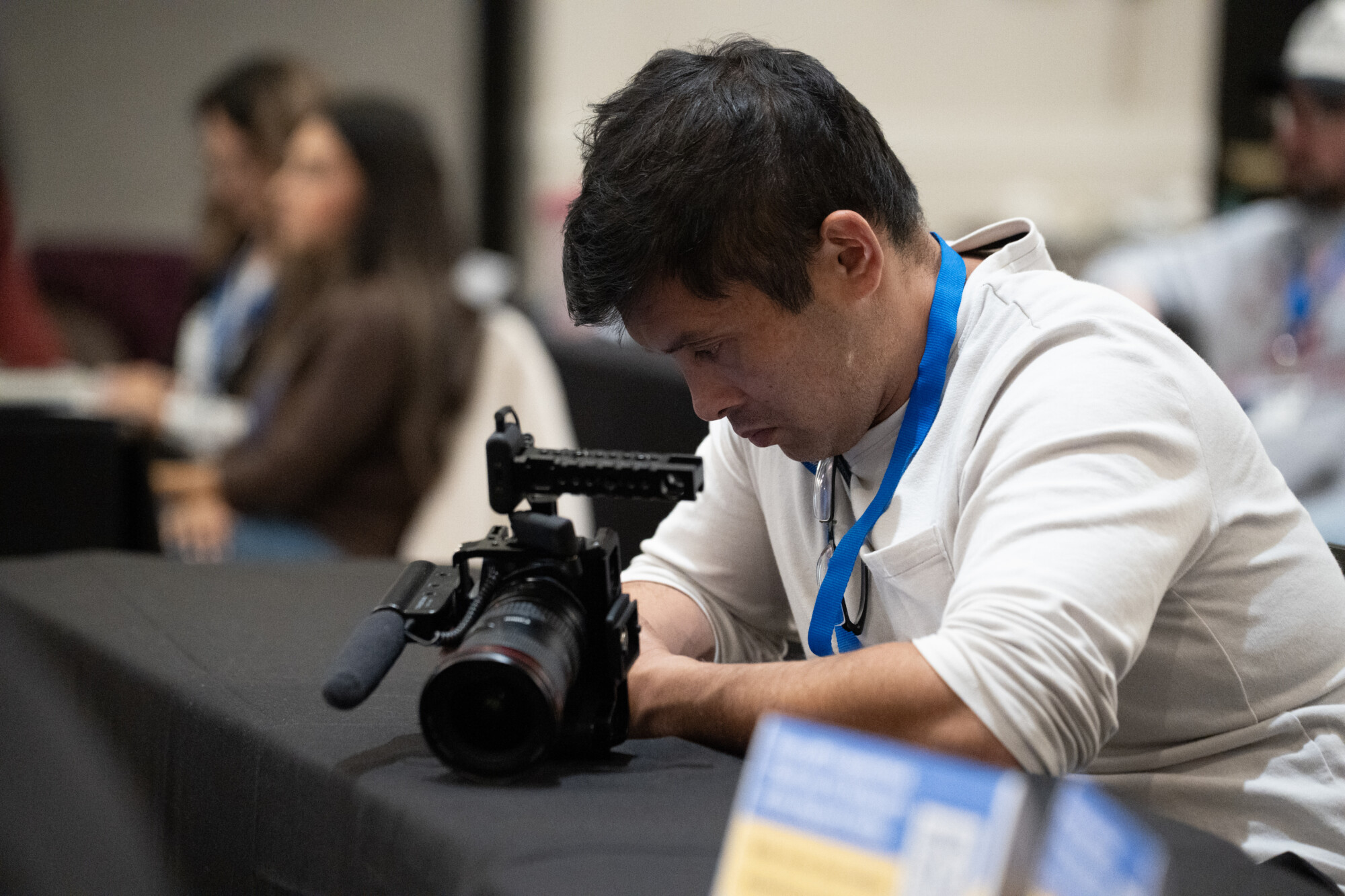
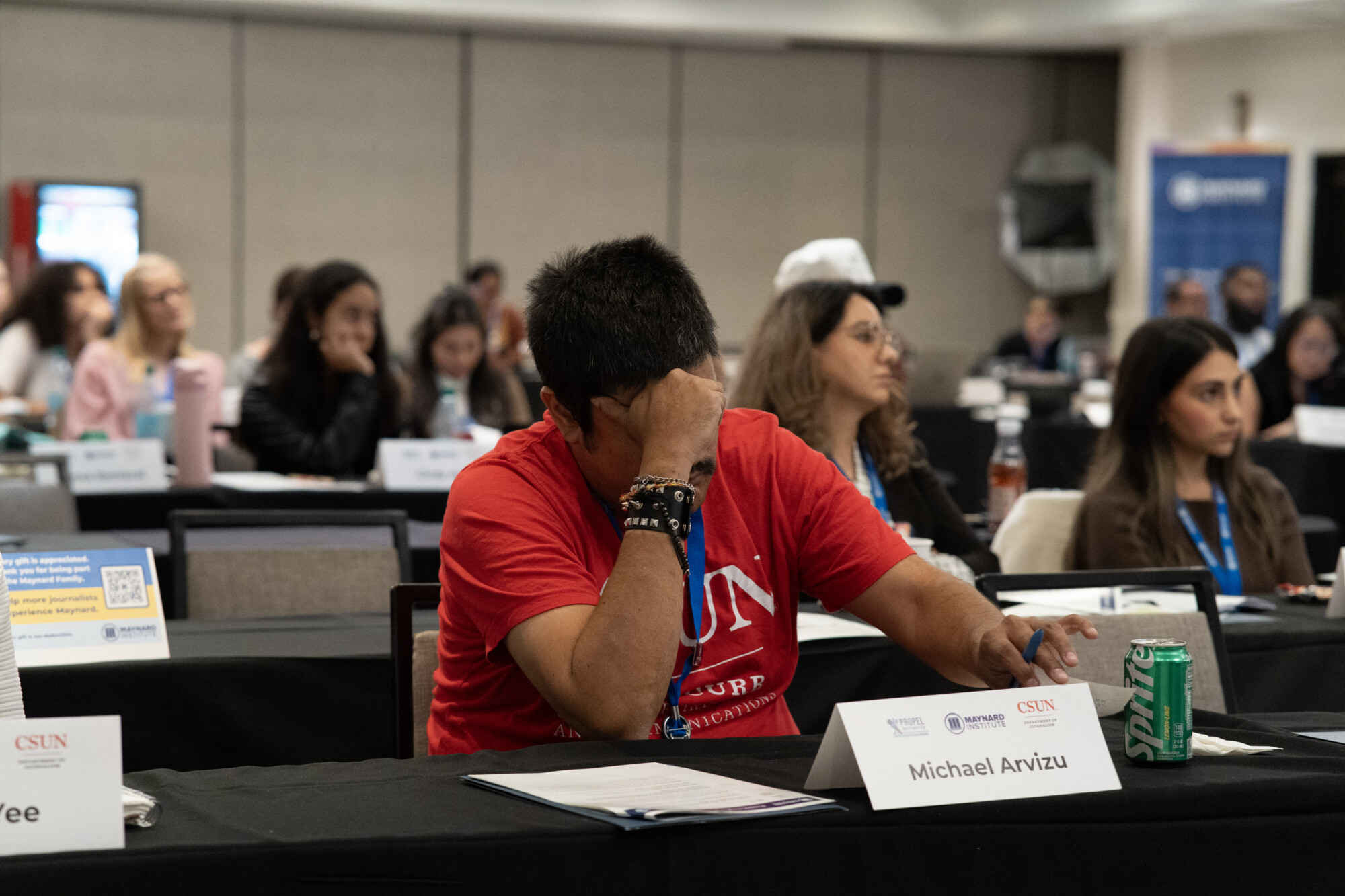
While attending California State University, Northridge (CSUN), I struggled financially and scholastically. I am a photojournalist and writer, which often puts me at odds with my own nature. I am not good with people. I am a bit of an awkward weirdo just as likely to blurt out a random fact as I am to hide behind my camera and stalk a conversation. Over the years, the camera has been a way to infiltrate many spaces — working as both weapon and armor.
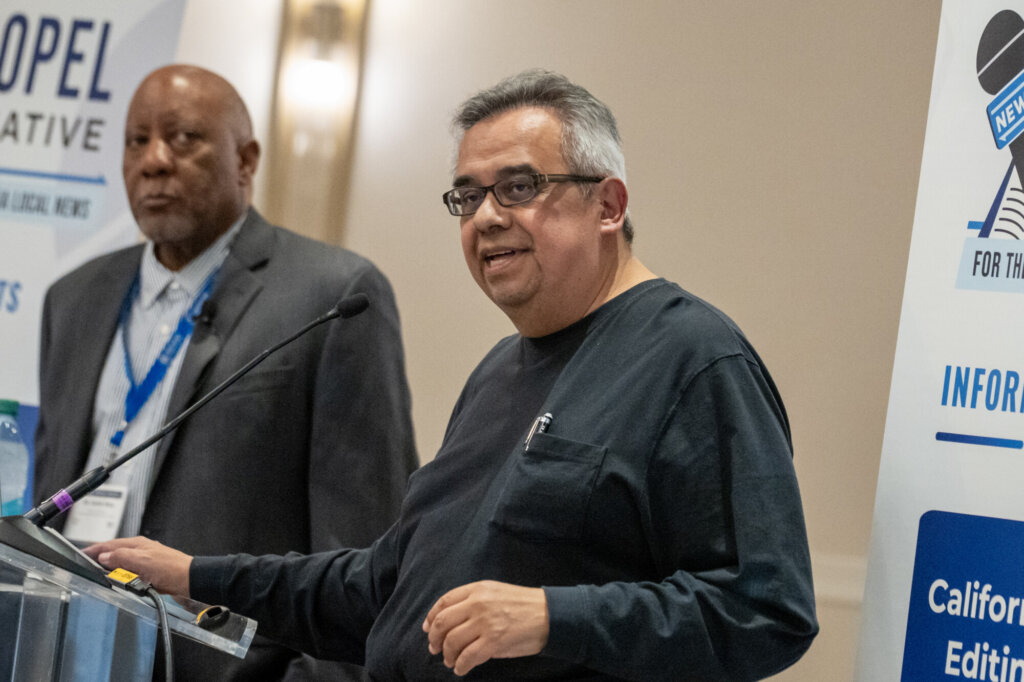
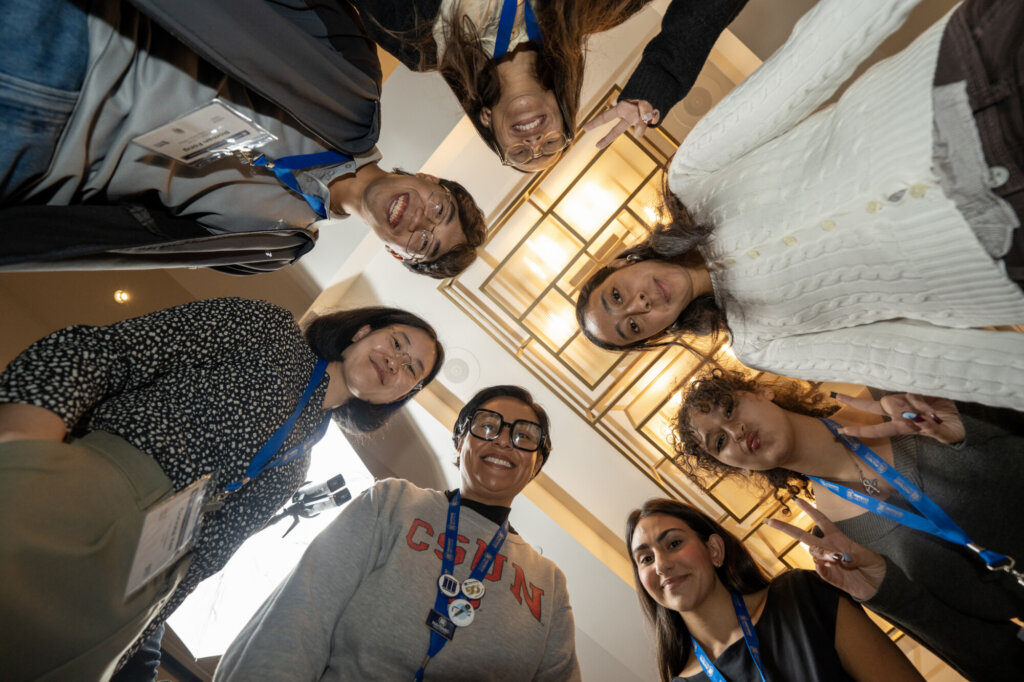
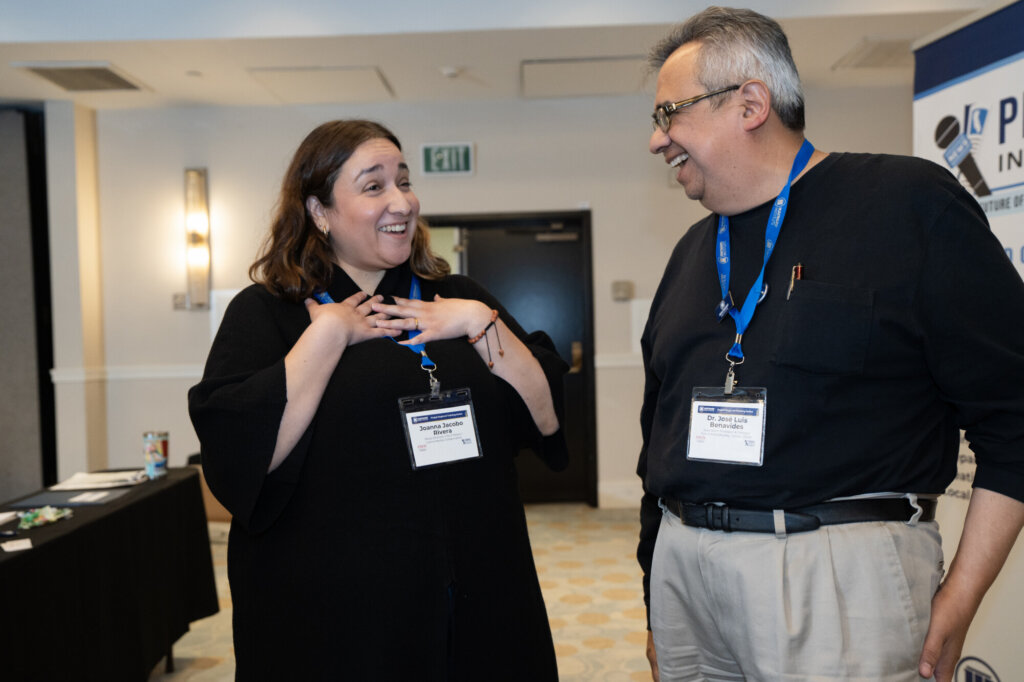
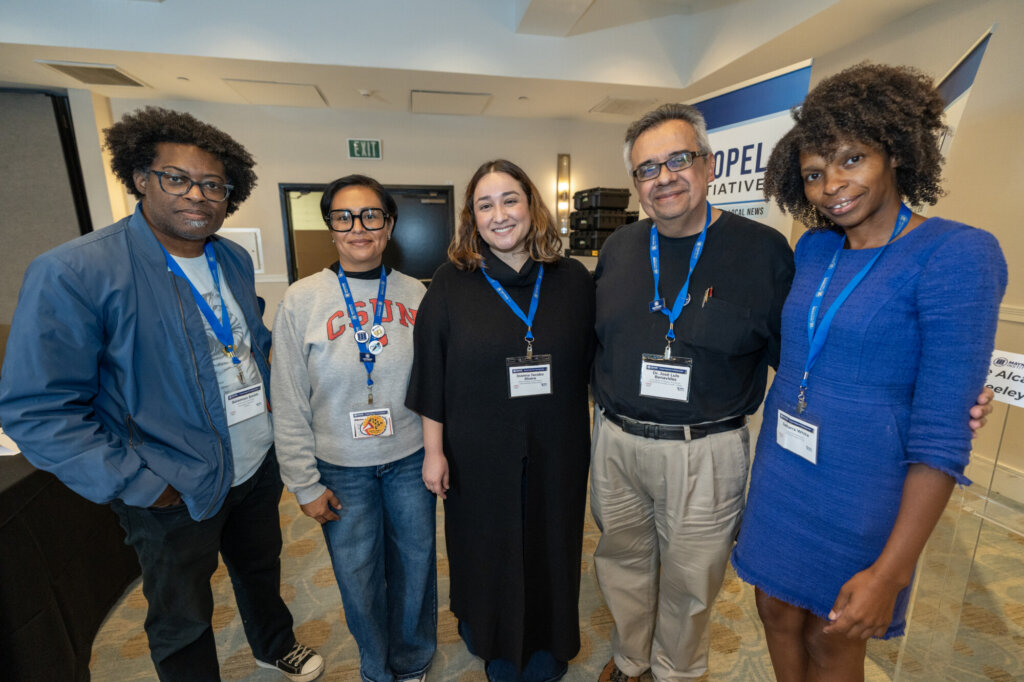
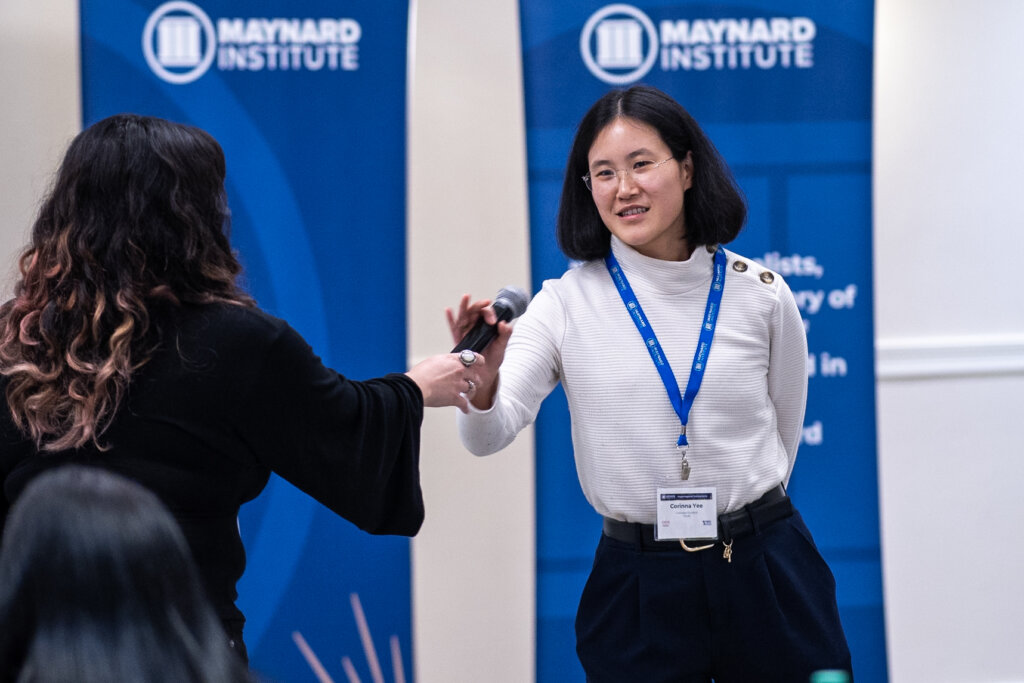
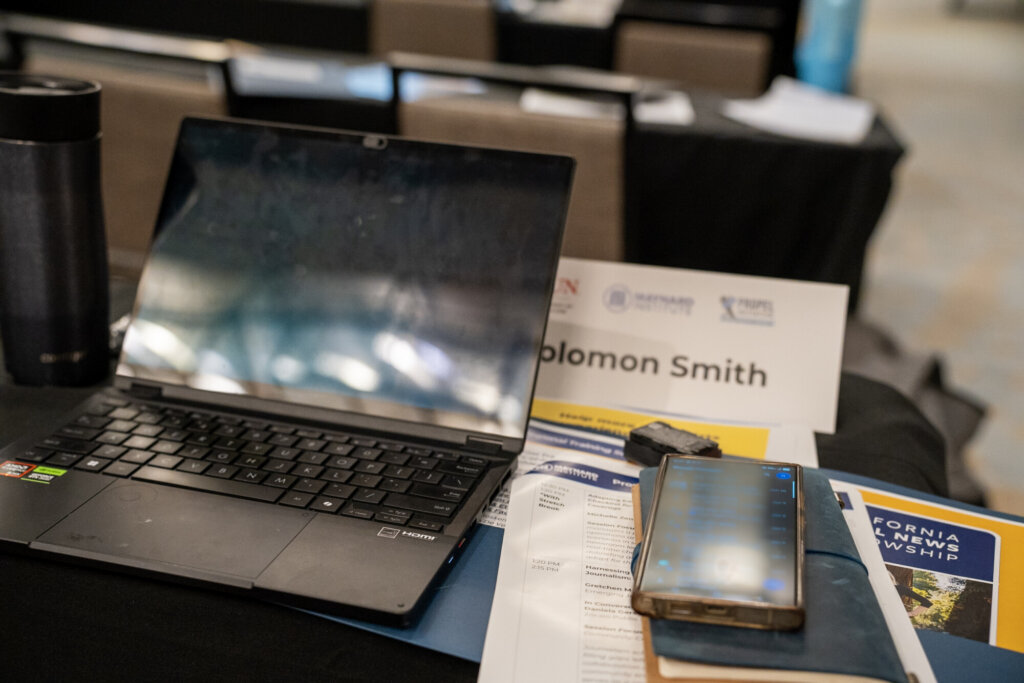
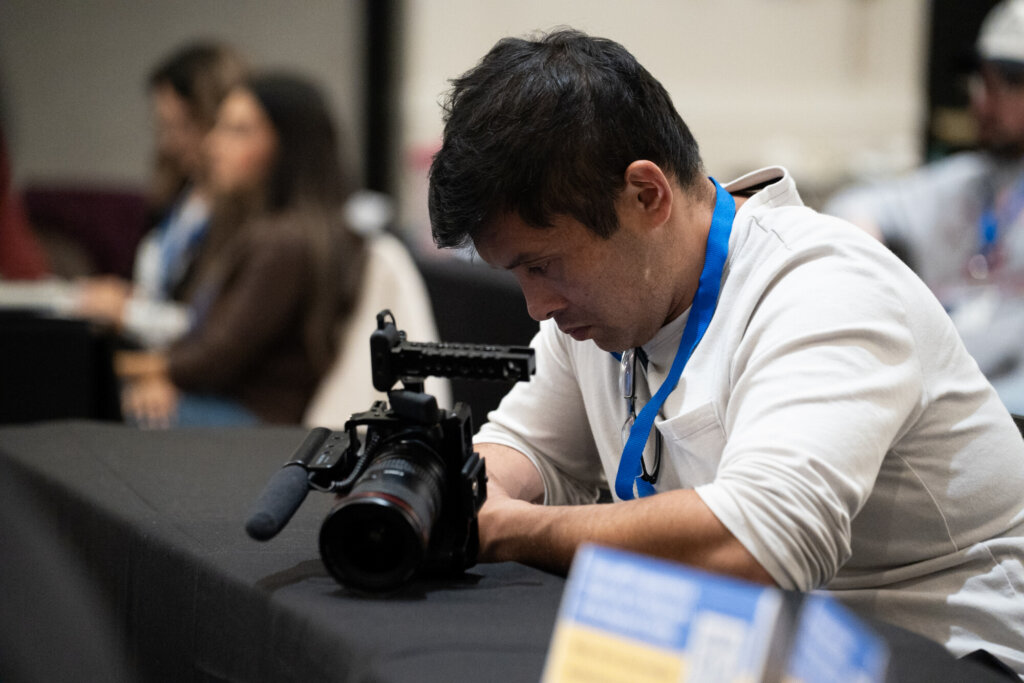
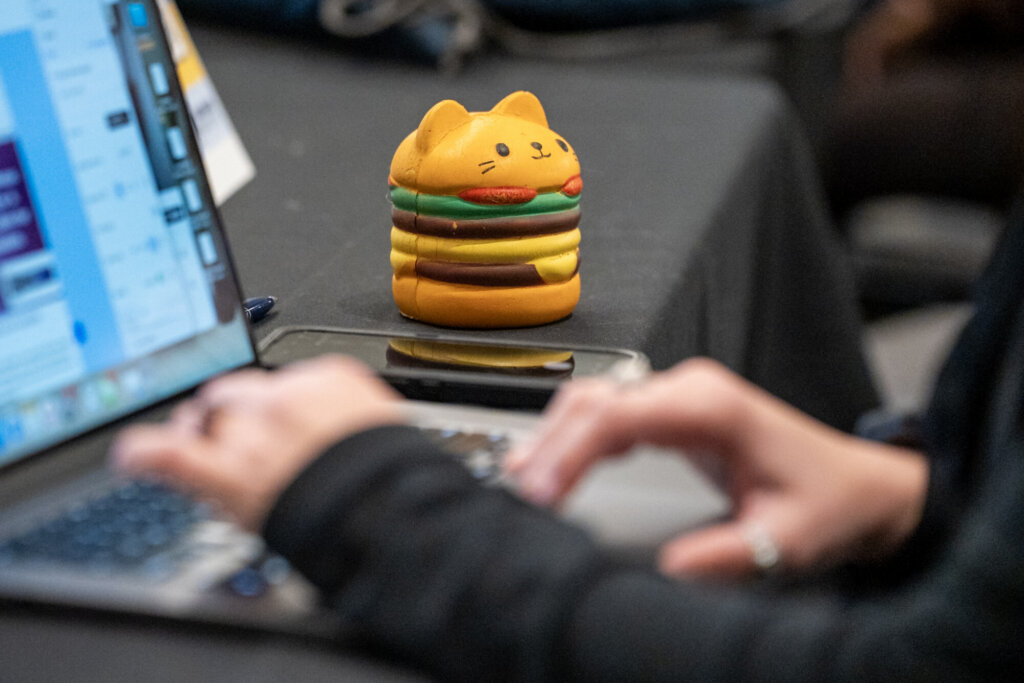
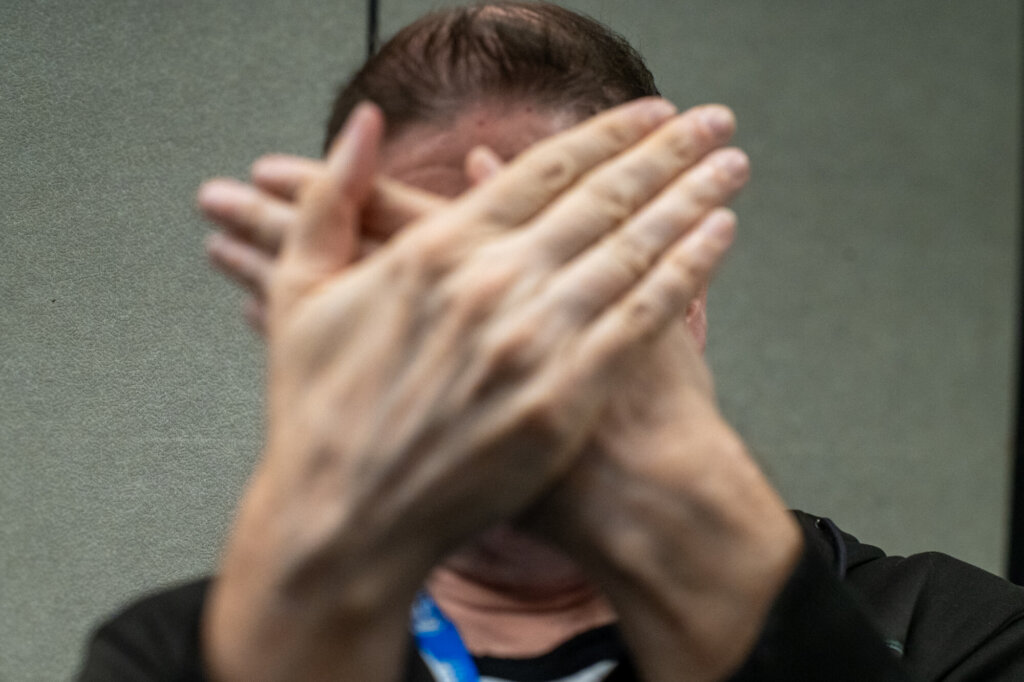
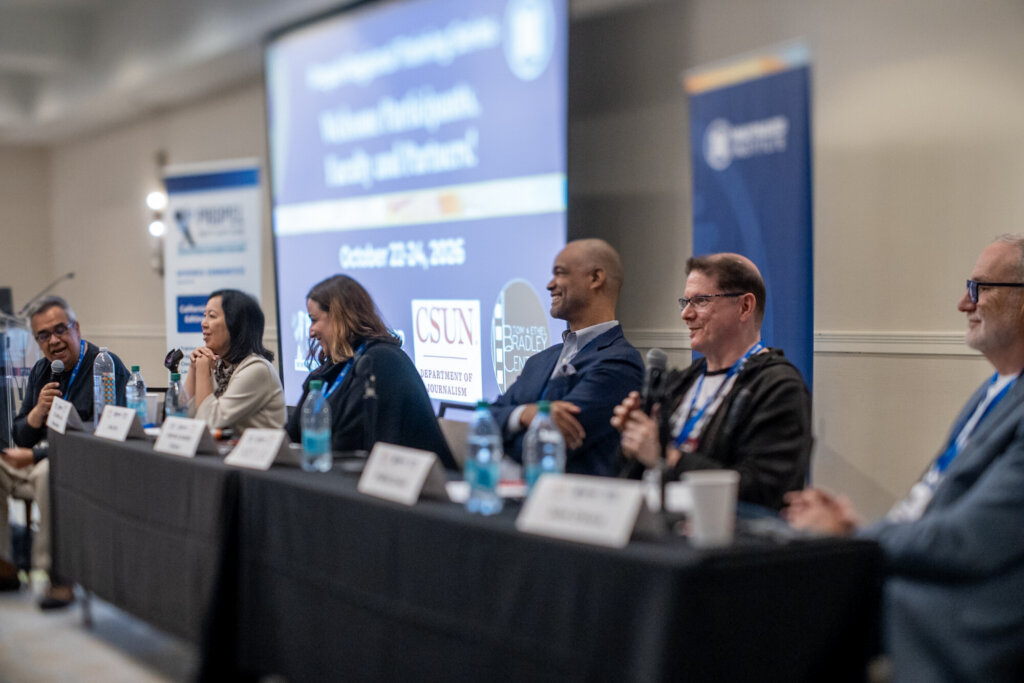
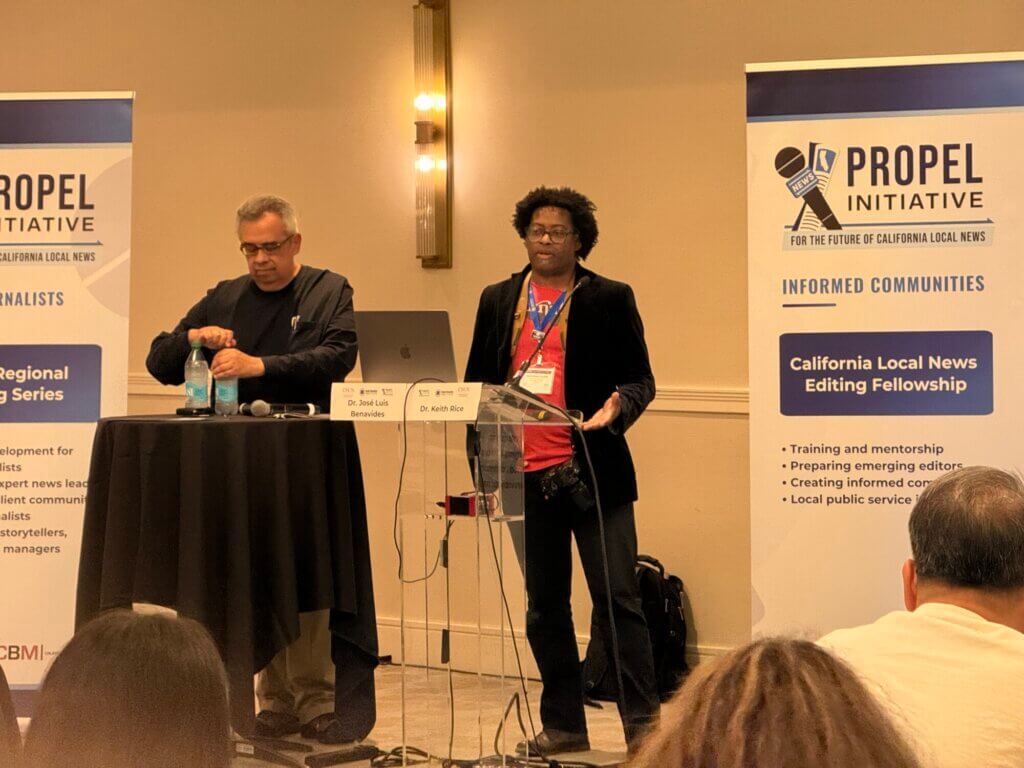
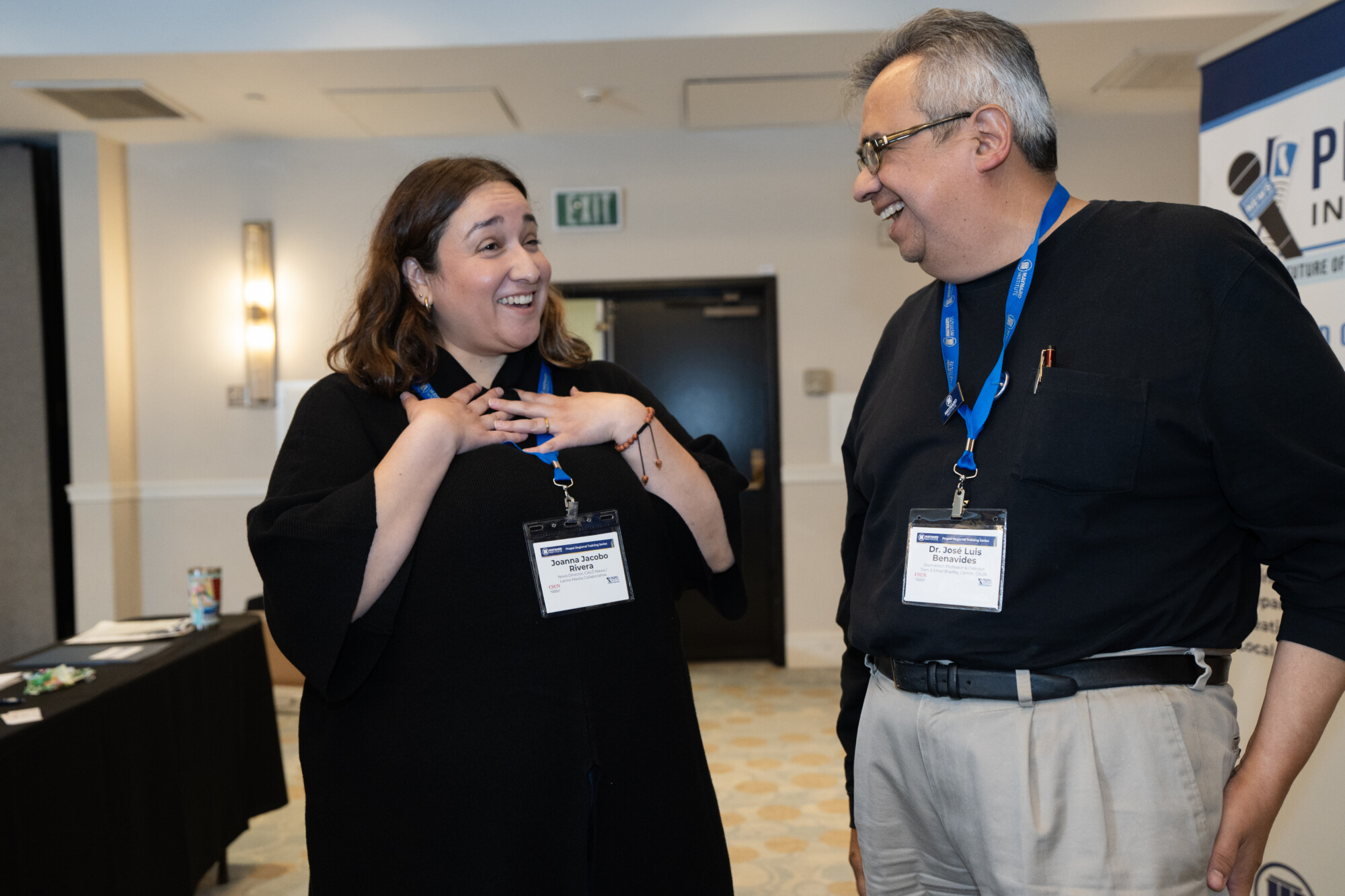
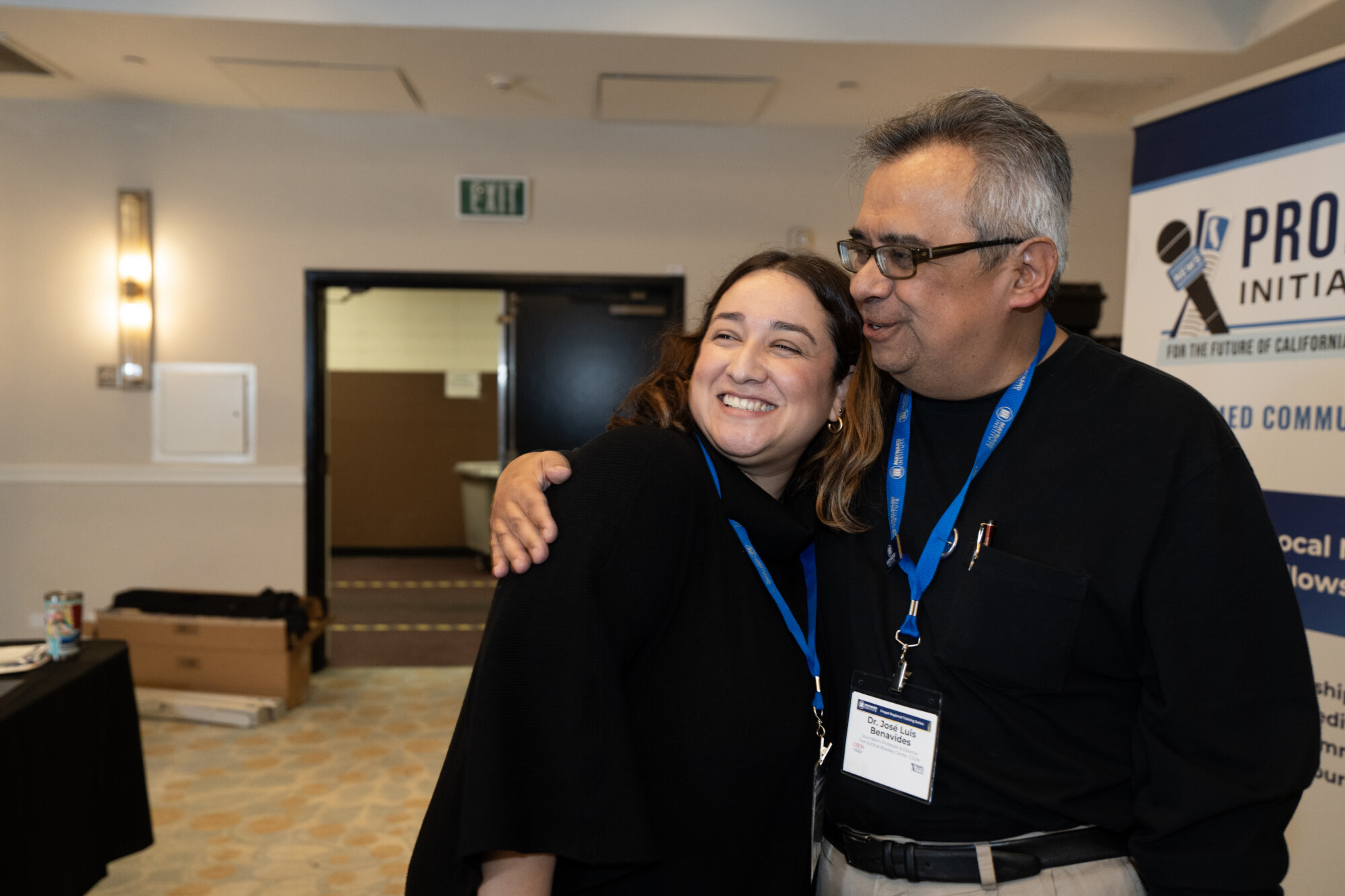
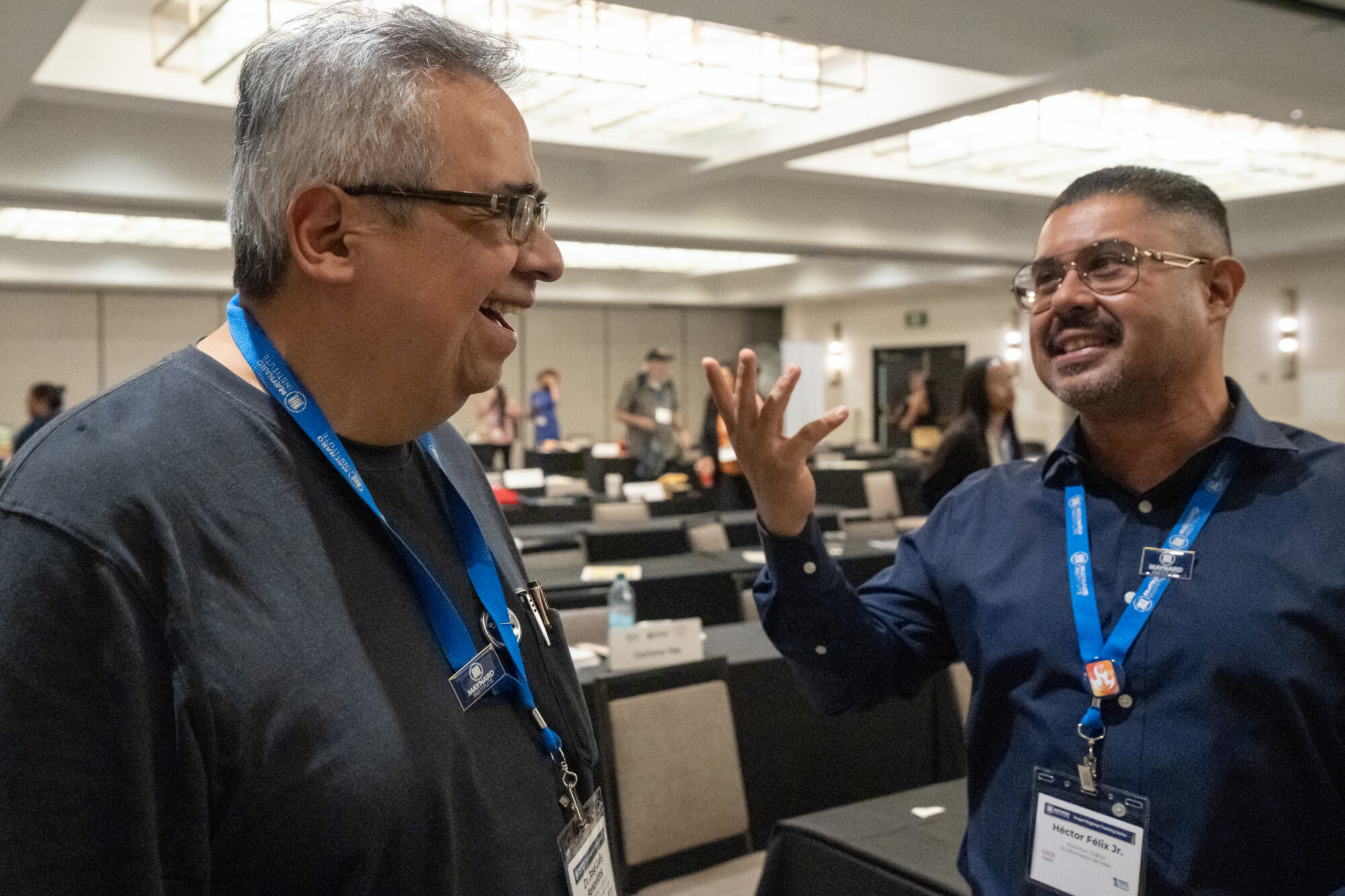
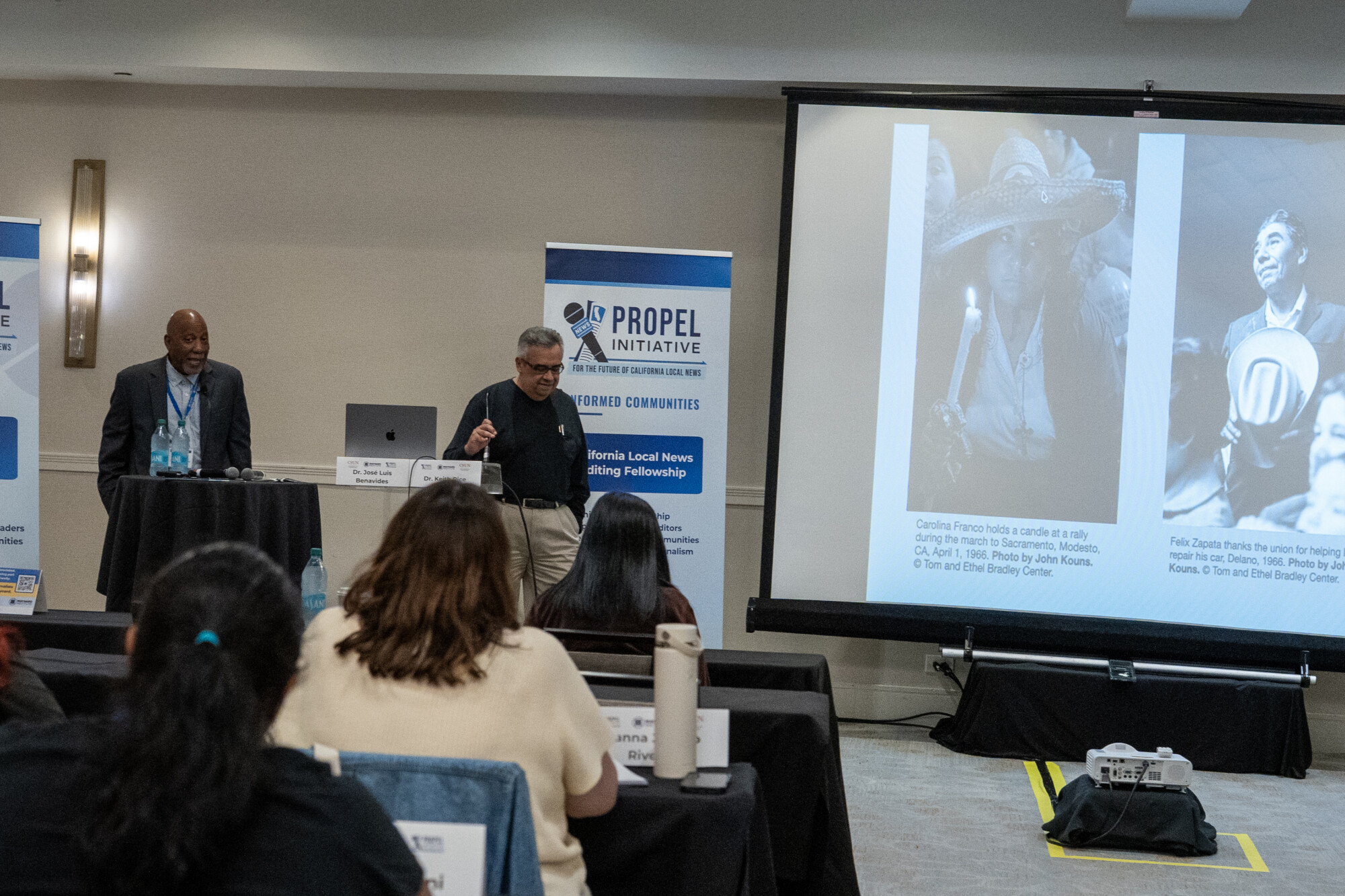
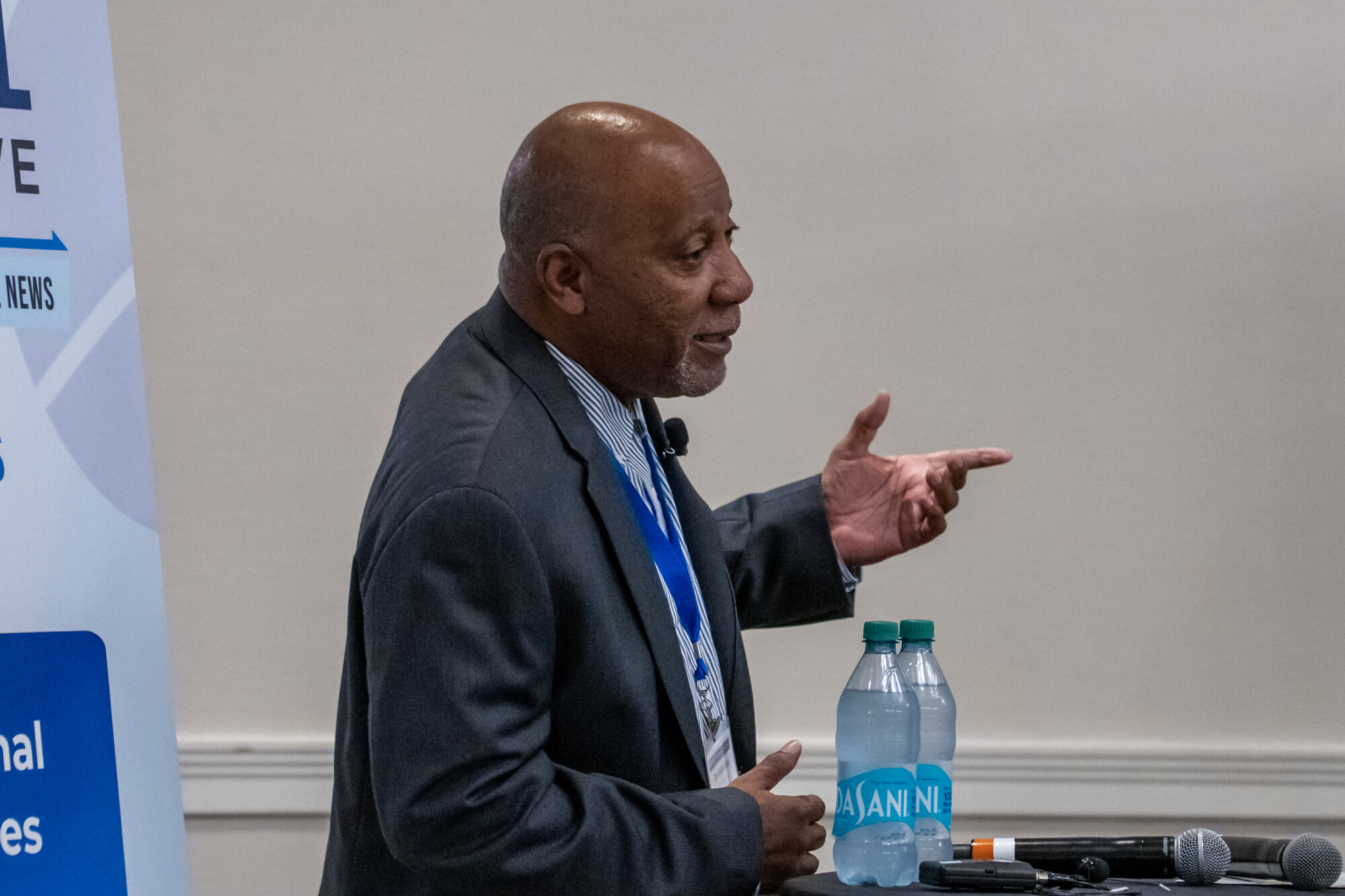
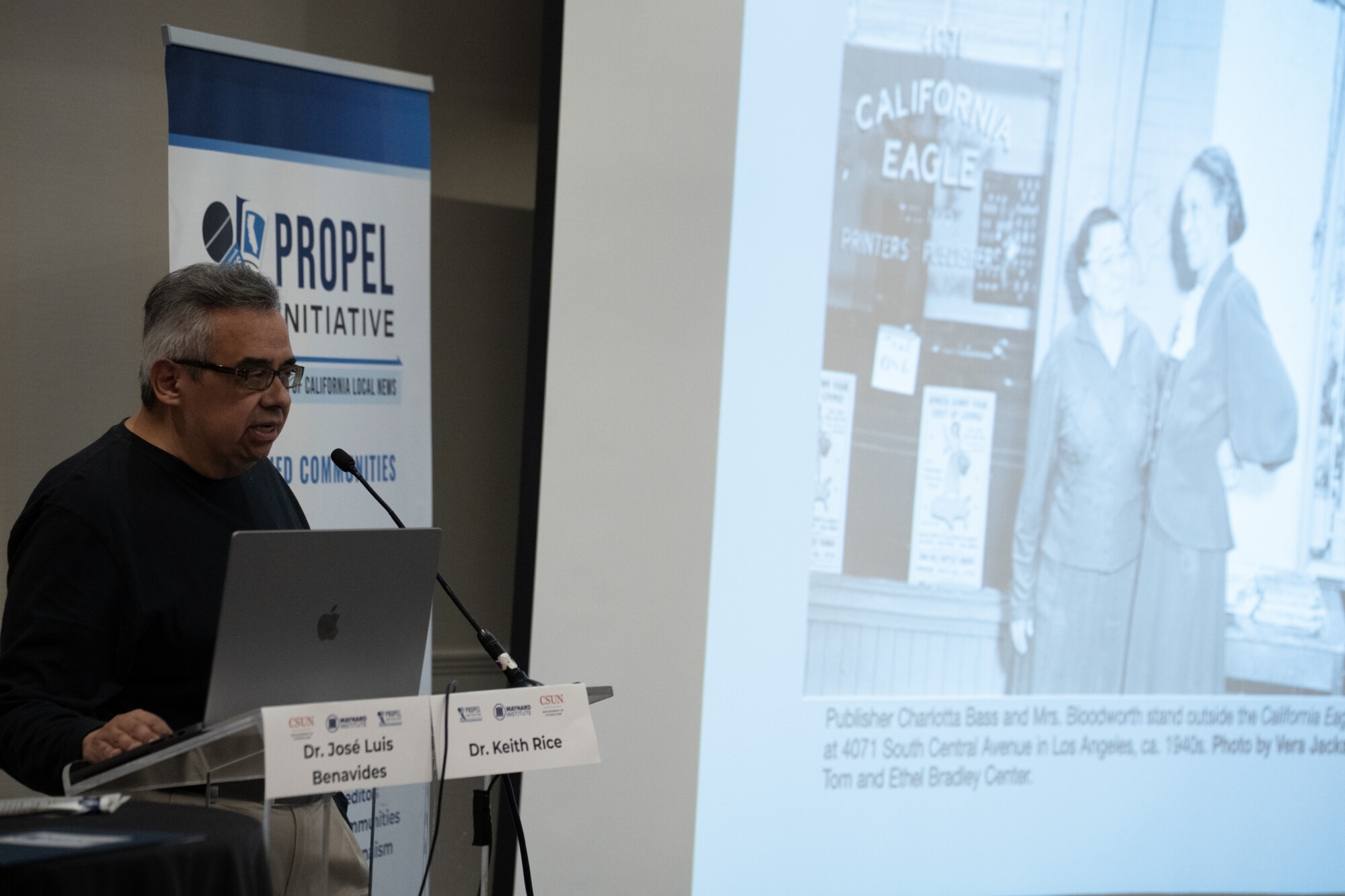
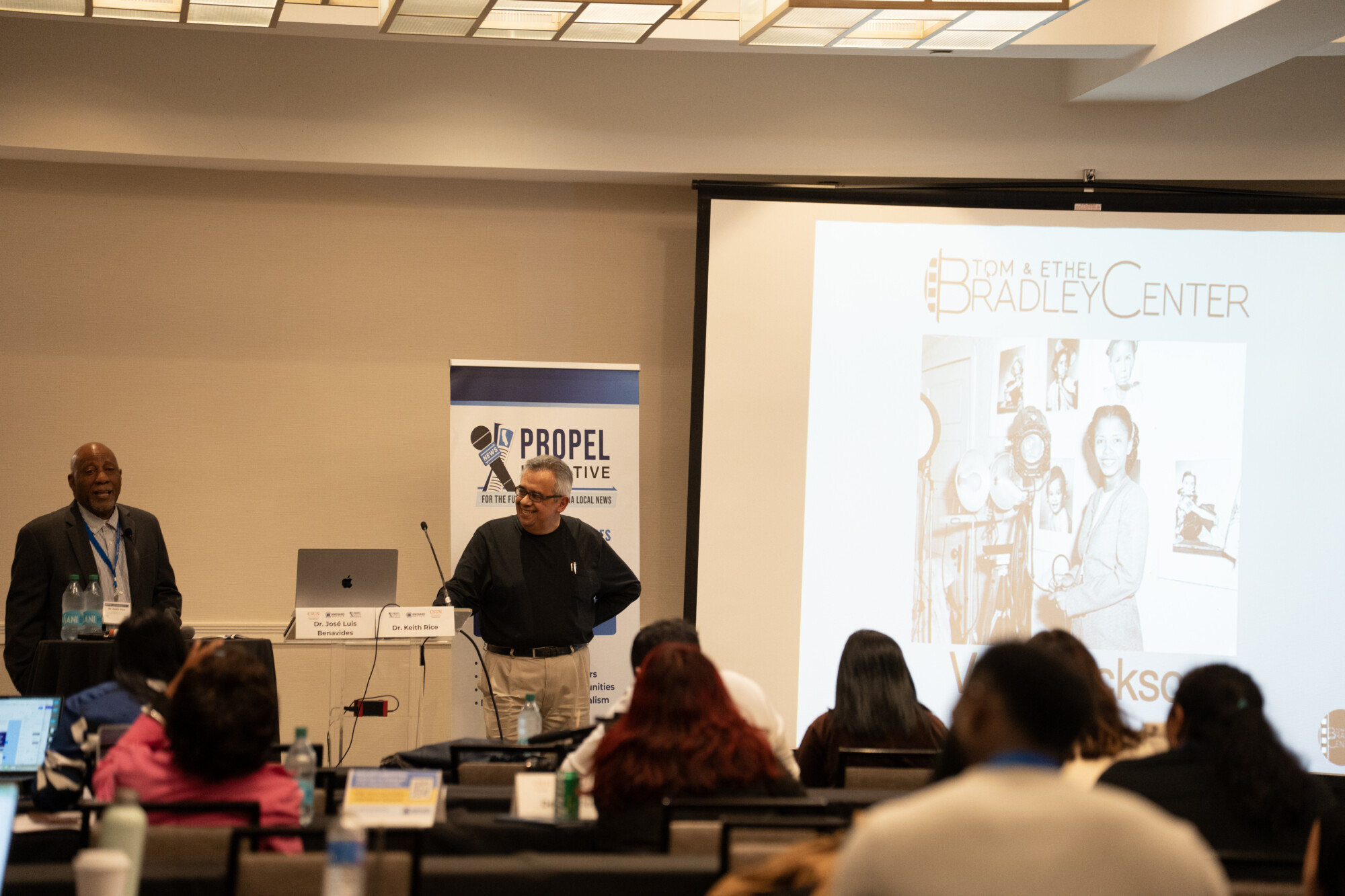
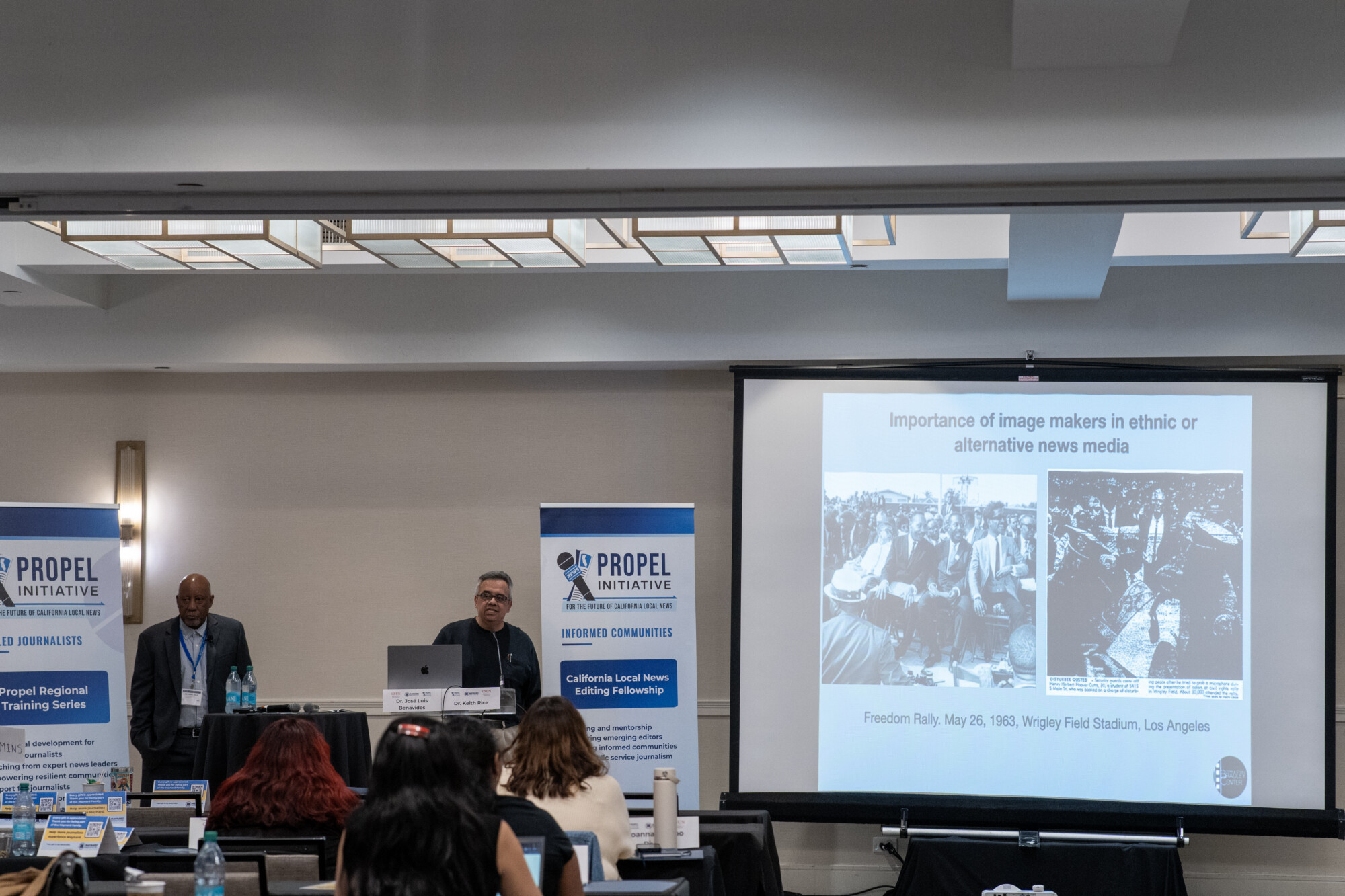
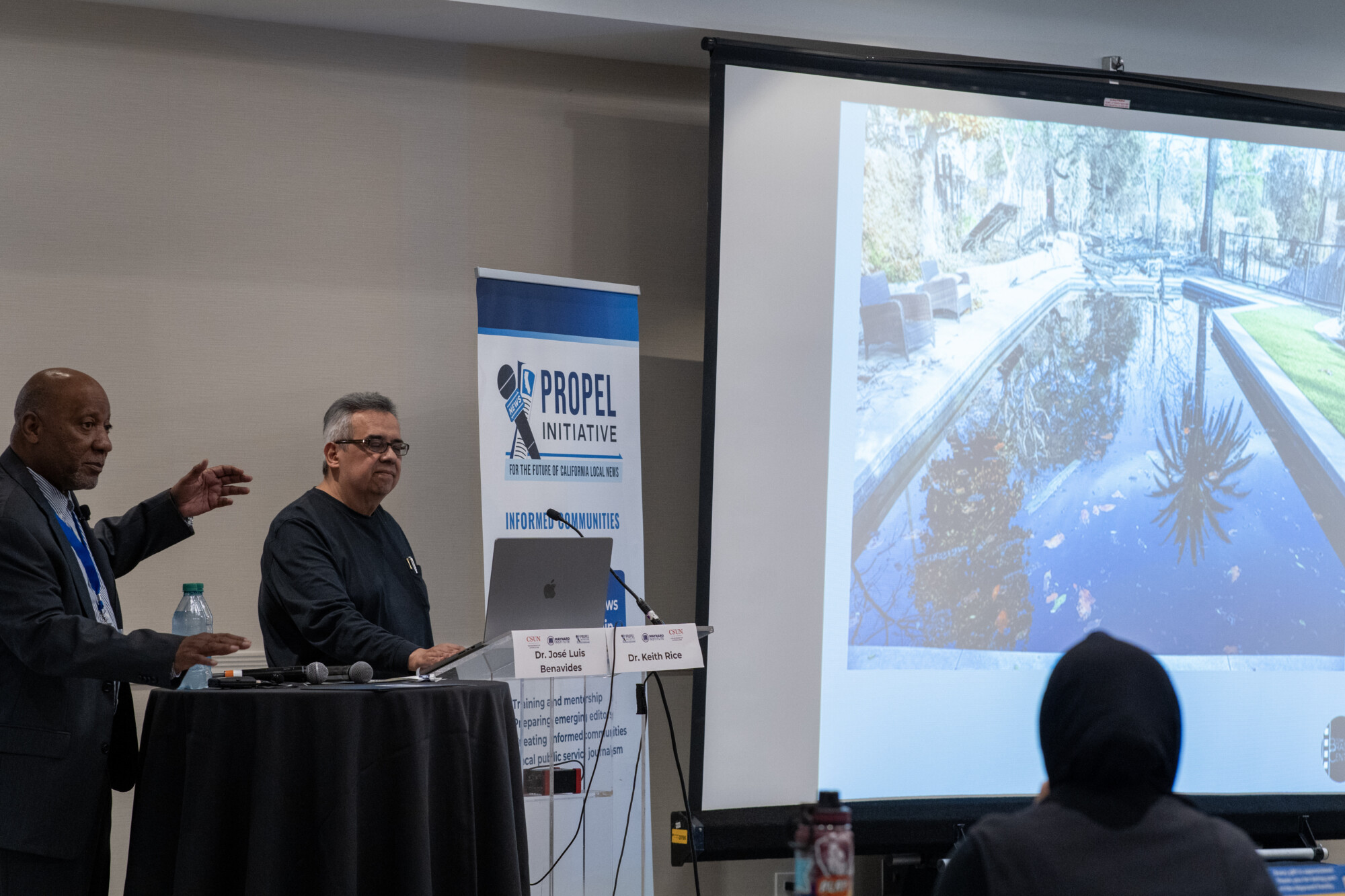
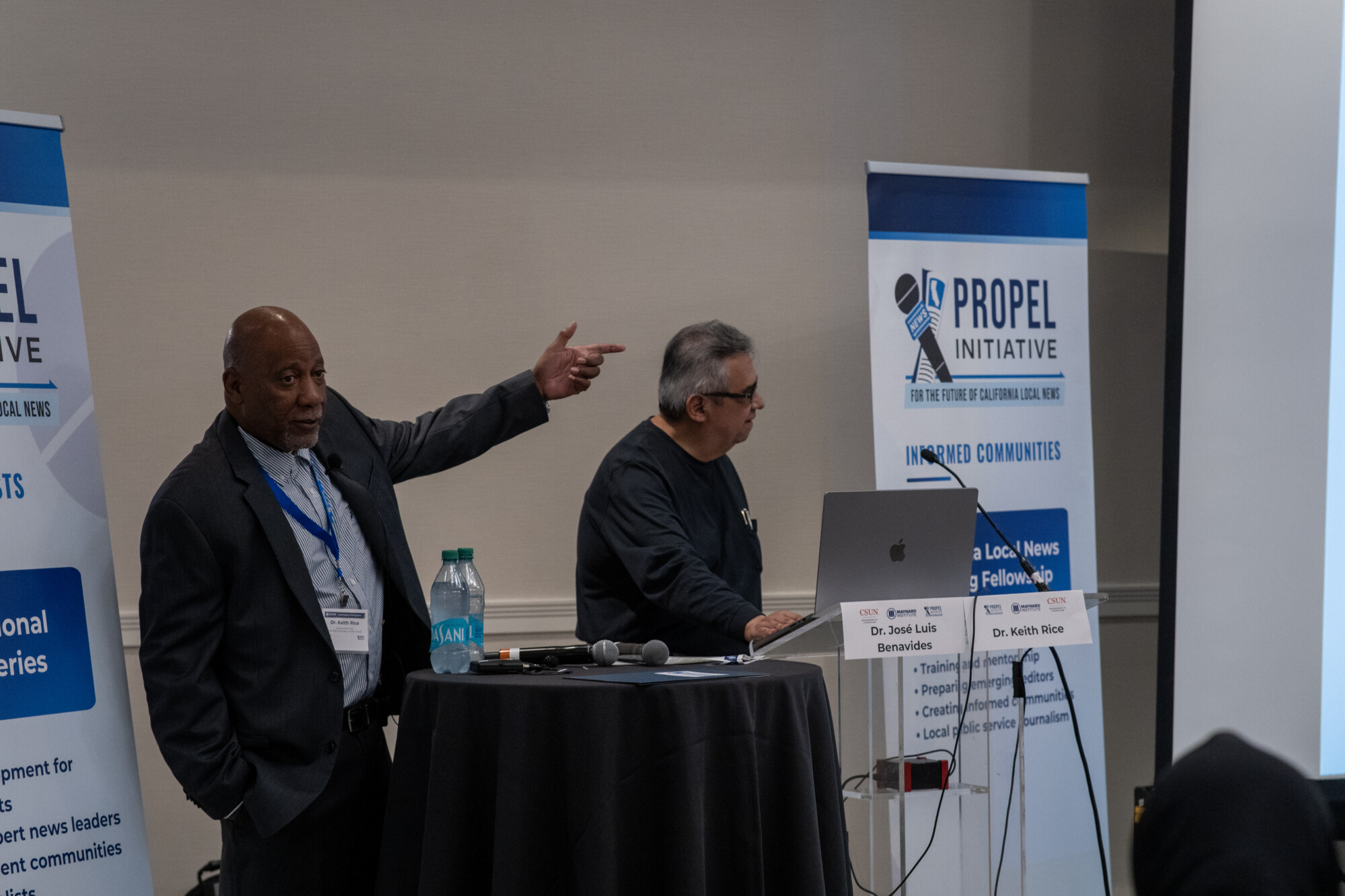
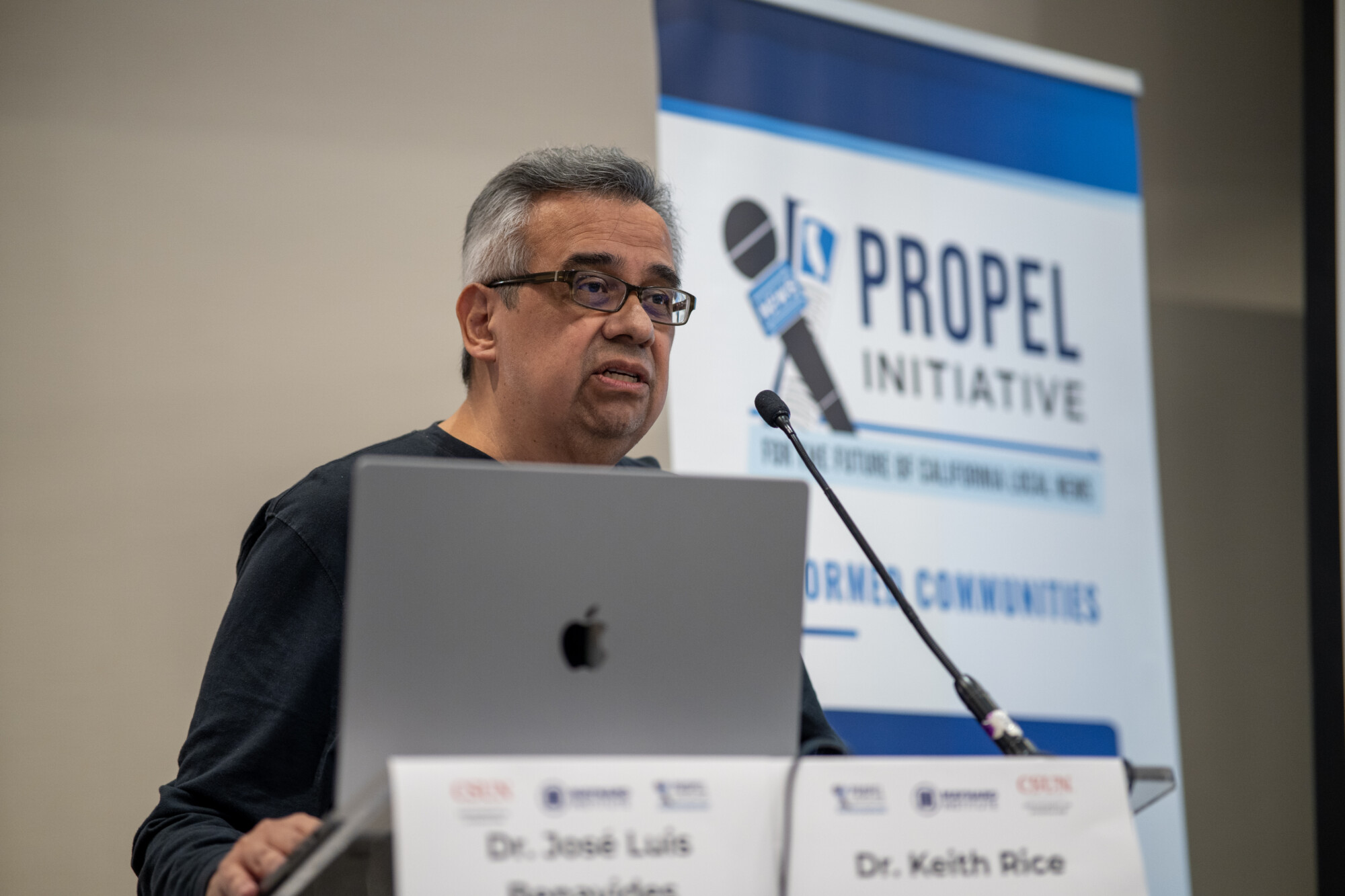
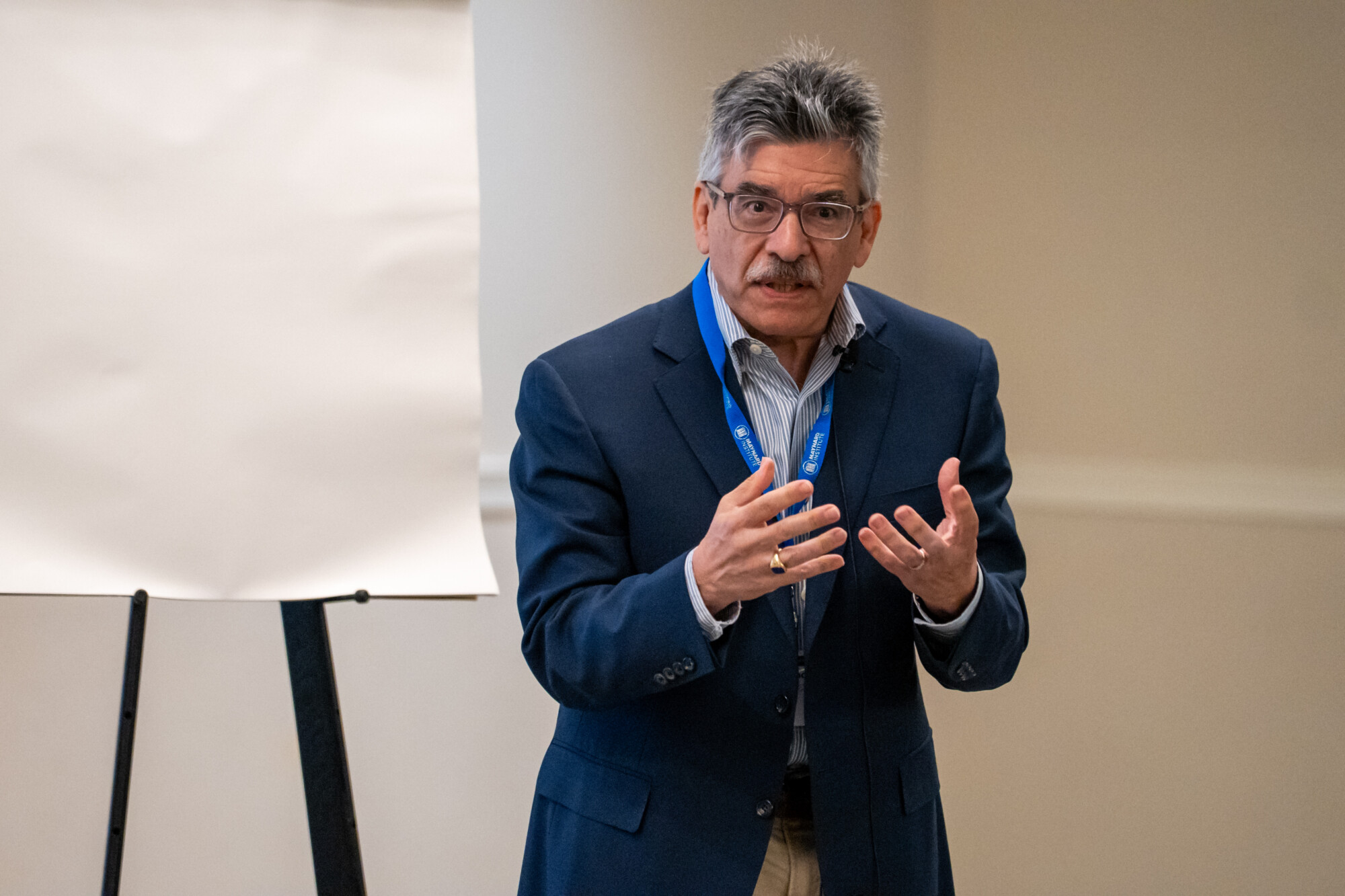
Dr. José Luis Benavides is one of my professors and is director of CSUN’s Tom and Ethel Bradley Center, whose mission “is to collect, preserve, and disseminate the visual history of the region with an emphasis on ethnic minority communities and photographers,” according to the website. Benavides and Dr. Keith Rice have been a source of information and support, a rare boon for a struggling photojournalist. Benavides strongly suggested I attend the training series and recommended me as an intern and photographer.
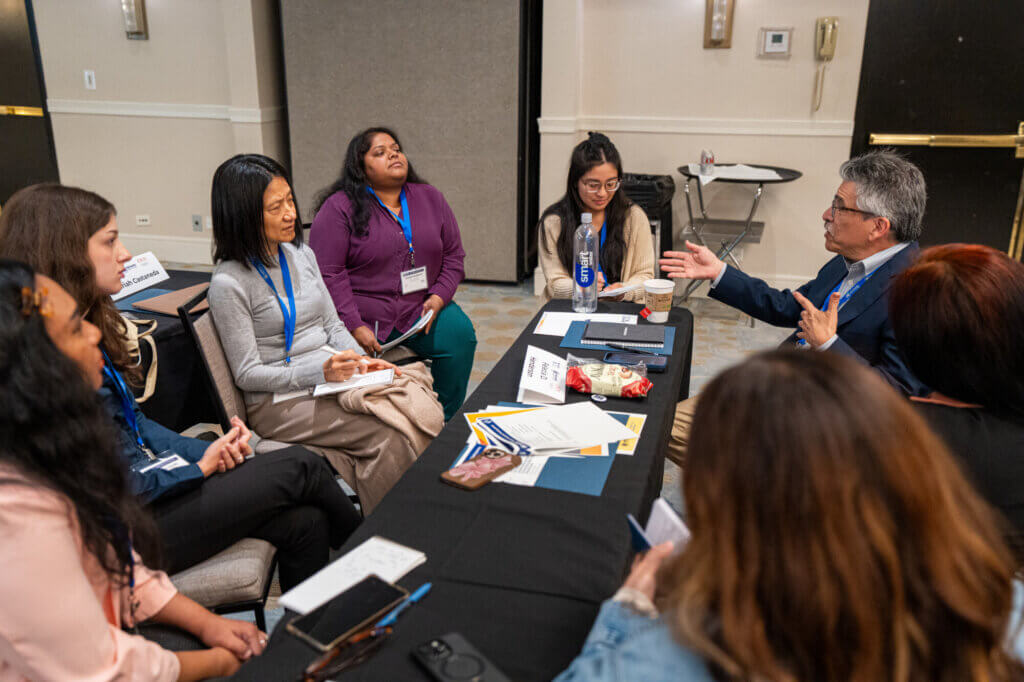
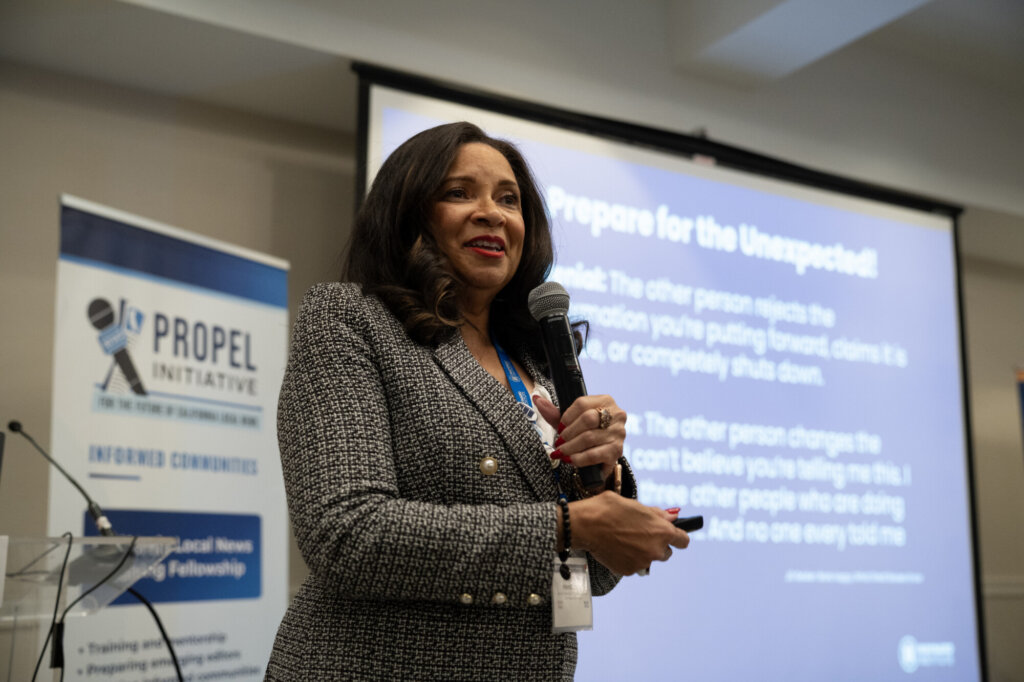
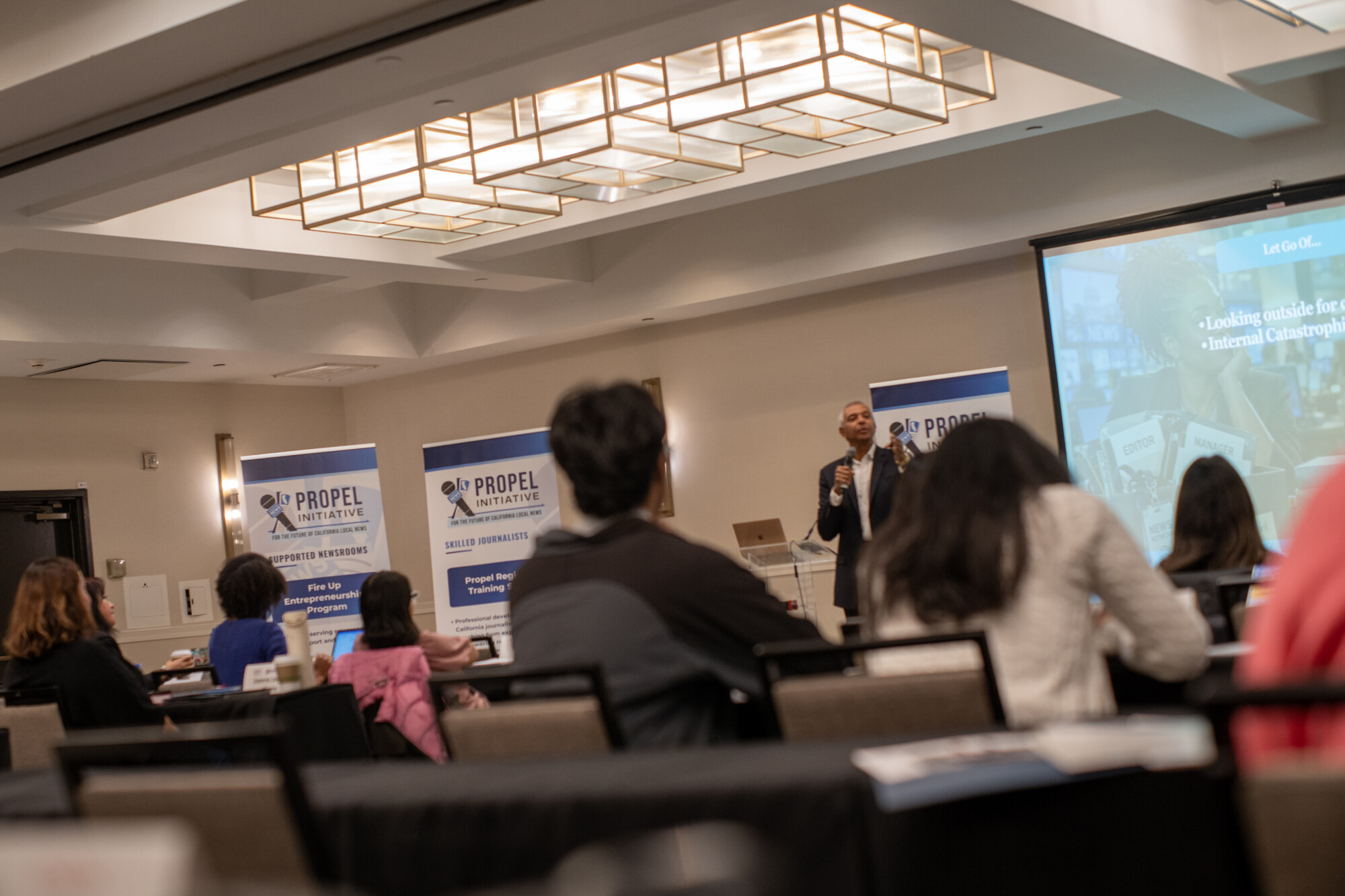
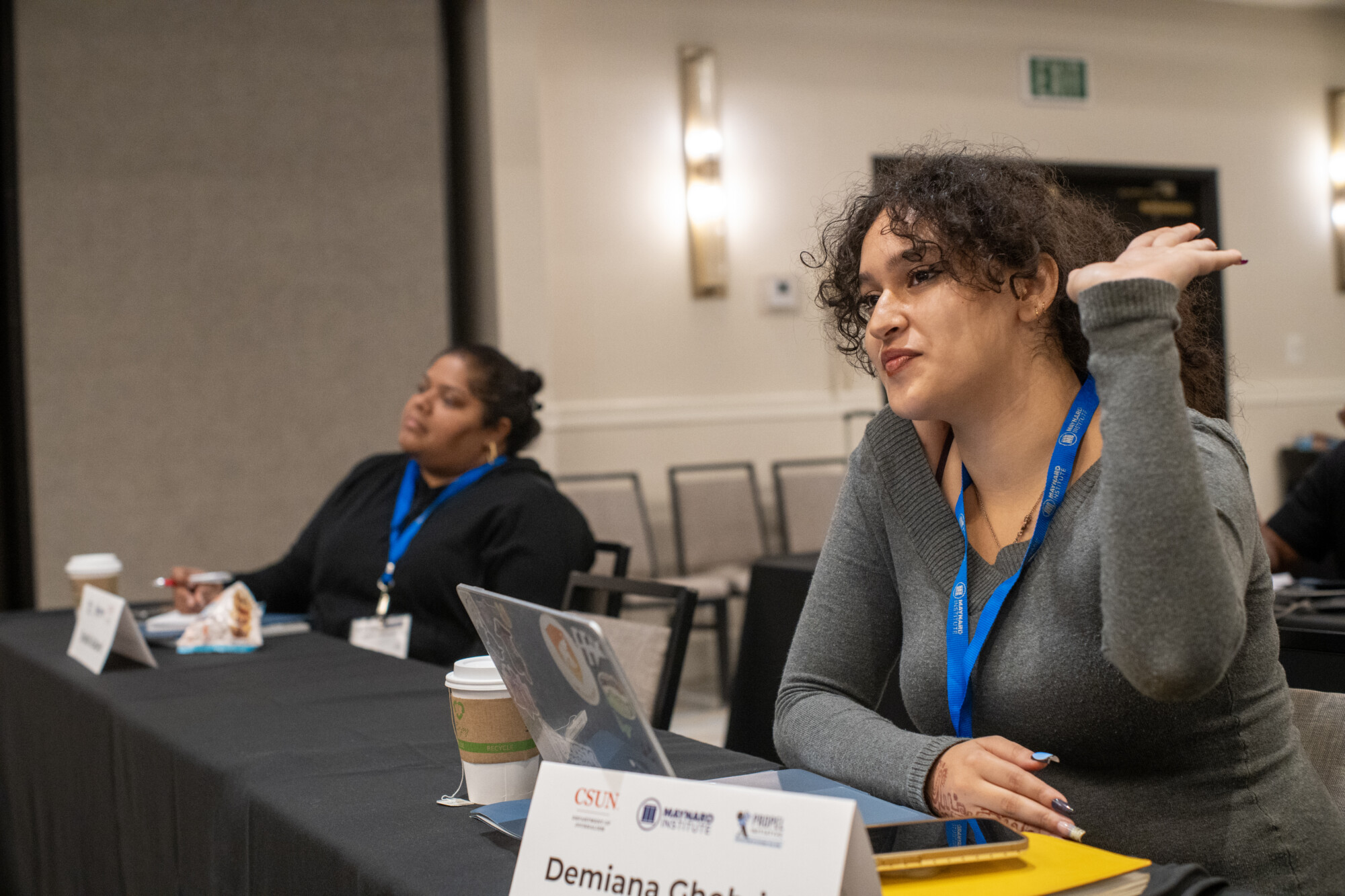
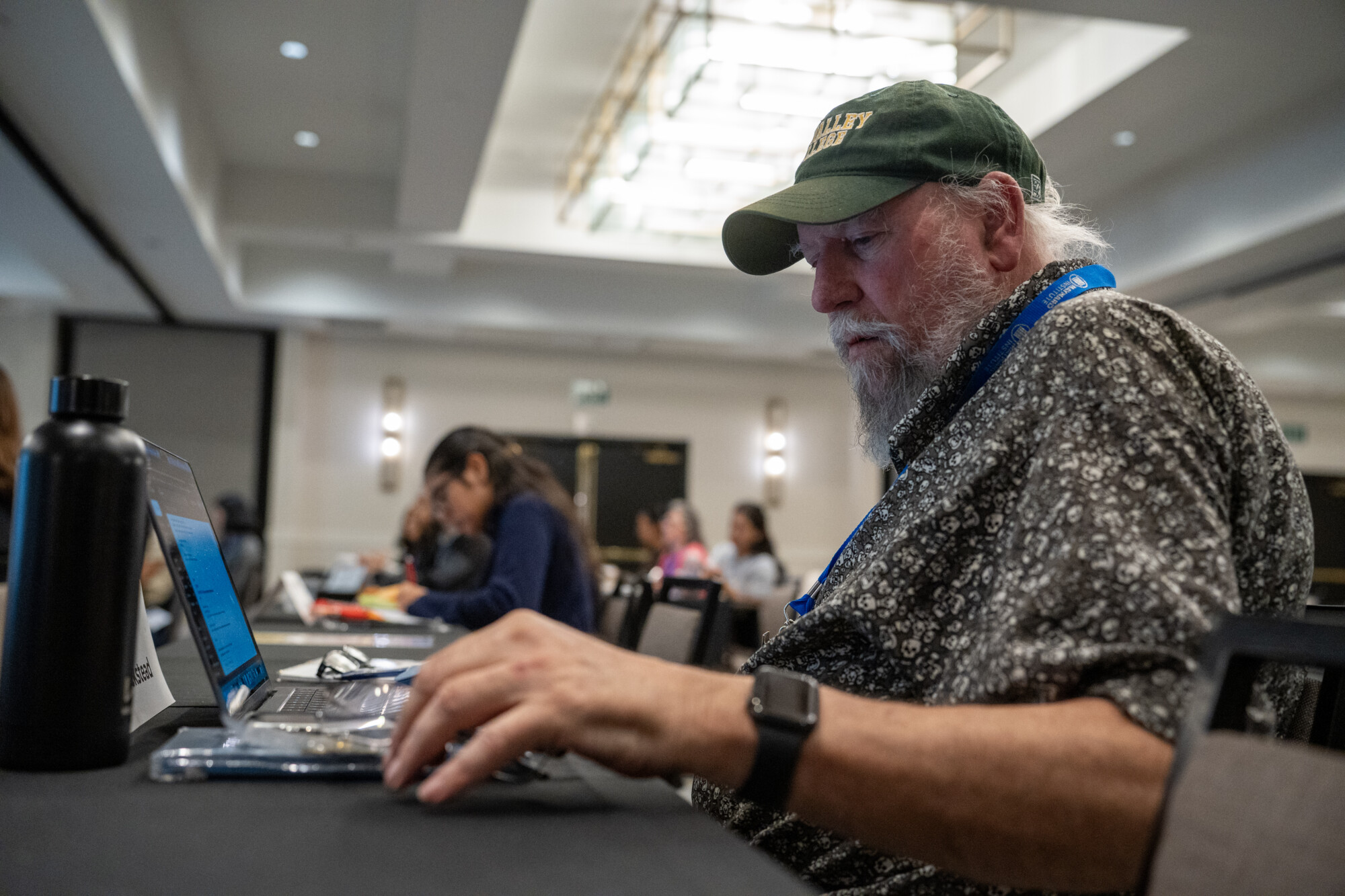
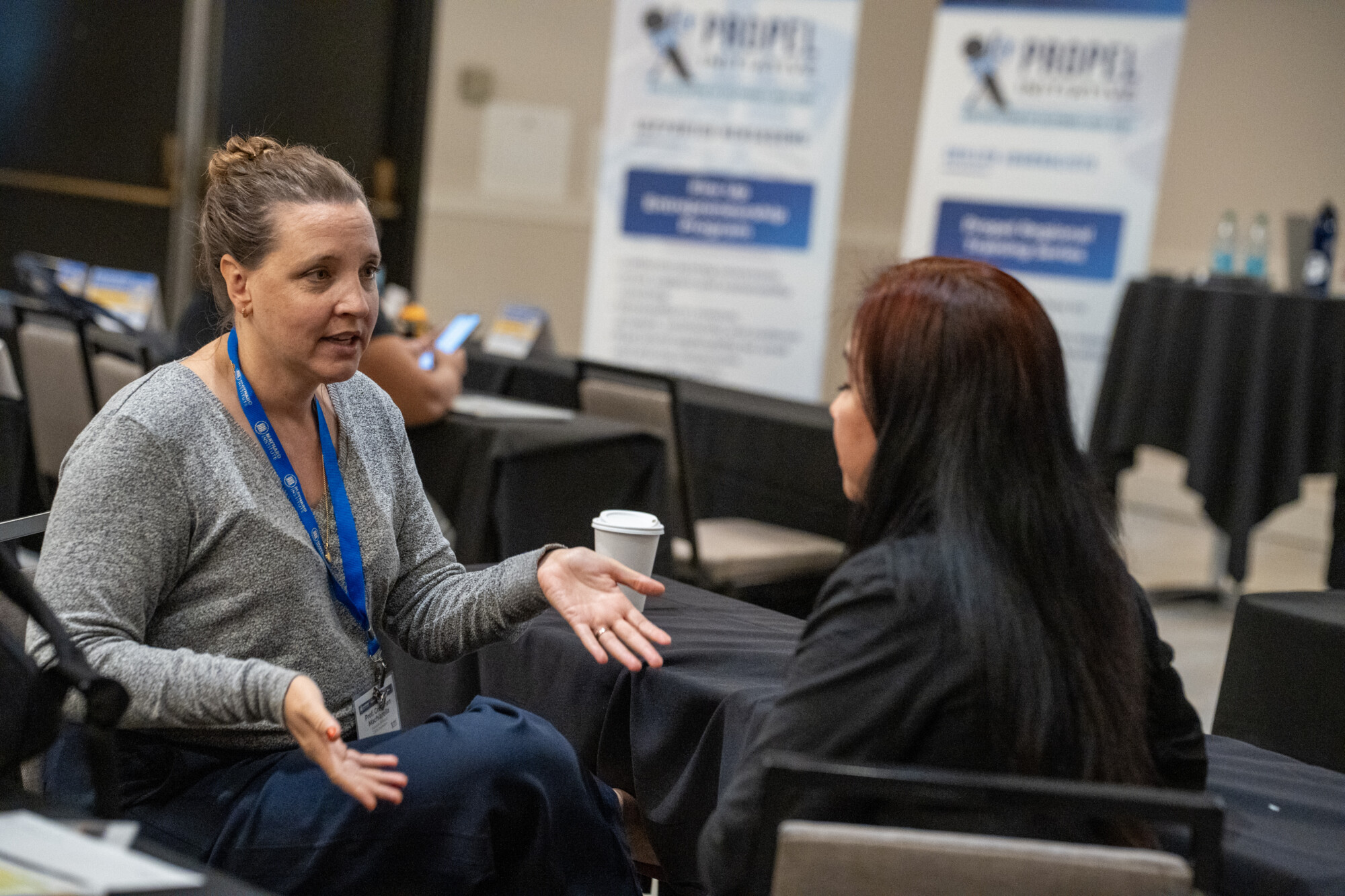
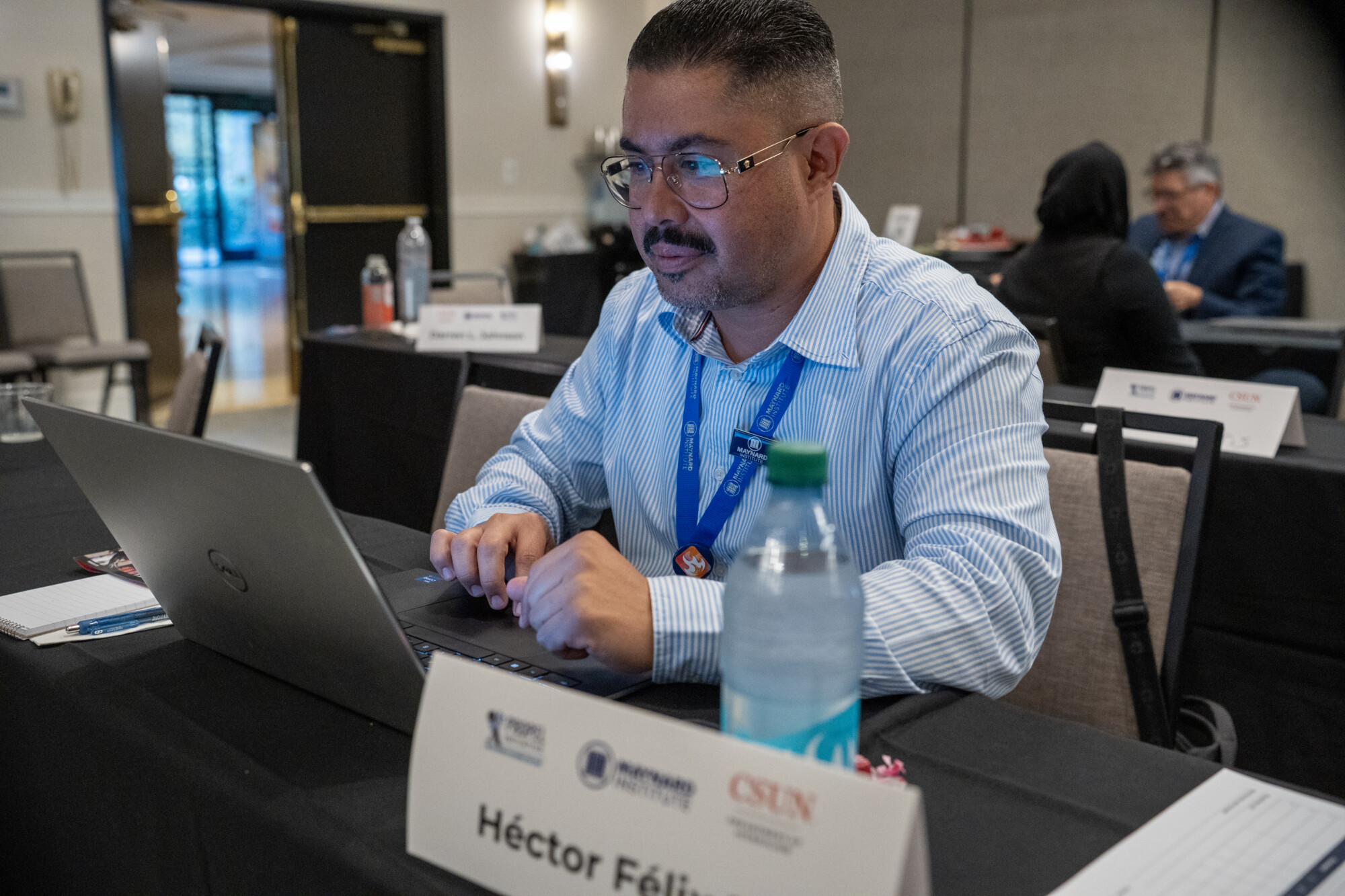
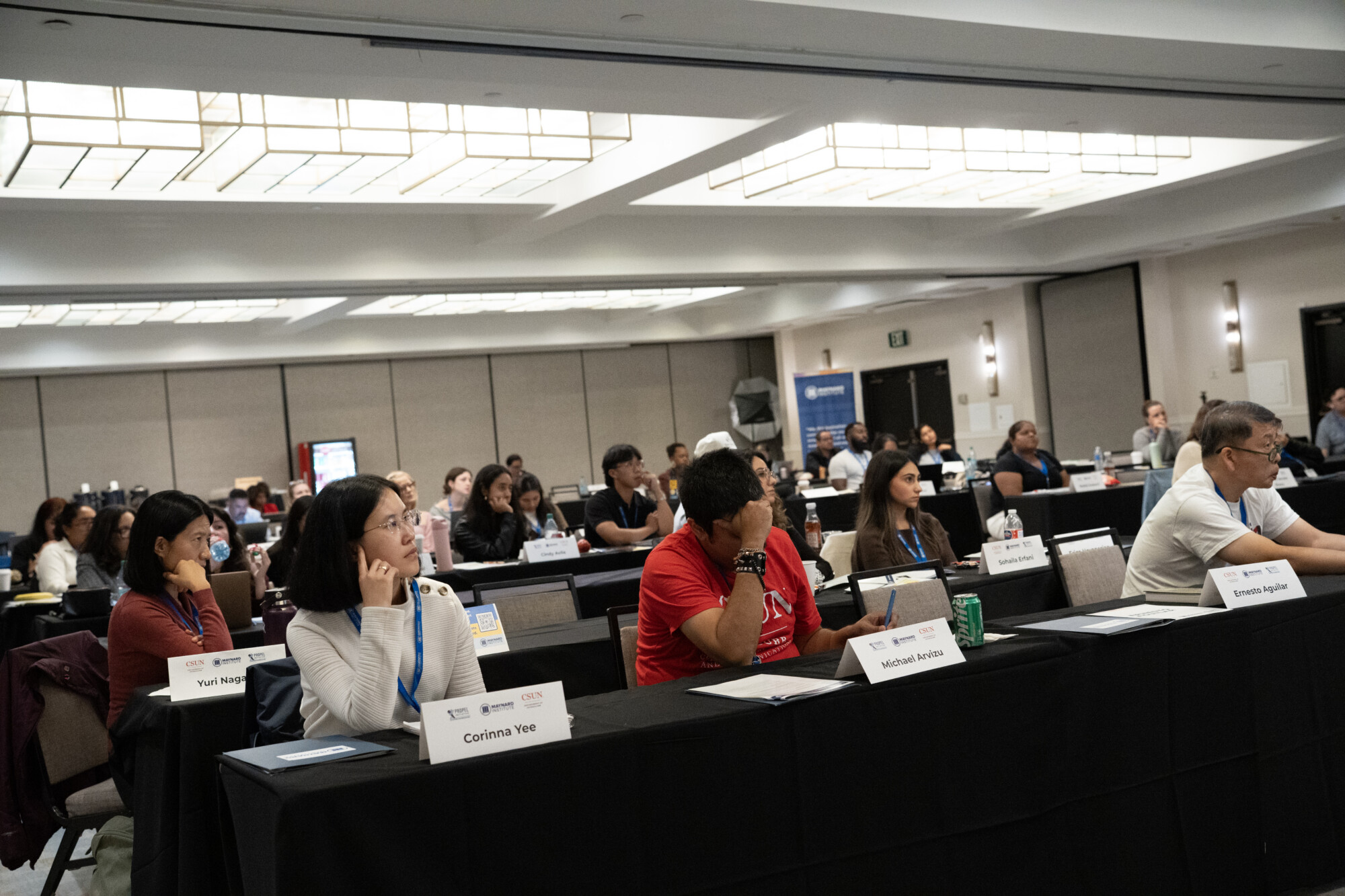
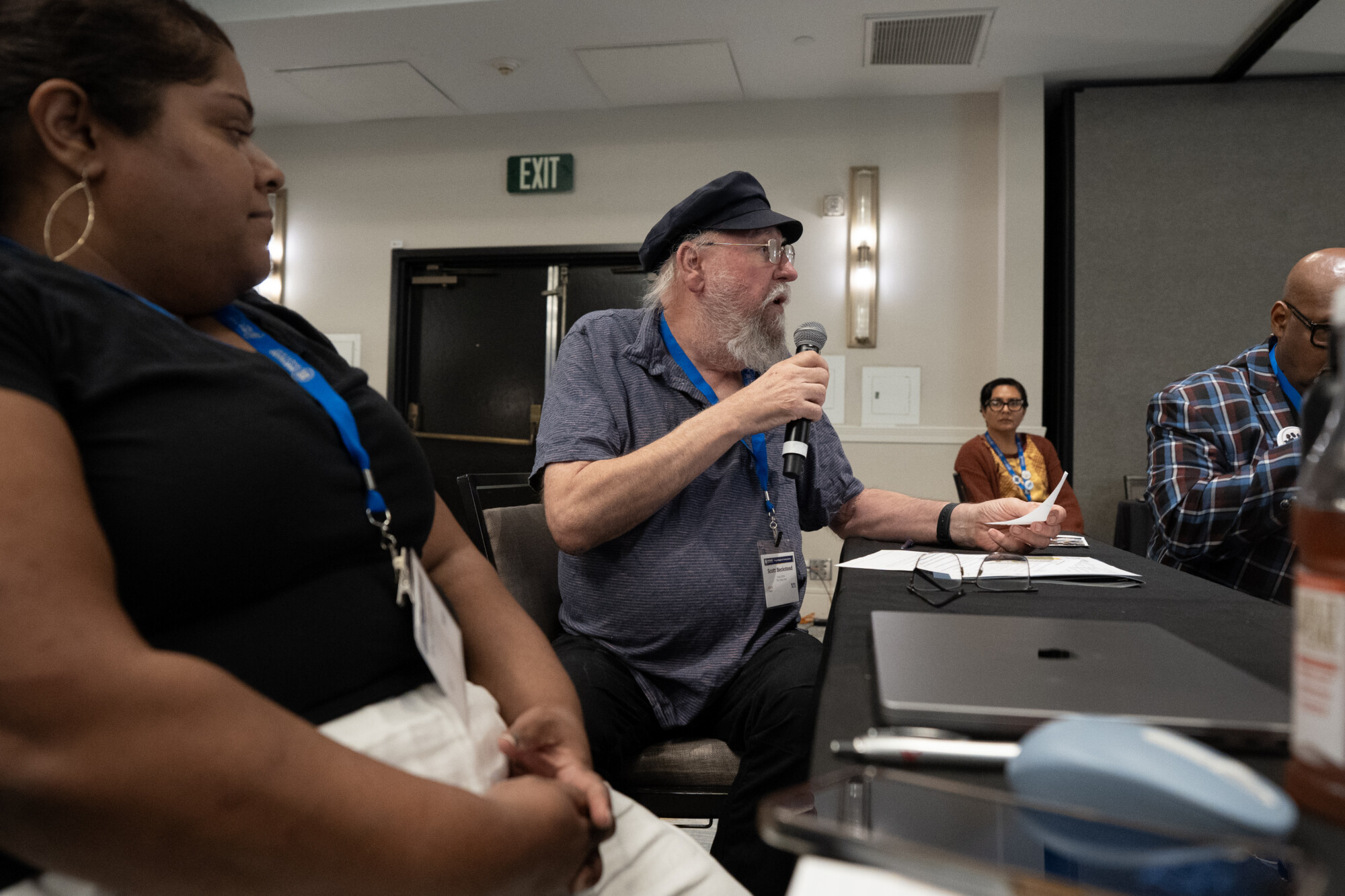
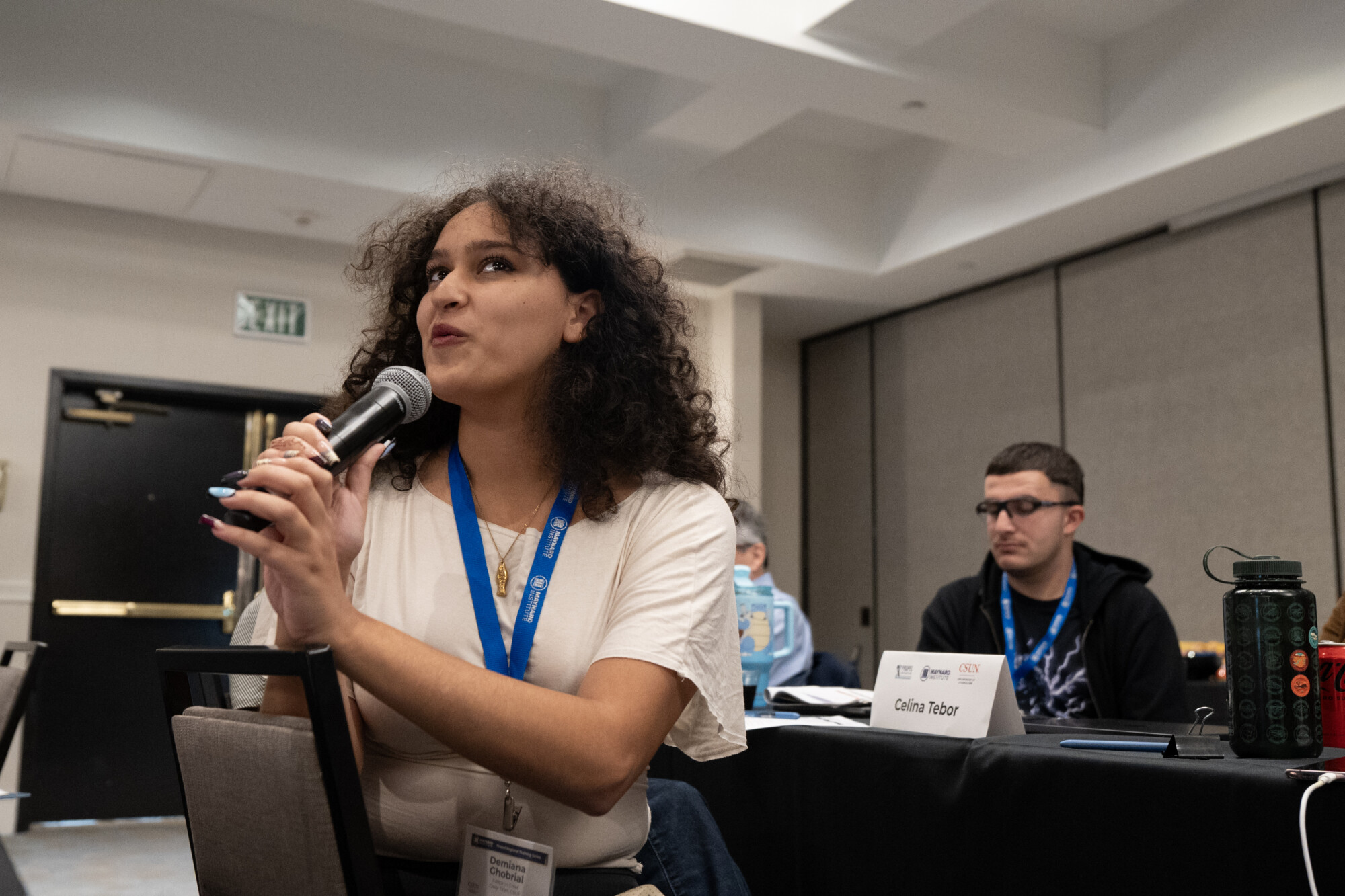
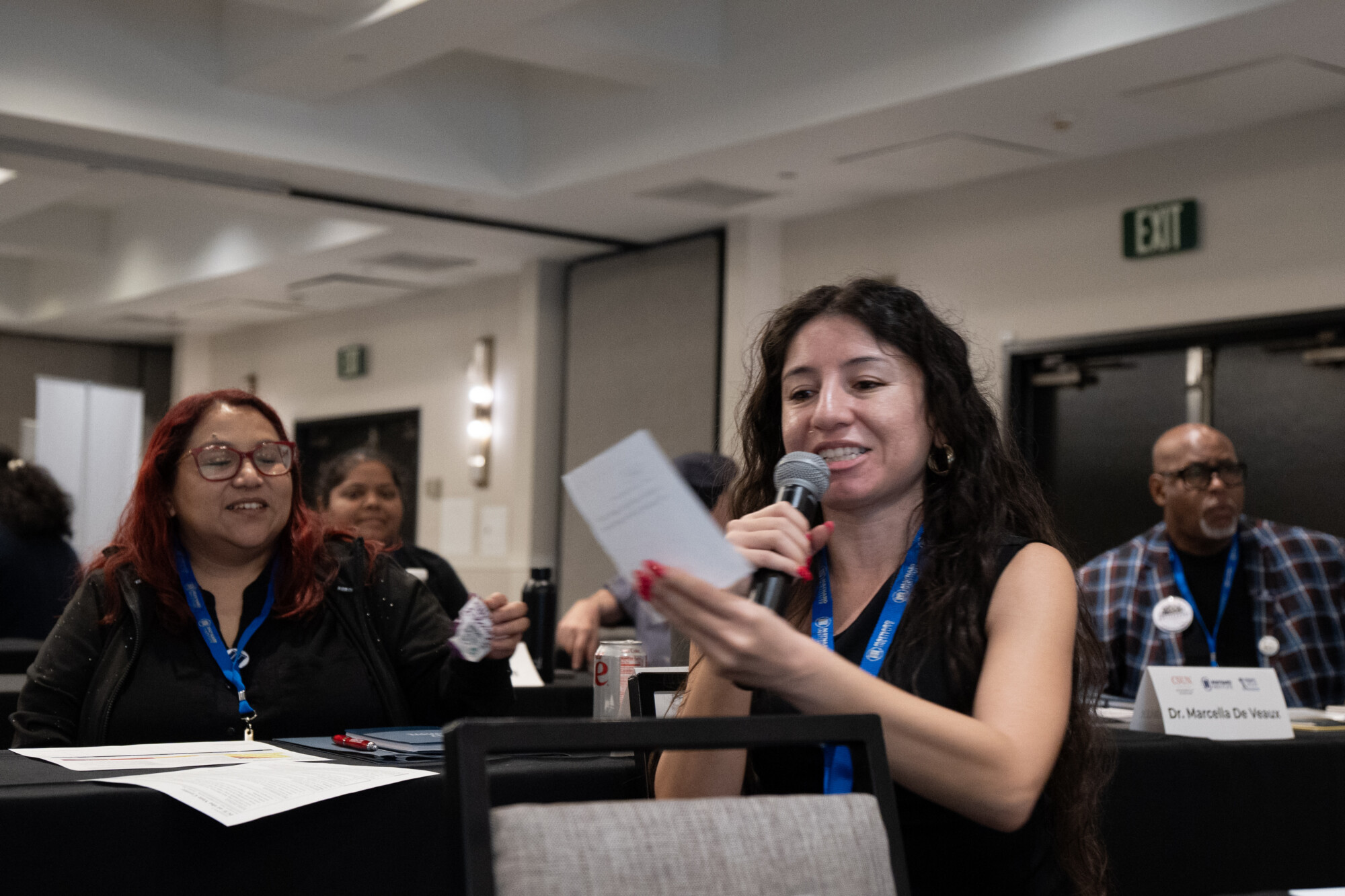
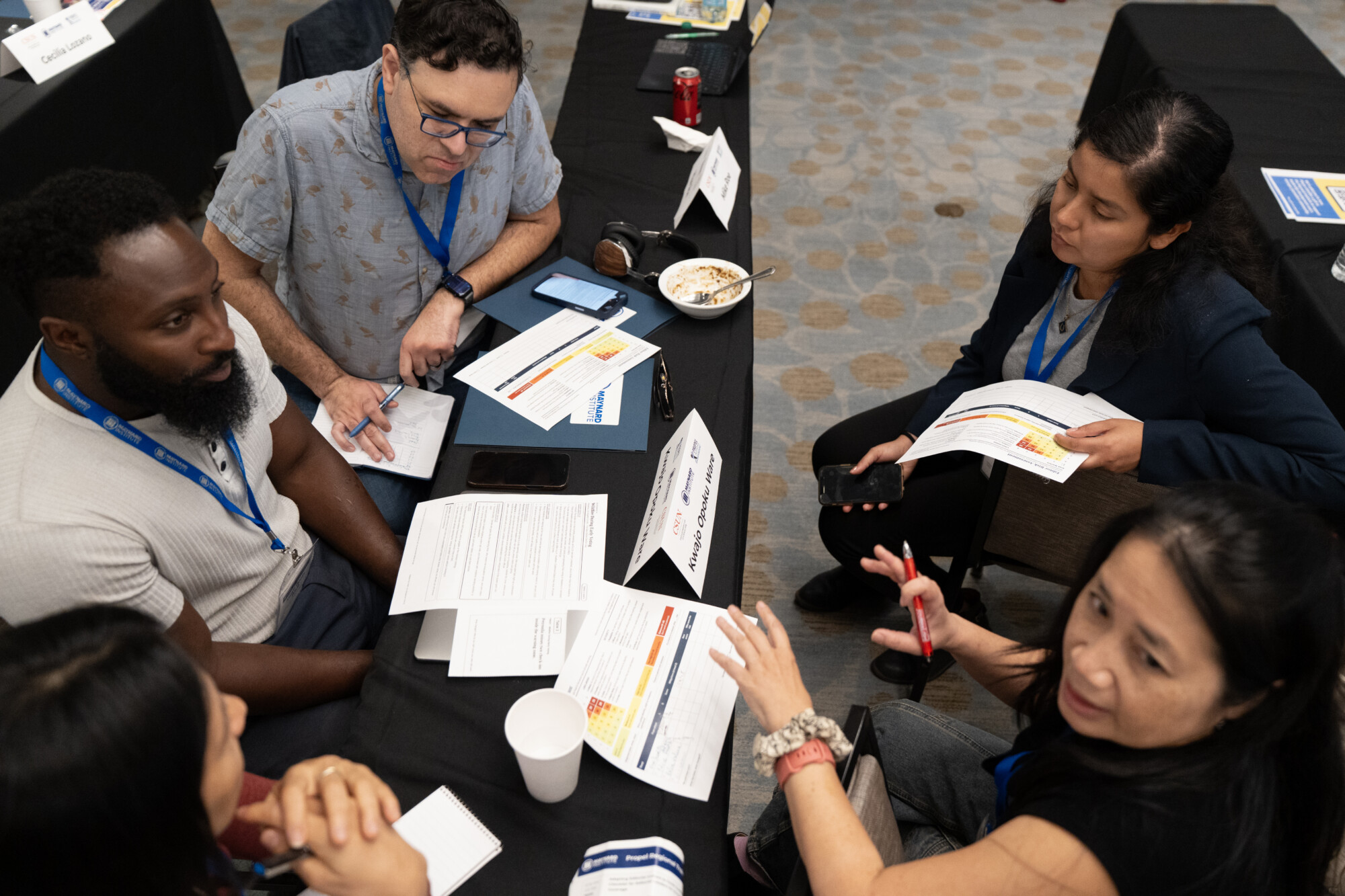
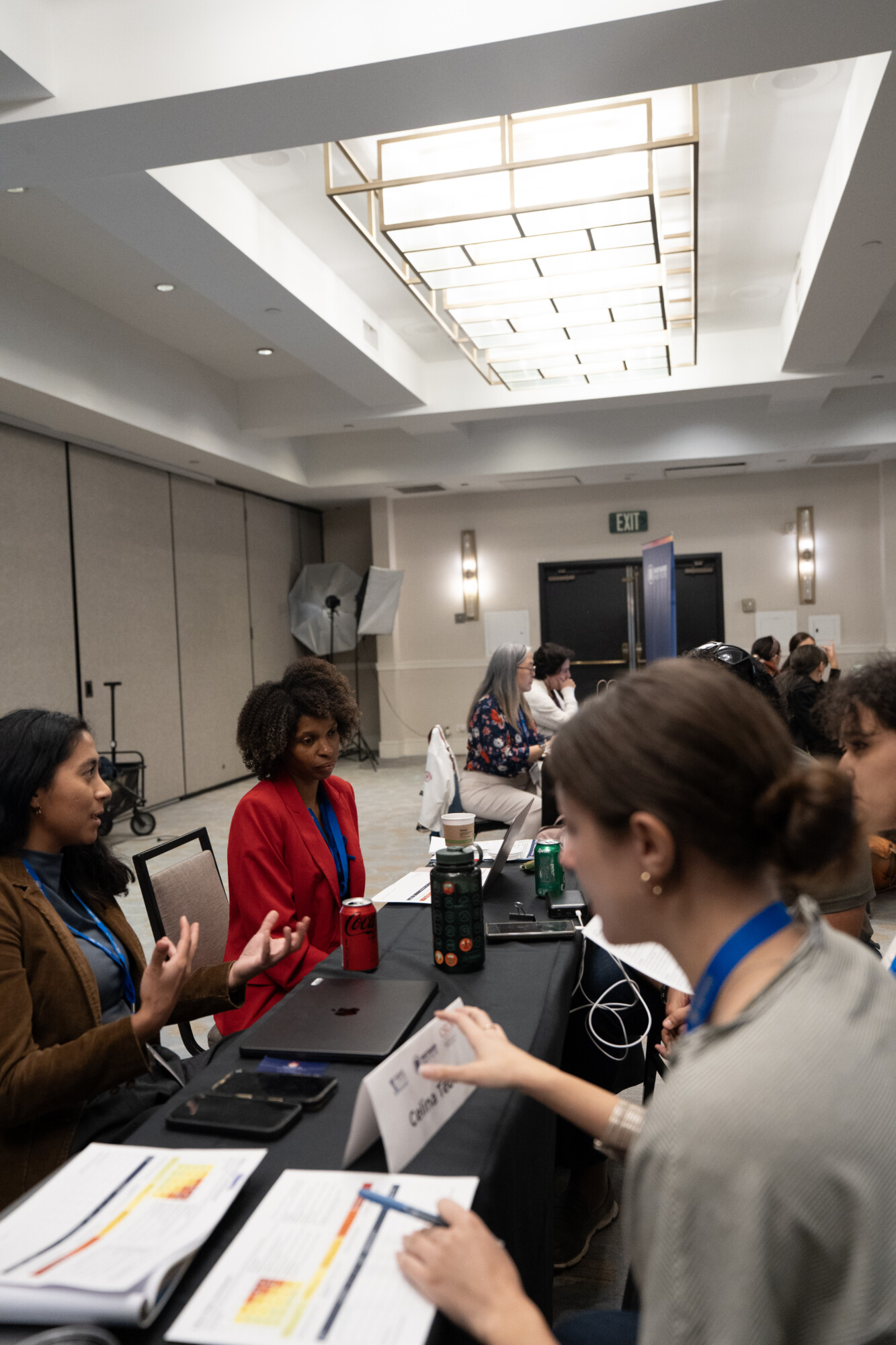
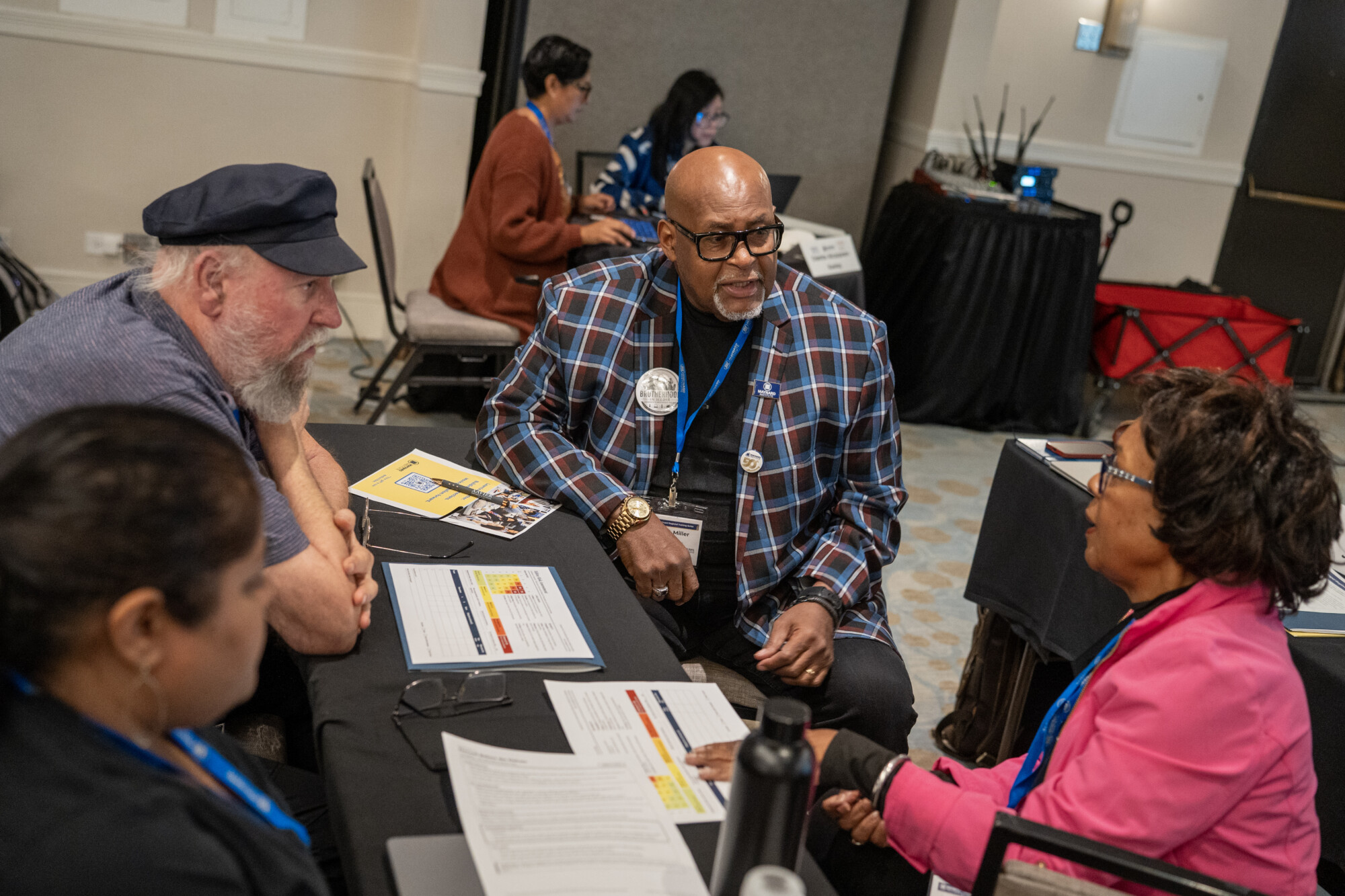
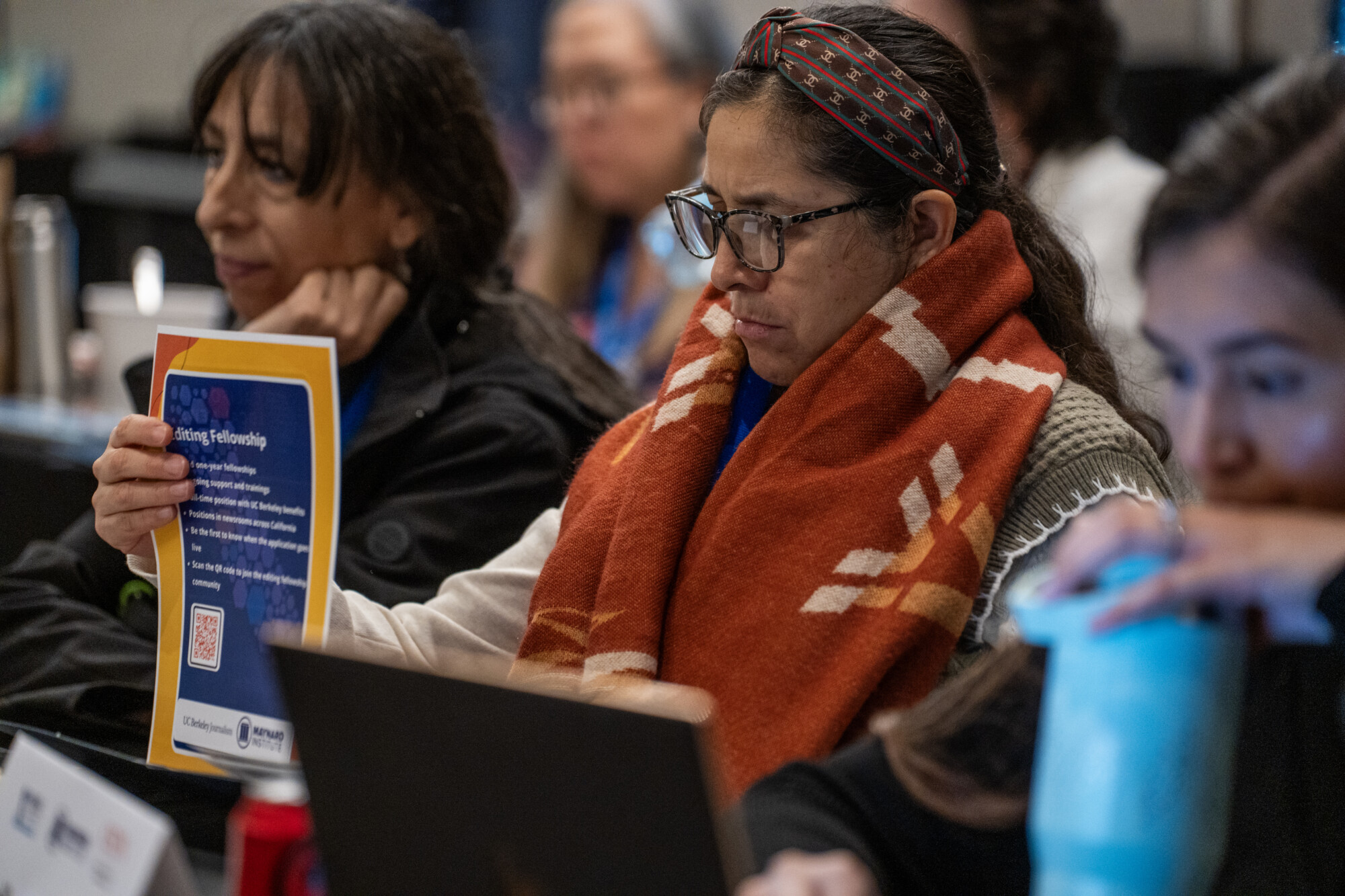
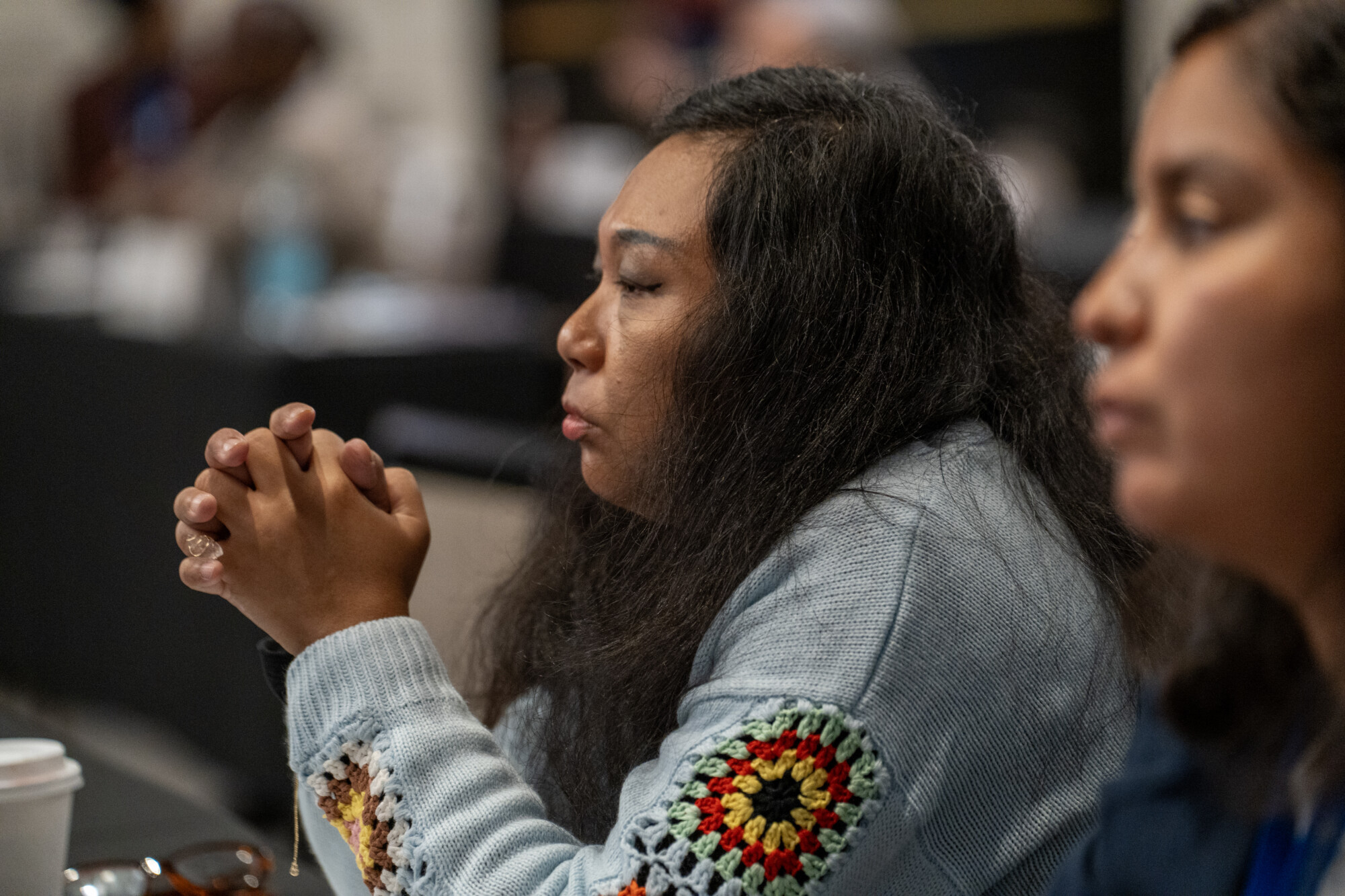
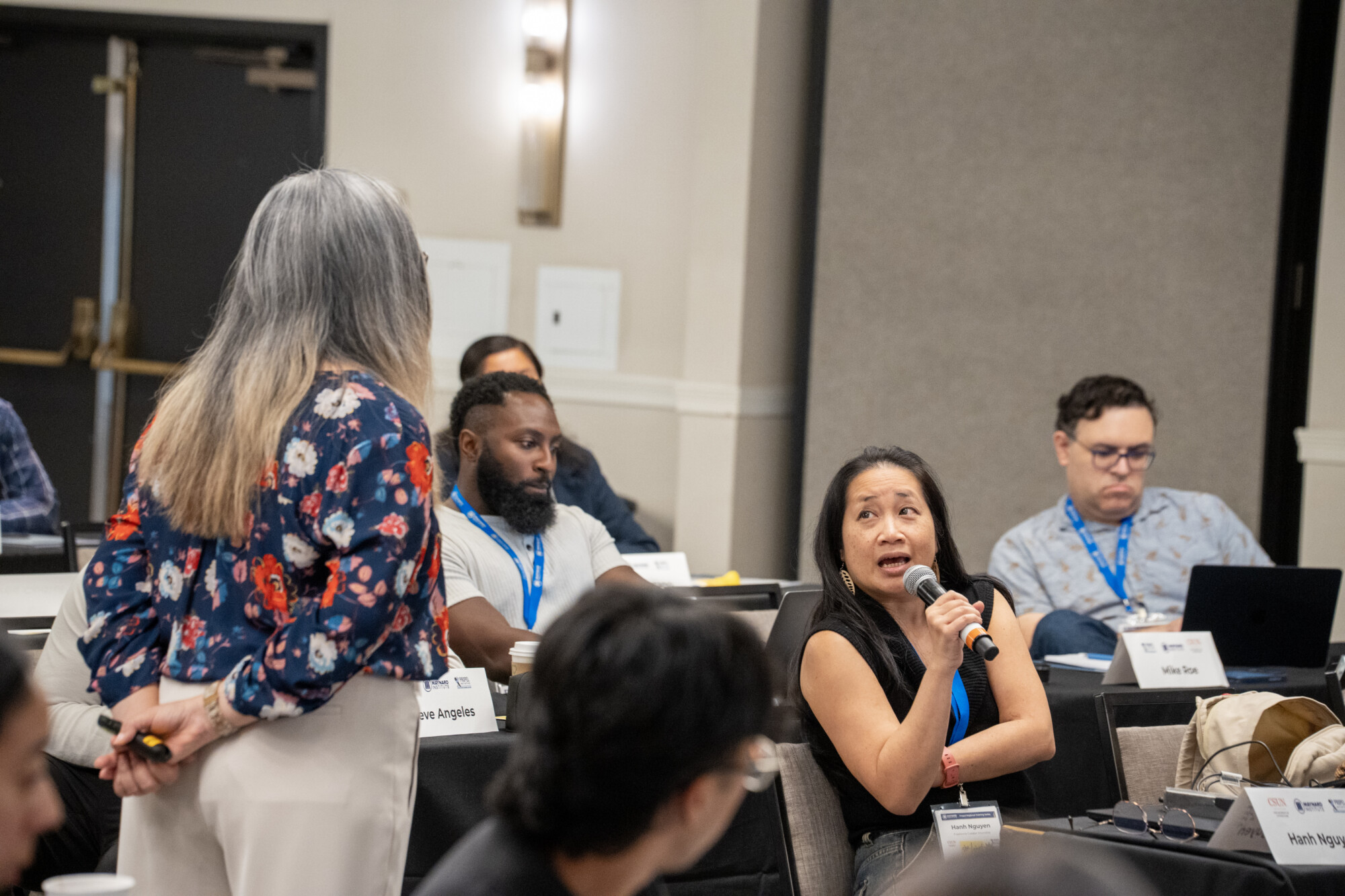
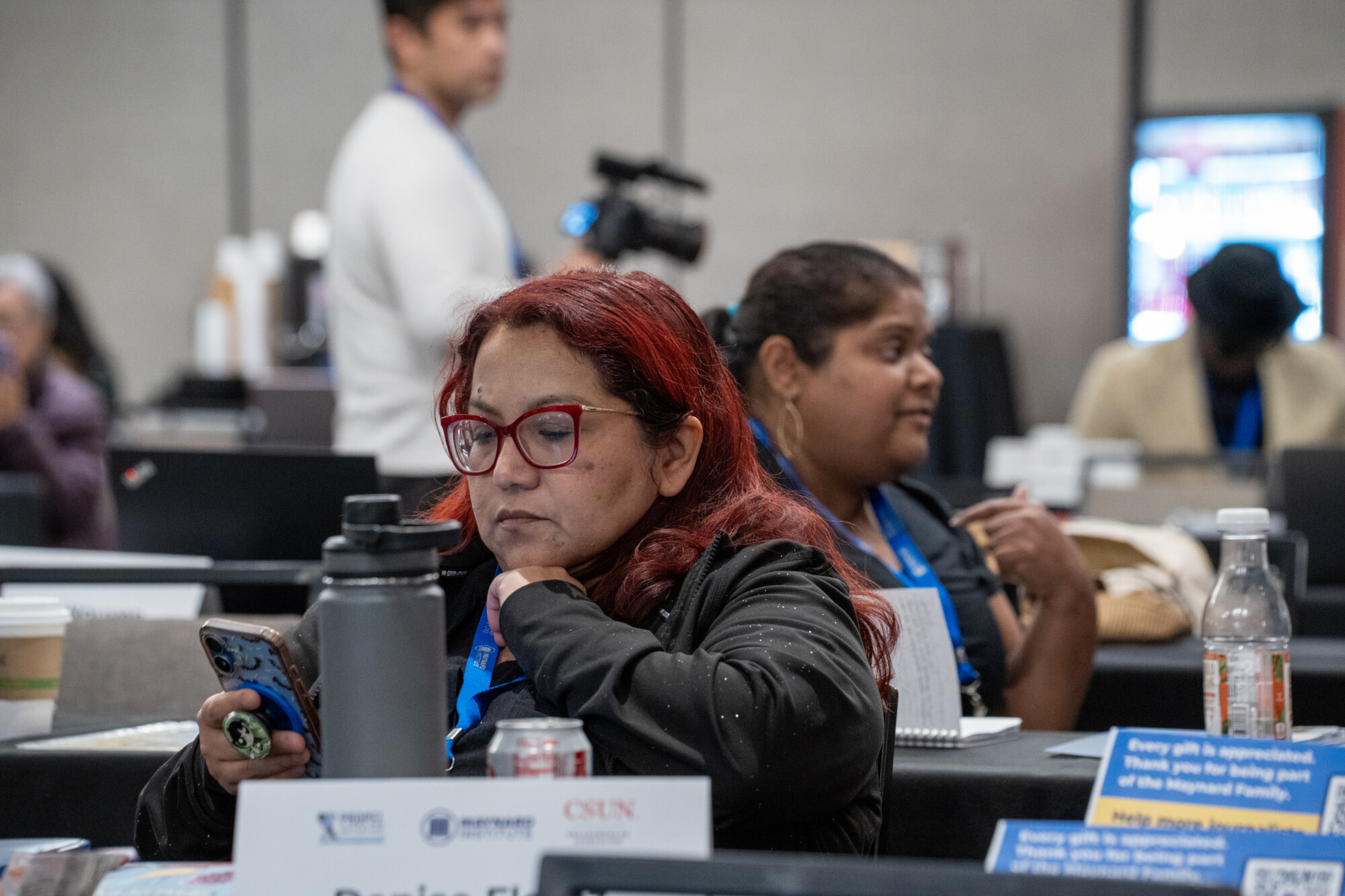
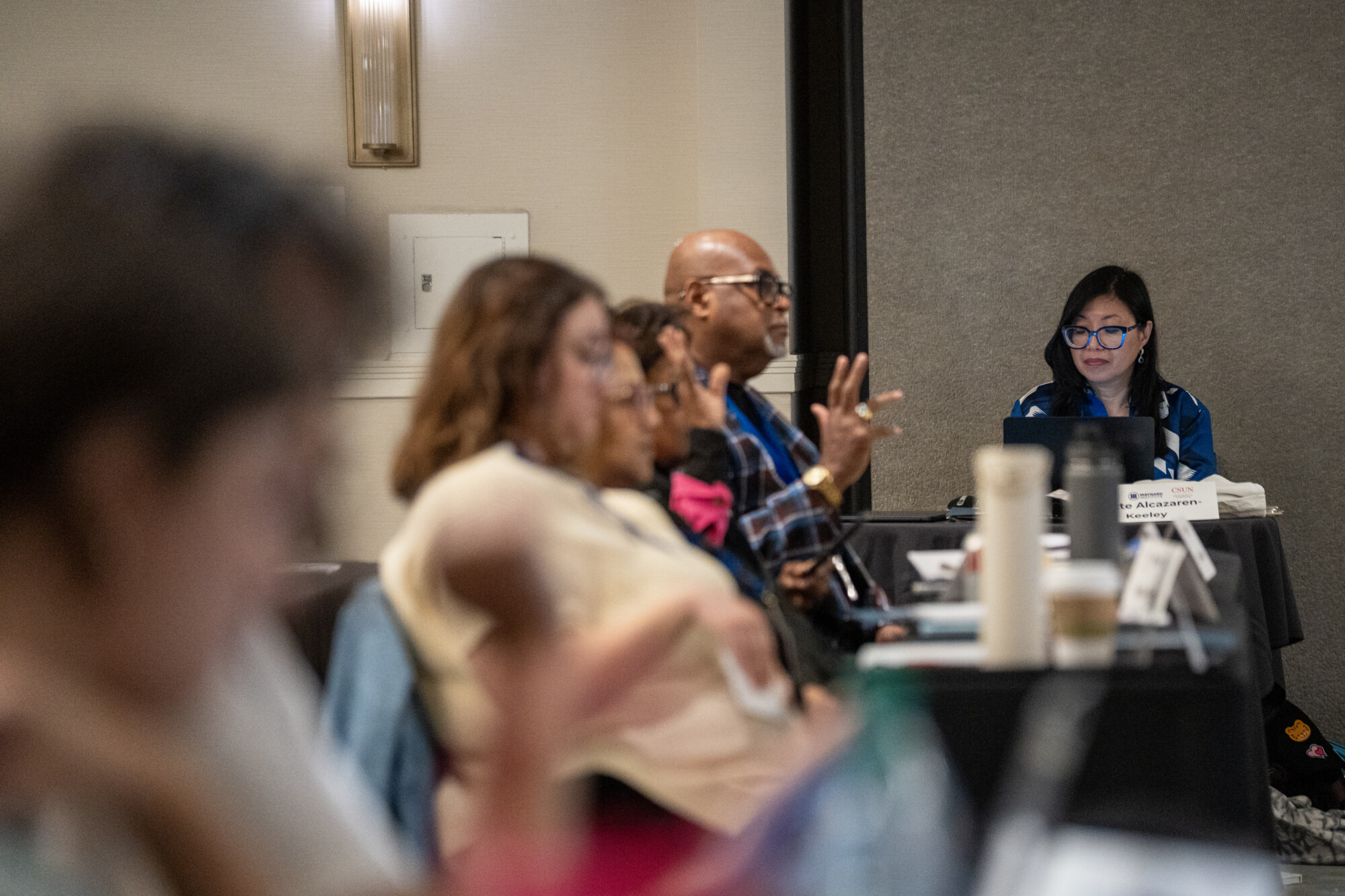
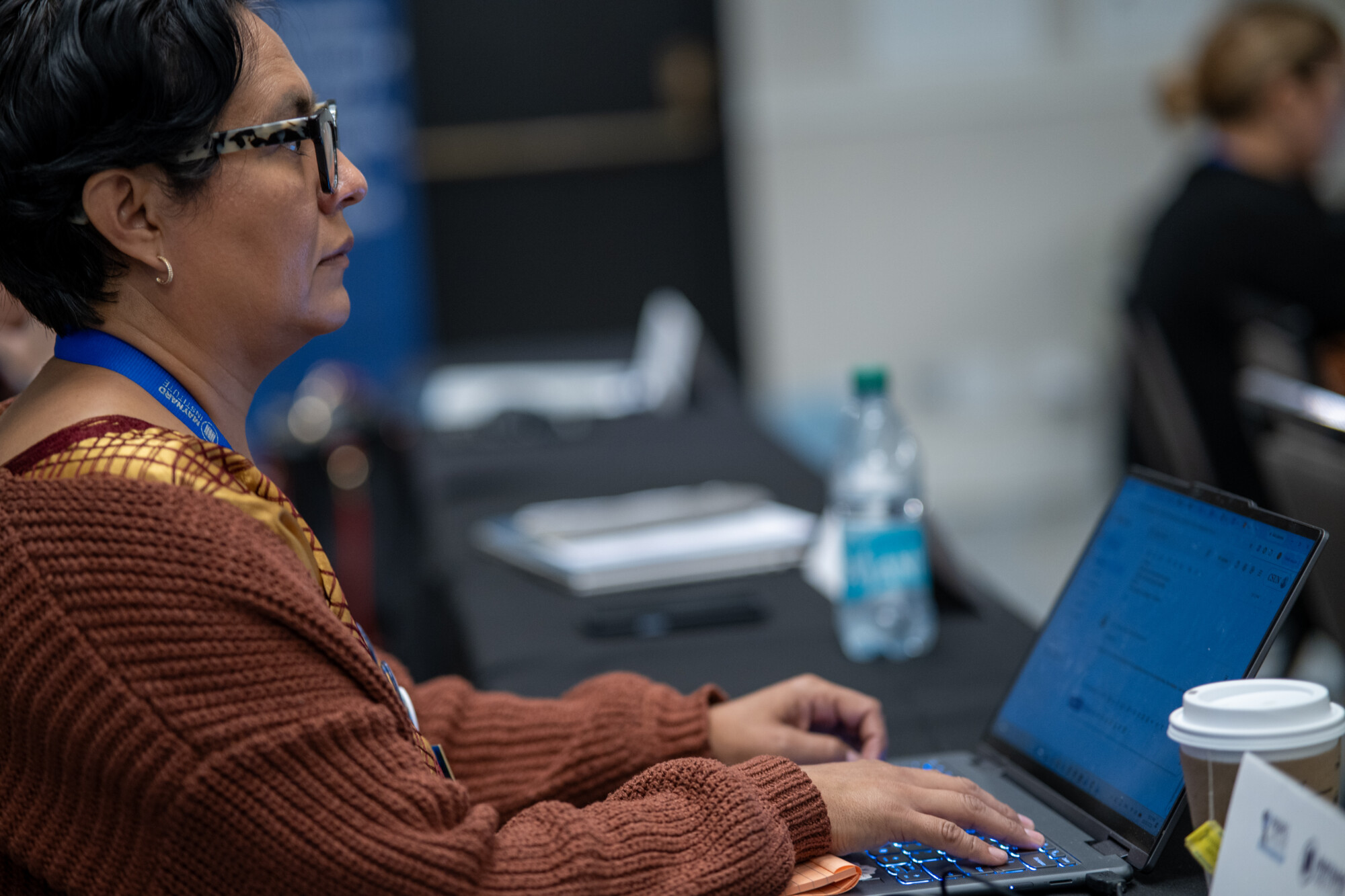
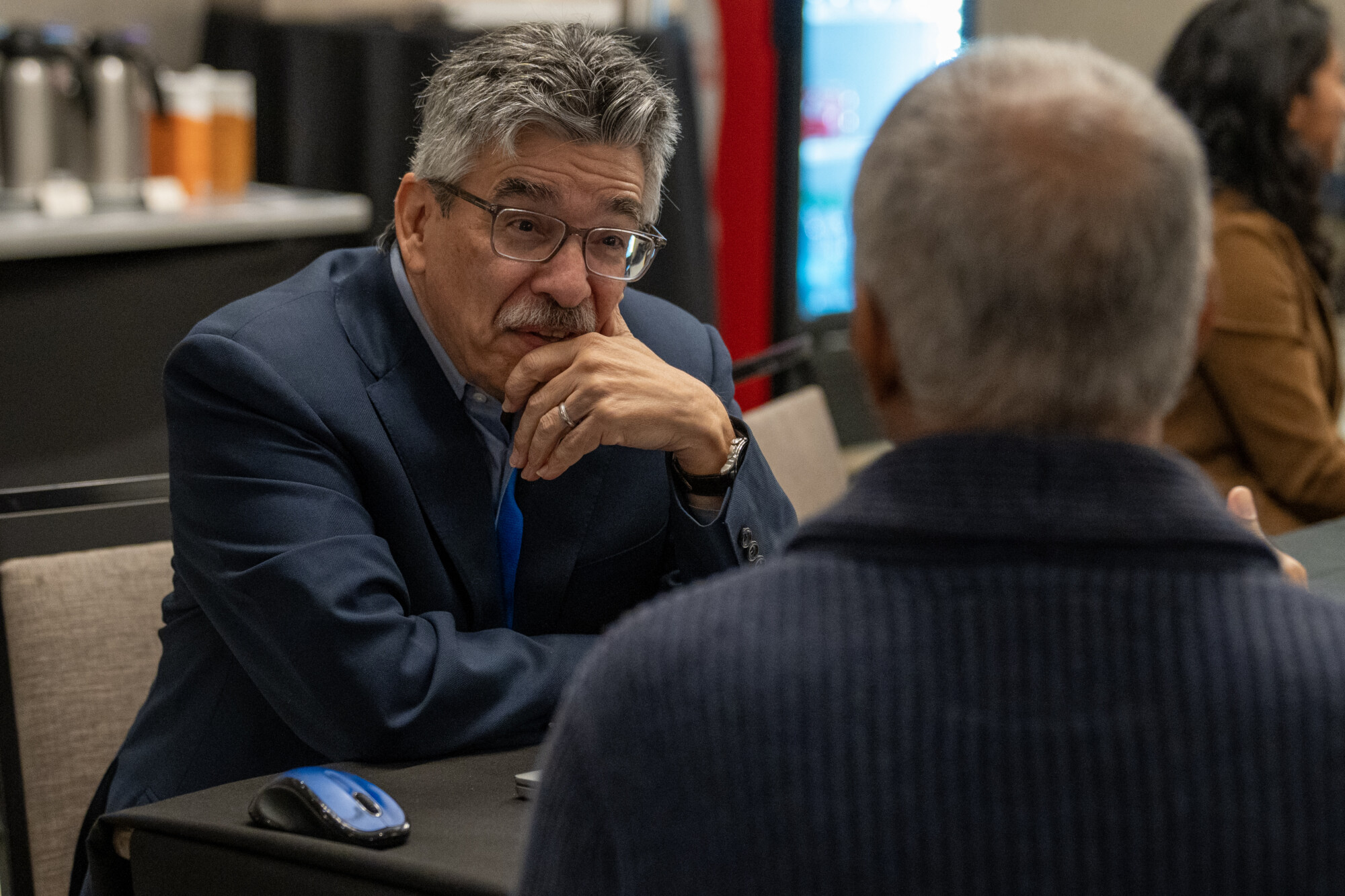
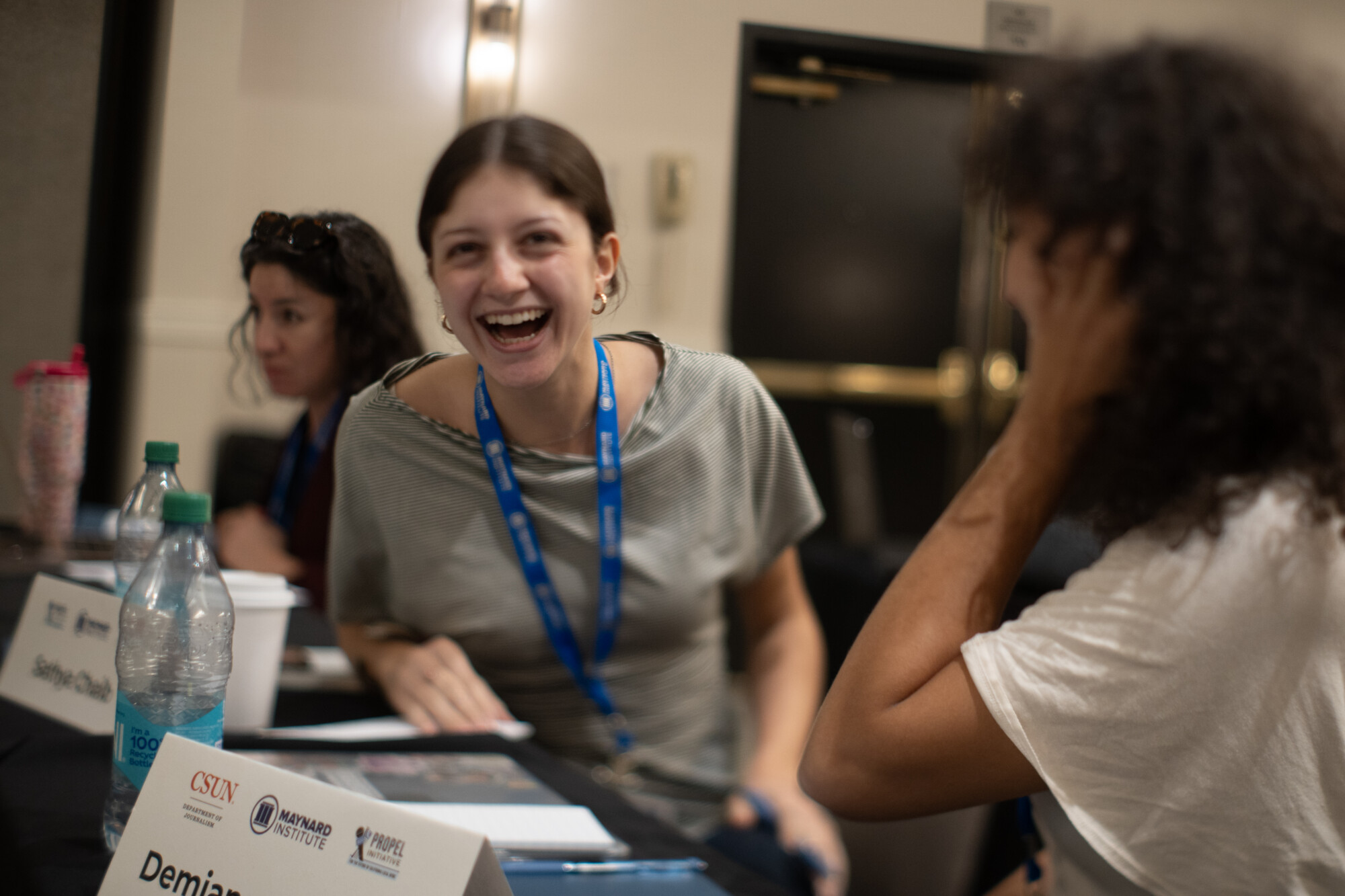
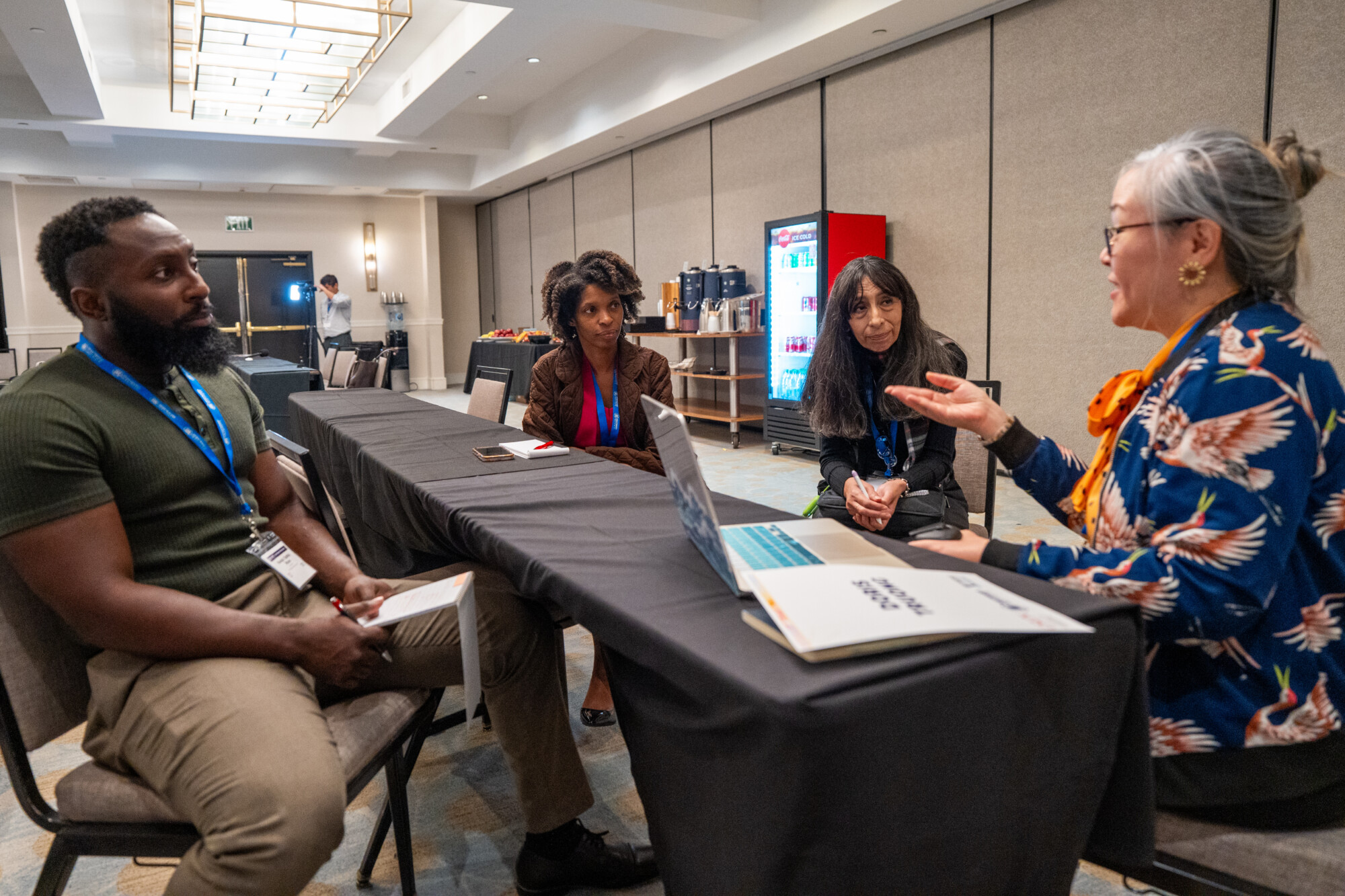
The training was excellent. A wide range of talks and tools were provided by the Maynard Institute with the goal of making better editors and journalists. Much of it addressed problems I struggled with in my own work, and many of the handouts, slides and conversations filled out my smart book.
I learned that I am not the only one struggling with a changing industry; I am not the only one asking for help navigating a shifting profession.
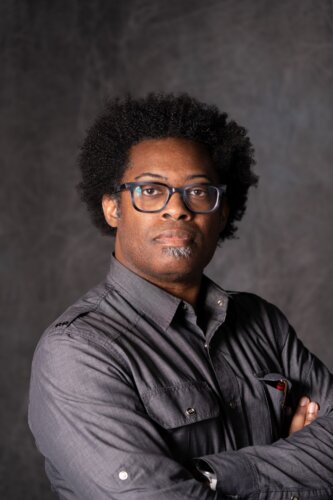
I learned that I am not the only one struggling with a changing industry; I am not the only one asking for help navigating a shifting profession.
Solomon O. Smith
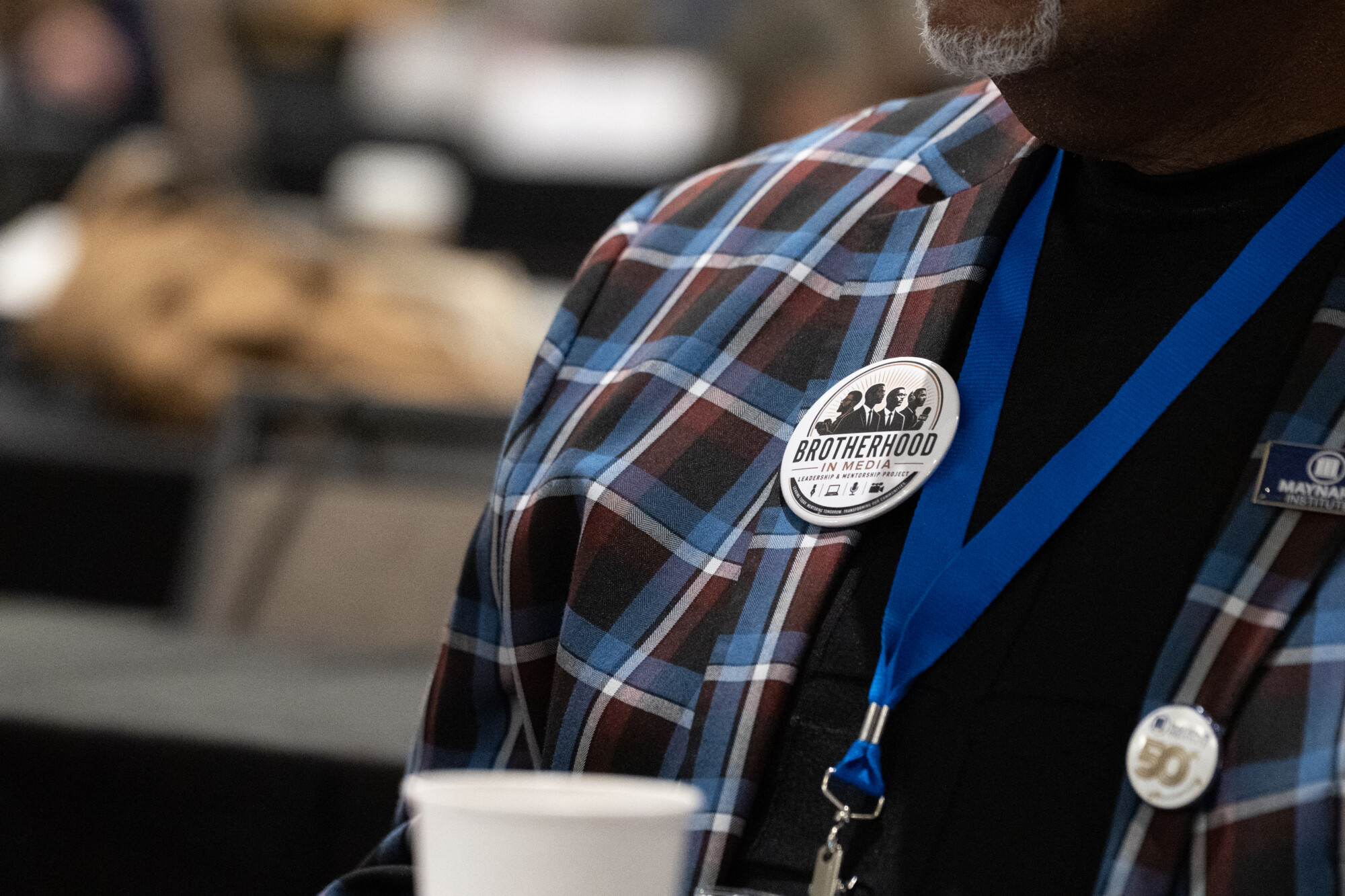
The Maynard Institute’s training provided the understanding that struggling together is one of the best ways to get through to the other side that reinforces the will to do something so difficult. Gathering people in a room is the only way to do that. Being present in that room is the only way to experience that.
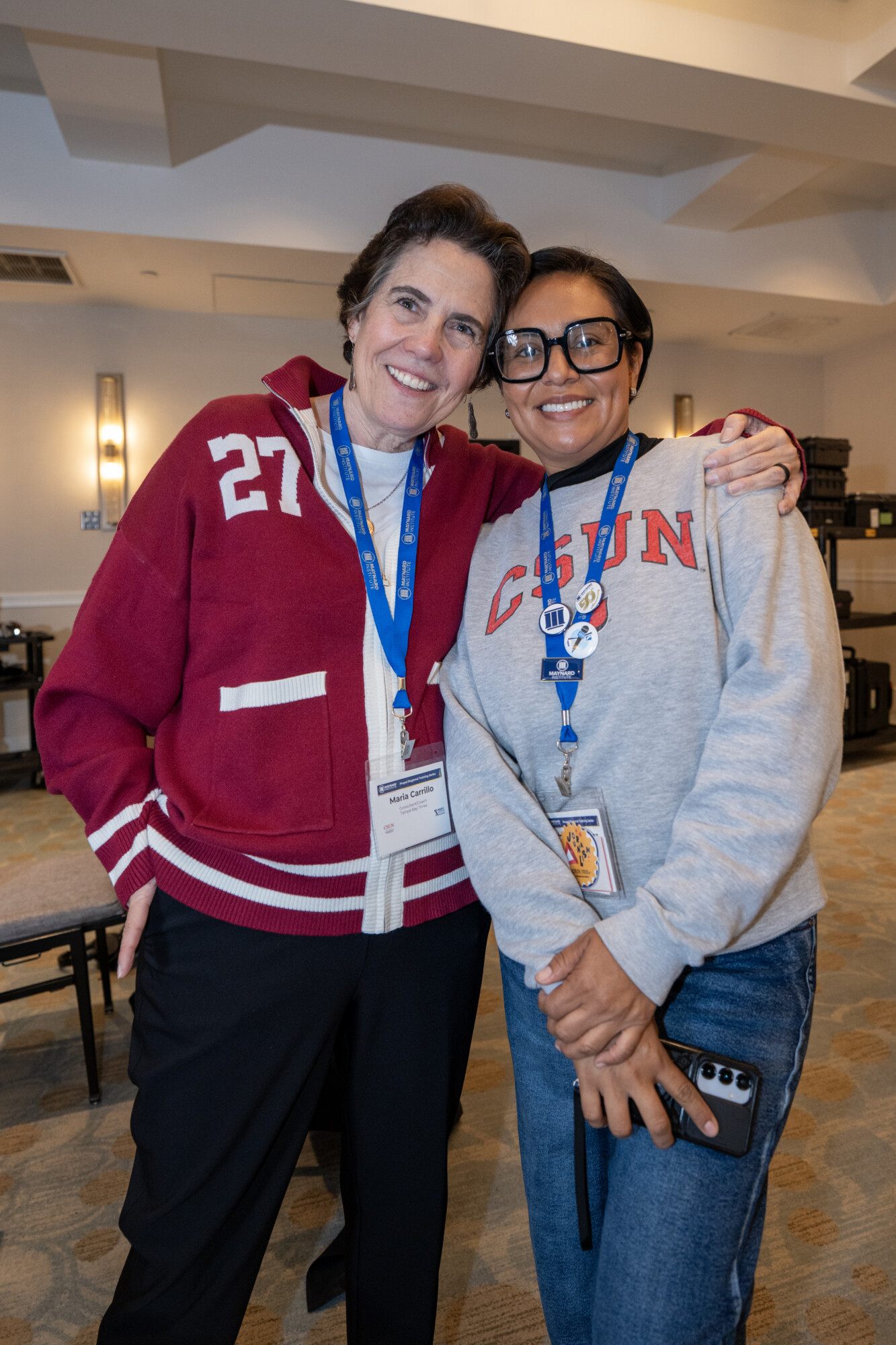
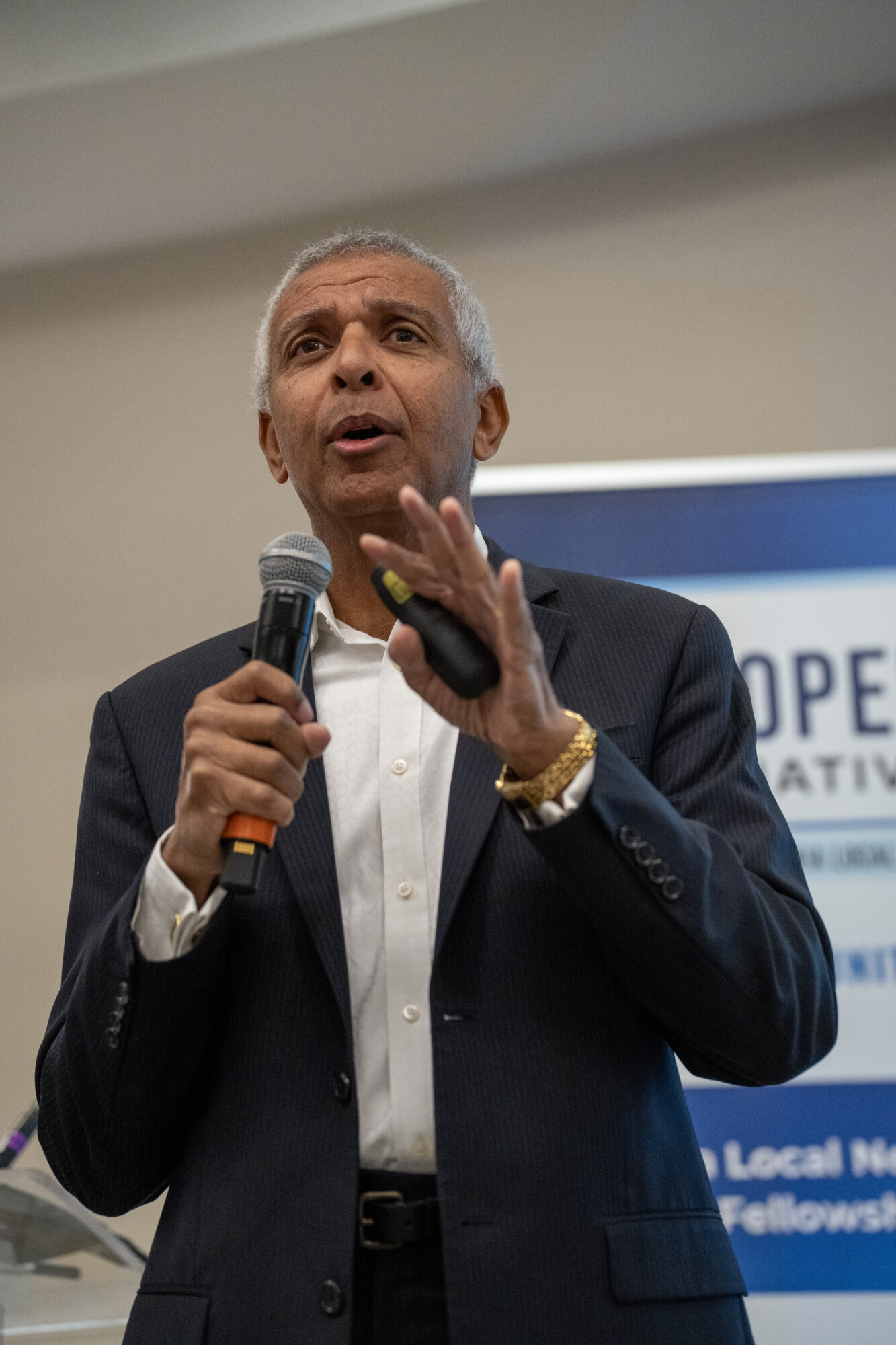
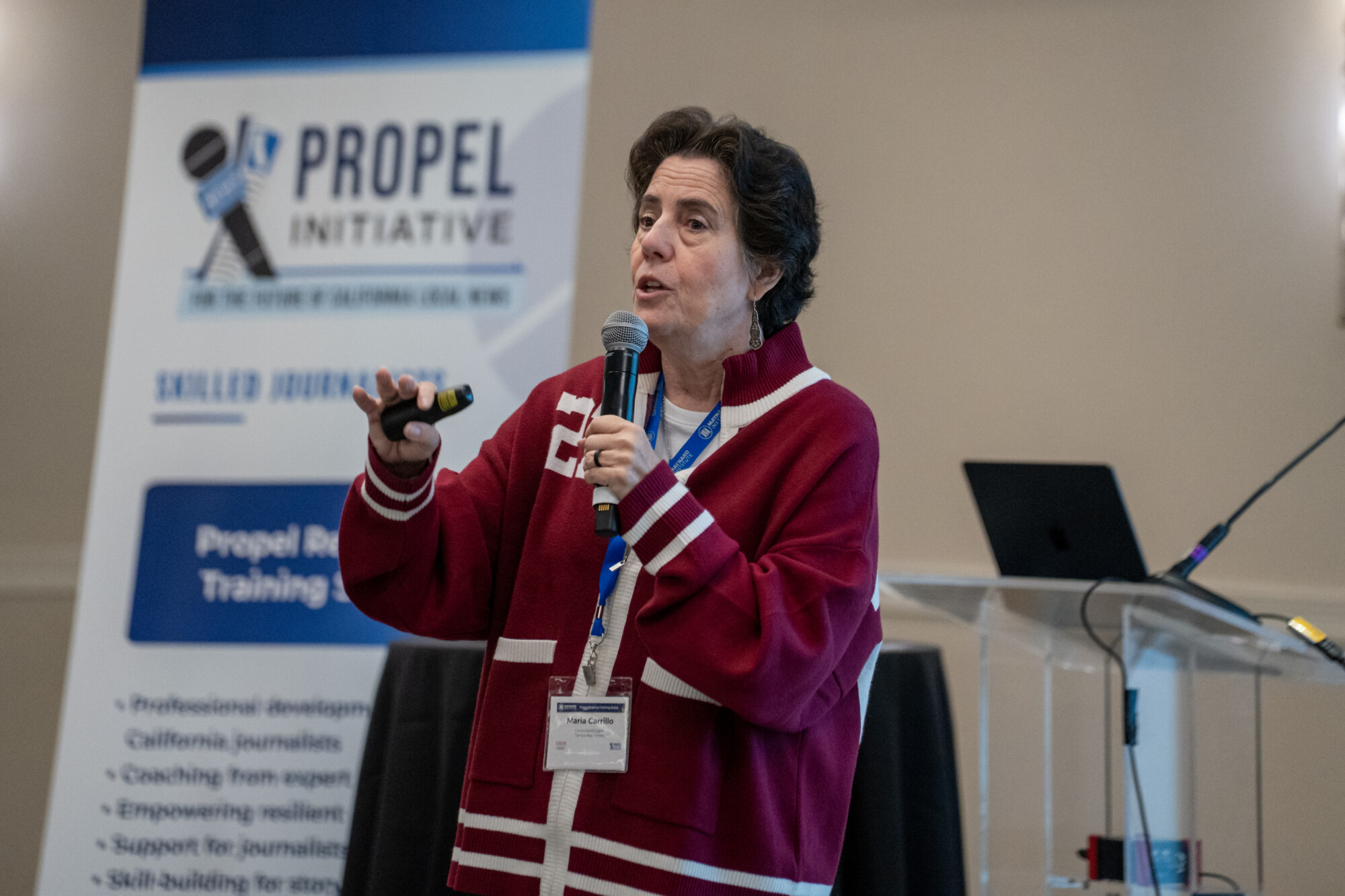
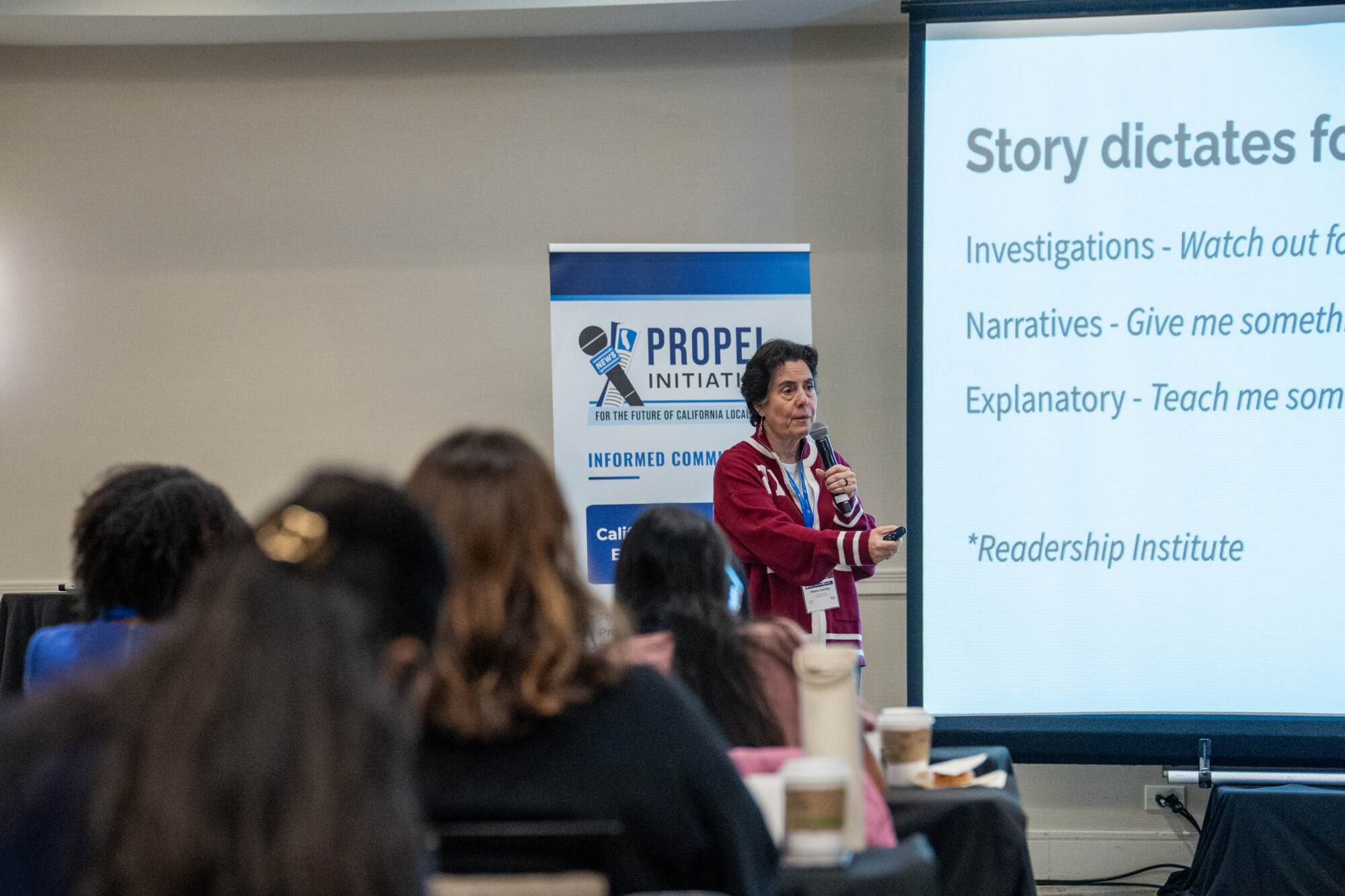
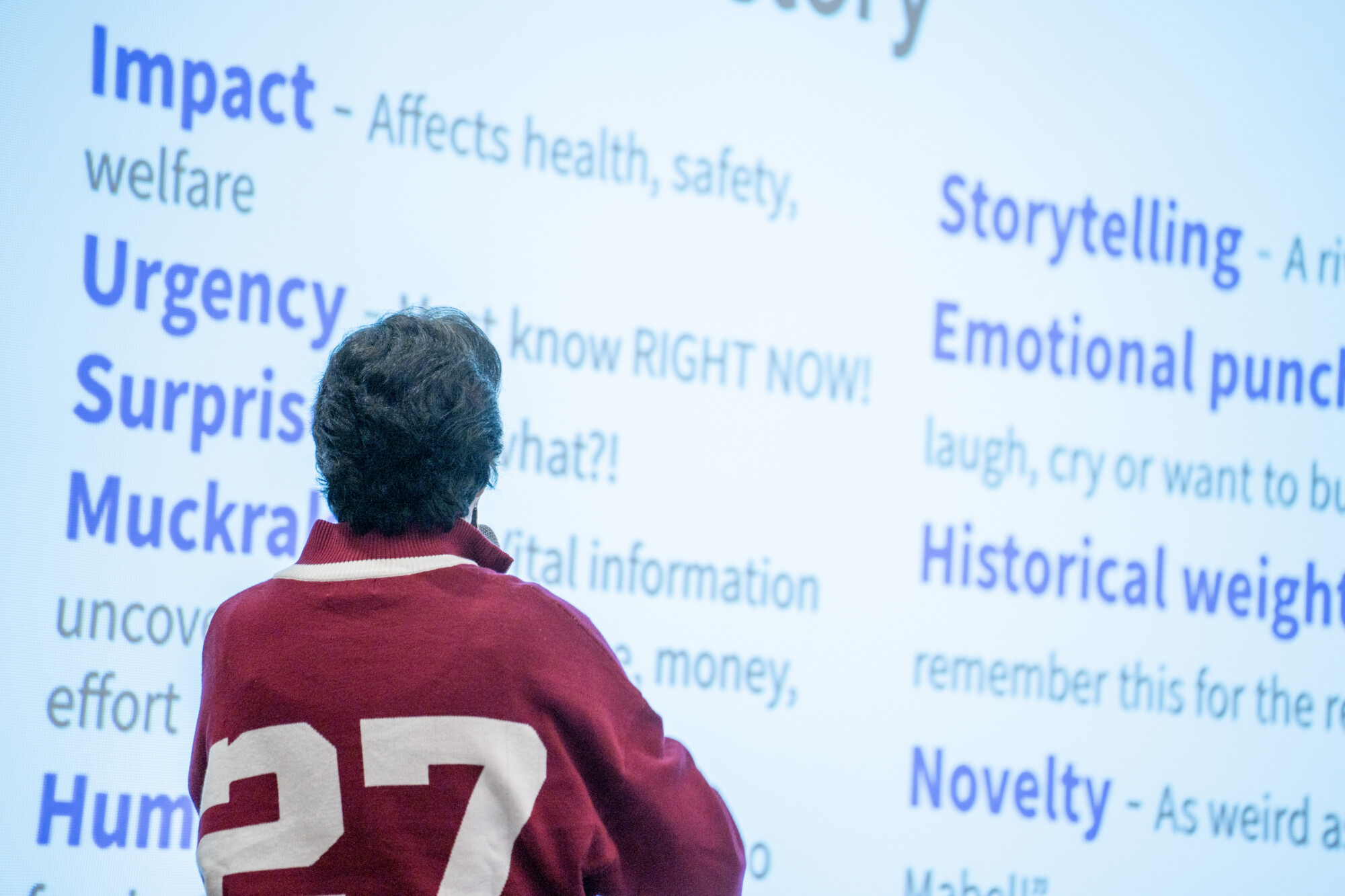
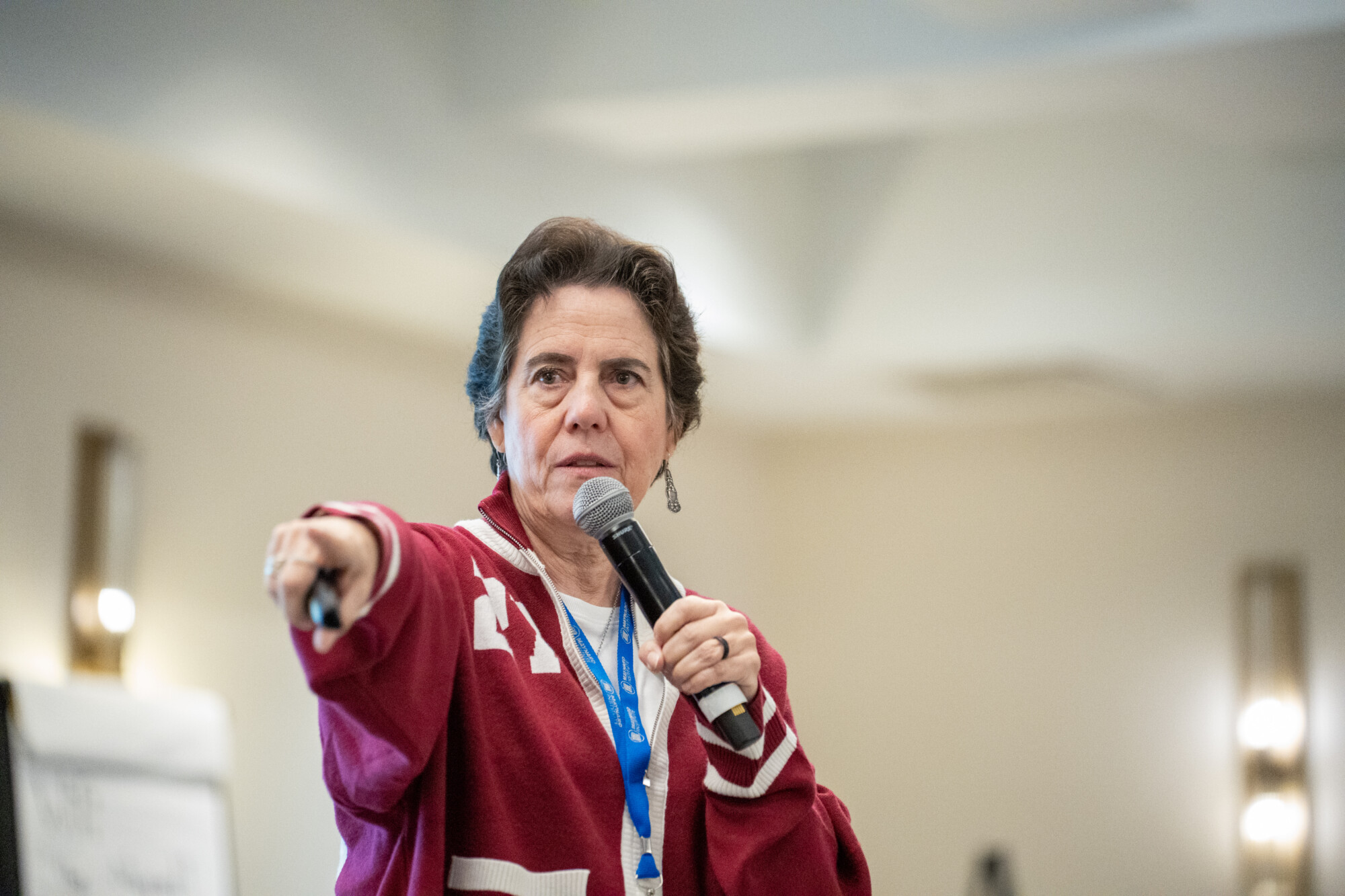
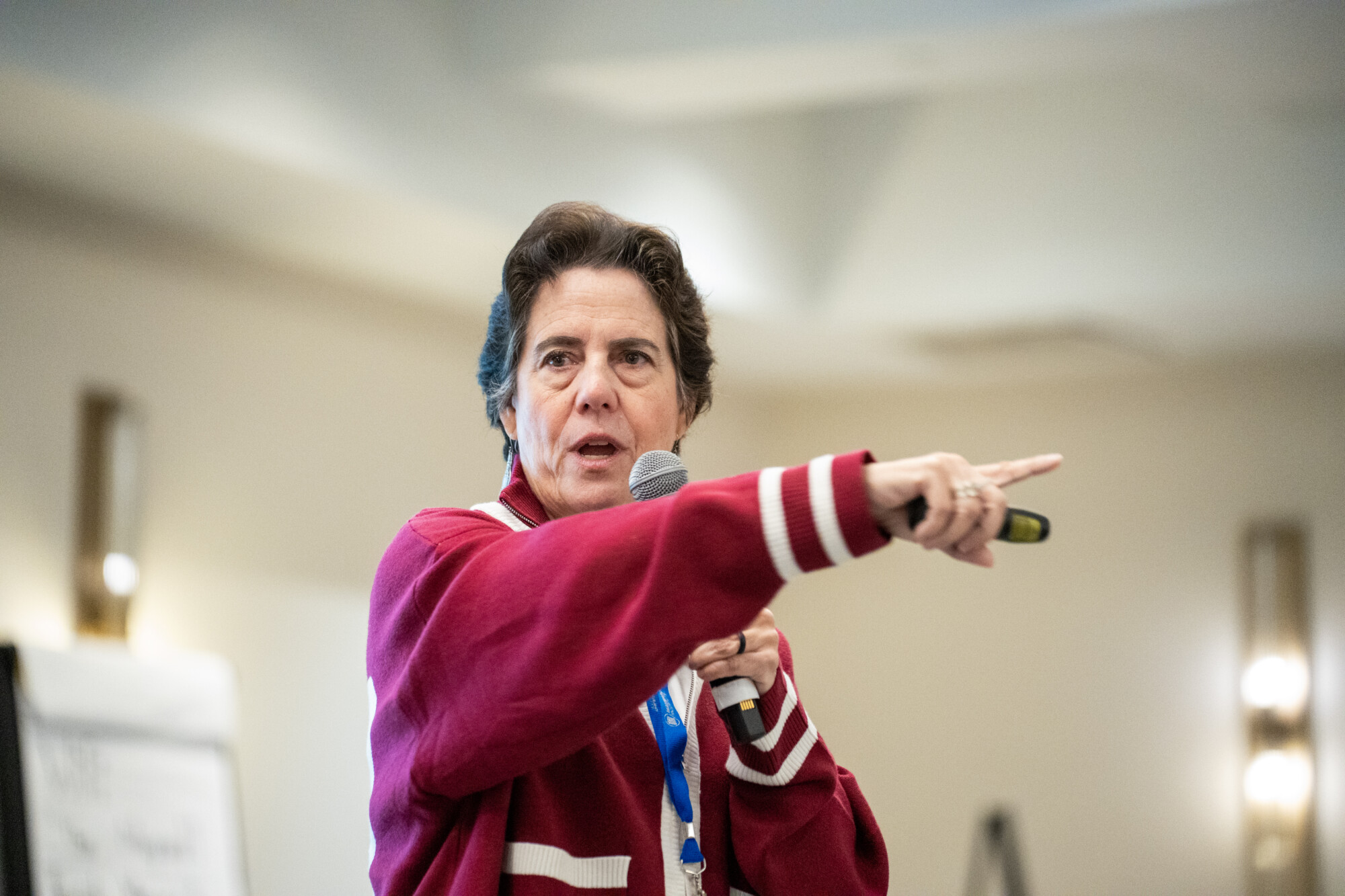
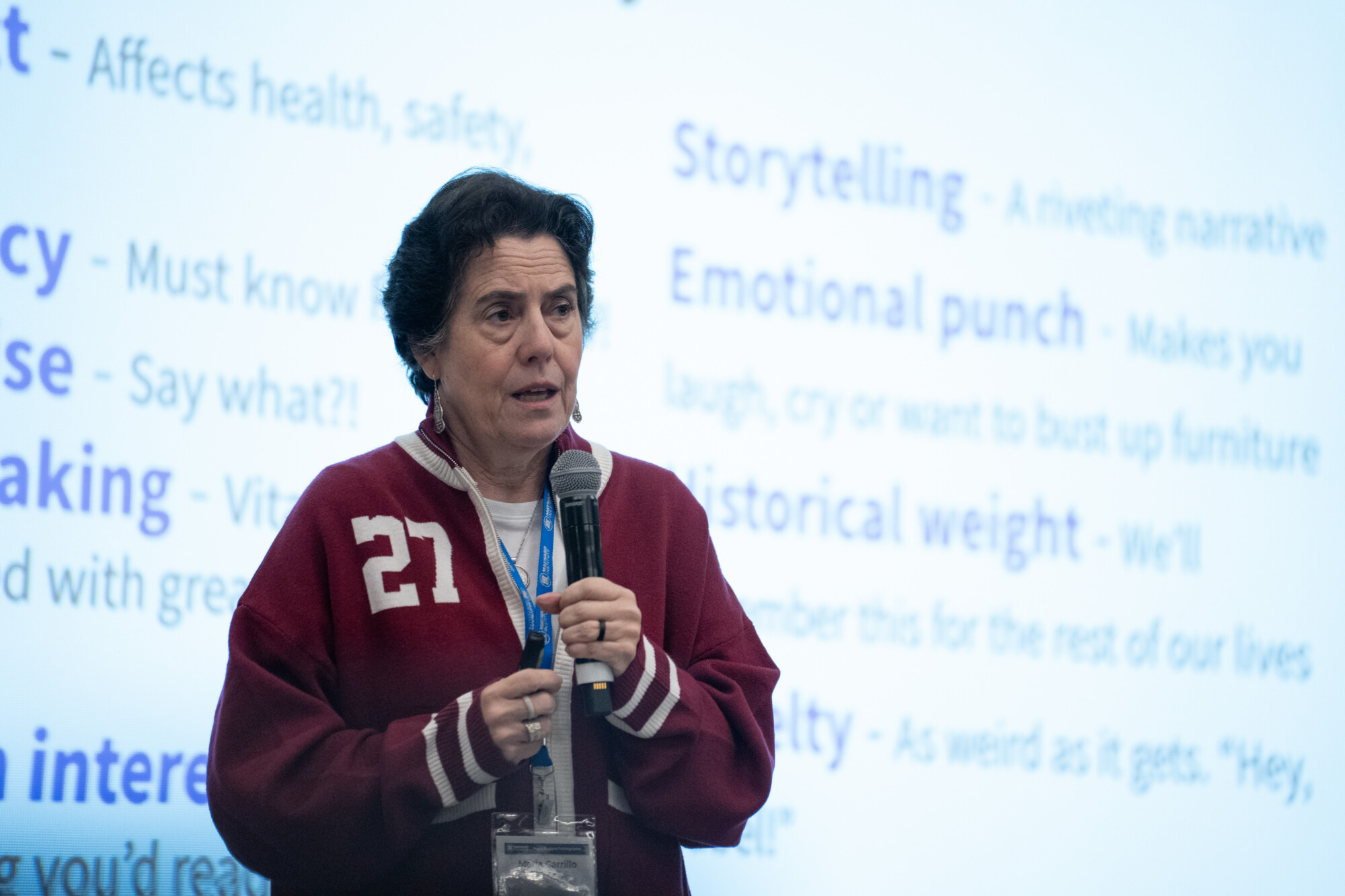
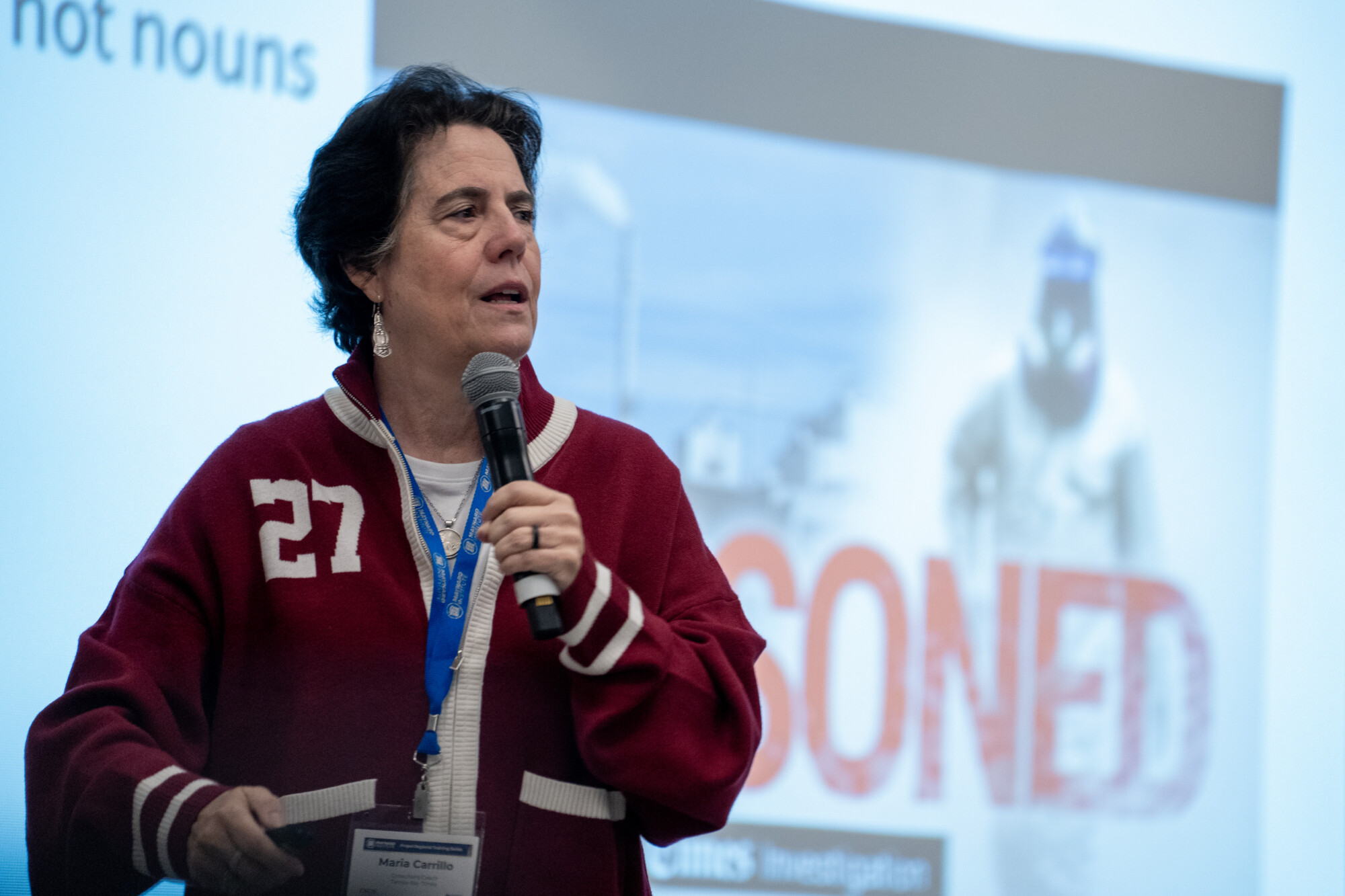
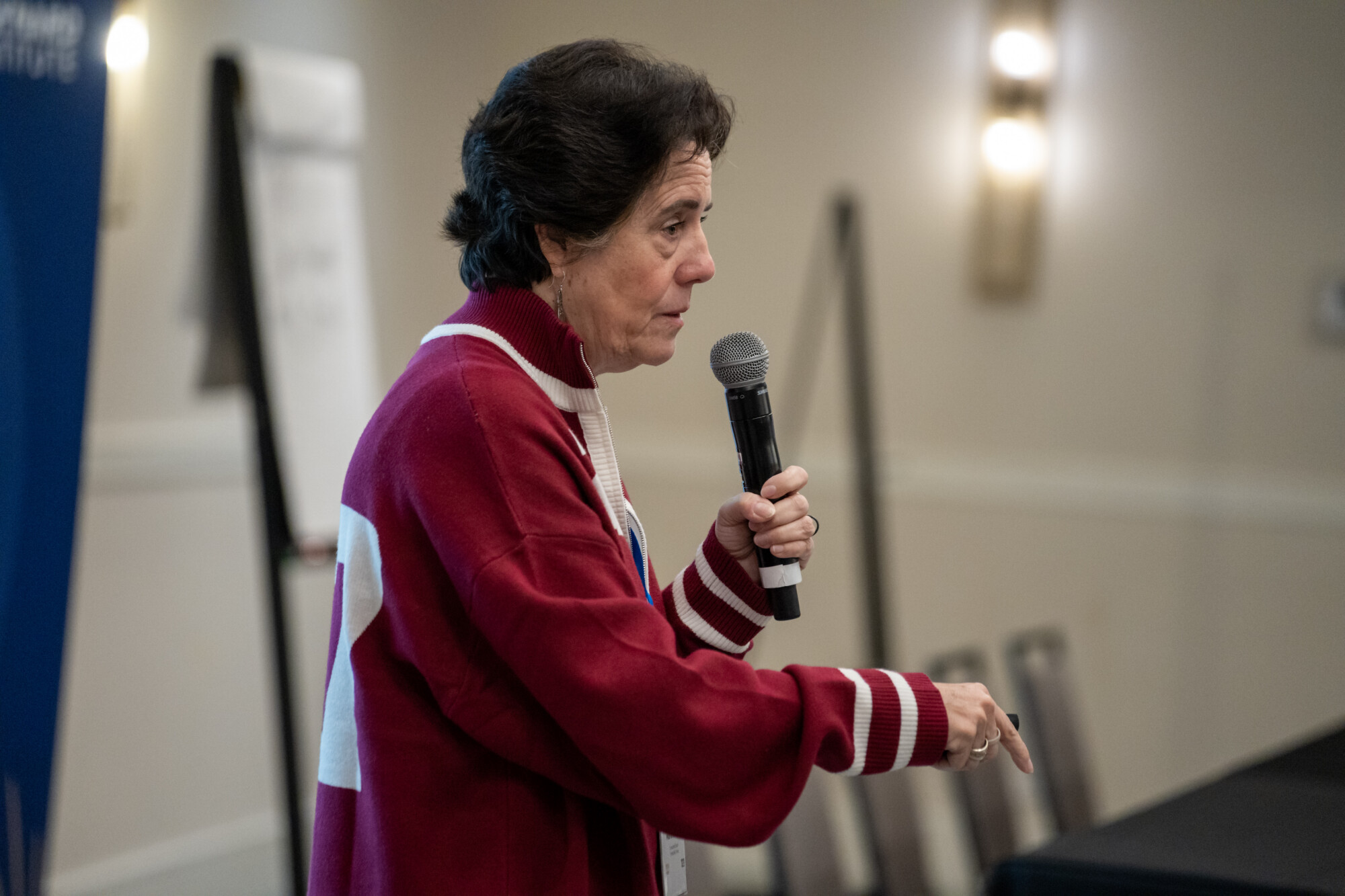
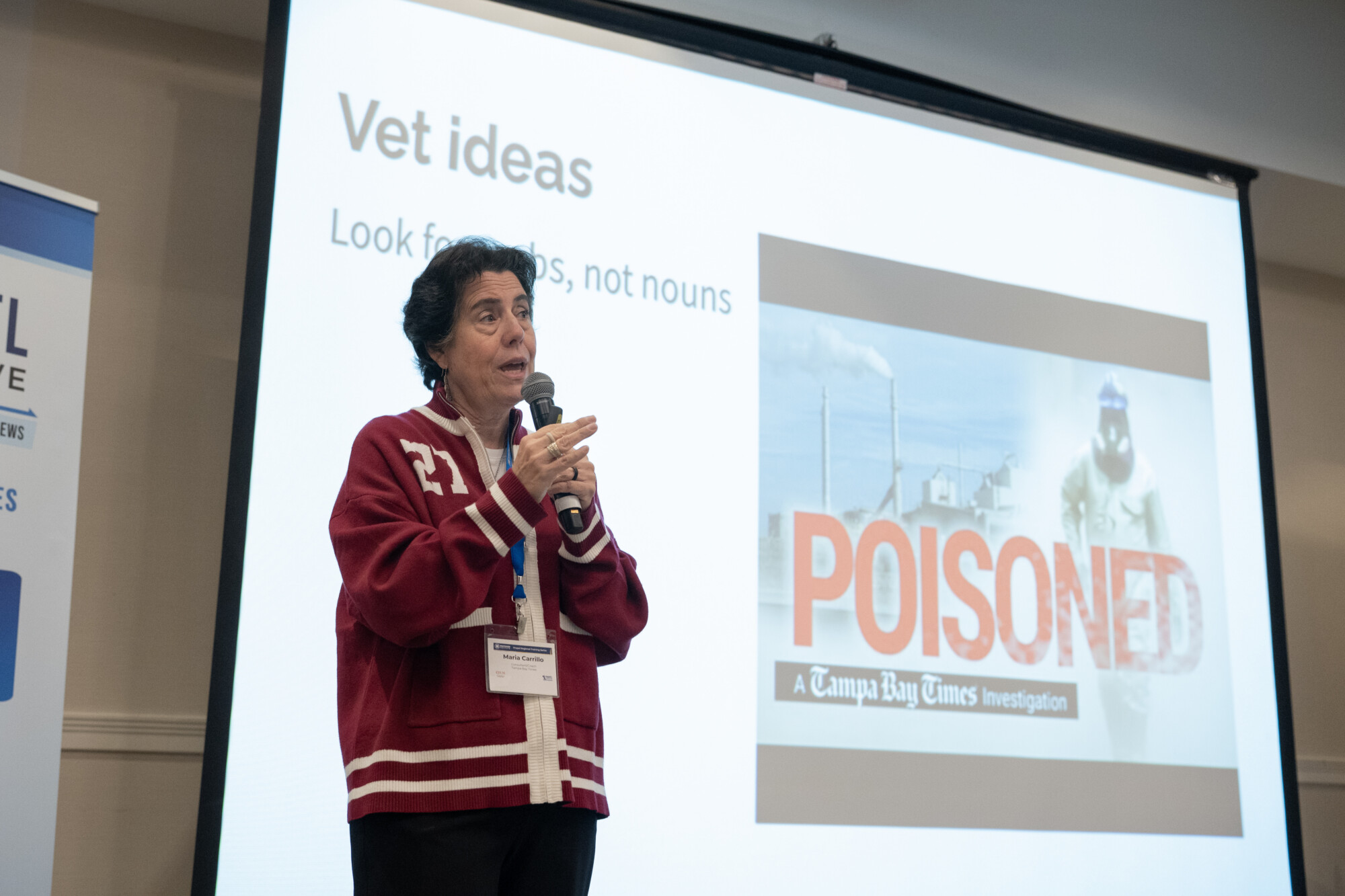
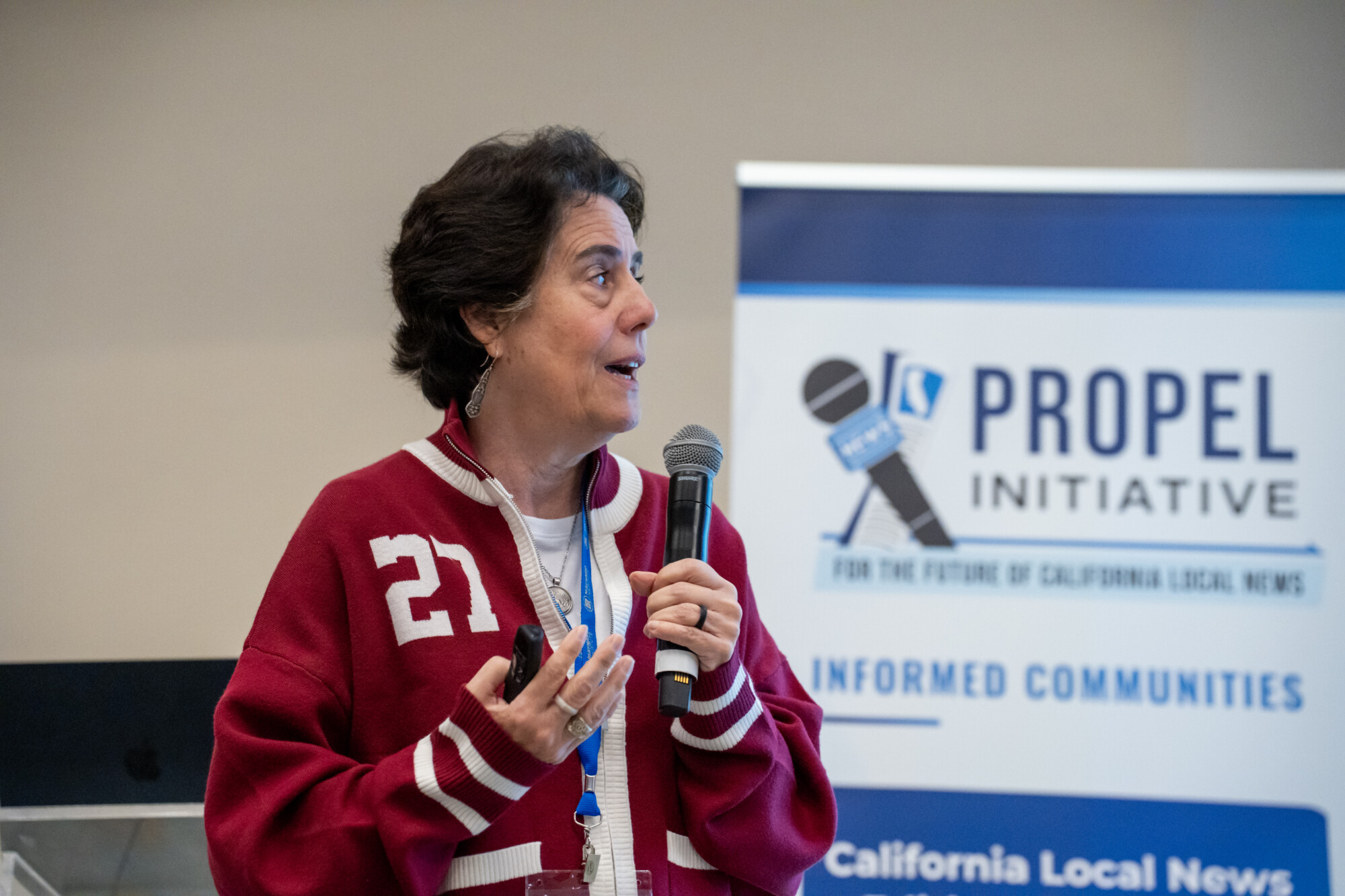
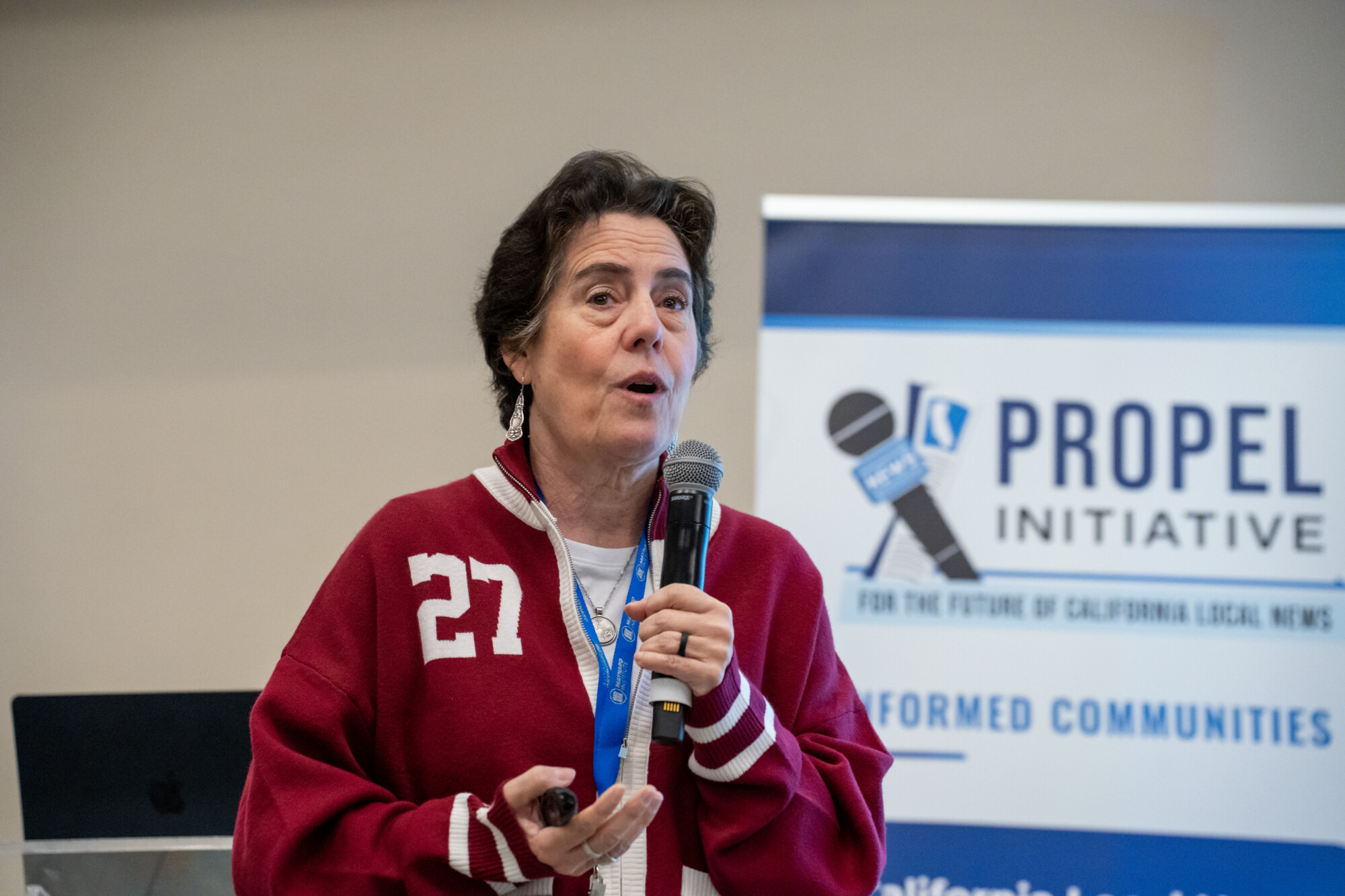
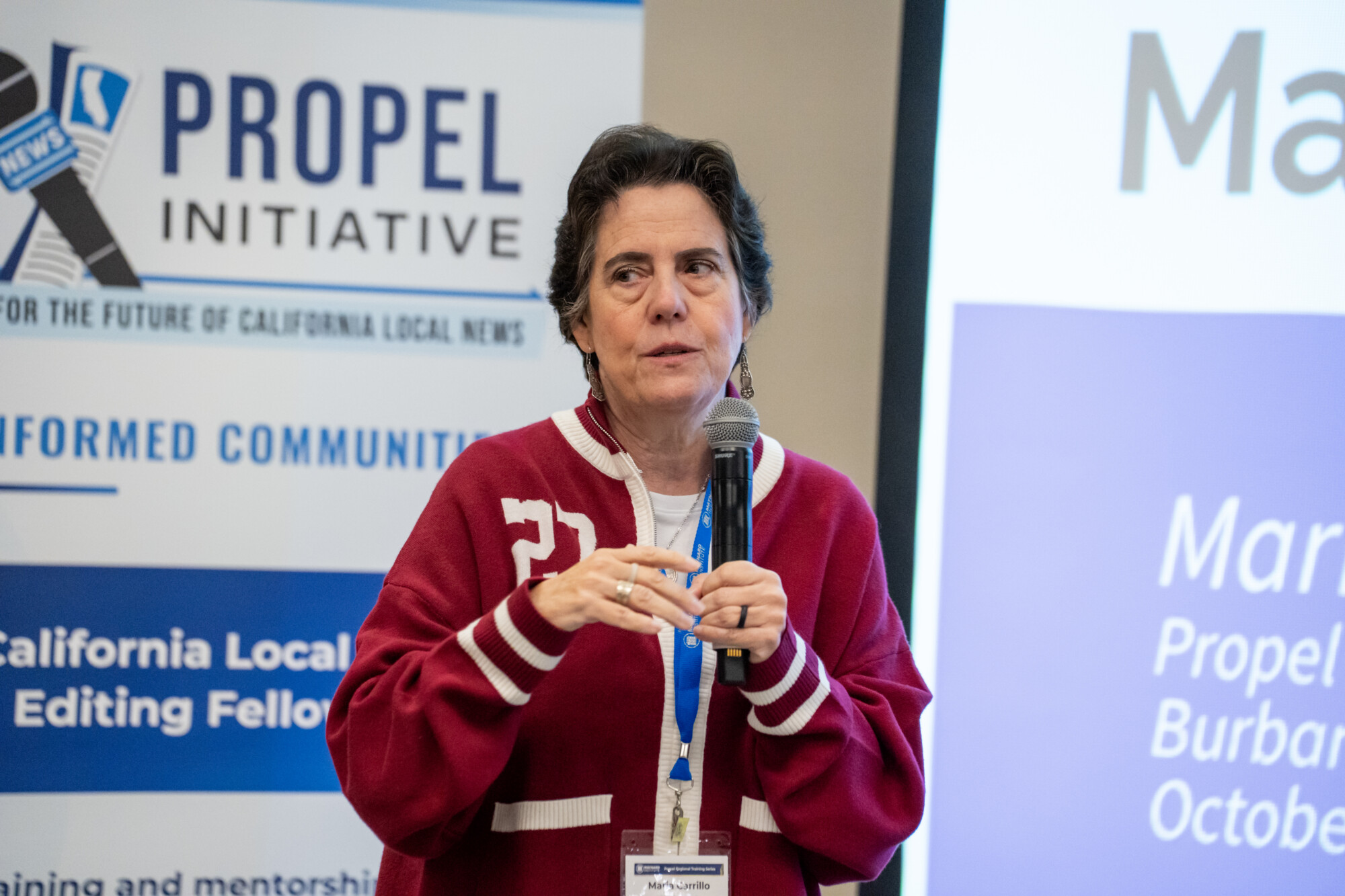
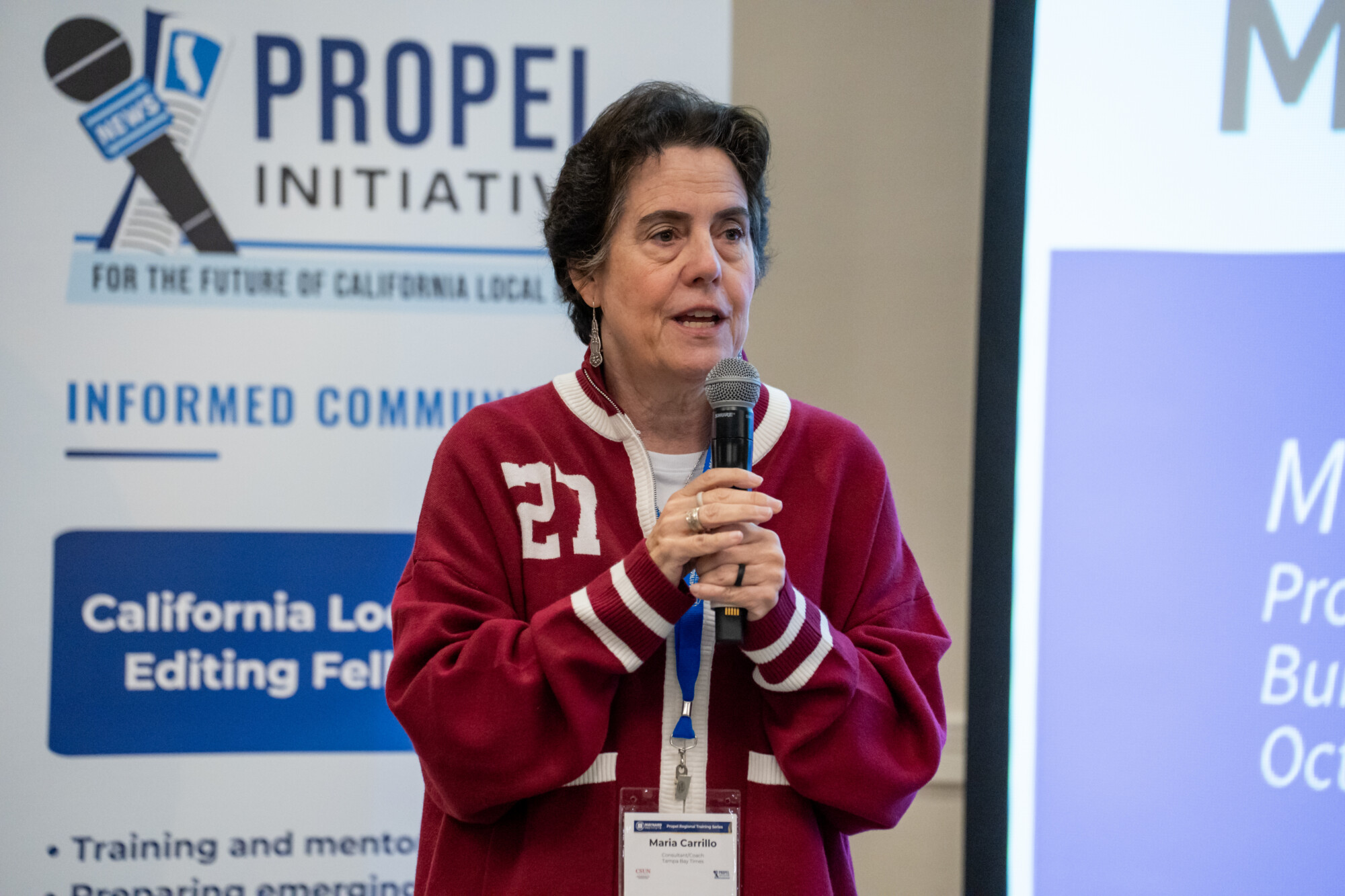
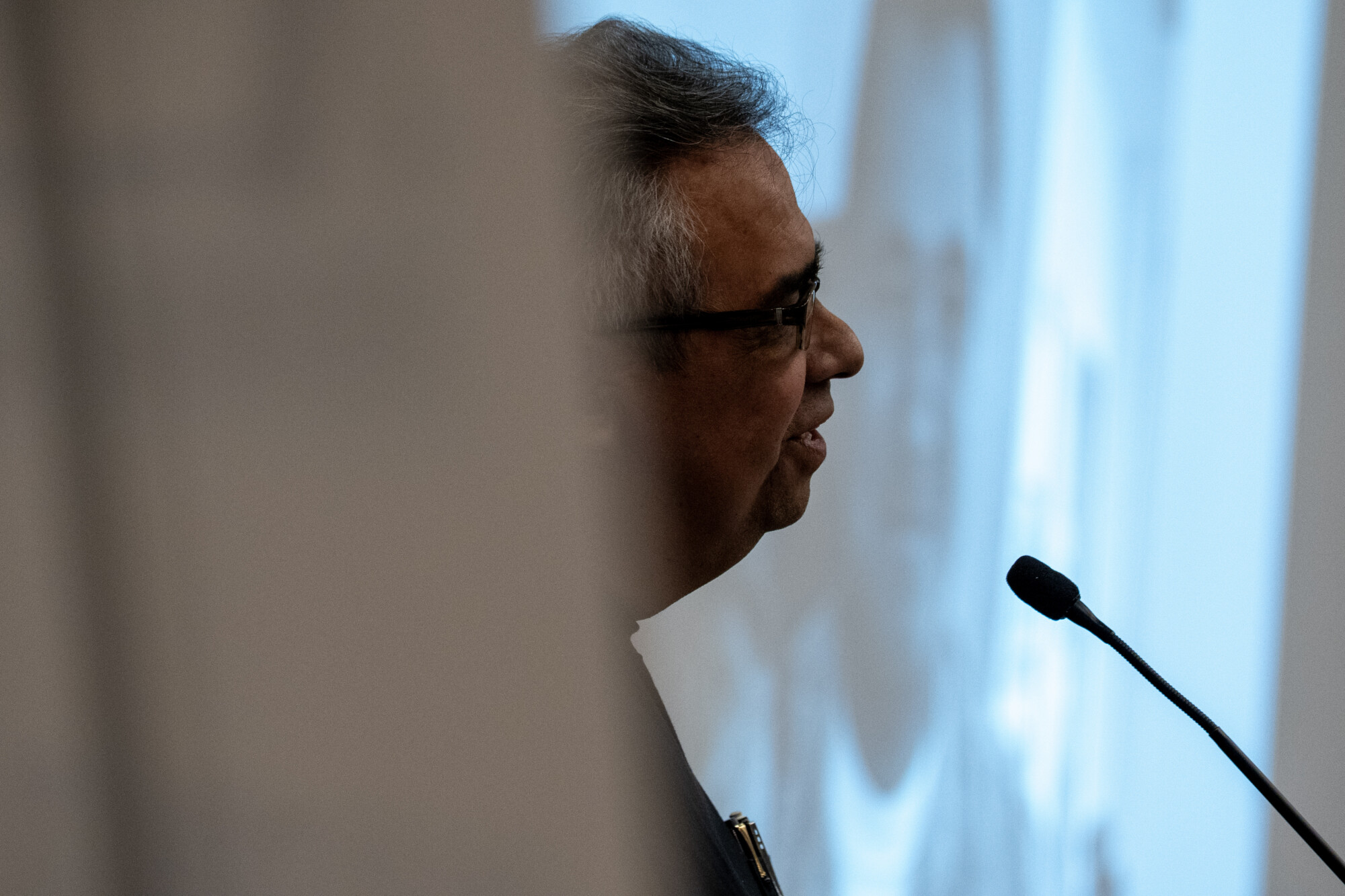
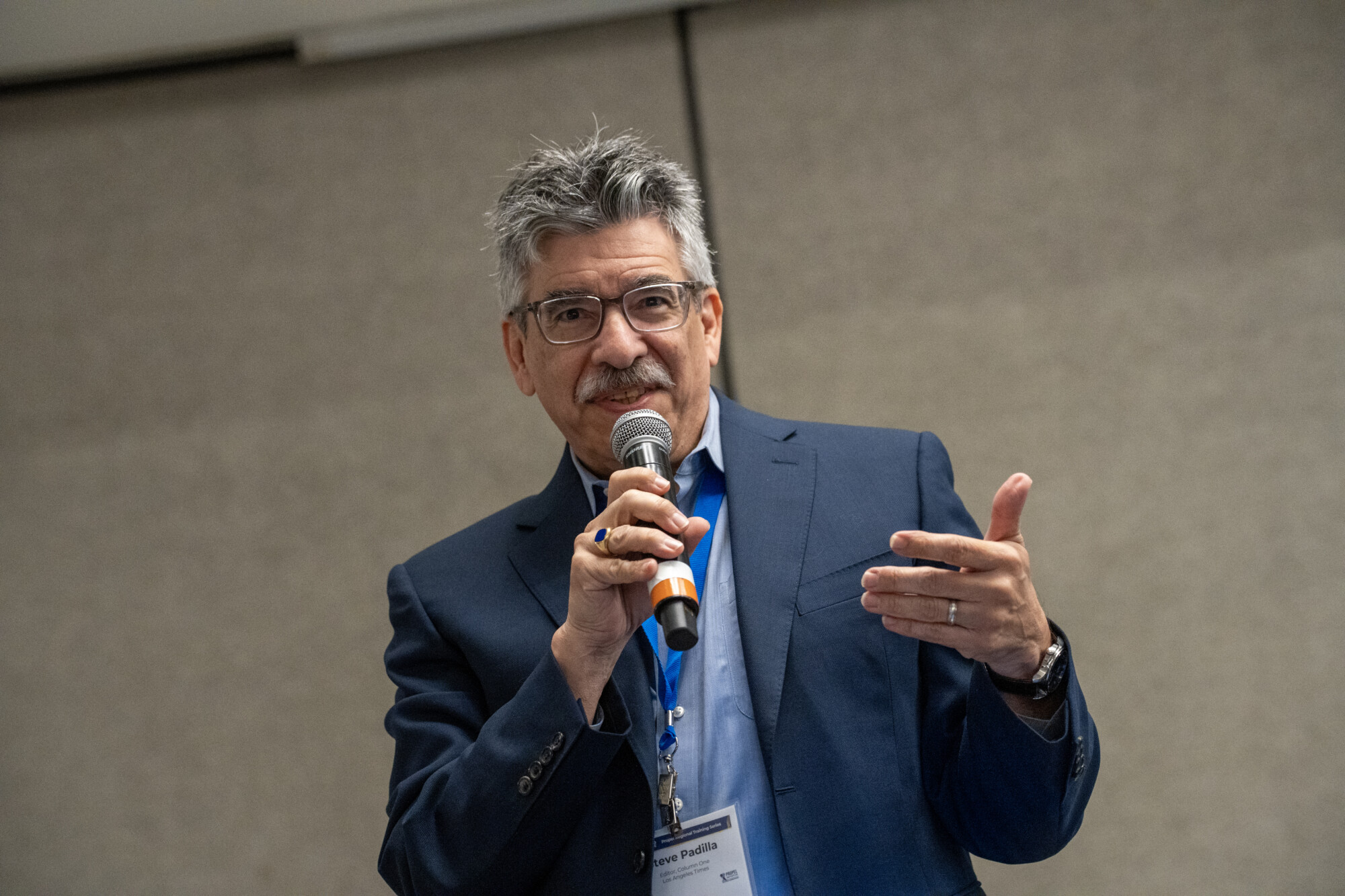
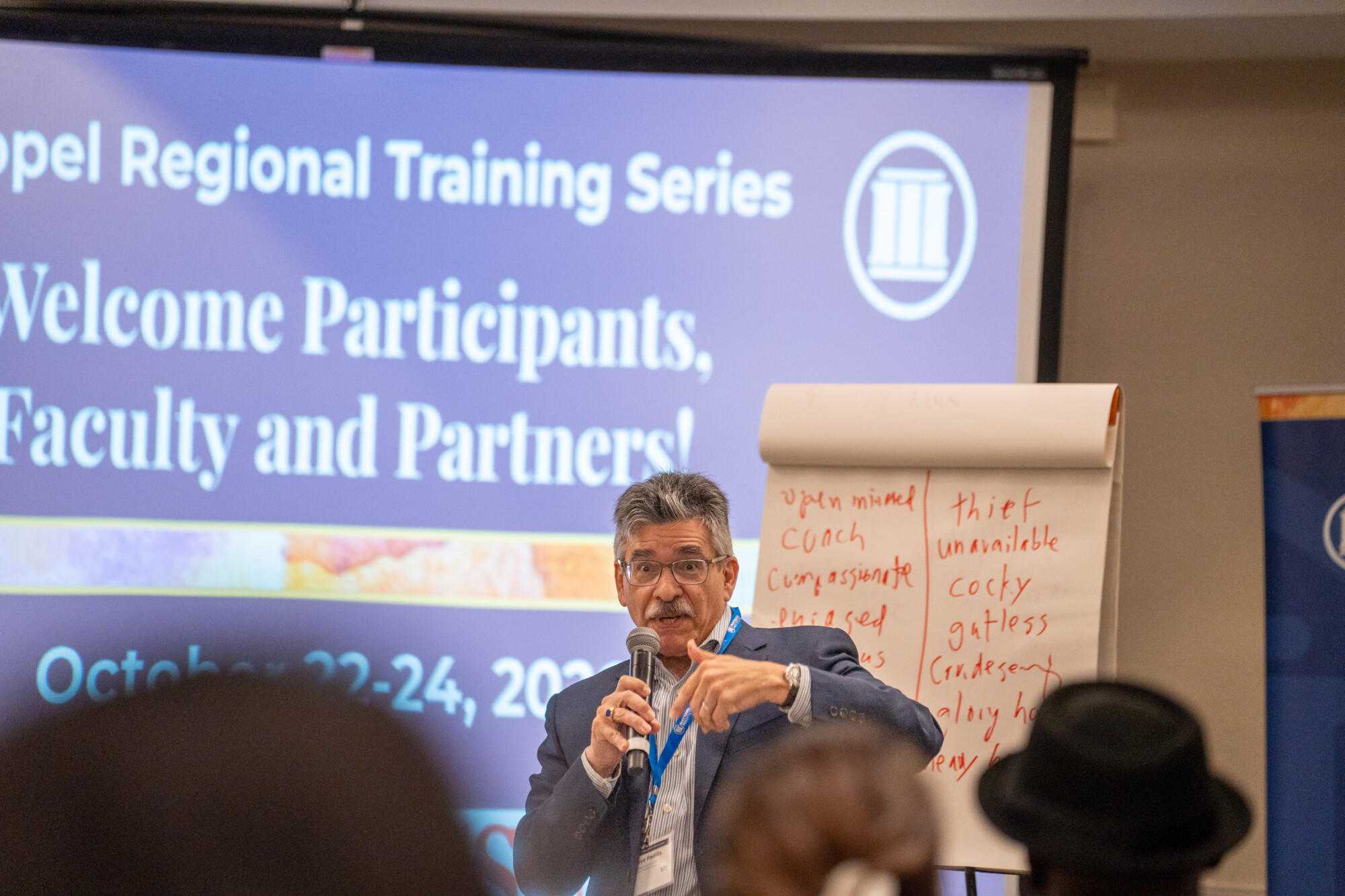
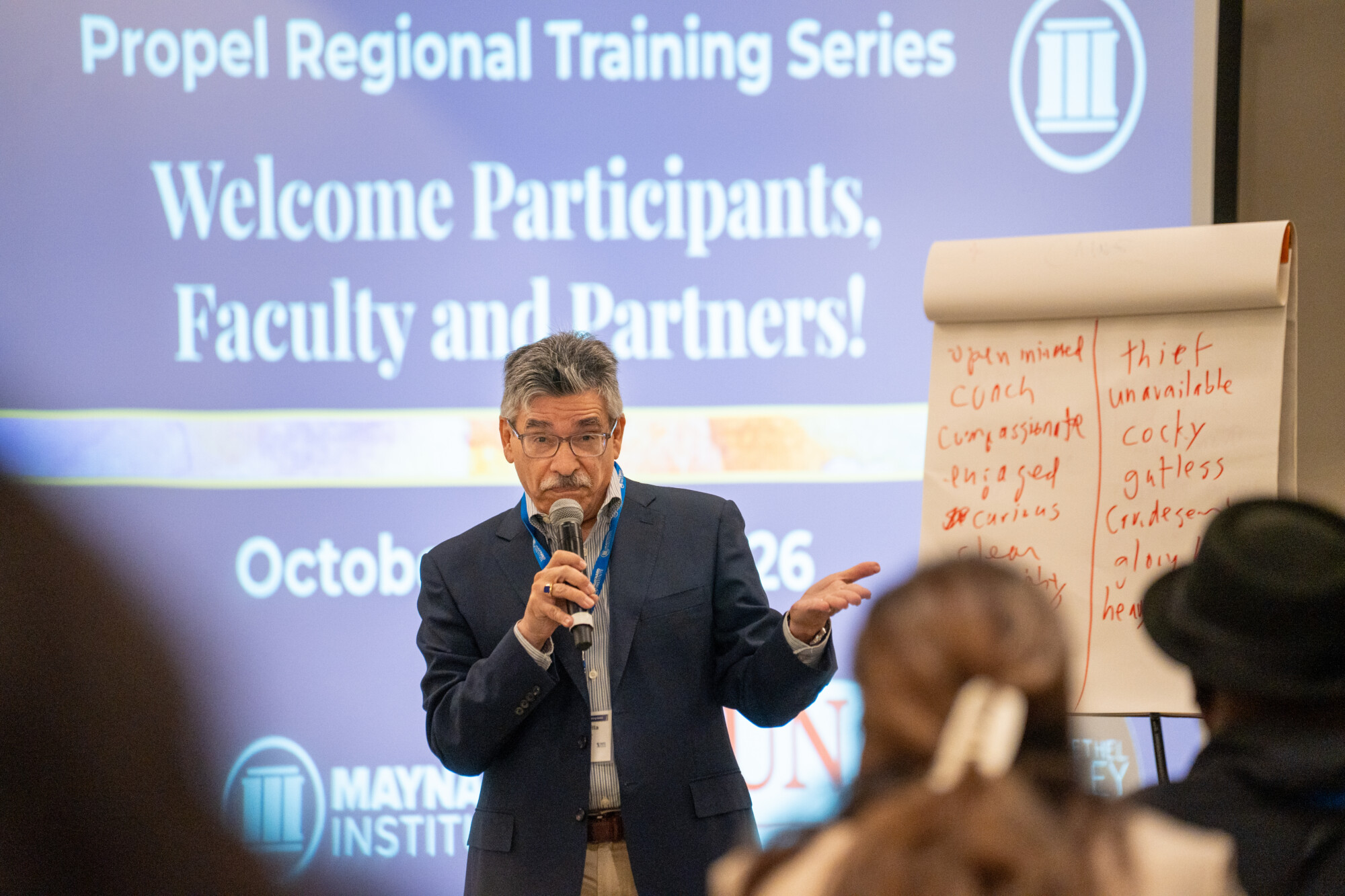
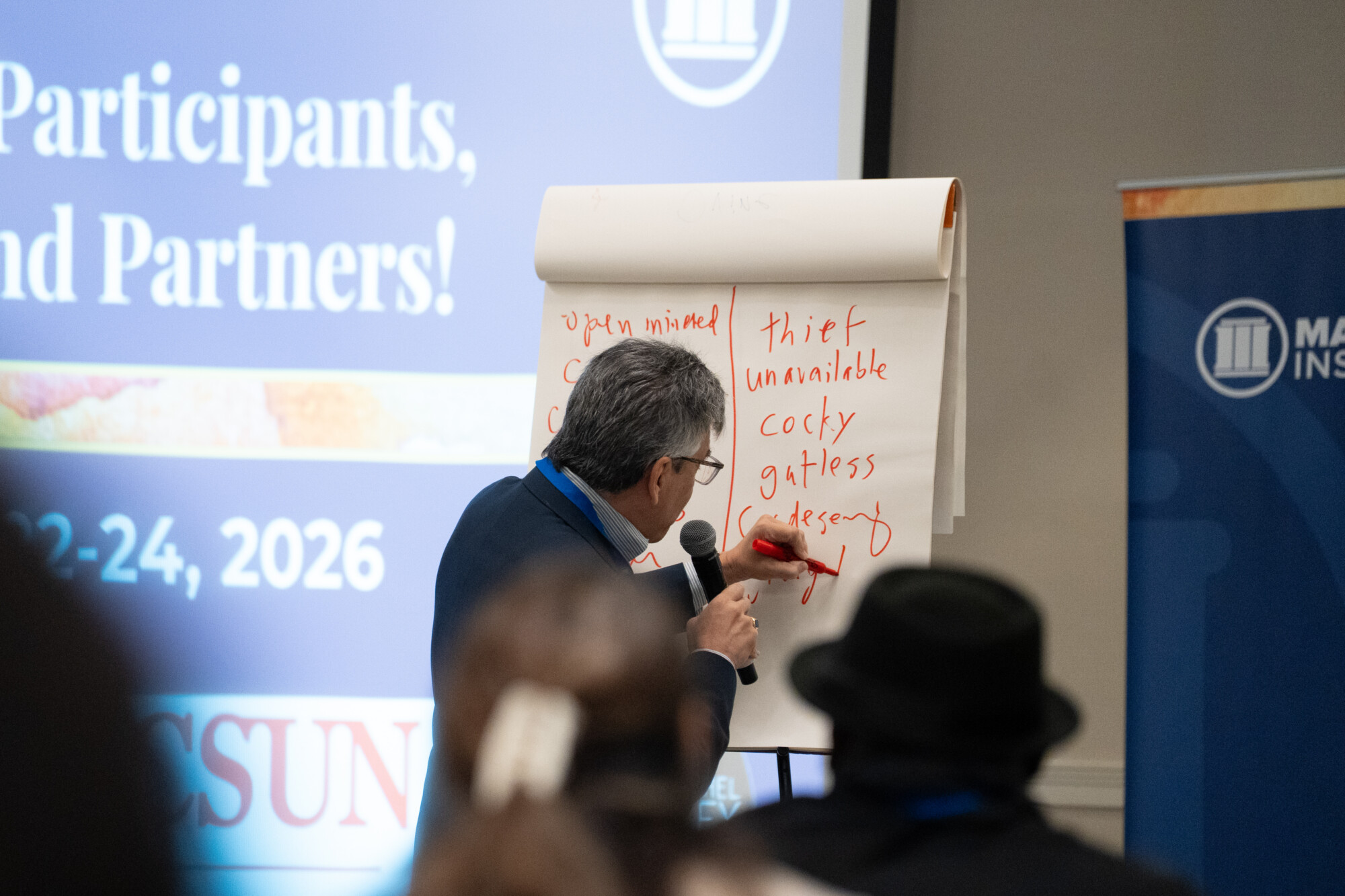
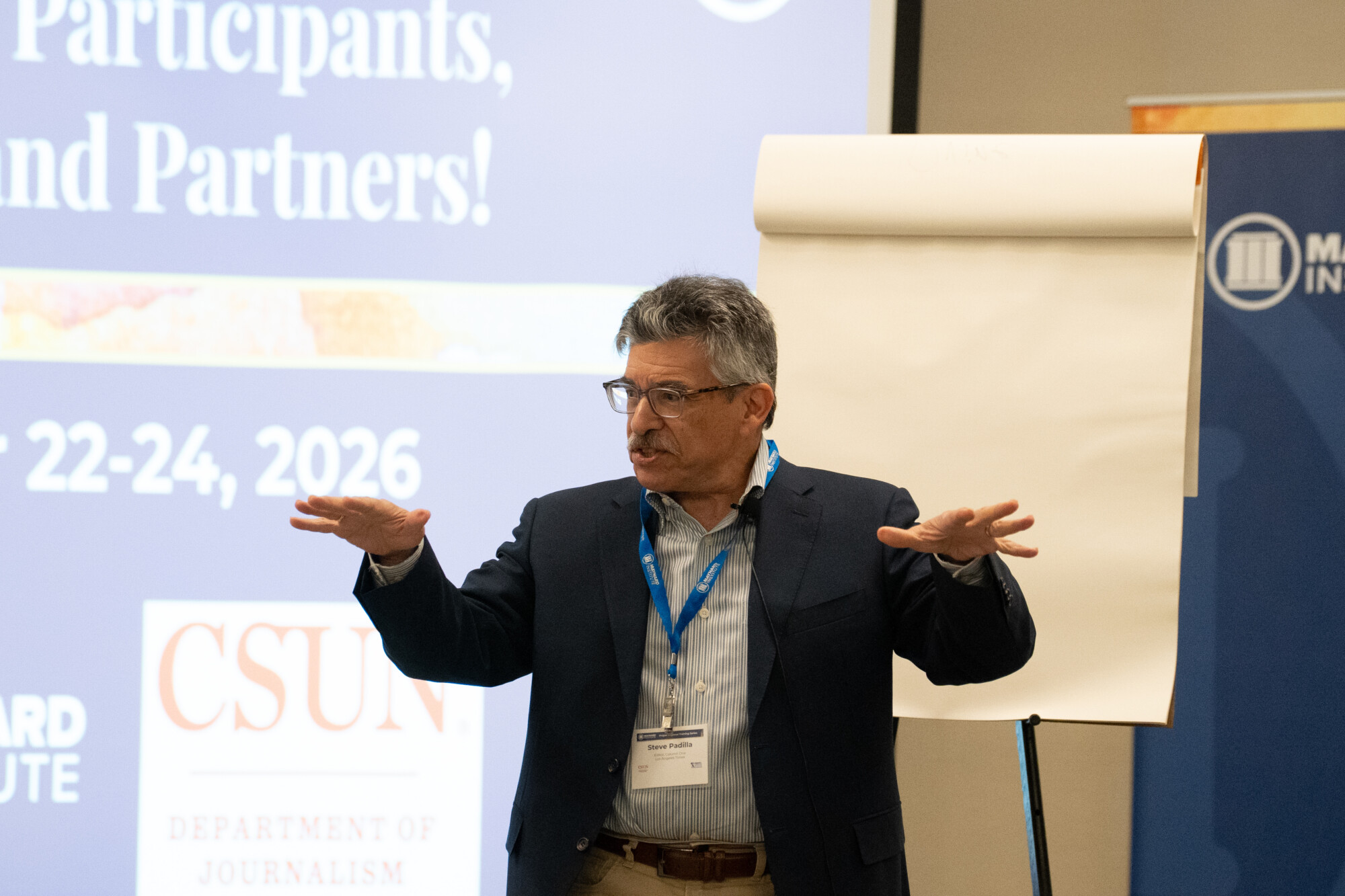
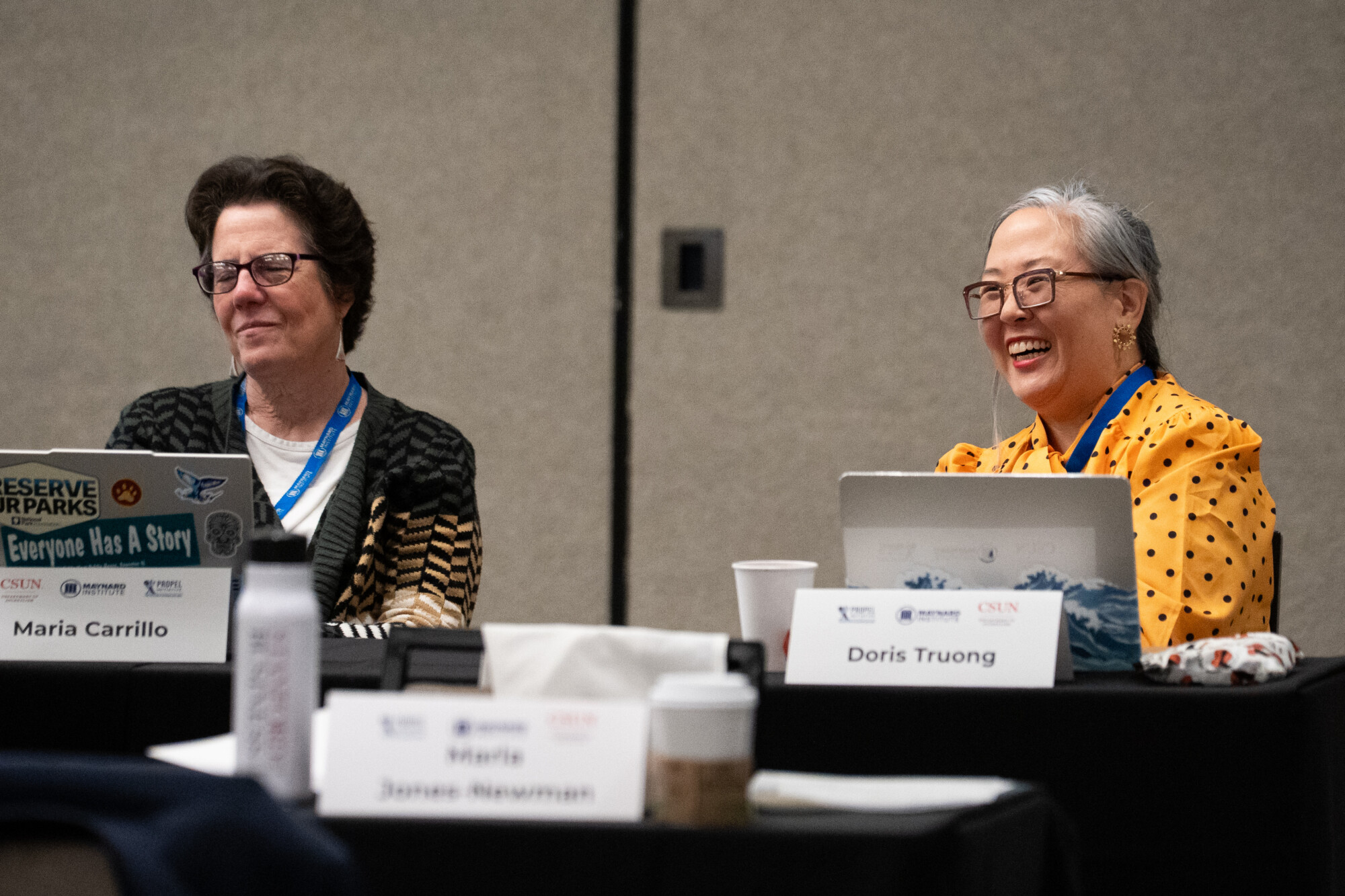
Over those three days I was able to listen to, and learn from, some of the brightest leaders in journalism today. Steve Padilla’s famous anecdotes and tips on writing are part of the legend of the LA Times. Maria Carrillo, a board member of the Virginia Center for Investigative Journalism, provided a clean, easier method to organize enterprise stories by showing journalists how to turn chaos into well-reported art.
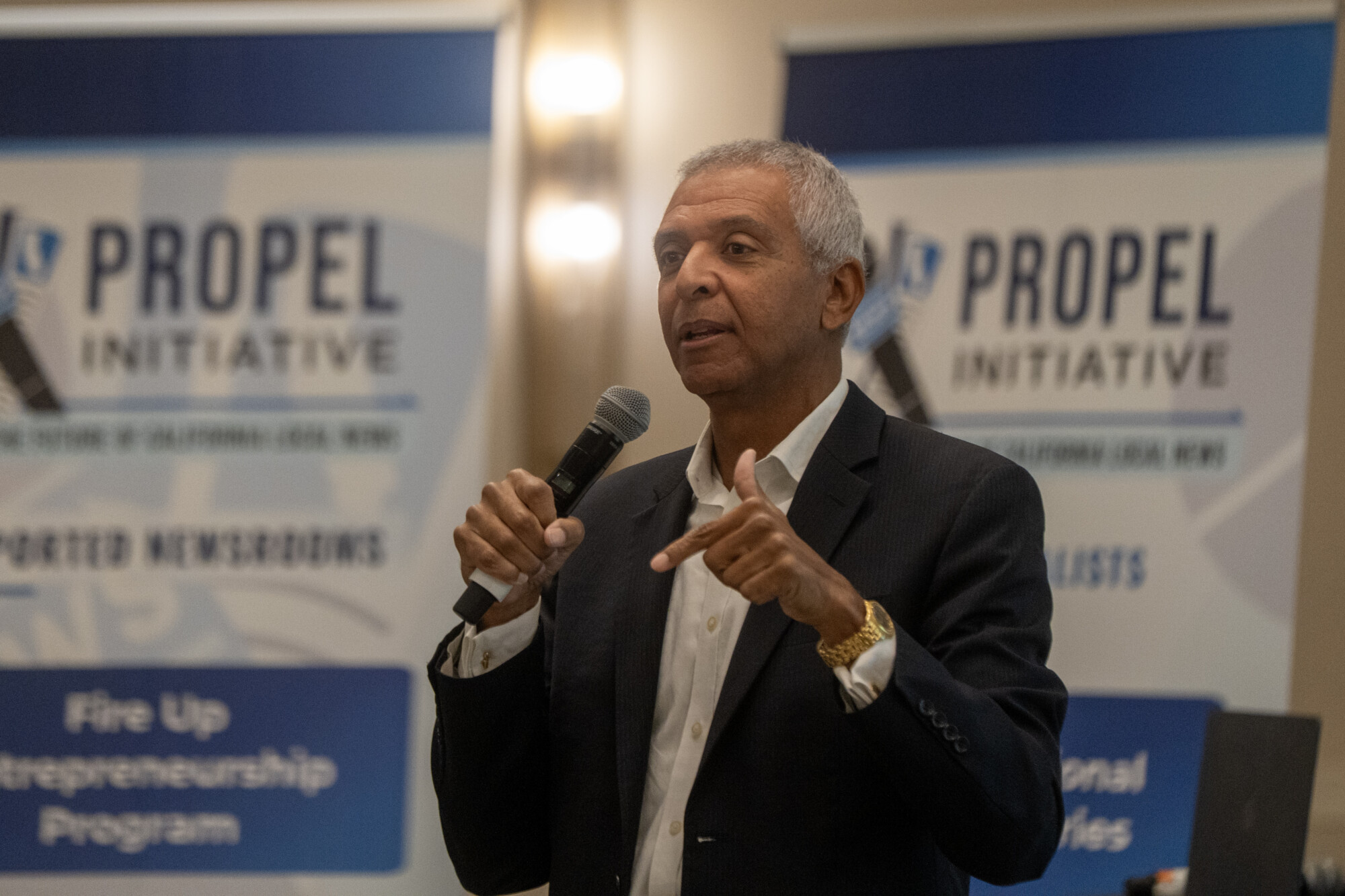
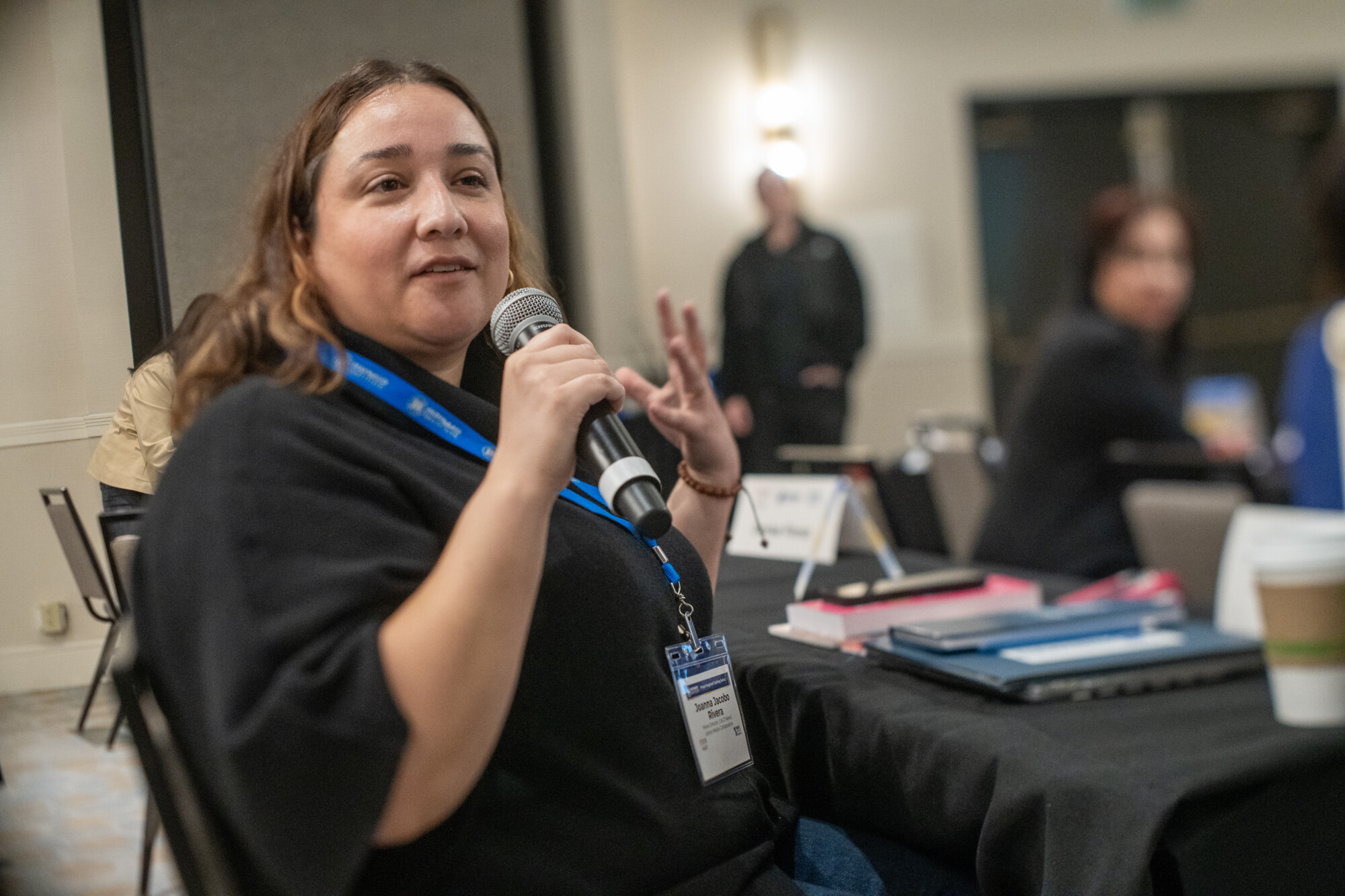
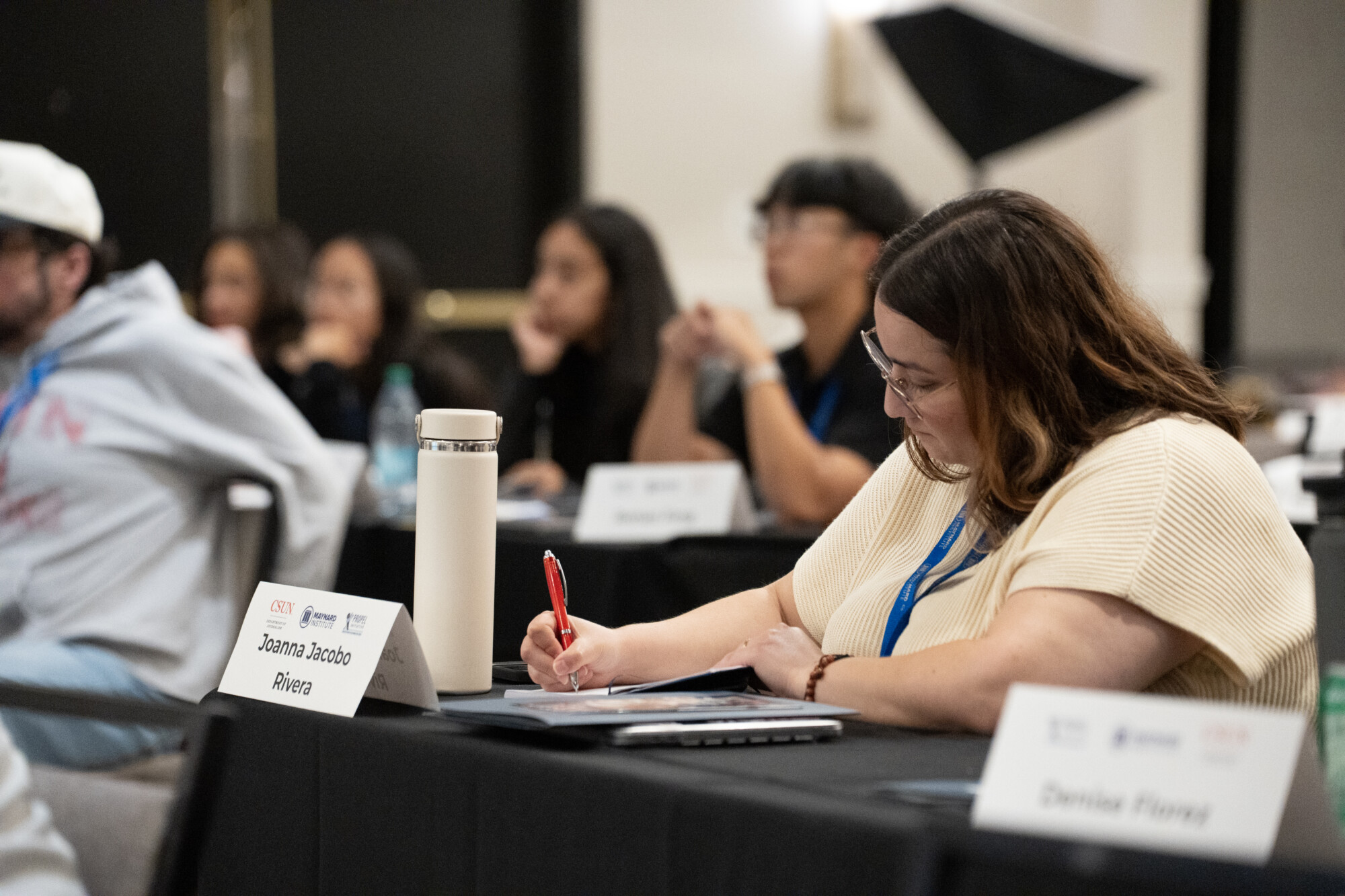
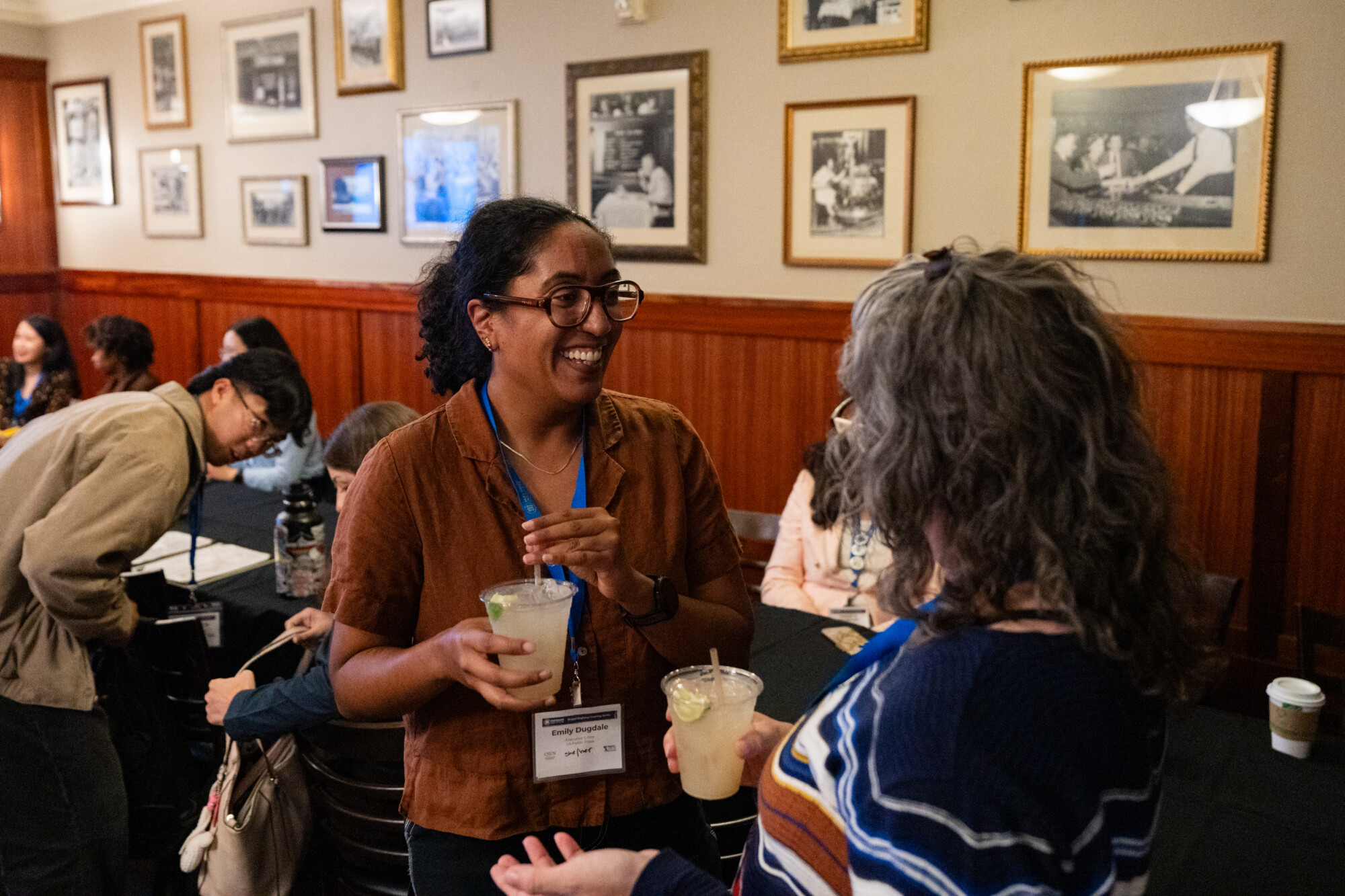
I had conversations with Joanna Jacobo Rivera (panelist and news director at CALÓ News) and Emily Elena Dugdale (training participant and executive editor of the LA Public Press), who exemplified in their publications that old-school grit and connection to community make great journalism. Larry Lee, panelist, president and publisher of the Observer Media Group and the Sacramento Observer, taught participants about the importance of the Black press and how to maintain a legacy.
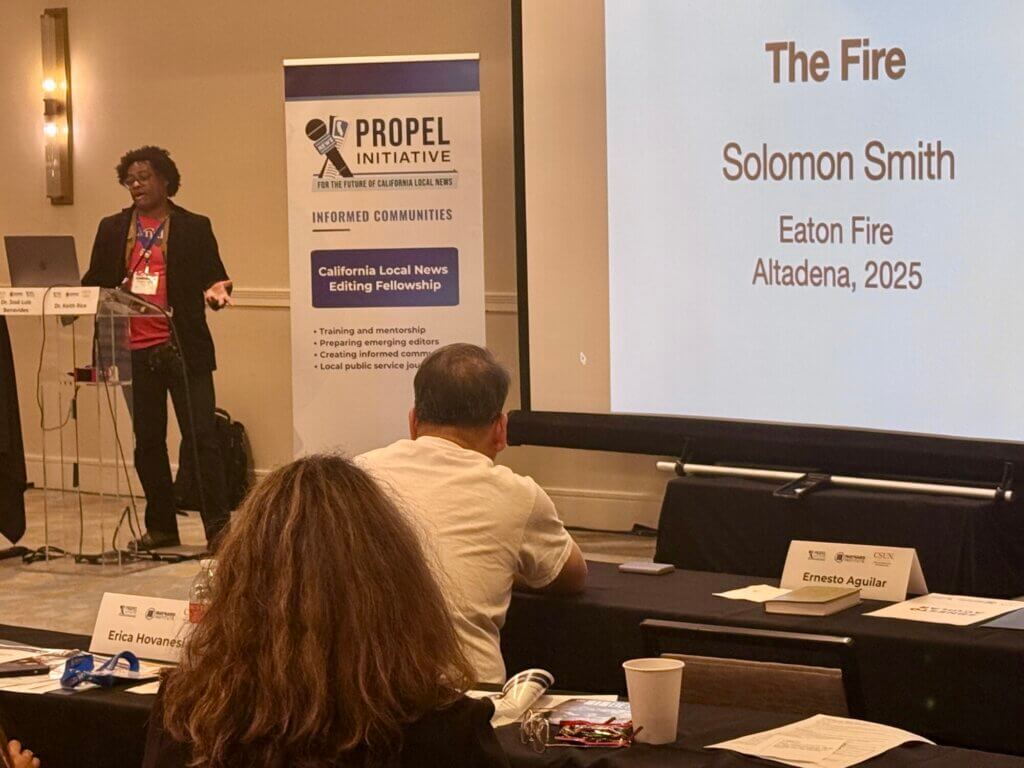
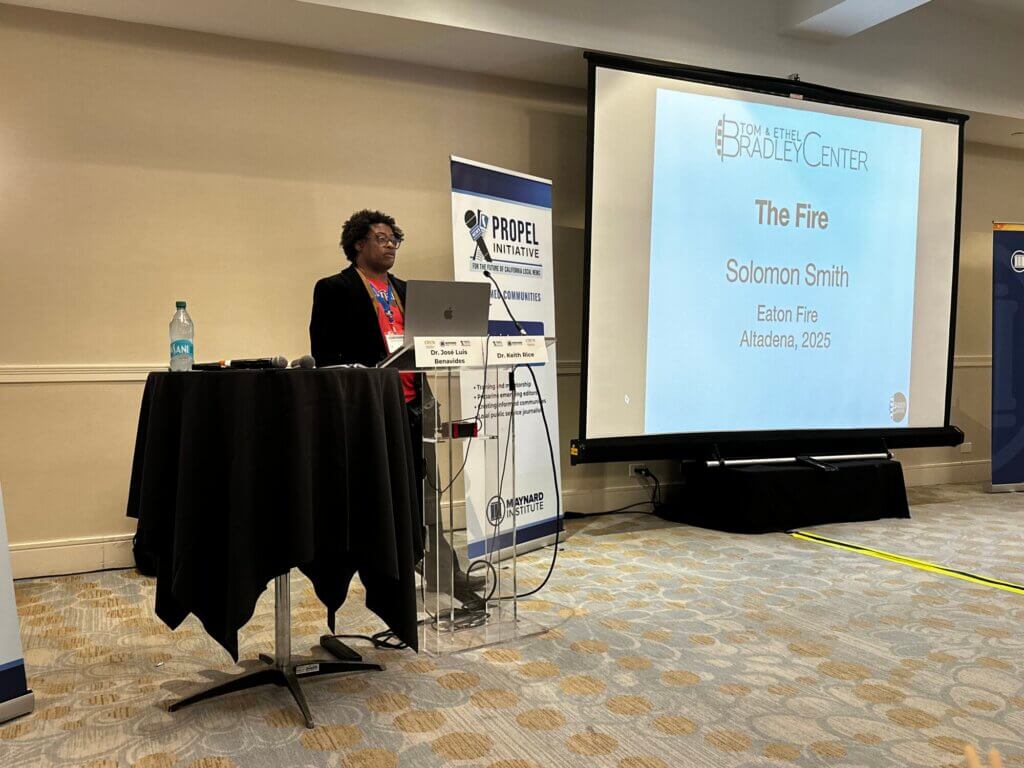
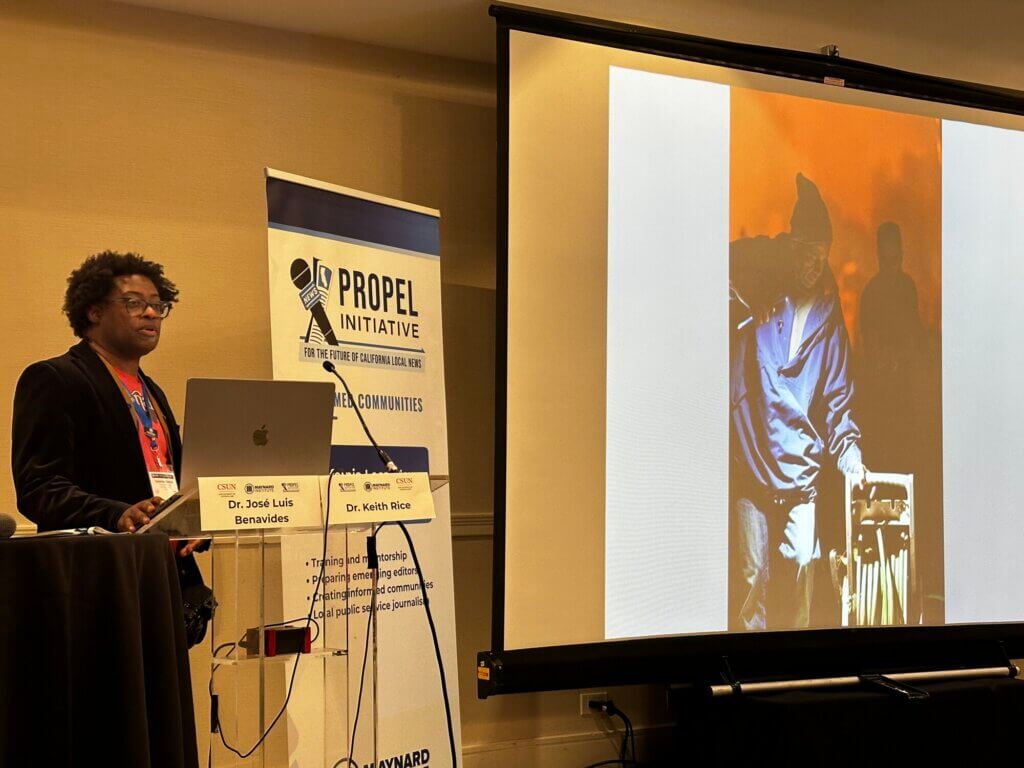
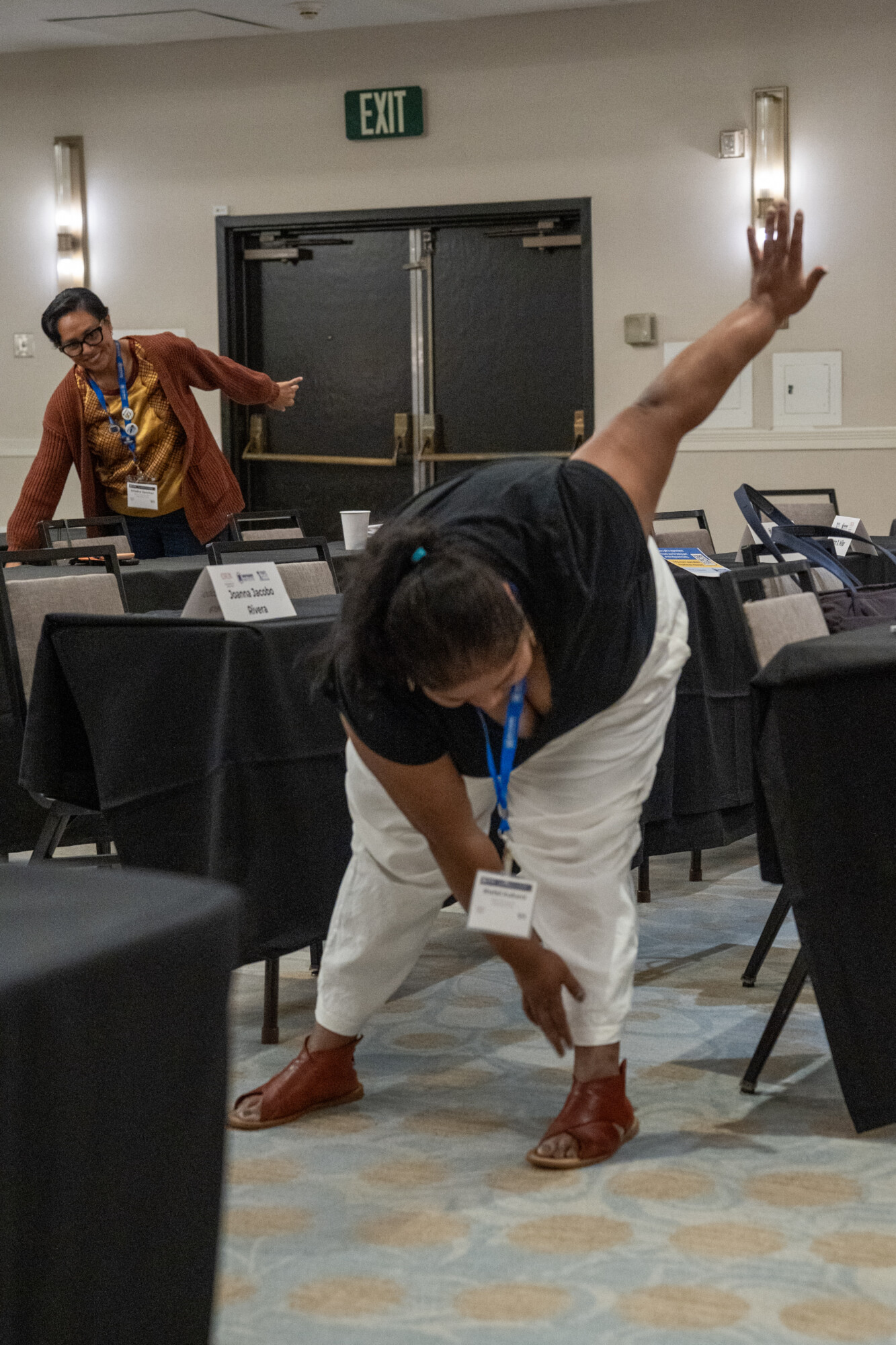
Shockingly, as part of the Tom and Ethel Bradley Center’s presentation on the importance of photojournalism, I was able to show some of my own photos from when I covered the fires in Altadena.
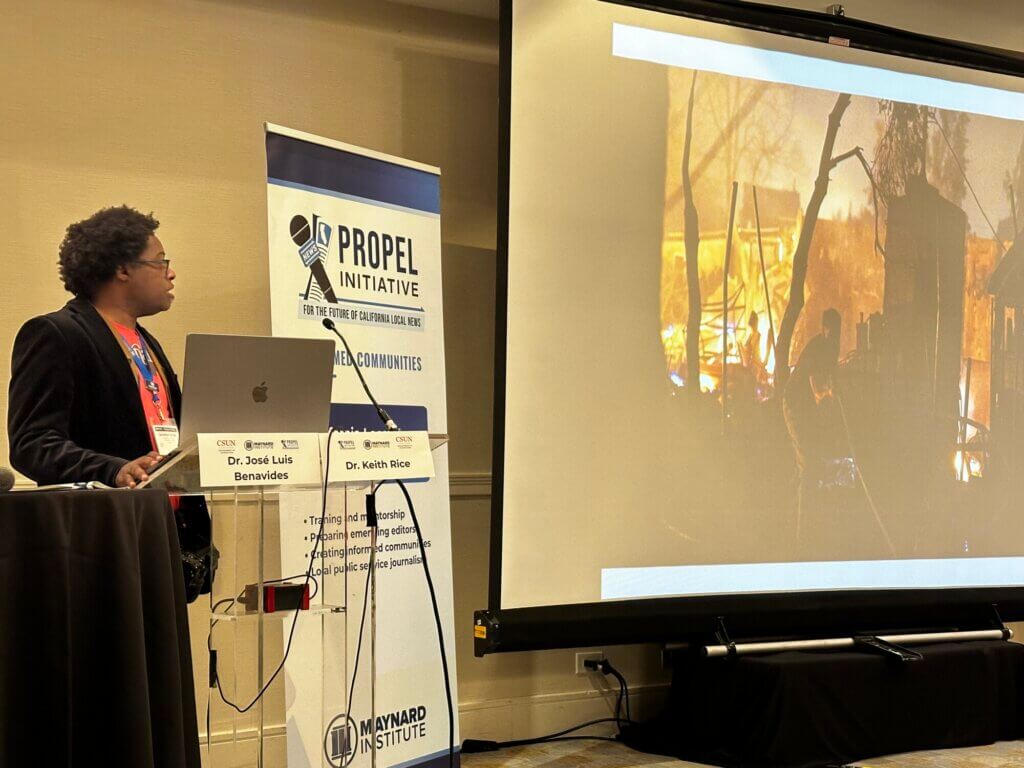
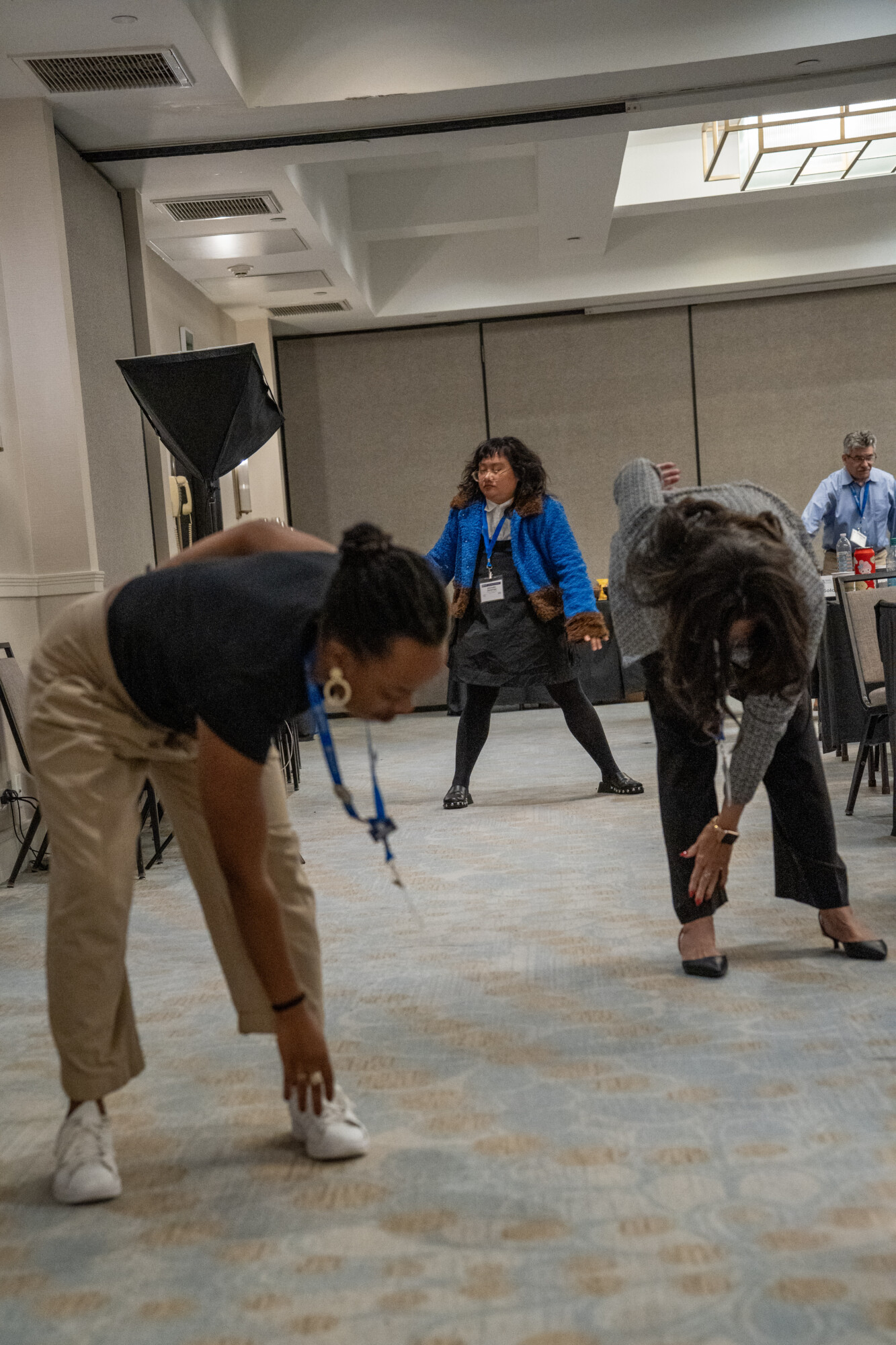
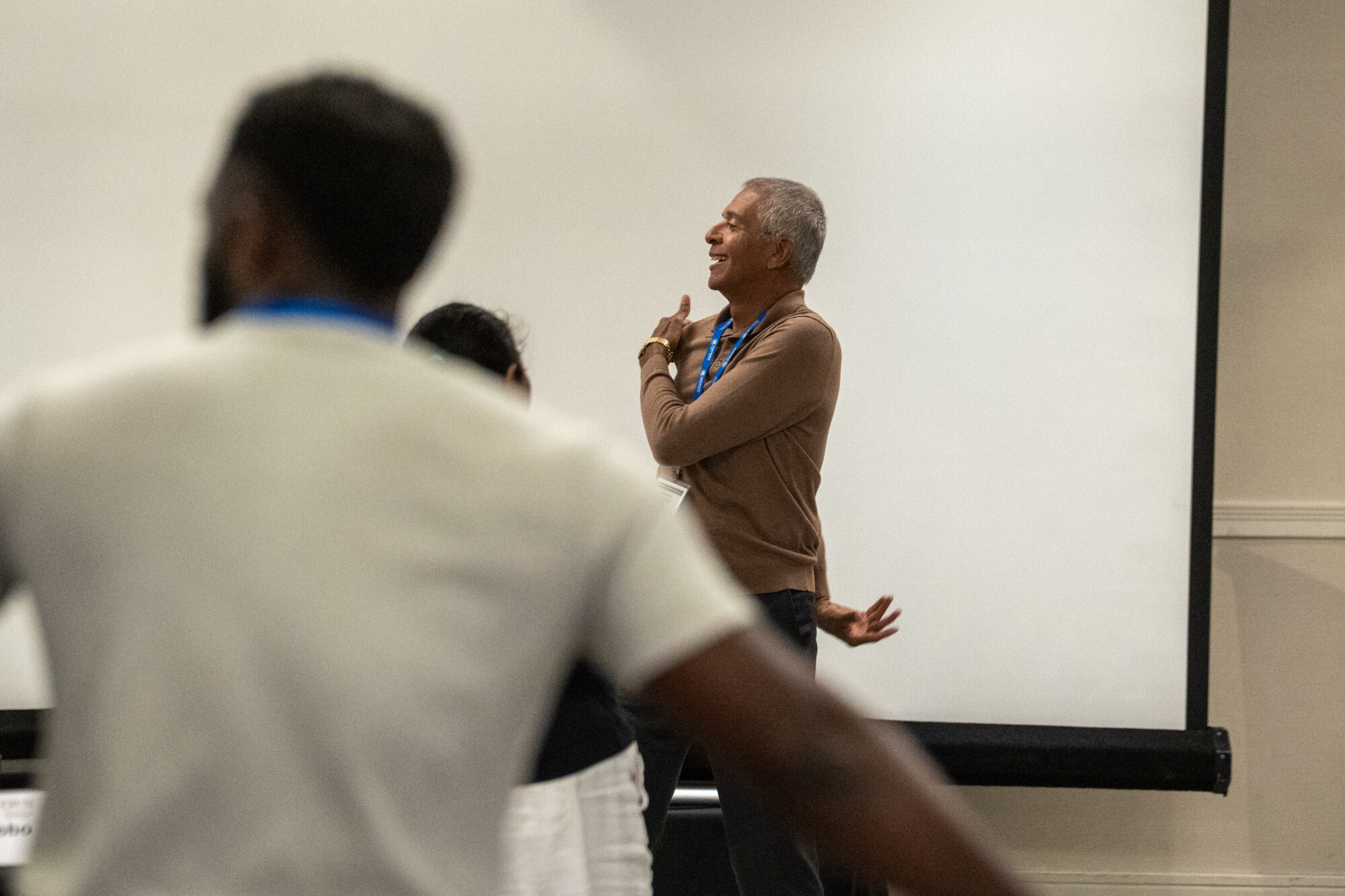
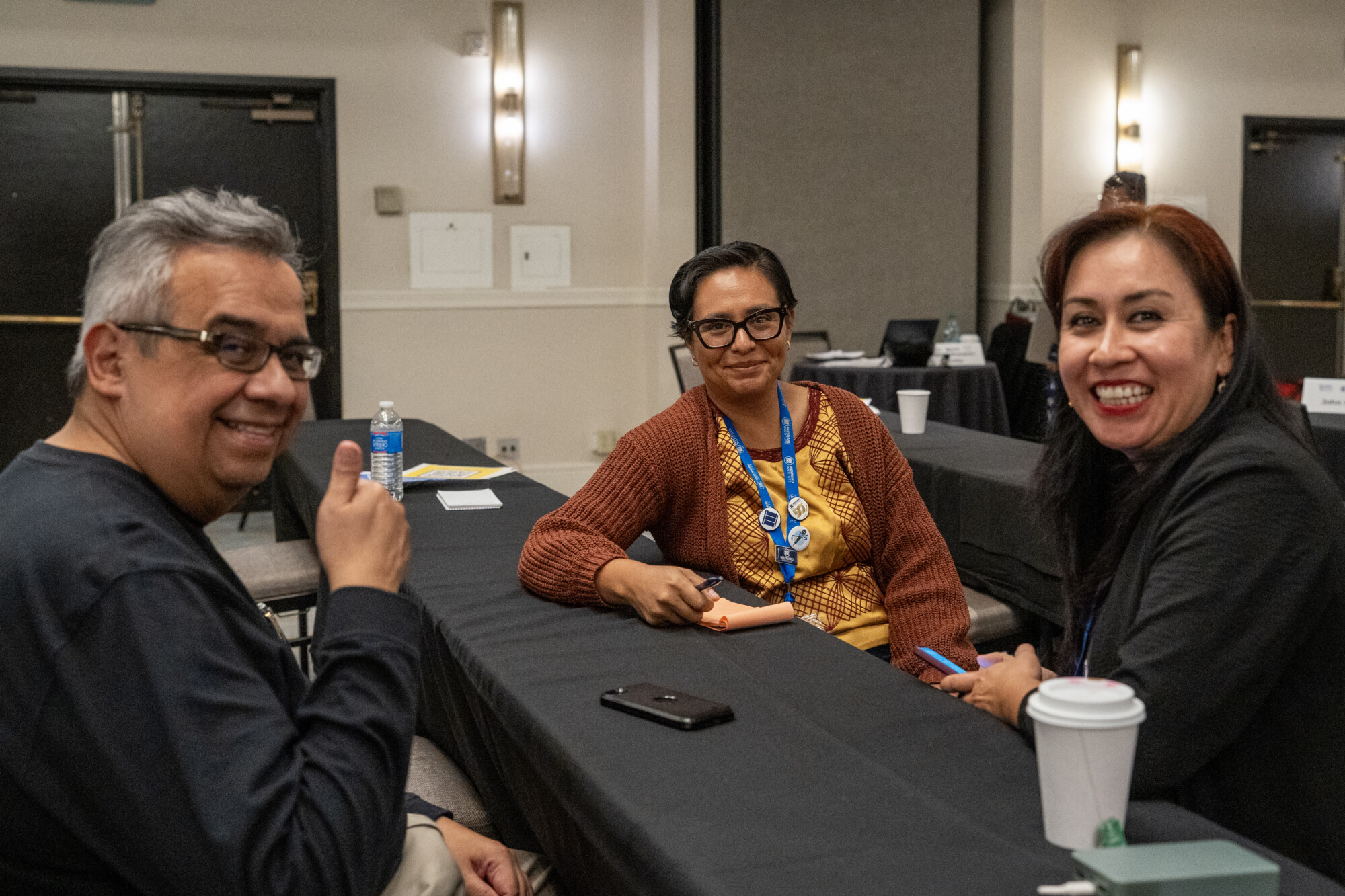
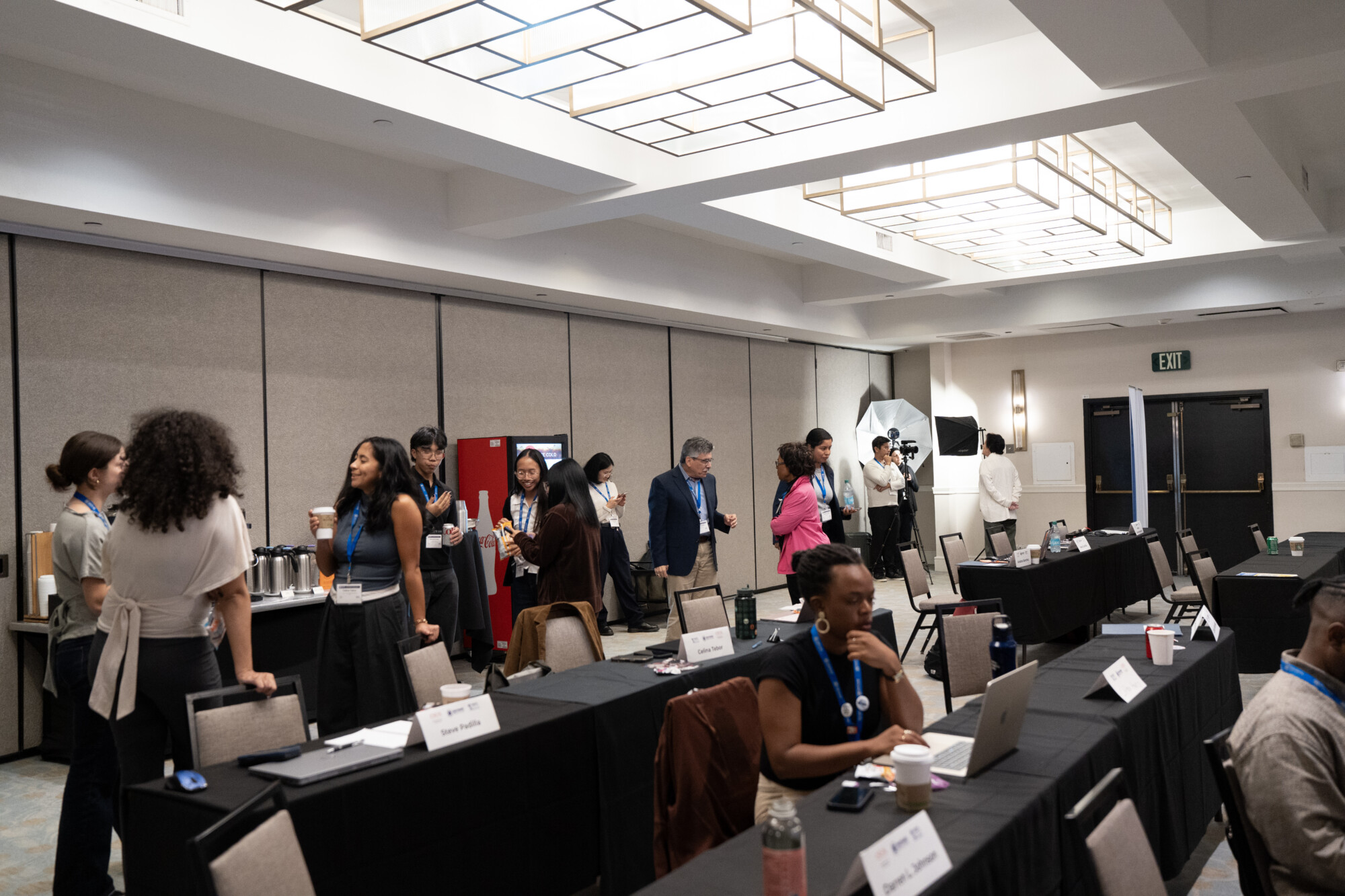
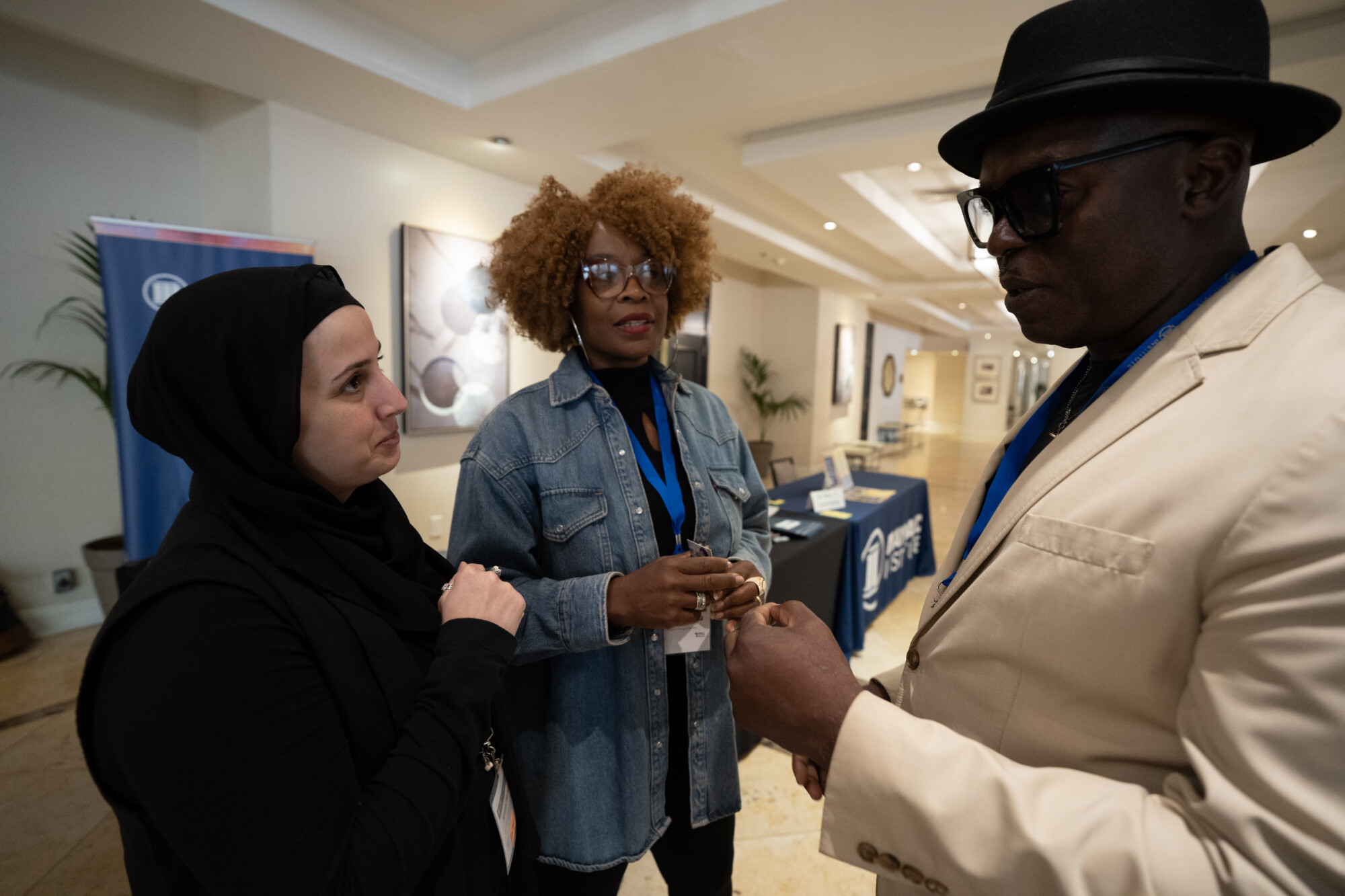
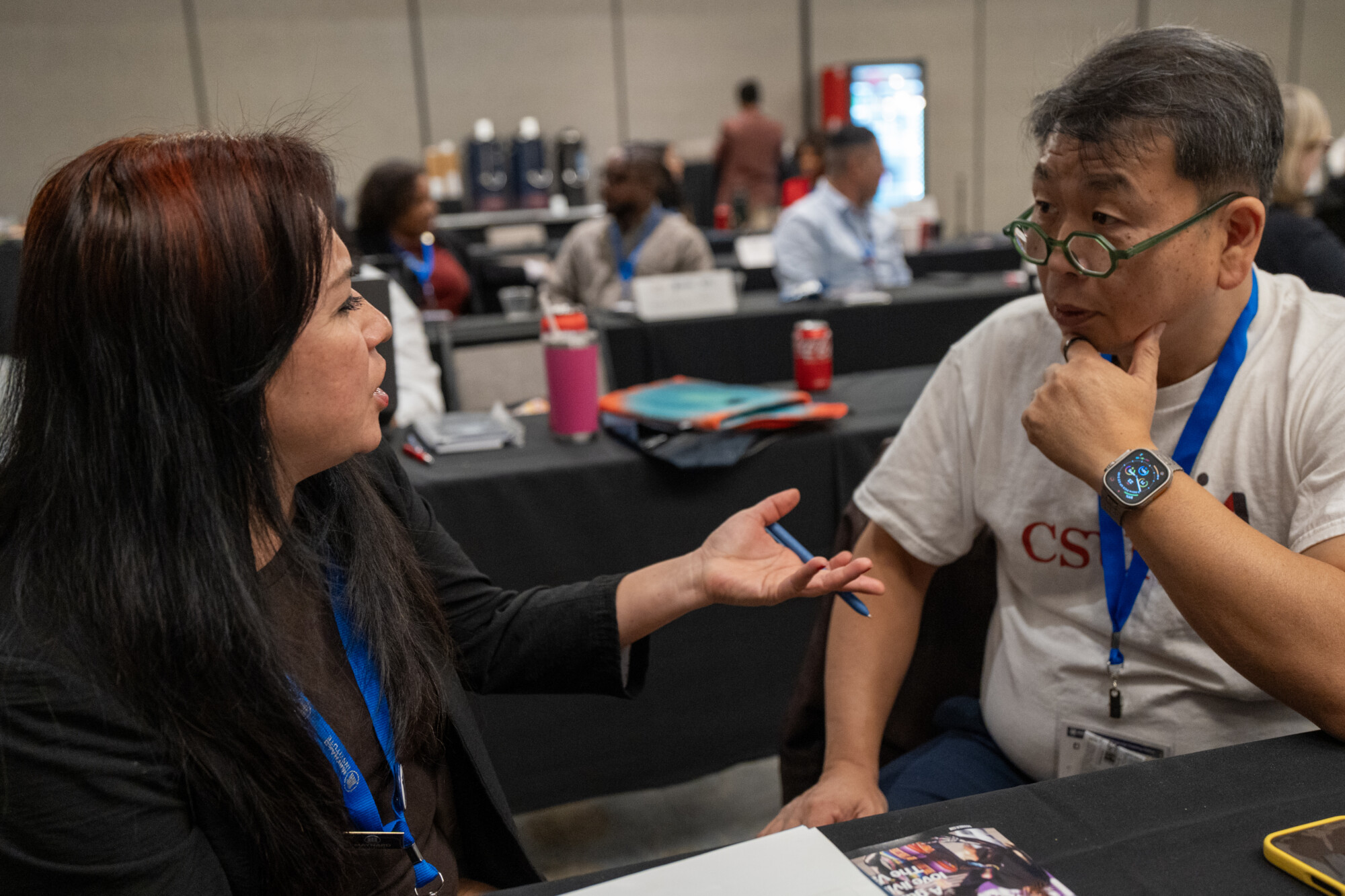
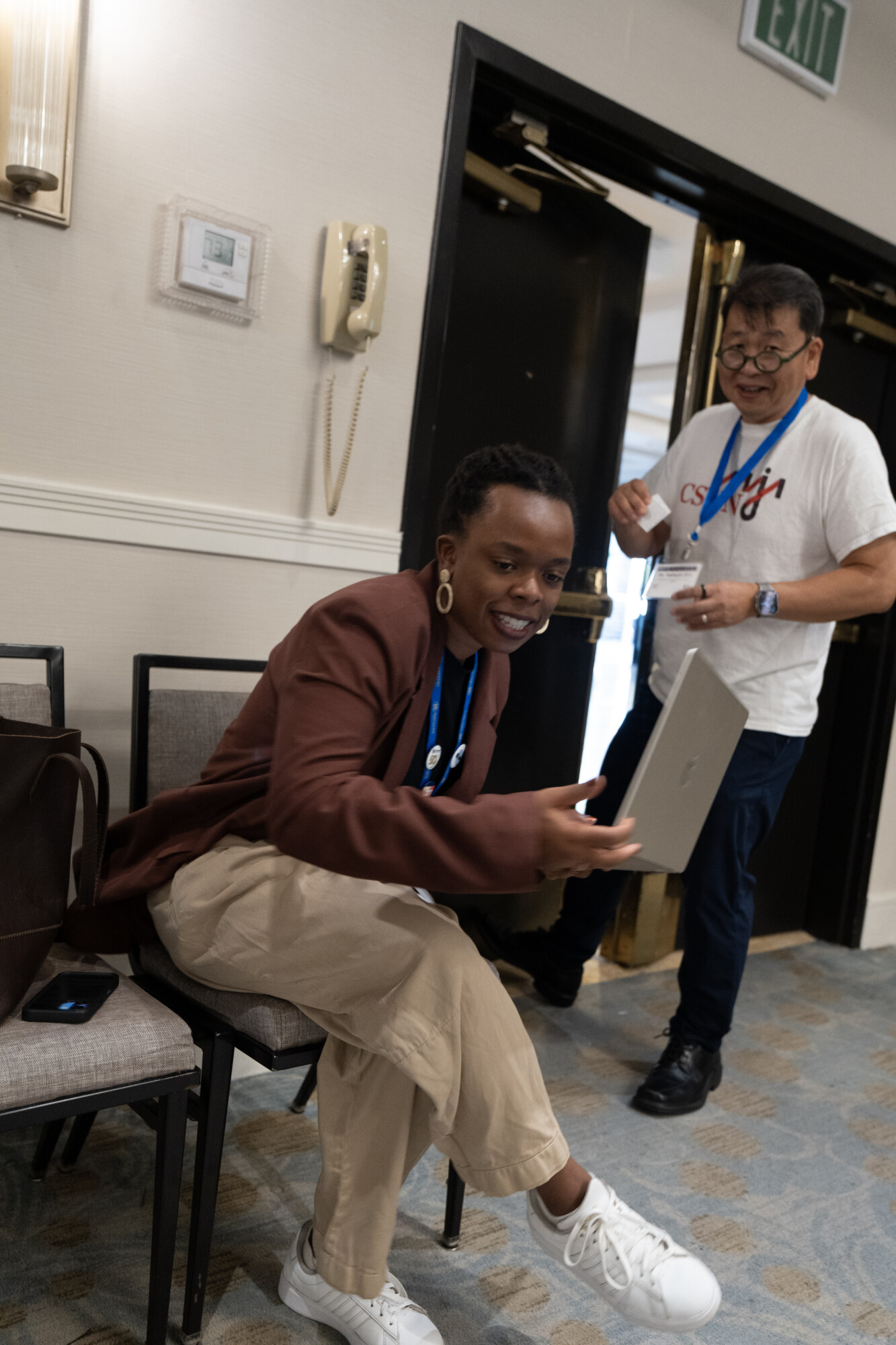
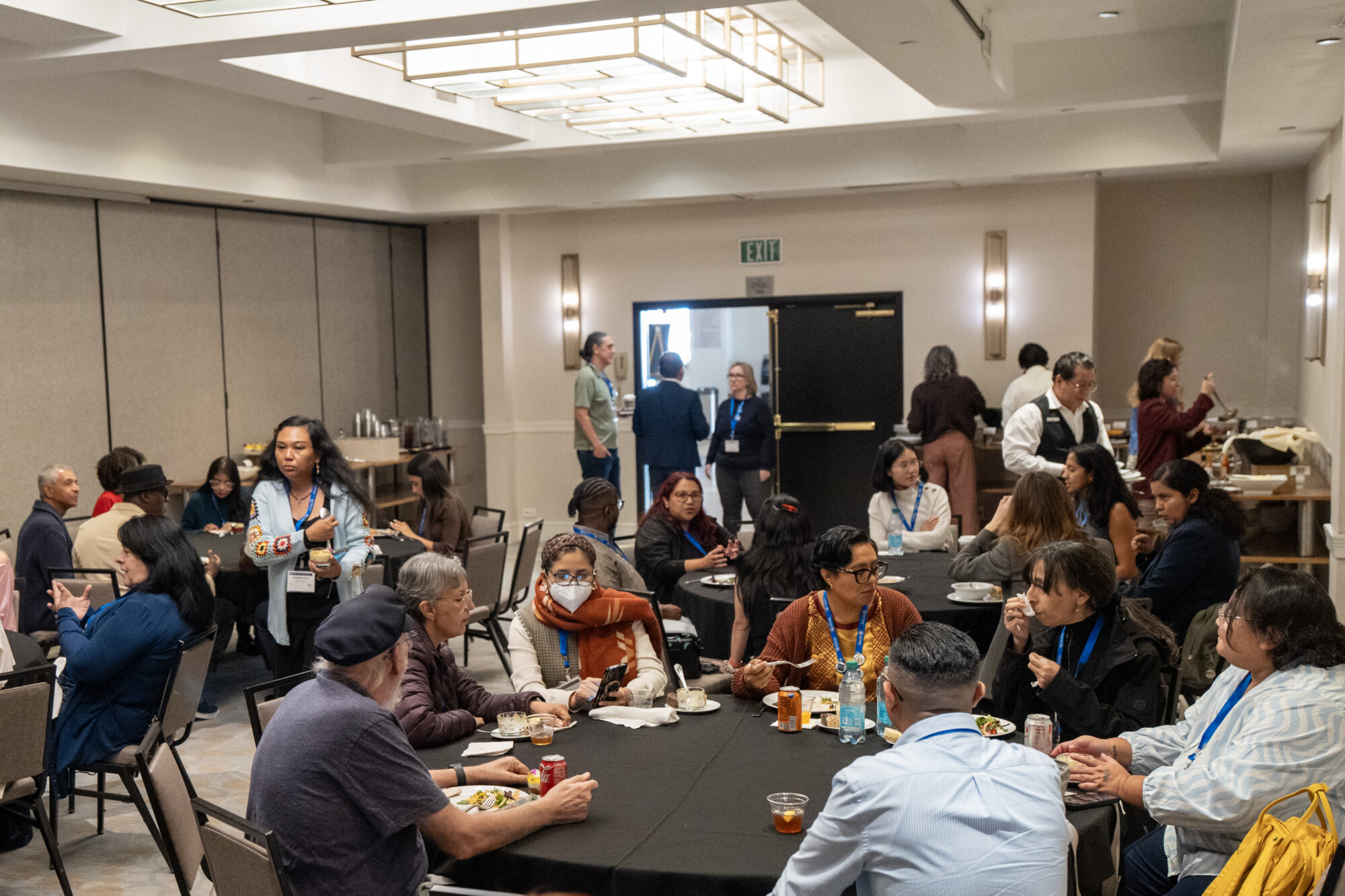
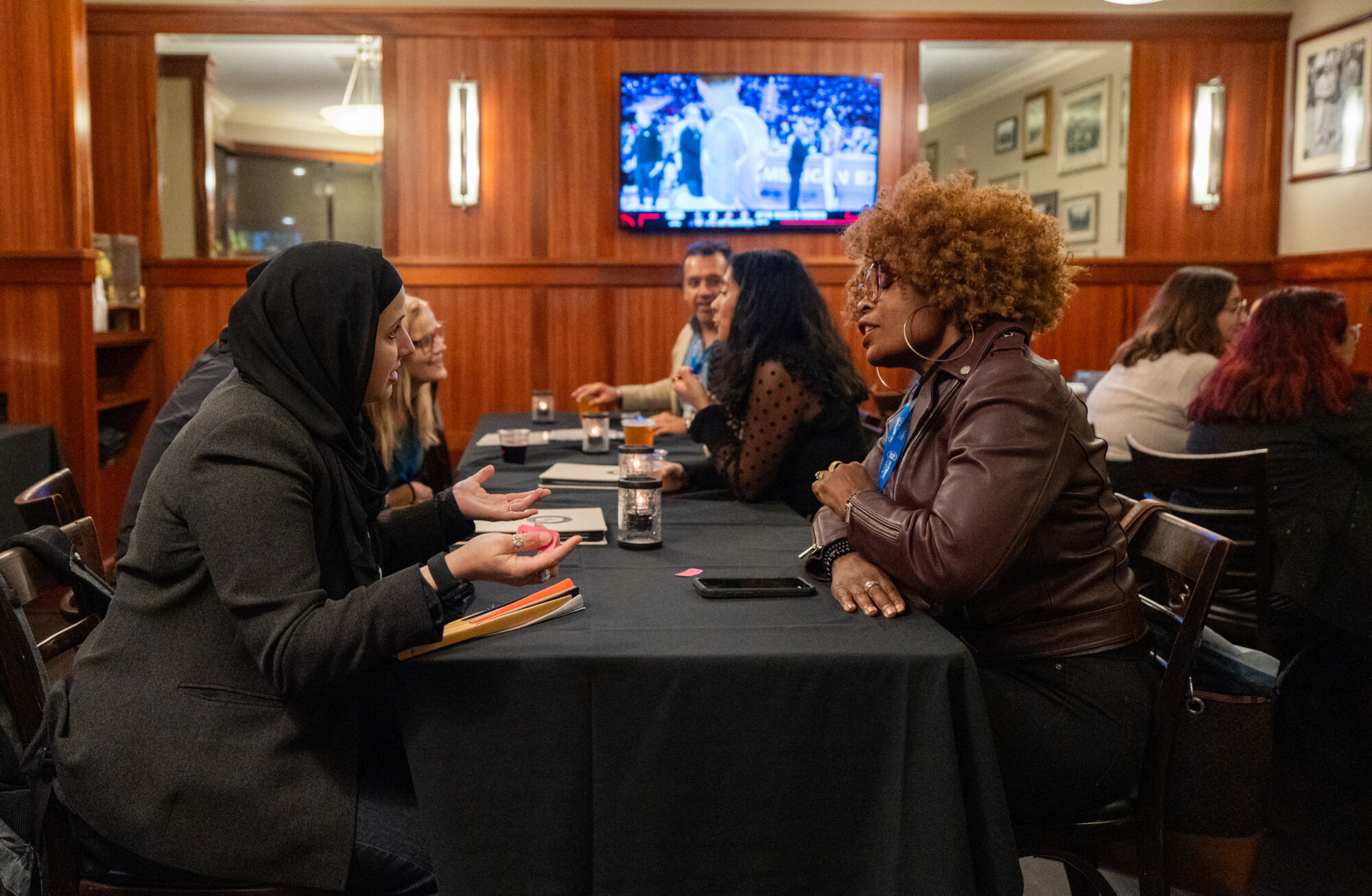
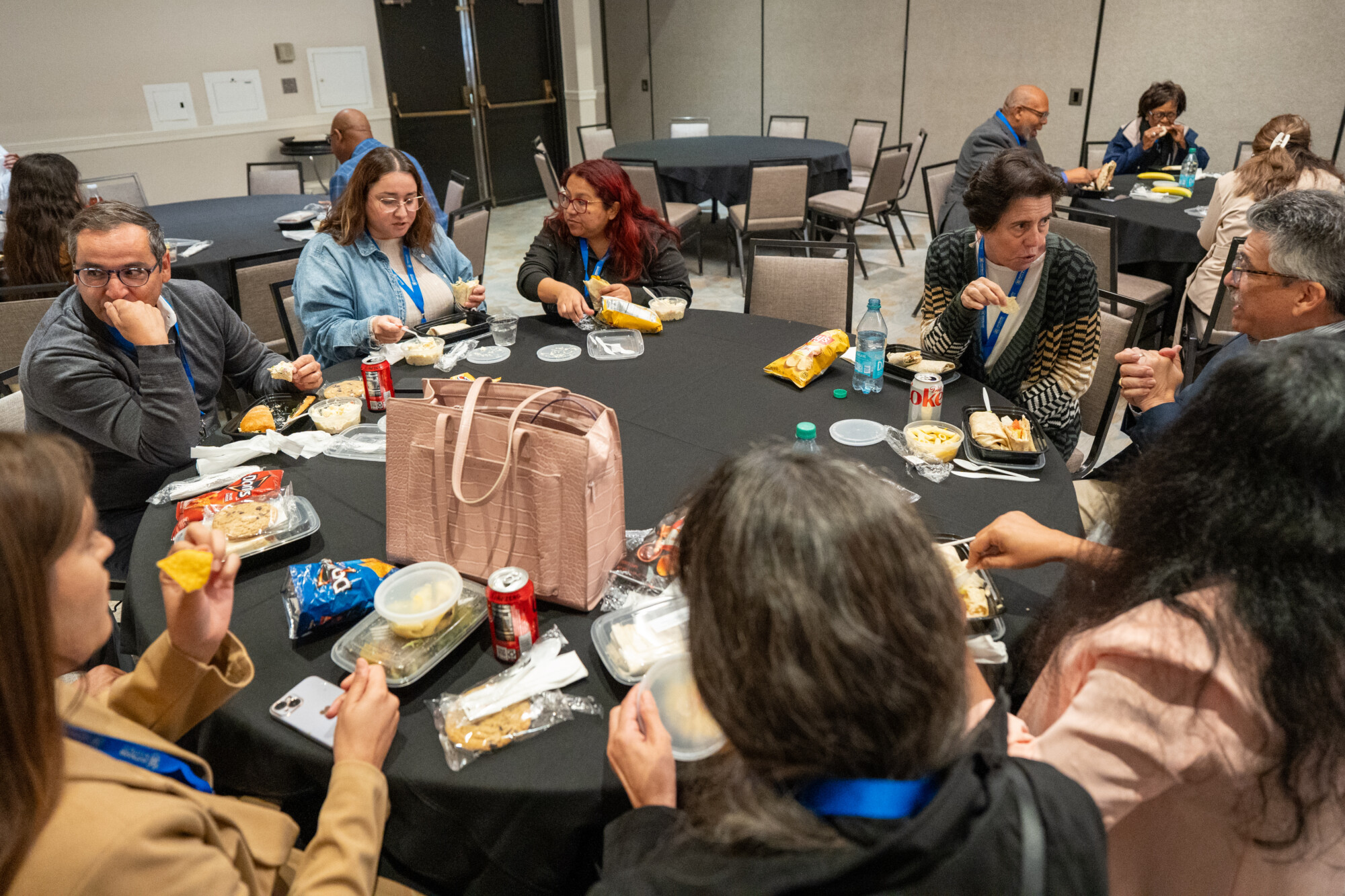
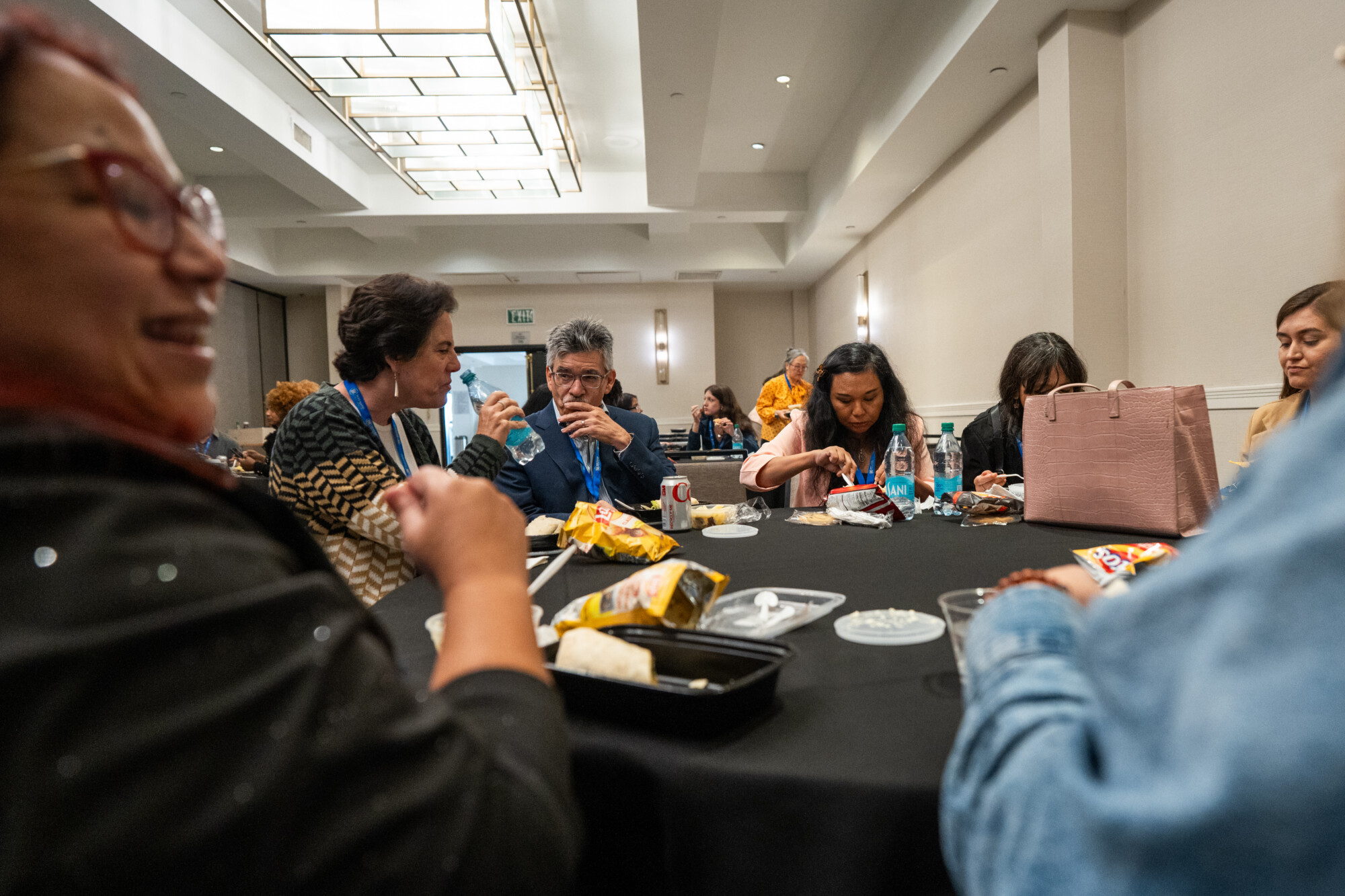
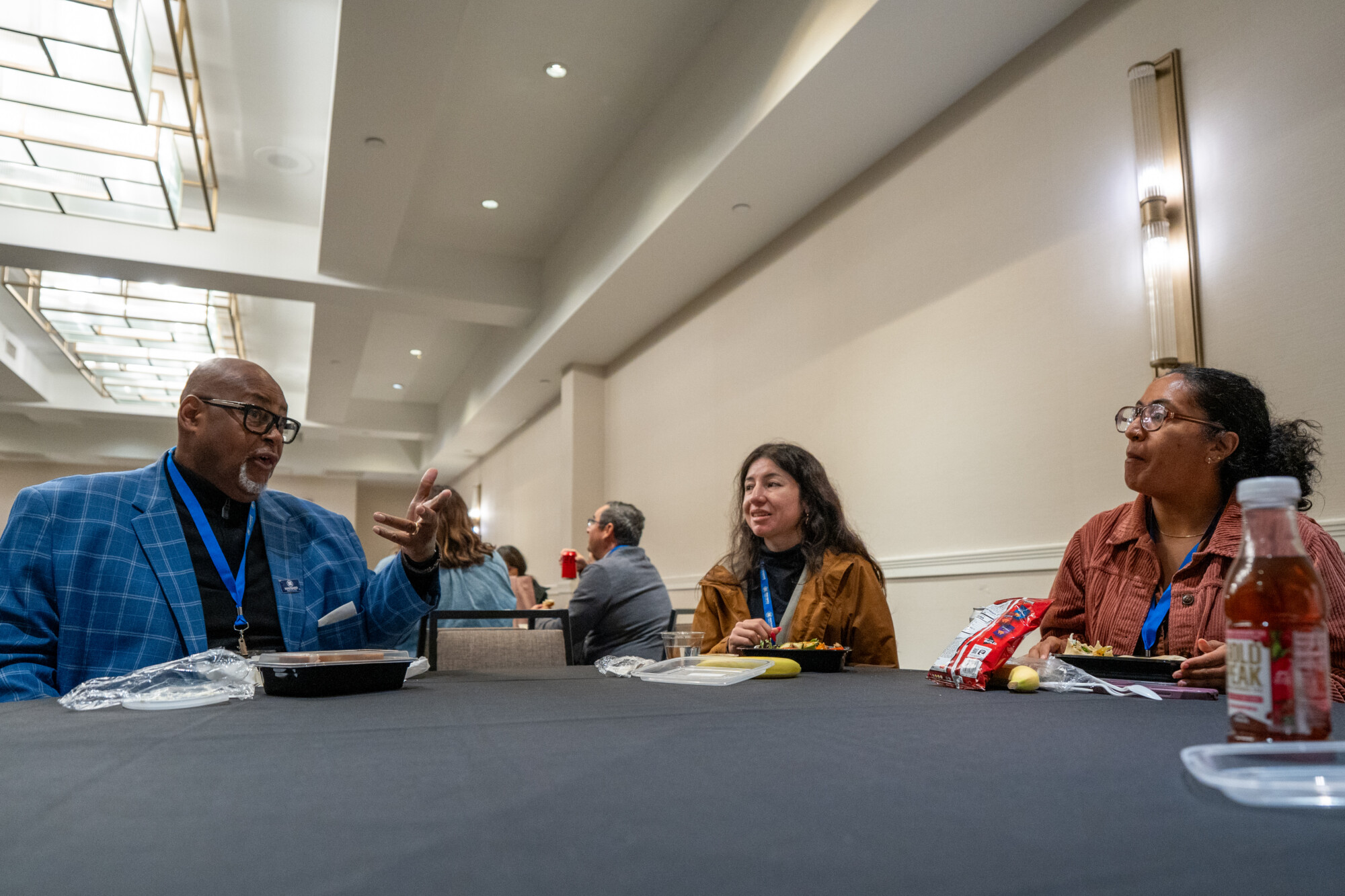
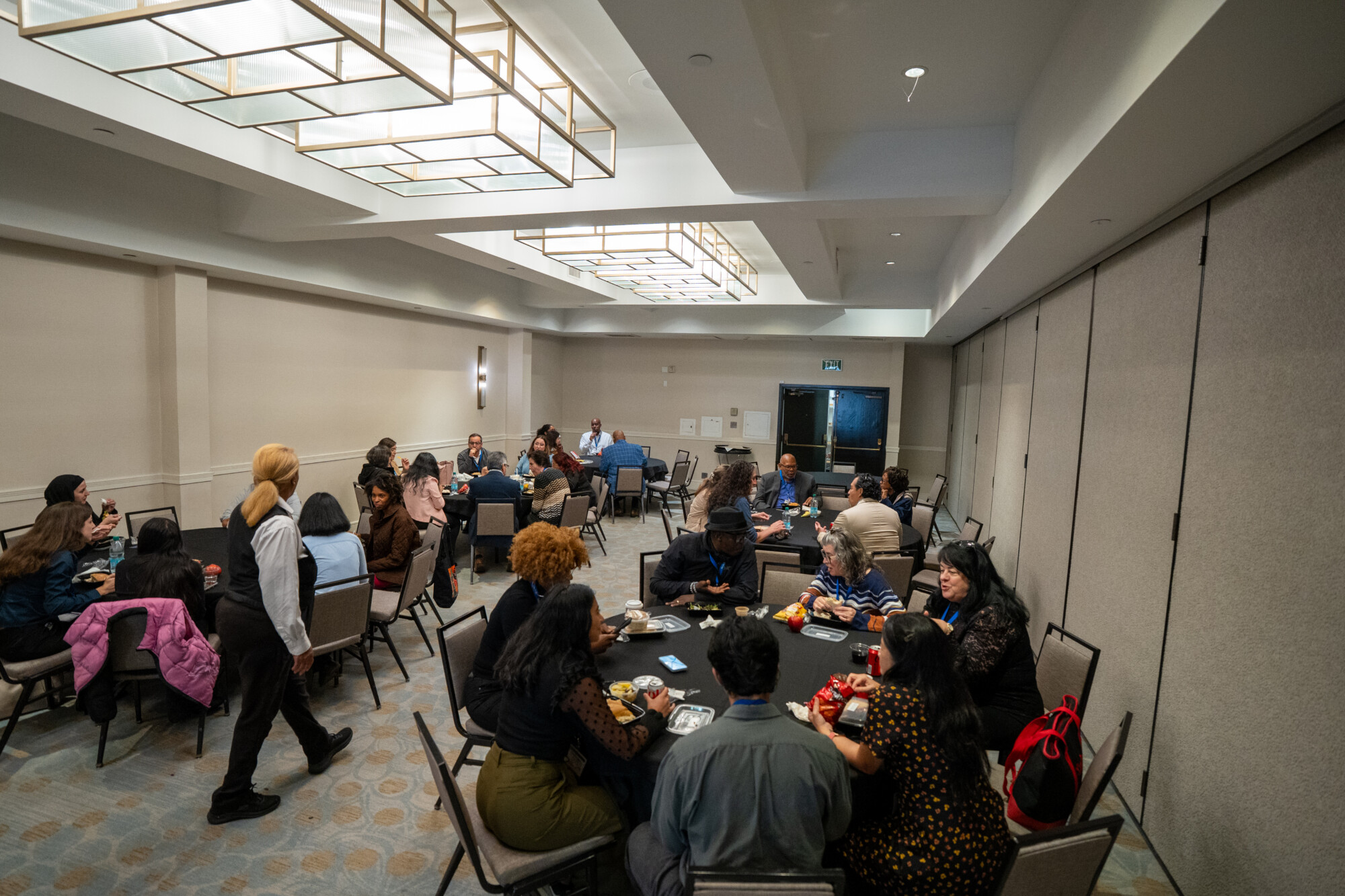
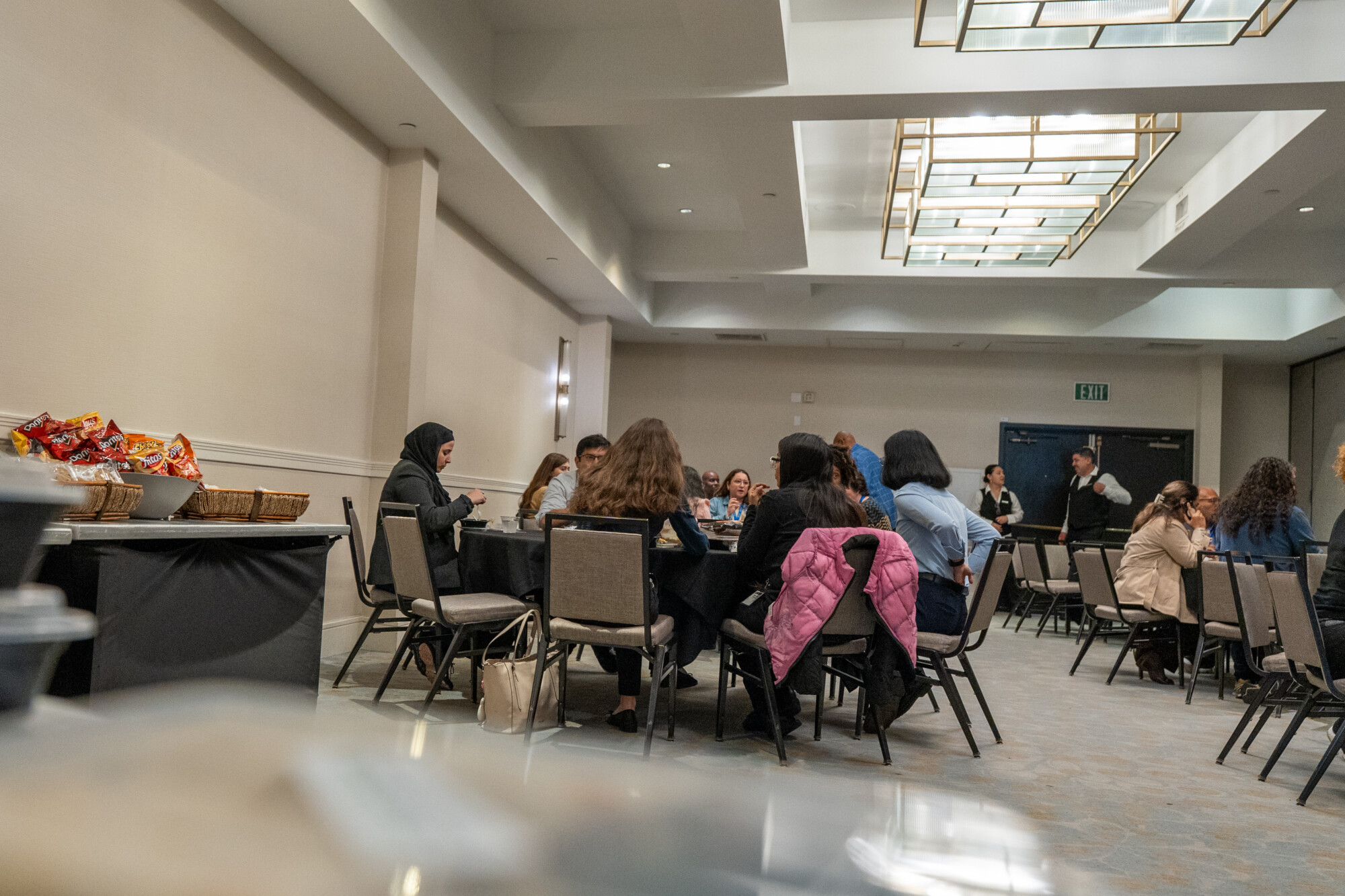
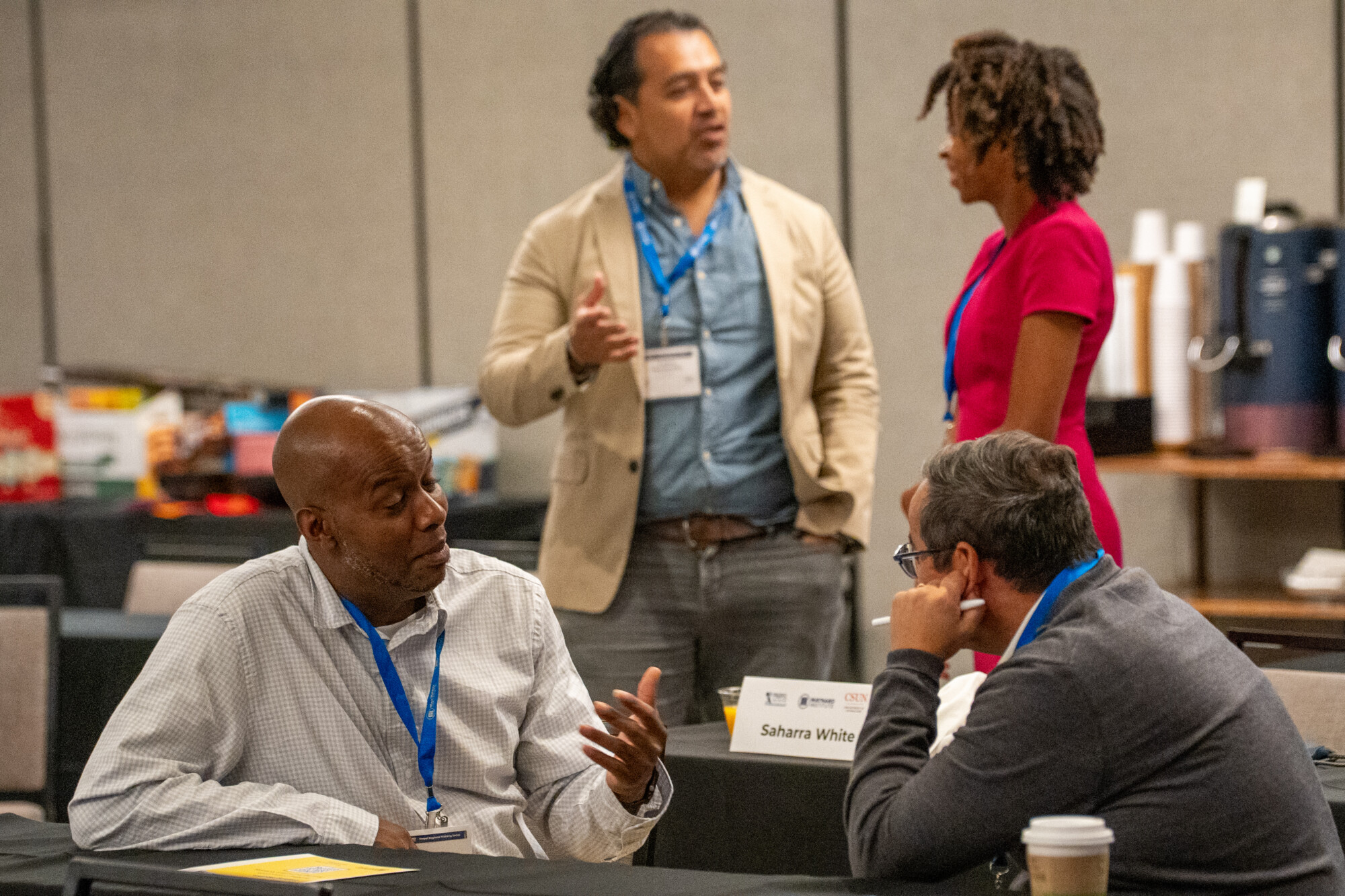
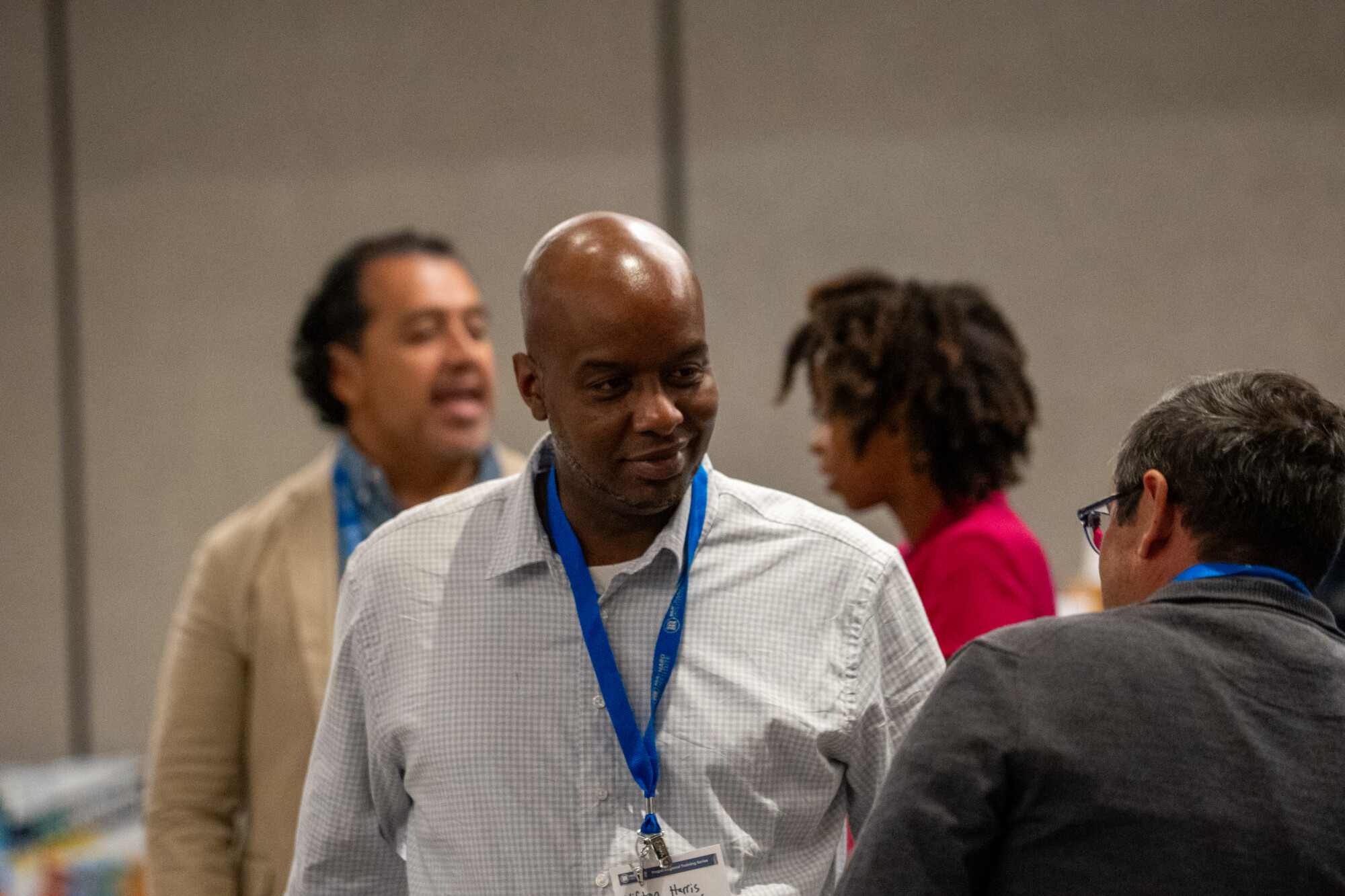
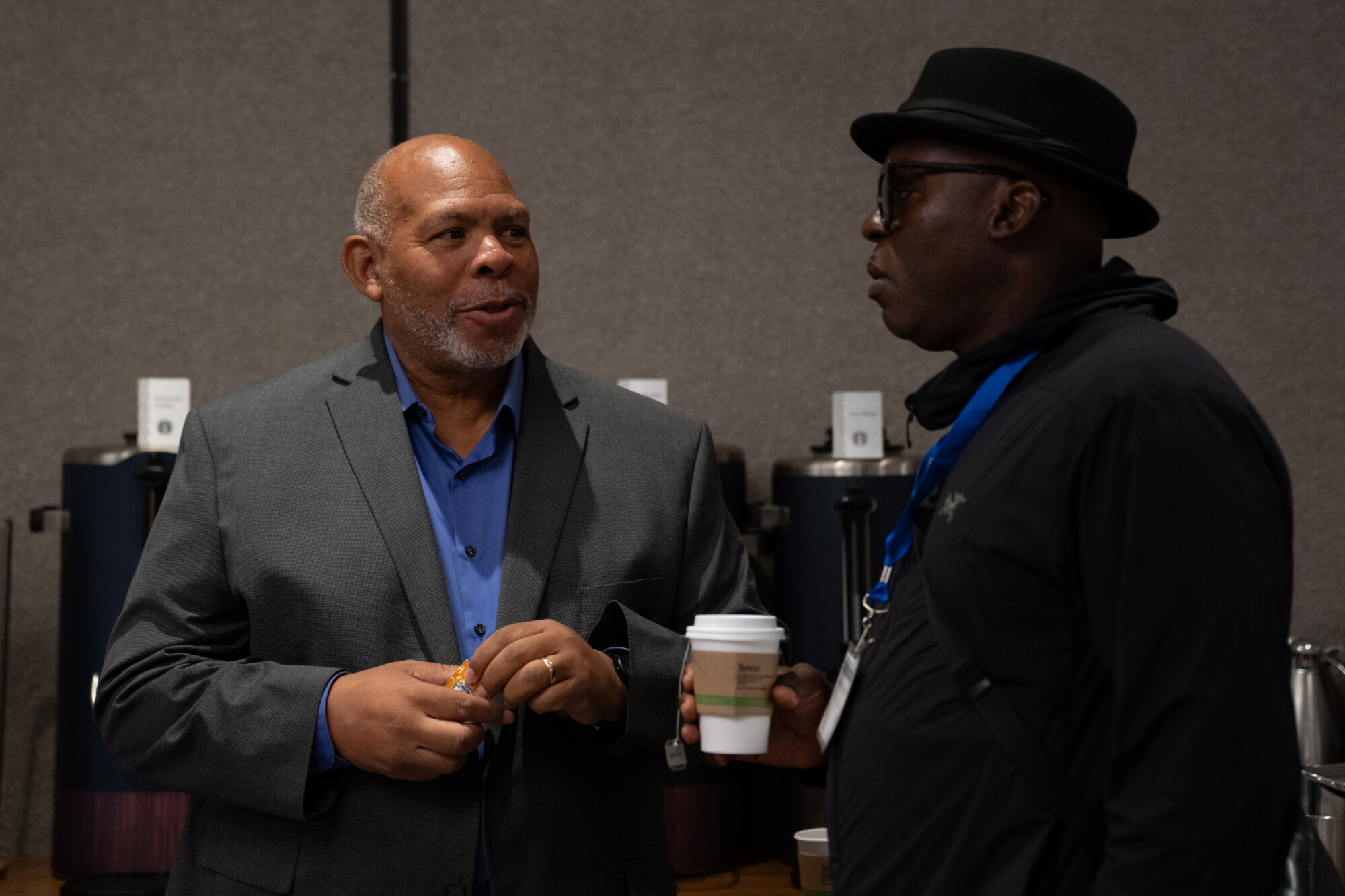
The list of talented giants in the room was long. While the training itself was impressive and instructional, it was the little moments in the liminal spaces waiting for the restroom, moving casually through the doorway on the way to lunch, that were most instructive, reinvigorating and deeply human.
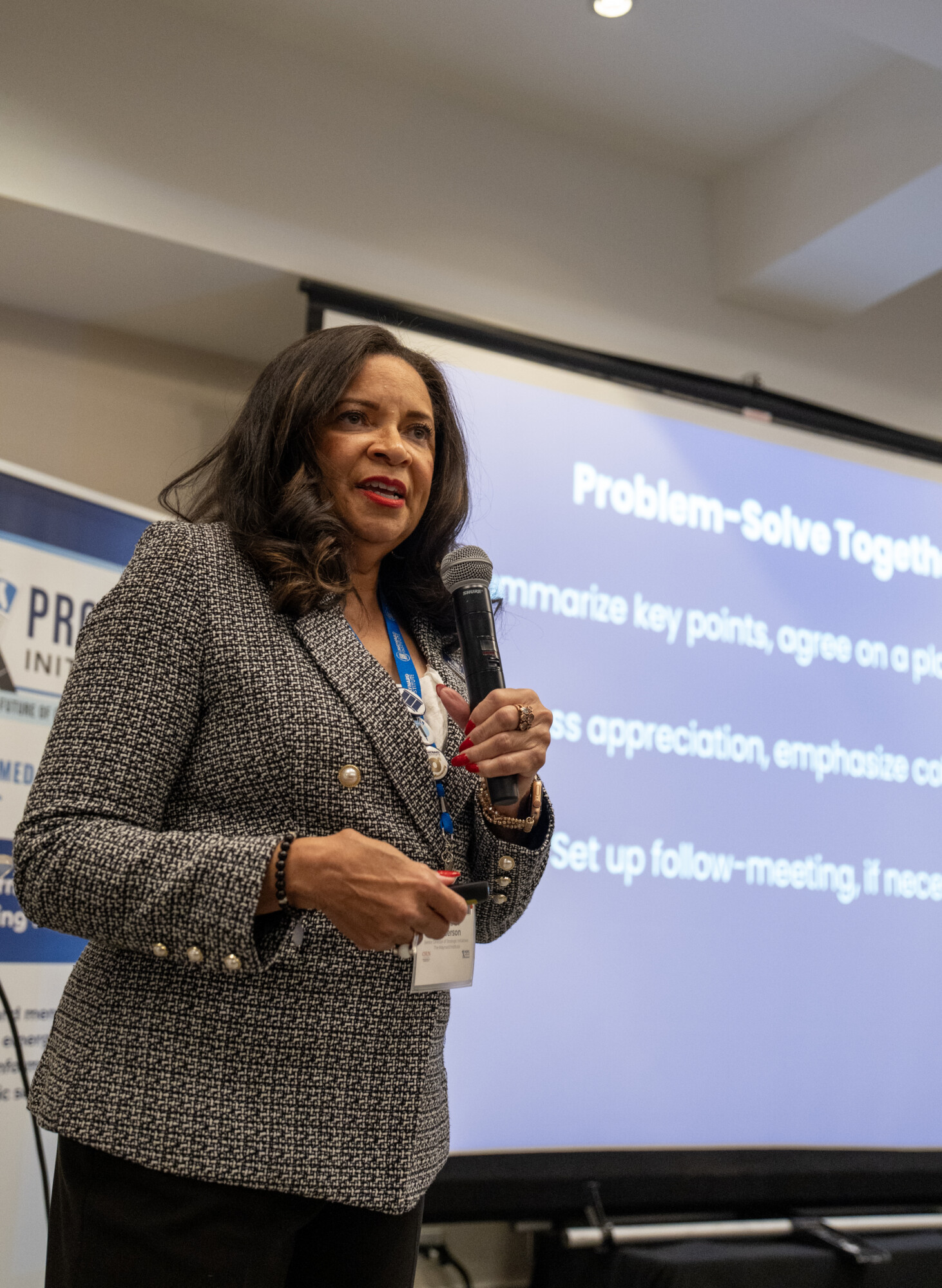
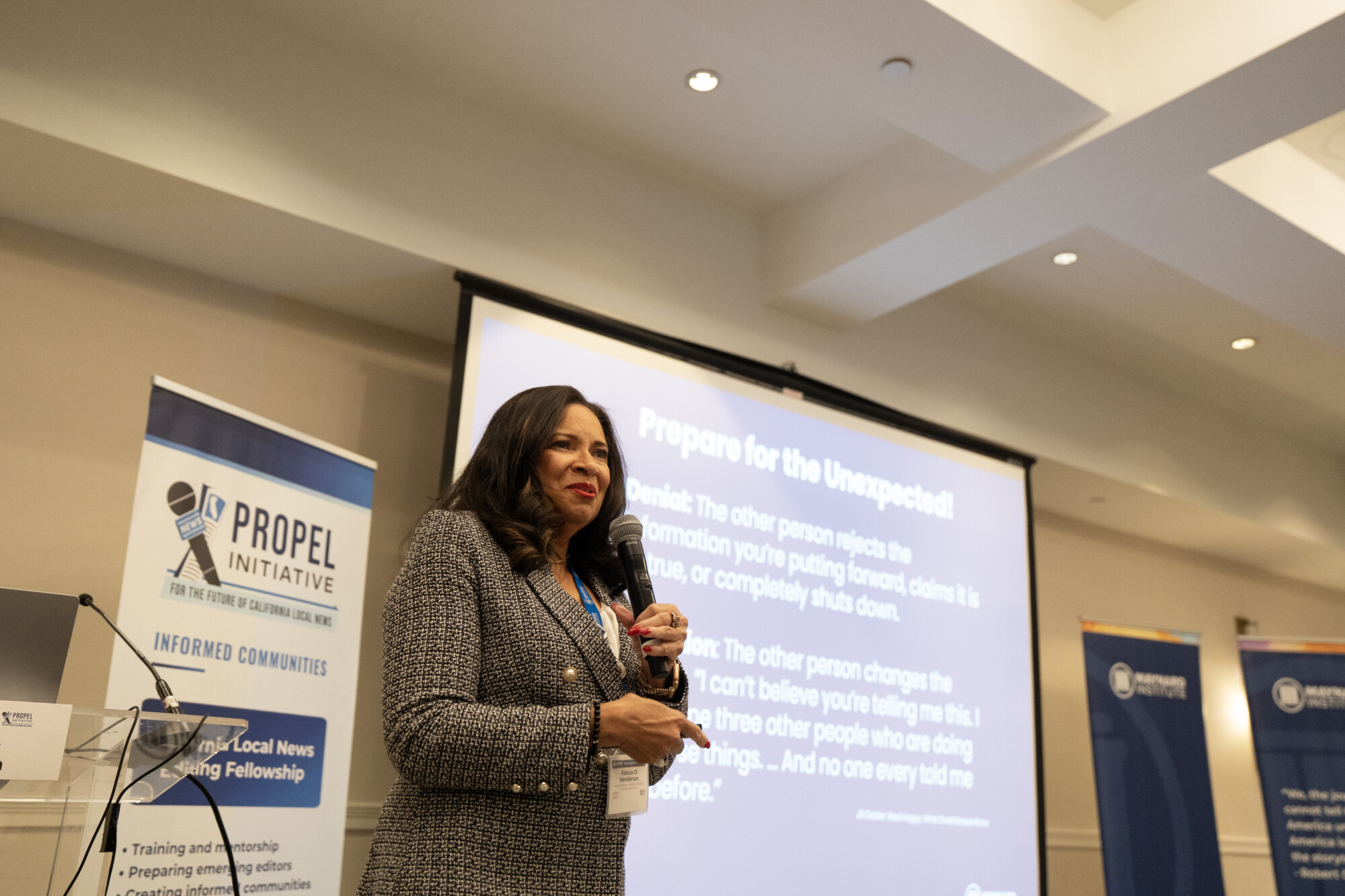
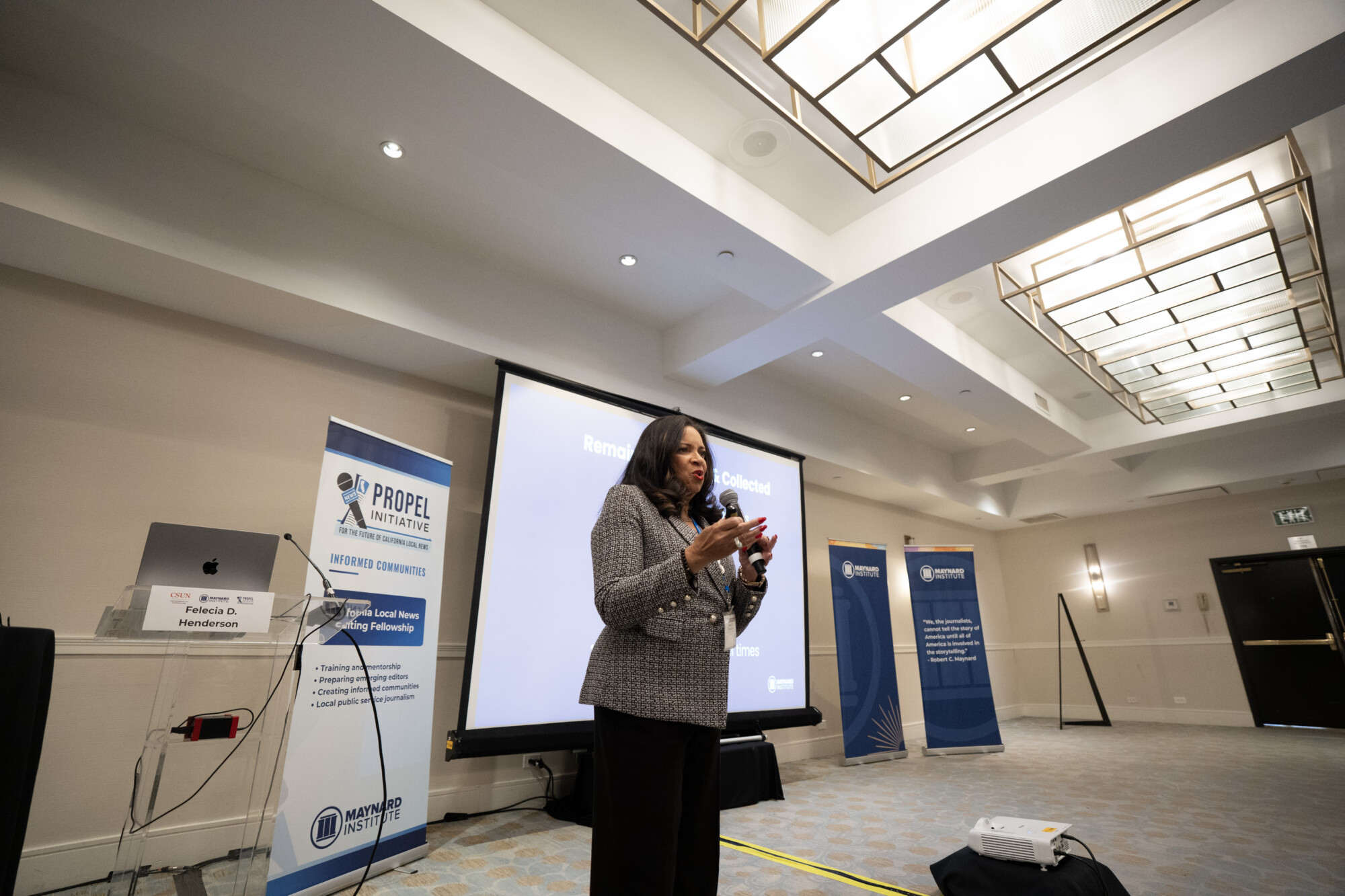
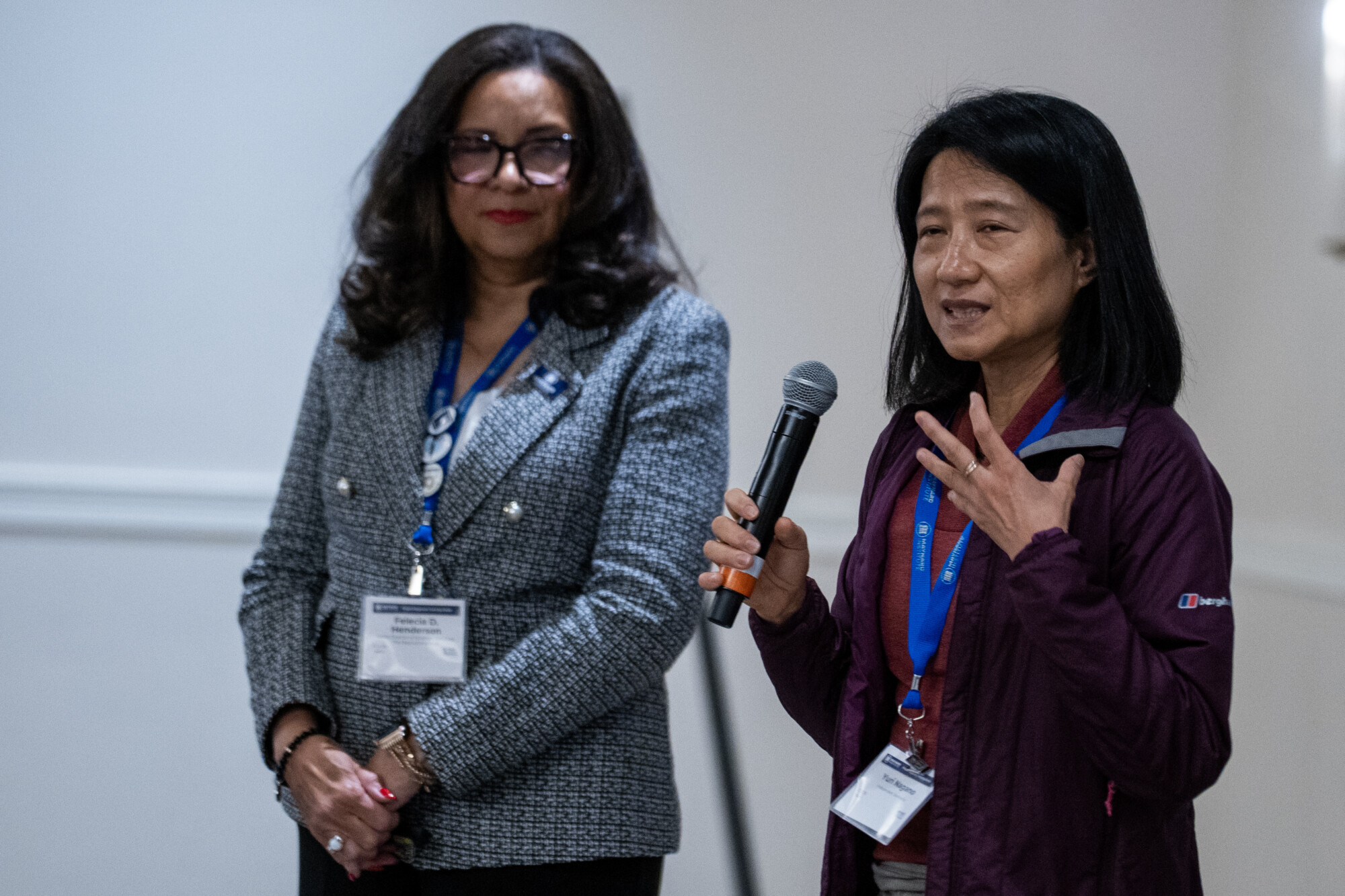
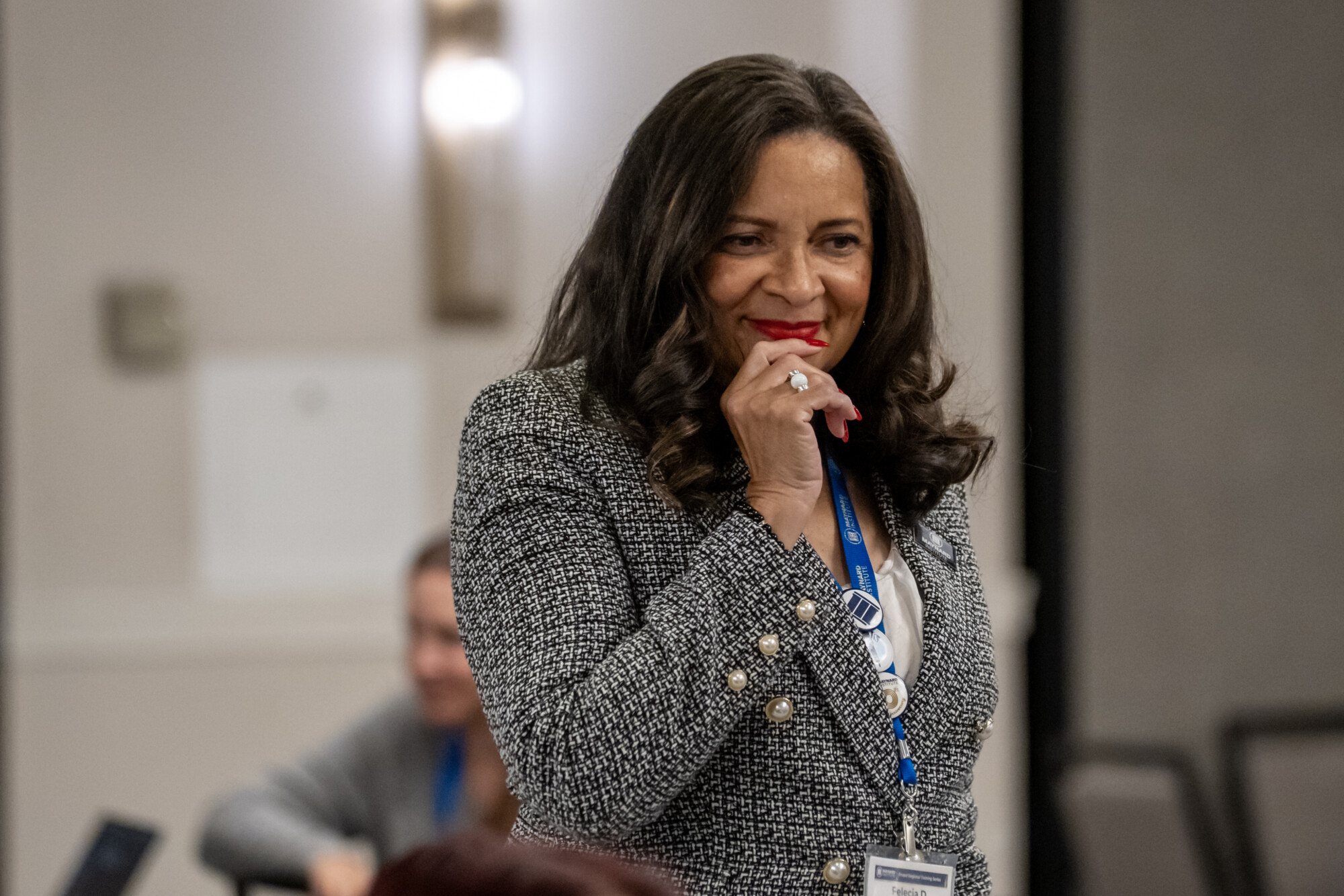
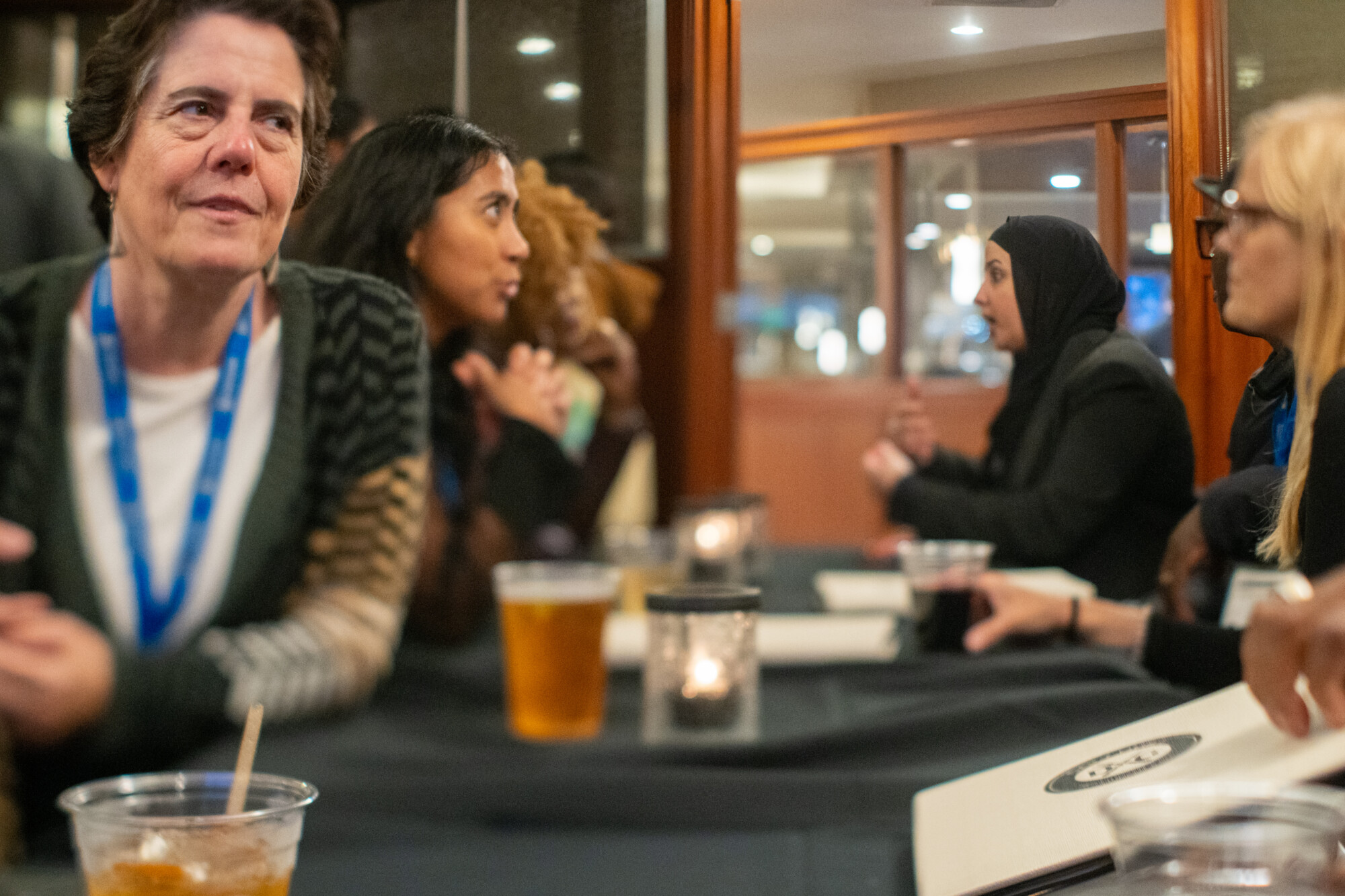
I had the pleasure of being late for dinner with Felecia D. Henderson, senior director of strategic initiatives at the Maynard Institute. I almost did not go, but thankfully Felecia was insistent. We were to meet at a local favorite for Mexican food and conversation, but I missed the turn. In the time we sought parking, we talked about industry, family, our visits to California and life, generally.
We arrived late, but I don’t think we missed out on the conversation.
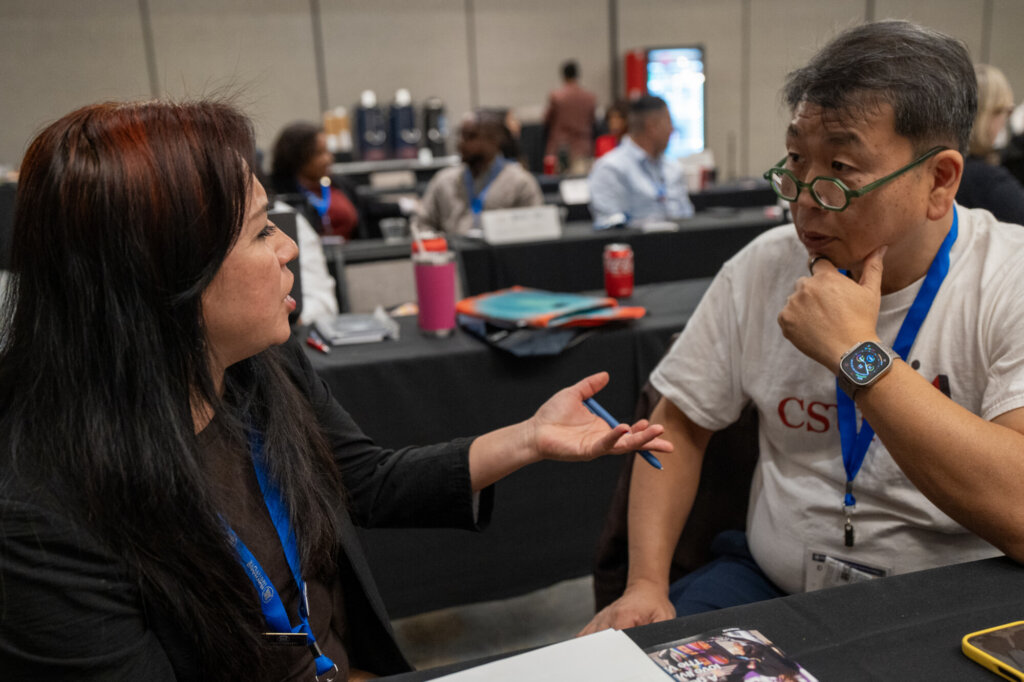
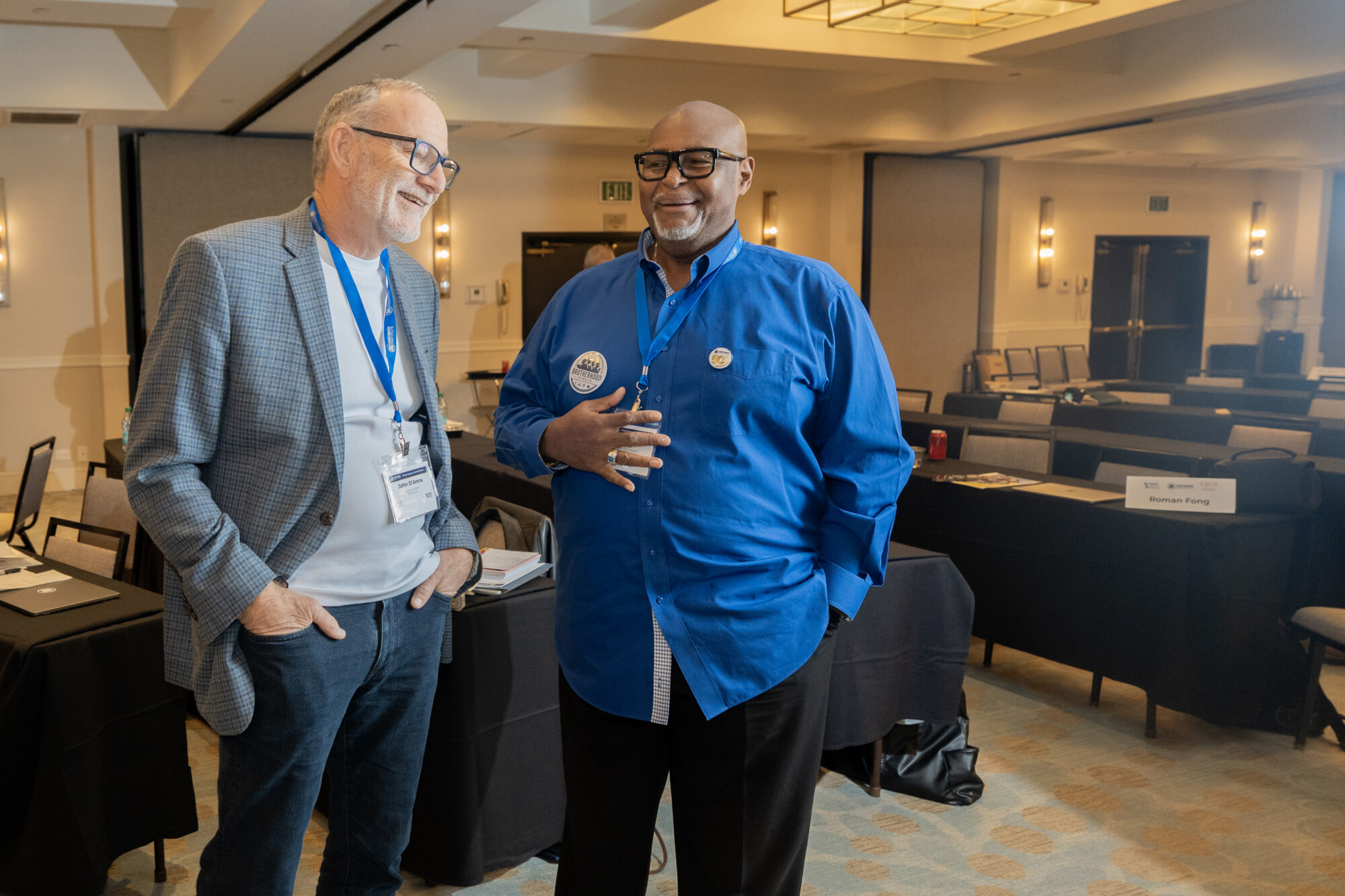
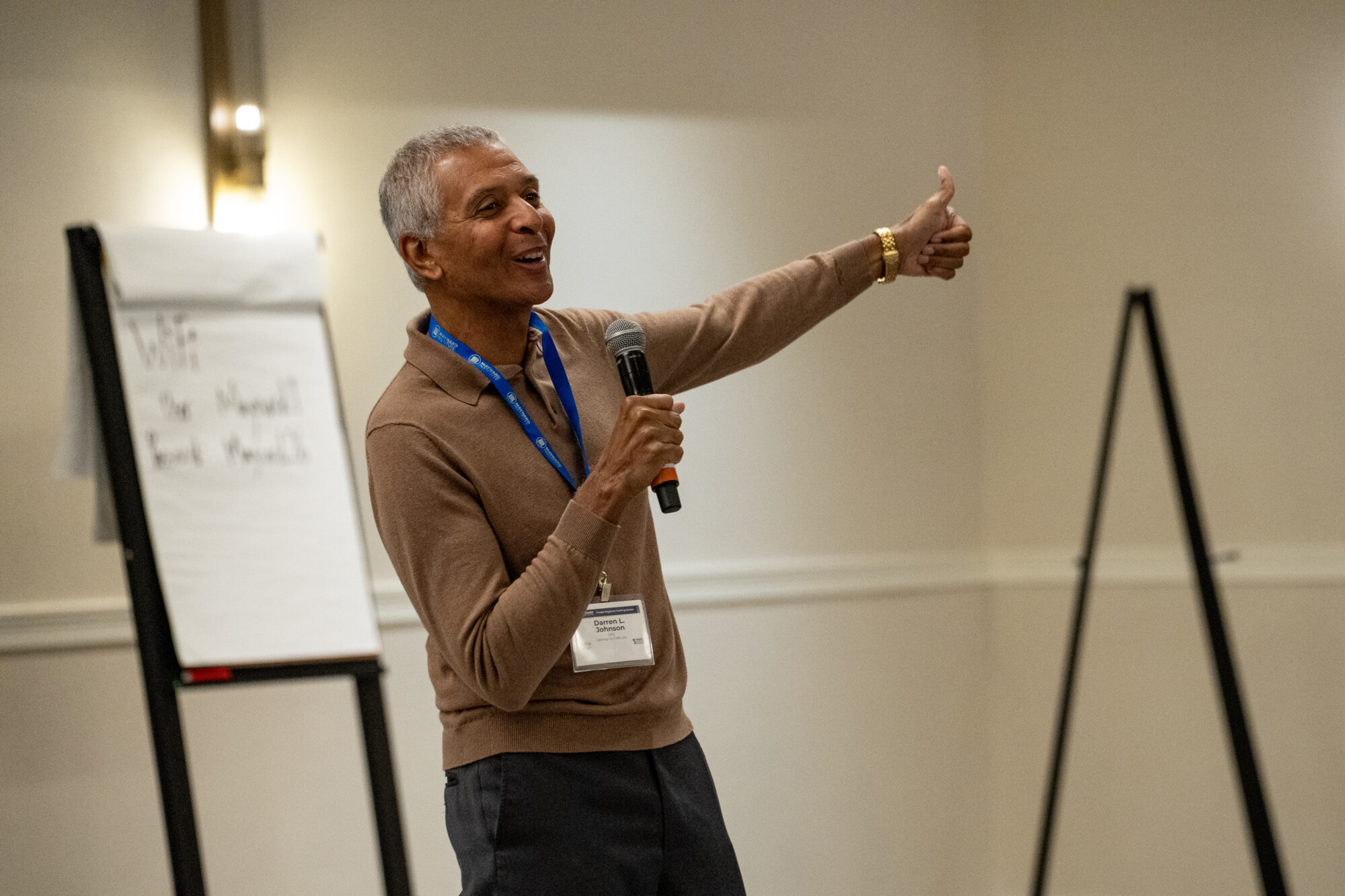
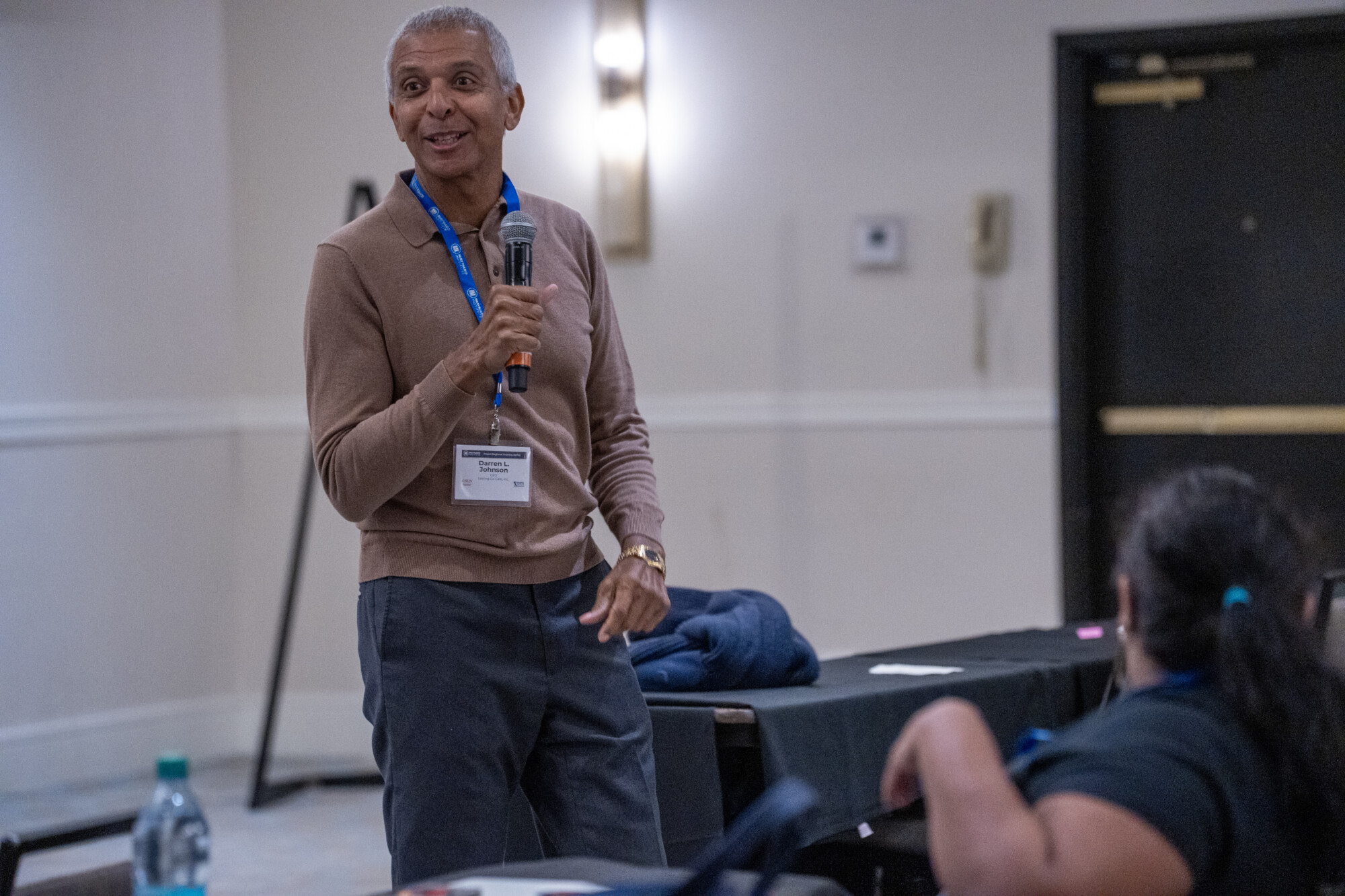
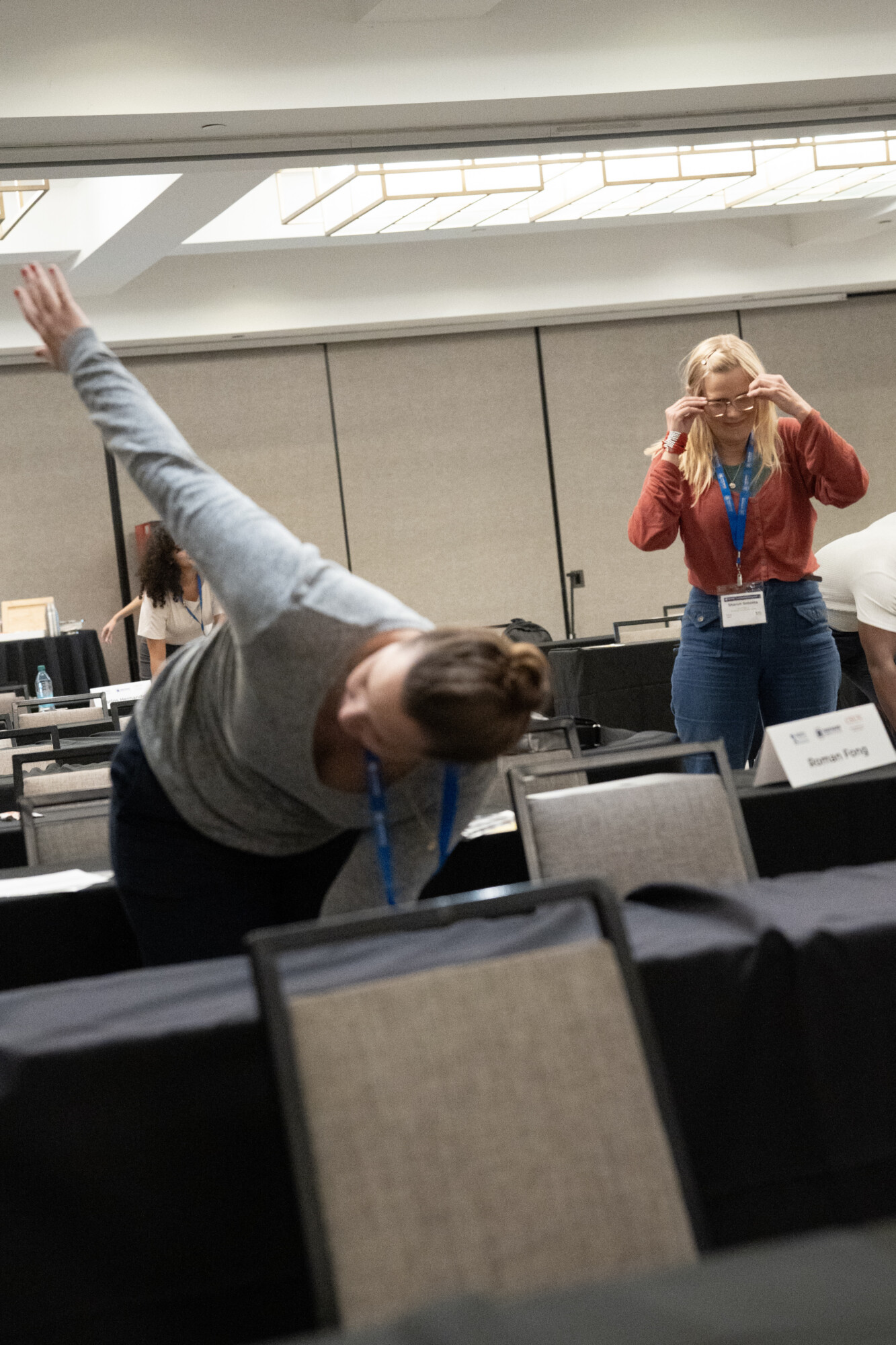
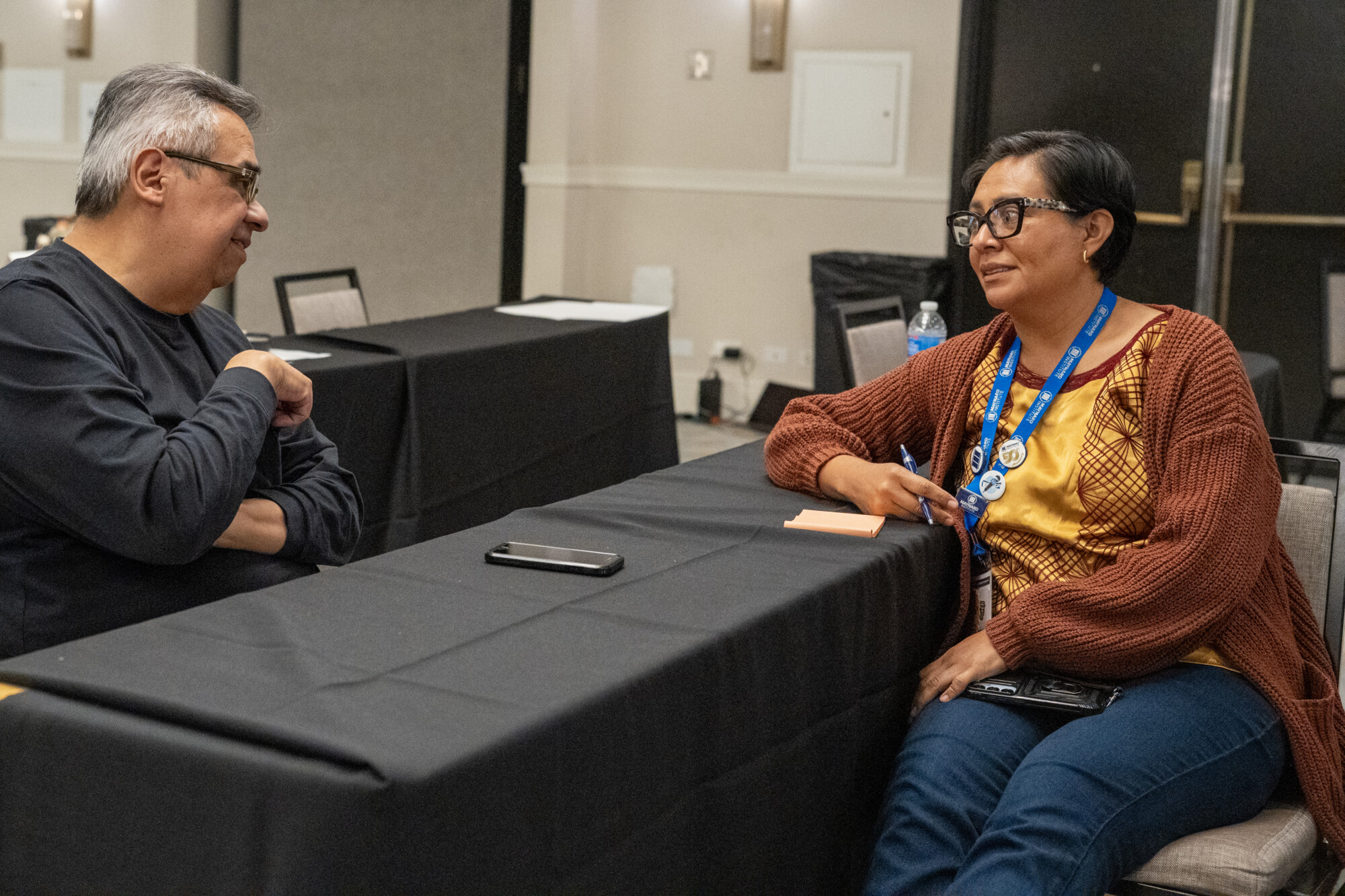
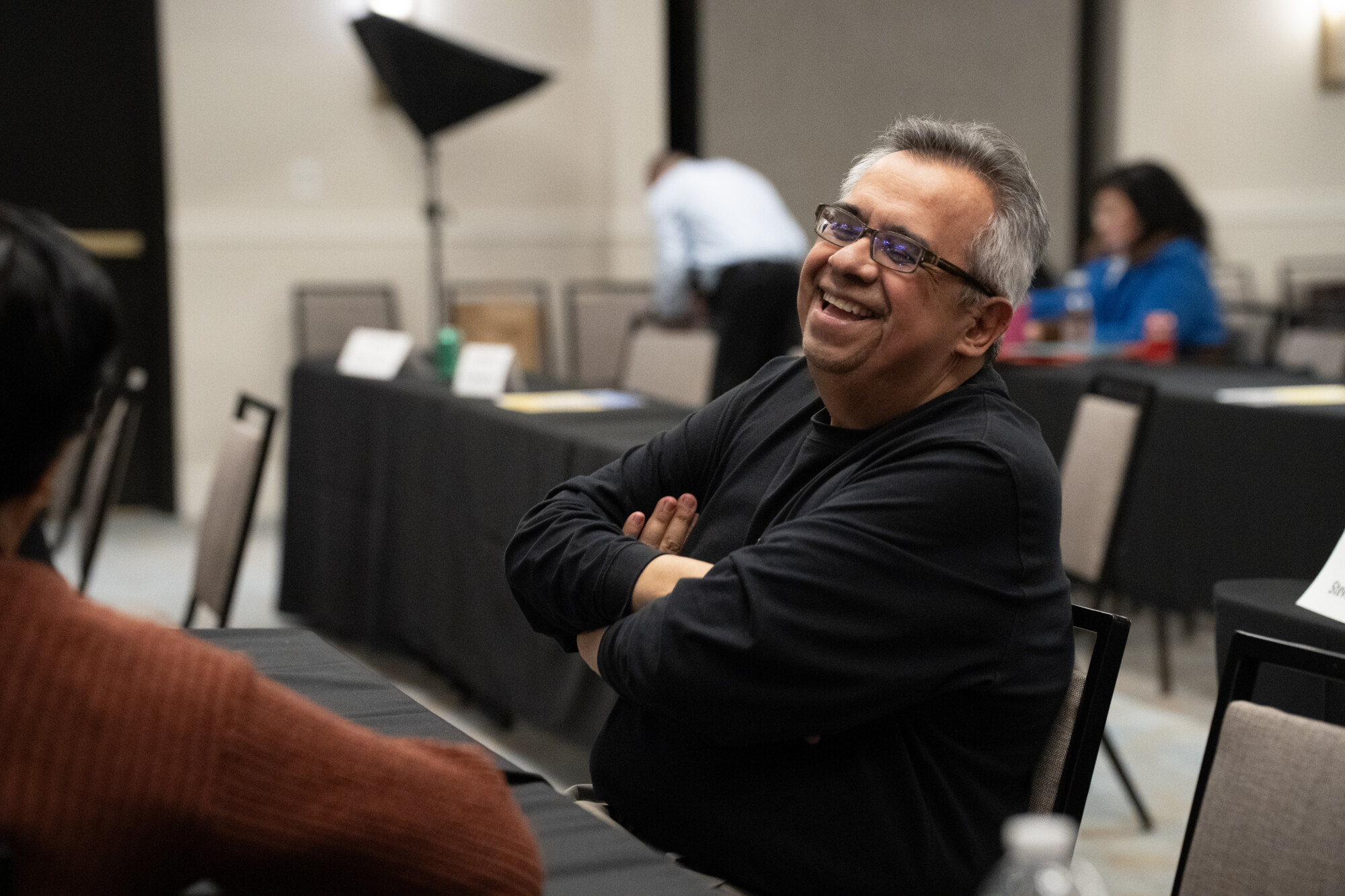
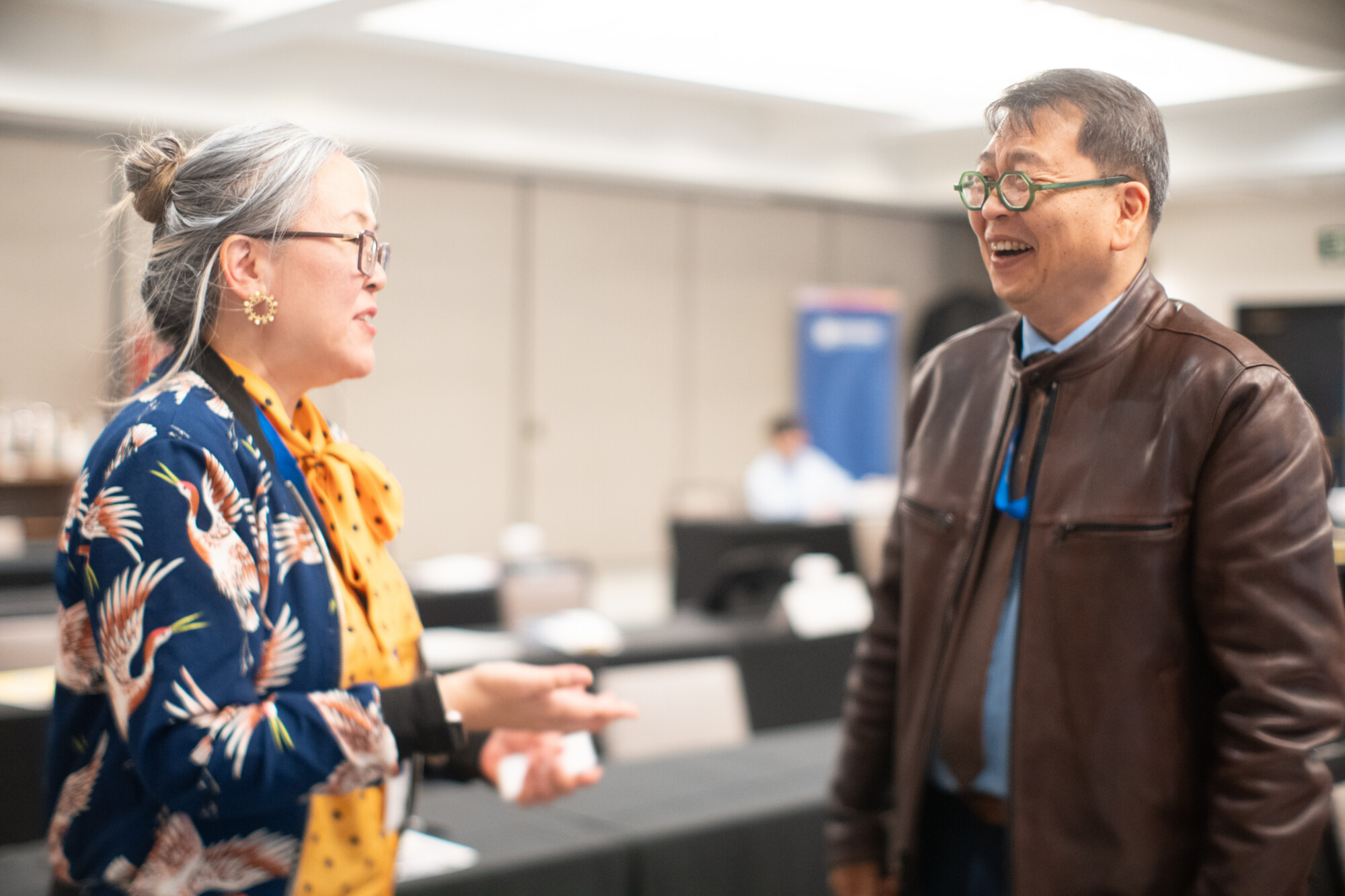
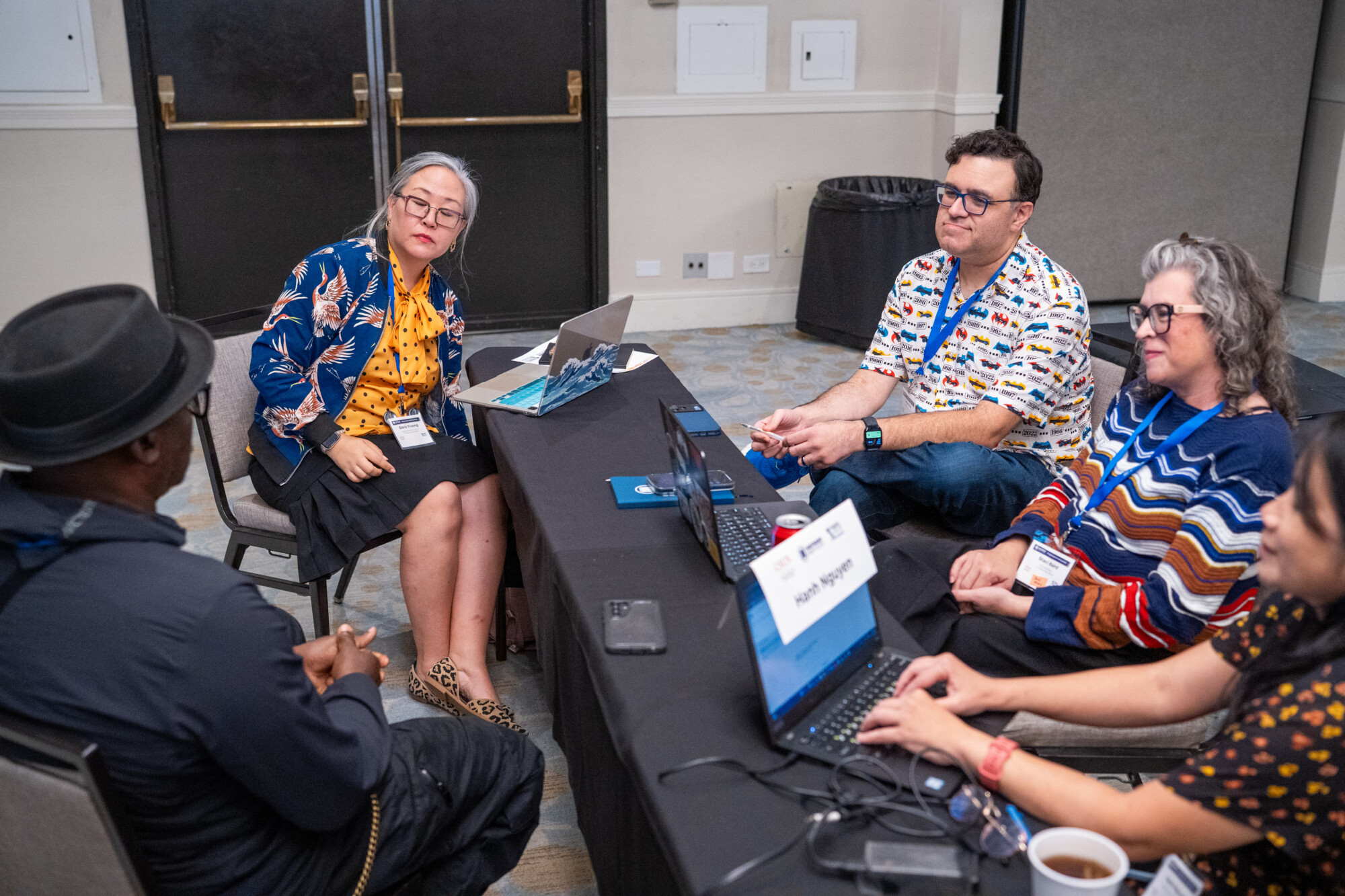
As latecomers, we sat at what we called the VIP table, a small addendum to the longer table that held most of the party. With us sat Phillip Zonkel, a founder and the editor-in-chief of Q Voice News, based in Long Beach. We talked about the state of the race in Los Angeles and data collection in minority communities. My table with Felecia and Phillip was one of my favorite parts of being there. So was my conversation about martial arts with John D’Anna, managing editor of CalMatters; my talk about Chi Gong with Darren L. Johnson, CEO of Letting Go Café; or laughing at my need for reading glasses with Staci Baird, a one-woman show at La Verne Daily News. They were a small sample of the people I talked to and hope to talk to again soon.
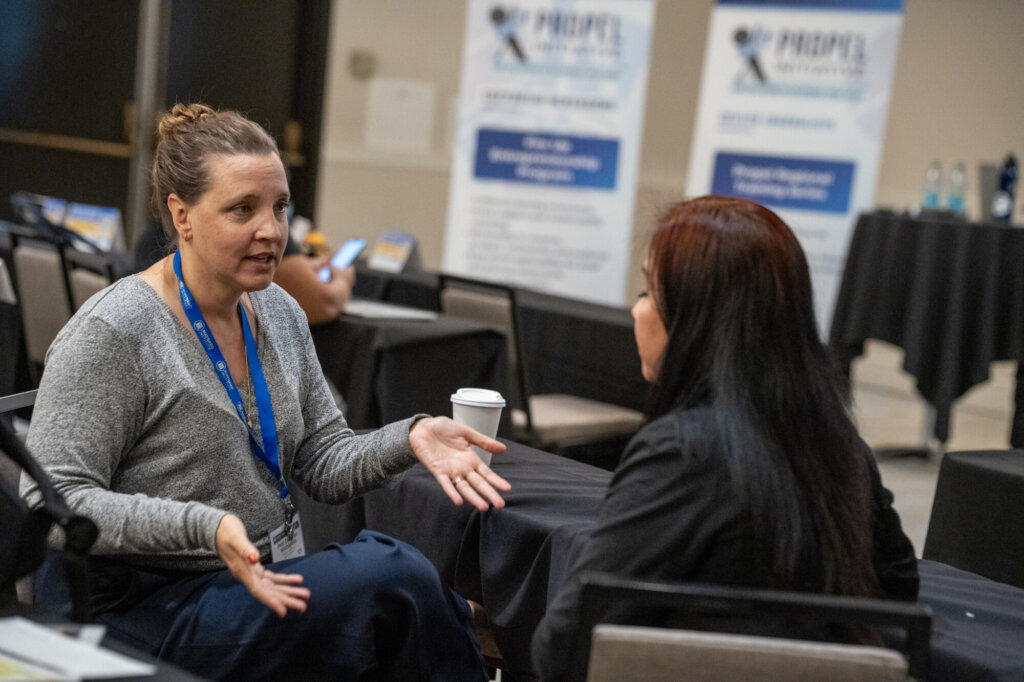
The Propel Regional Training Series for Editors and Managers taught me about the behind-the-scenes of working as an editor, how to see my work through an editor’s eyes and how better to police my own writing. The training also showed me that people in this industry care deeply about people. They did want to hear from the likes of me because many of them were me at one time.
Beginners in a room of impressive people are looking for space, hoping someone with experience will share that prized welcome to the table.
Maynard facilitated that.
Solomon O. Smith is a freelance photojournalist and nontraditional student at California State University, Northridge studying political science and journalism. He also is a veteran of the Army National Guard with deployment history in Kuwait and Iraq.
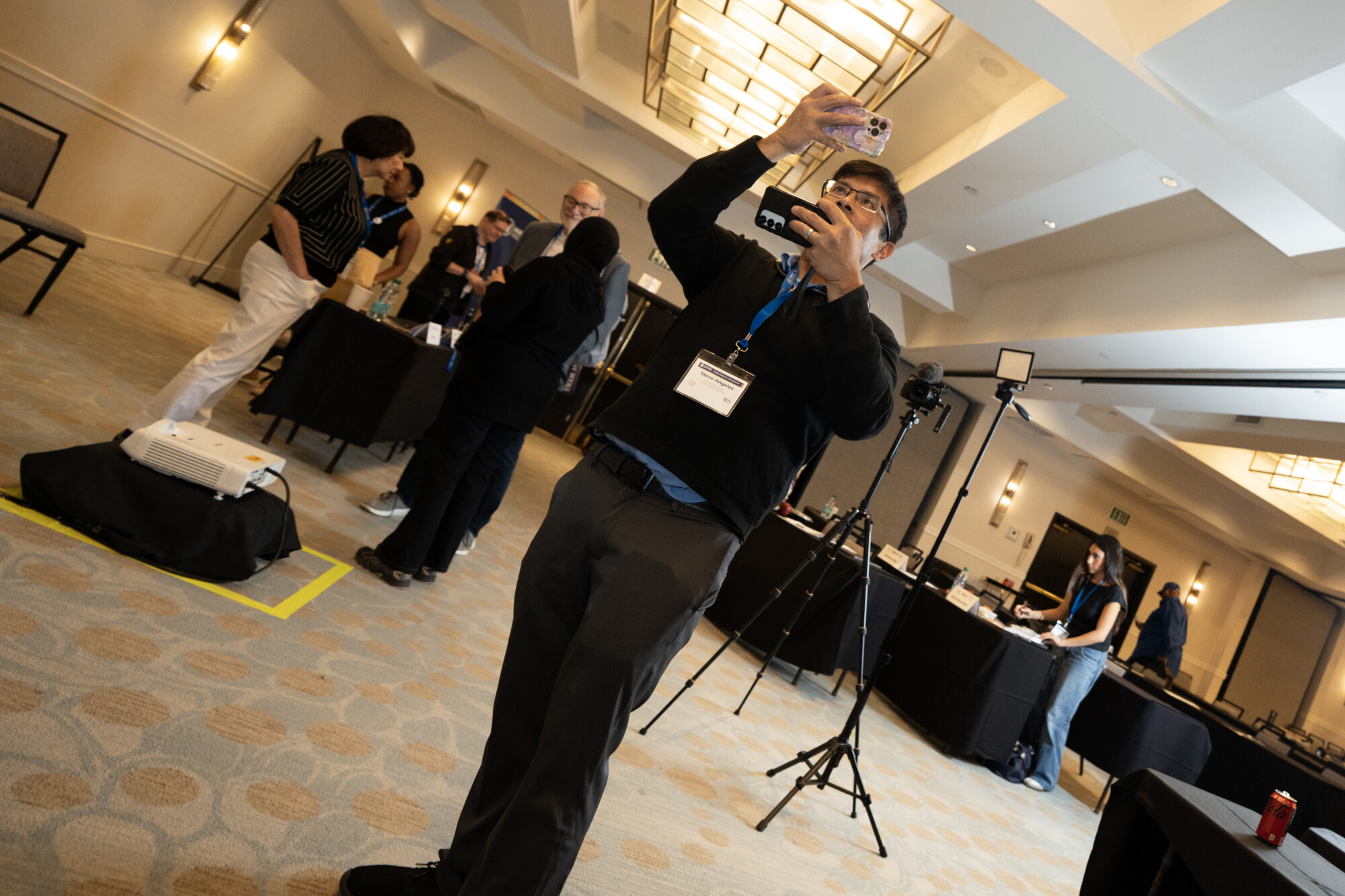
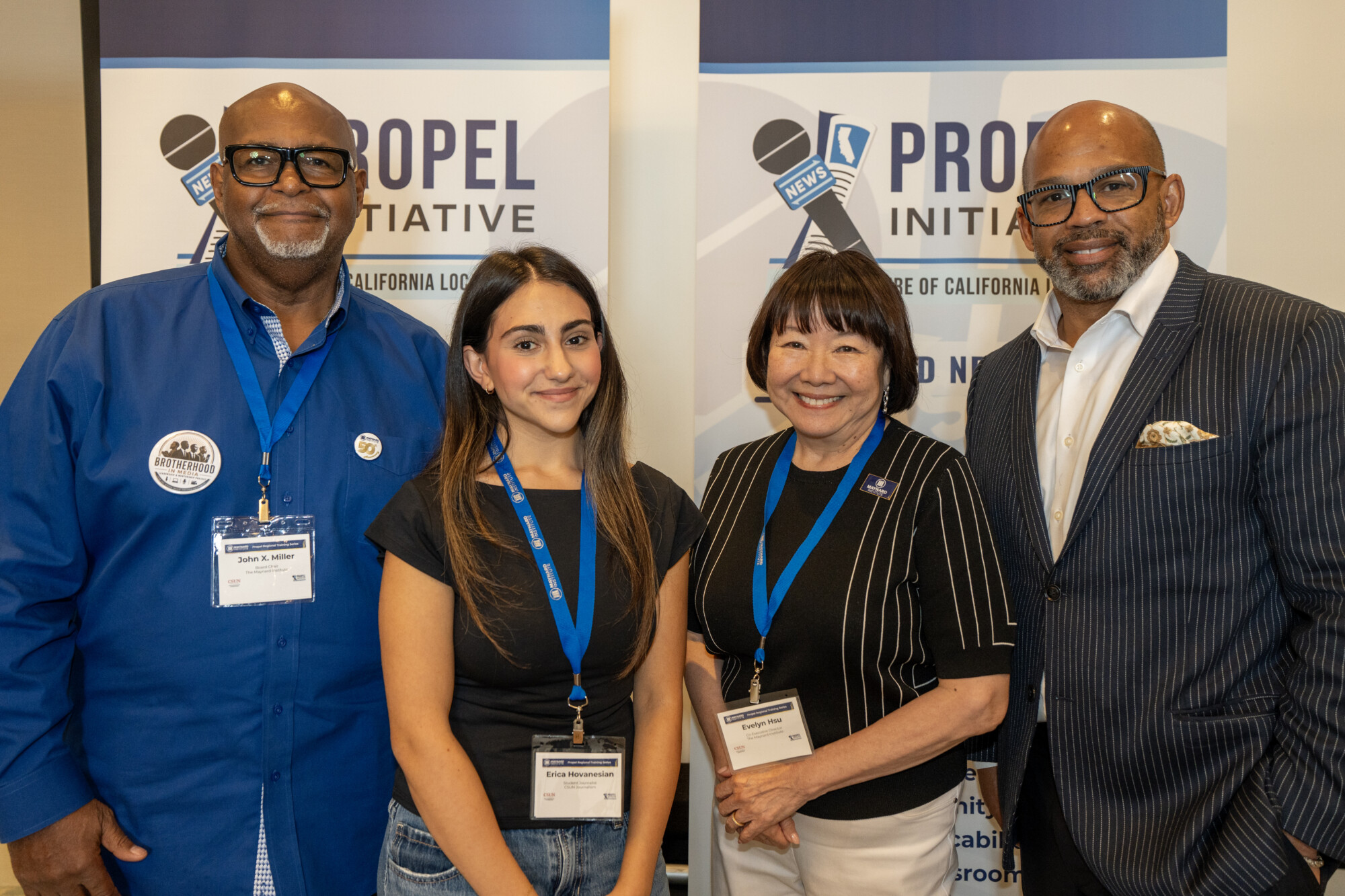
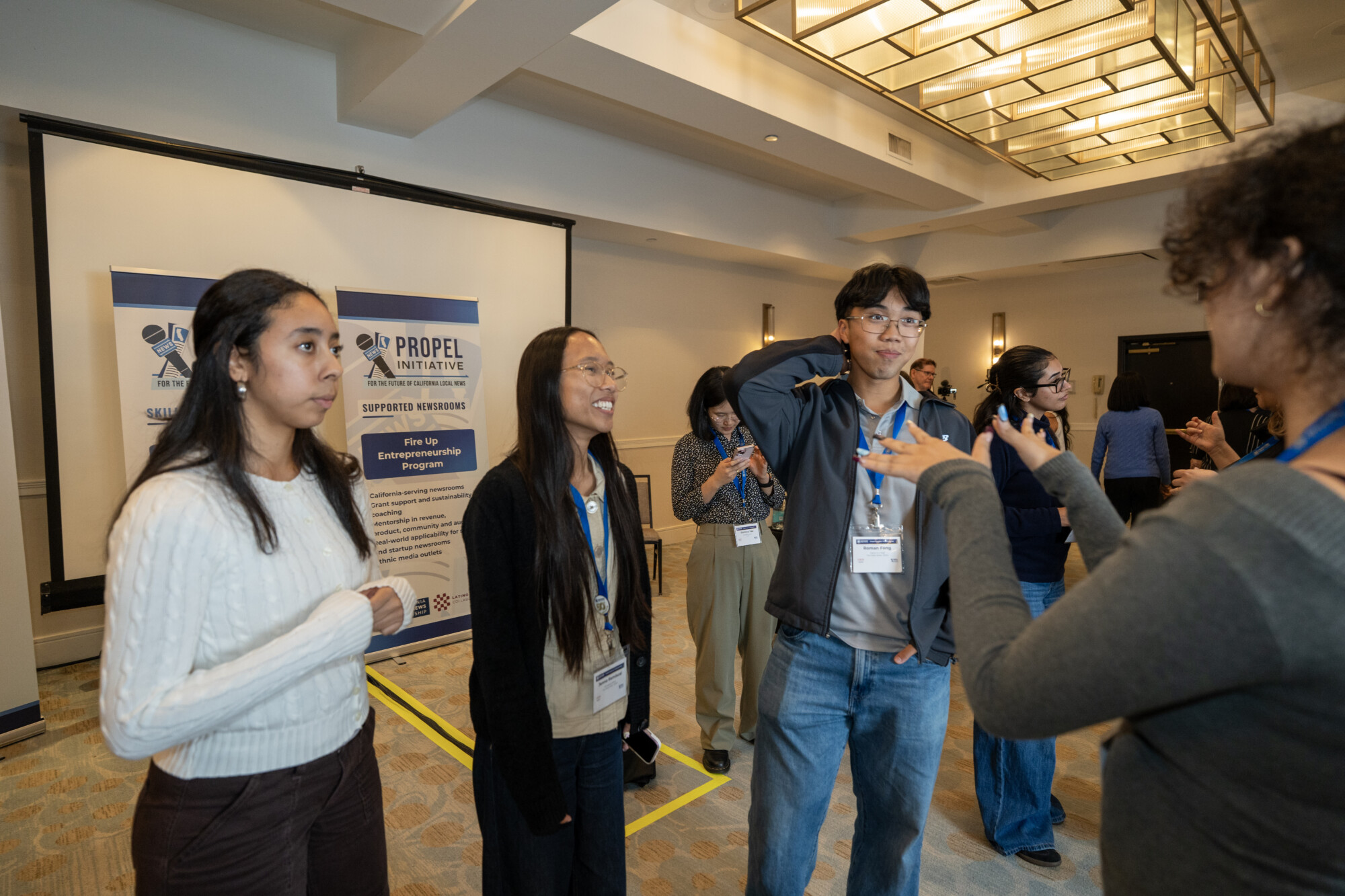
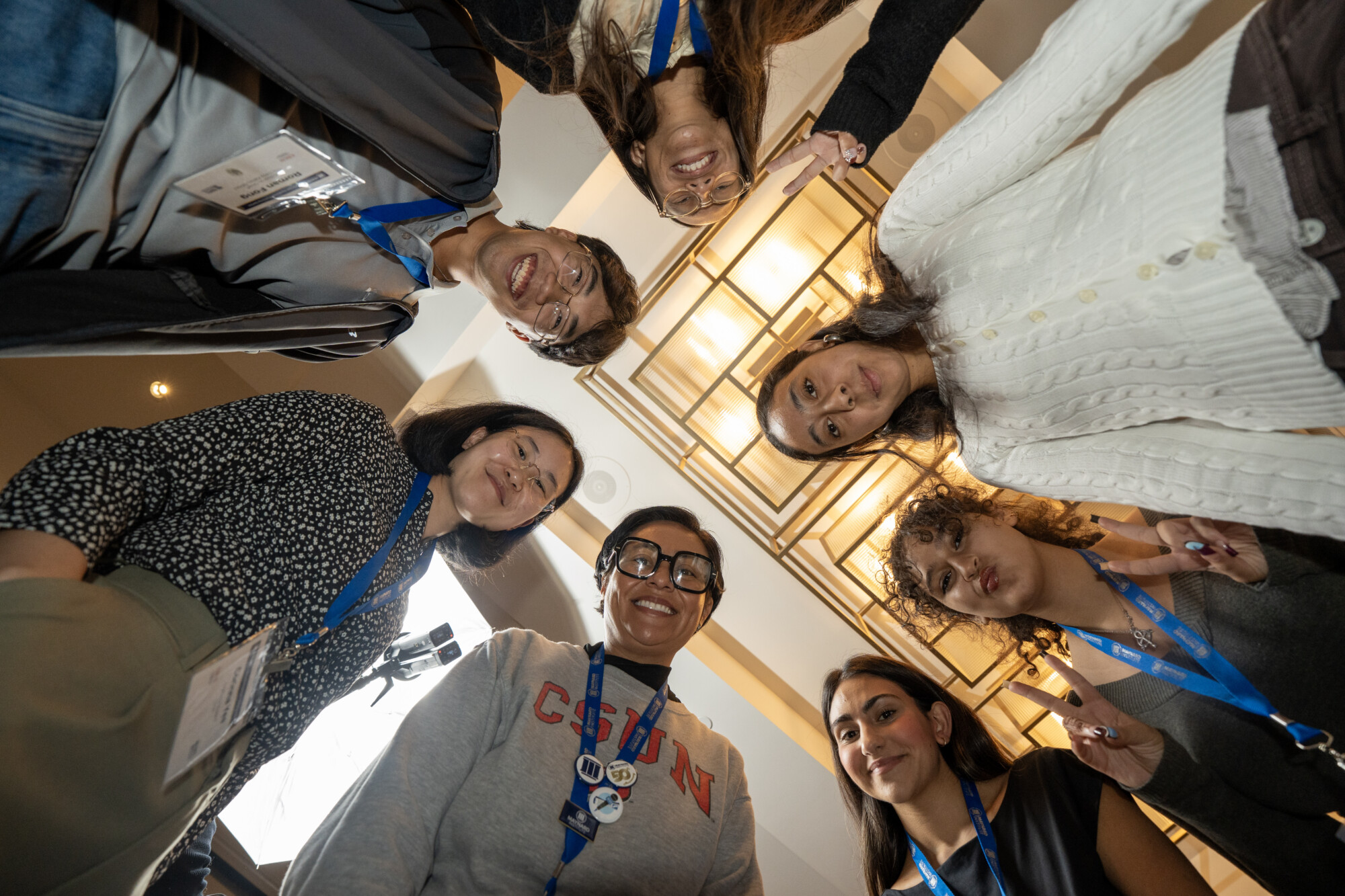
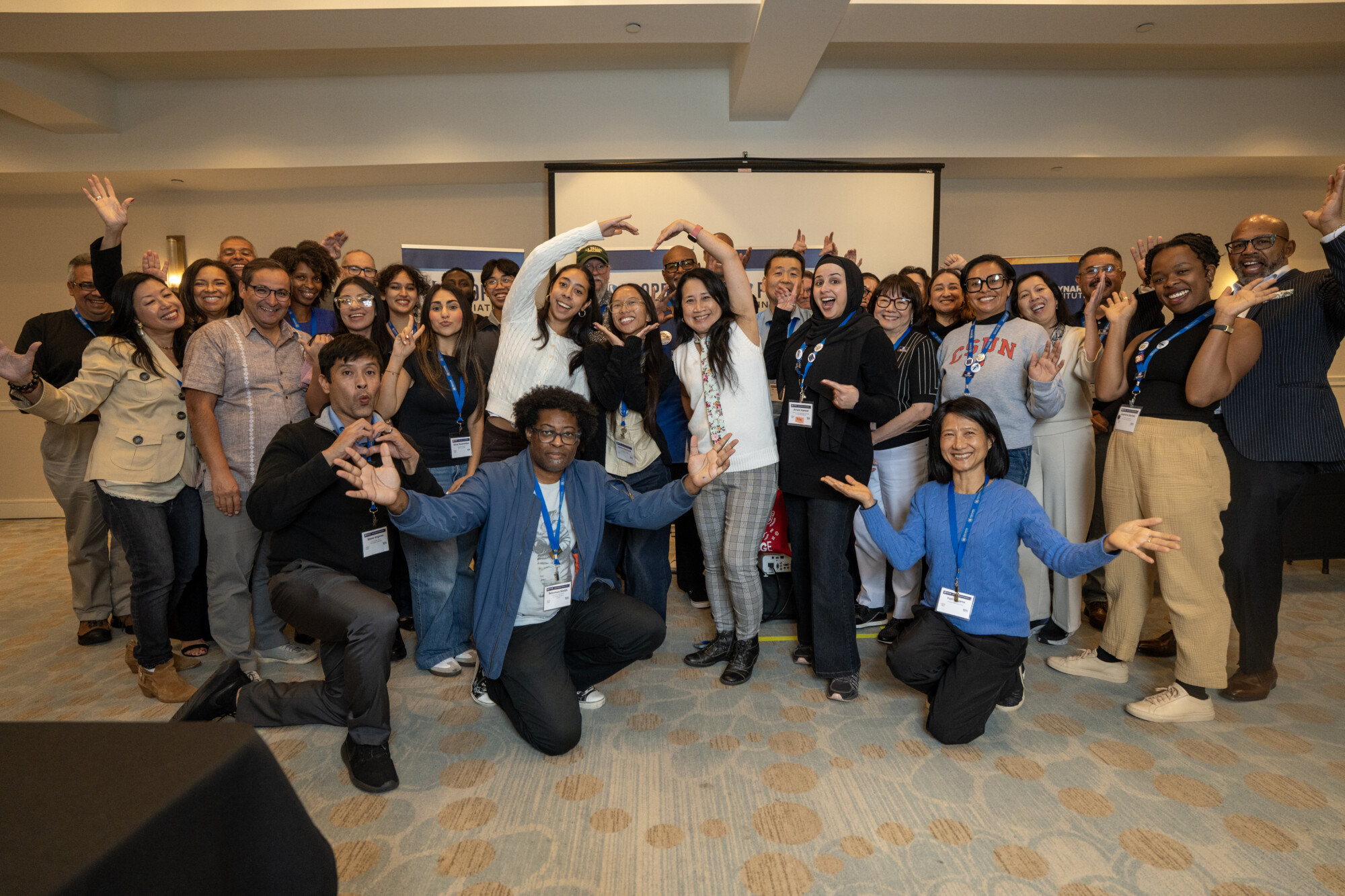
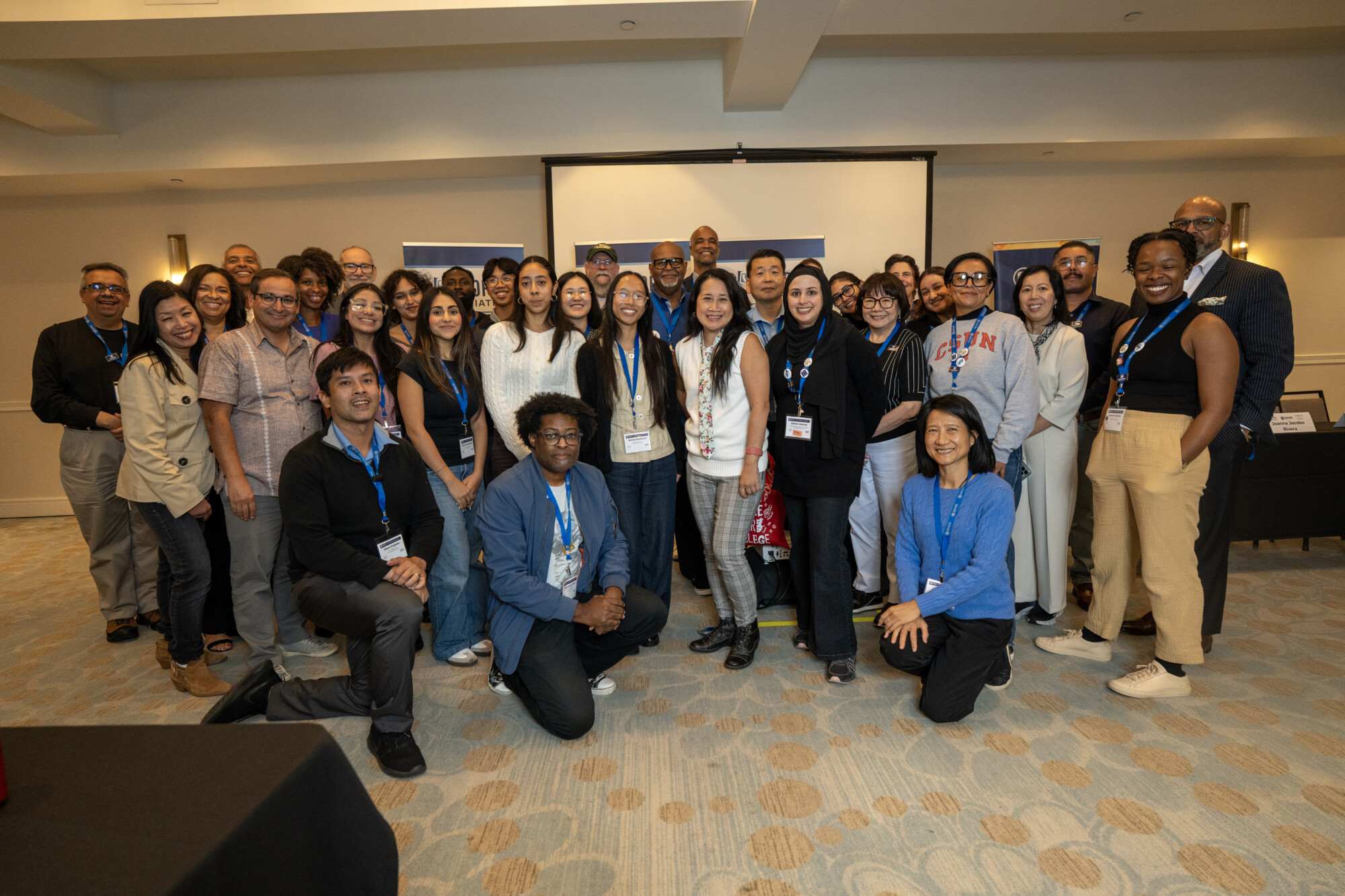
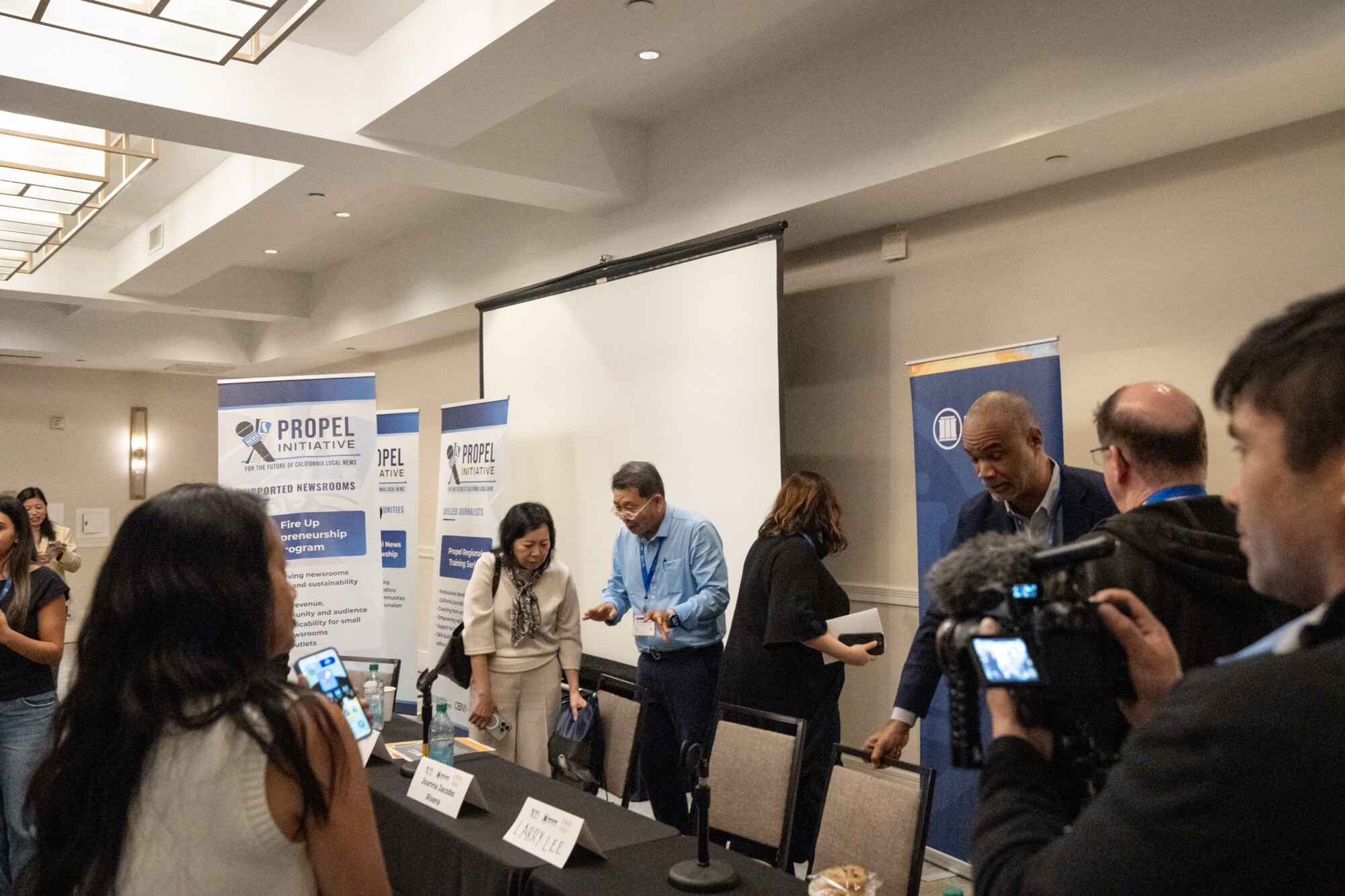
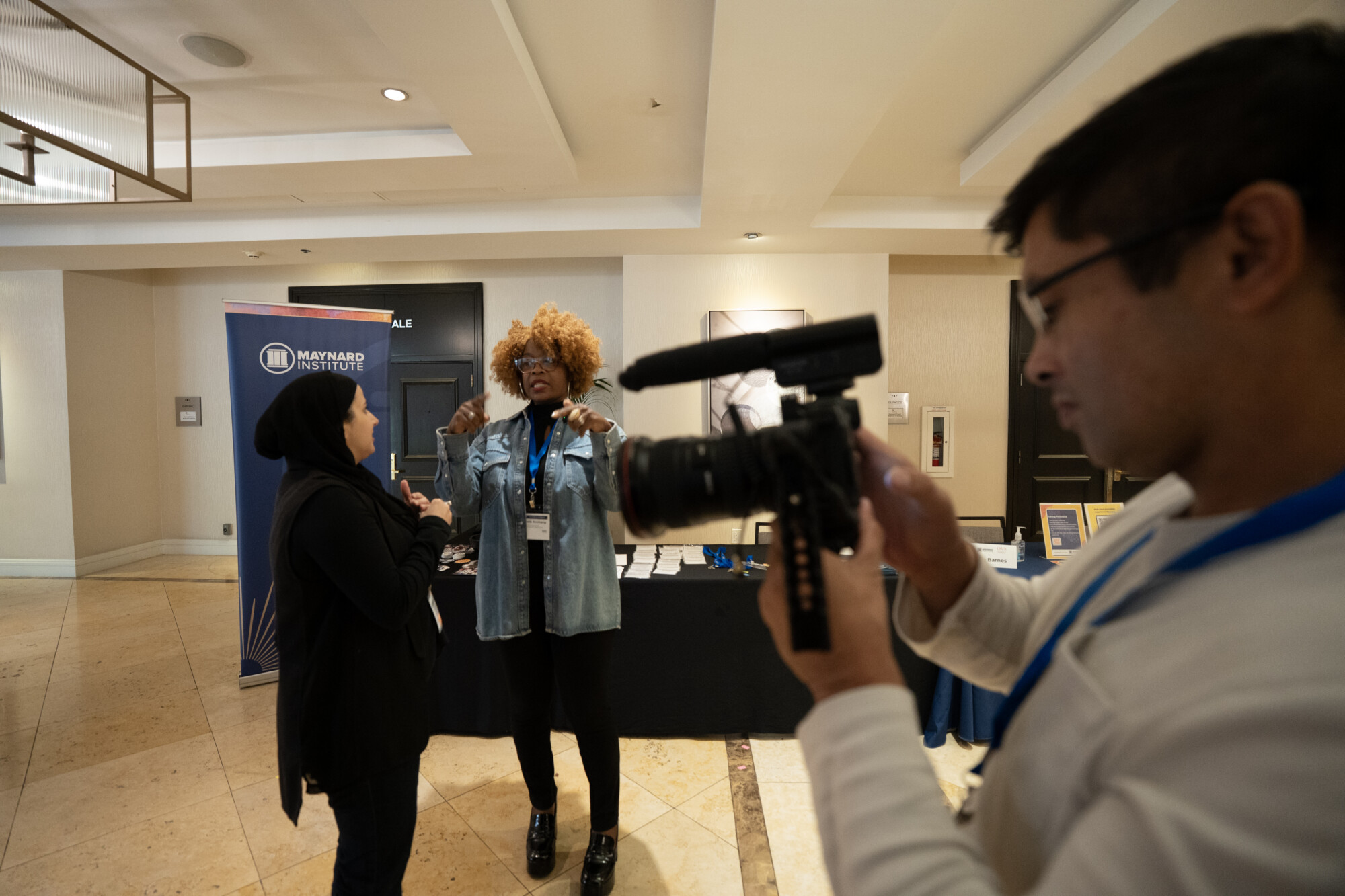
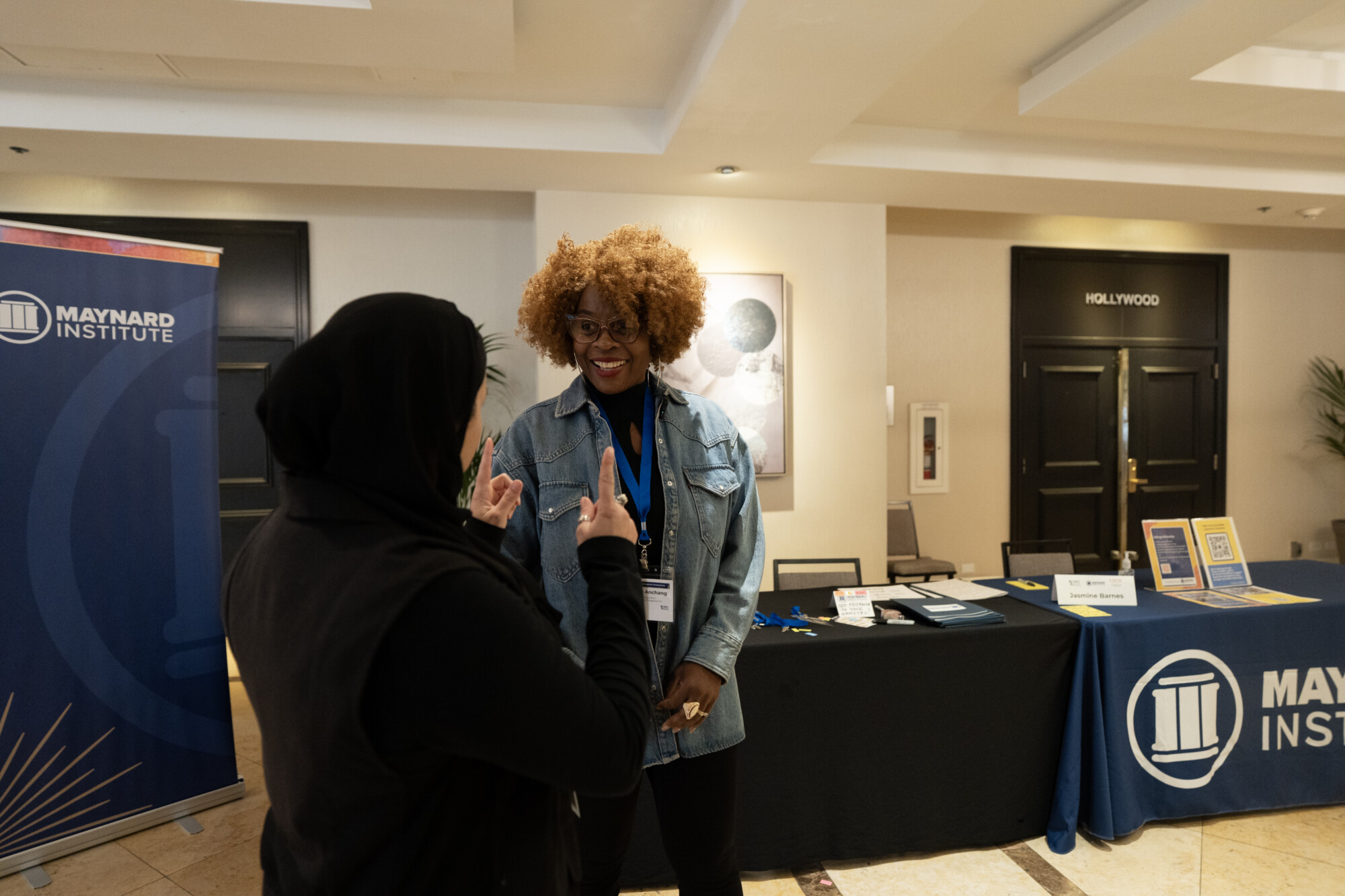
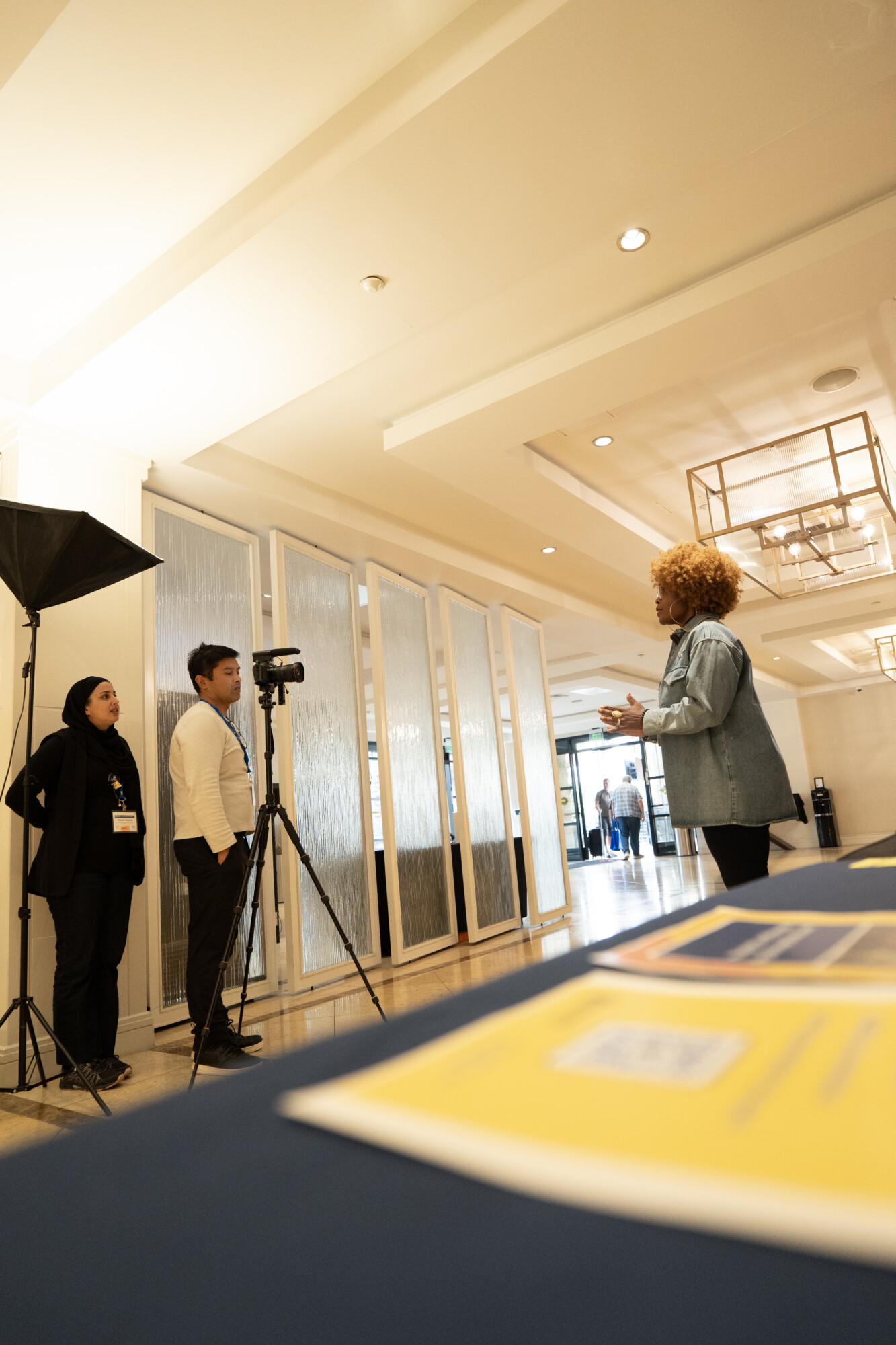
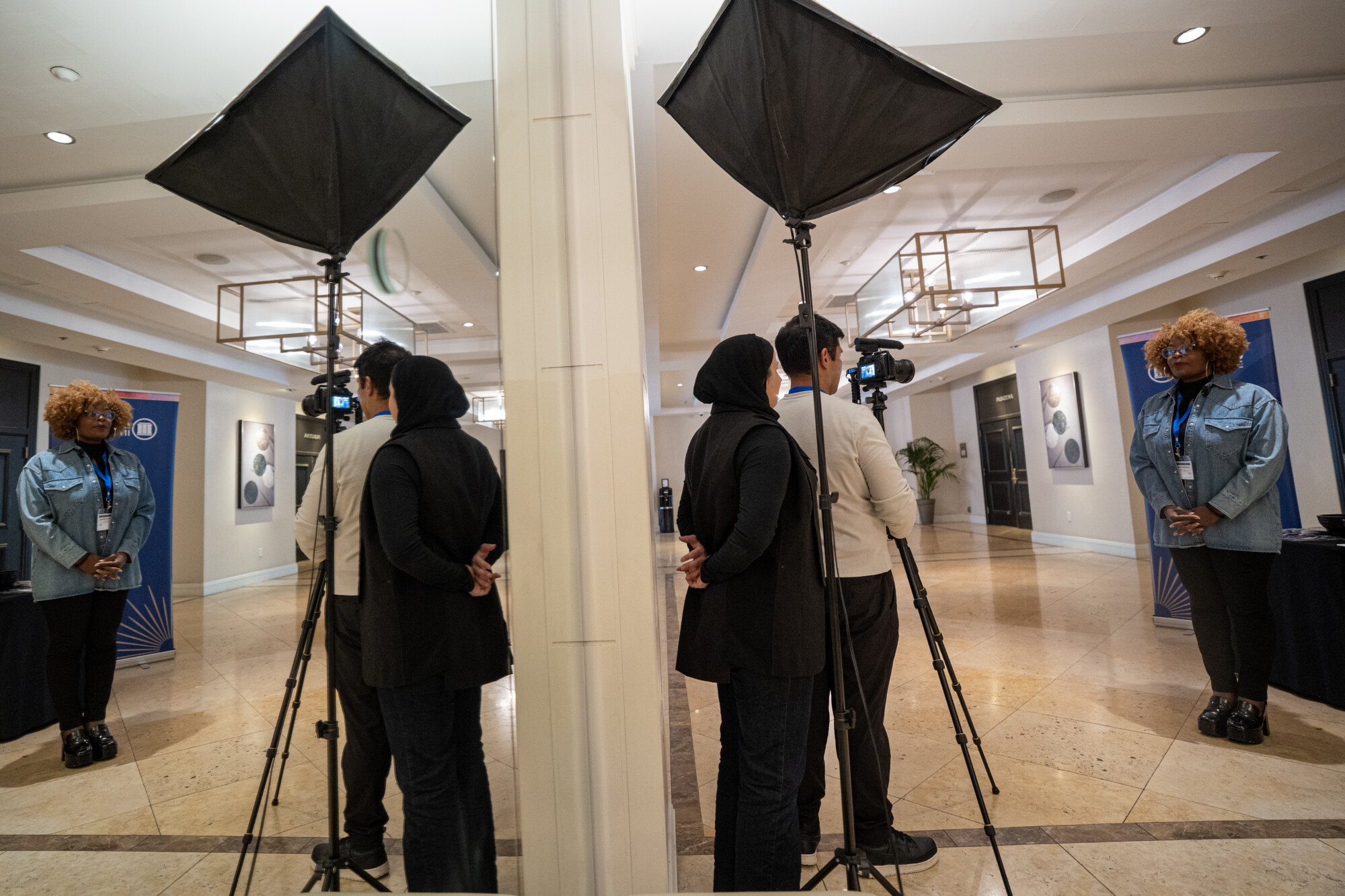
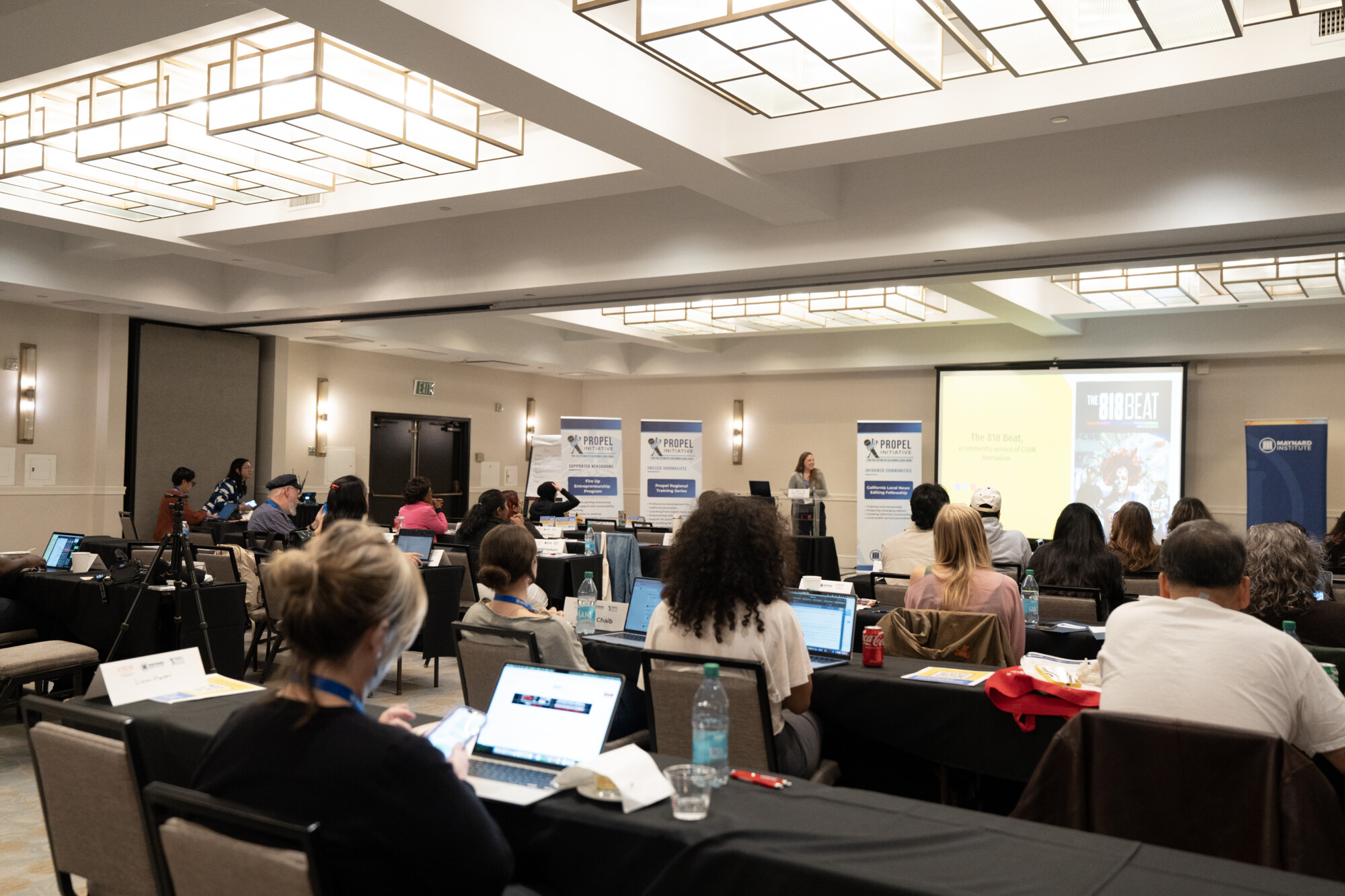
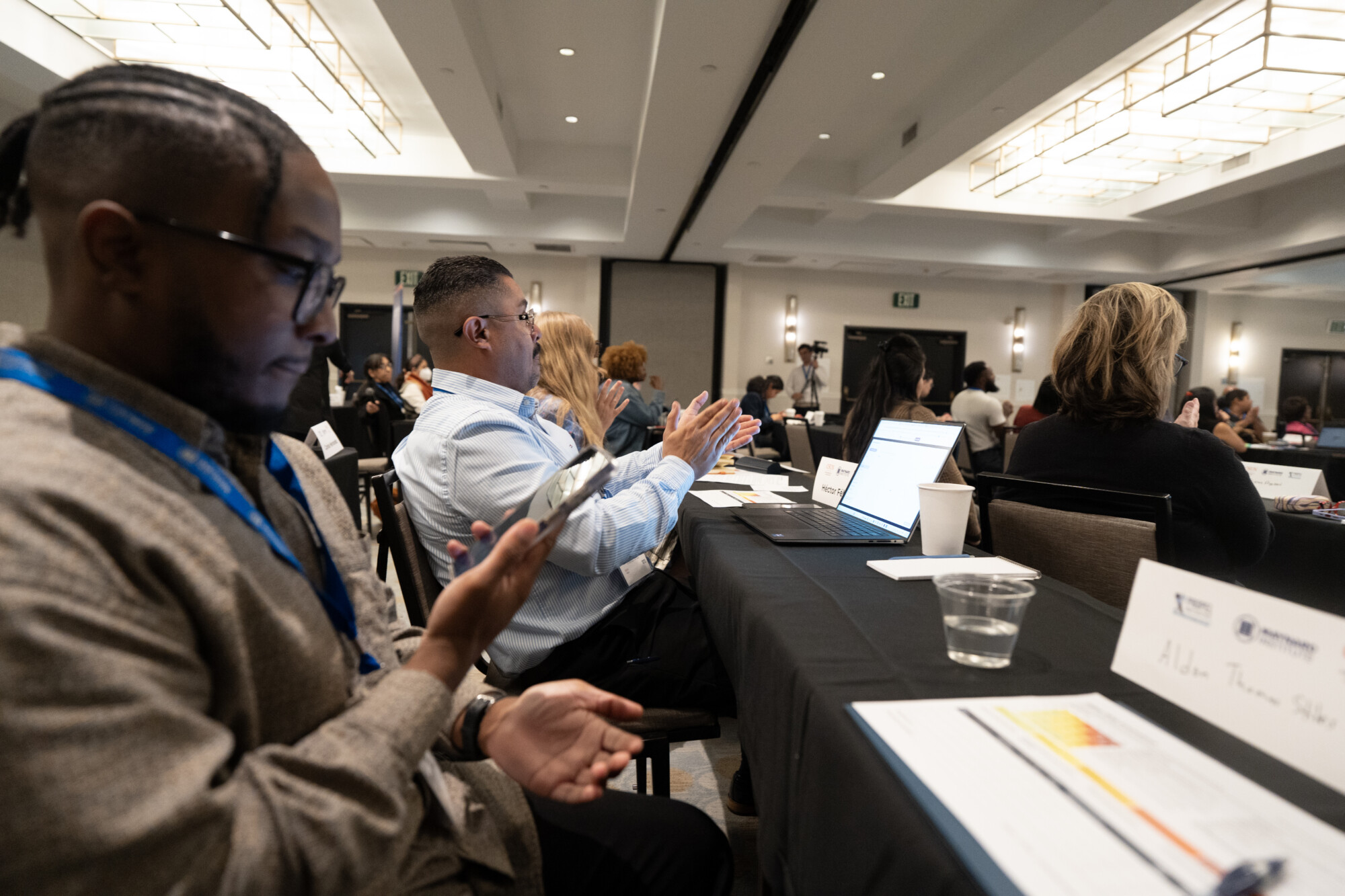
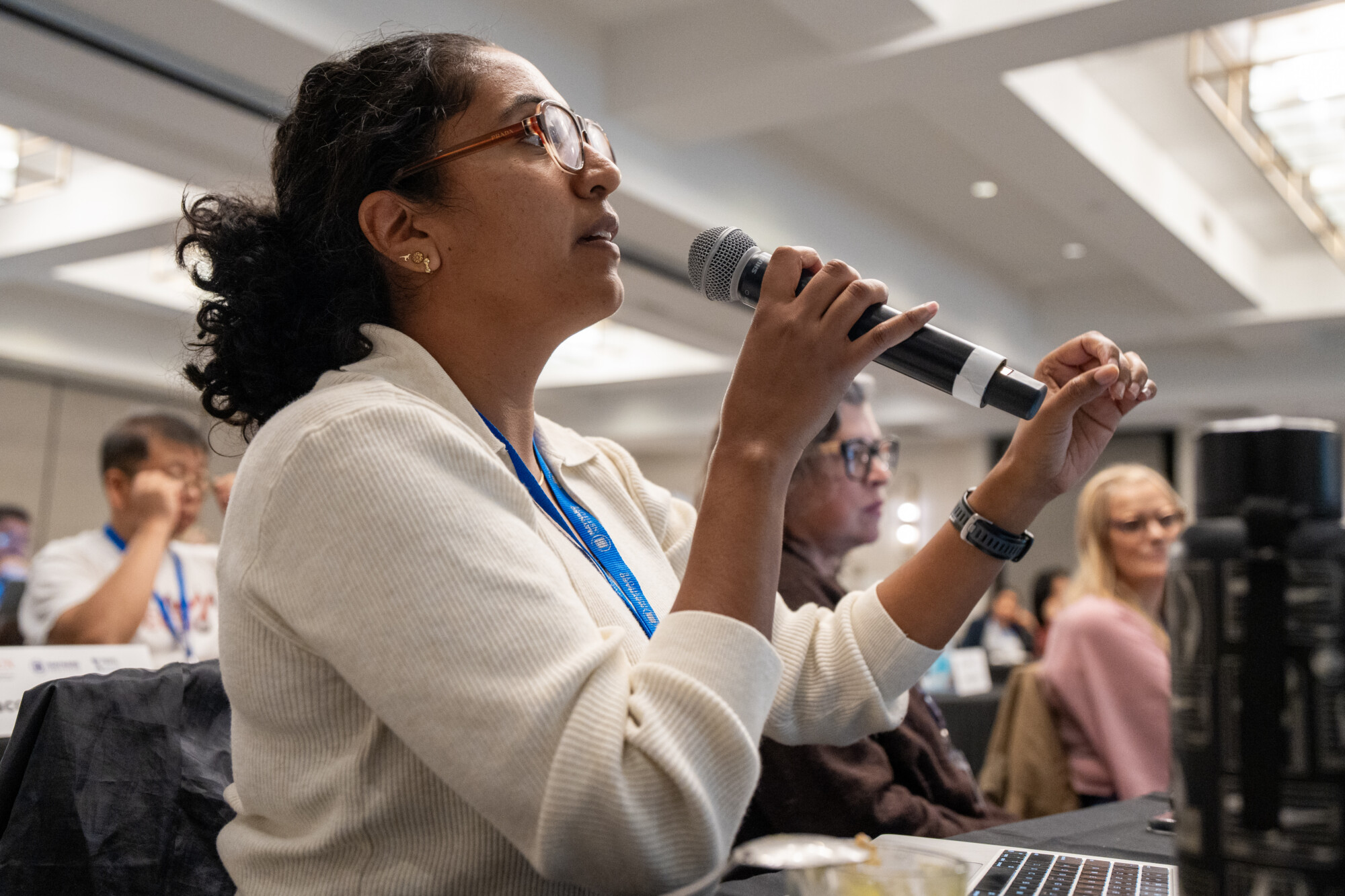
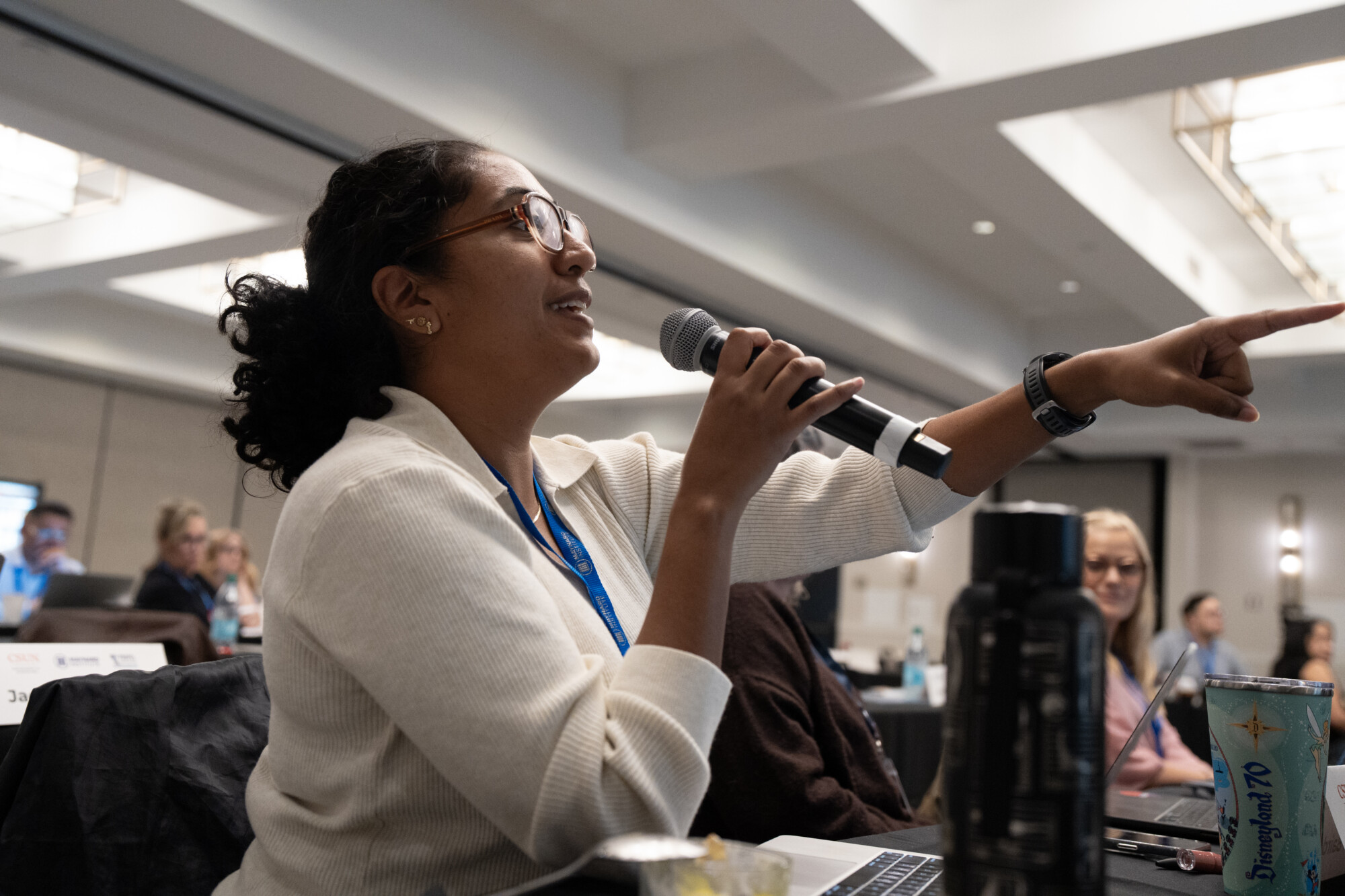
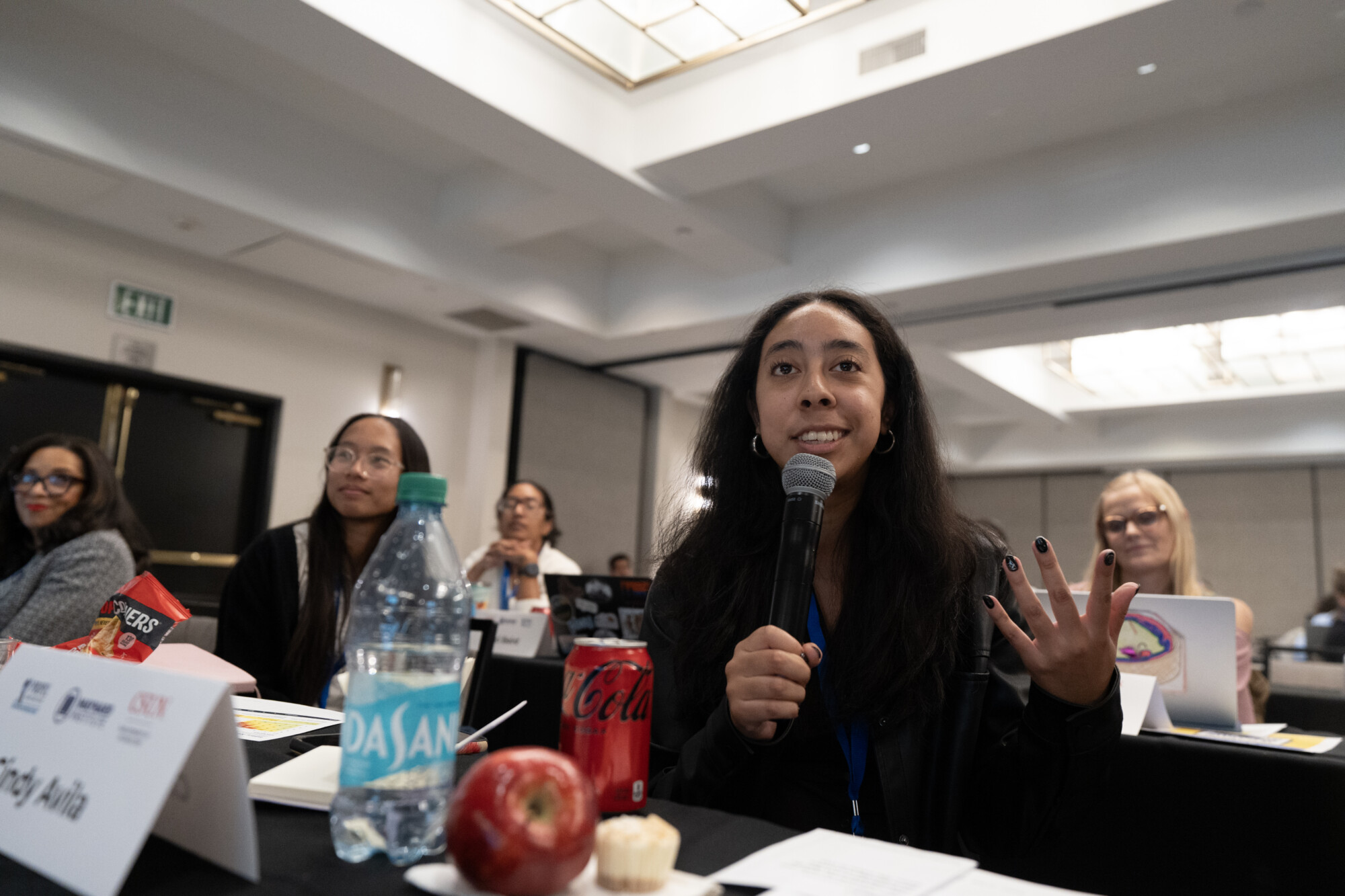
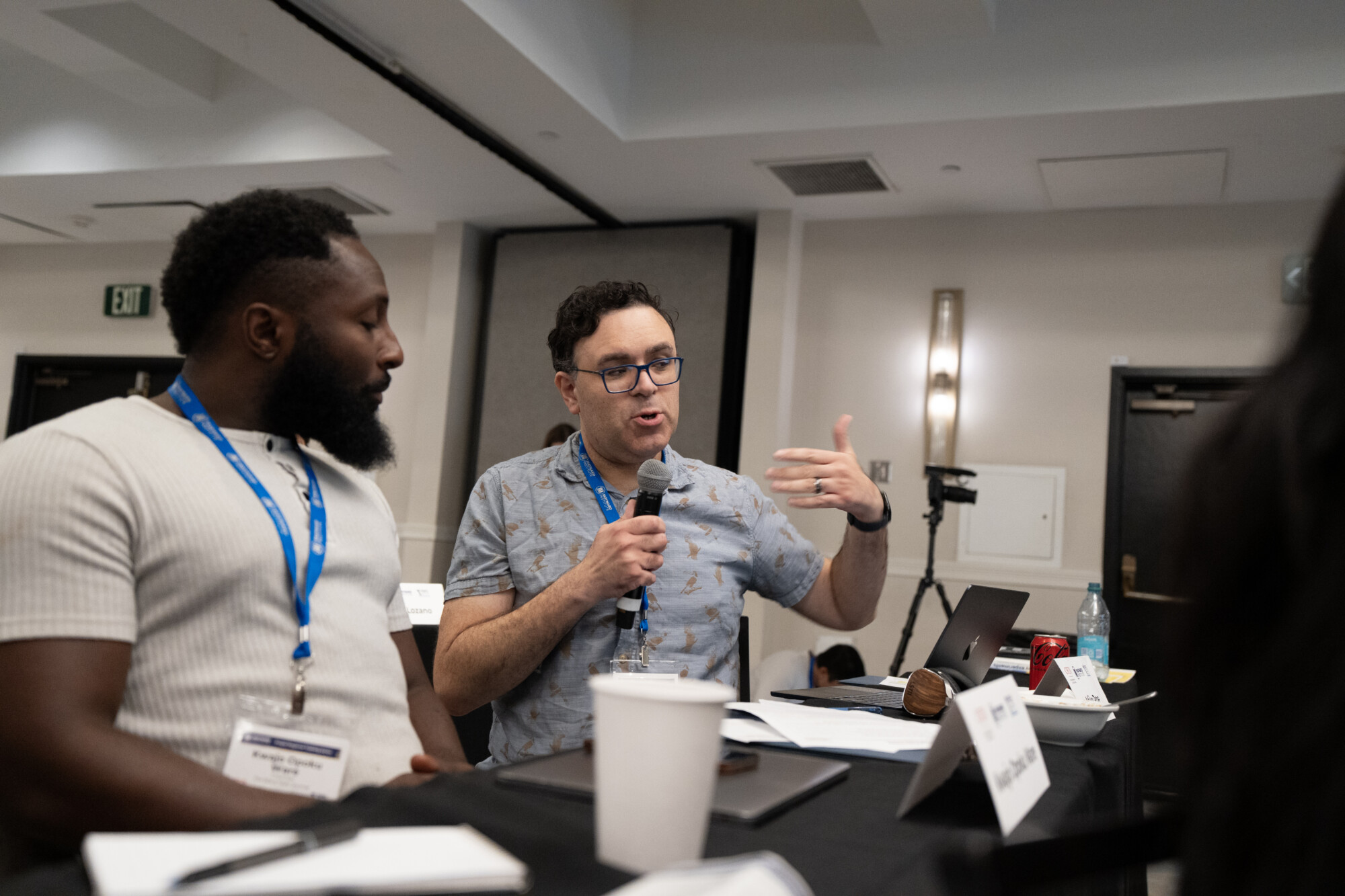
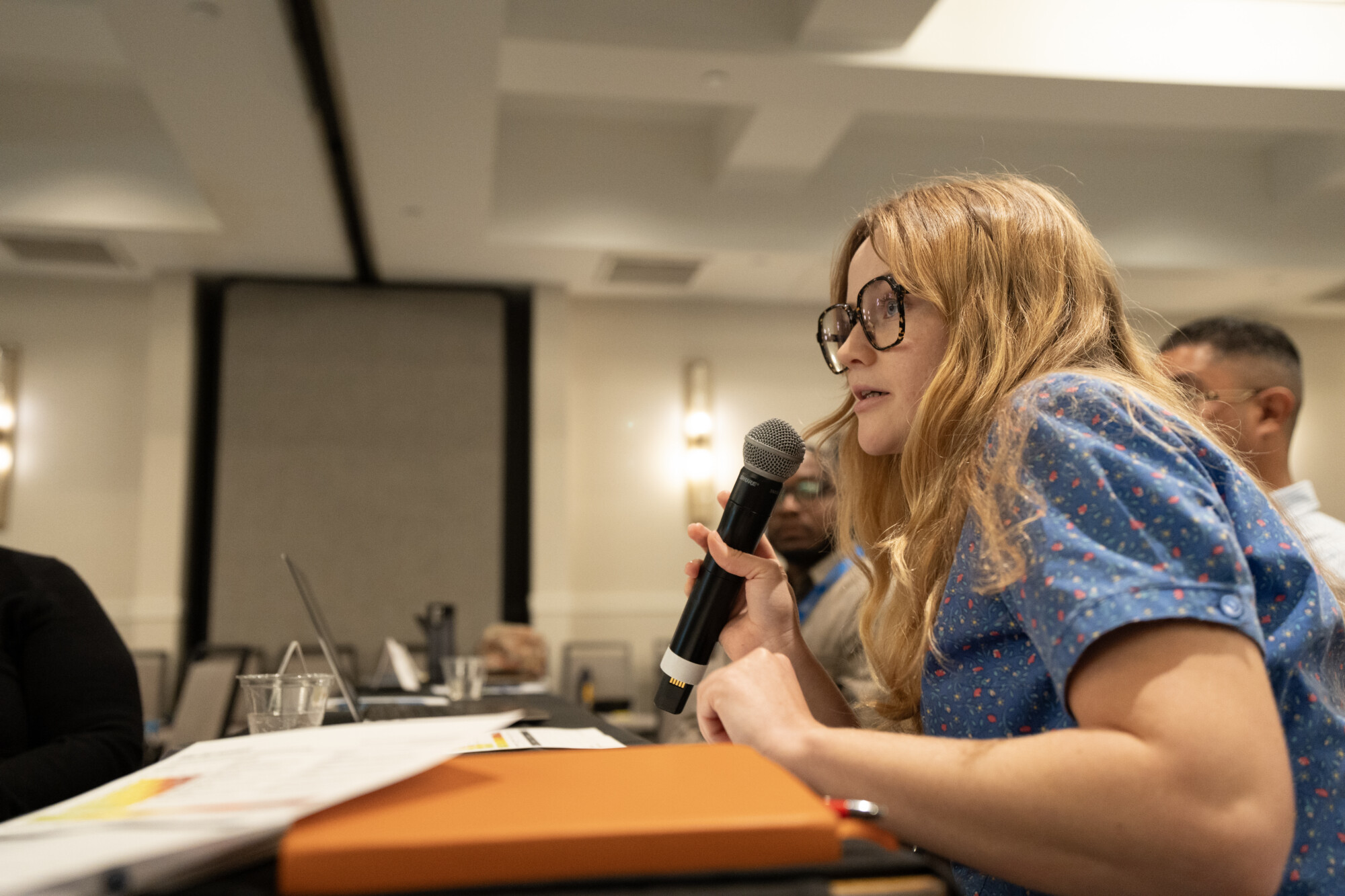
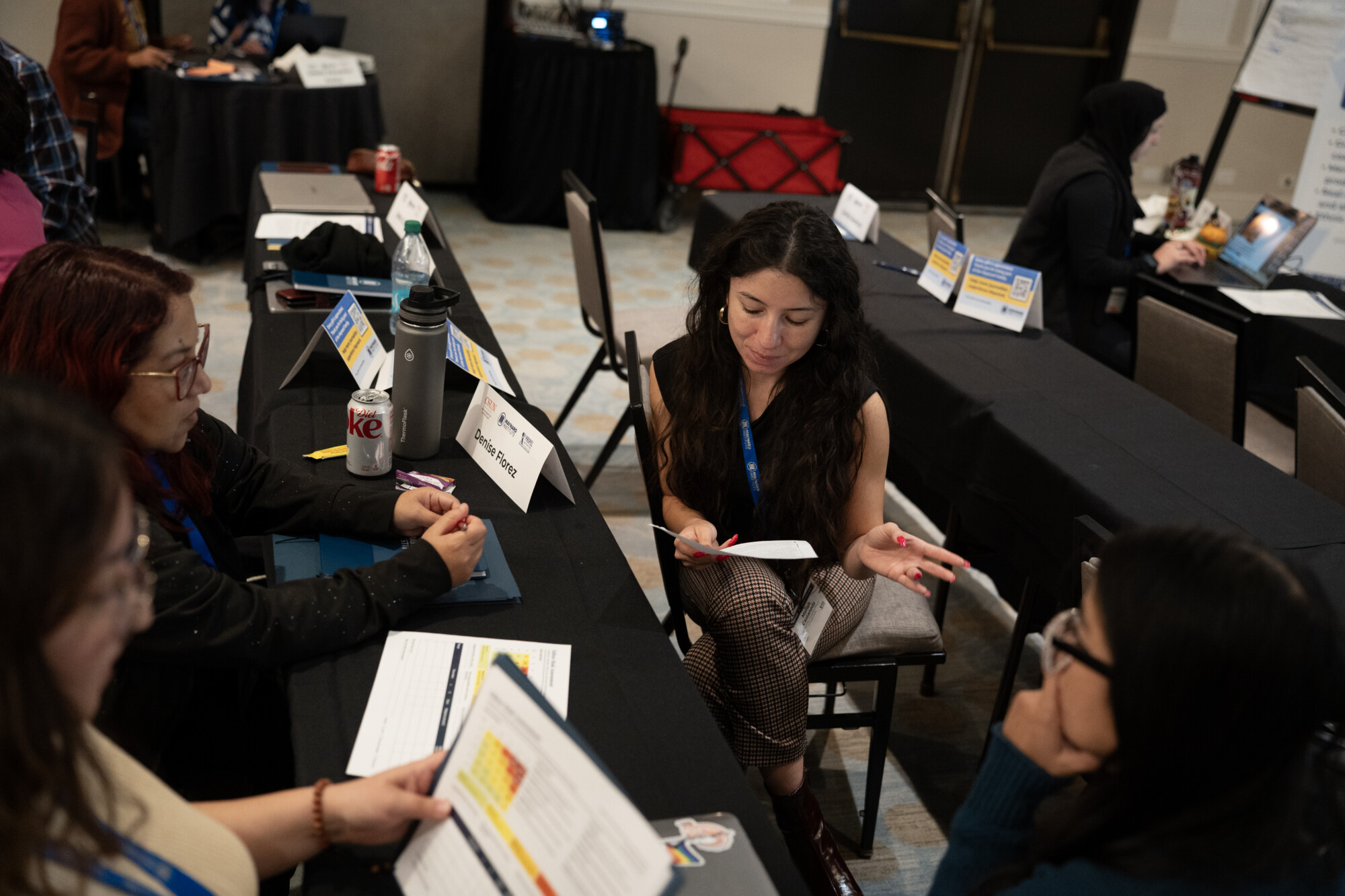
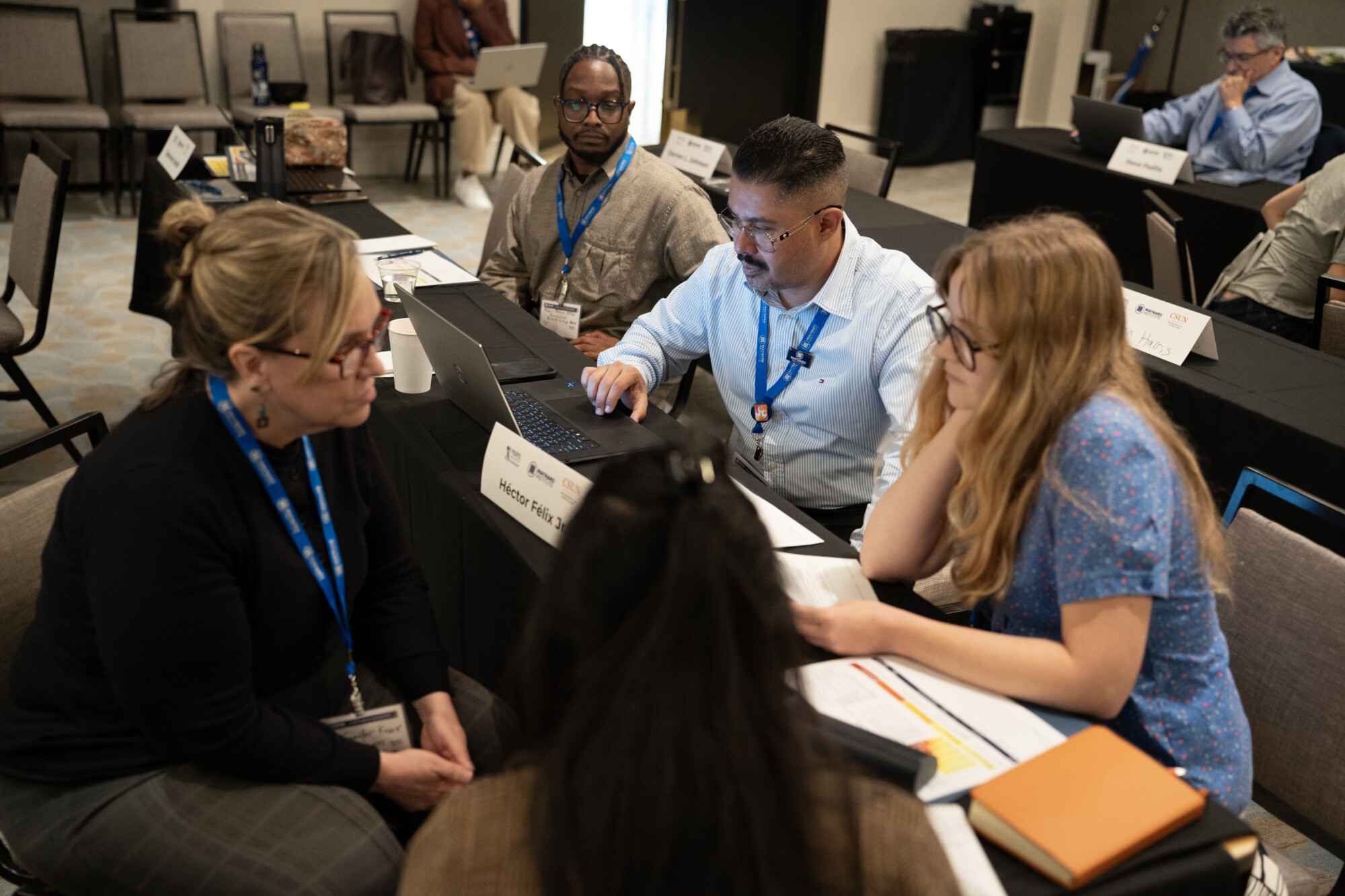
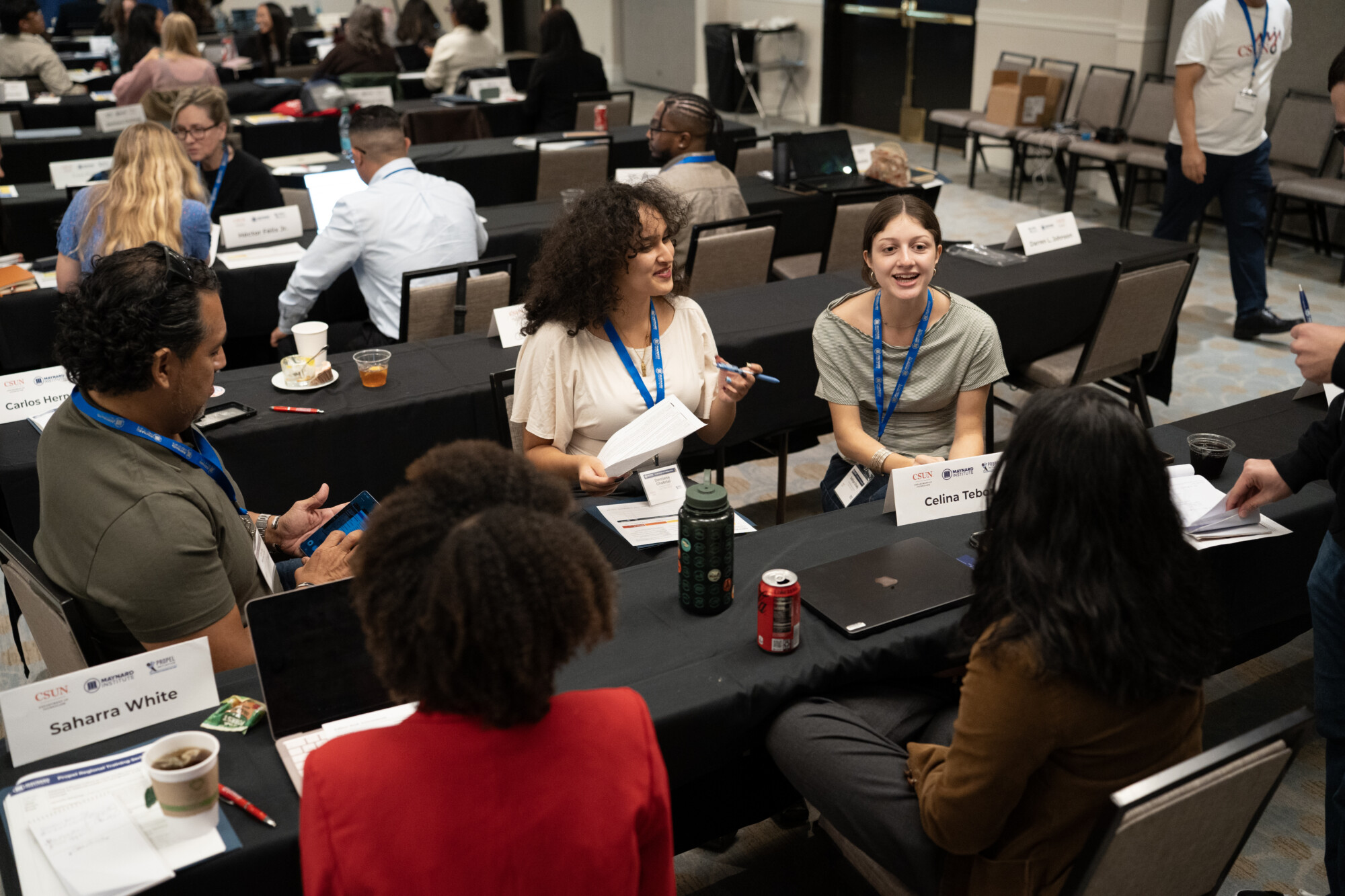
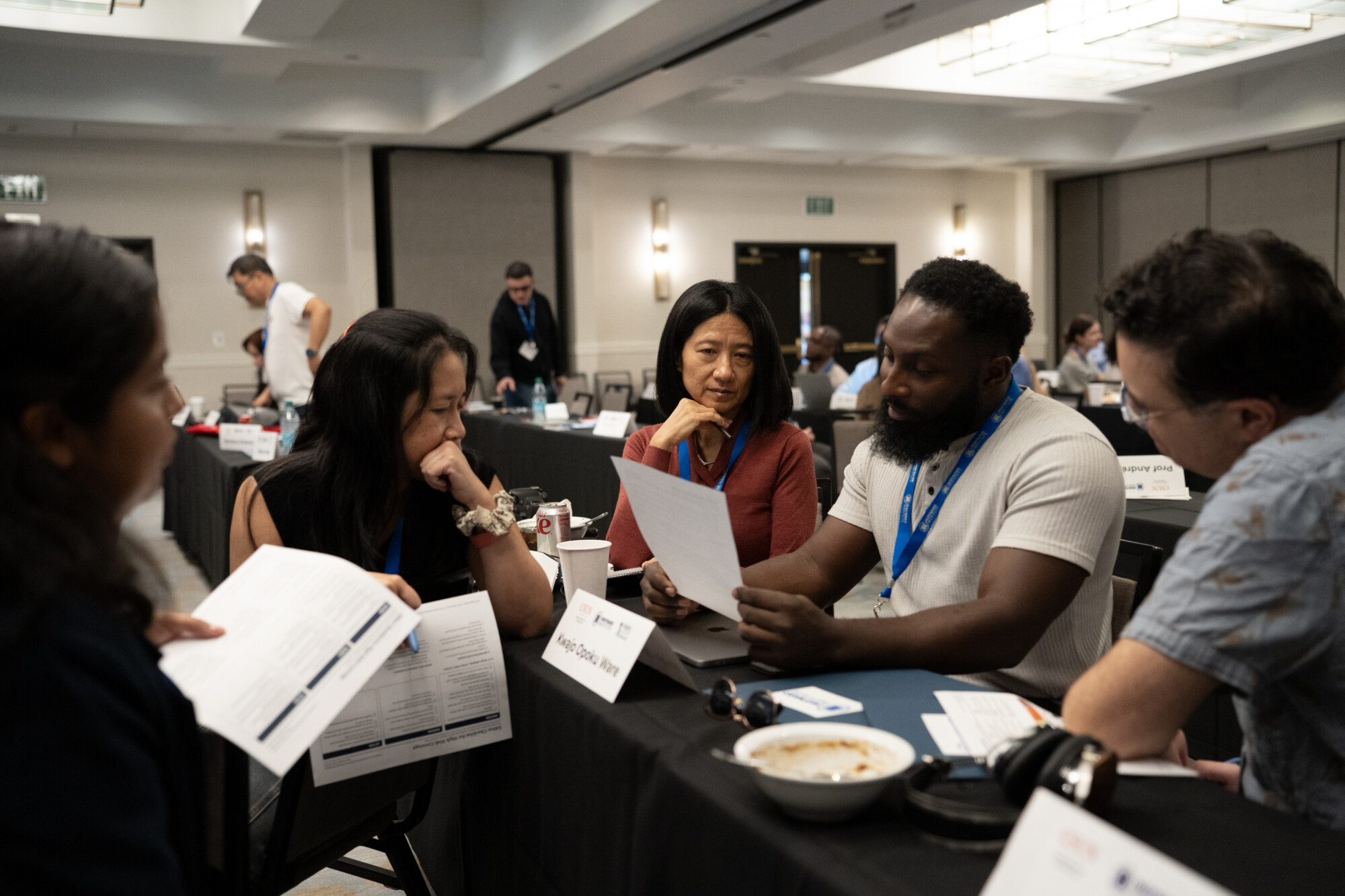
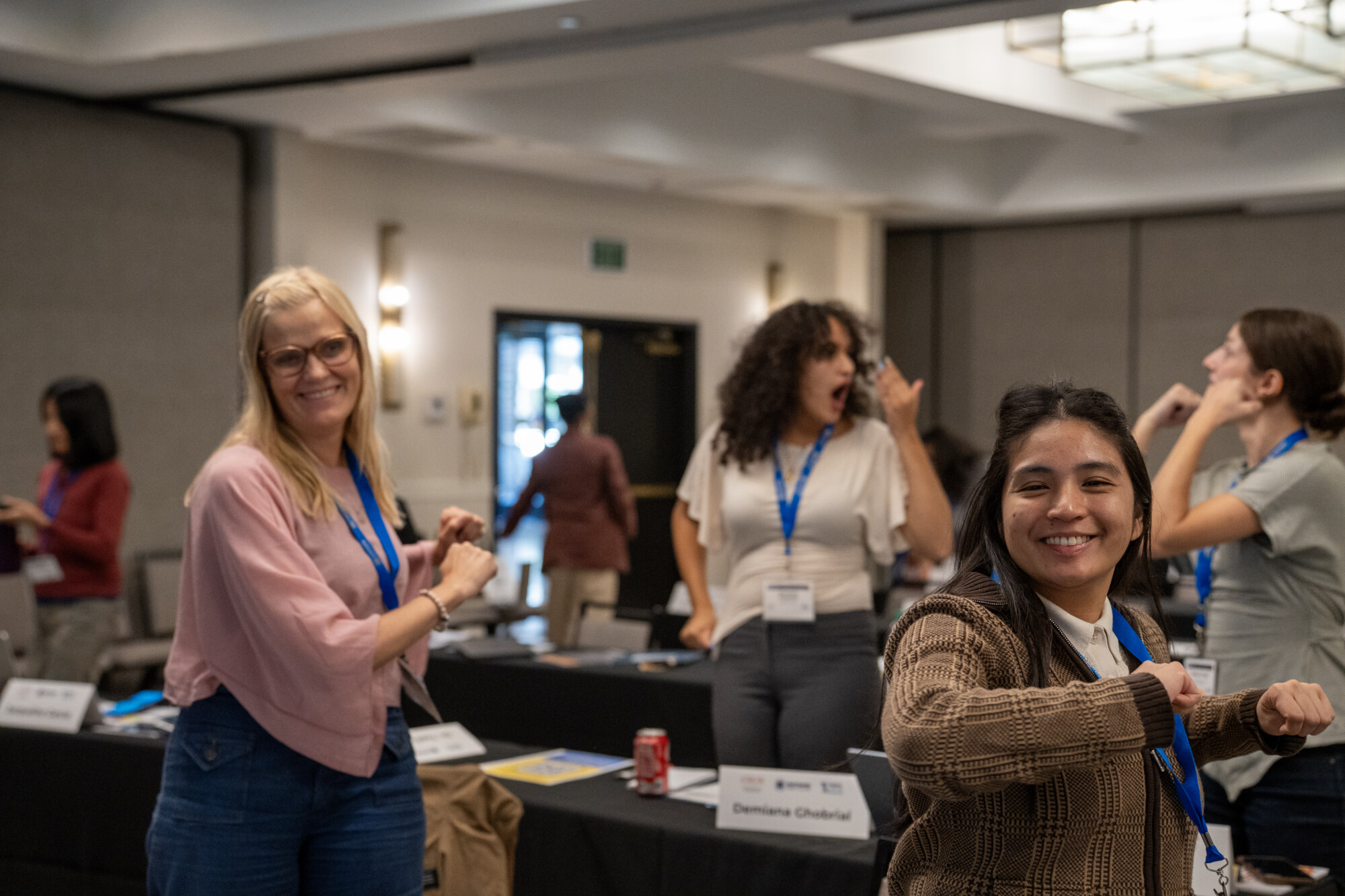
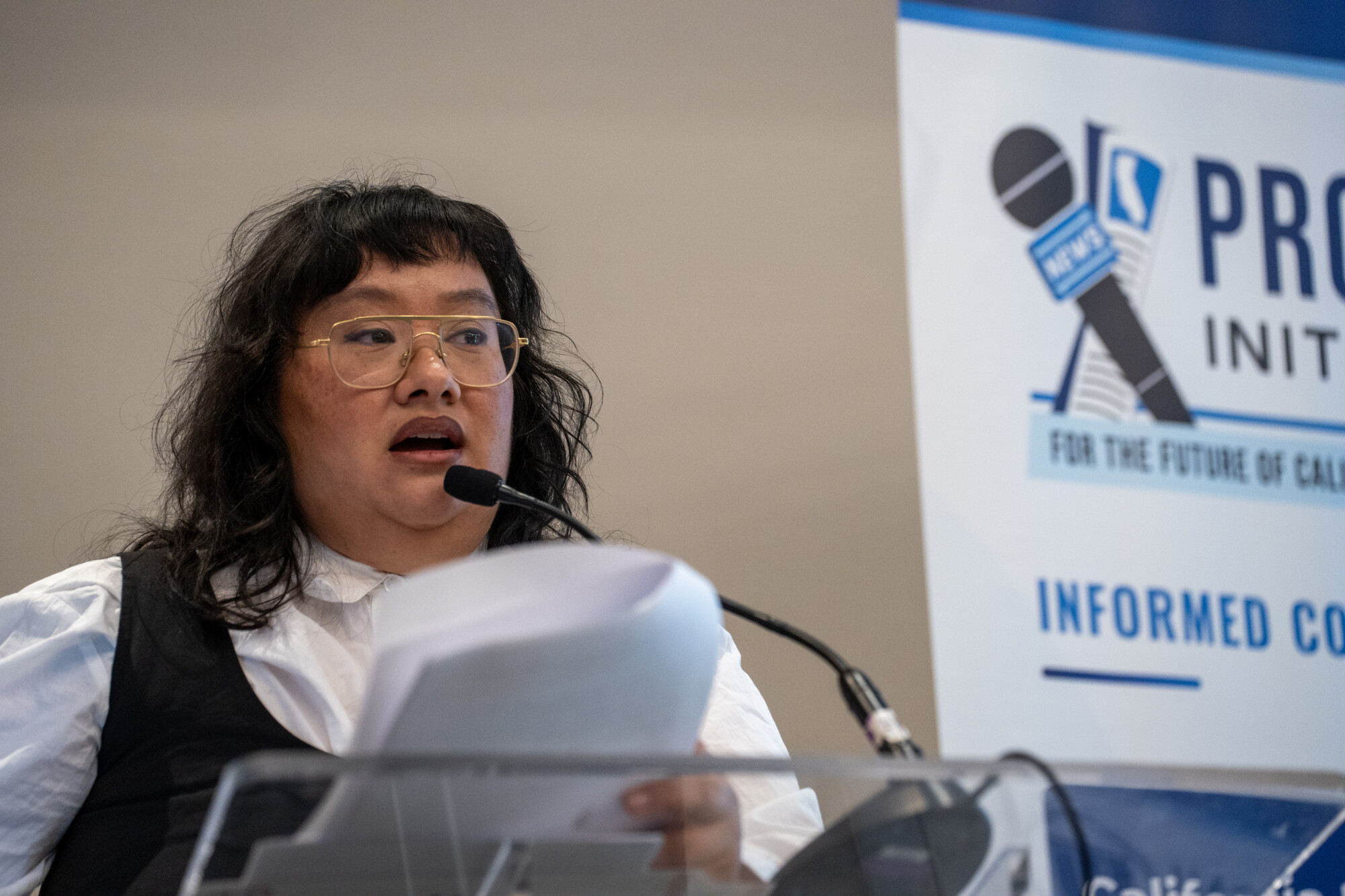
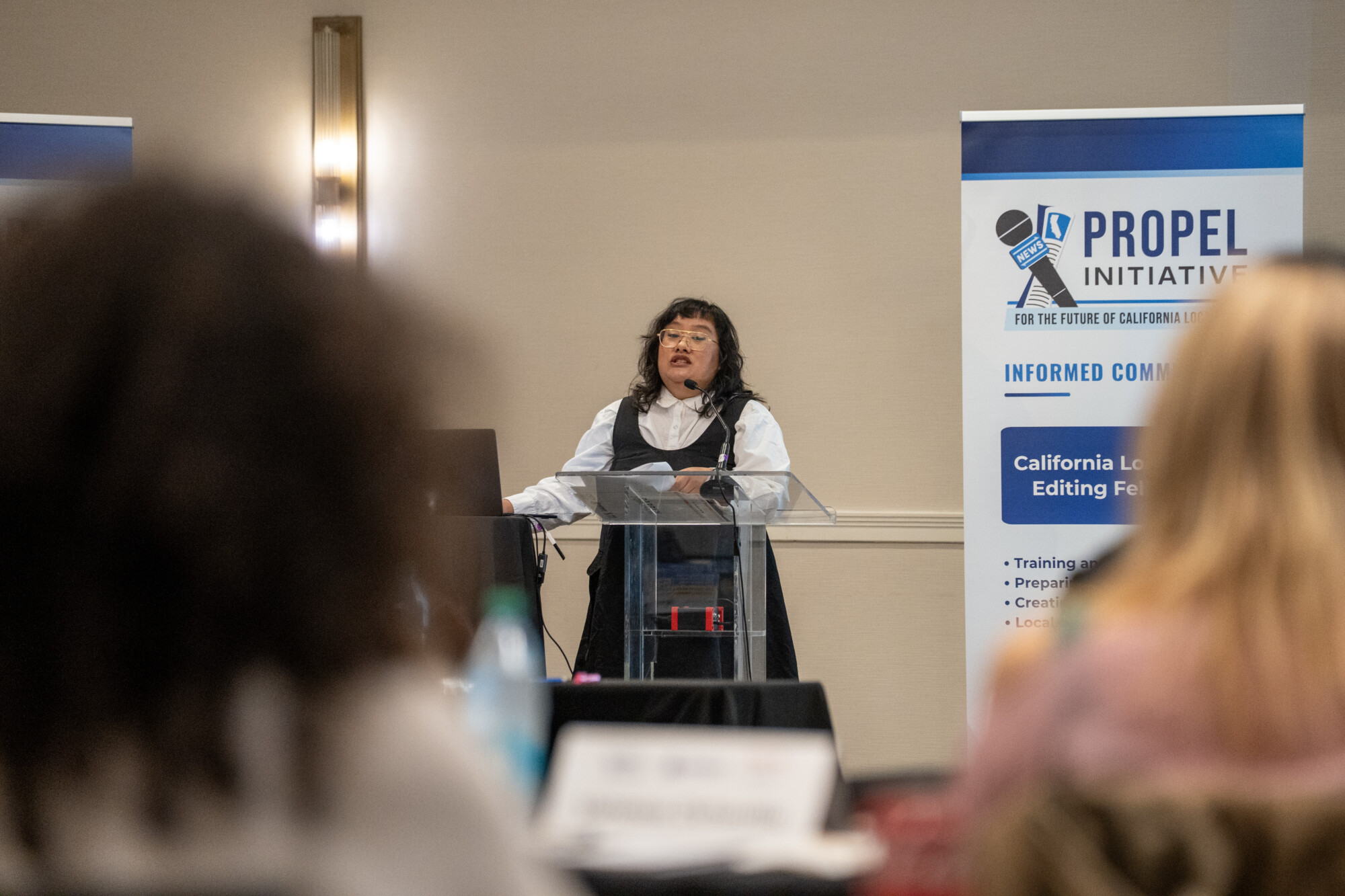
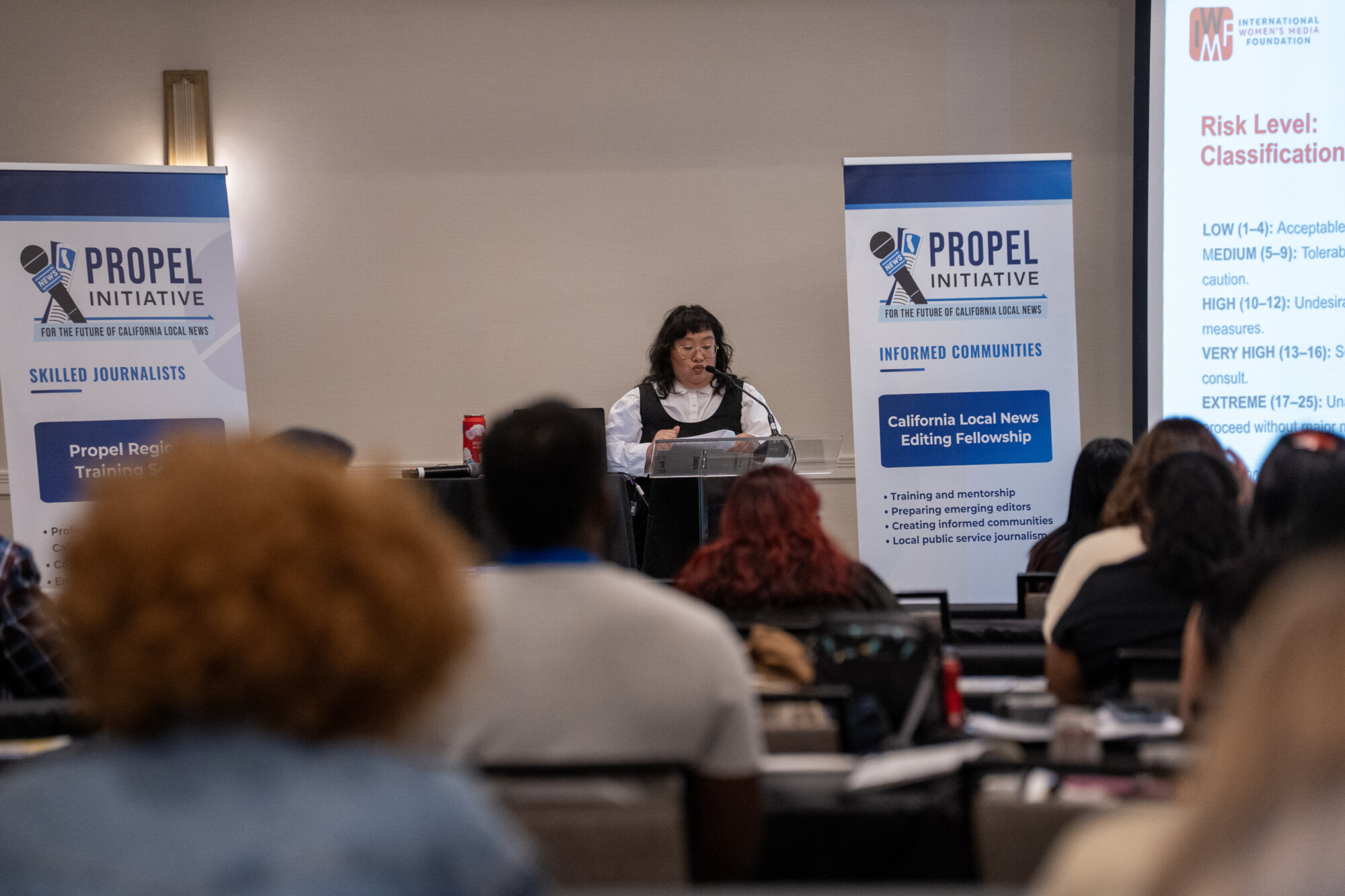
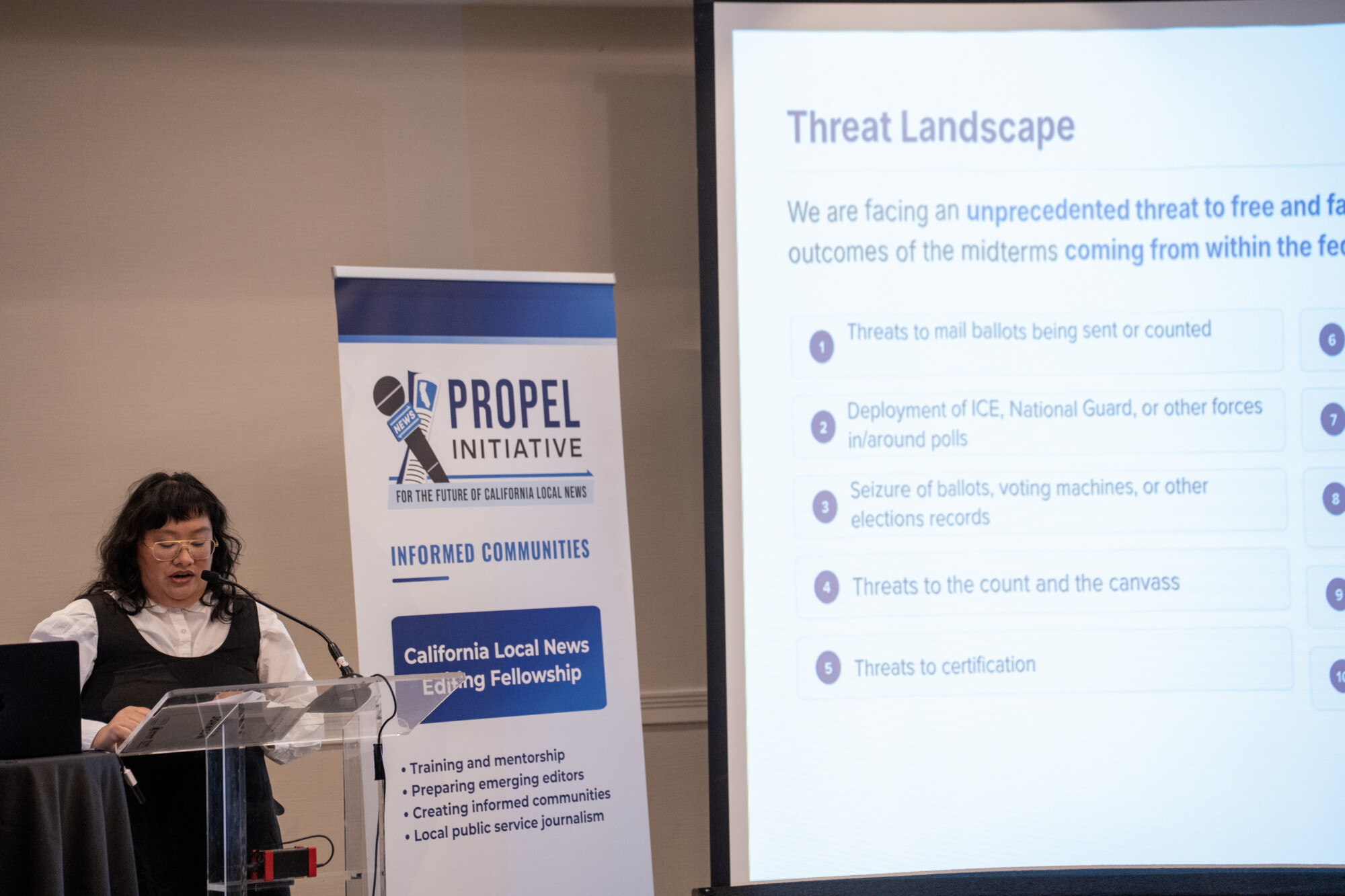
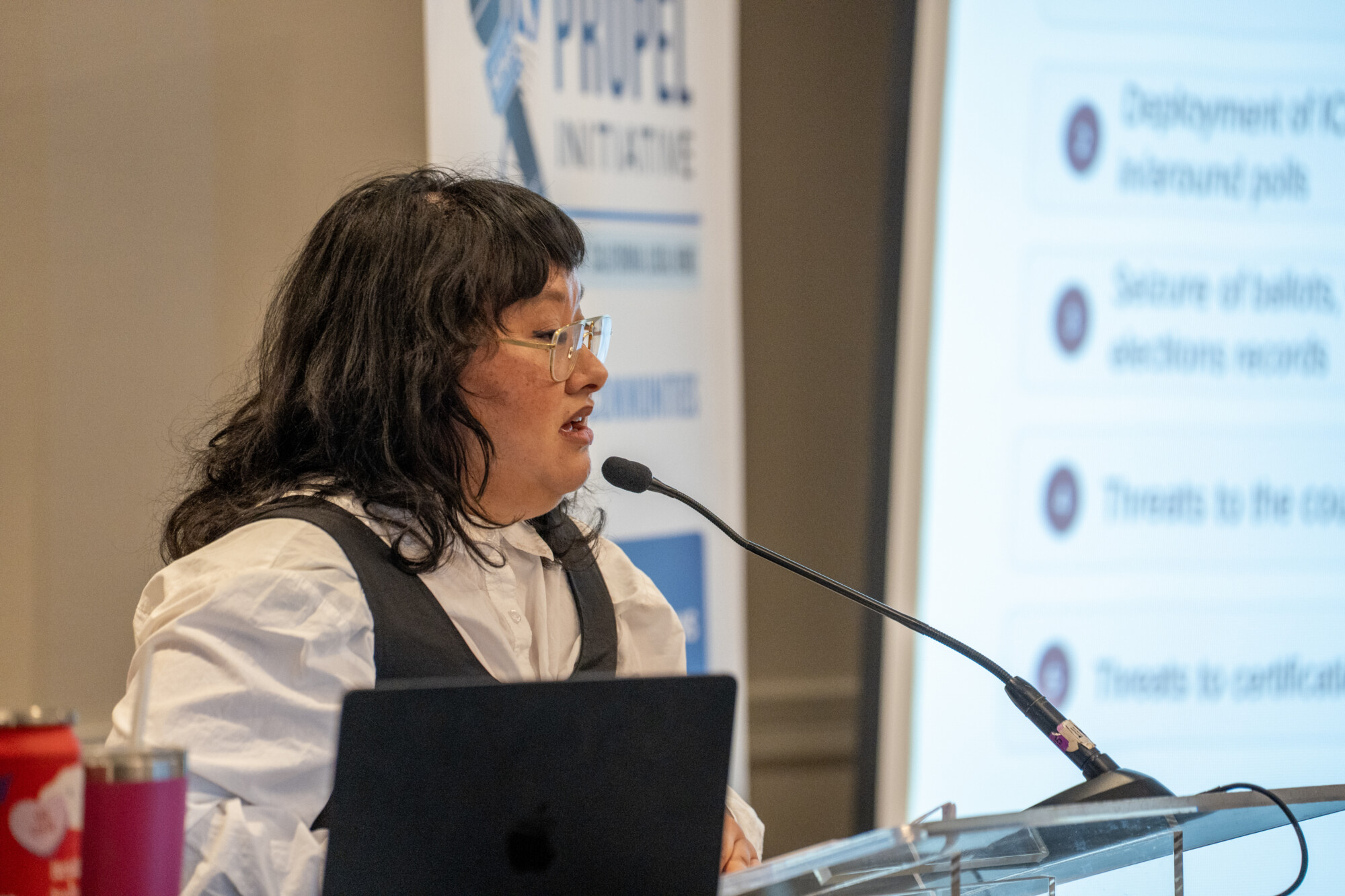
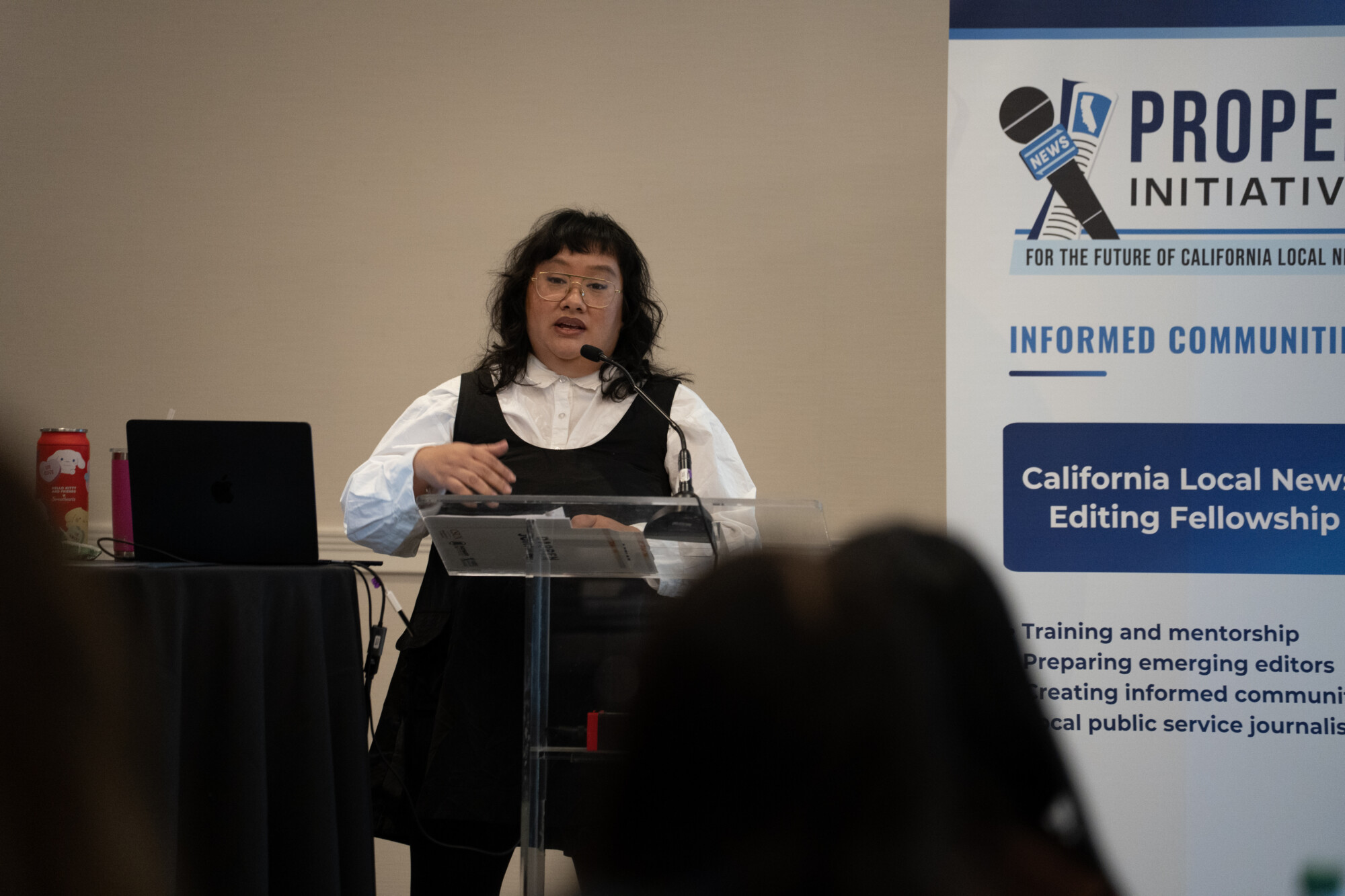
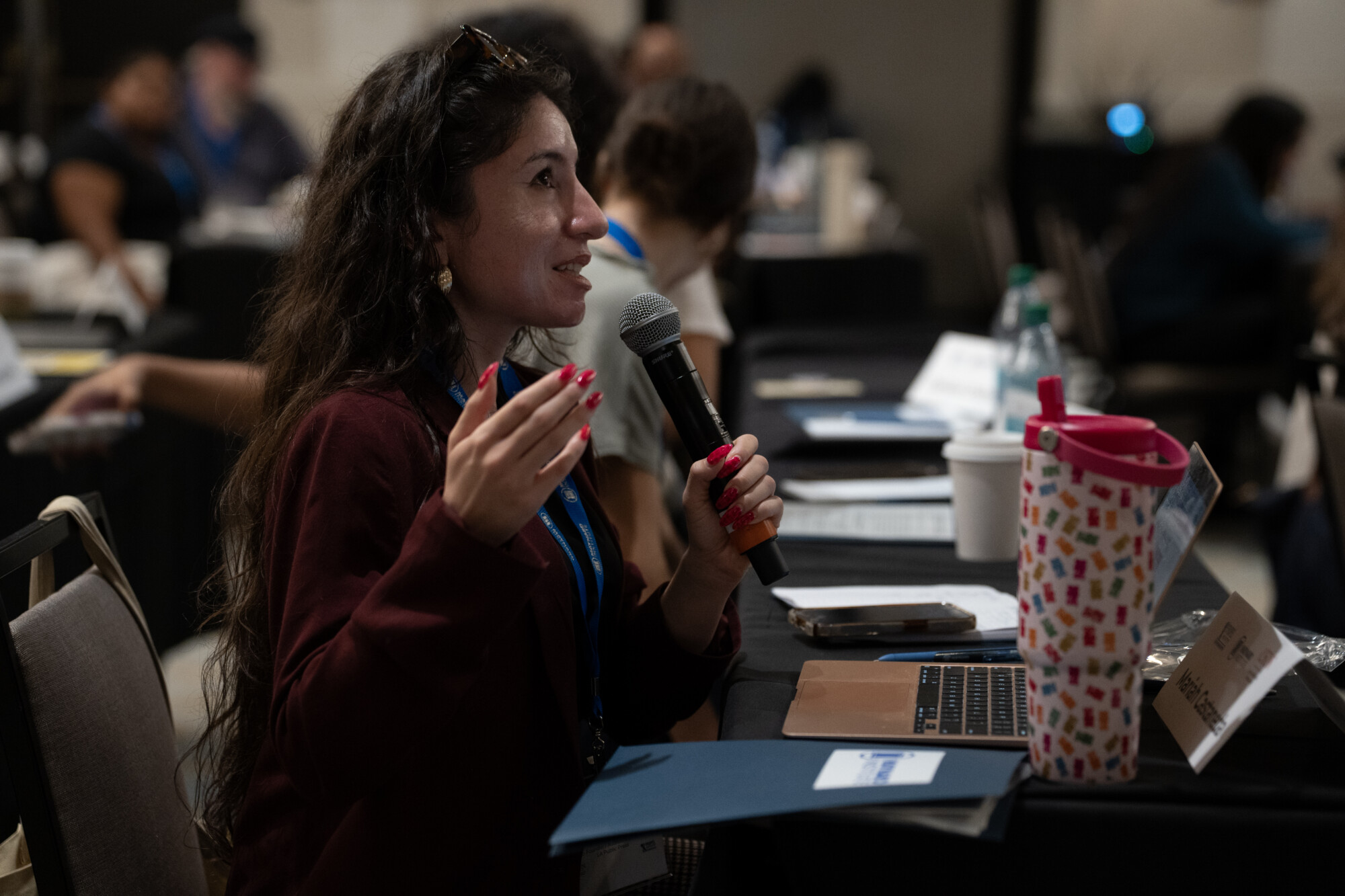
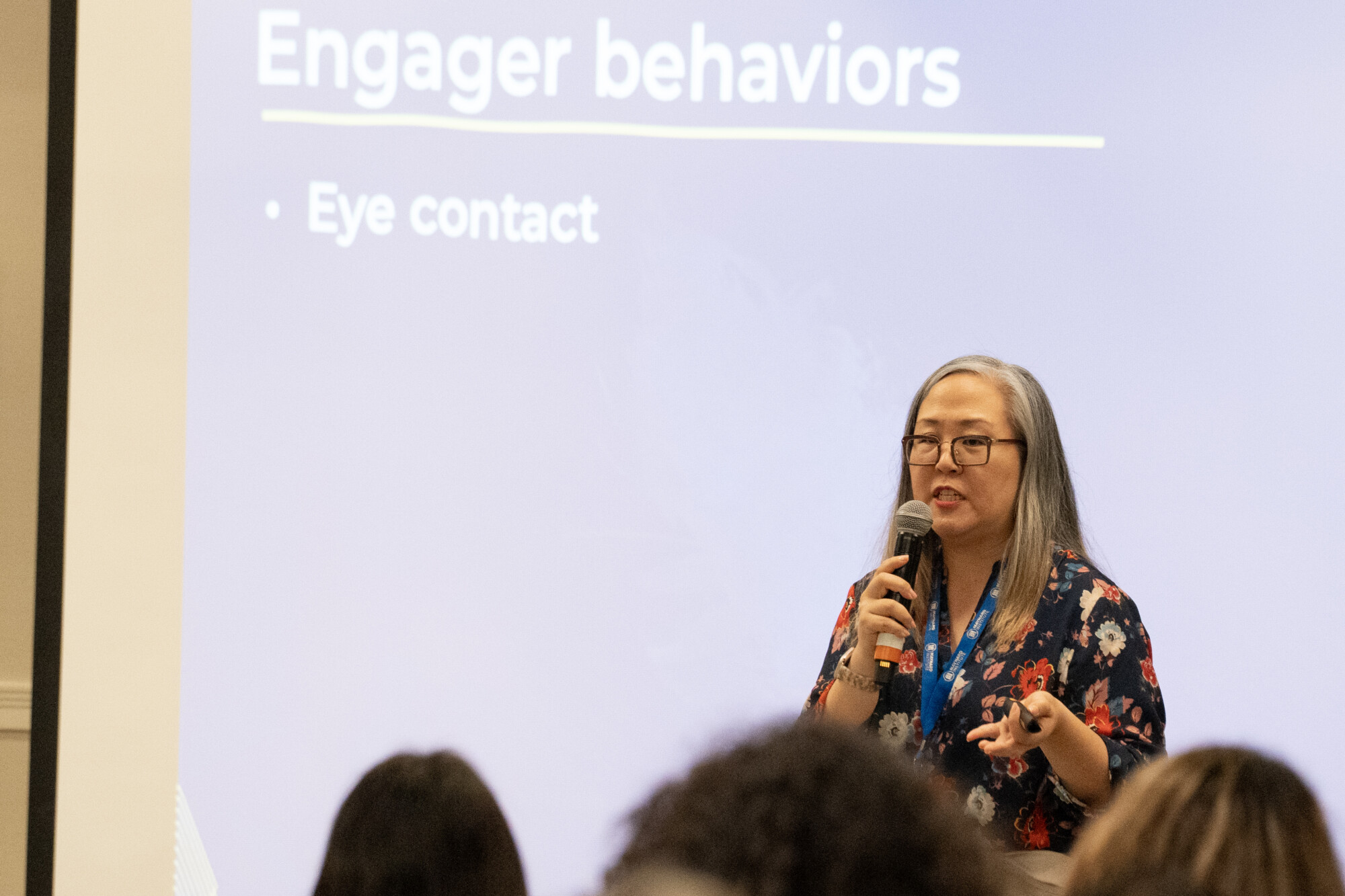
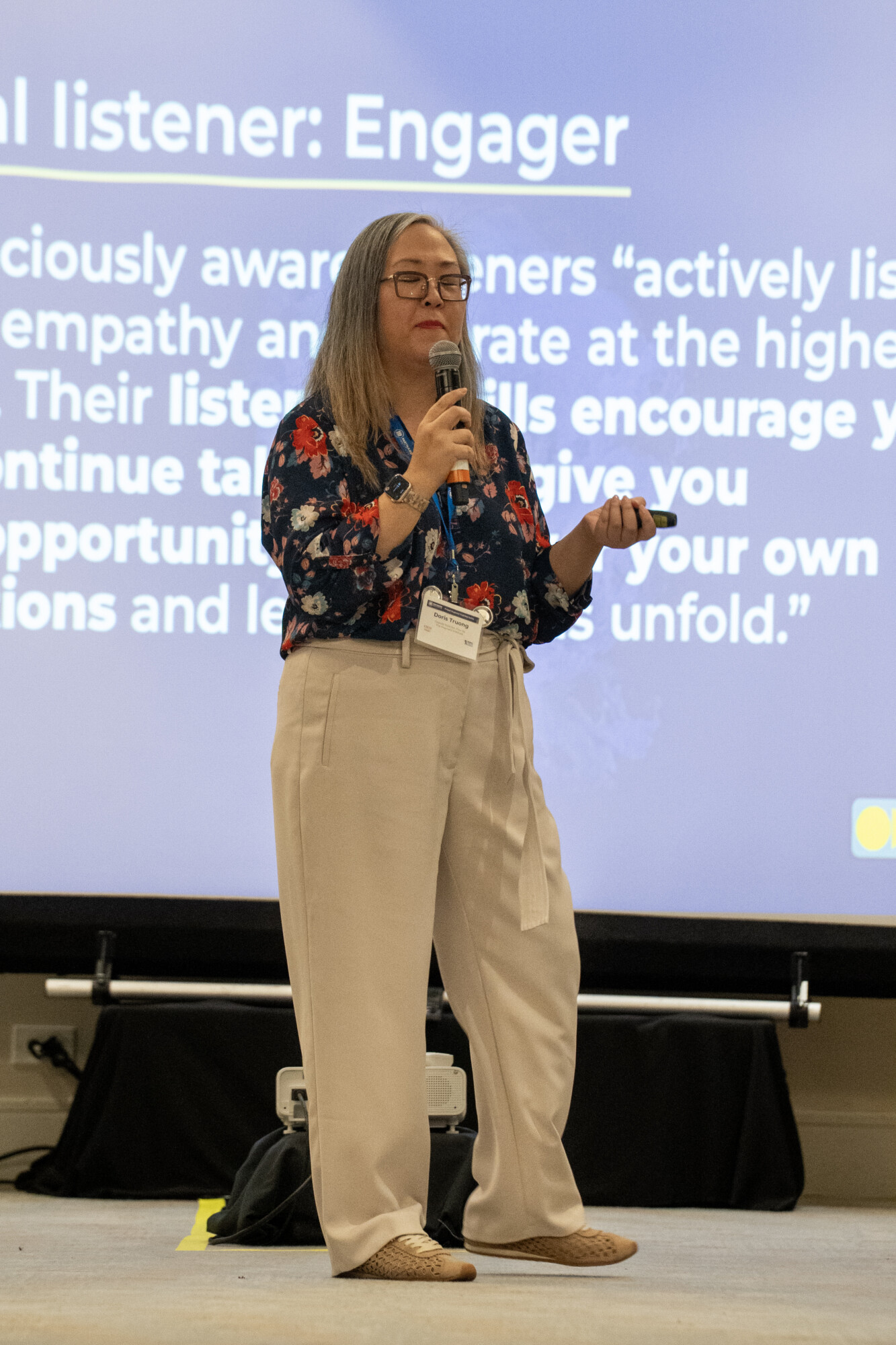
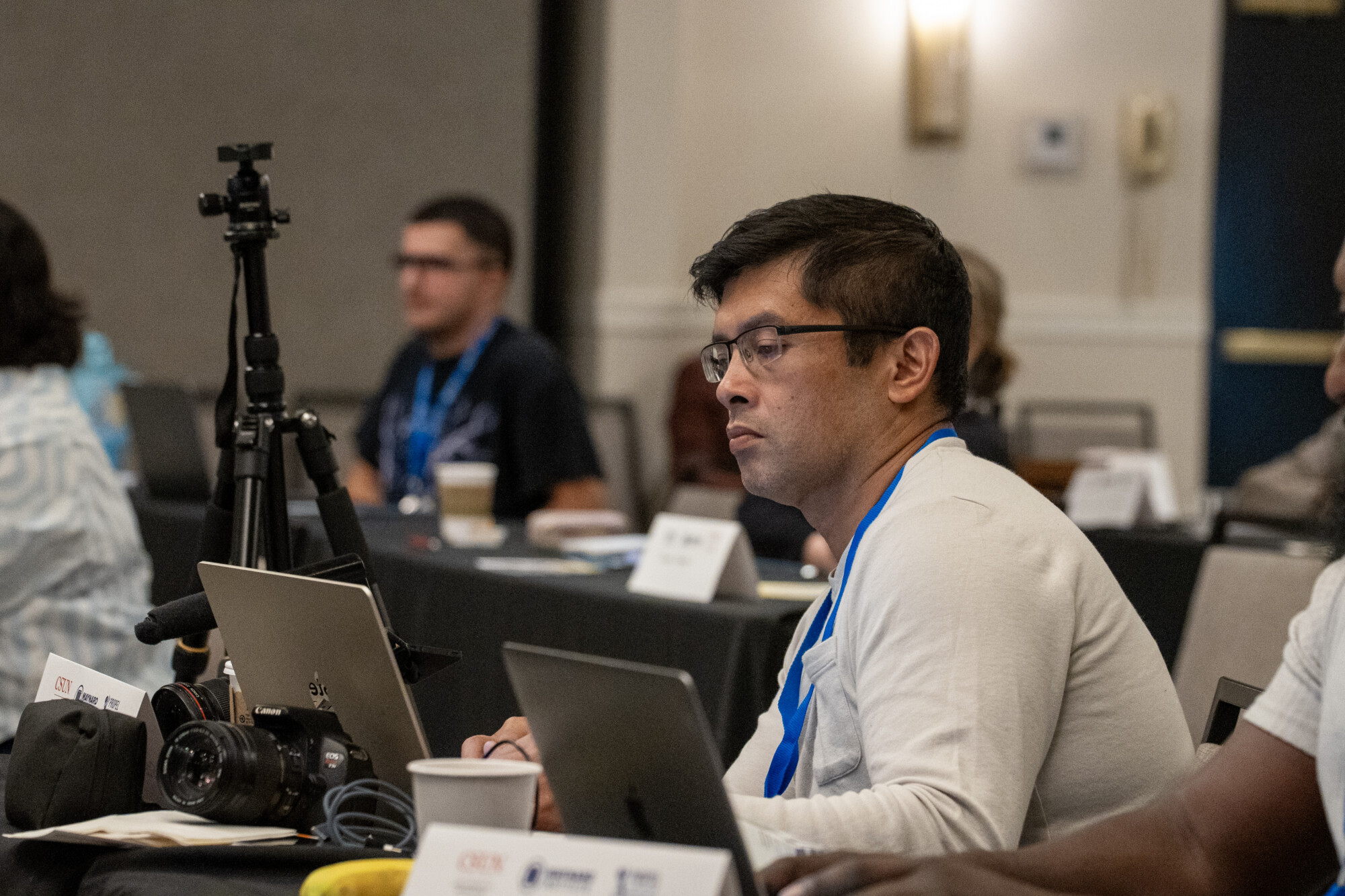
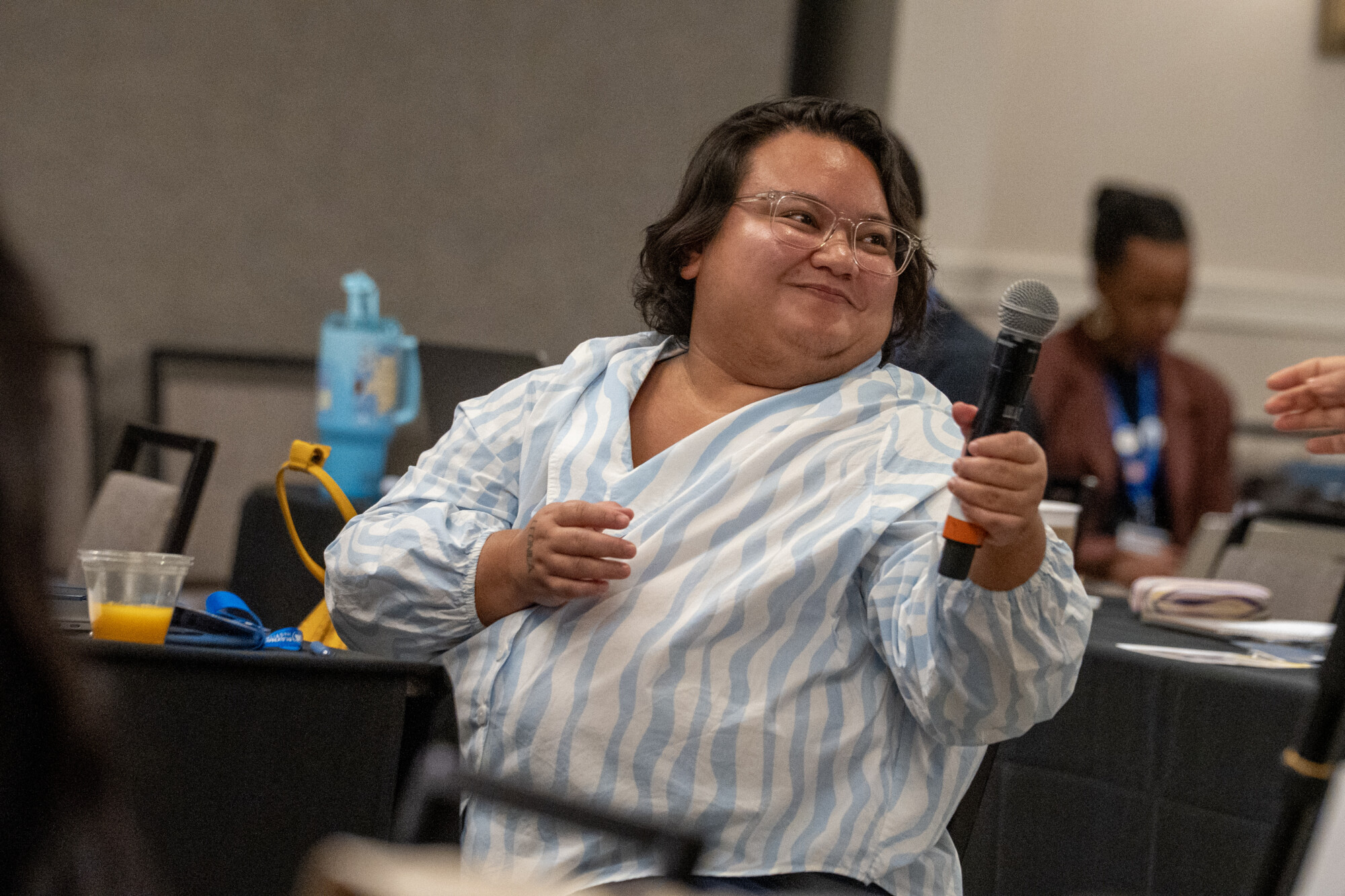
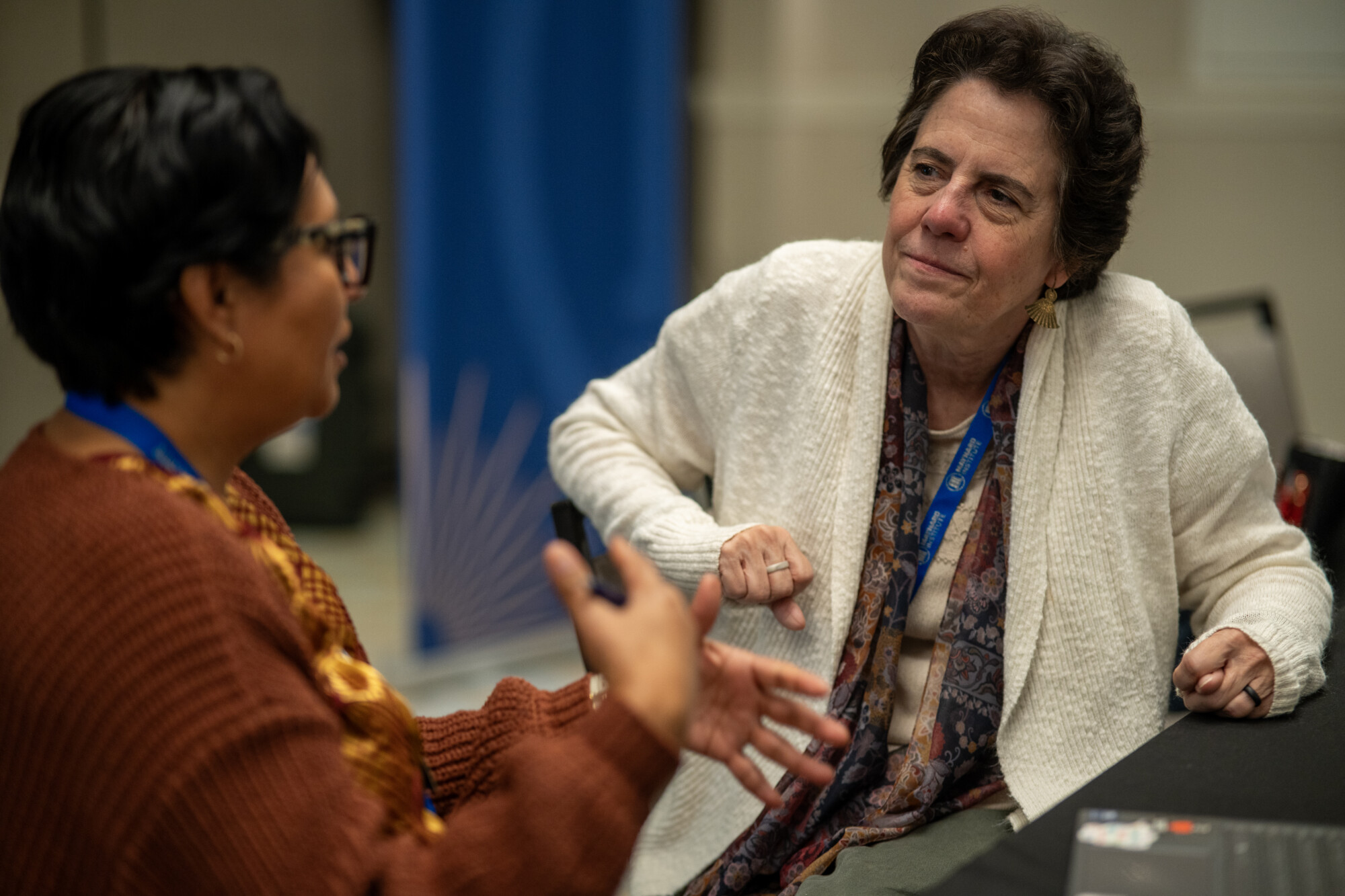
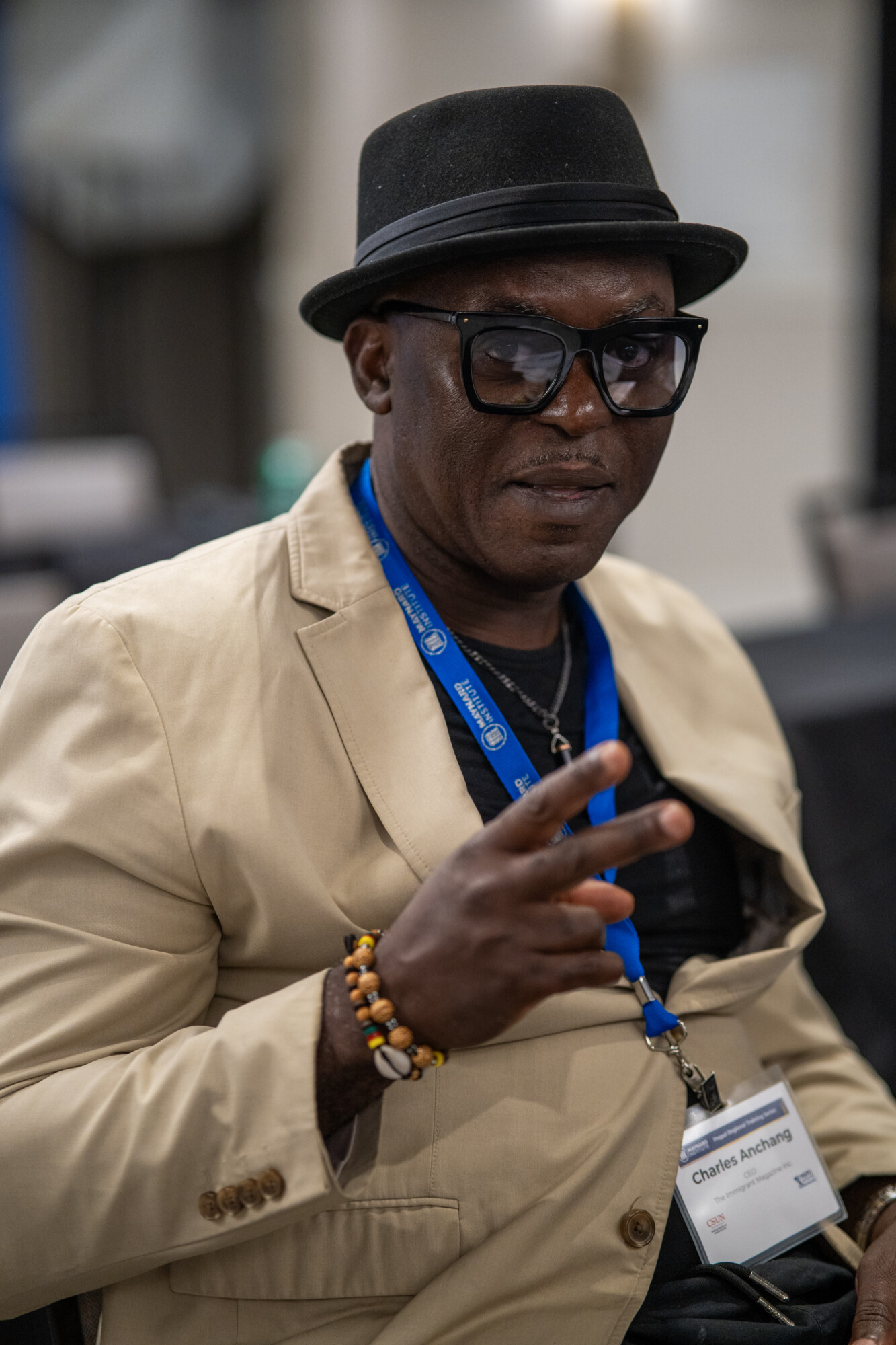
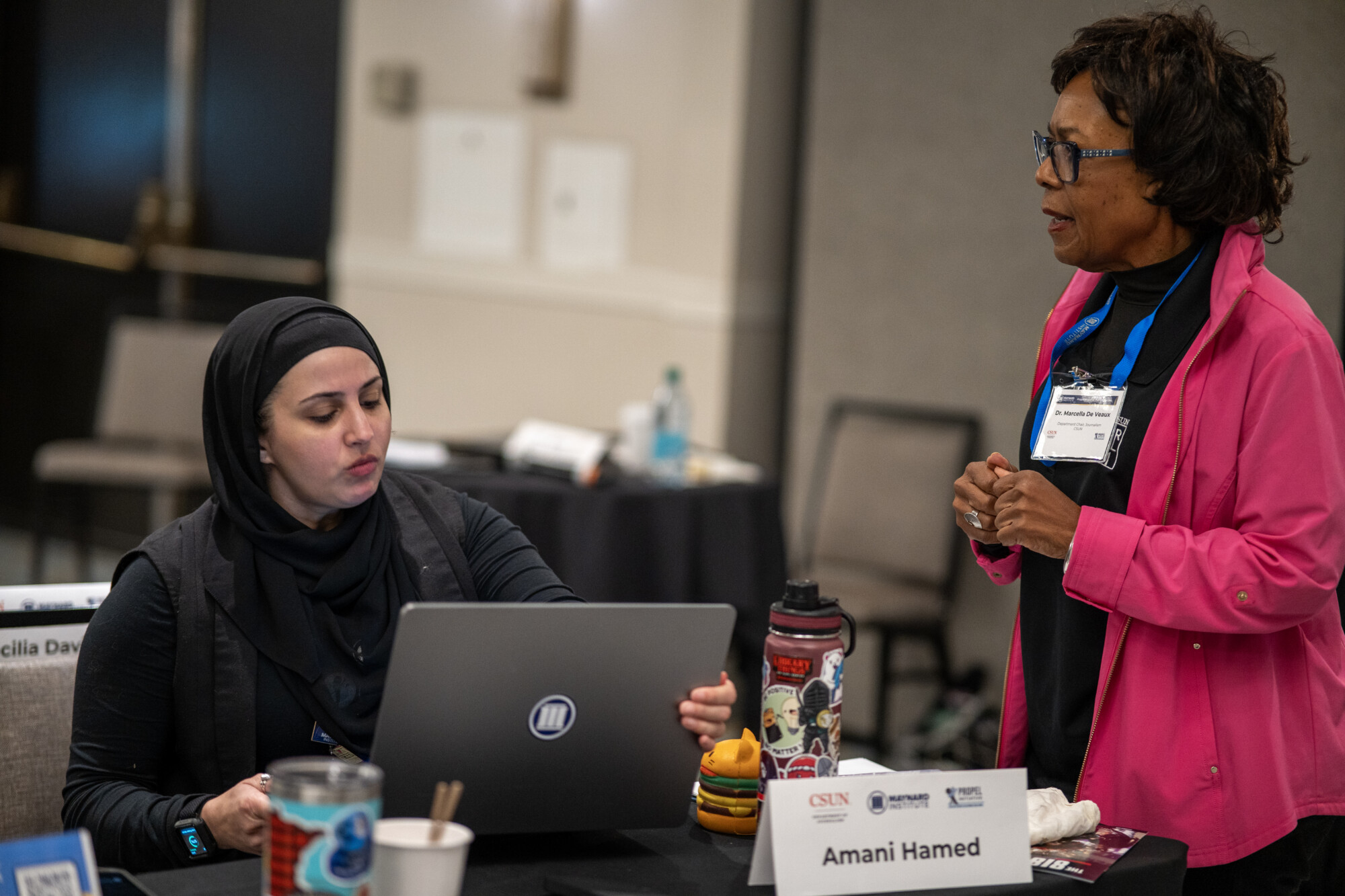
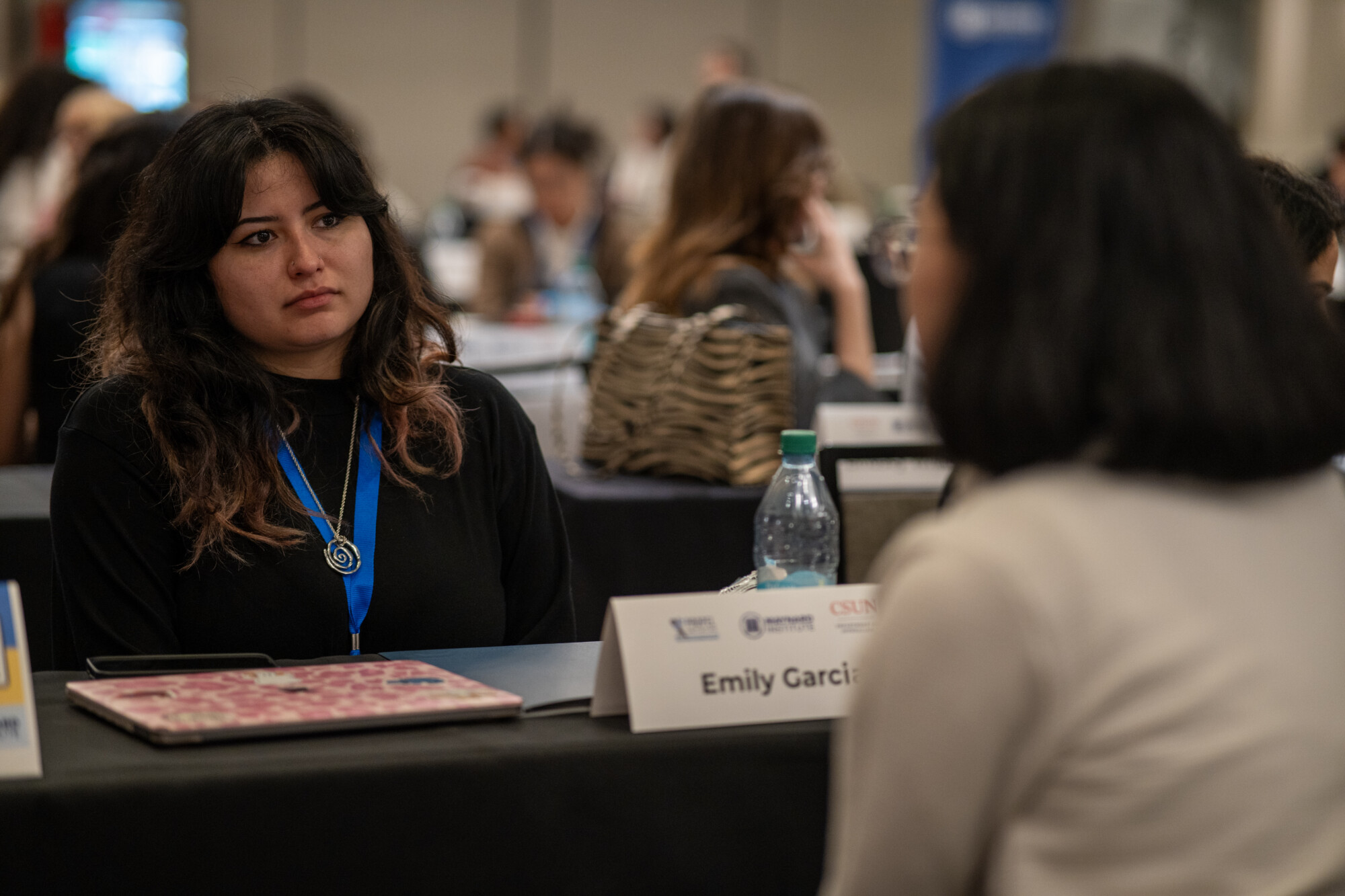
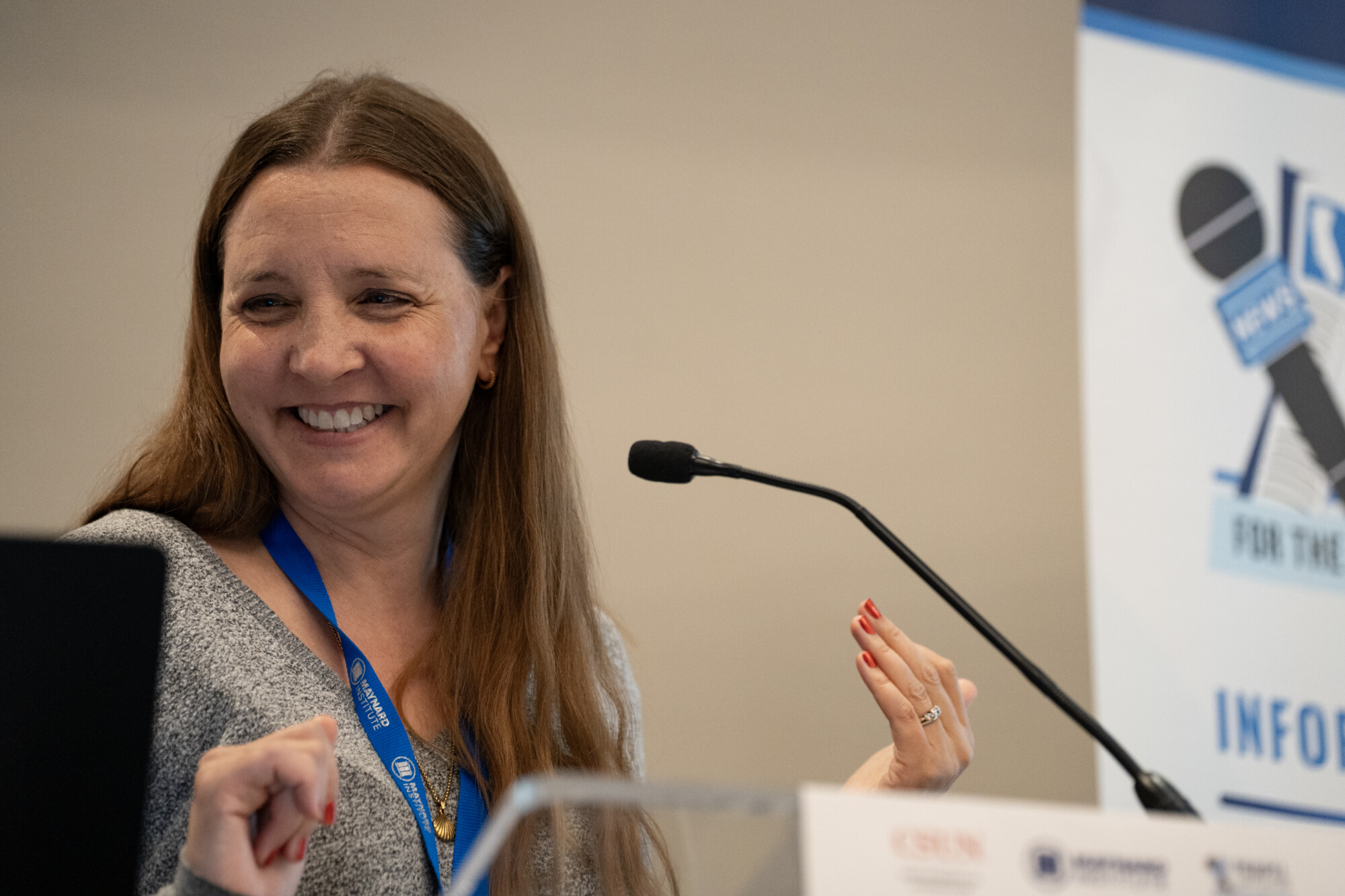
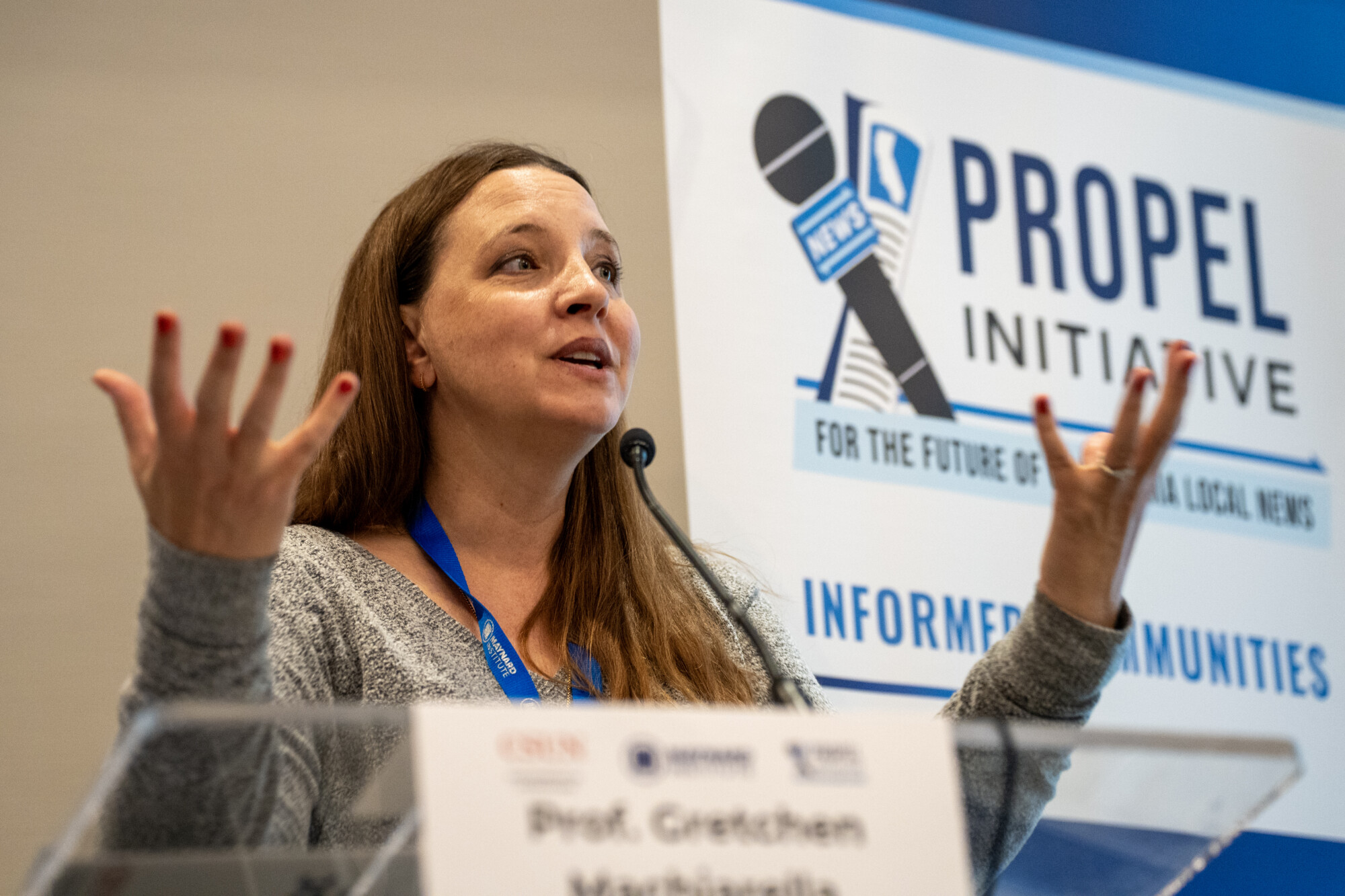
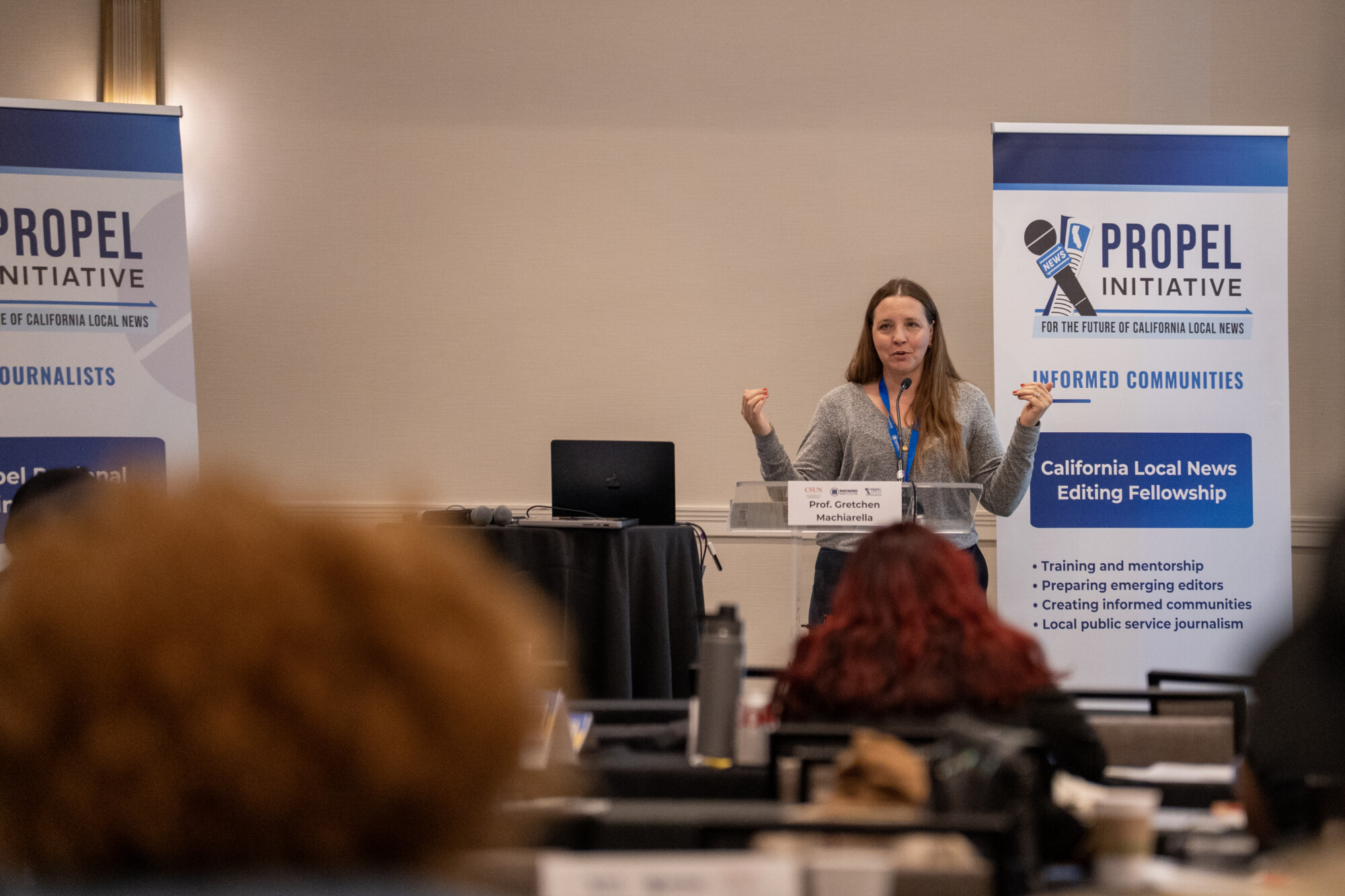
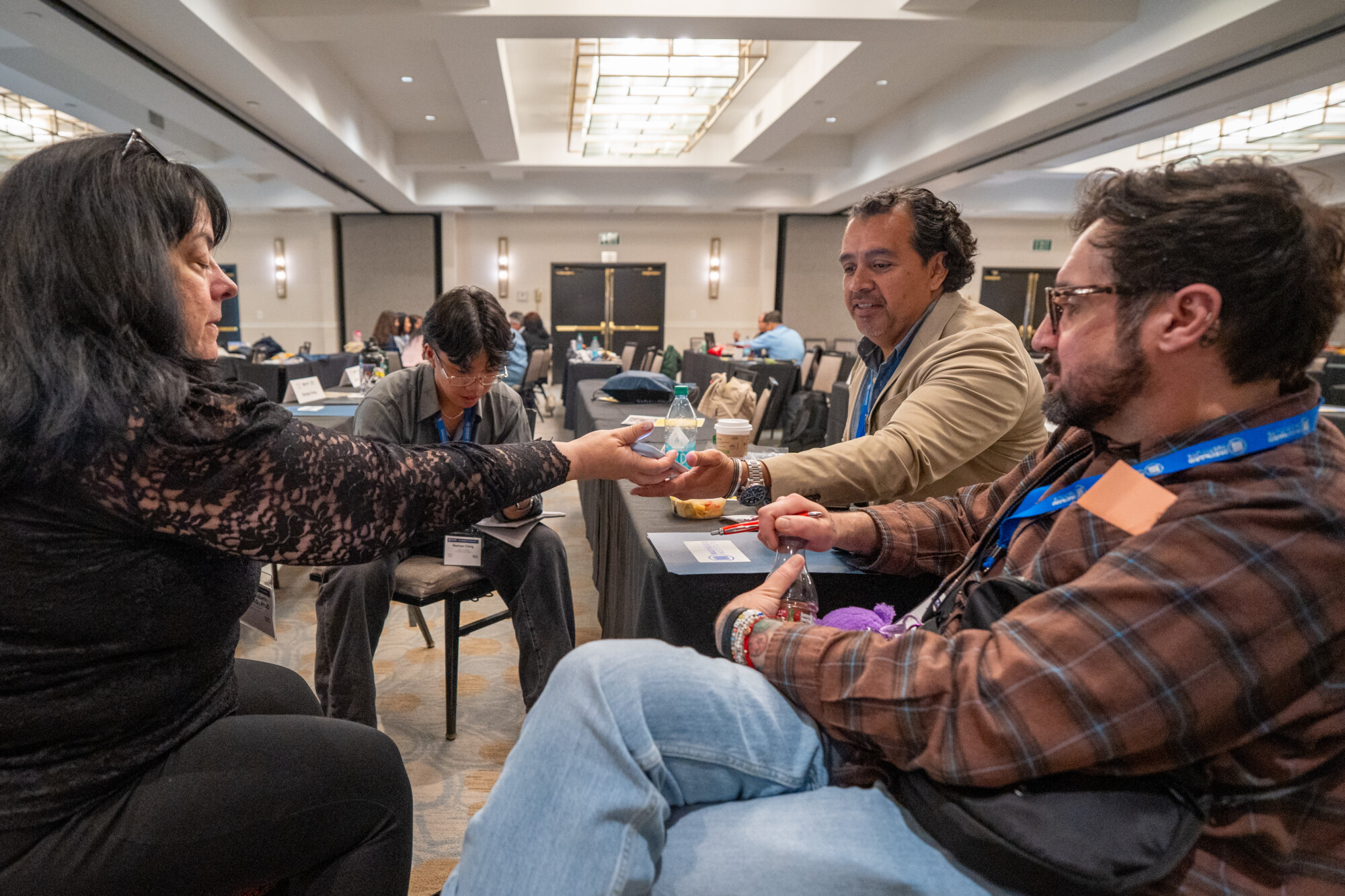
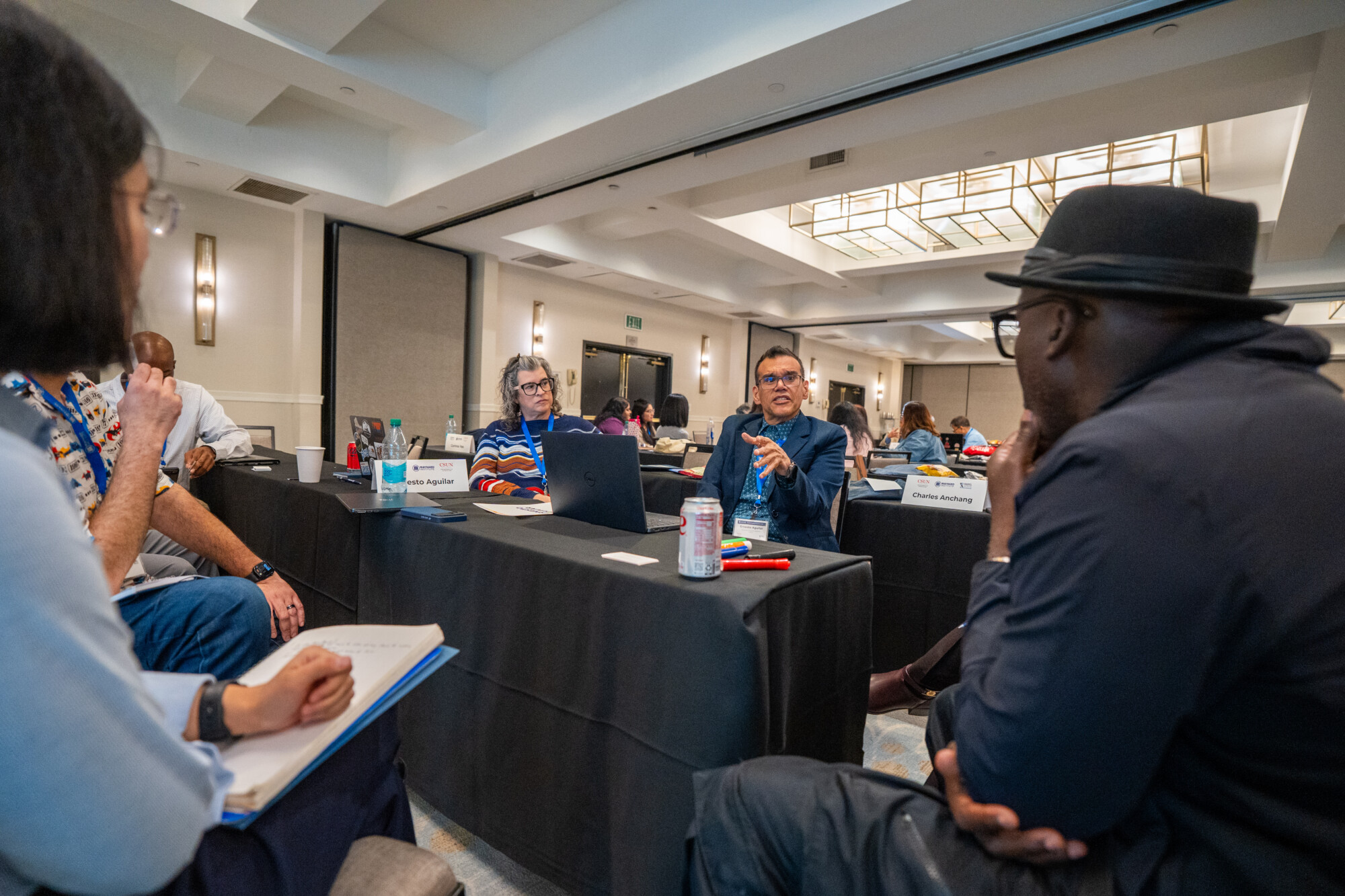
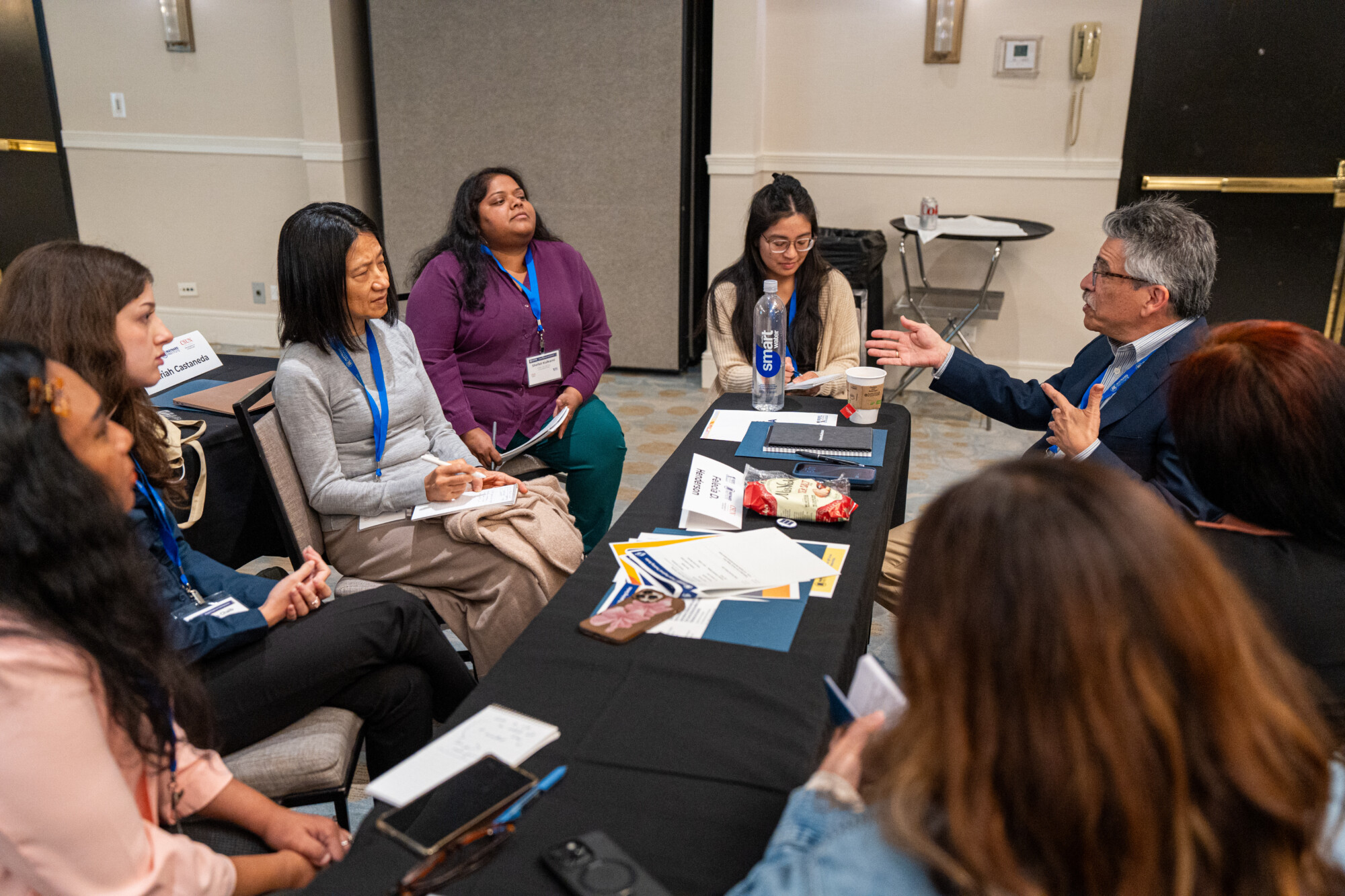
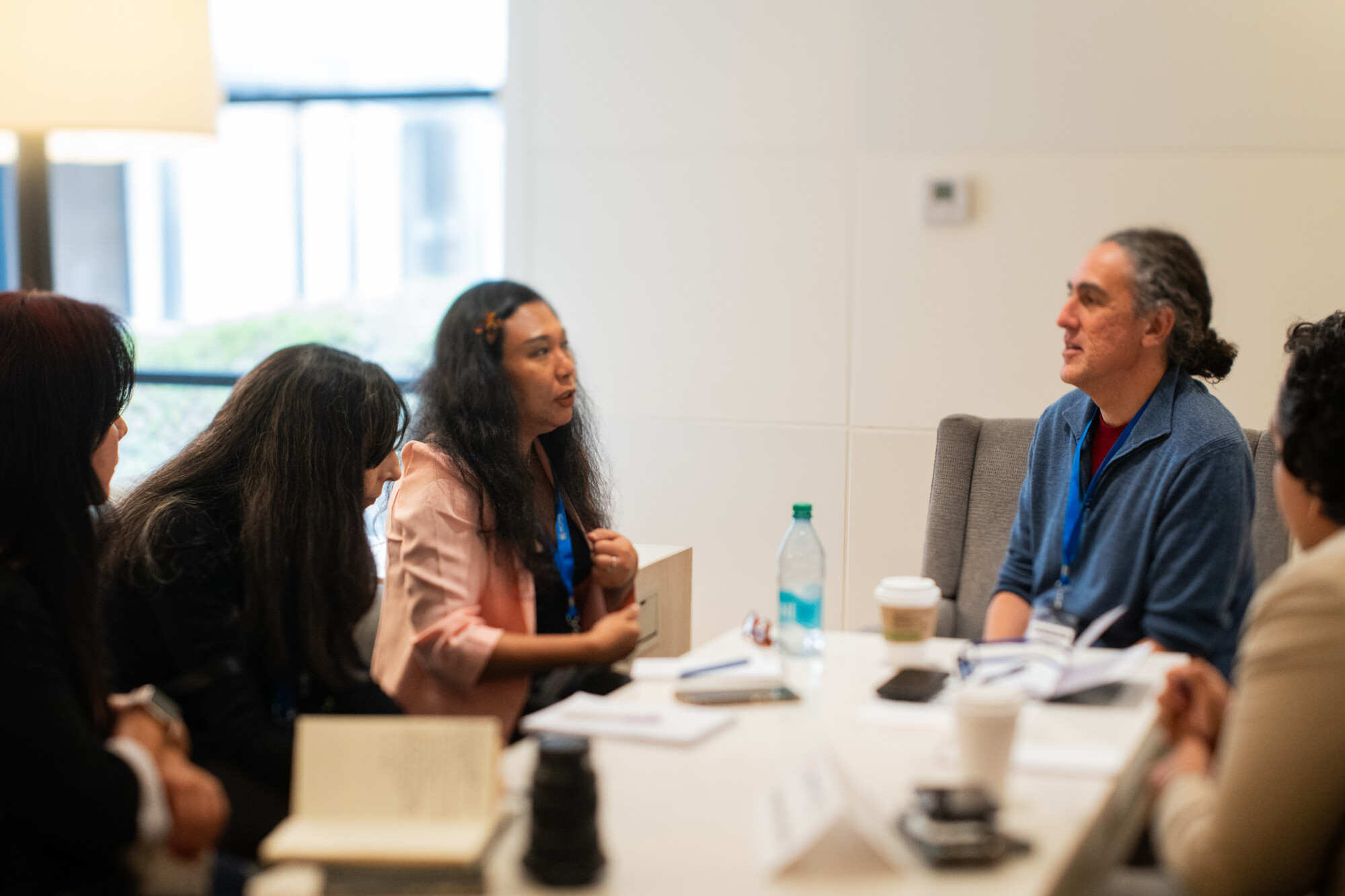
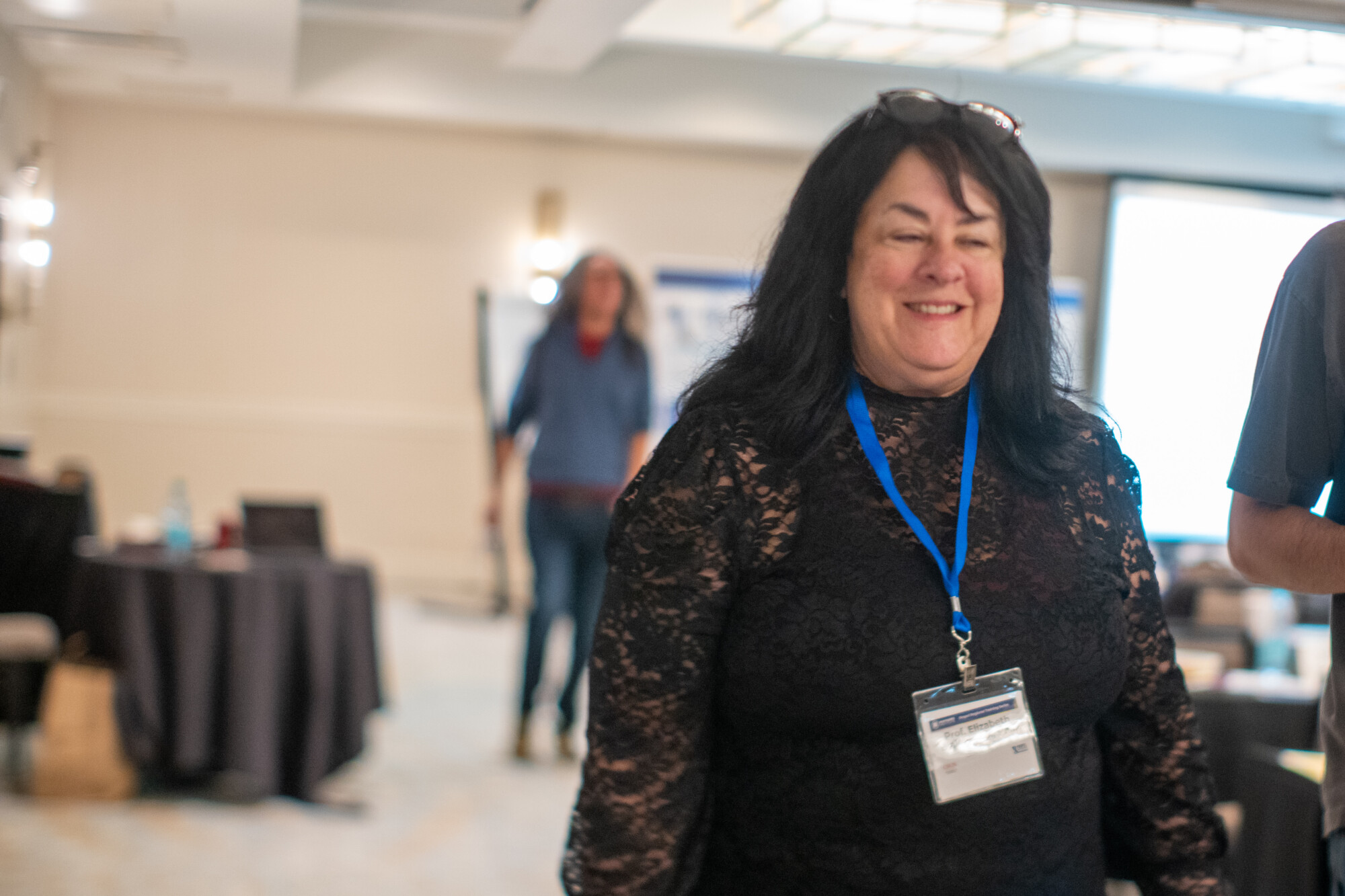
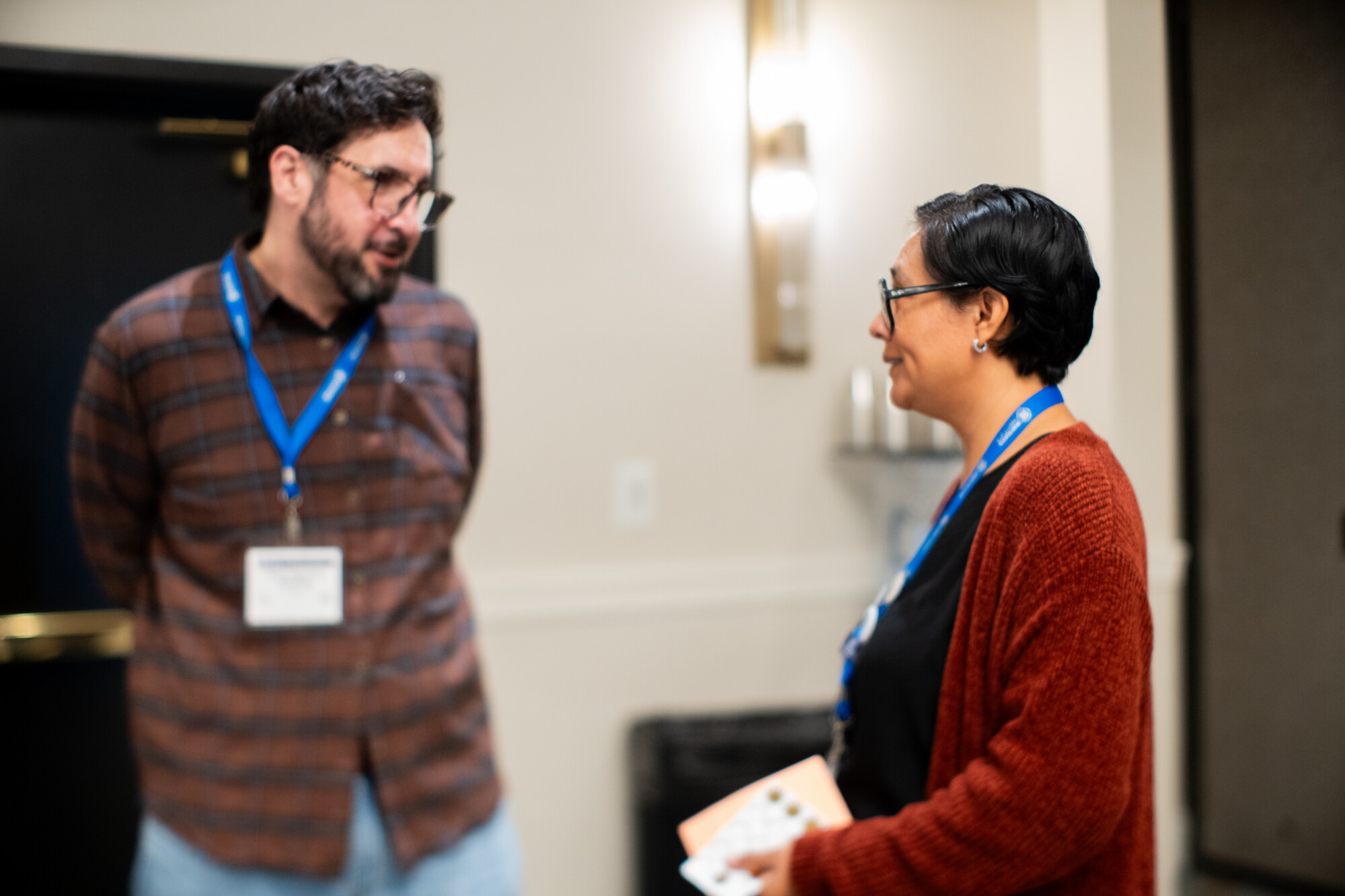
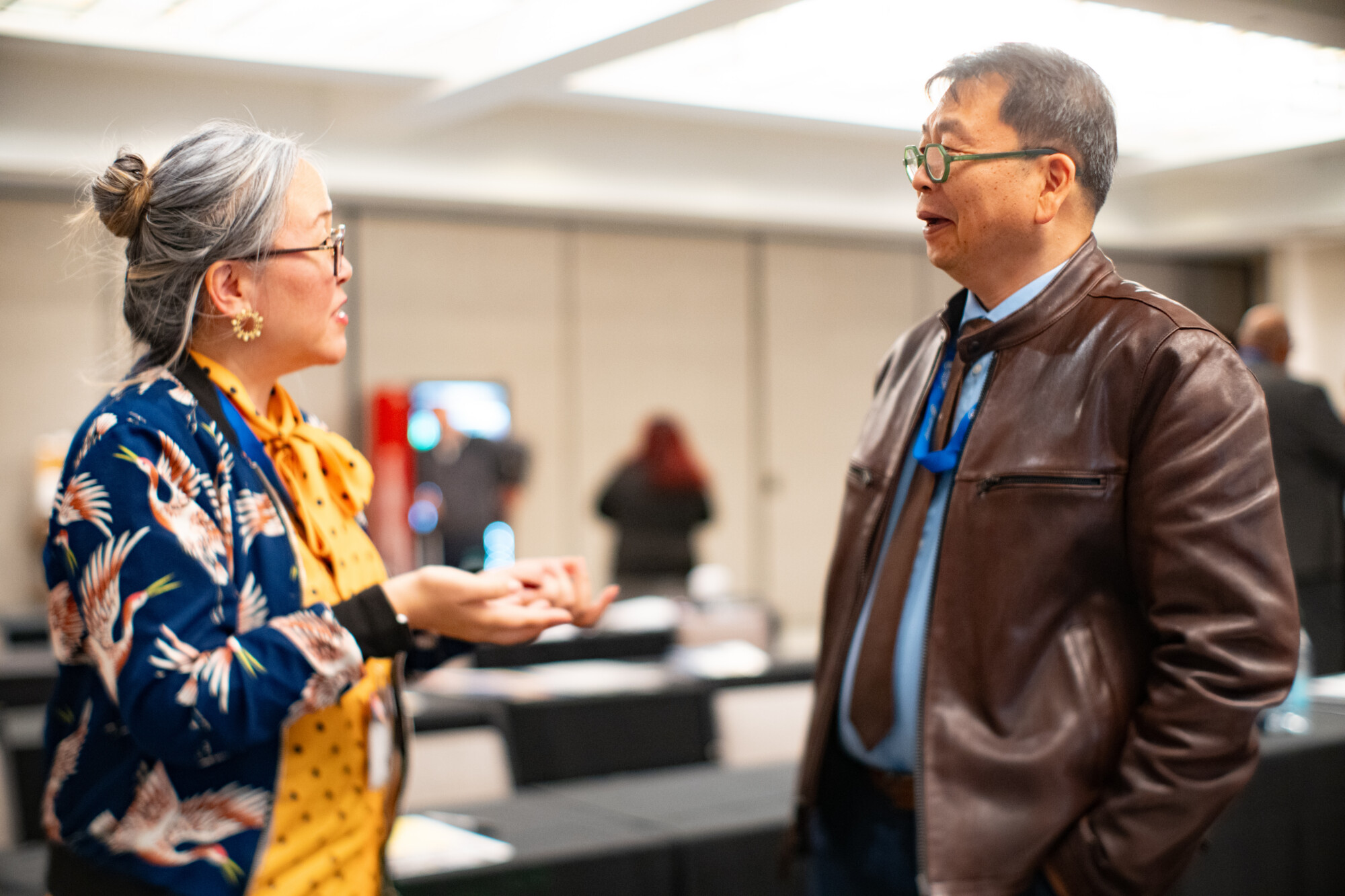
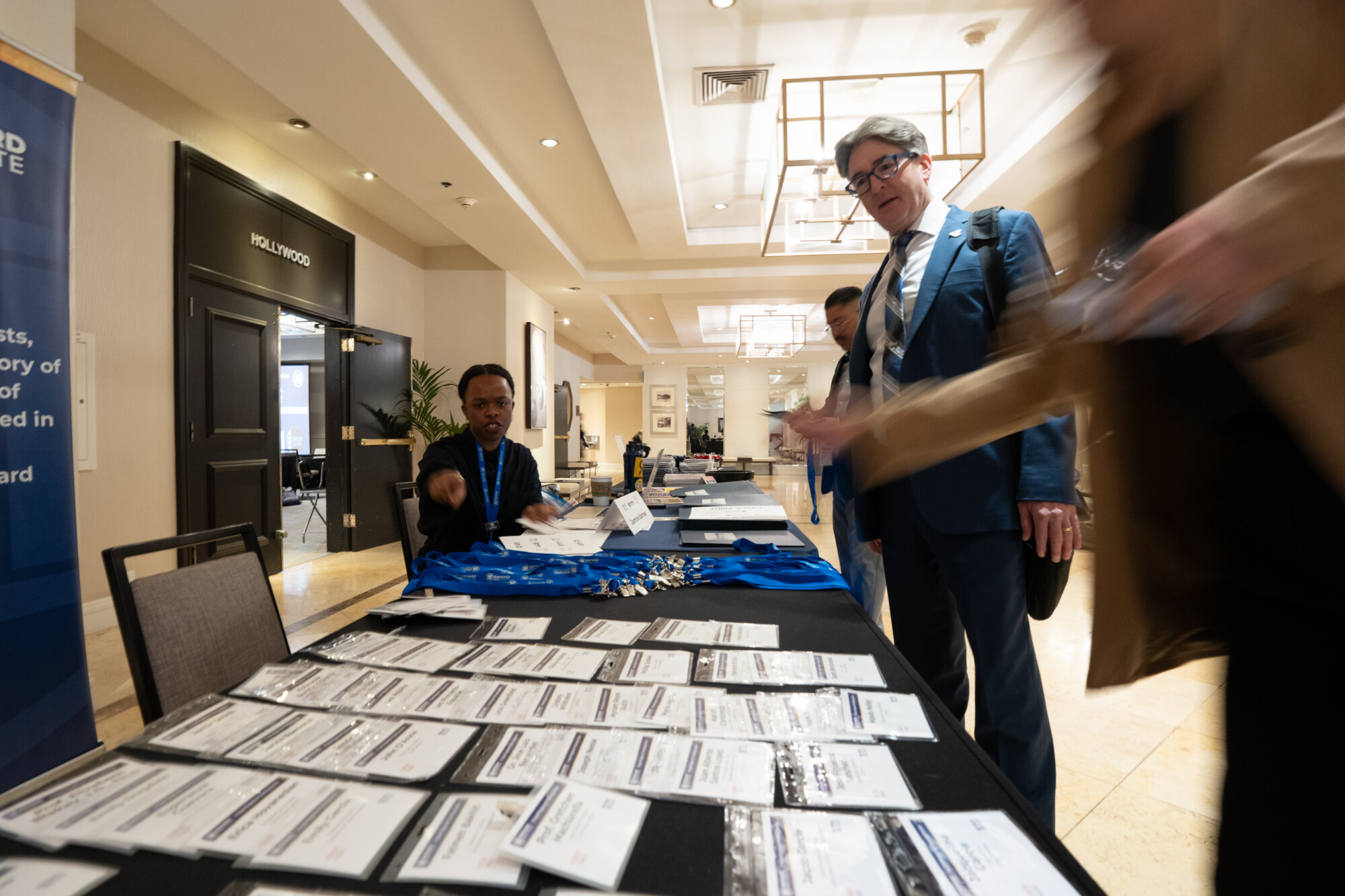
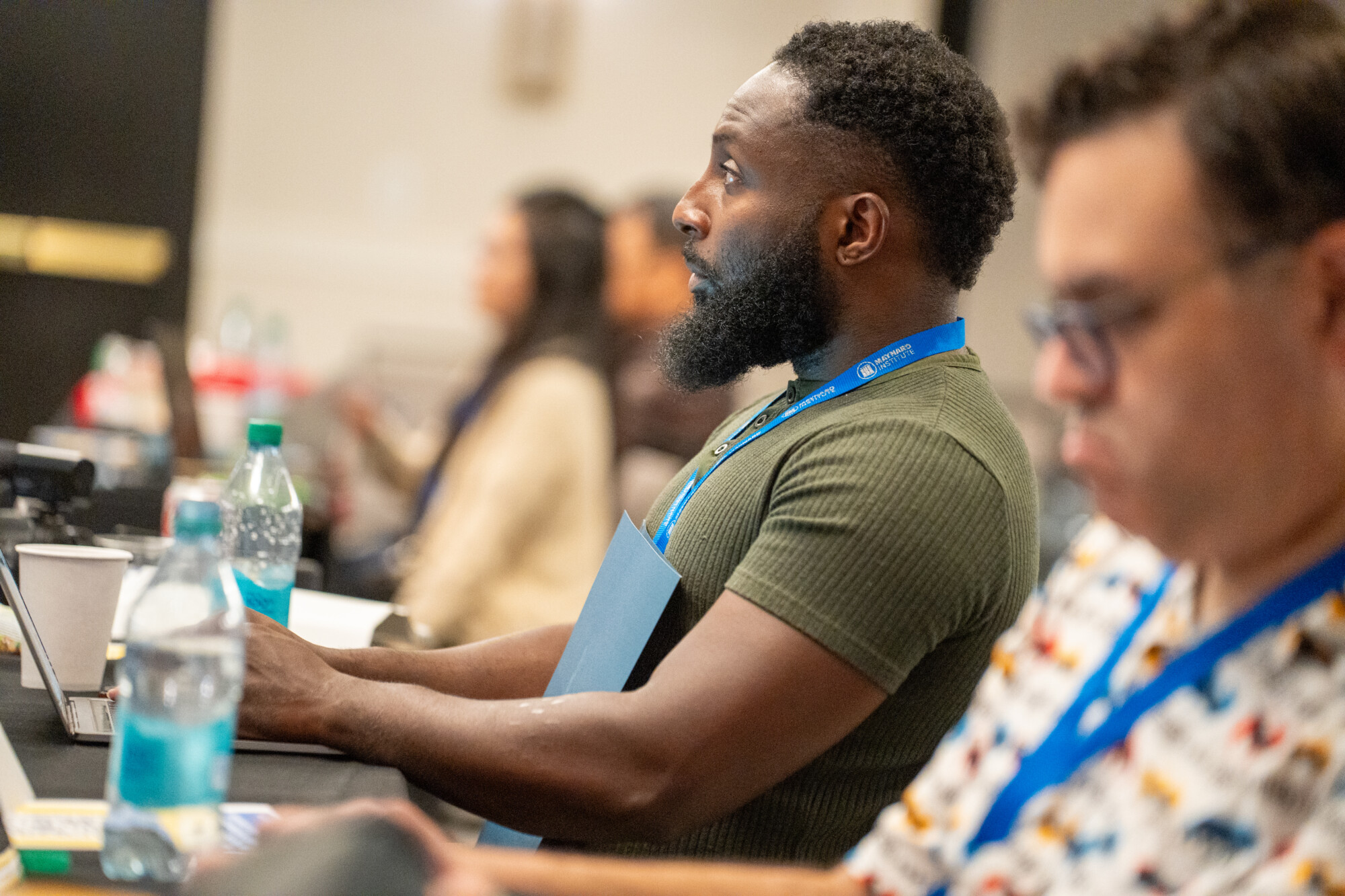
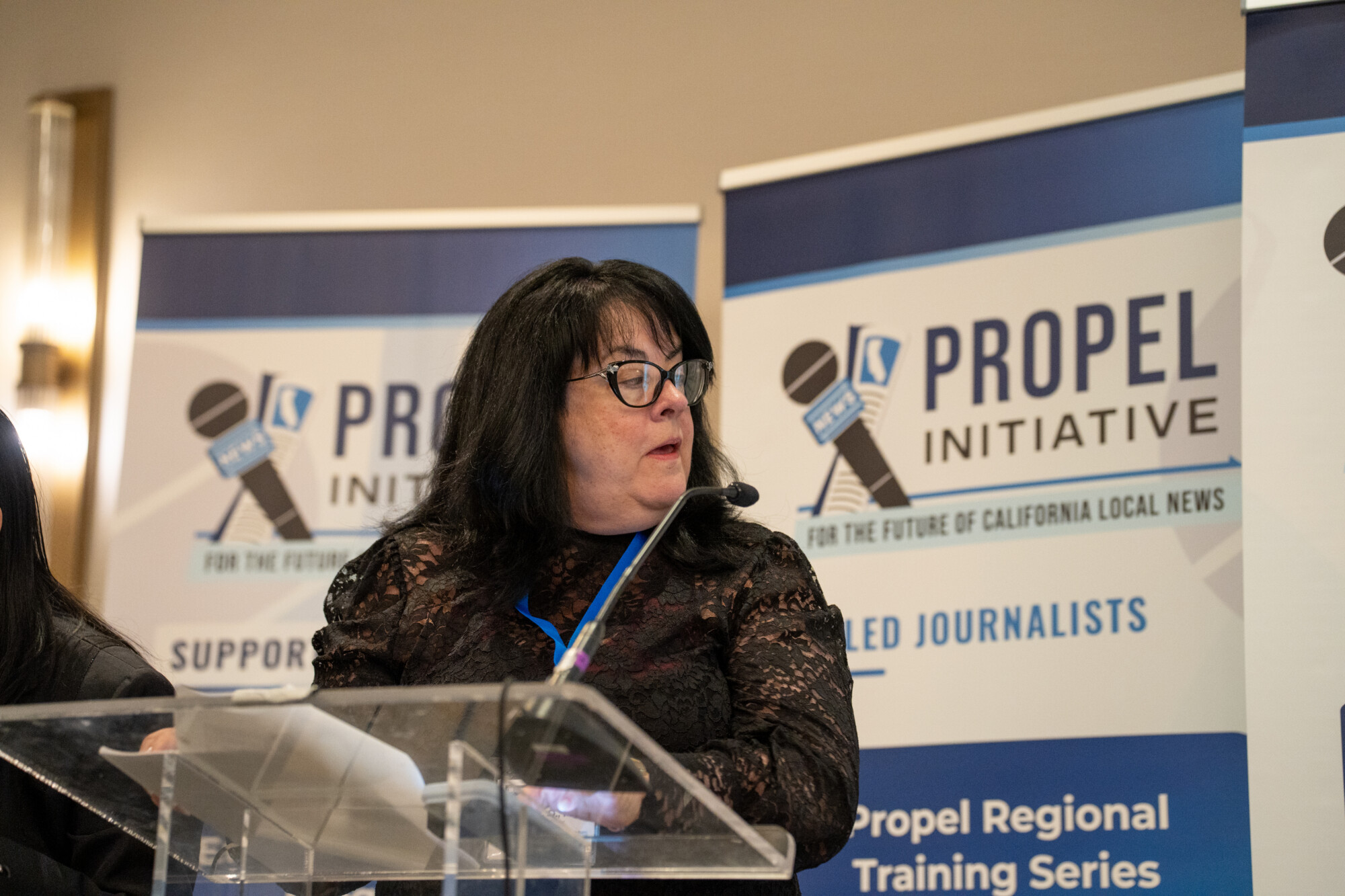
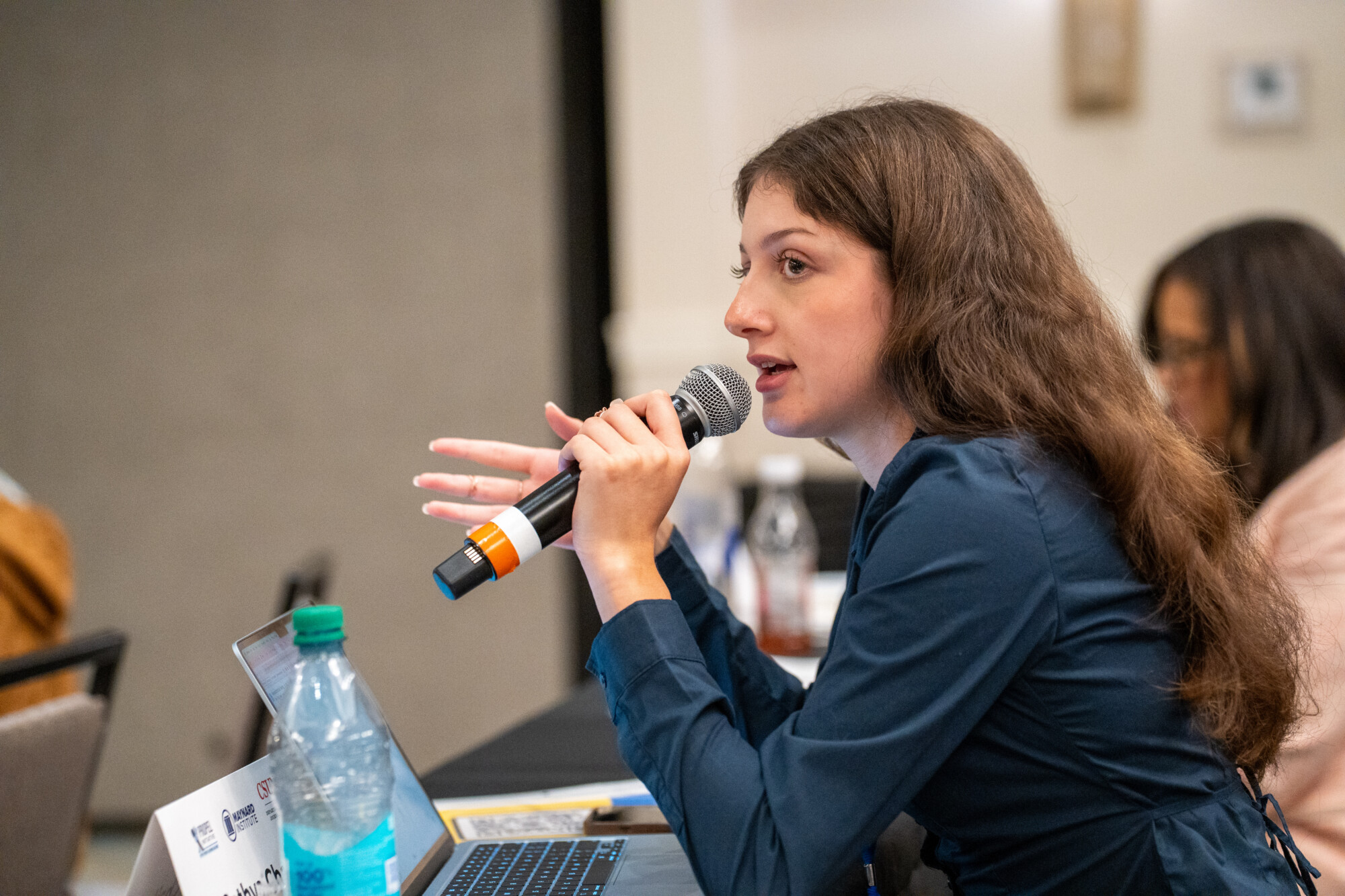
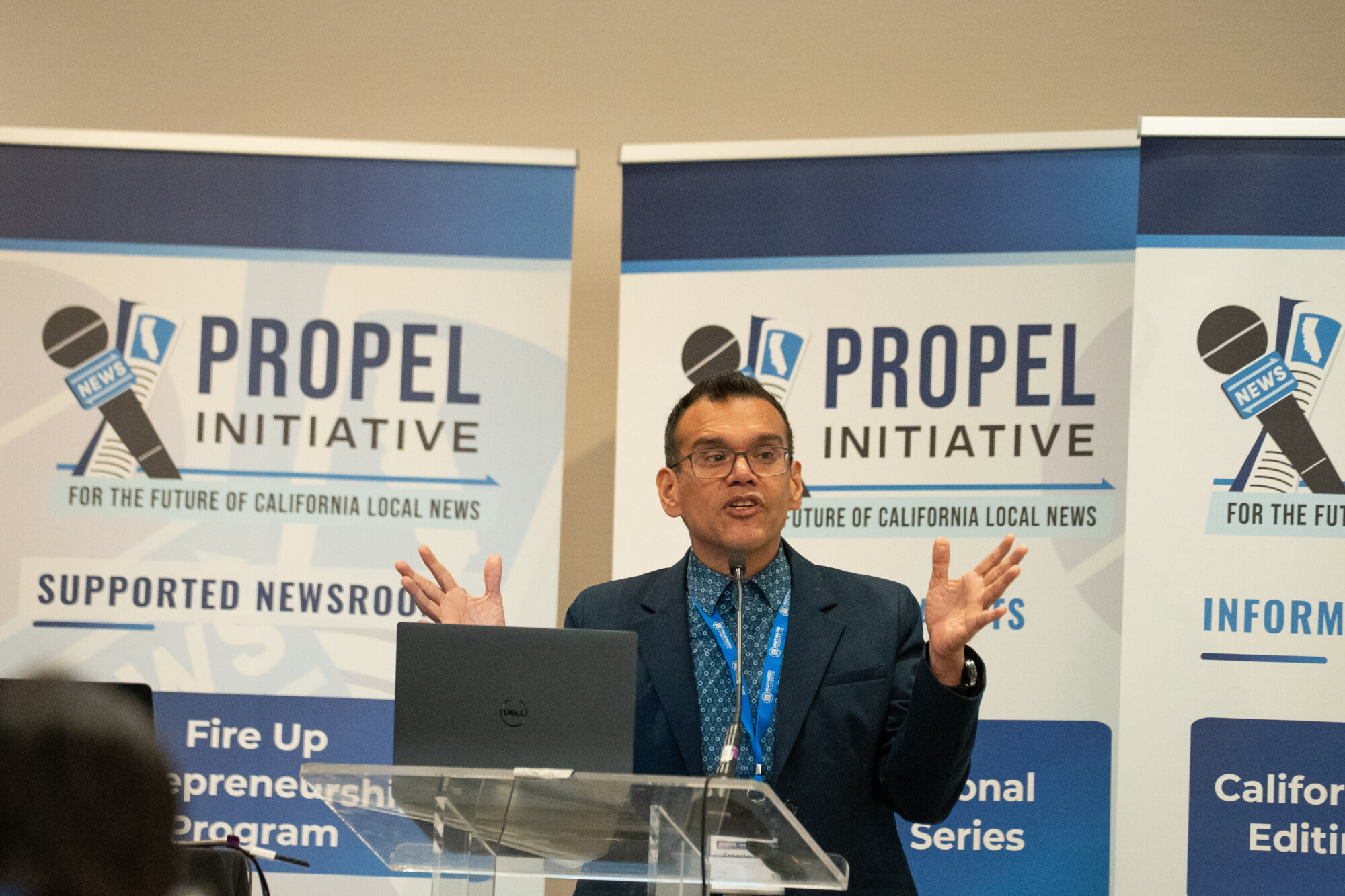
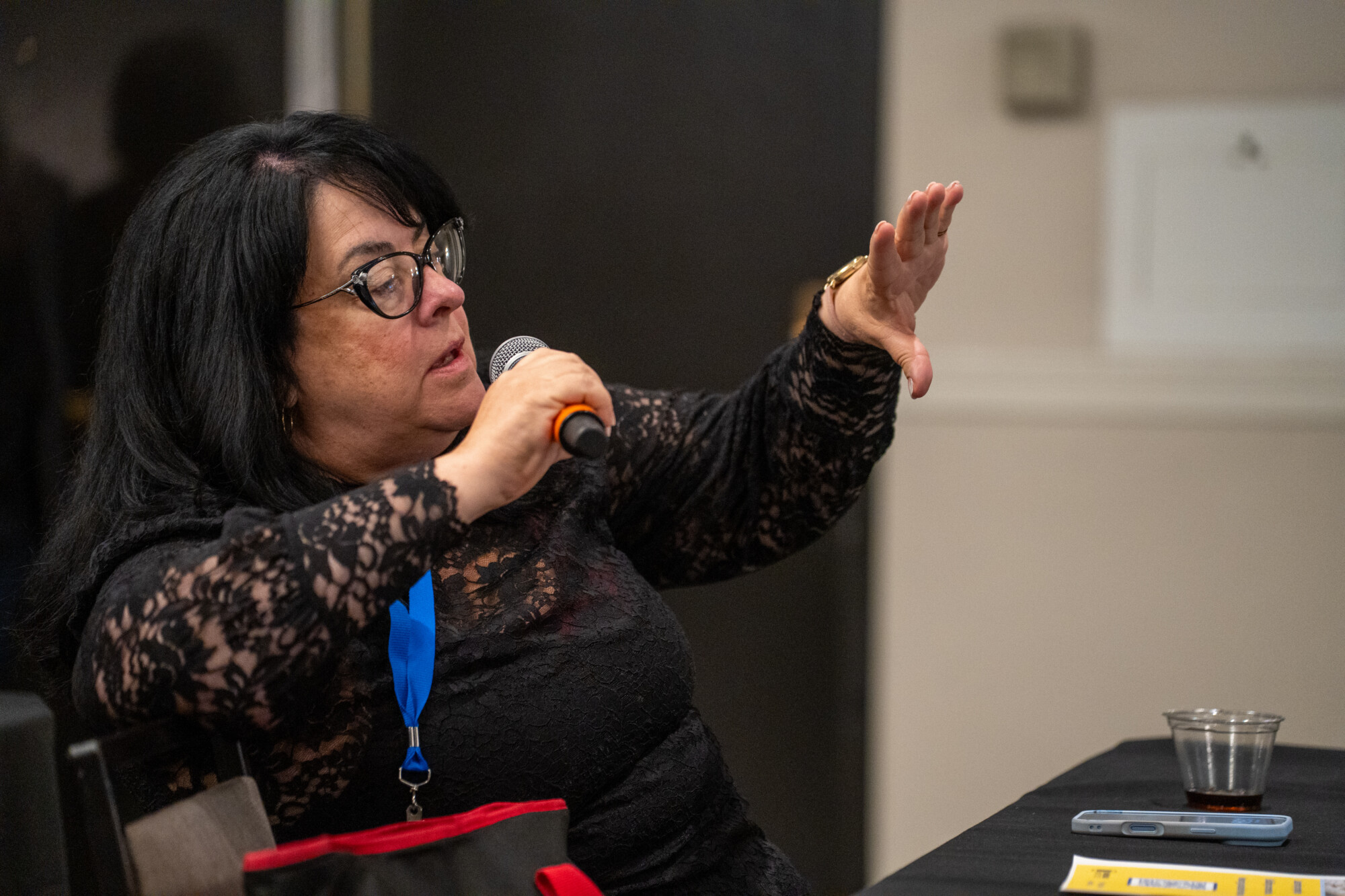
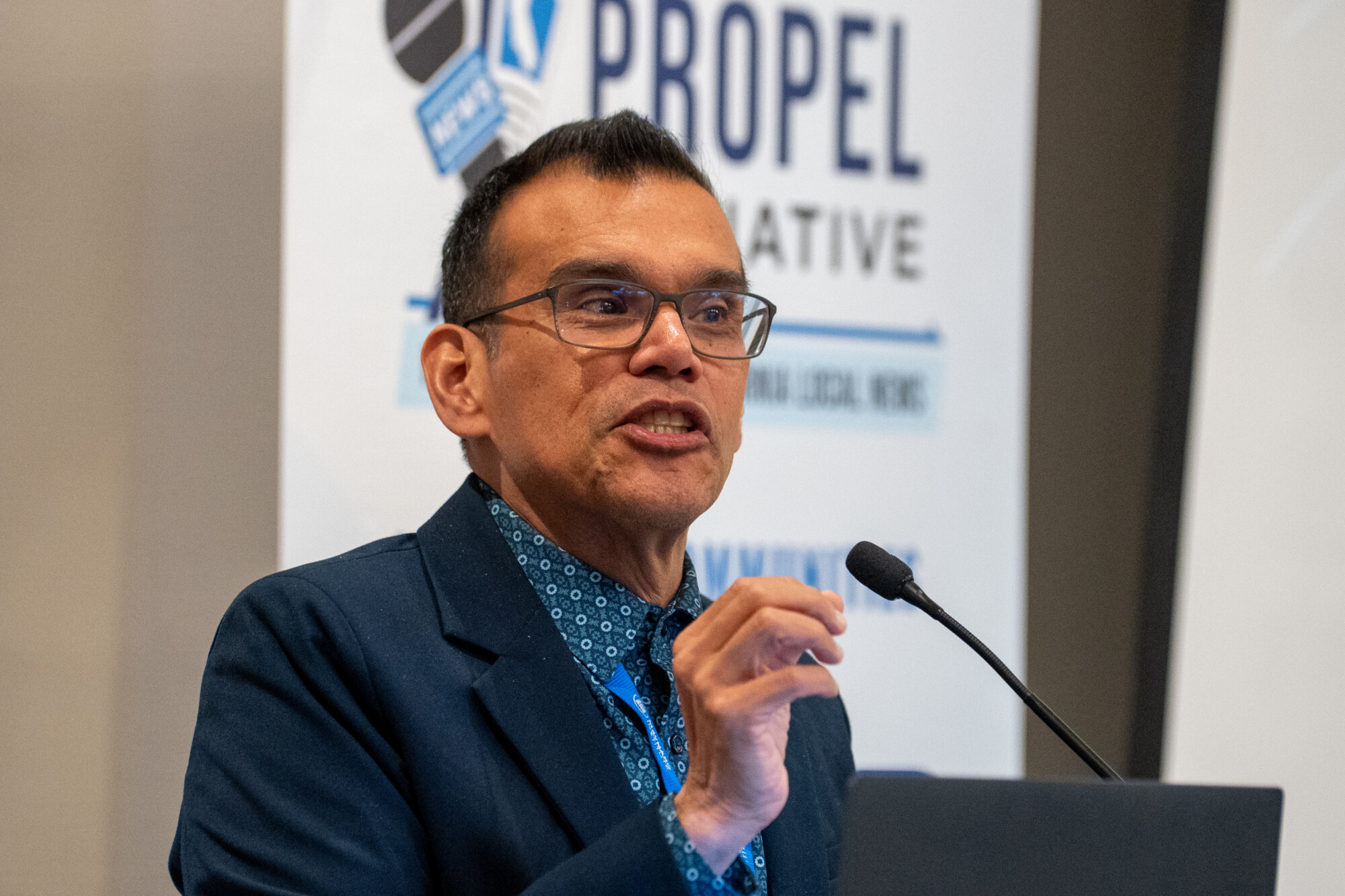
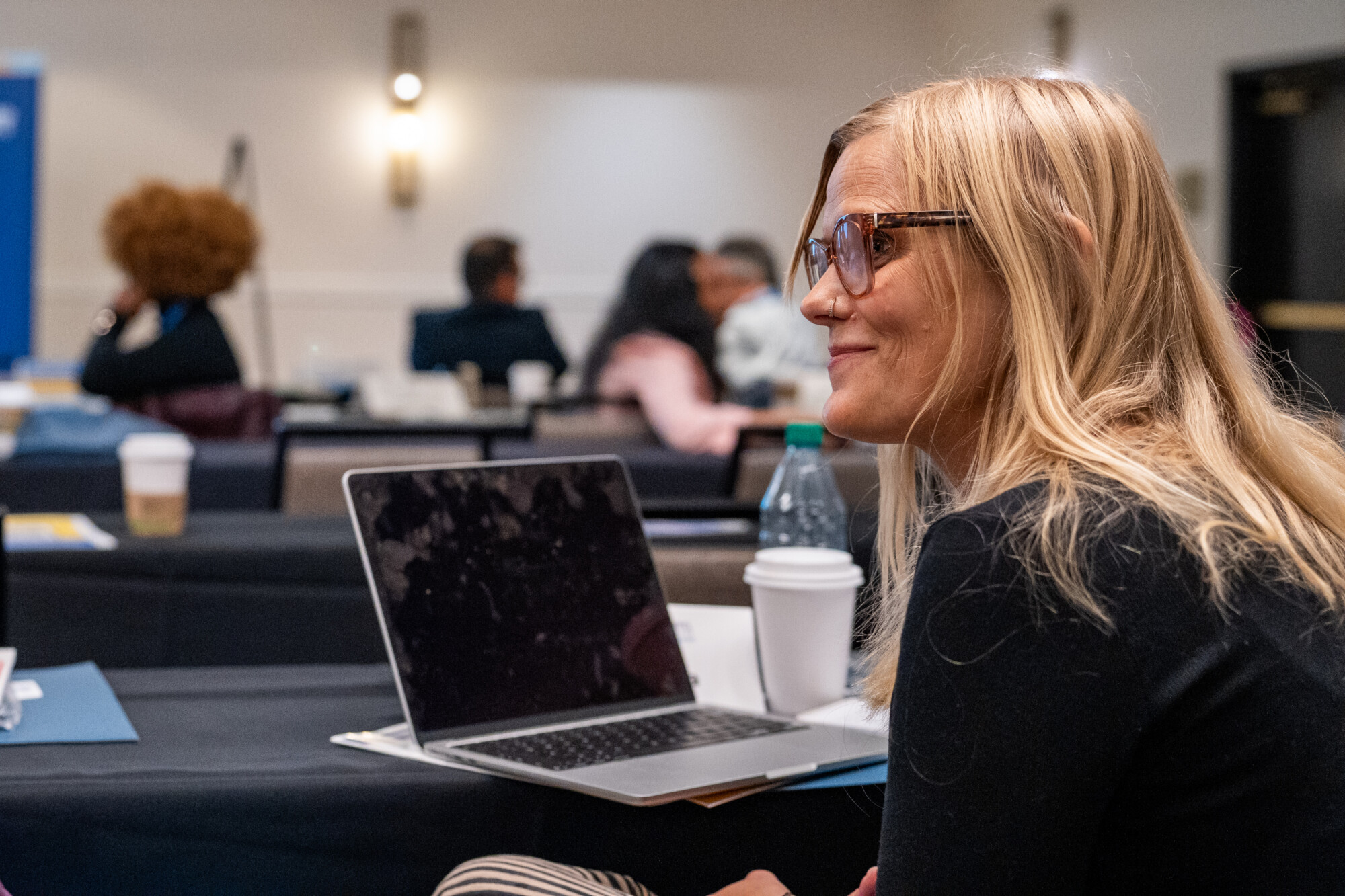
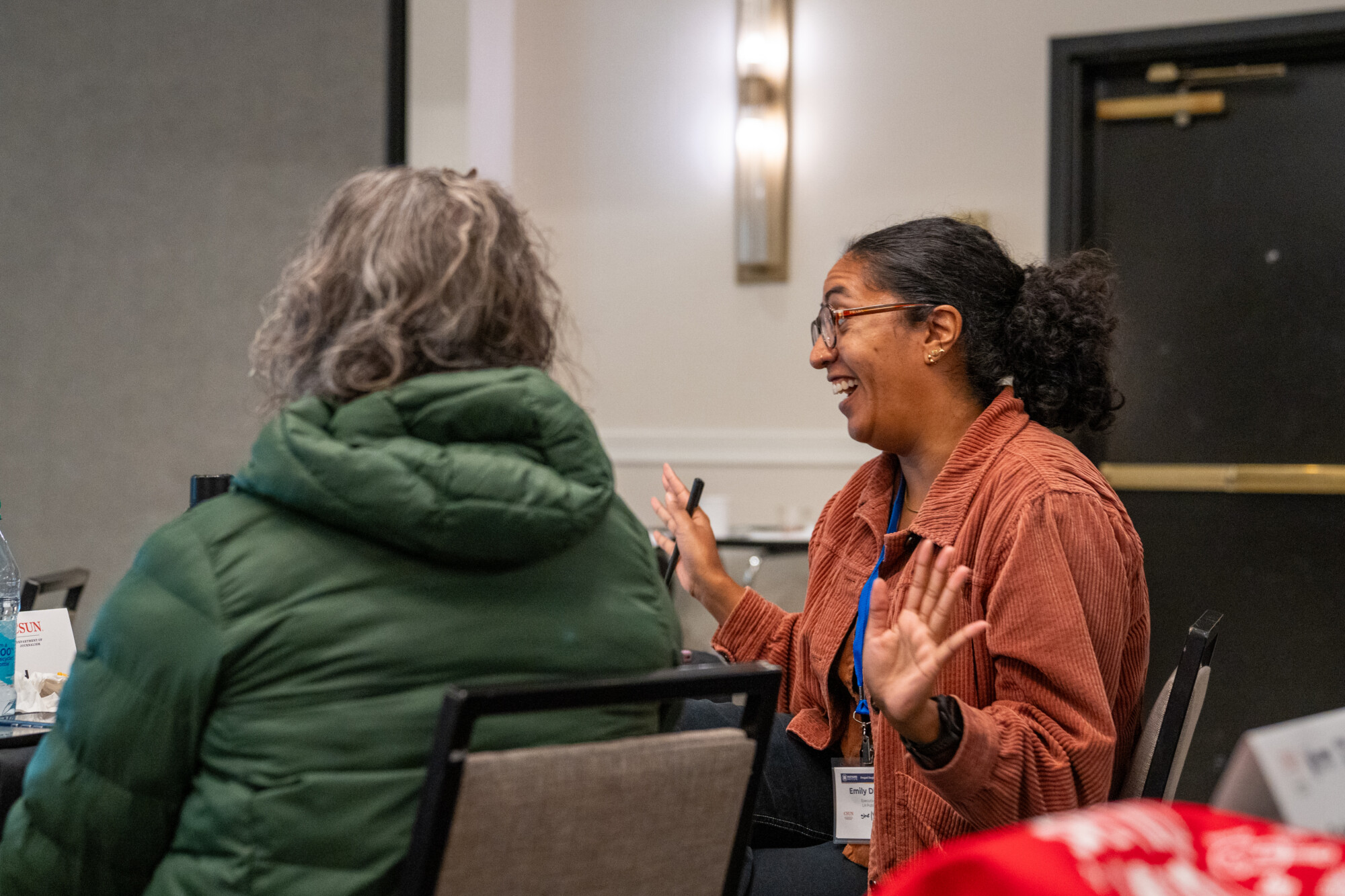
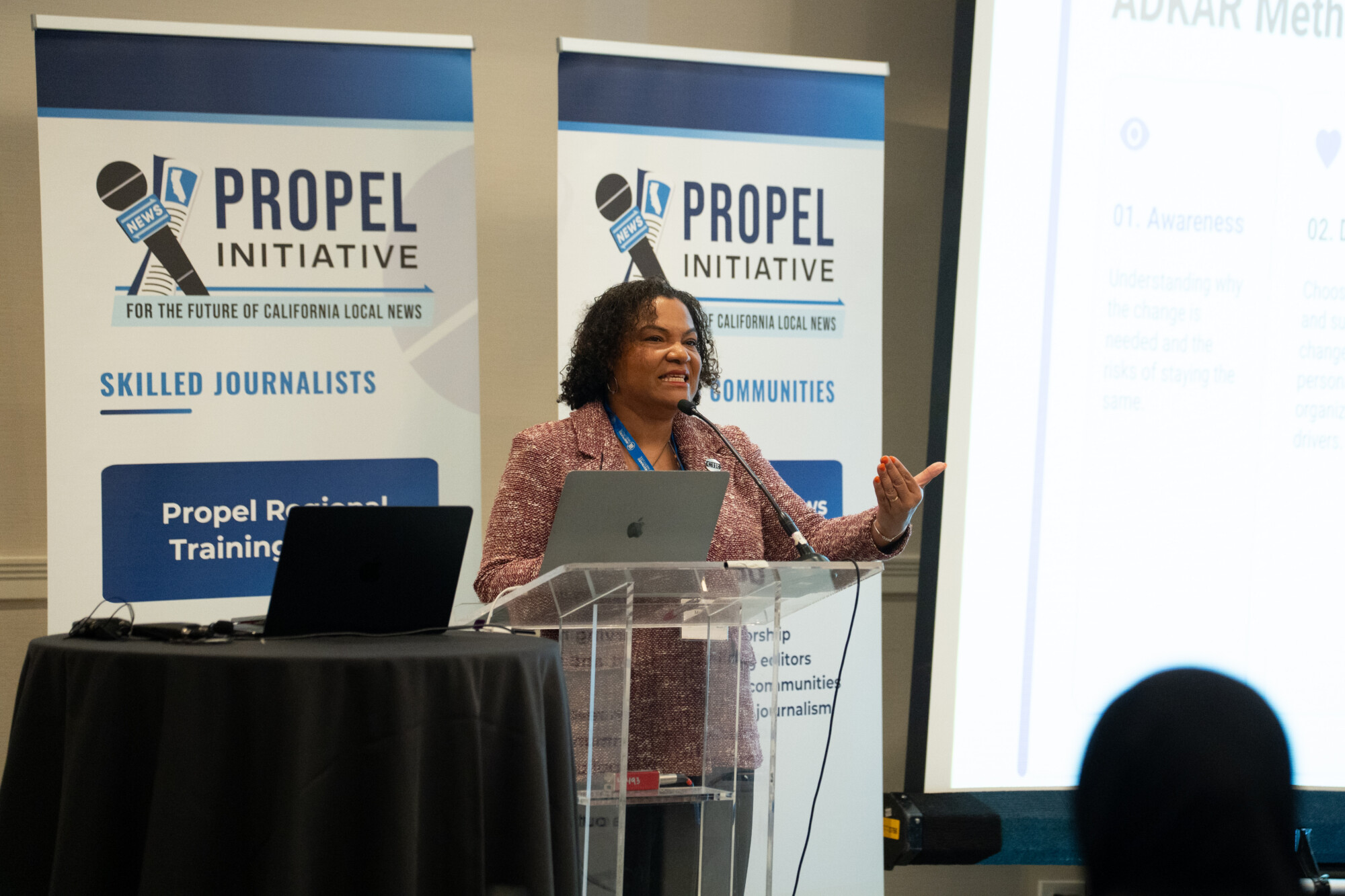
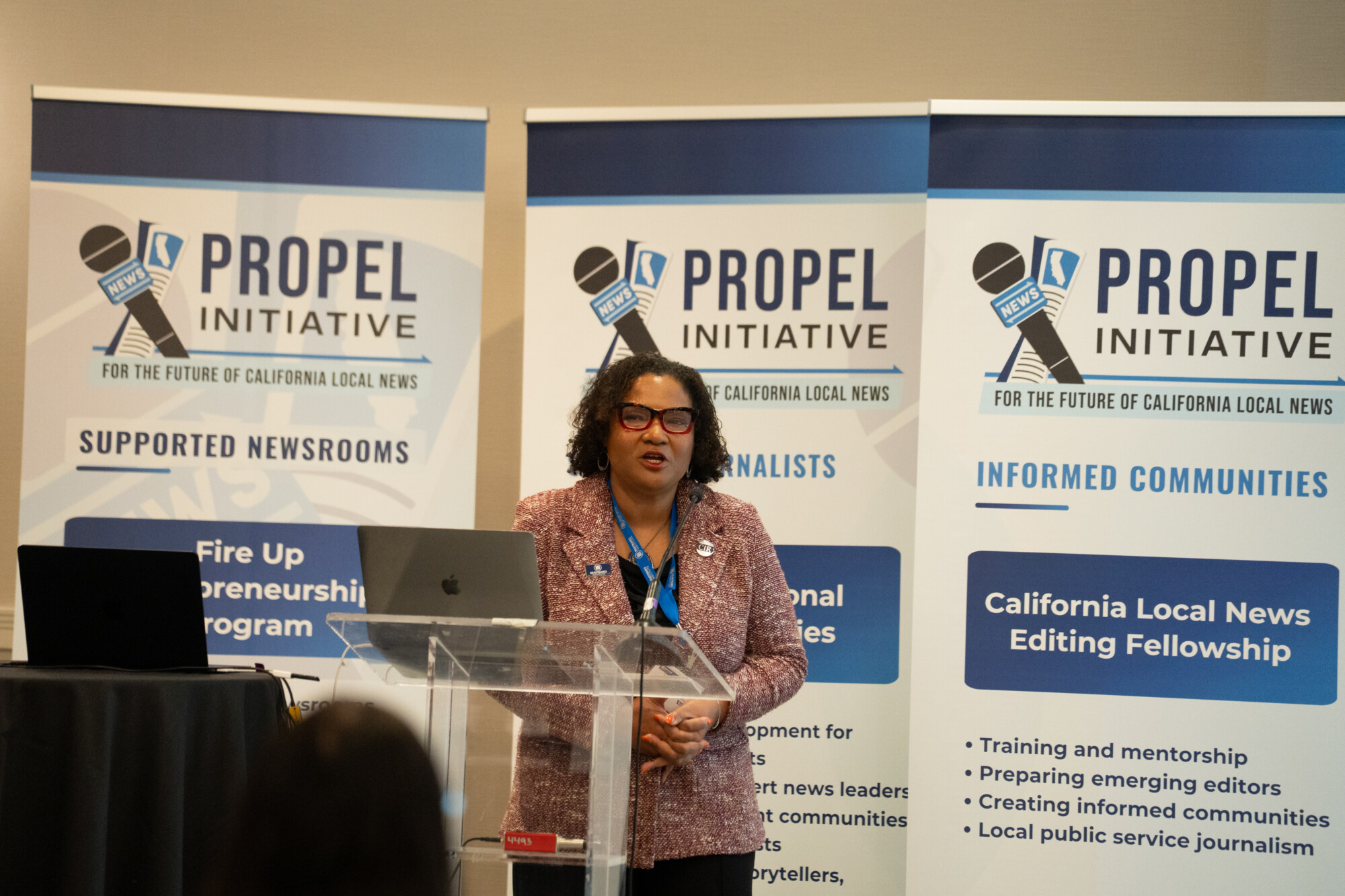
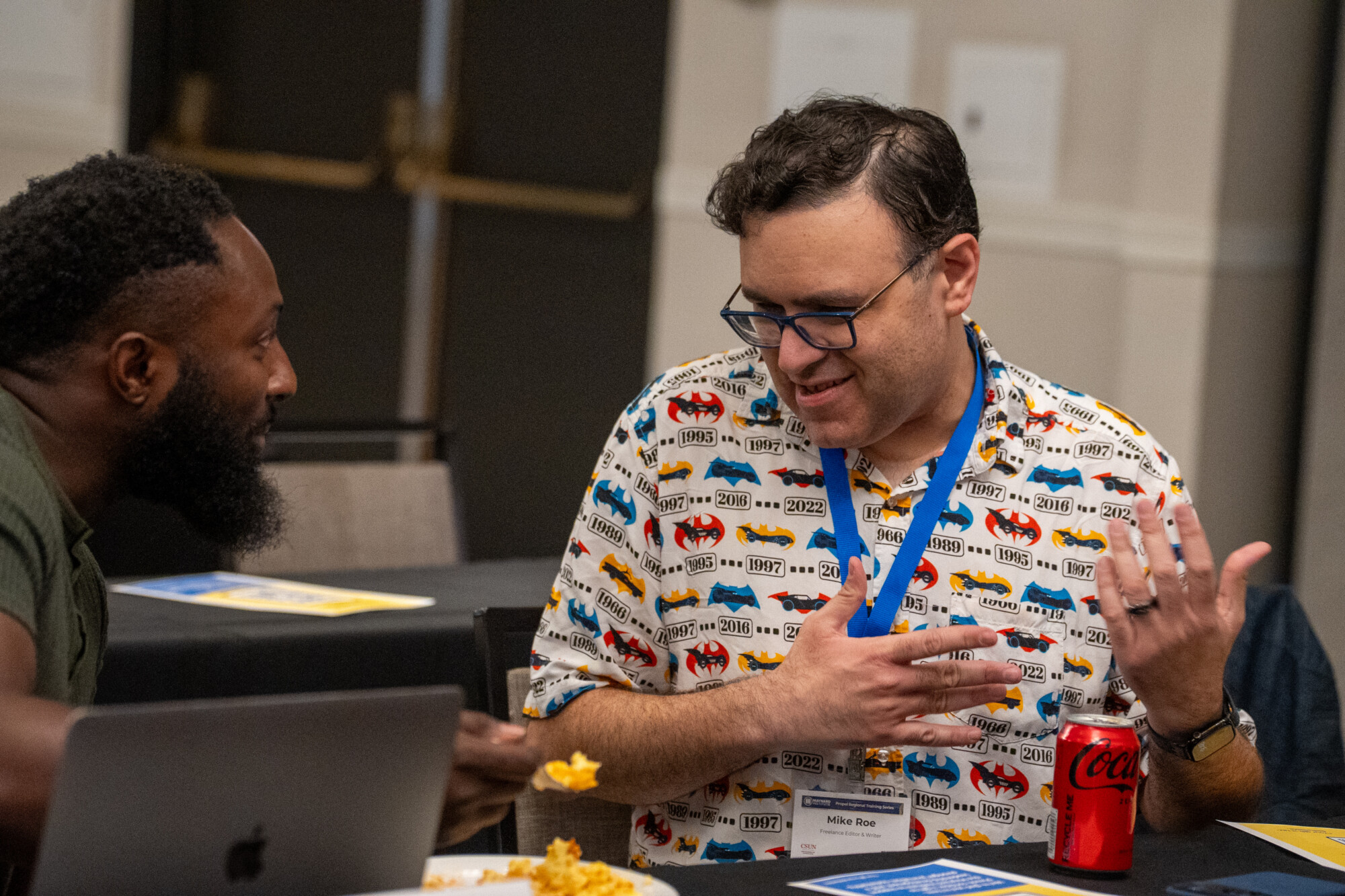
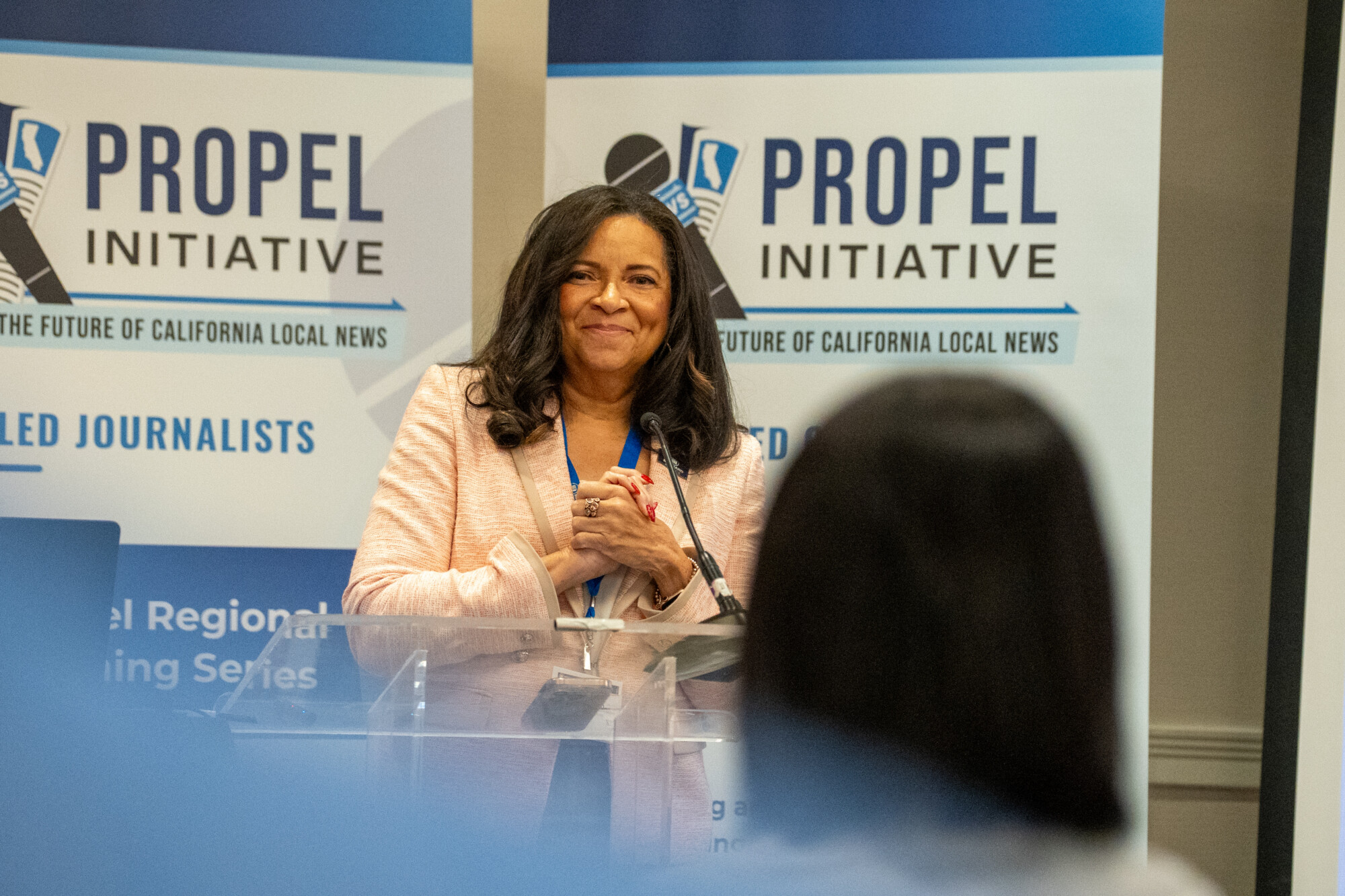
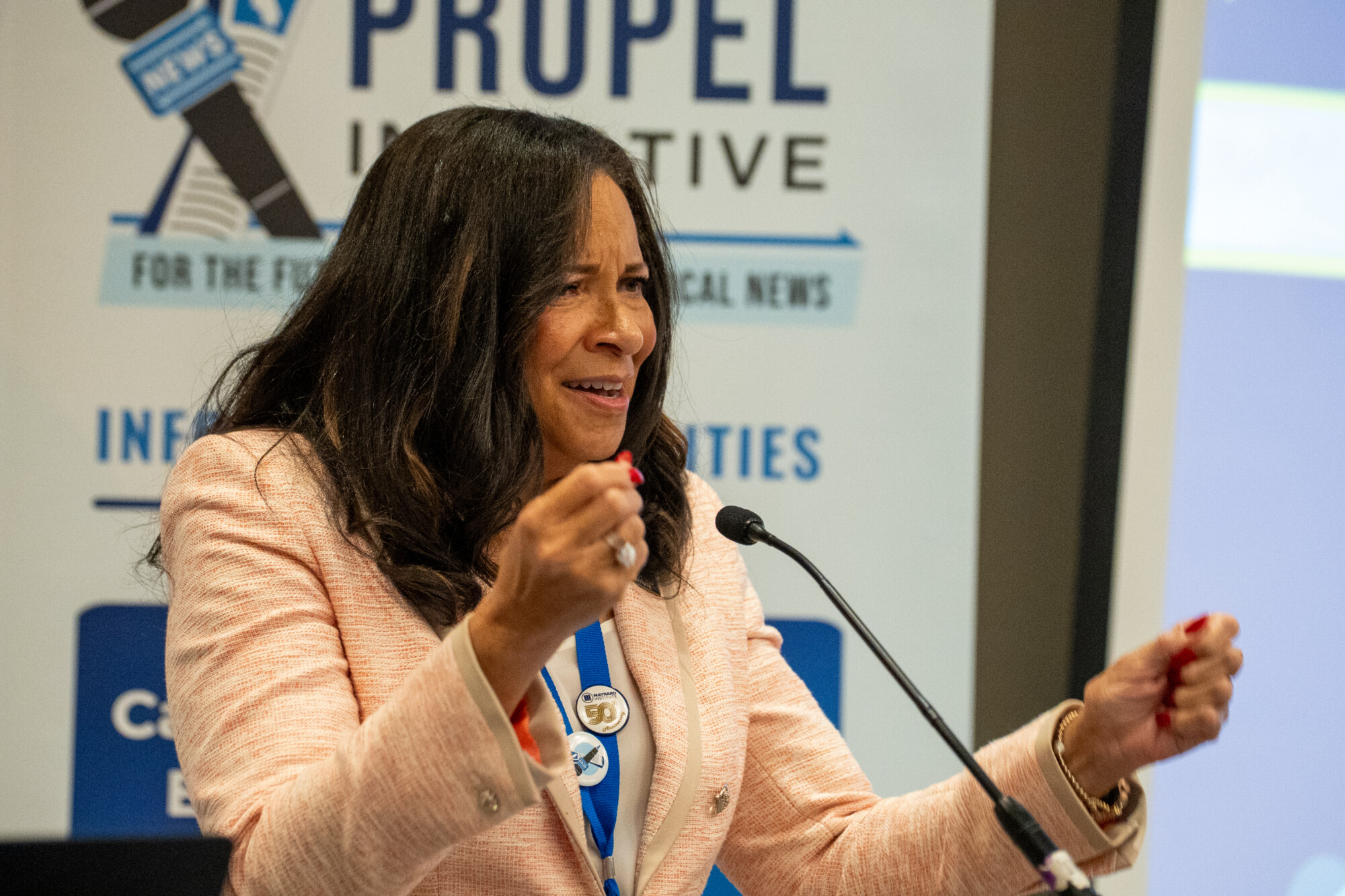
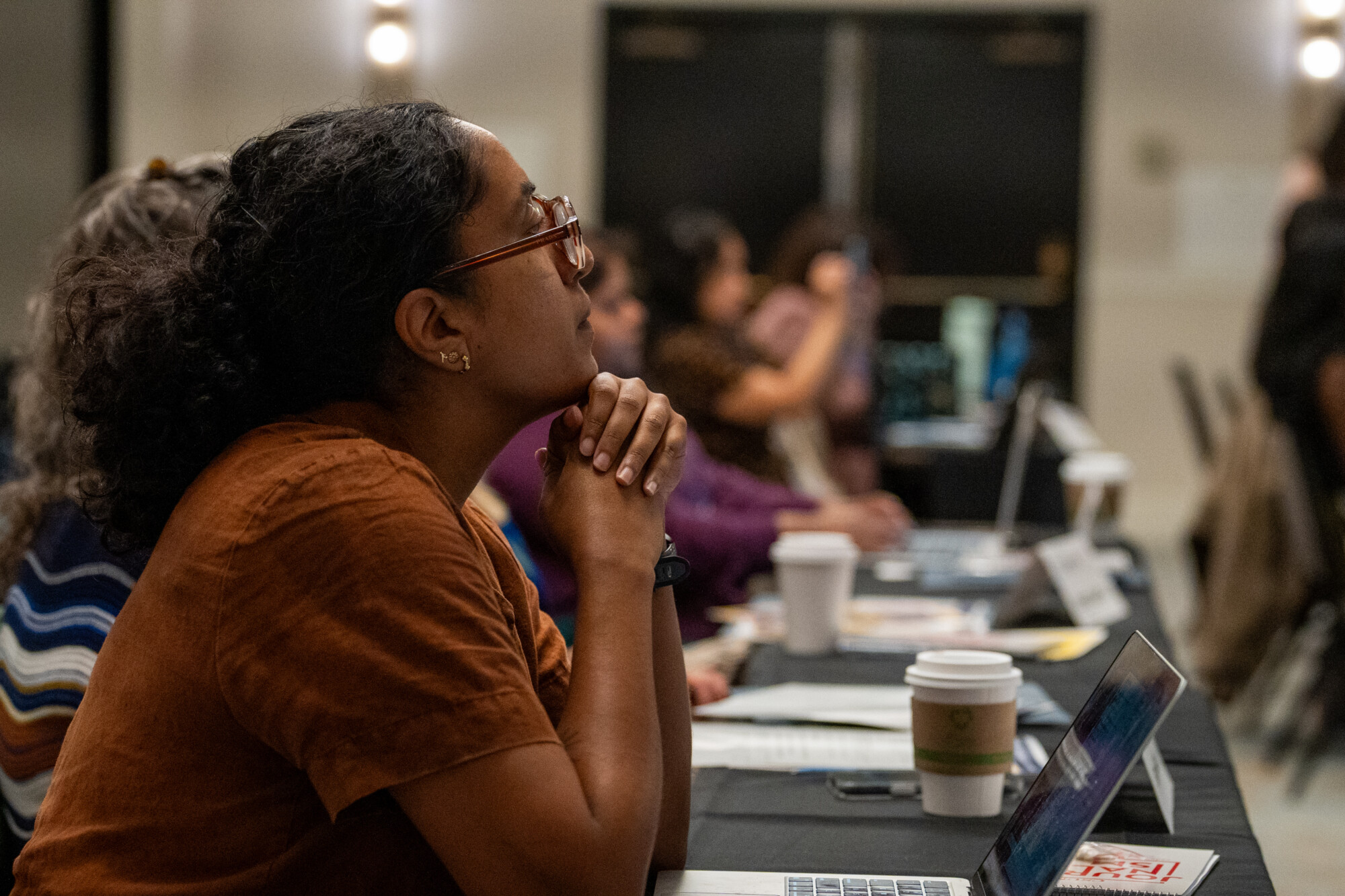
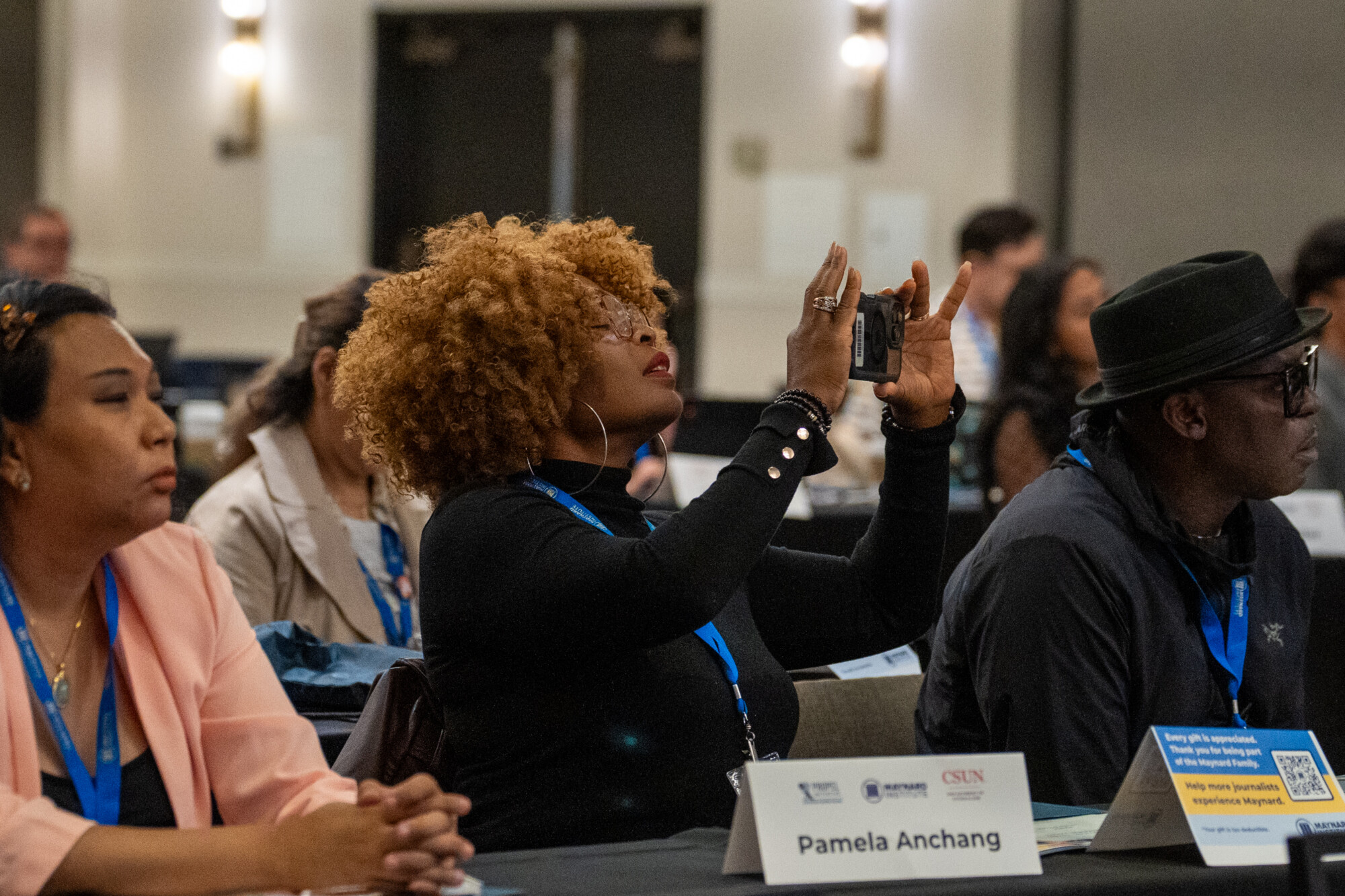
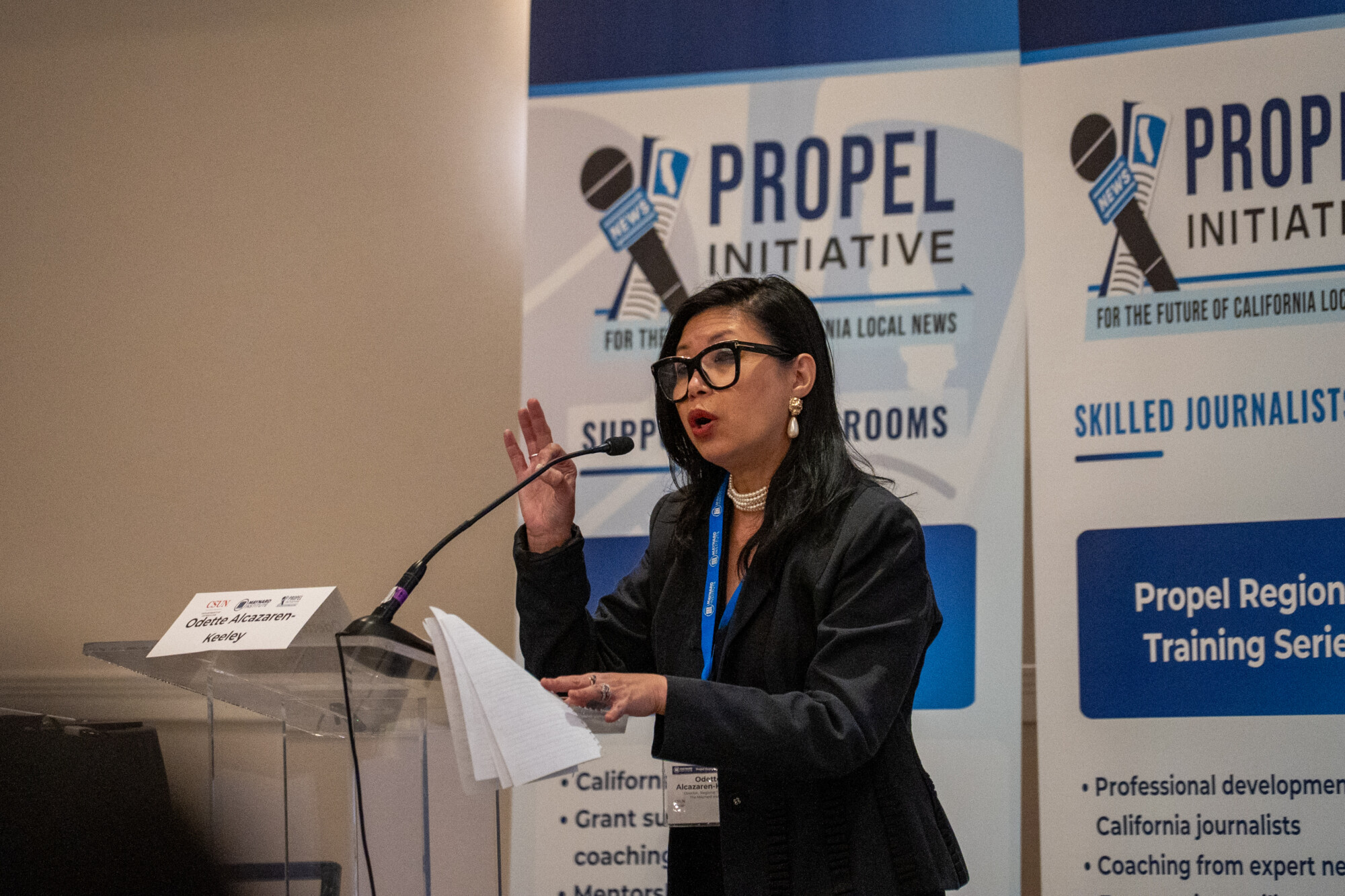
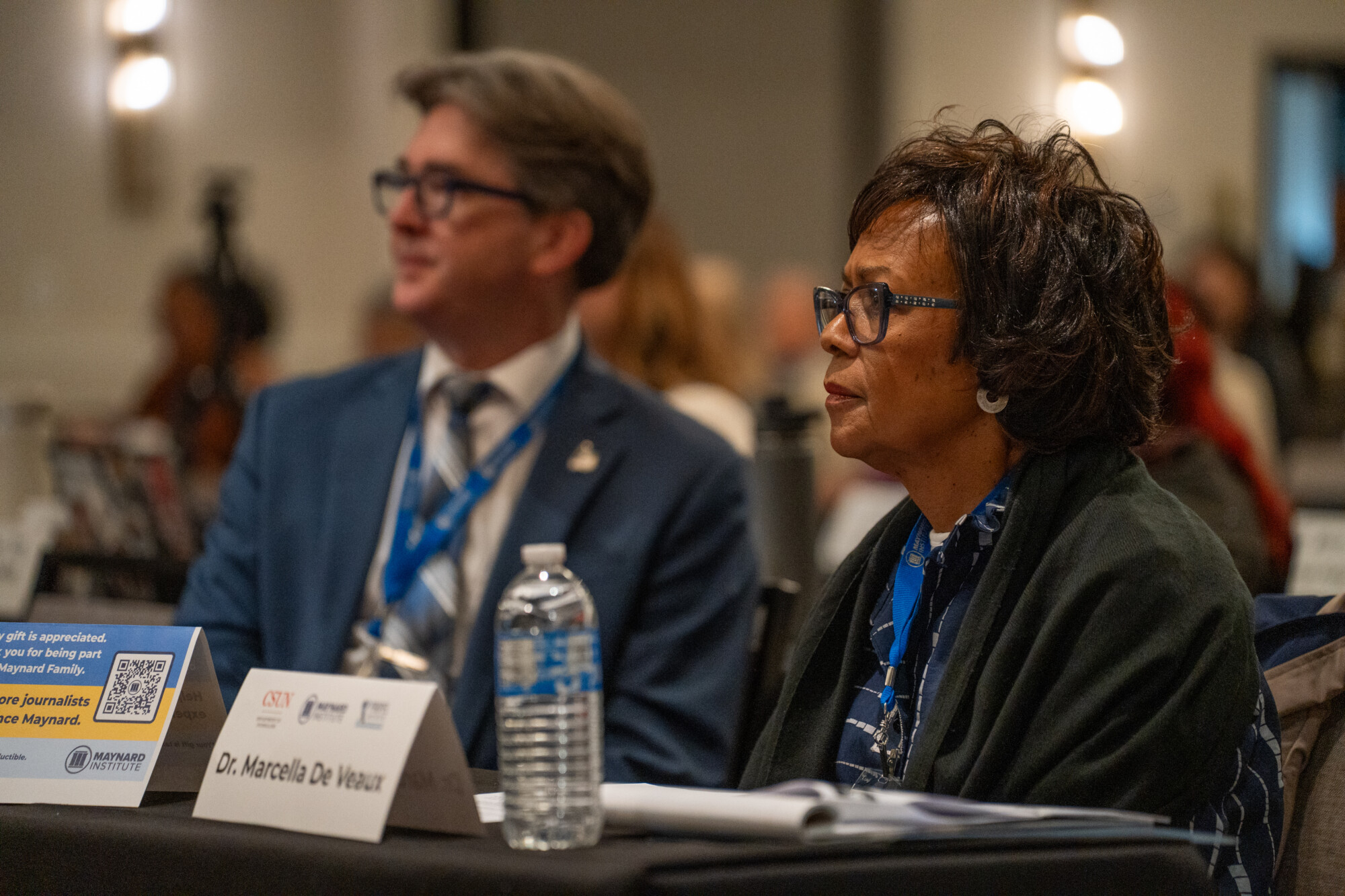
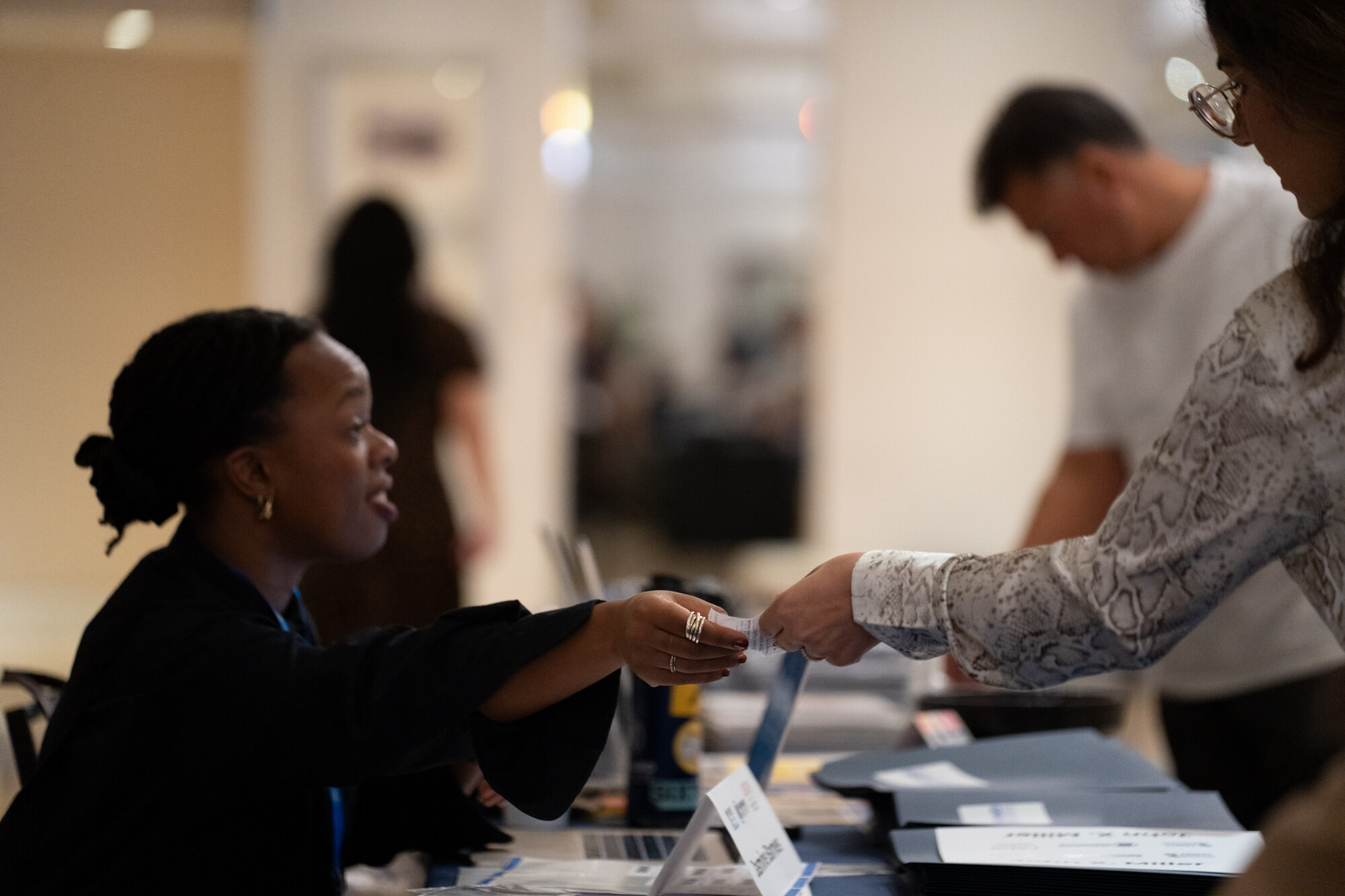
In addition to attending the Propel Regional Training Series as a participant, freelance journalist and CSUN student, Solomon was the professional photographer hired to document our last Propel Regional Training of 2026. Click here to view an entire gallery of Solomon’s Propel Regional Training Series – Burbank Photographs.
Communities depend on healthy newsrooms and well-supported journalists to access reliable information, stay informed and participate in civic…
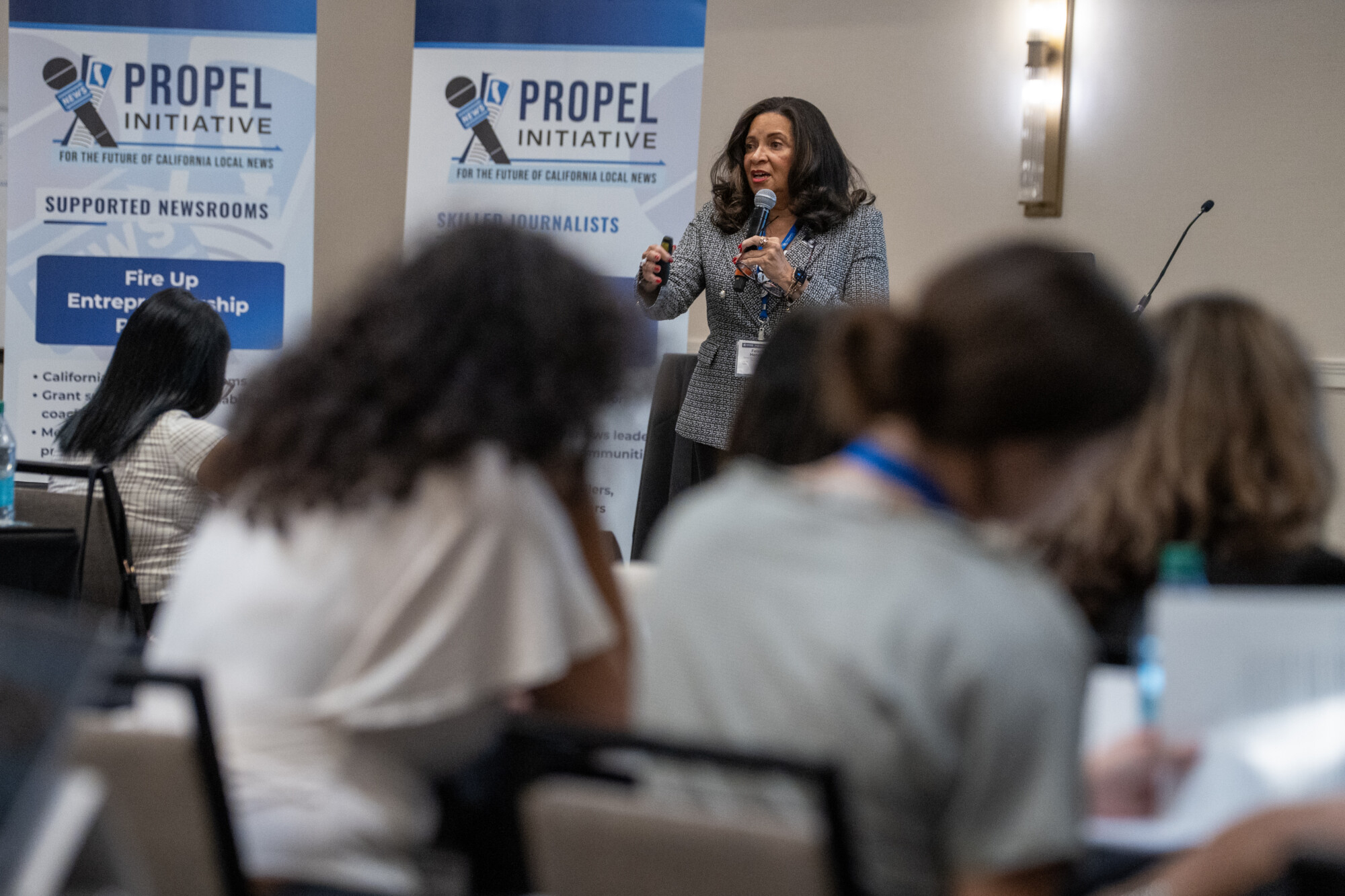
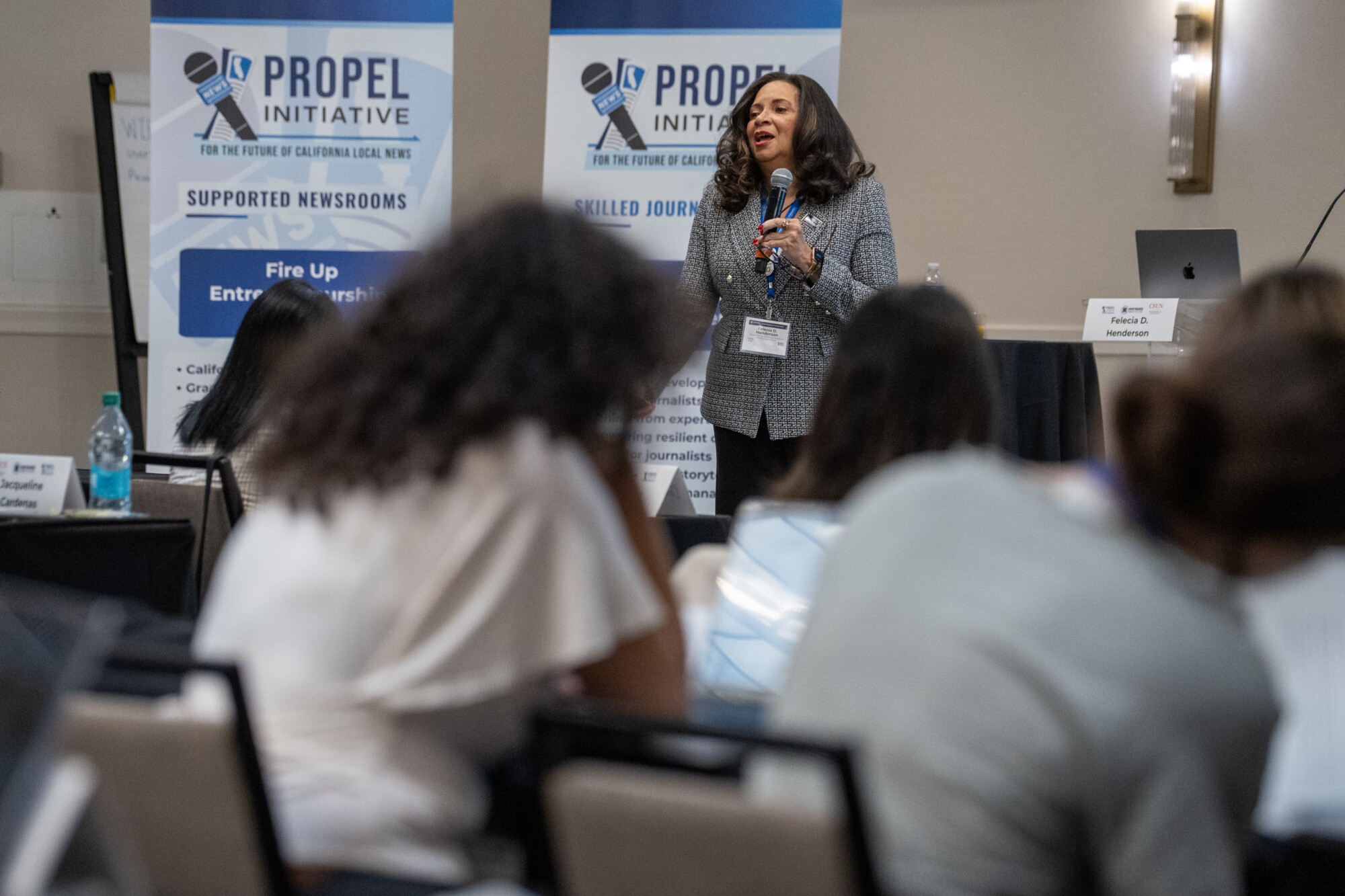
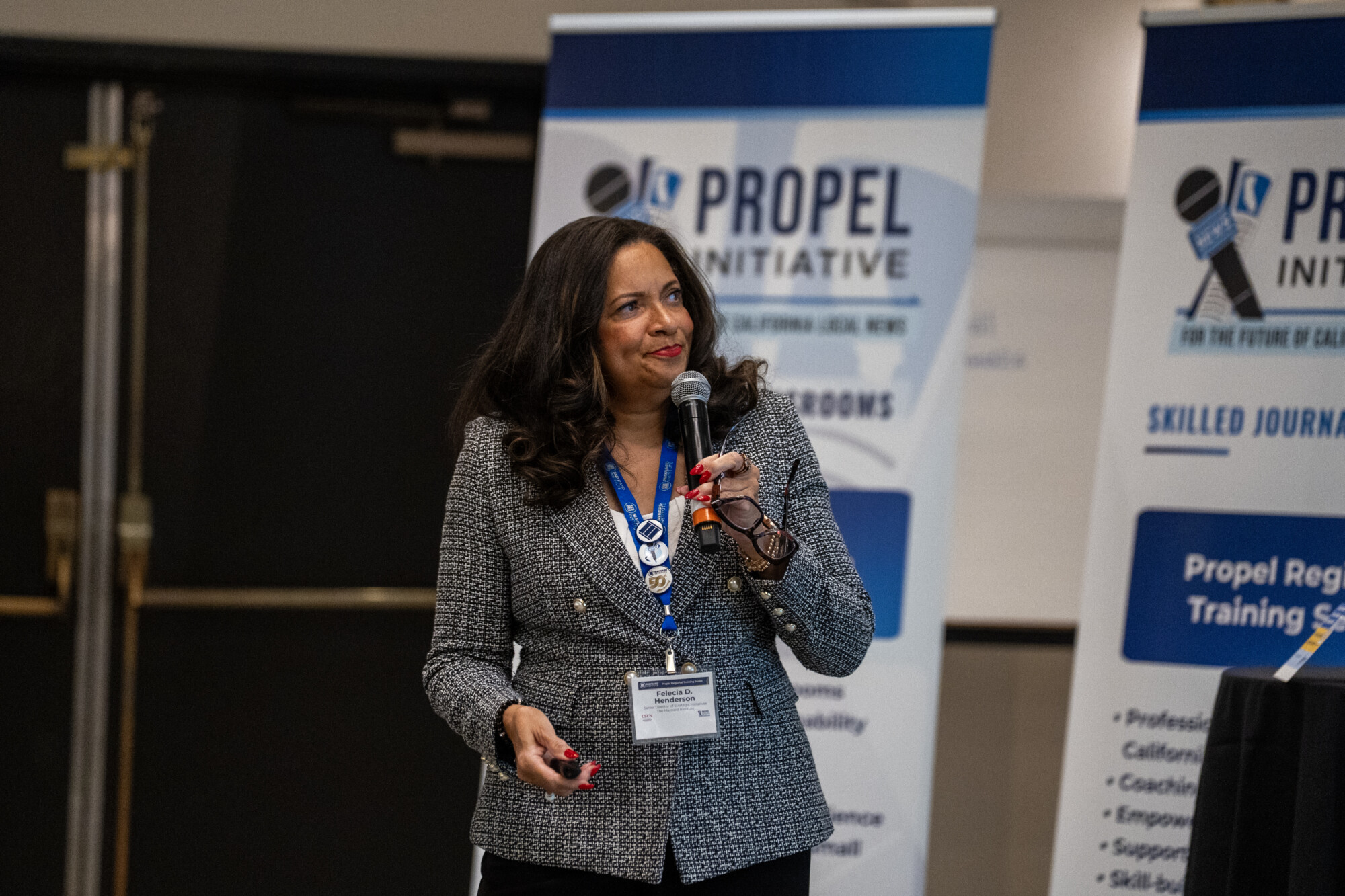
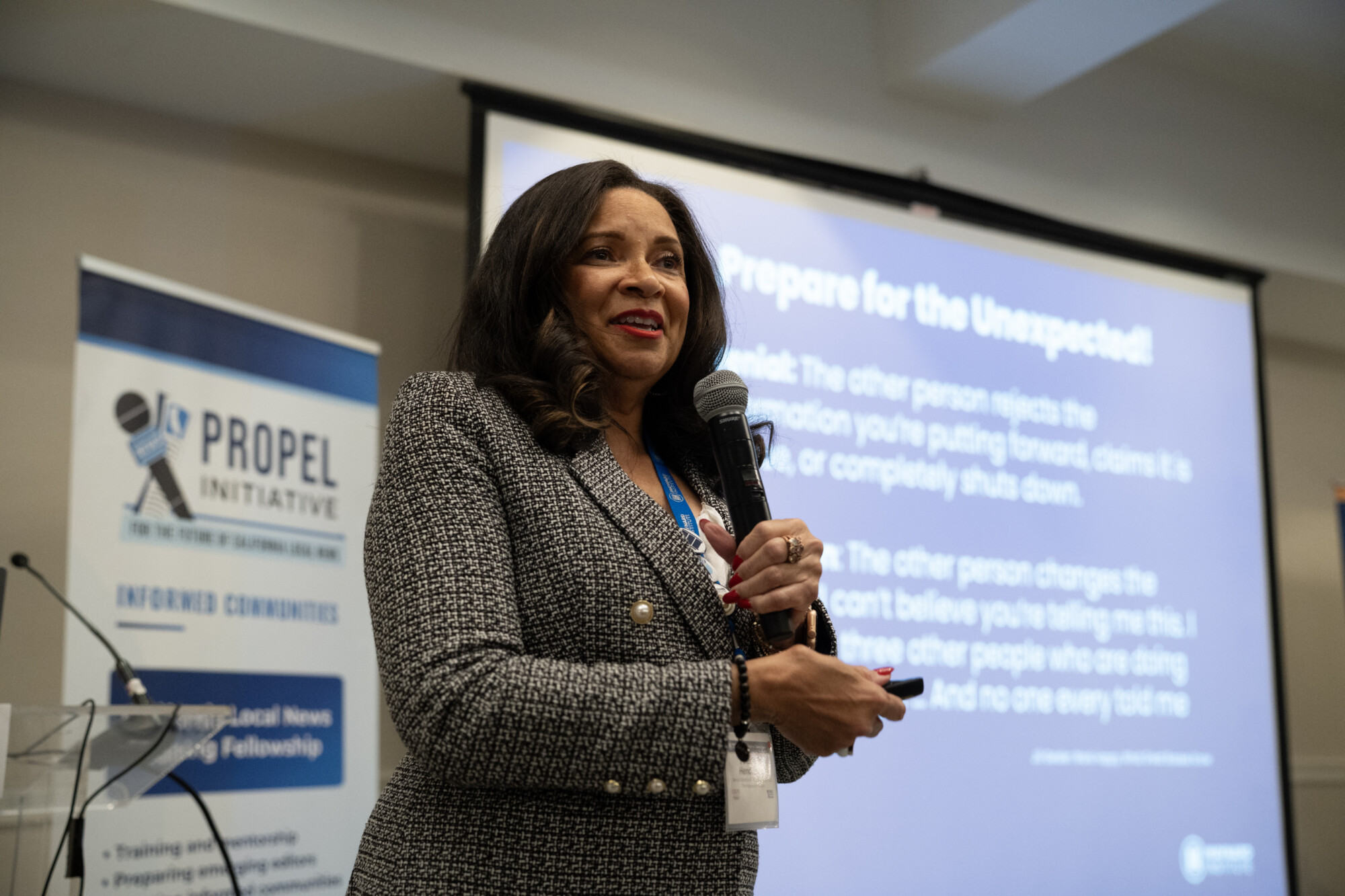
Felecia D. Henderson led a panel discussion on “Building the Civic Information Workforce: Creating the Talent Pipeline for…
Communities depend on healthy newsrooms and well-supported journalists to access reliable information, stay informed and participate in civic…
While attending California State University, Northridge (CSUN), I struggled financially and scholastically. I am a photojournalist and writer,…
Felecia D. Henderson led a panel discussion on “Building the Civic Information Workforce: Creating the Talent Pipeline for…
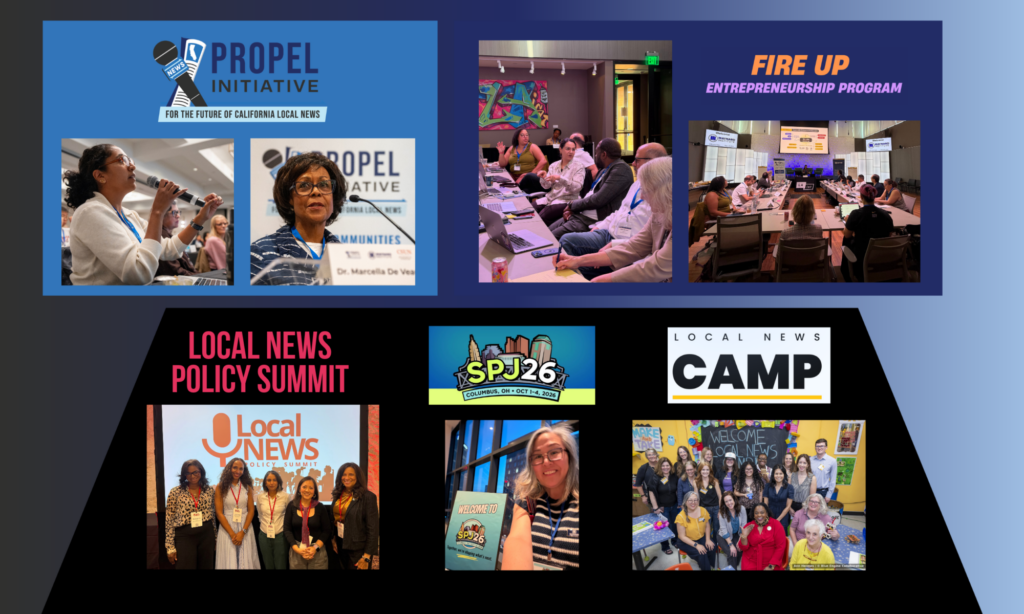
October has been a busy month for the Maynard Institute team, as we’ve split up, spread out and traveled across the nation to three of the most important events in journalism. We will be closing the month with our Propel Regional Training Series in Burbank, and an in-person training session with our Fire Up Entrepreneurship Program Fellows.
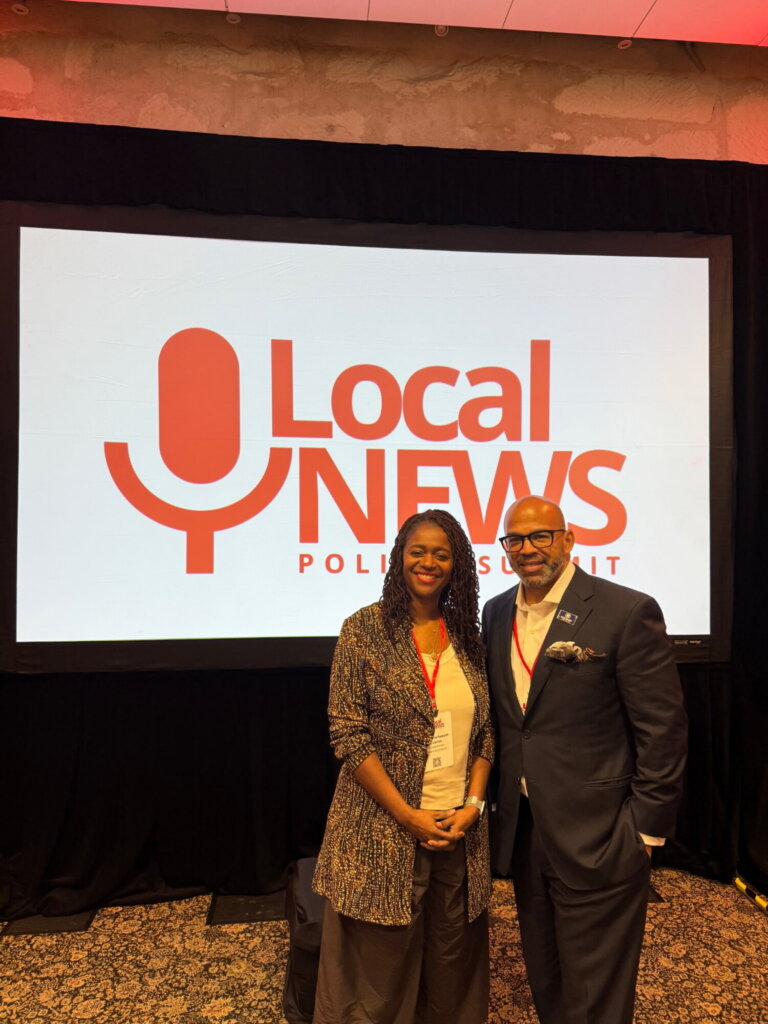
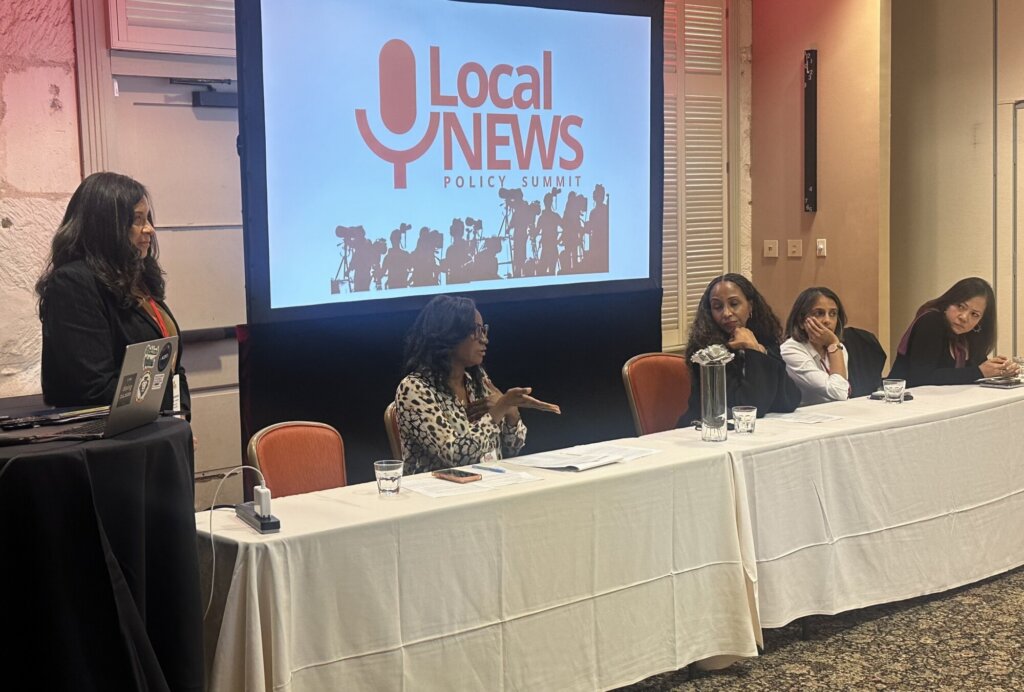
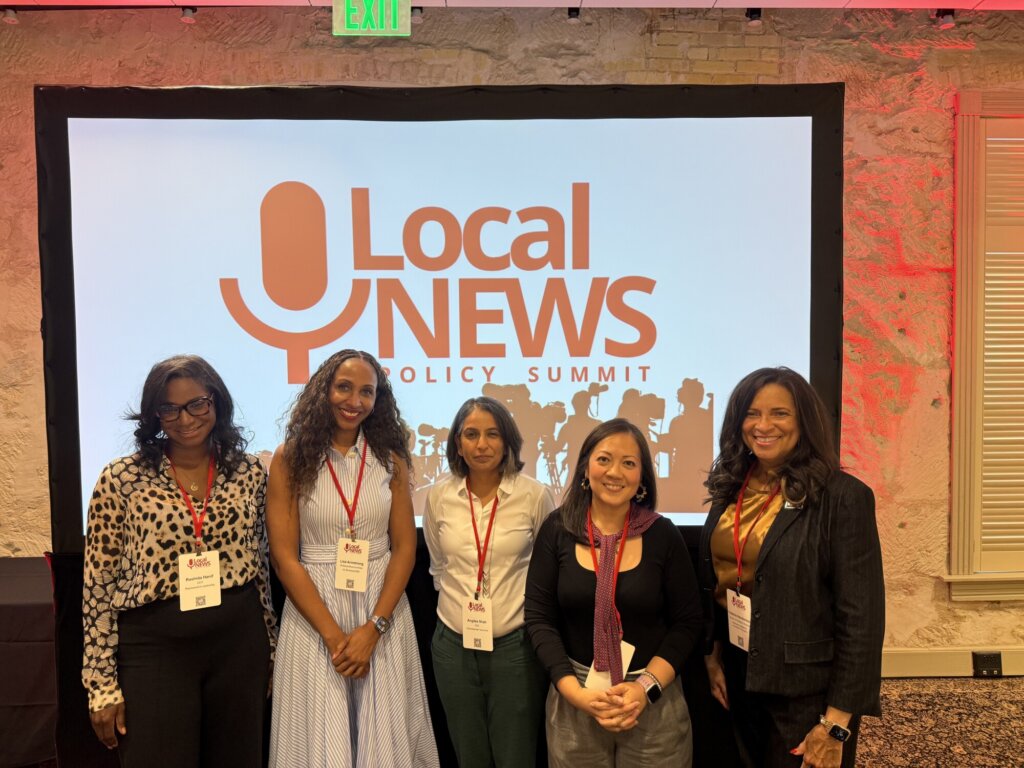
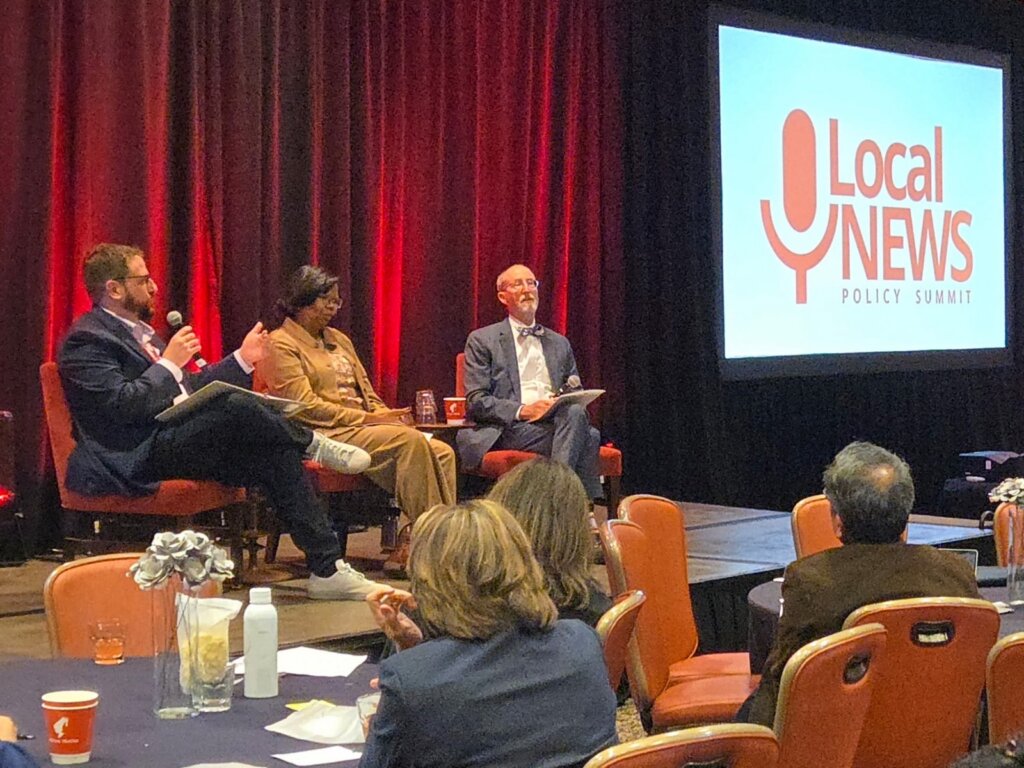
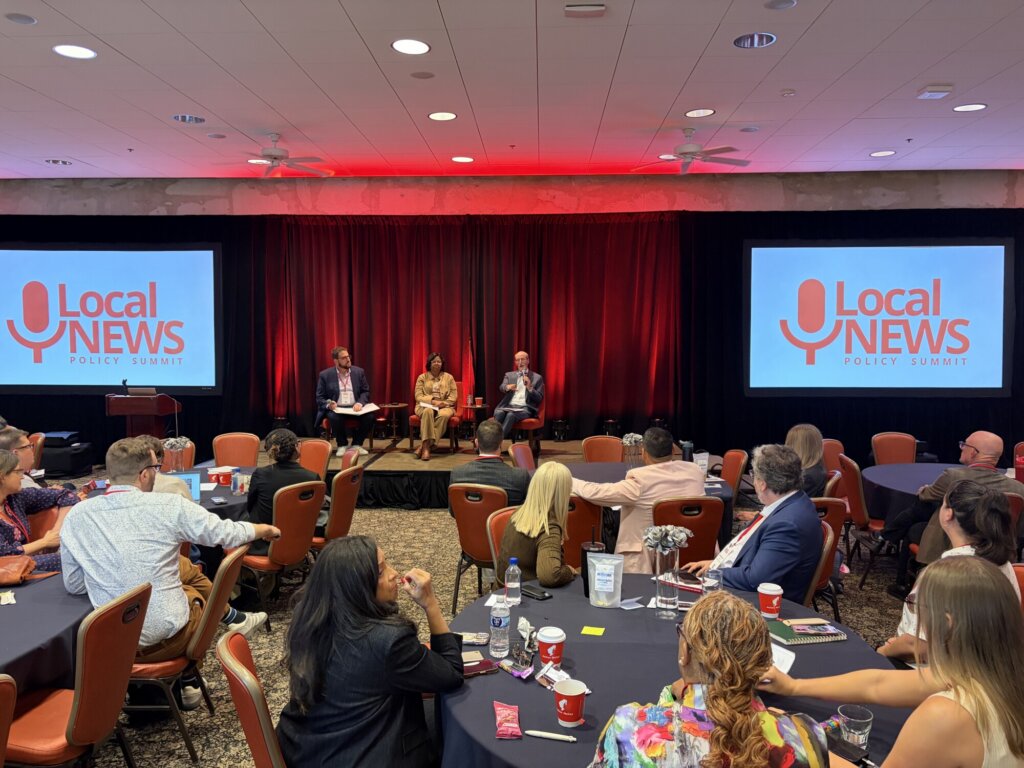
On October 6, Co-Executive Director Martin G. Reynolds and Senior Director of Strategic Directives Felecia D. Henderson traveled to San Antonio, Texas to attend the Local News Policy Summit. The summit provided an opportunity meet with people passionate about local news, equitable policy, press freedom and access to quality news.
“What made this summit so distinctive was bringing together four organizations approaching local news policy through different lenses, alongside legislators from states including California, Massachusetts, Wisconsin and Illinois, advocates journalism affinity organizations and foundations,” said Reynolds.
“The conversations ranged from practical strategies like tax credits and funding set-asides to the fundamental importance of ensuring equity is at the center of public policy. It was an incredibly powerful and uplifting gathering that fostered new relationships, shared learning and a sense of collective purpose. Participants left with practical ideas they could take back to their states and renewed momentum for the work ahead. Those relationships and shared commitments will be especially important as we explore what it could take to advance meaningful federal support for local news nationwide.”
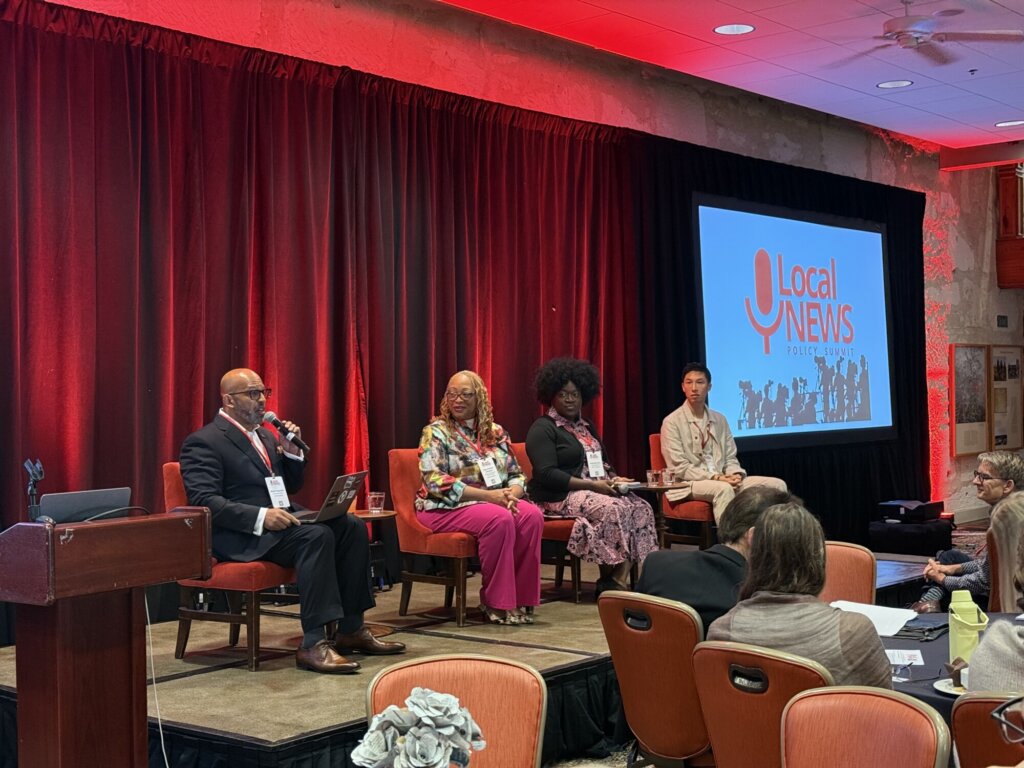
Martin G. Reynolds moderated the opening plenary featuring Debra Adams Simmons, editor-in-chief of special projects at GBH and Board Member with the Maynard Institute, Anshantia Oso, executive director of Media 2070, as well as award winning journalist and author and IJA Treasurer Joseph Lee discussing how to ensure a representative civic information system.
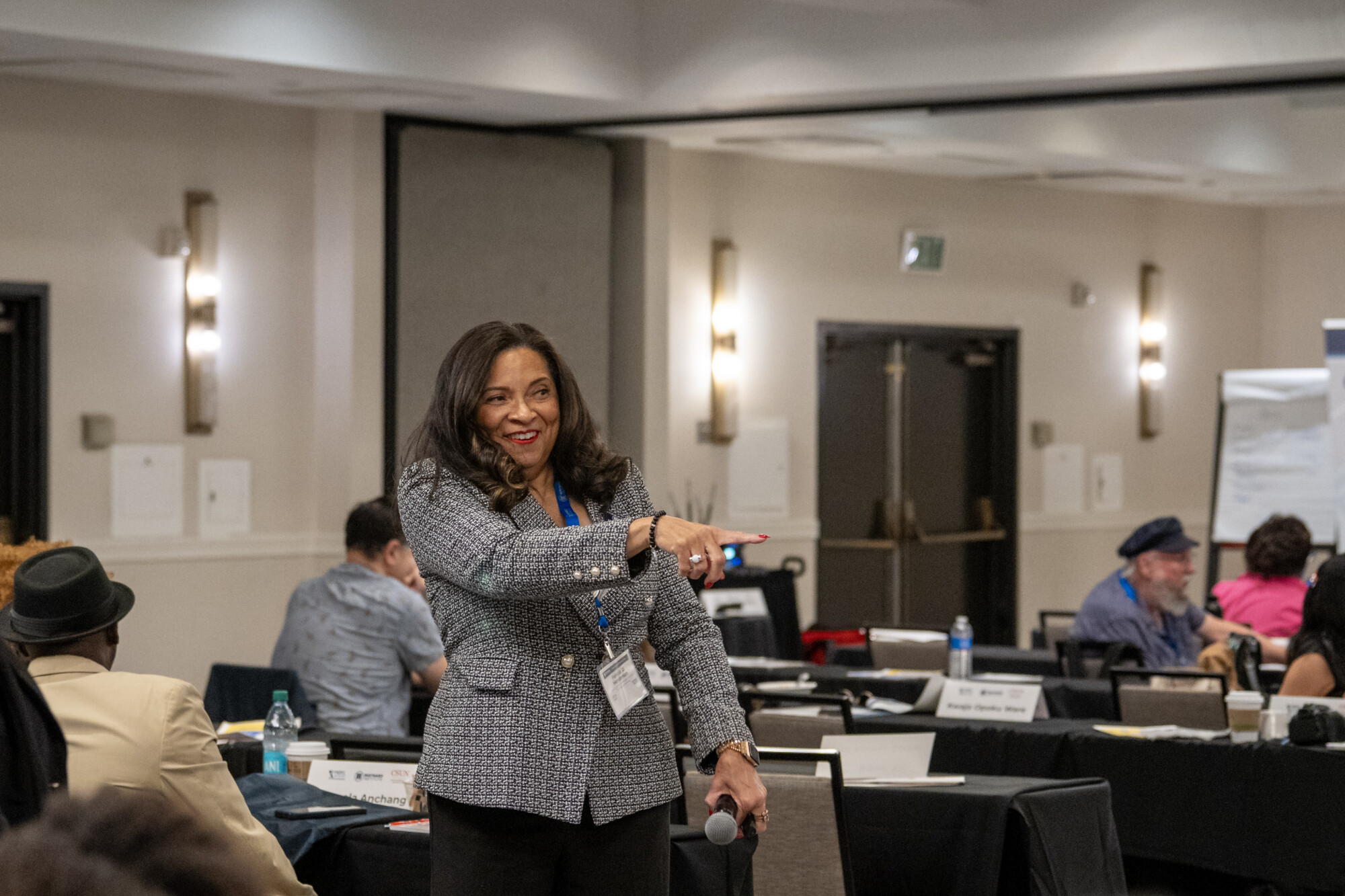
Felecia D. Henderson led a panel discussion on “Building the Civic Information Workforce: Creating the Talent Pipeline for Democracy.”
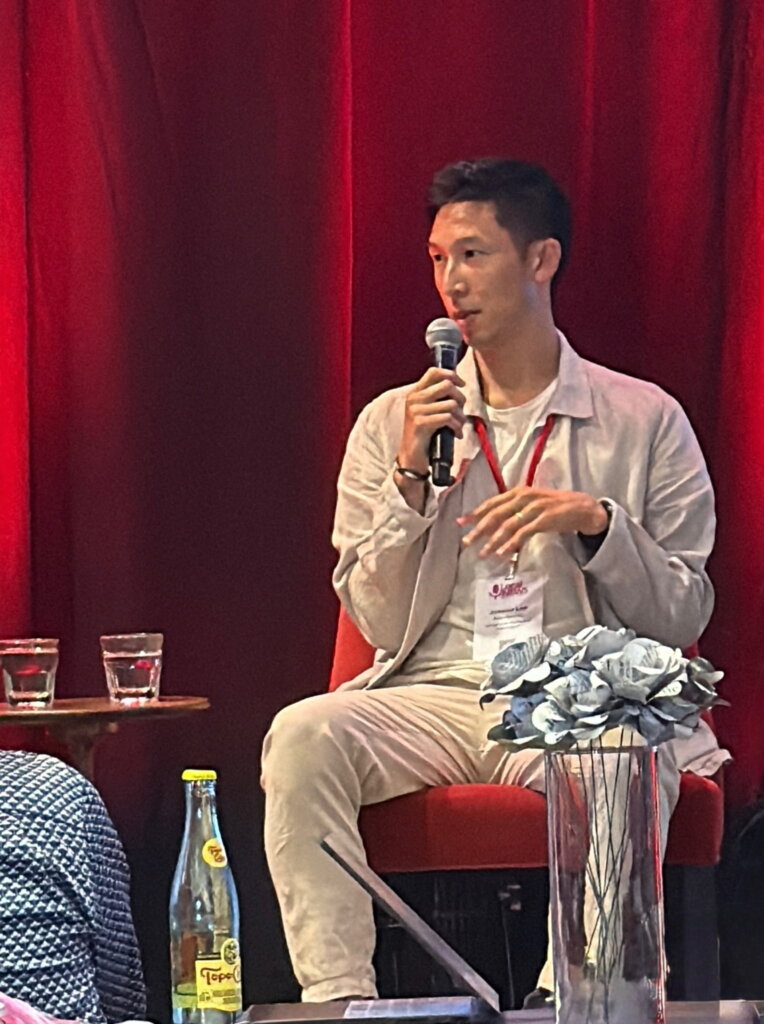
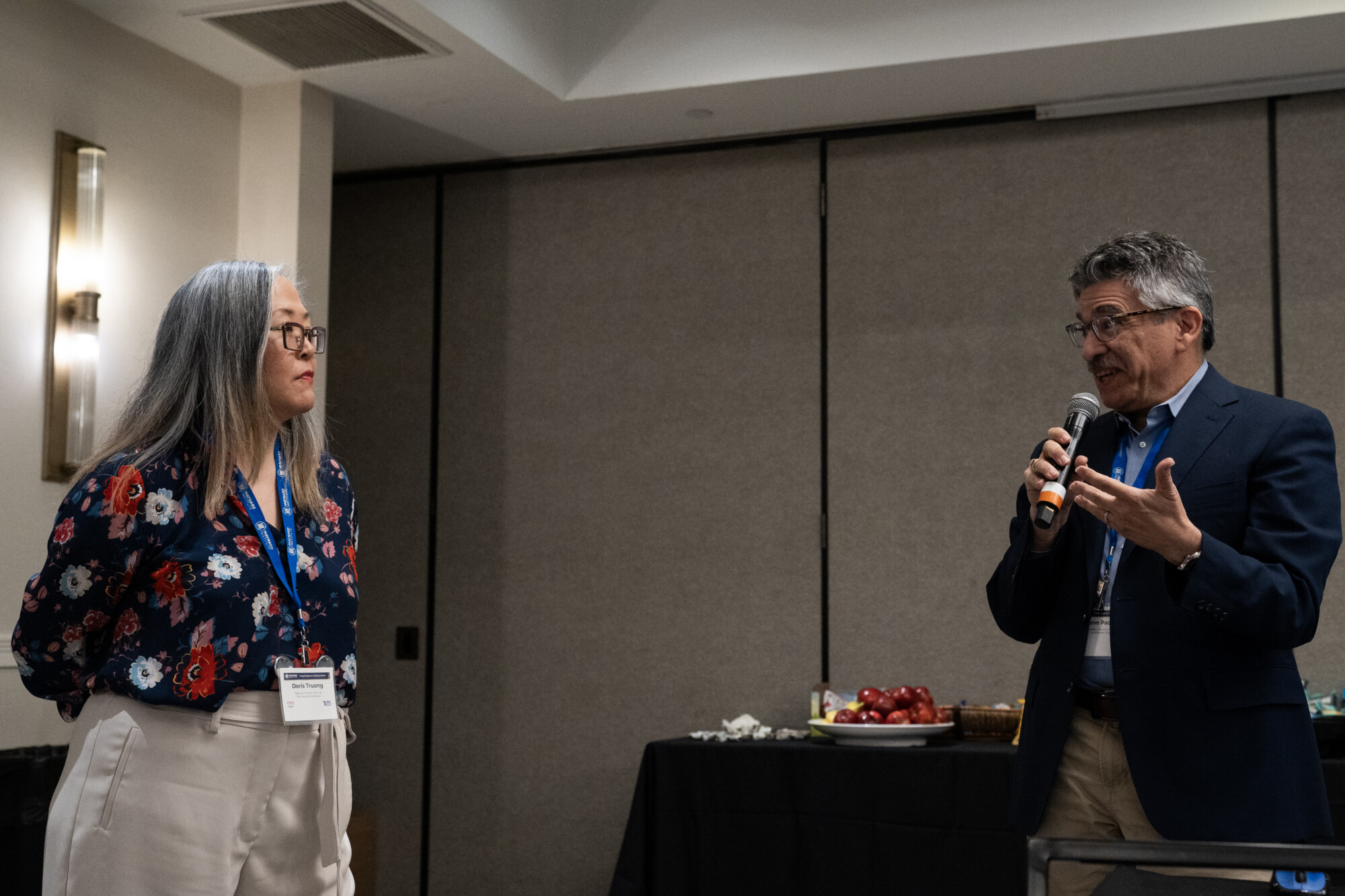
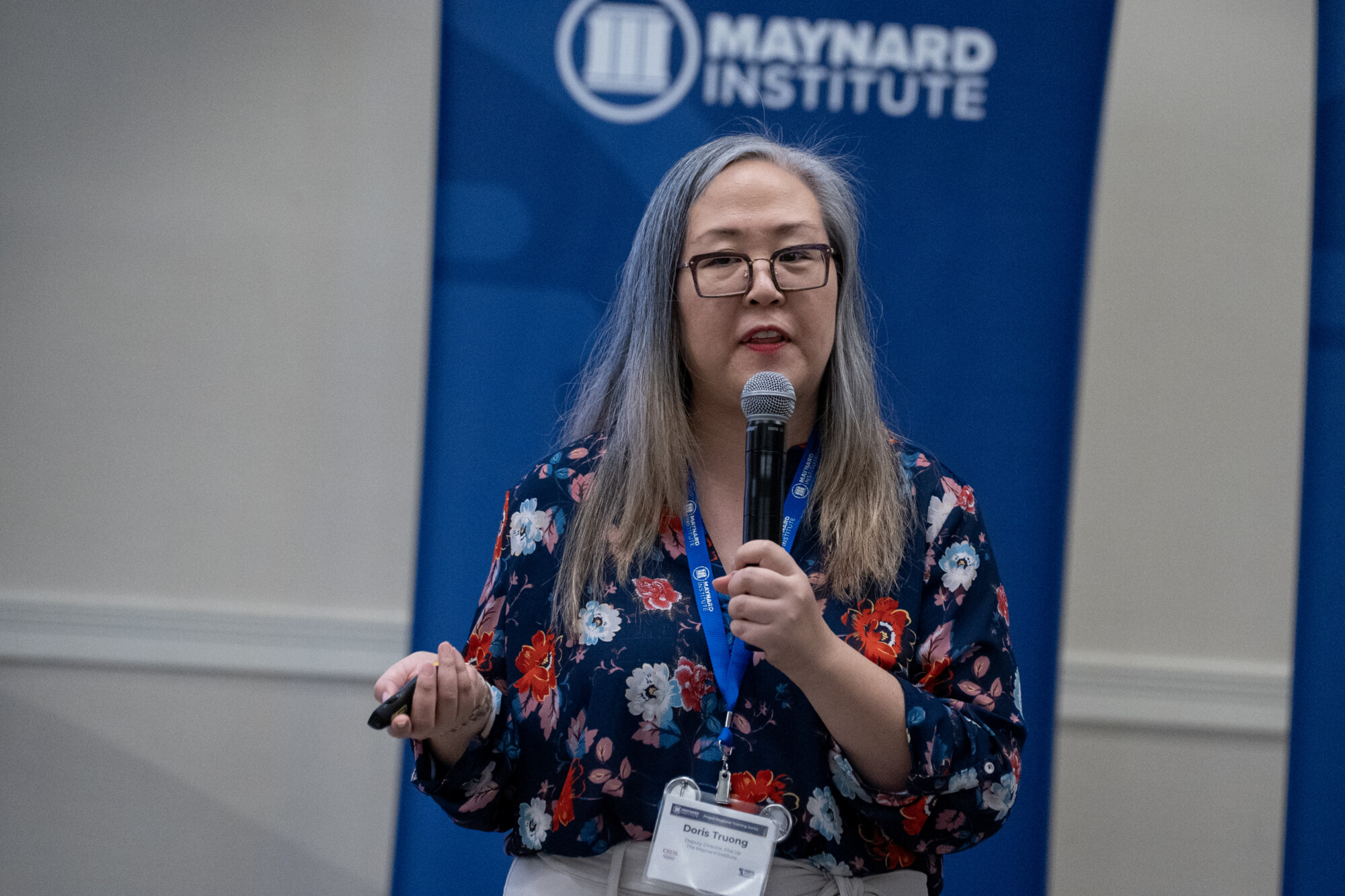
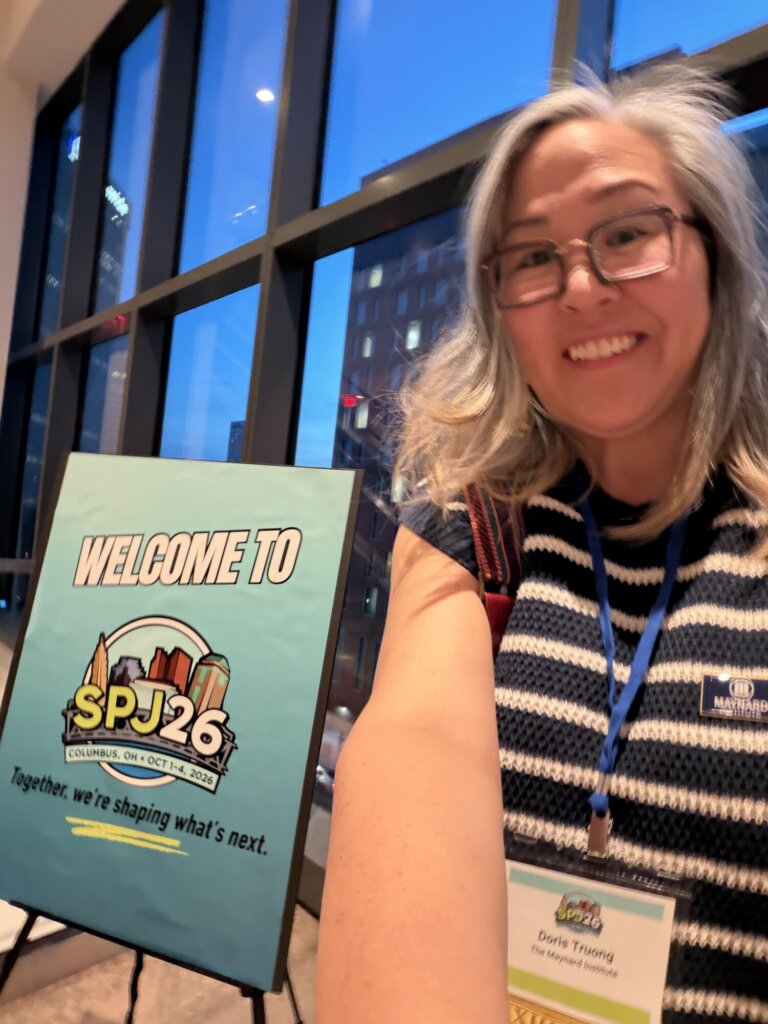
Doris Truong, director of the Fire Up Entrepreneurship Program traveled to Columbus, Ohio in the first week of October to attend the SPJ 2026 National Convention teach the 2026 Dori Maynard Diversity Leadership Fellows.
The Dori Maynard Diversity Leadership Program honors pioneering journalist and late President of the Maynard Institute Dori J. Maynard, daughter of Maynard Institute co-founder Robert C. Maynard.
Dori Maynard served on the Sigma Delta Chi Foundation (now the SPJ Foundation) Board of Directors from 1999, and in 2001 she was named a Fellow of the Society, SPJ’s “highest honor recognizing outstanding contributions to journalism.”
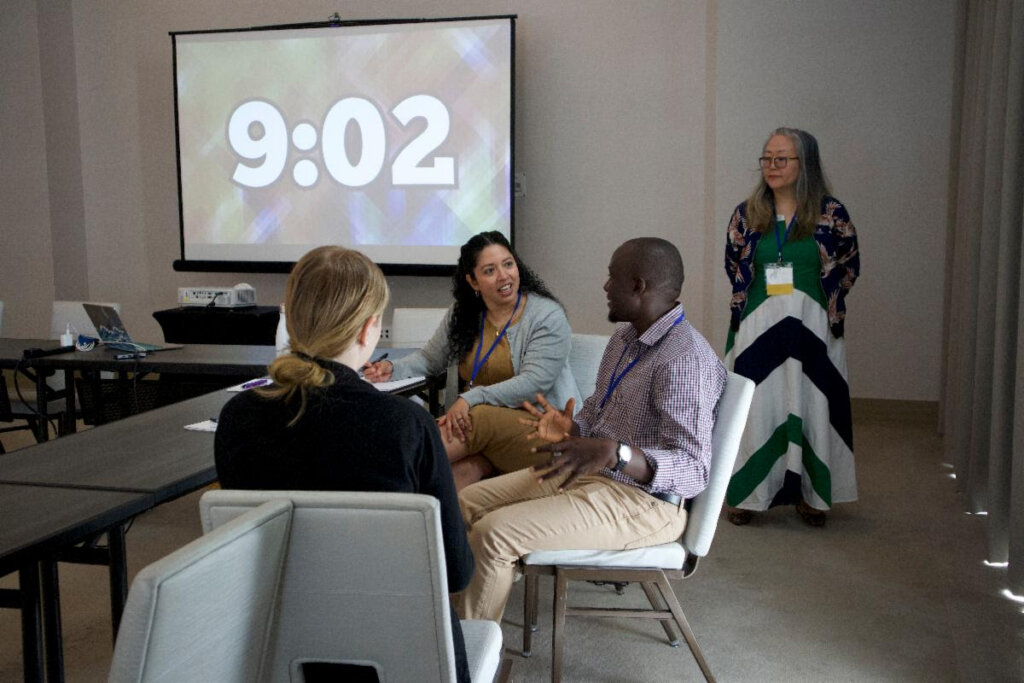
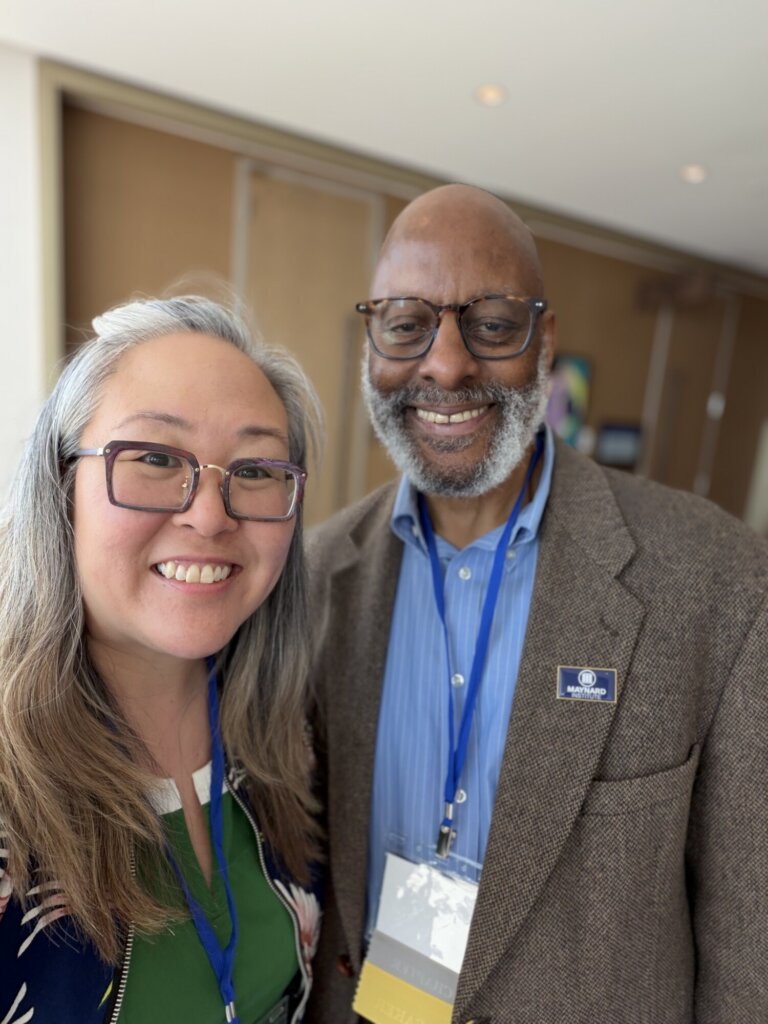
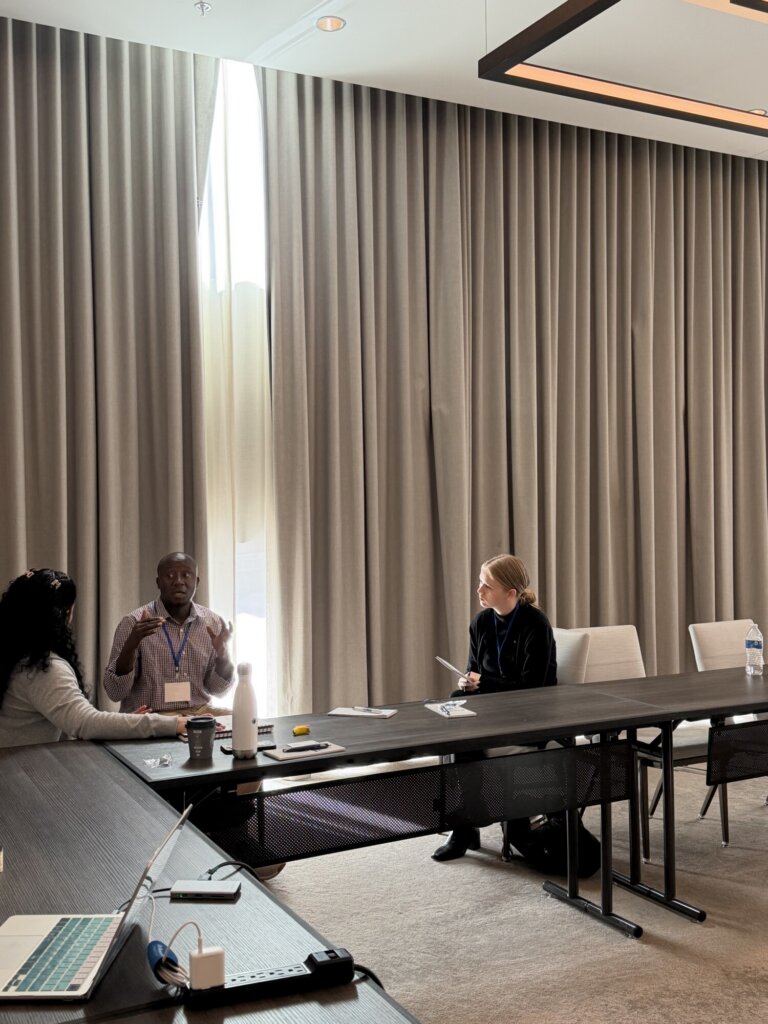
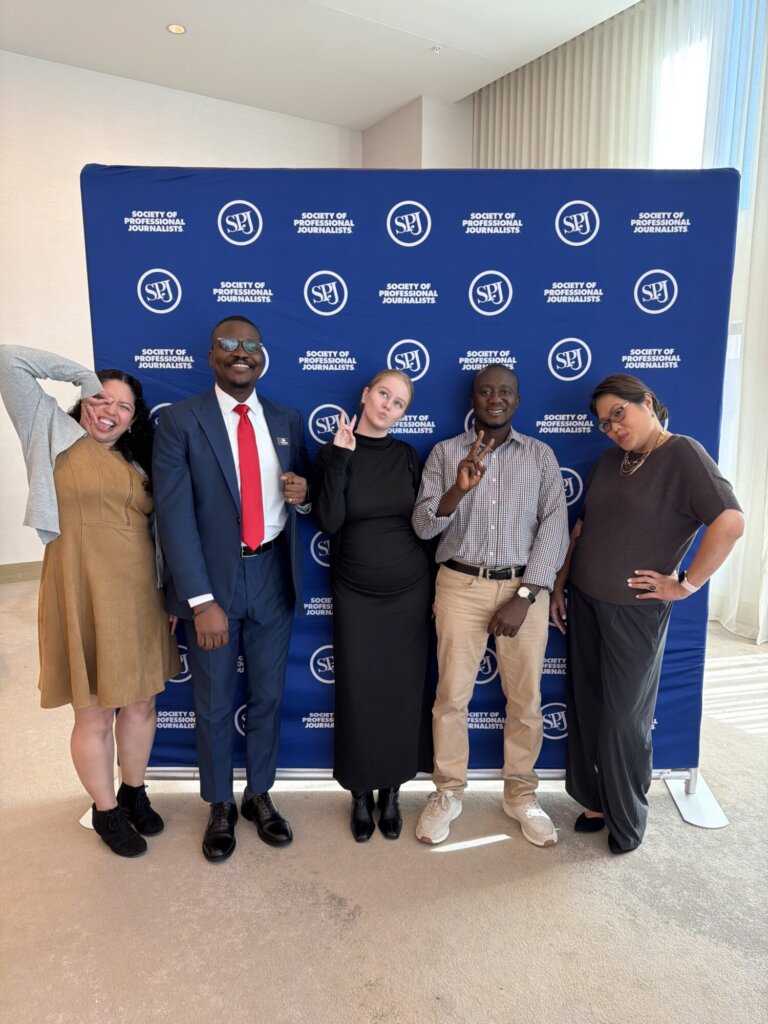
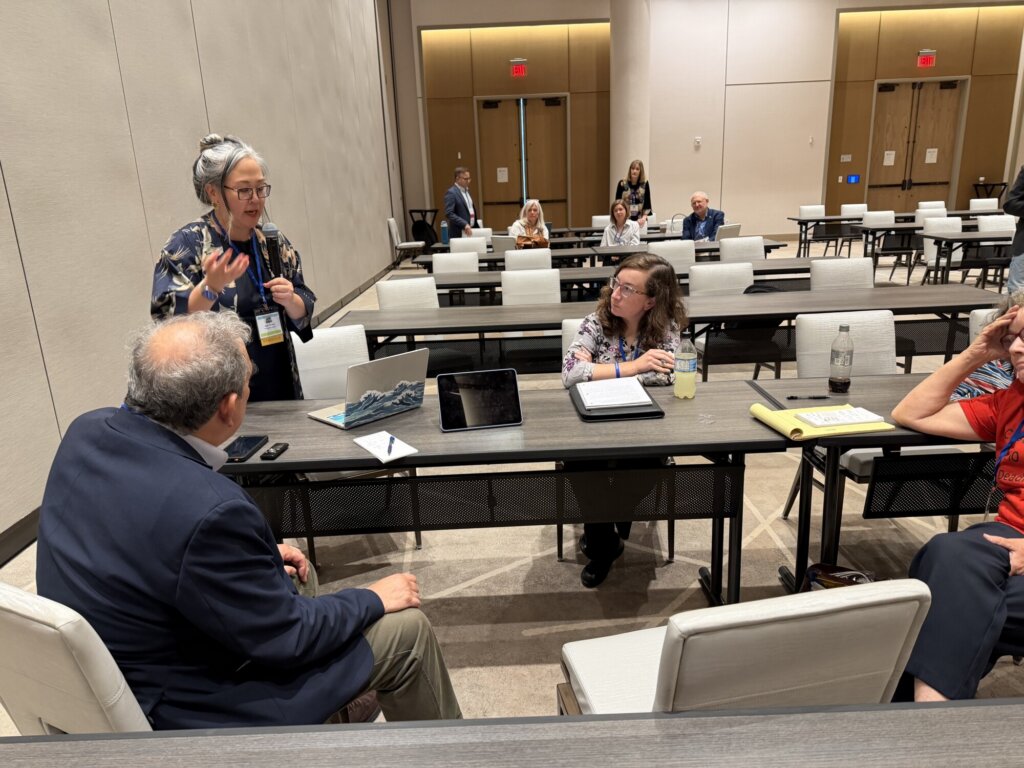
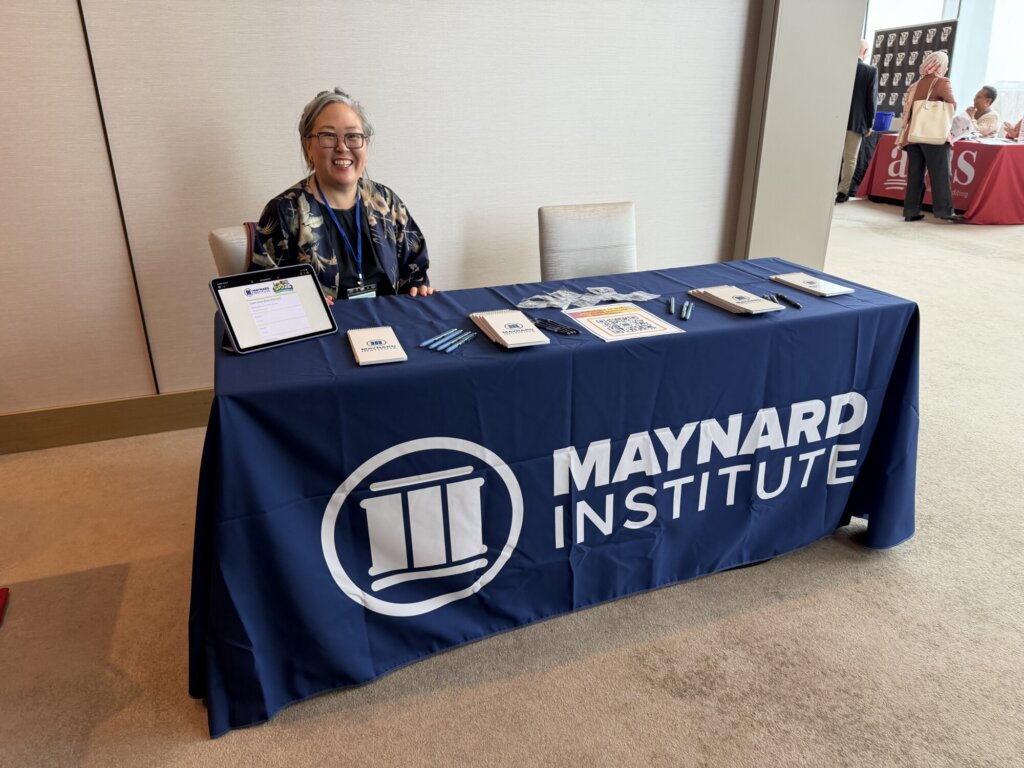
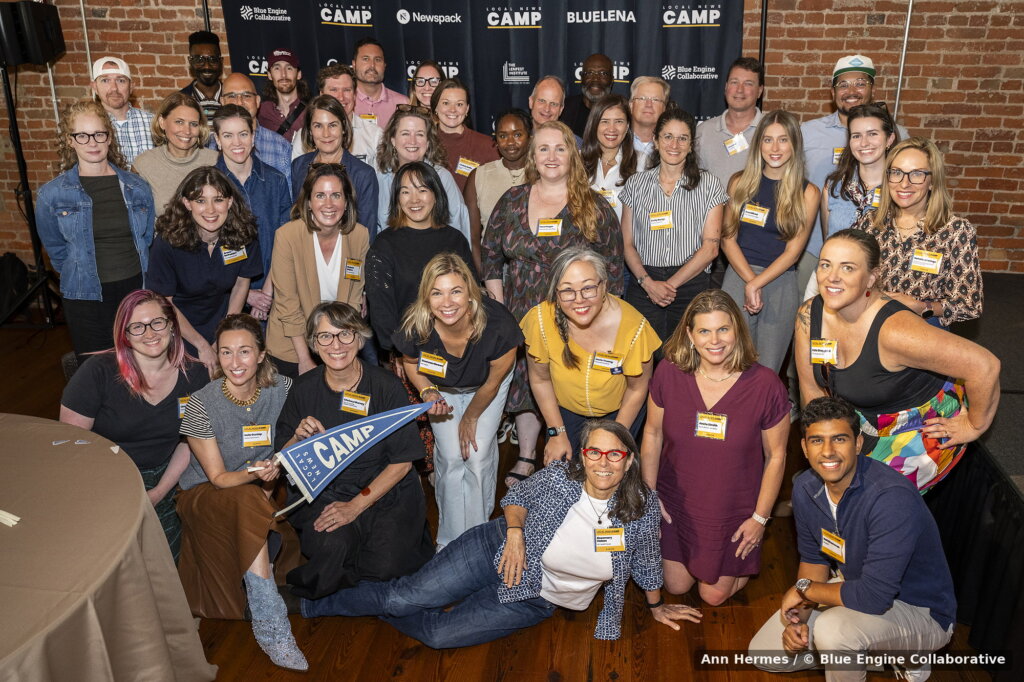
Director of Development Nadia Campbell-Mitchell and Director of the Fire Up Program Doris Truong attended Local News Camp in Durham, North Carolina October 11-14. Hosted by Blue Engine Collaborative, Newspack and new Maynard Institute partners BlueLena and co-sponsored by The Lenfest Institute, Local News Camp was modeled after the summer camp experience. Yes, the gathering still featured speaker sessions and workshops, but was meant to be a more laid-back and “human” experience.
“Camp is designed to be more collaborative, hands-on, and, frankly, human. We’ve designed every aspect of the gathering—from workshops and campfires to meals and informal conversations—to help local news leaders make better decisions,” the Local News Camp website stated.
With a focus on the business of local news and nailing big business decisions, sessions featured topics like AI in Practice, Building World-Class Products, How to Do Elite Marketing on a Local Budget. “Campfire chats” provided space to talk about making ugly ads, and vibe coding for leaders and managers. Departing from typical convention structure, Local News Camp also encouraged connection with time set aside to “sit down with someone you’d love to meet,” and visits to the Durham Bulls and local nonprofit The Scrap Exchange.
“Kudos to the Blue Engine Collaborative team — esp. Candice Fortman — for bringing together a community committed to strengthening local news. (Look at this turnout just of North Carolinians!)” Truong posted to LinkedIn.
The inaugural Local News Camp was inspiring, especially with a field trip to Durham’s The Scrap Exchange to understand community connection and impact.
It was a delight to reconnect with fellow Washington Post alum Andrea Bruce, Micah Gelman, Lauren Saks and Natalie Jennings.
As Mike Allen urged us: Simplify!”
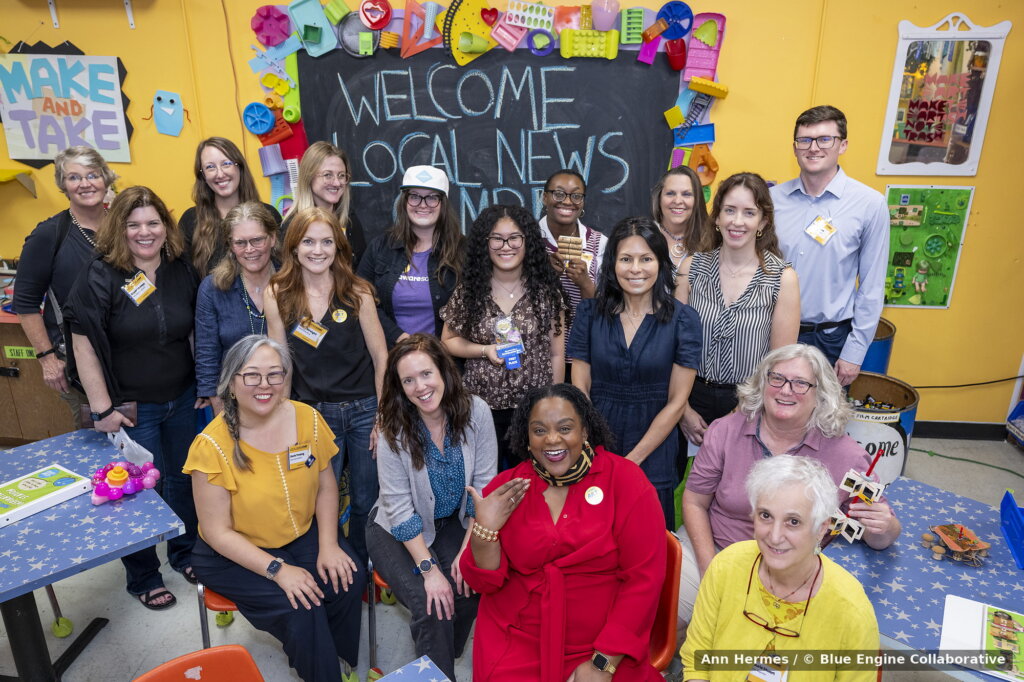
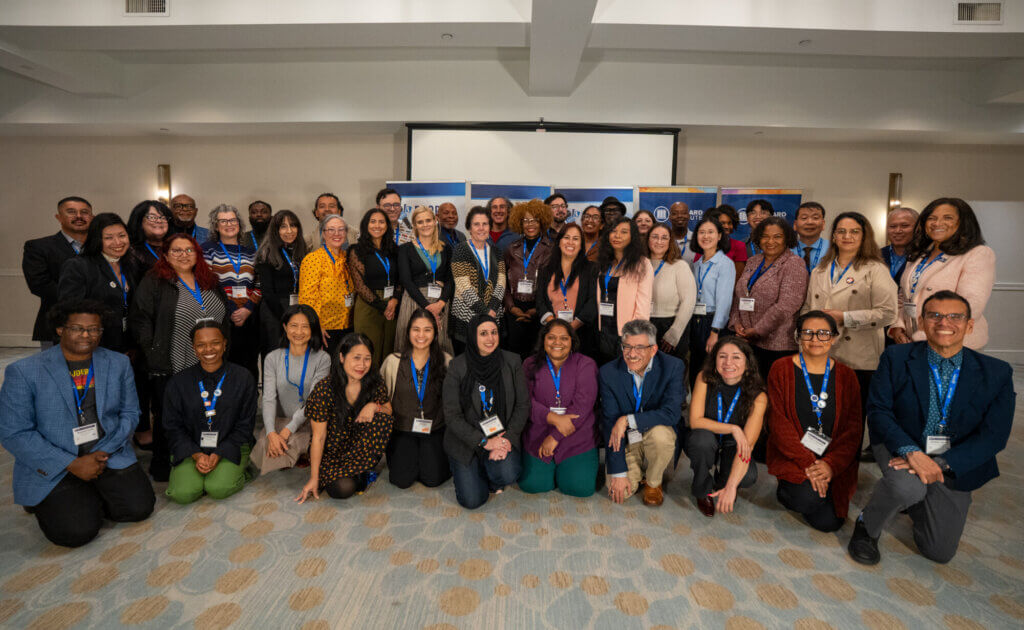
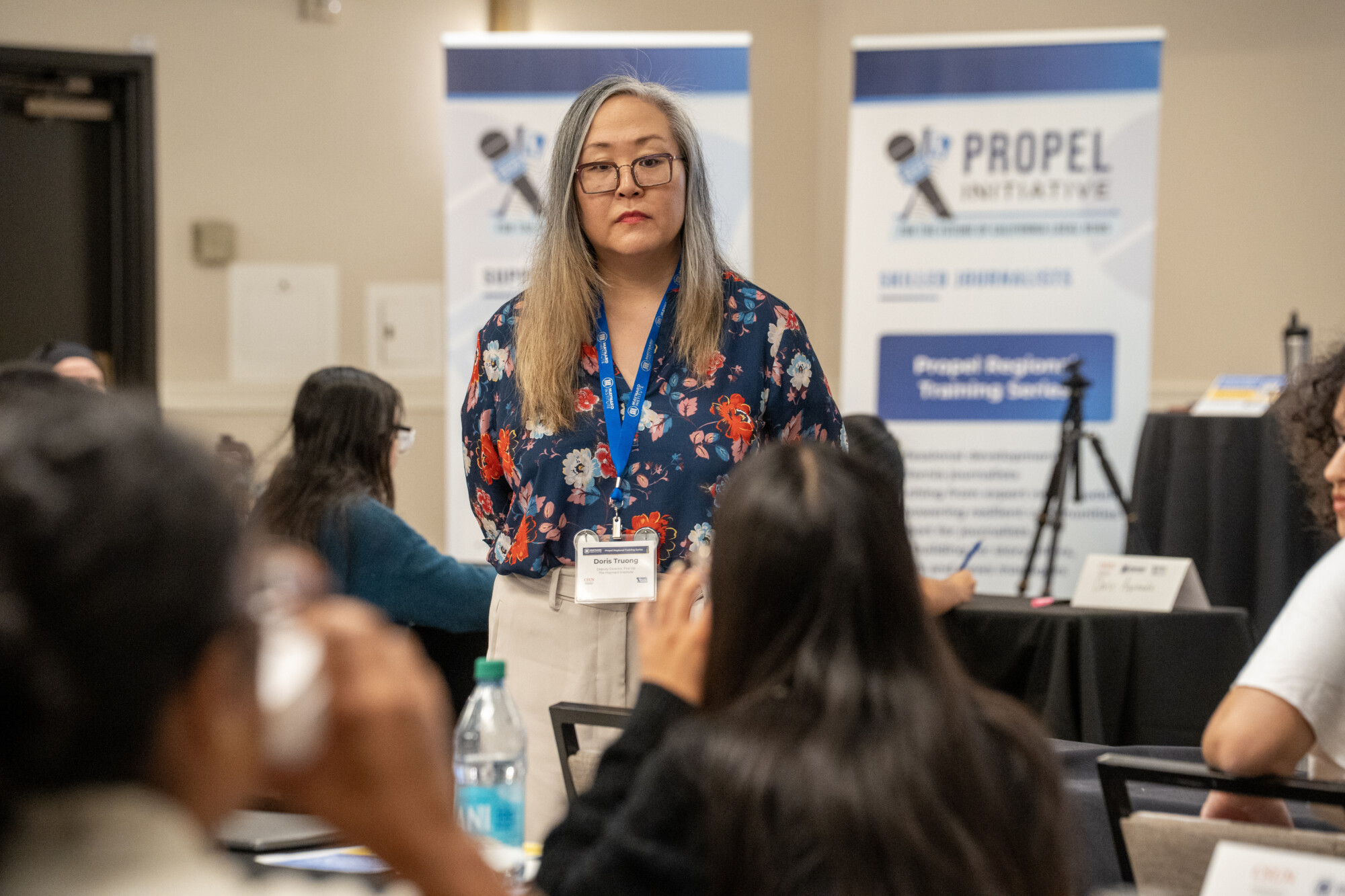
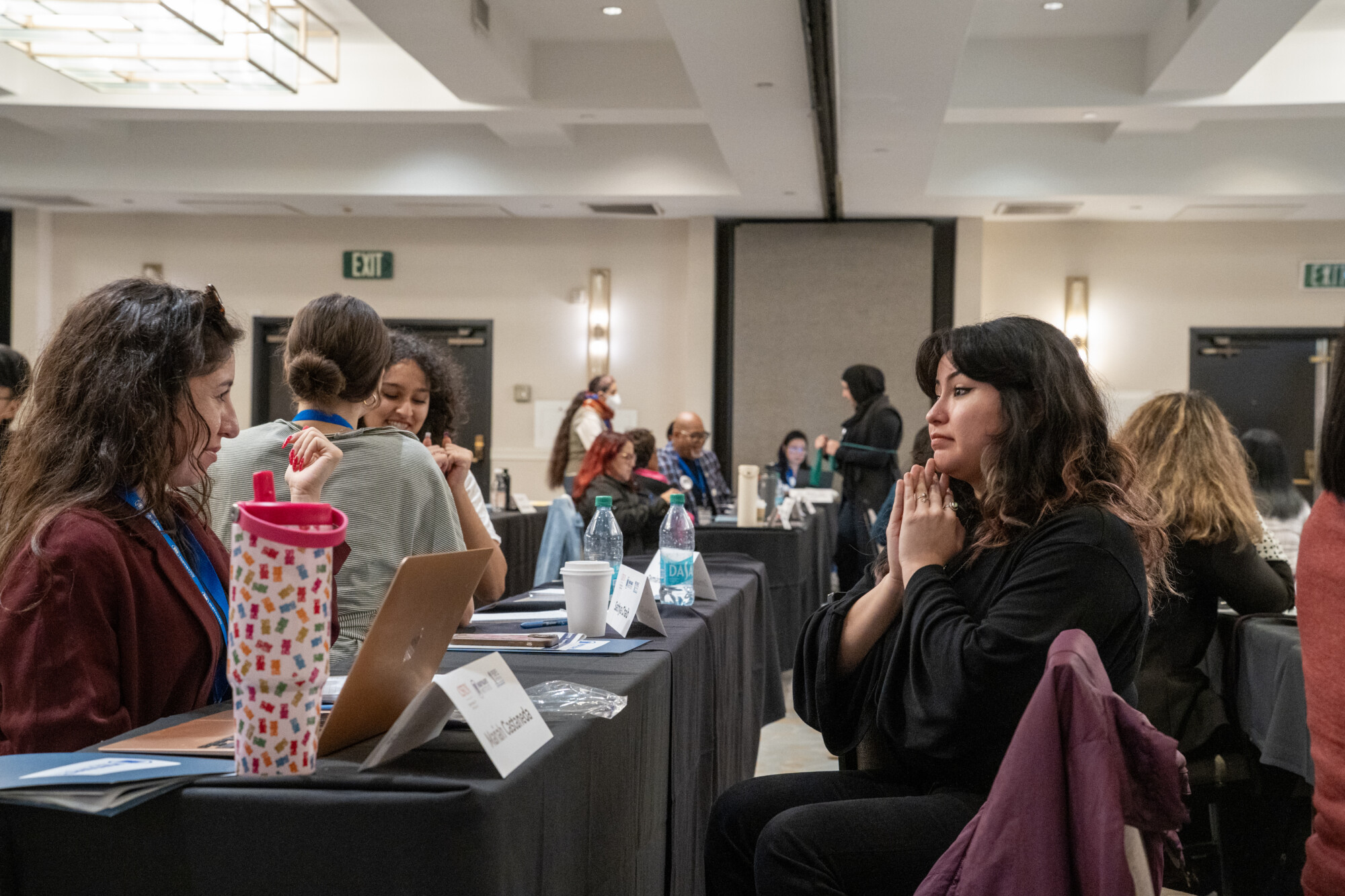
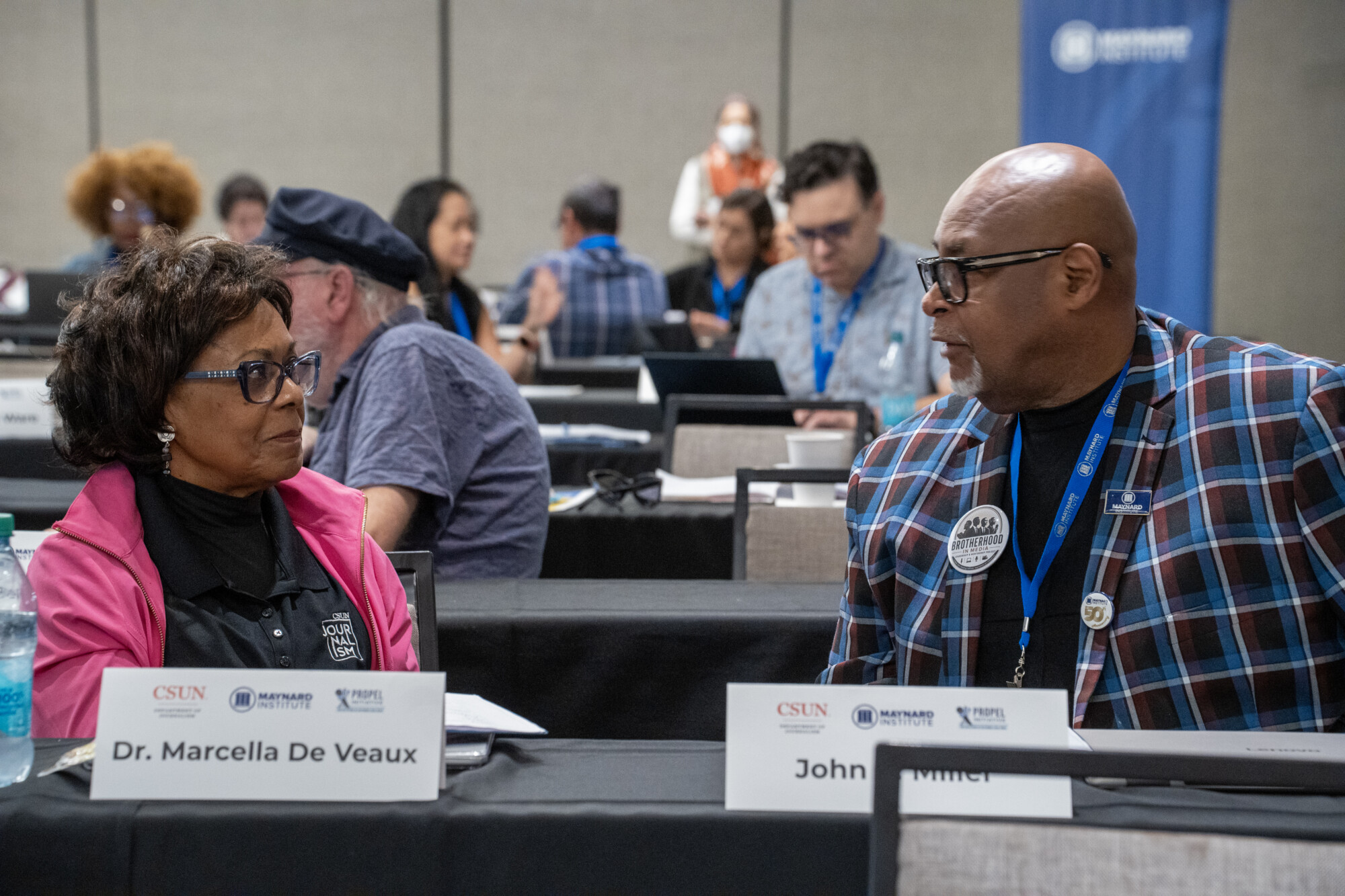
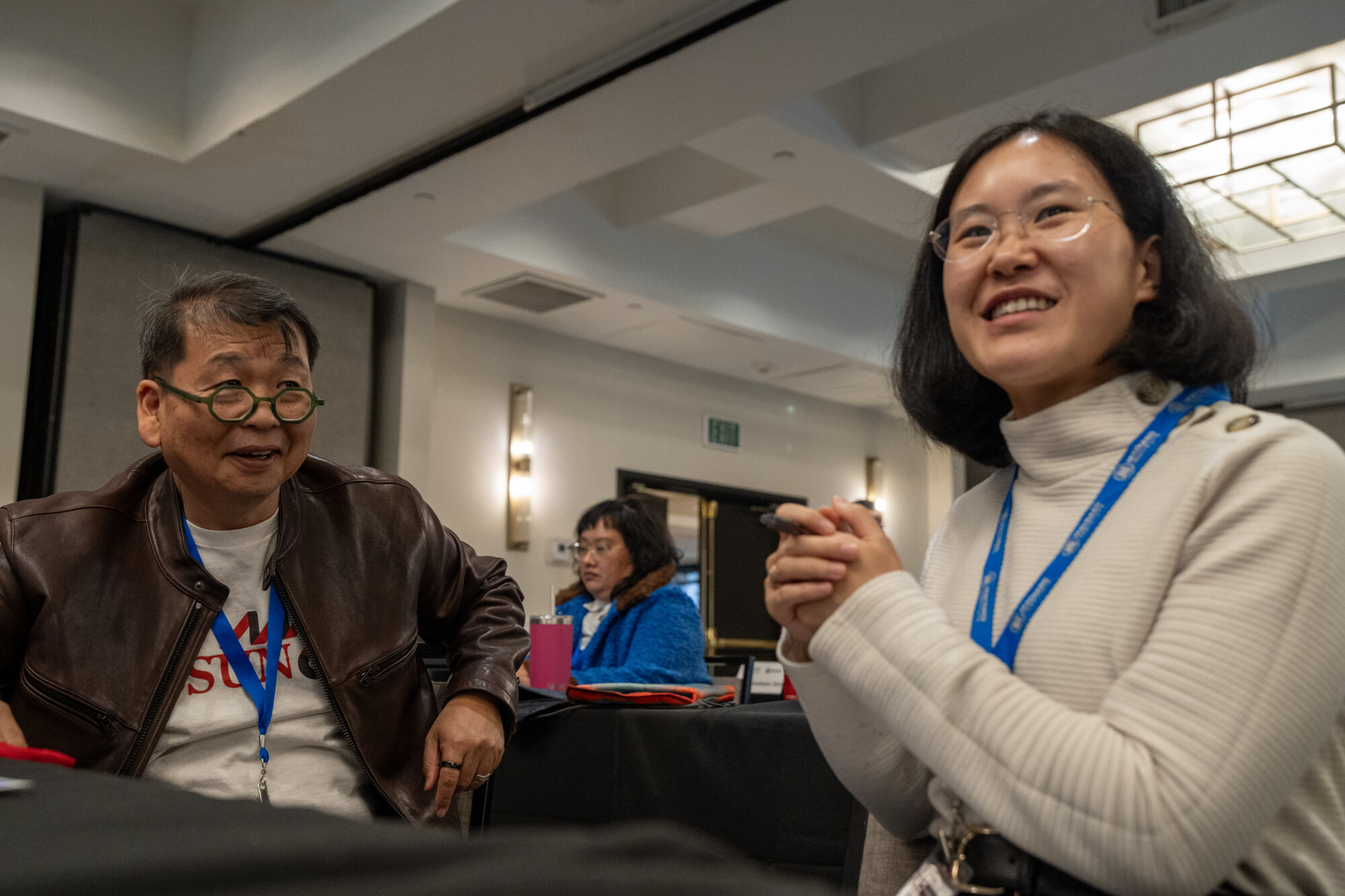
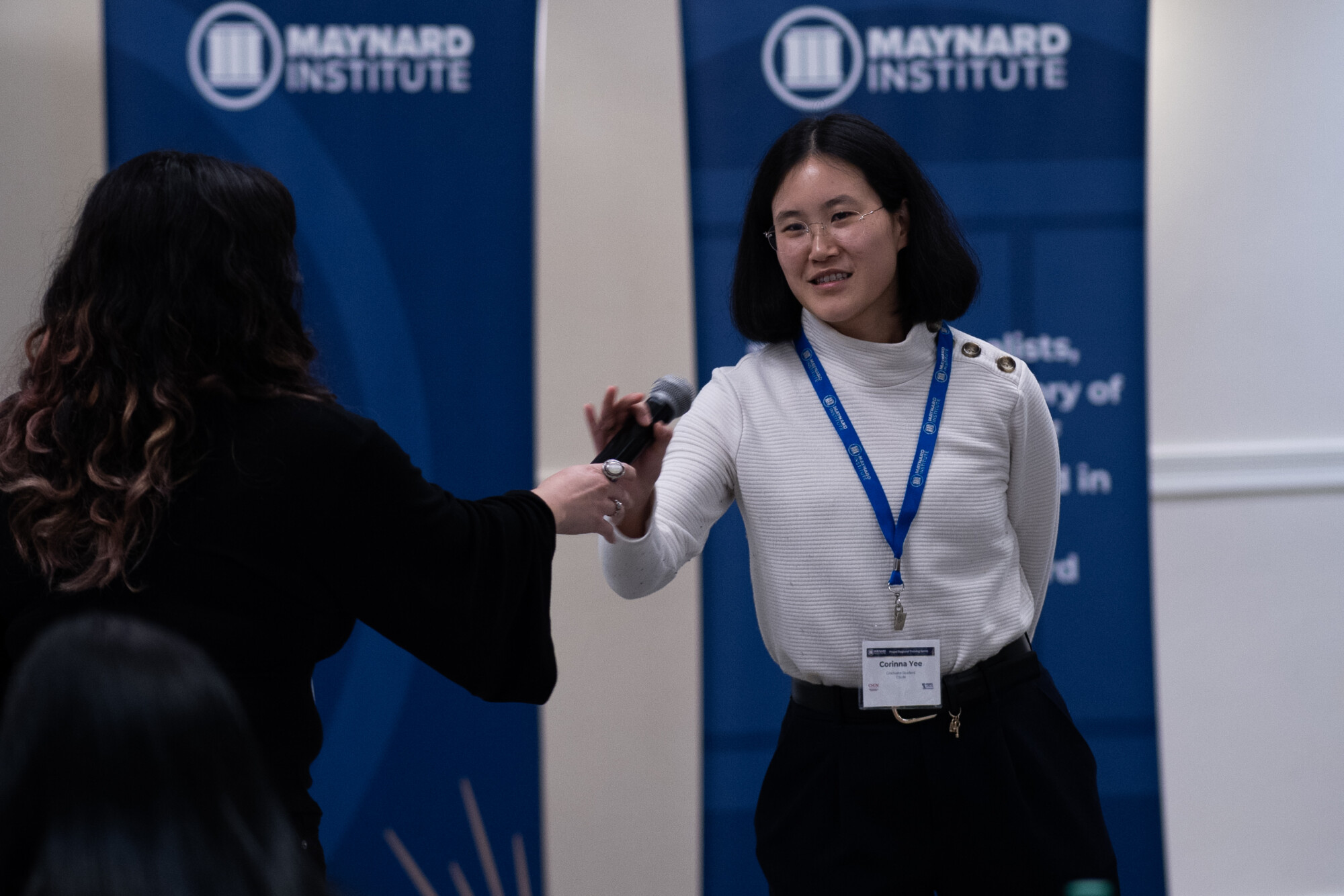
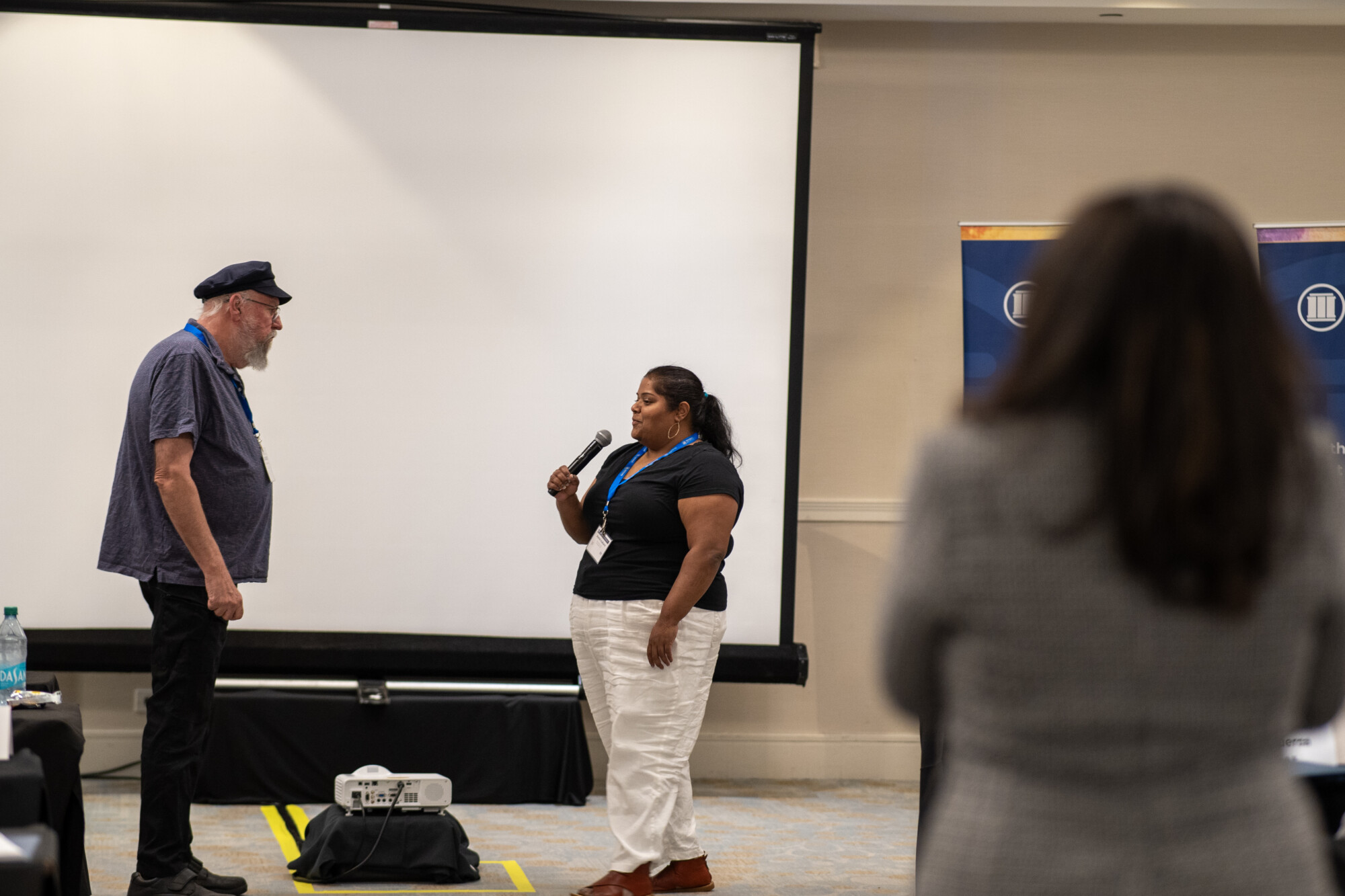
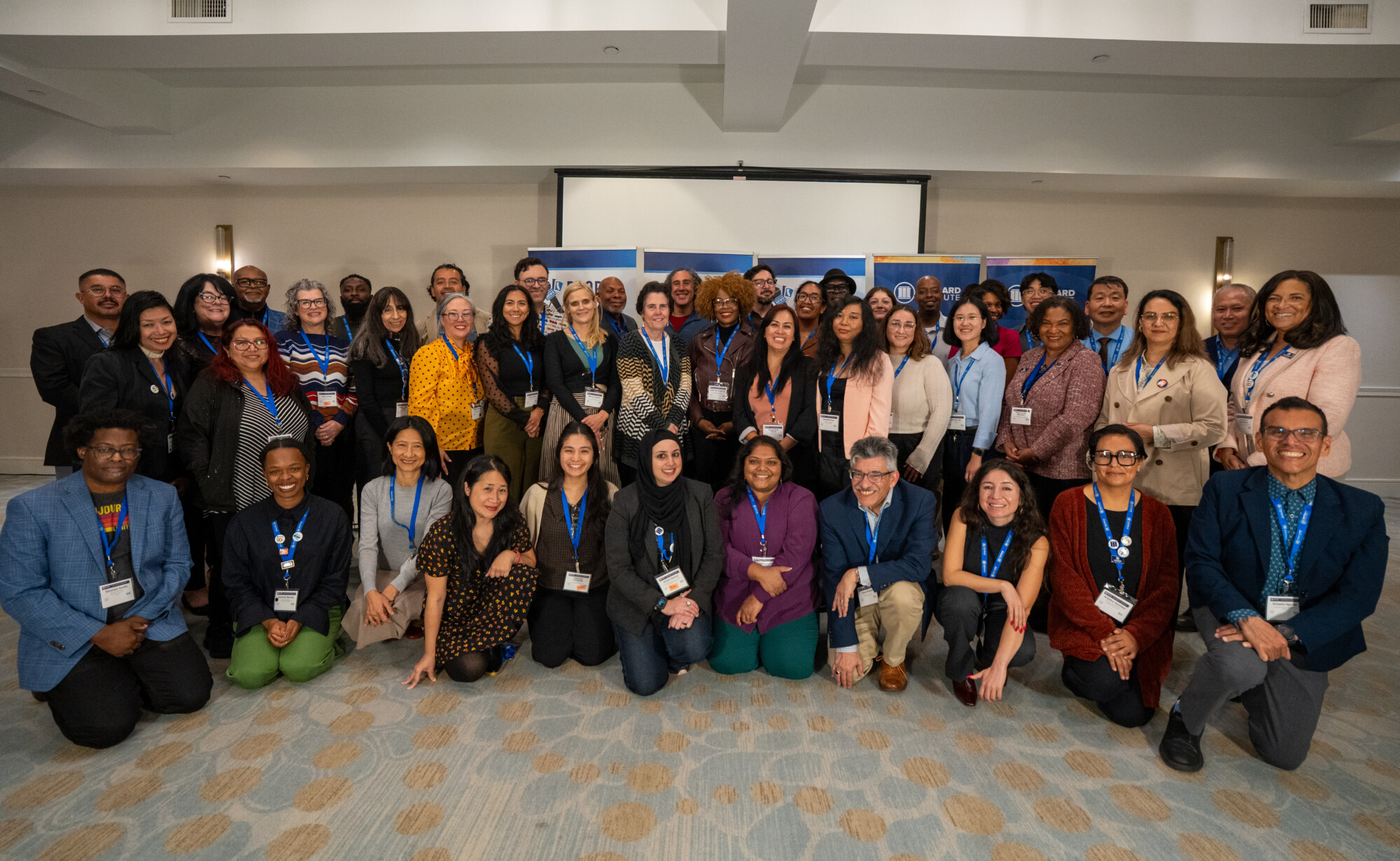
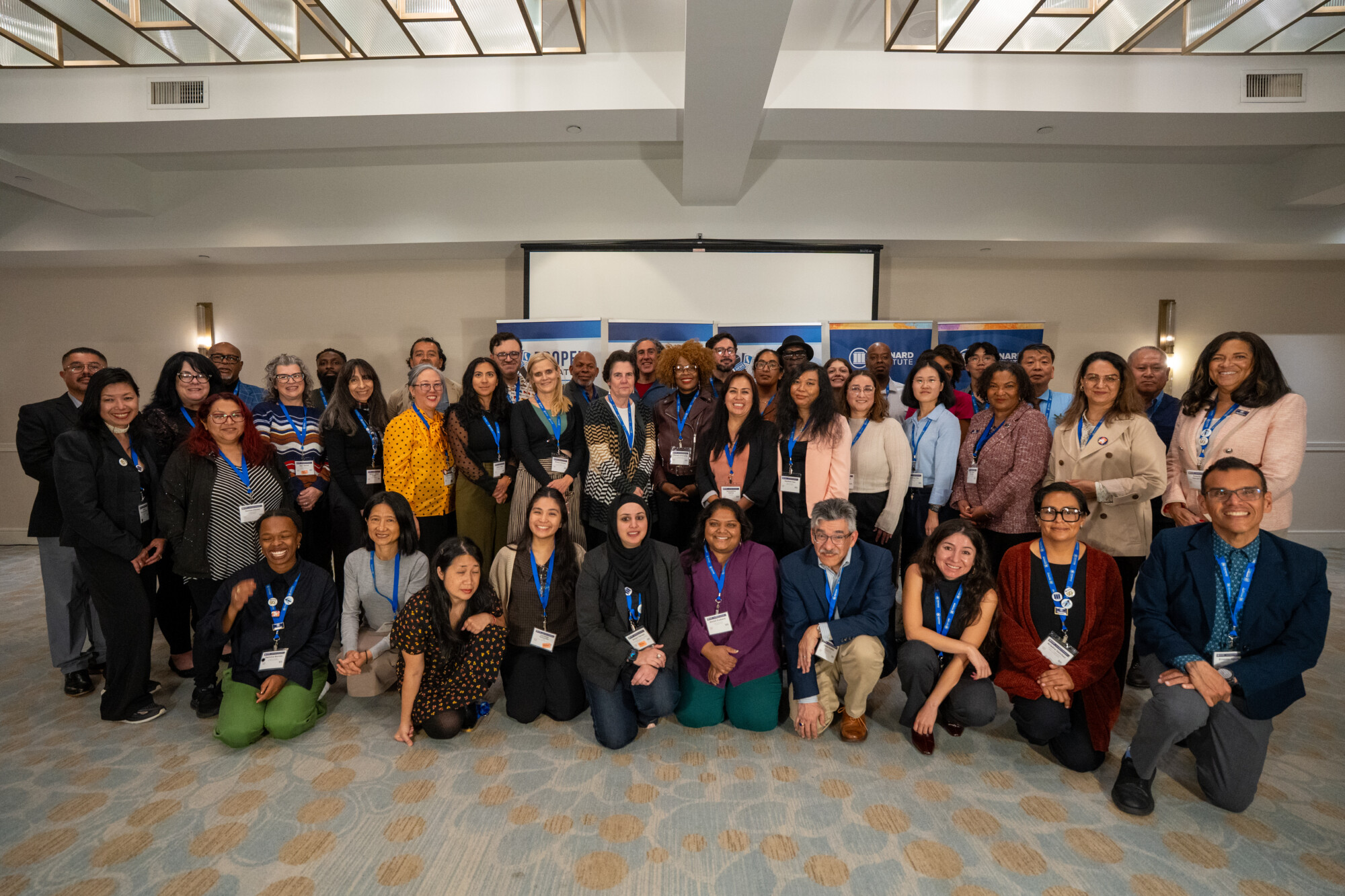
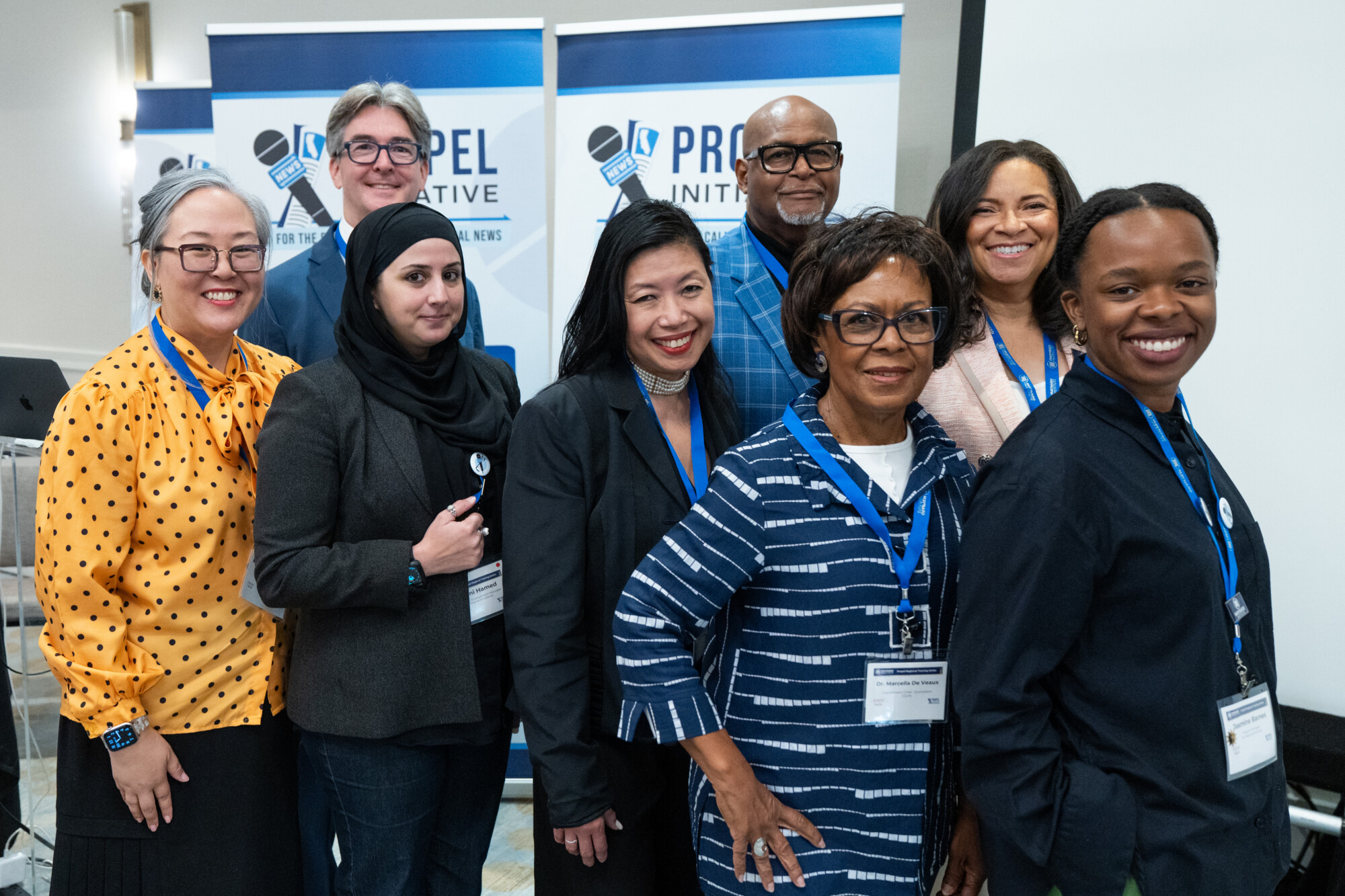
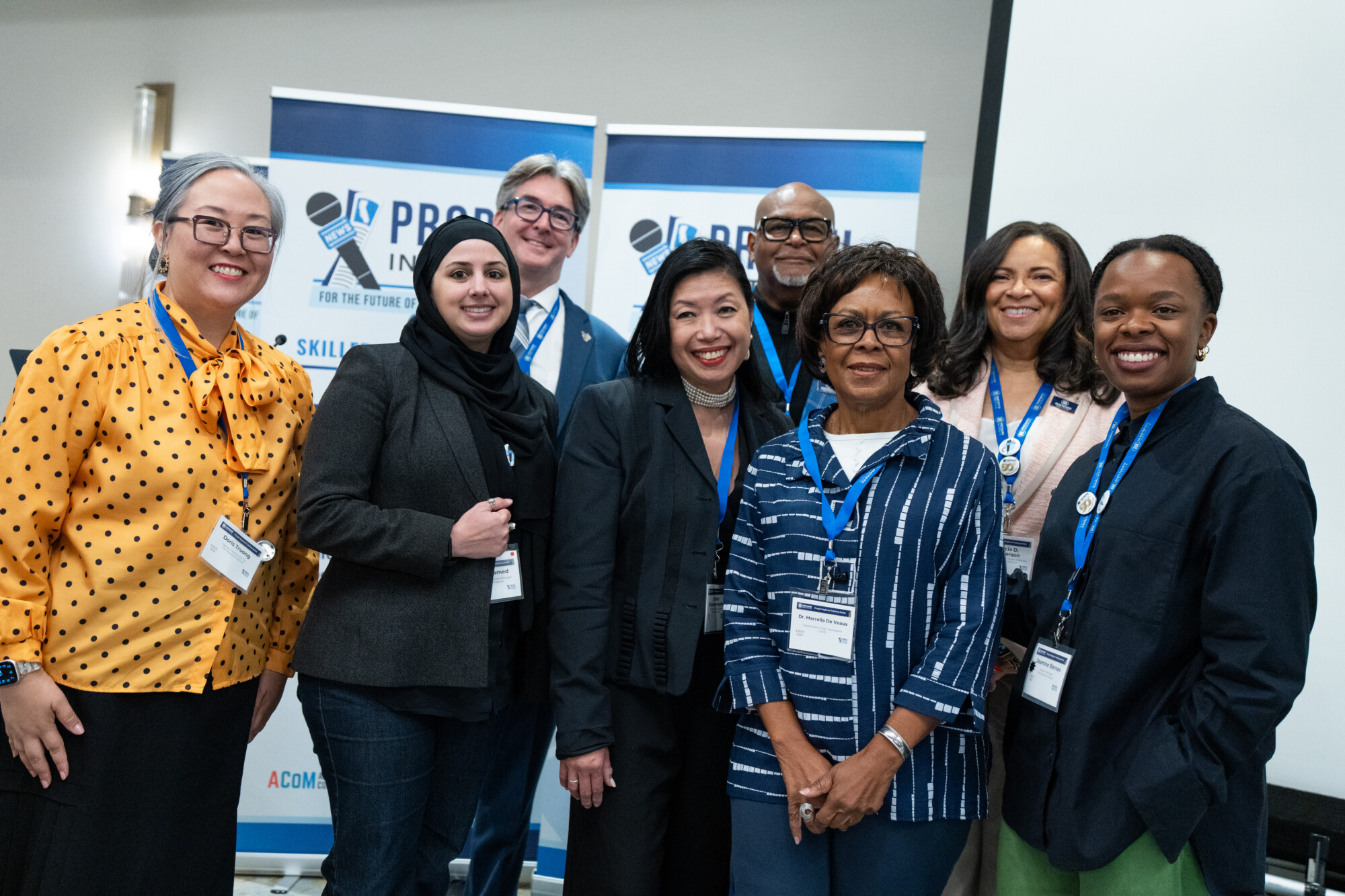
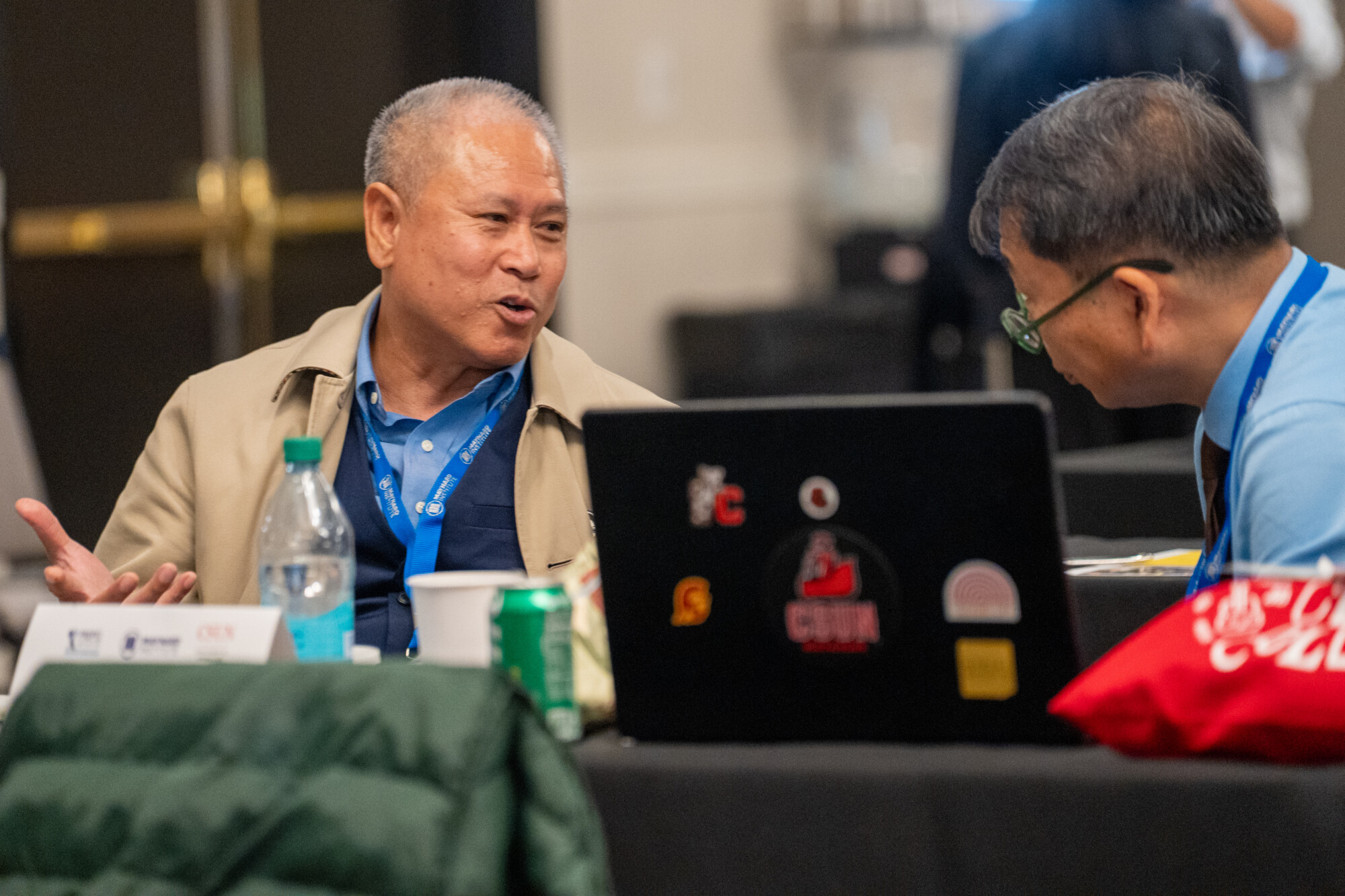
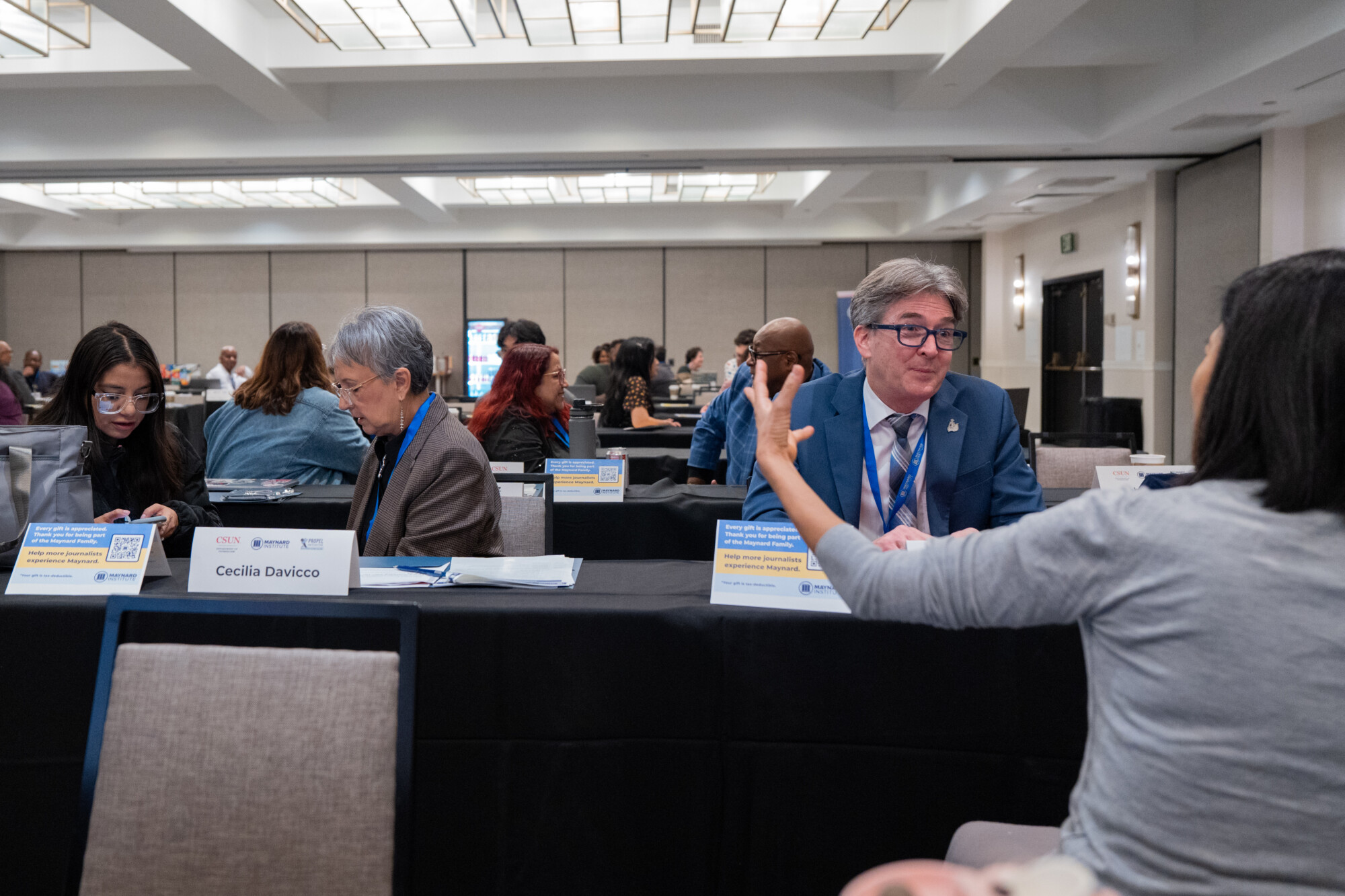
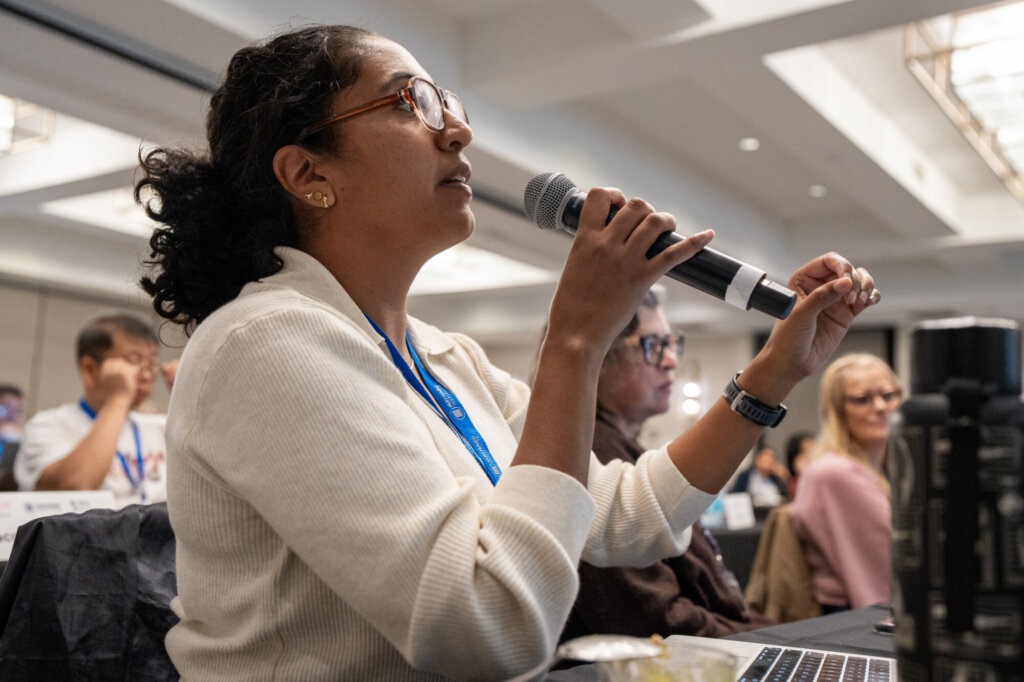
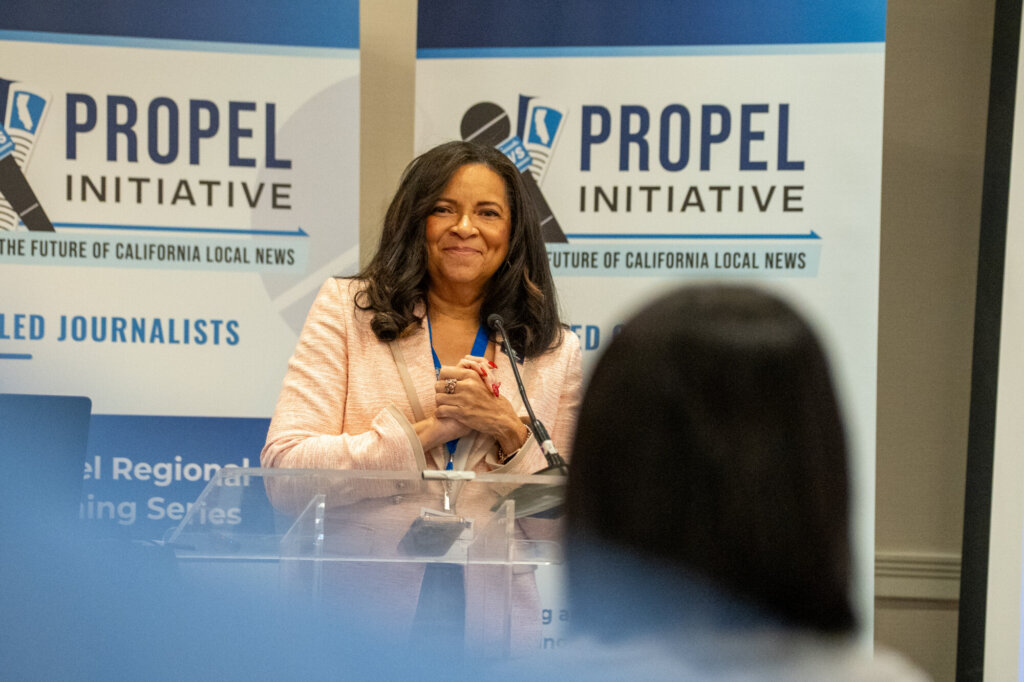
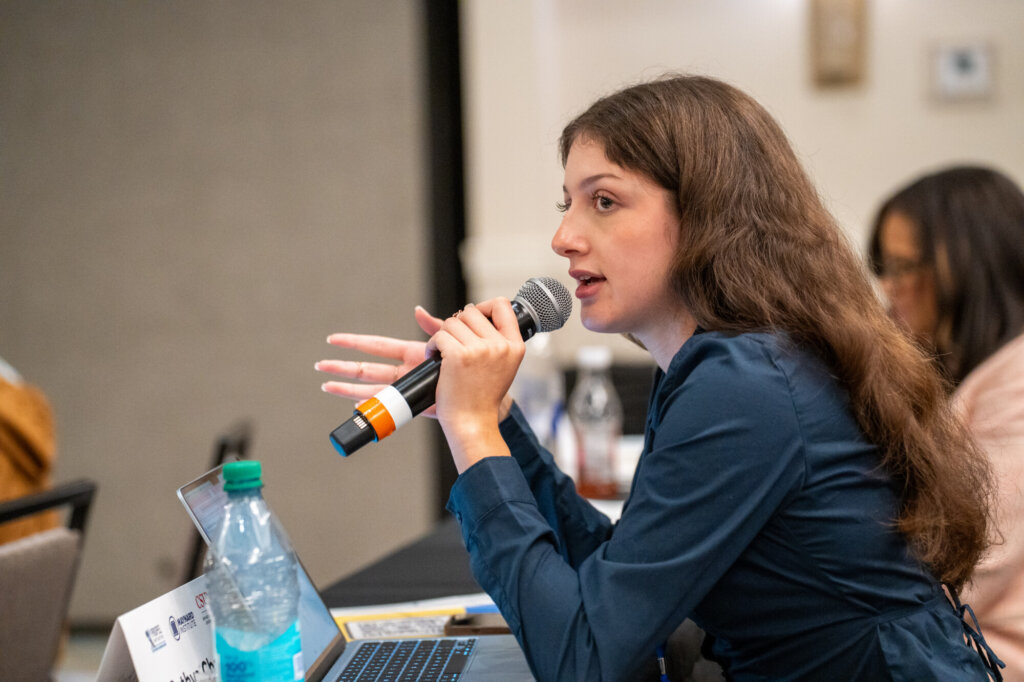
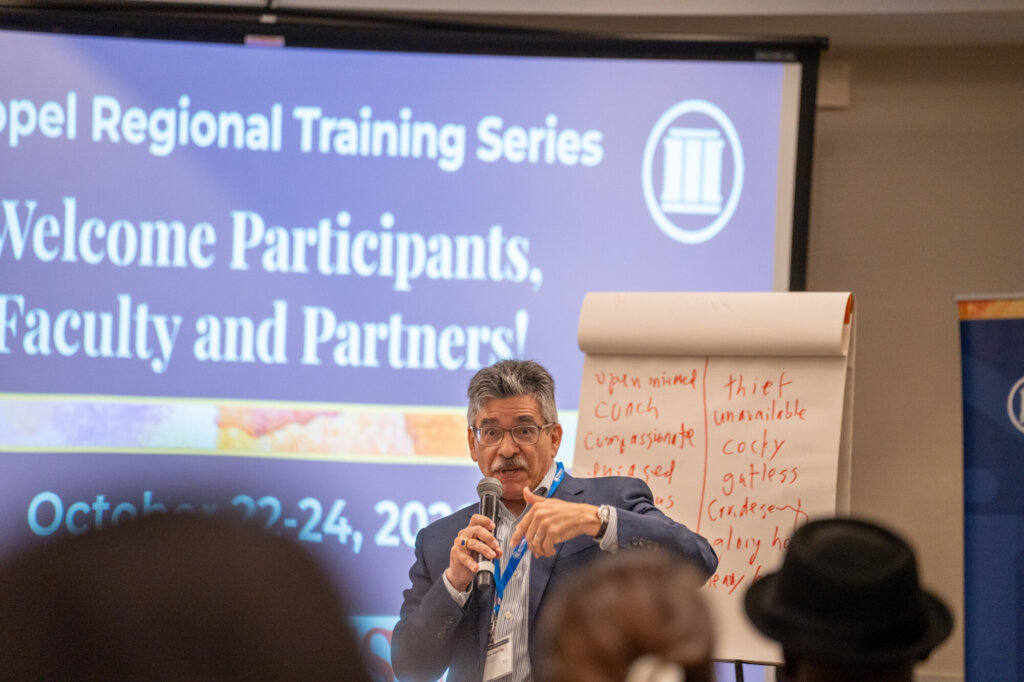
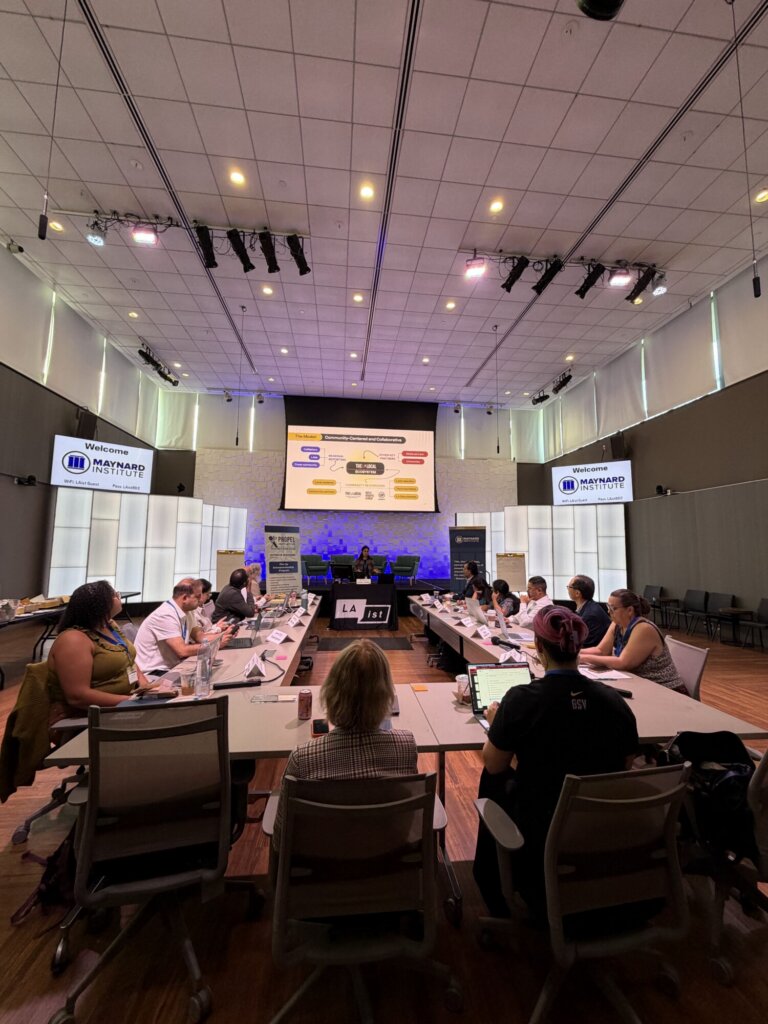
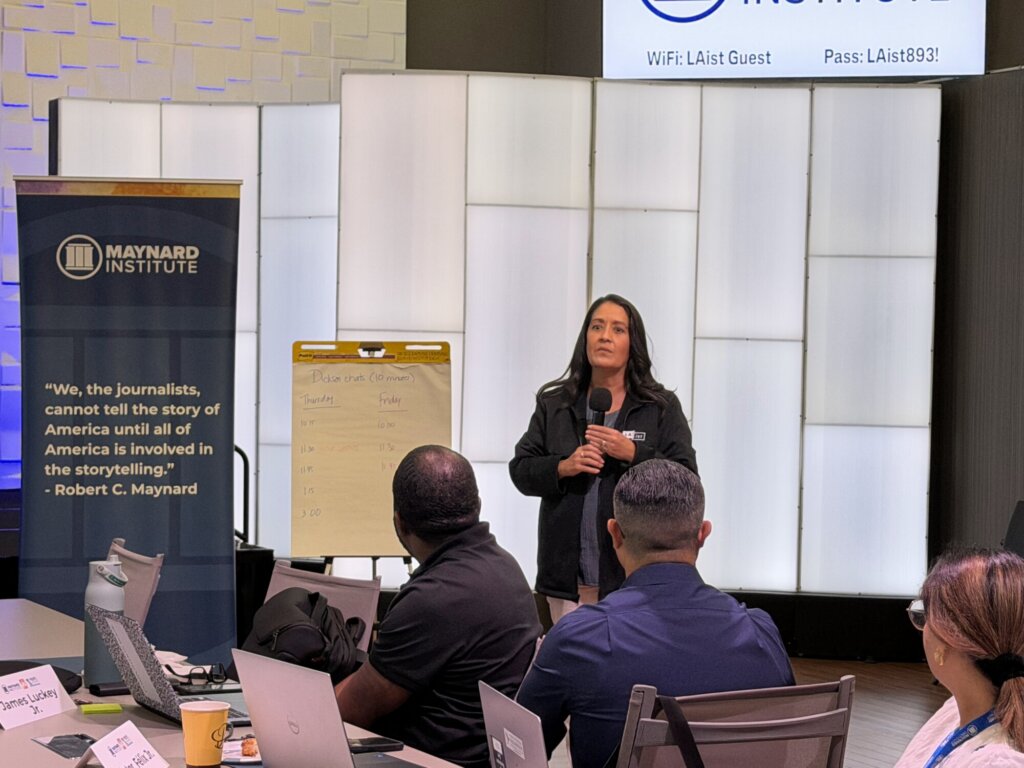
Our second Propel Regional Training in Burbank trained over 50 journalists from across the California local news ecosystem, connecting students, journalists, editors and independent news publishers.
Held in partnership with the Department of Journalism at California State University, Northridge, this landmark training is another step forward in strengthening California local news.
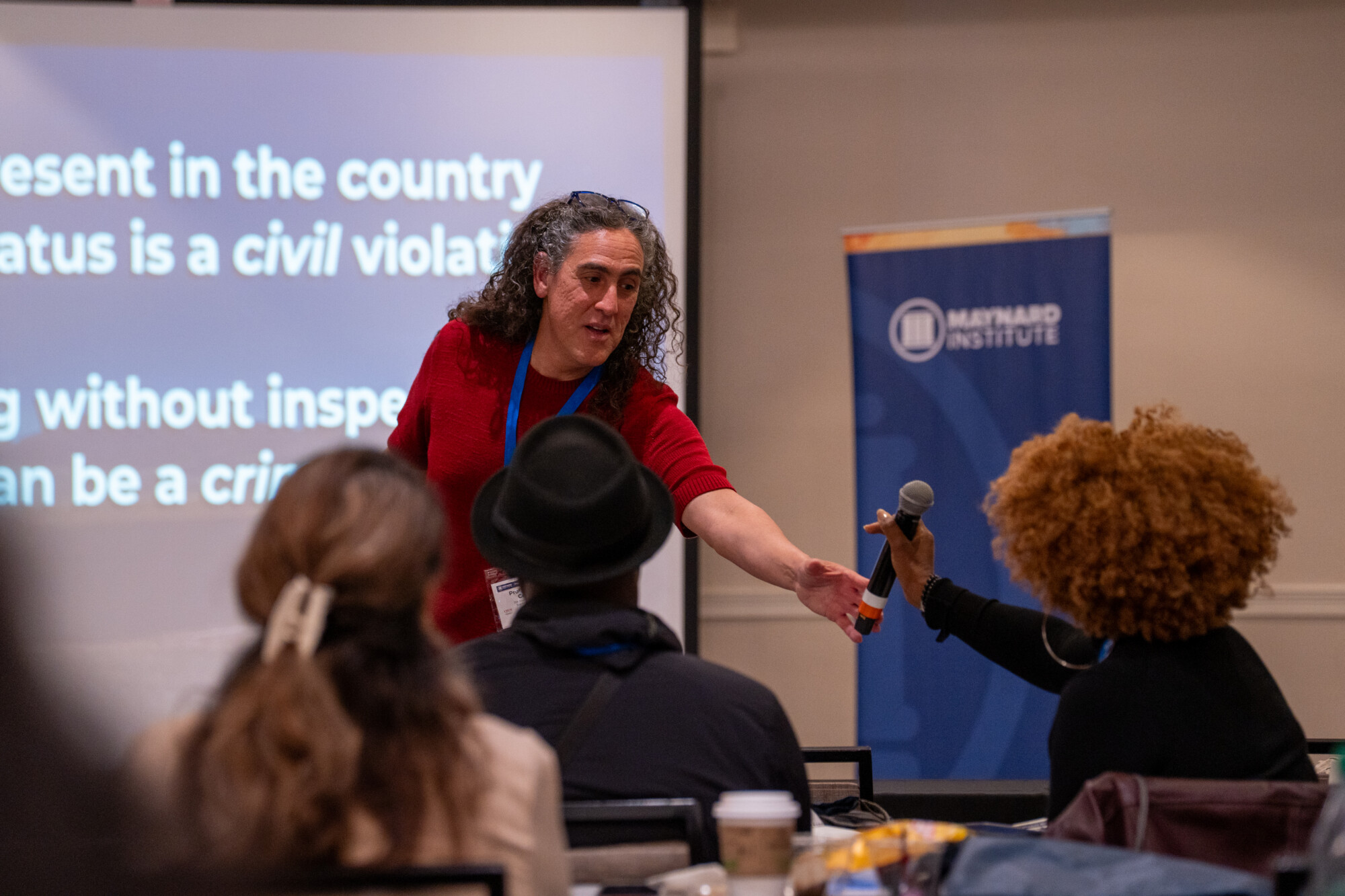
Expert faculty led sessions on covering immigration during an era of increasing civil rights violations and danger to journalists, ethical use of AI, and new connections to student media.
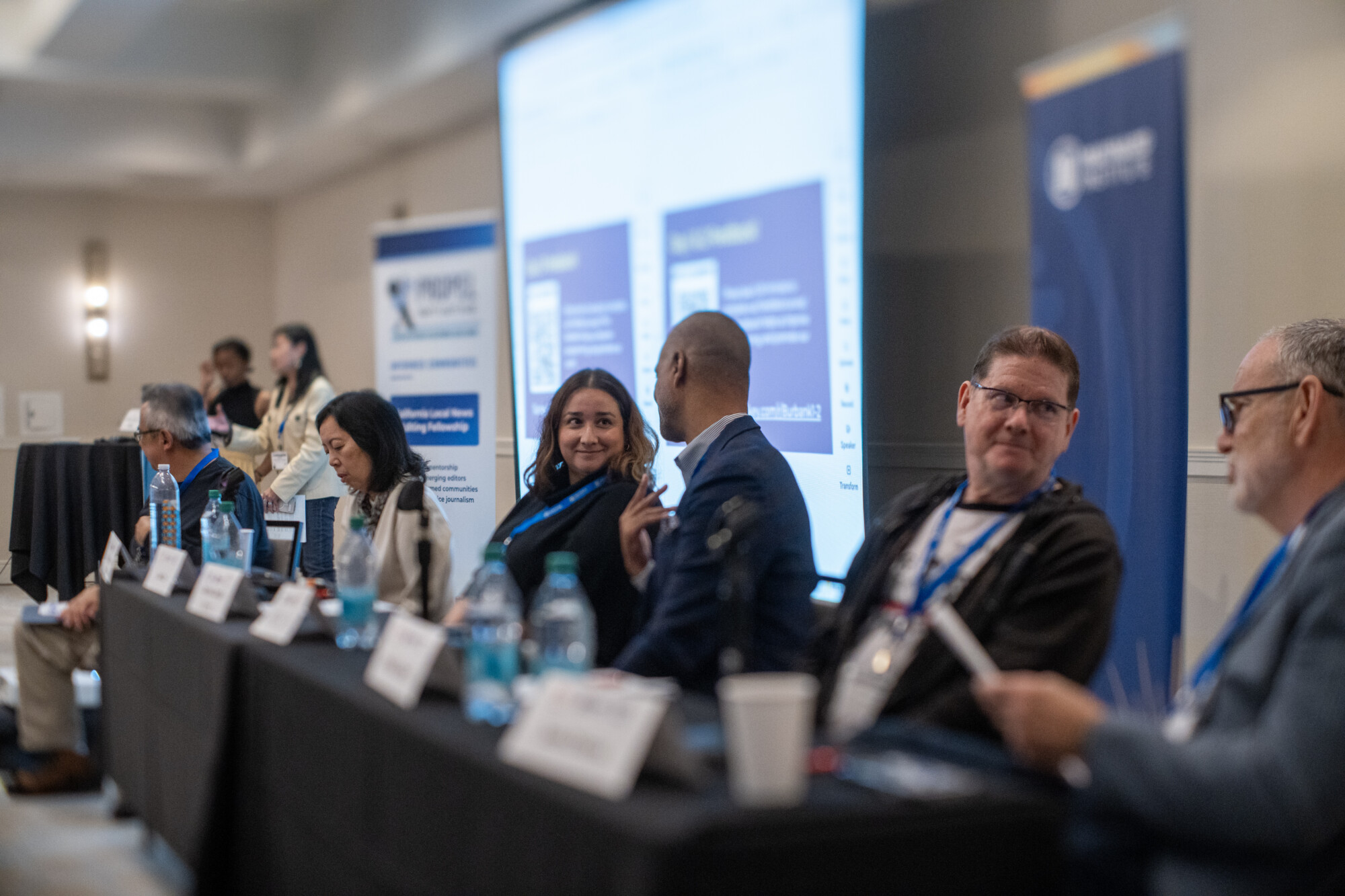
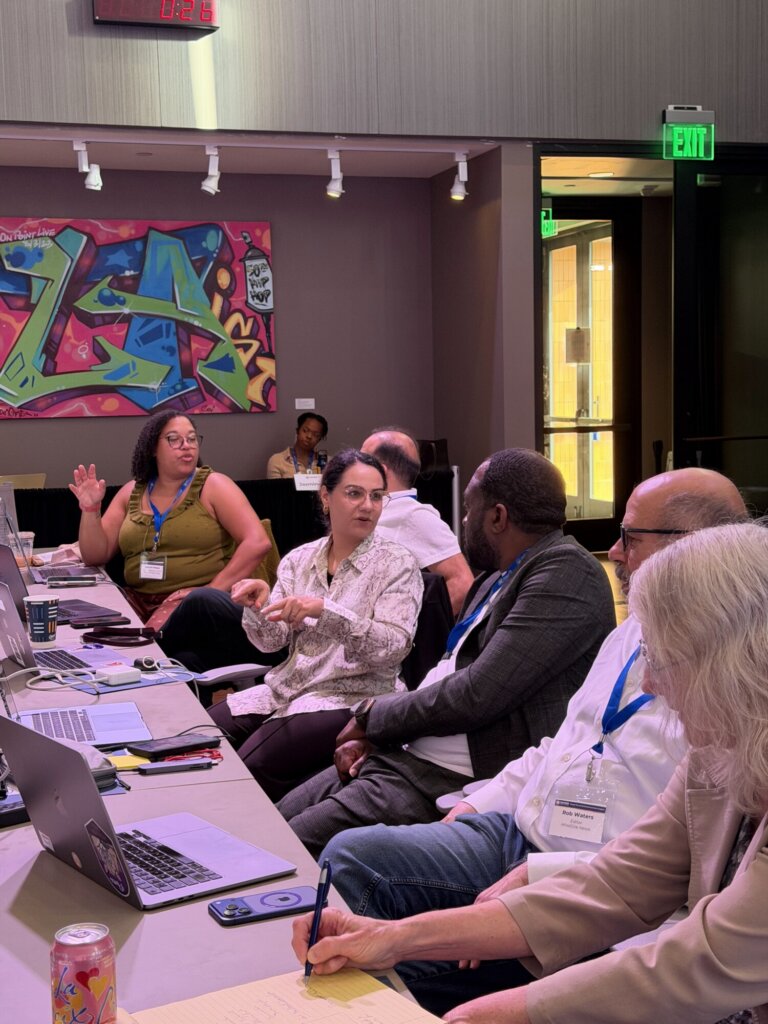
To conclude the training, a regional roundtable of news leaders discussed everything from challenges entering the industry and finding first-time employment in a newsroom to keeping sources and journalists safe and ensuring comprehensive coverage of divisive issues while mitigating harm to vulnerable and targeted communities.
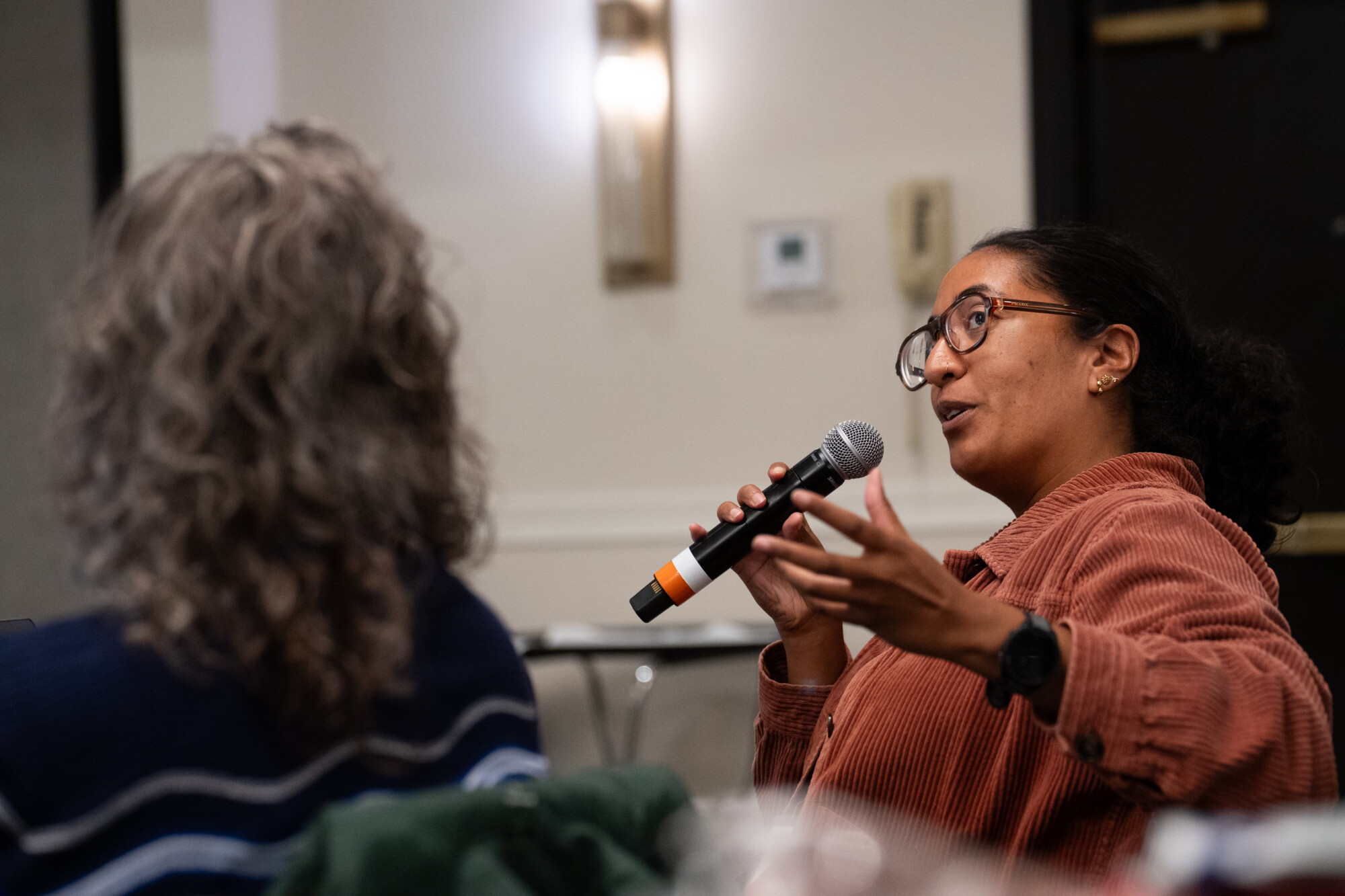
Participants surveyed after the training offered feedback, reflecting on the connections they made with peers and remarking on the quality of the training sessions.
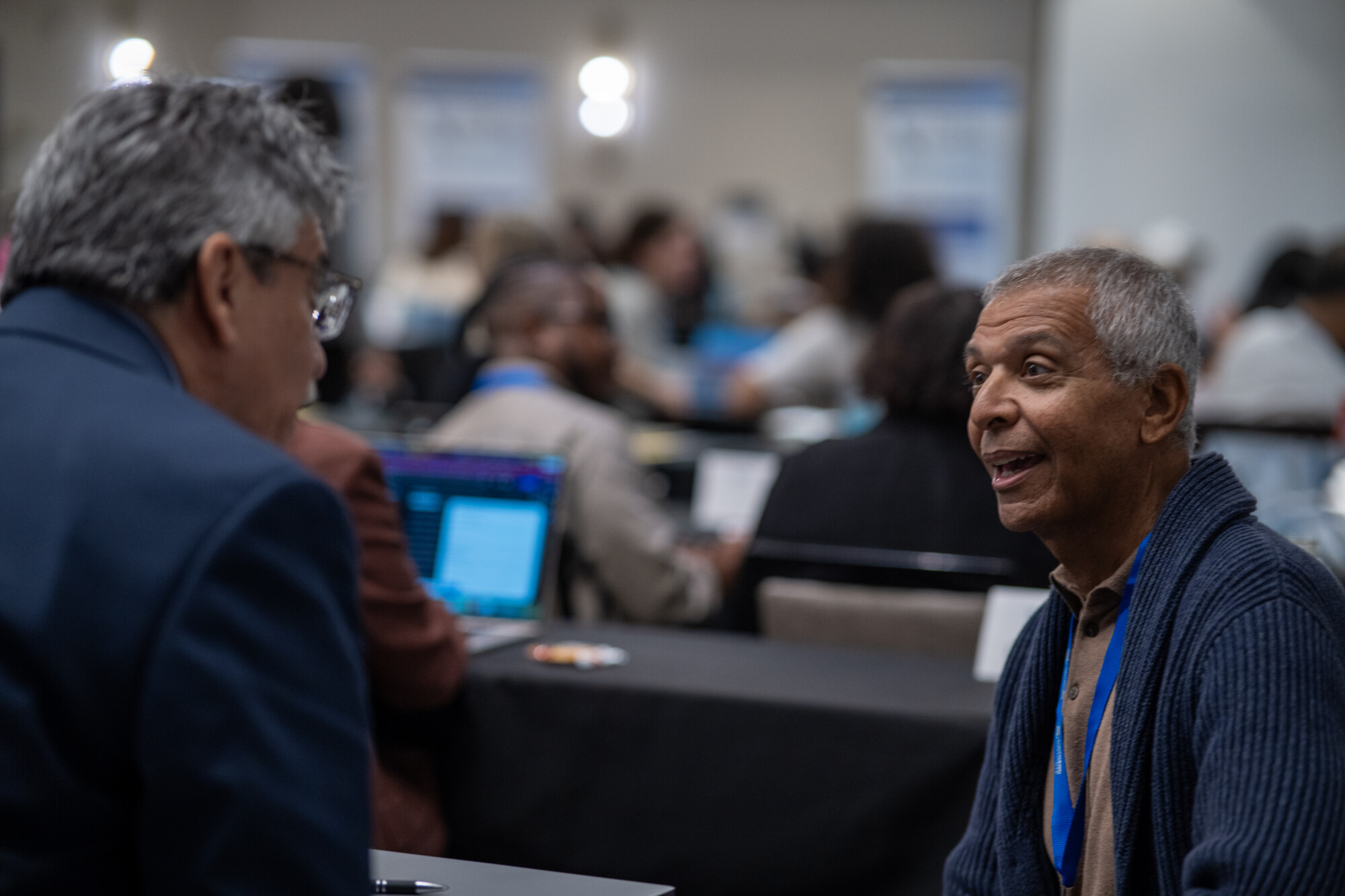
“I appreciated being able to network with so many people. It’s magical.”
“Overall, this training has exceeded my expectations.”
“Appreciate the mindful programming and organizing that went into every single session and exercise.”
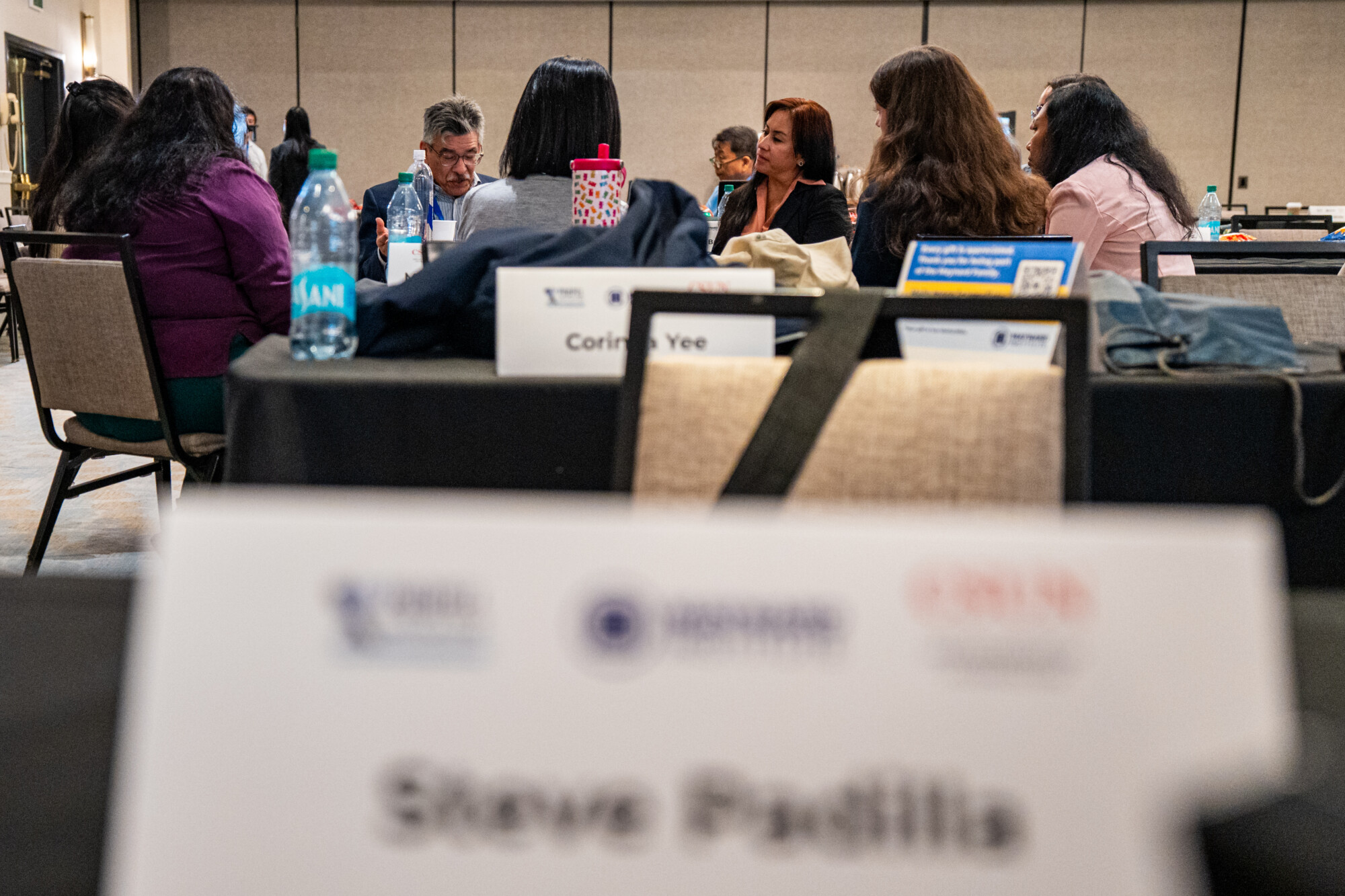
“I love practical advice that can be applied to student newsrooms immediately. The Emergency Plan, and Fault Lines awareness of implicit biases and complicated intersectionality were especially valuable. Also, I got to chat with Steve Padilla during lunch, and just that quick sit-down was valuable. The man is a walking dictionary of useful anecdotes!“
“We should definitely have more workshops like this throughout the years to guide aspiring student journalists.”
“All of the speakers gave very captivating presentations. Overall, this has been a very rewarding experience.”
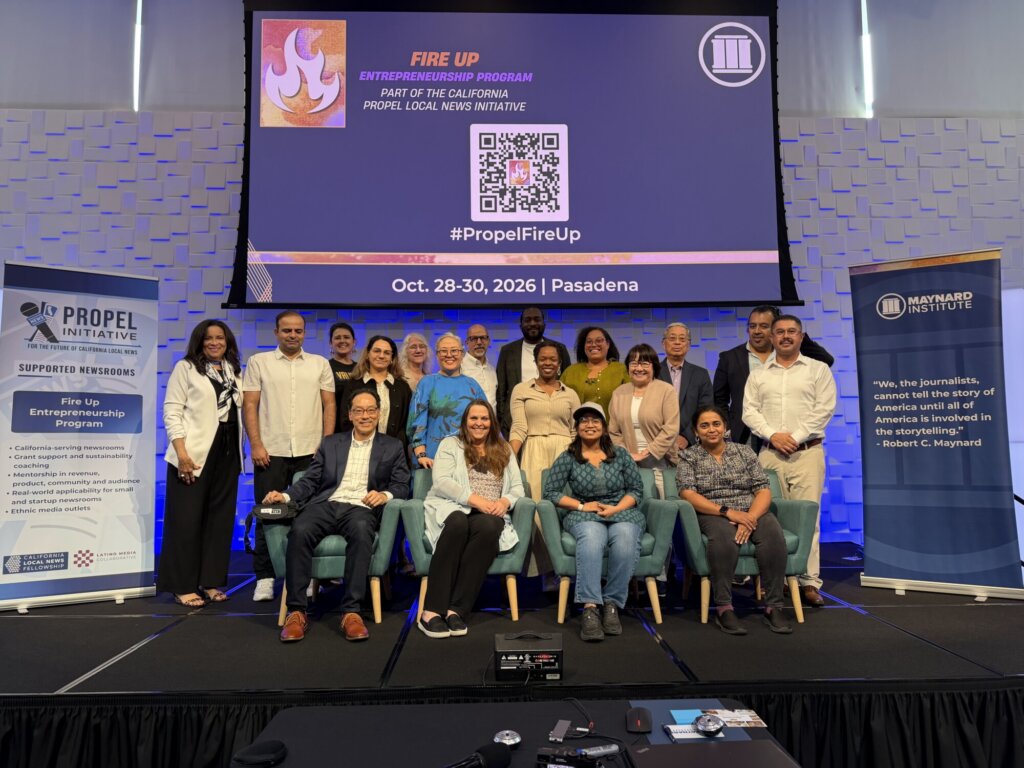
As Doris Truong takes over as director of the Fire Up Entrepreneurship Program, the 2026 cohort of Fire Up Fellows is meeting in Pasadena.
“It’s inspiring to see this cohort growing and learning together. Their progress since our first meeting in July includes learning how to better use analytics and thinking more strategically about how to expand their audience reach. You can see them learning from each other and challenging long-held assumptions.”
Joined by heads of finance and product from LAist as well as other expert coaches in sustainability and growth, the fellows are receiving training in budgeting, product development and collaborative and community news models.
“I’m honored to have the opportunity to continue to shape Fire Up with my Maynard colleagues. Our shared commitment to elevating all voices gives me hope for local journalism.”
Communities depend on healthy newsrooms and well-supported journalists to access reliable information, stay informed and participate in civic…
While attending California State University, Northridge (CSUN), I struggled financially and scholastically. I am a photojournalist and writer,…
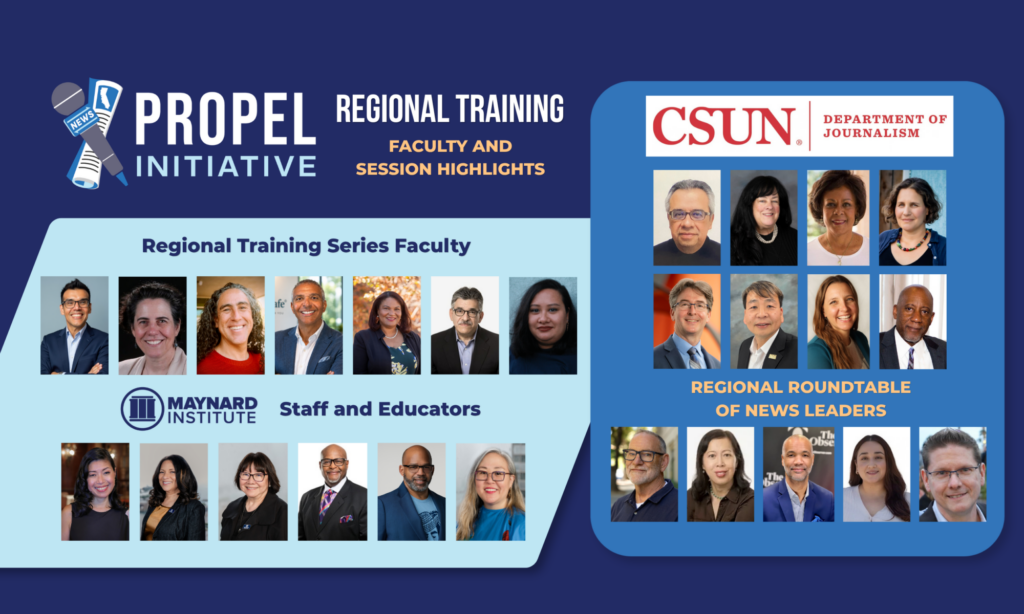
The Maynard Institute and Propel Initiative programs are always led by expert journalists, editors, newsroom leaders and faculty from our partner universities.
In our final Propel Regional Training of 2026, we are excited to welcome eight educators from our partners in the Department of Journalism at California State University at Northridge. Joining them from the pool of Maynard alumni and faculty are seven expert investigative journalists, innovative editors, newsroom managers, award-winning writers, C-suite executives and coaches. Together with our Maynard Institute staff, this team presents a combined century of journalism expertise.
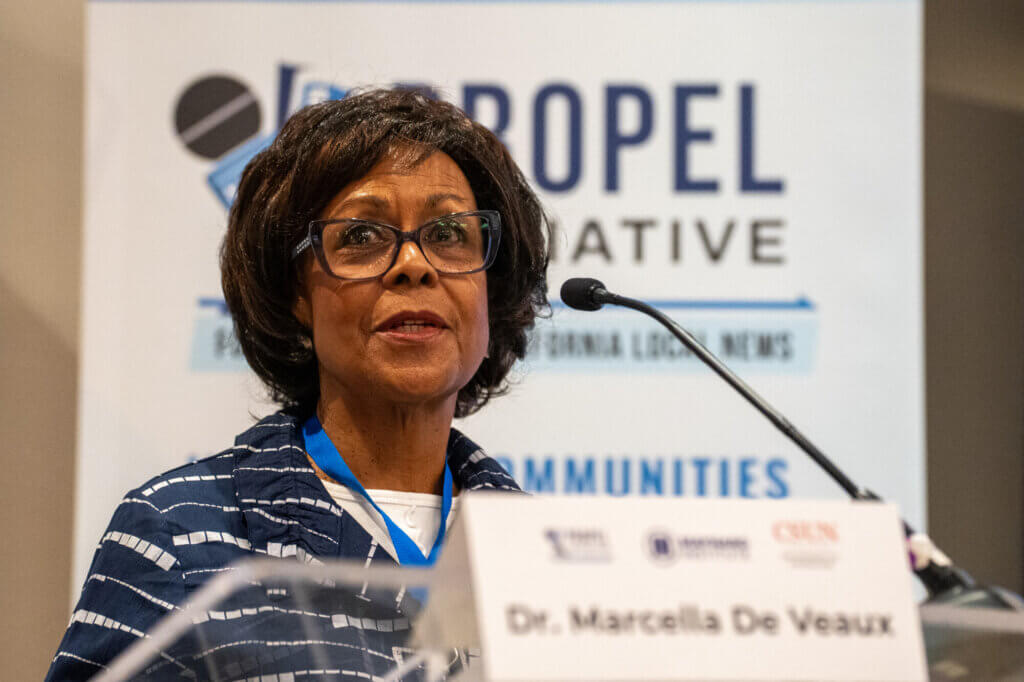
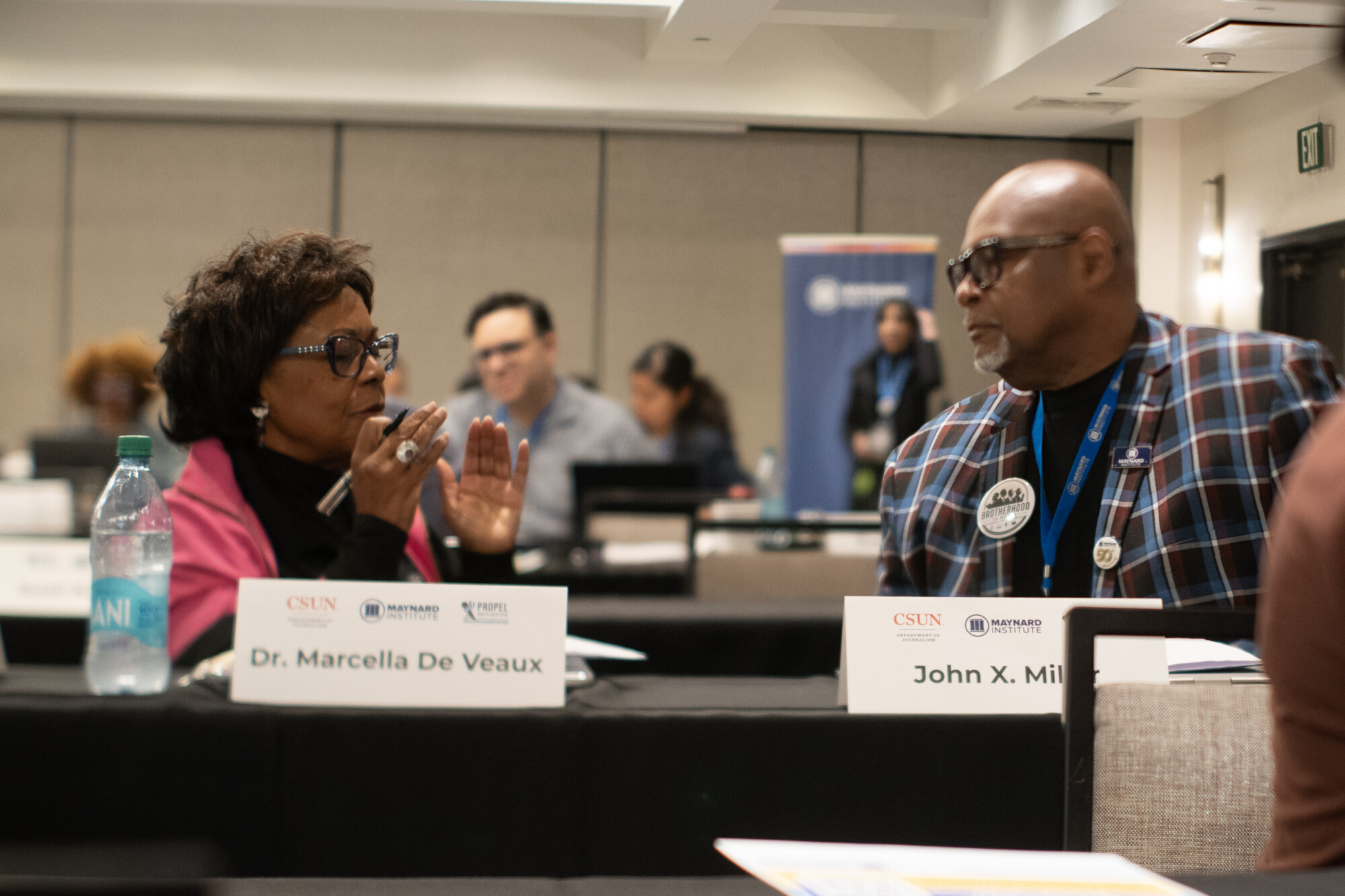
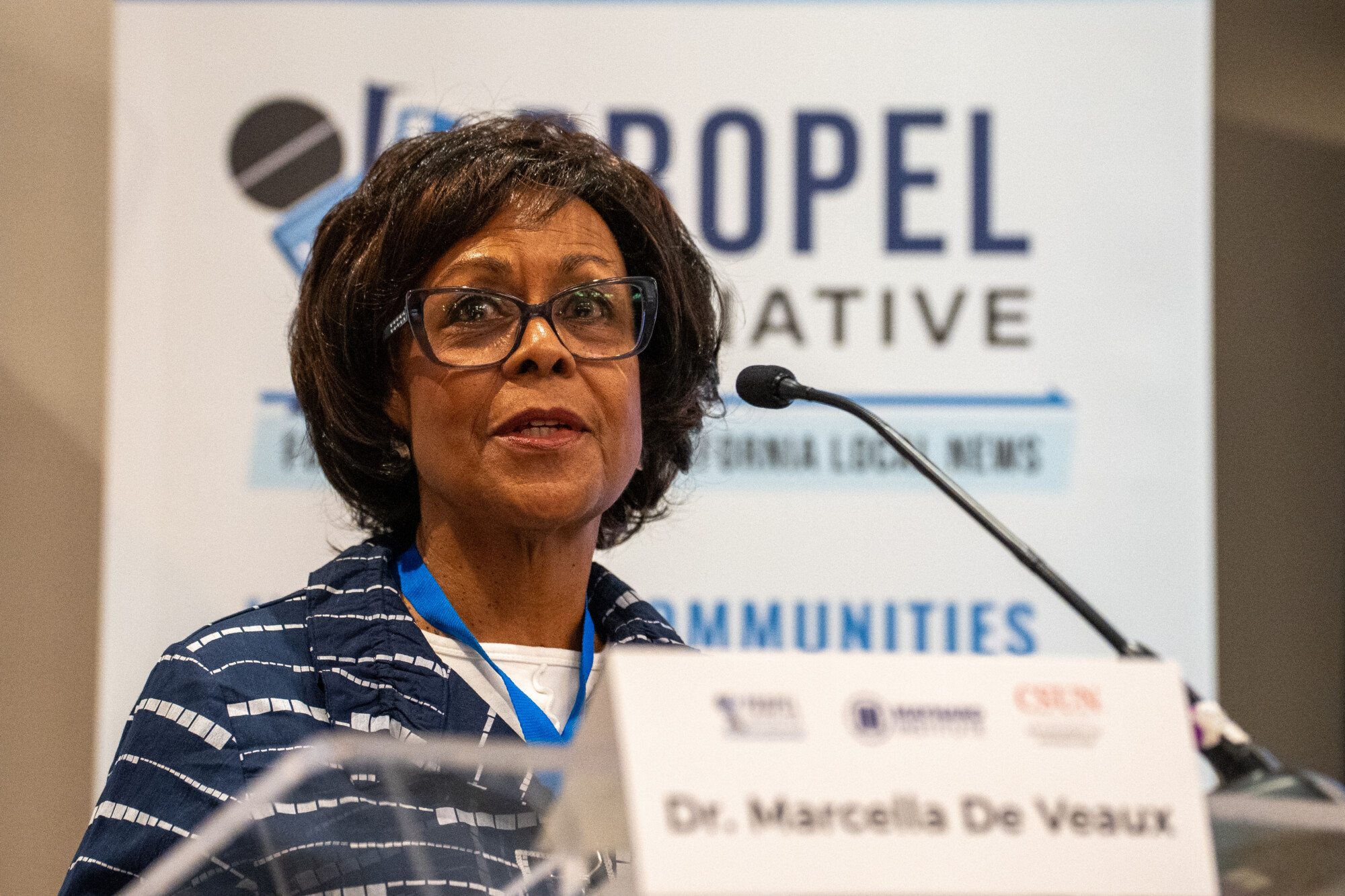
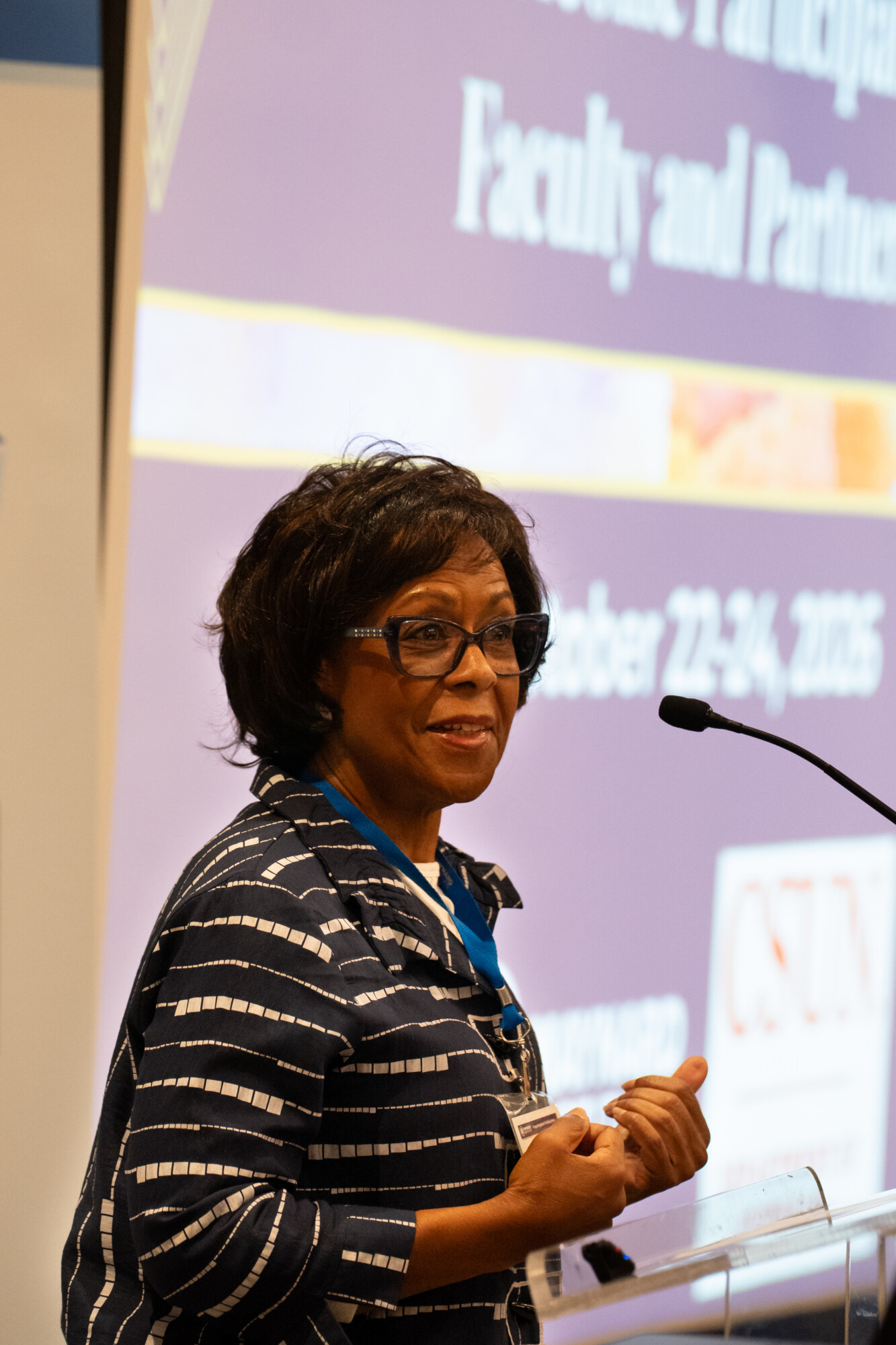
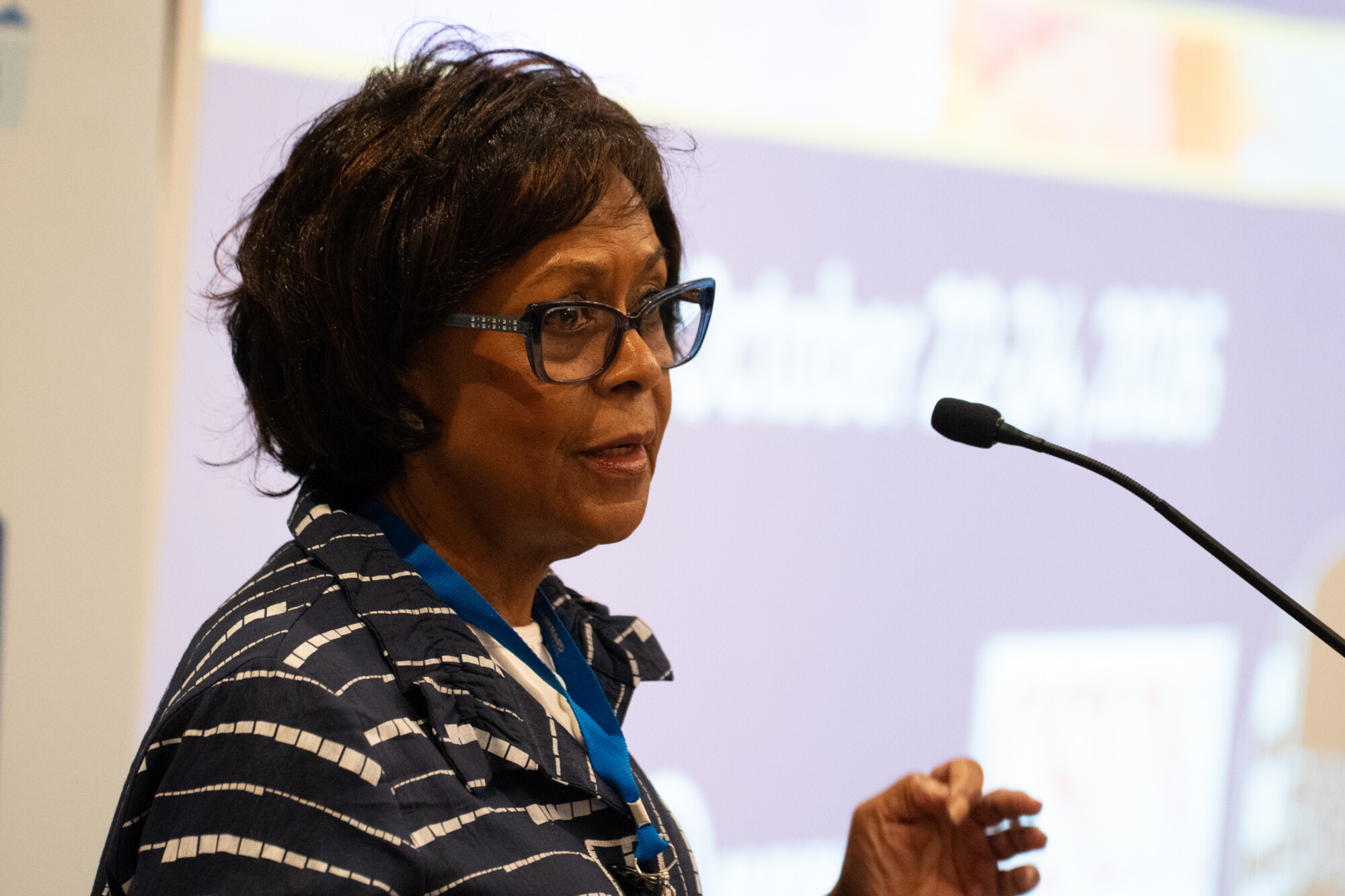
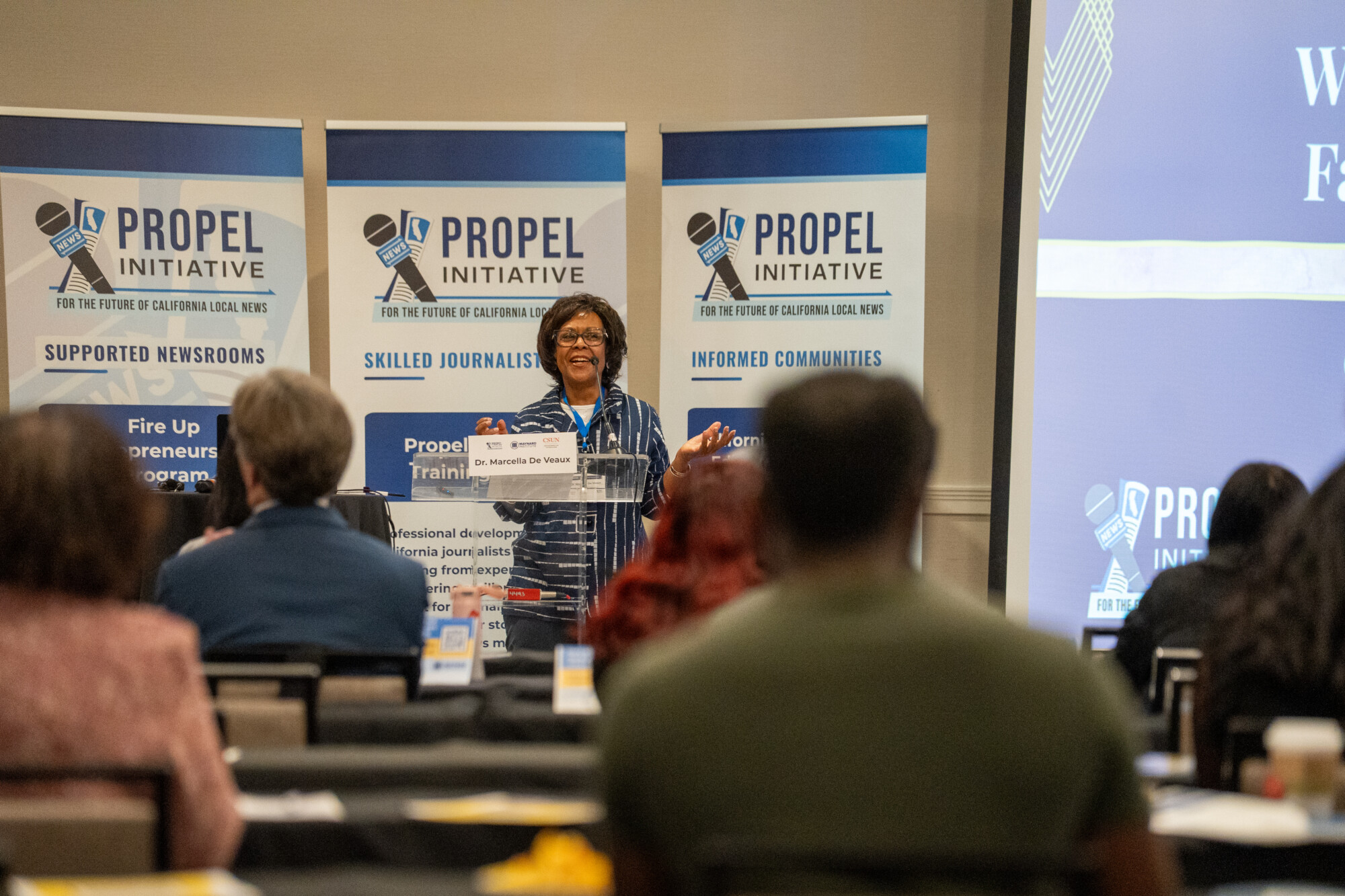
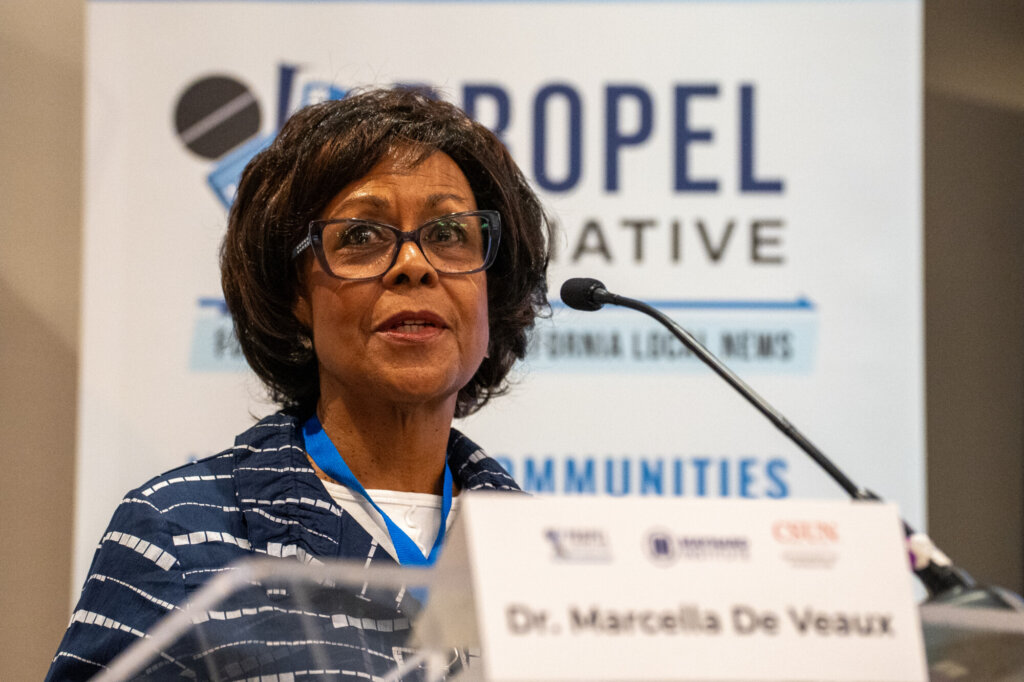
“CSUN Journalism is proud to partner with the Maynard Institute and Propel Initiative to strengthen the next generation of newsroom leaders. This three-day training creates an important space for editors and managers and our student journalists to sharpen their leadership skills, navigate today’s complex media environment, and embrace emerging tools like AI,” said Dr. Marcella De Veaux, Chair of the Department of Journalism at CSUN.
“We’re especially pleased to bring together experienced journalists, CSUN Journalism faculty and media leaders to share knowledge and practical strategies. Together, we are investing in a stronger, more inclusive and sustainable future for California journalism.”
We will also end our Propel Regional Training in Burbank with a Regional Roundtable of News Leaders from Southern California, representing a diverse cross-section of media experience.
“We look forward to welcoming another exceptional cohort of California journalists who are transforming the state’s news landscape and reflecting the diverse voices of its communities.
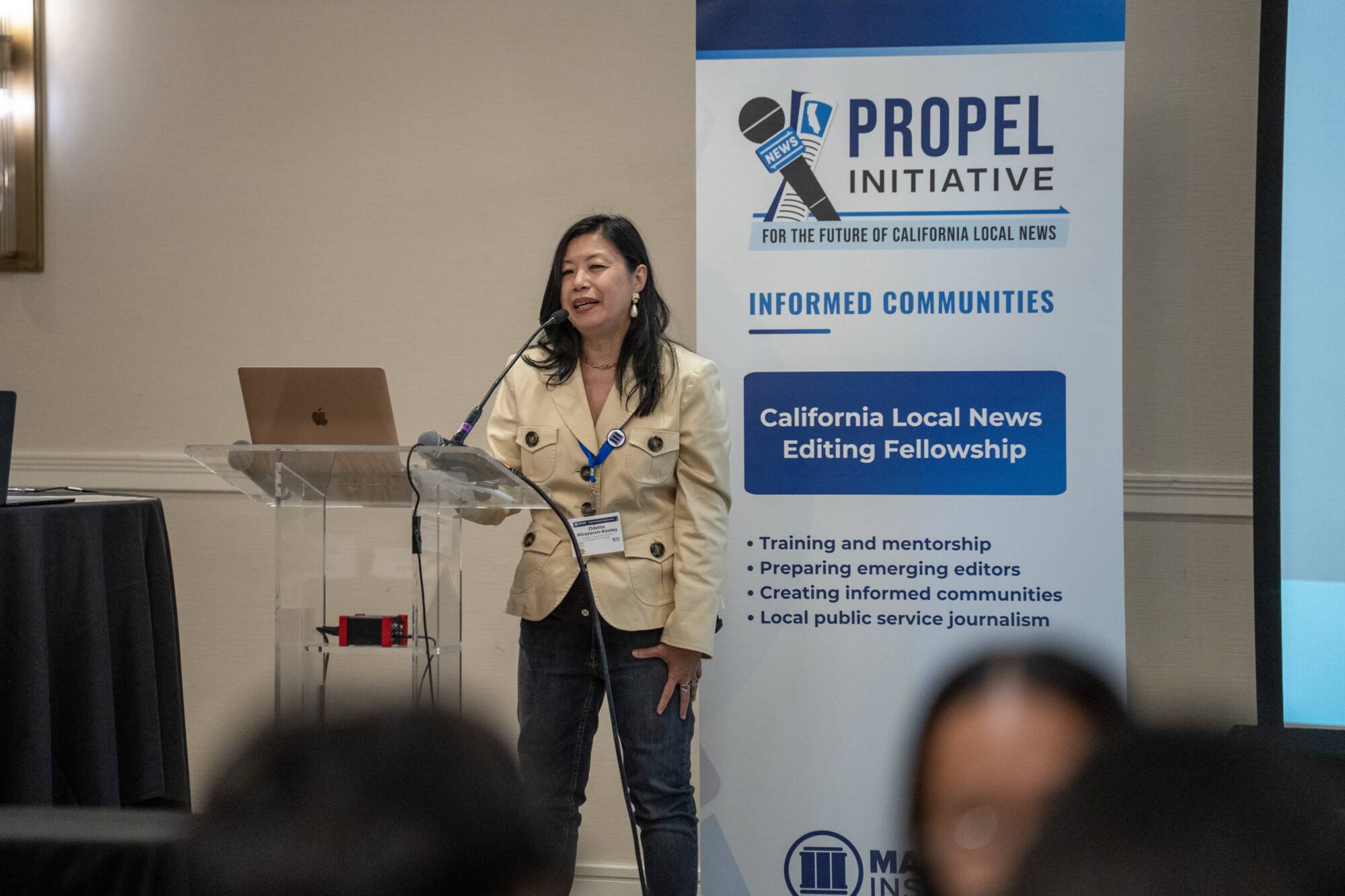
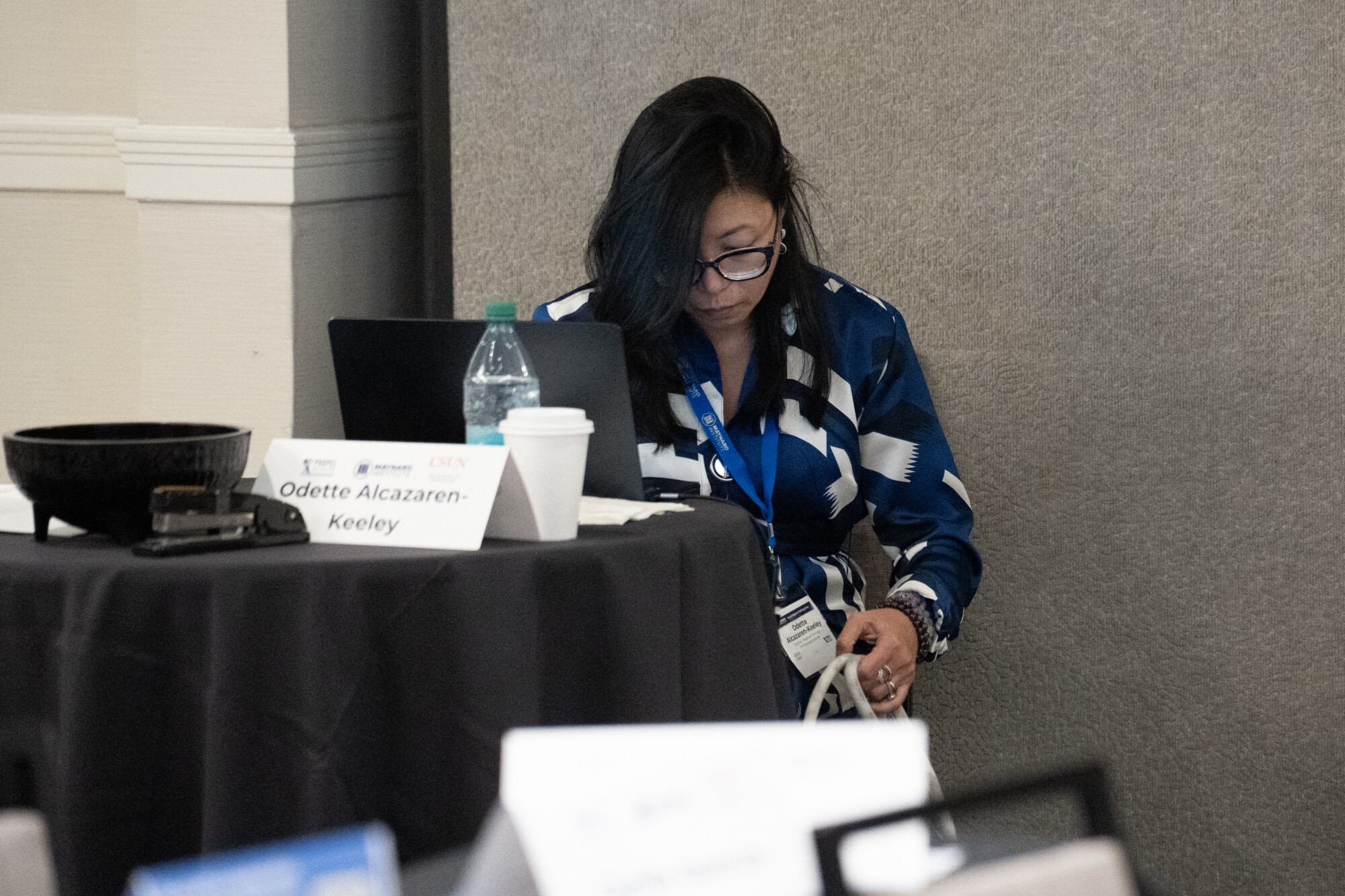
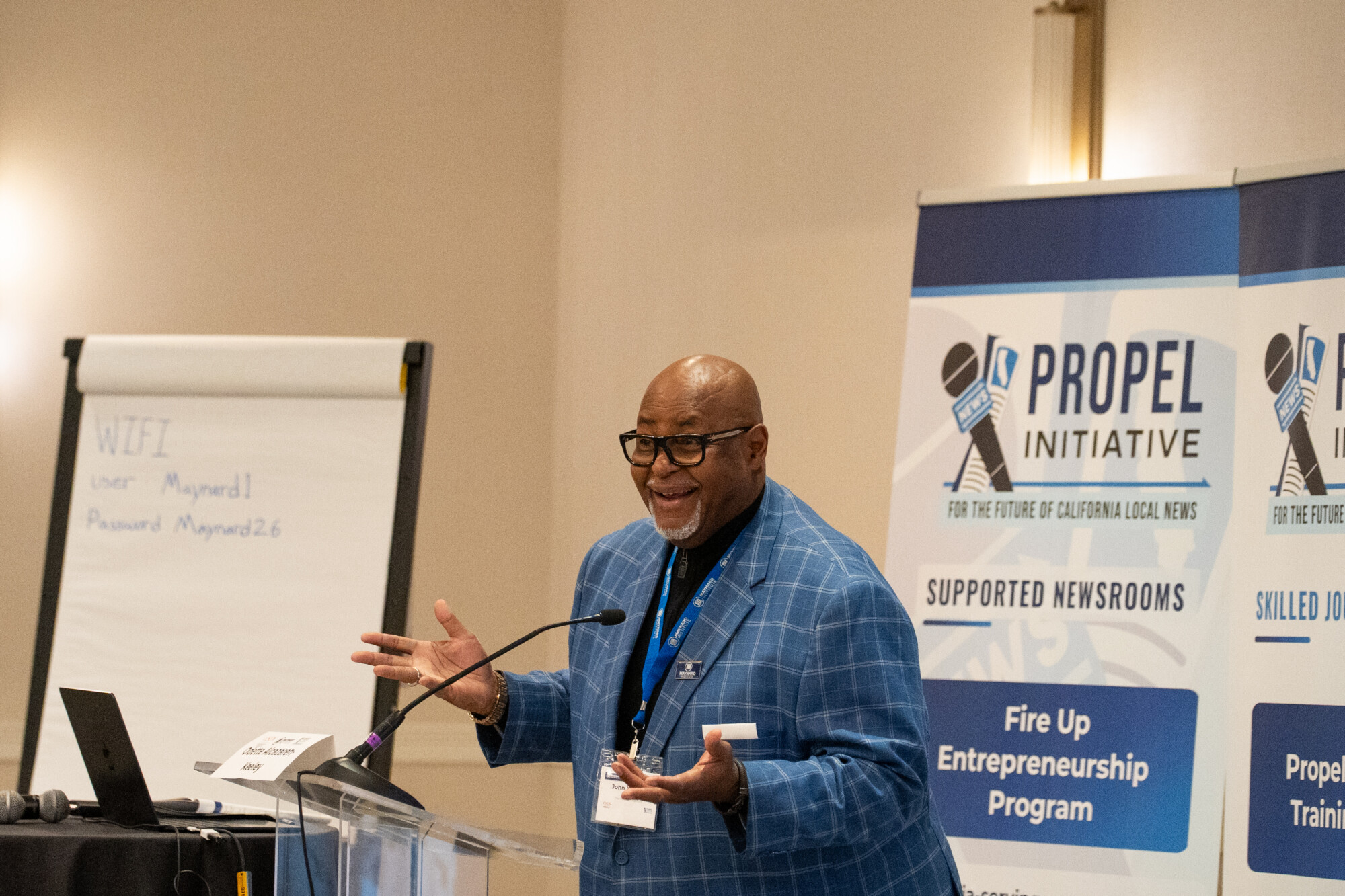
The second Propel Regional Training organized by the Maynard Institute continues to deliver a curriculum grounded on actionable toolkits and customized coaching to sharpen the editing and management skills of the next generation of media professionals, while building a peer community of support and belonging. Led by award-winning editors, CSUN faculty and Maynard executives, sessions and conversations will leave participants more confident, capable and resilient – ready to lead their teams with courage, to defend civil rights, democracy and fight for human dignity in this AI reckoning,” said Odette Alcazaren-Keeley, director of the Maynard Regional Training and Communities of Practice Programs.
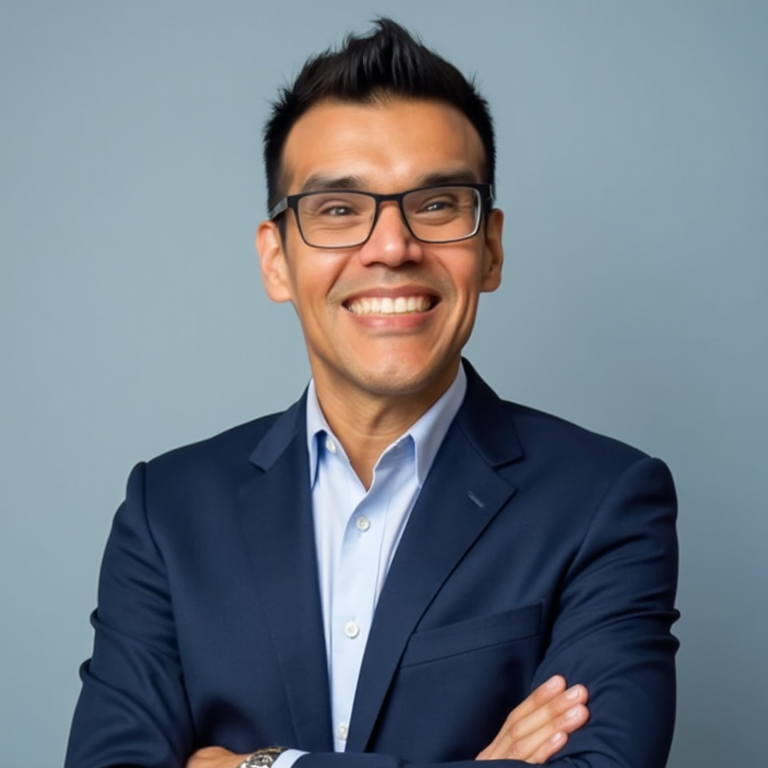
Born in East Houston, Ernesto’s life was transformed by public media. His career has traversed daily newspapers and alternative weeklies to public radio news and program director roles.
At KQED, he oversees radio broadcast content and a range of initiatives in the organization’s Content division, including leading its AI Working Group.
Prior to KQED, Ernesto served stations nationwide for five years as executive director of the National Federation of Community Broadcasters.
Session Focus: Explore how to responsibly integrate artificial intelligence into your newsroom workflow without compromising integrity or audience trust. We will cover practical frameworks for using AI tools to streamline your sourcing, editing and operations.
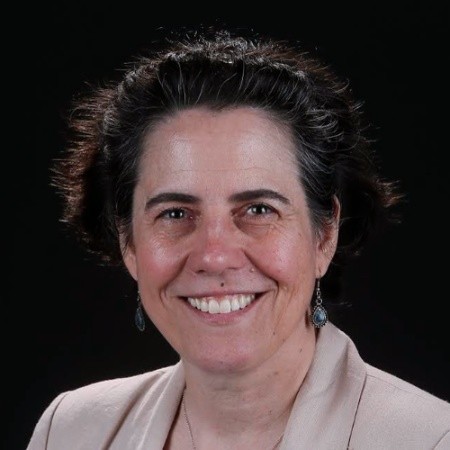
Maria is a consultant and coach after spending 36 years in seven newsrooms. She was enterprise editor at the Tampa Bay Times and Houston Chronicle and, before that, managing editor at The Virginian-Pilot. She has edited dozens of award-winning projects, regularly lectures on narrative journalism and co-hosts a podcast (WriteLane) about craft. She teaches for the Poynter and Maynard institutes, is a board member of the Virginia Center for Investigative Journalism and a juror for the Hillman Prizes.
Session Focus: Editors must be smart about where their newsroom spends time and energy. So this session will help them learn how to look for the big ideas, coach reporters through the information-gathering process and work through the copy.
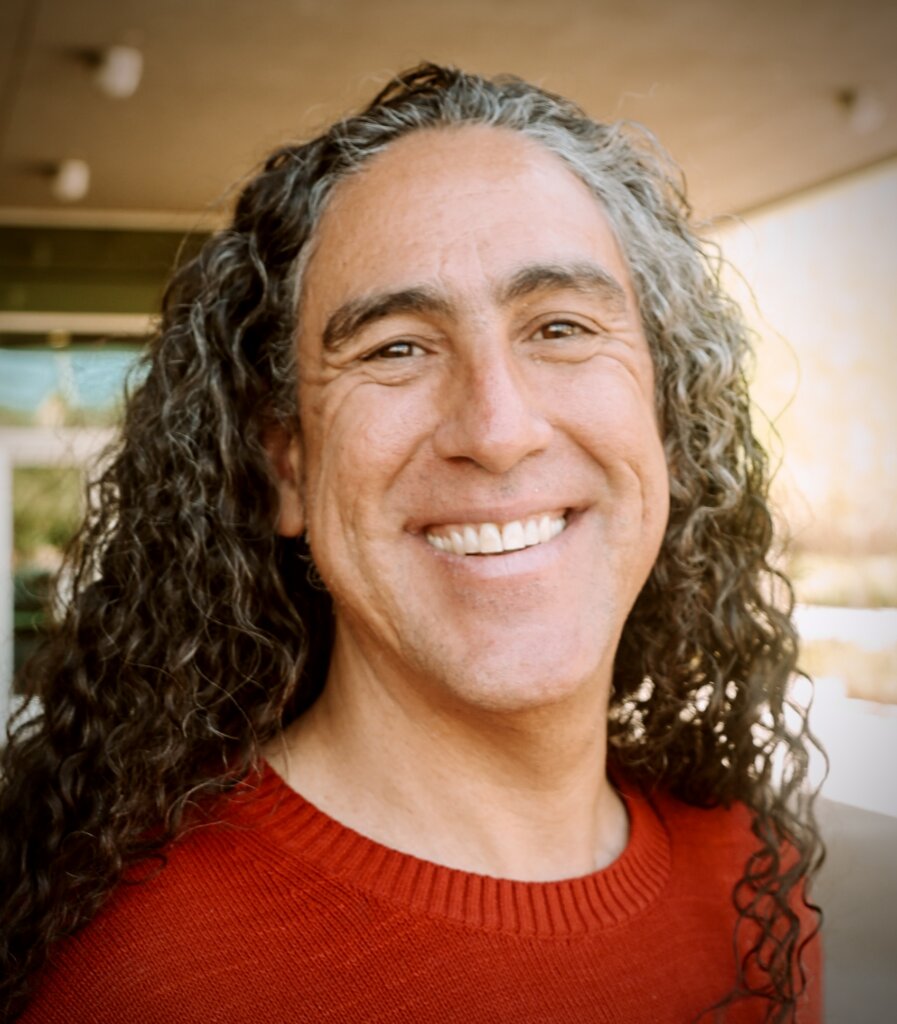
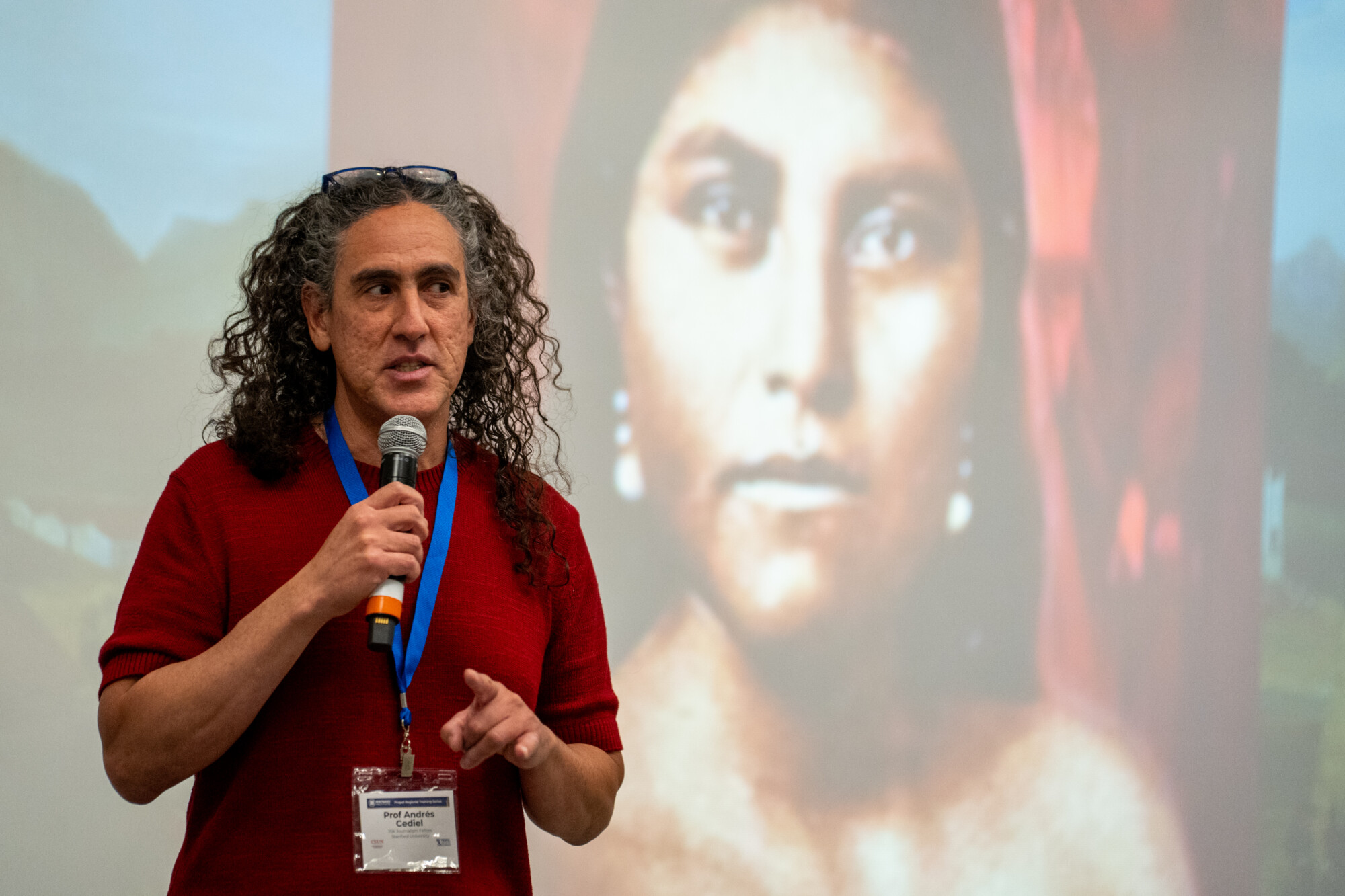
Andrés is an Emmy-award winning investigative journalist, documentary filmmaker, and educator. Primarily publishing with the PBS strands FRONTLINE, POV and VOCES, his work has focused on immigration, trafficking, human rights, and climate change.
Session Focus:
Immigration enforcement has resulted in much more than mass deportations. DHS policies and Supreme Court rulings have explicitly undermined civil liberties and the constitution, particularly targeting the First, Fourth and Fourteenth Amendments. We will look at how this rapid erosion of previously protected rights is occurring, and discuss strategies for documenting abuses in real time.
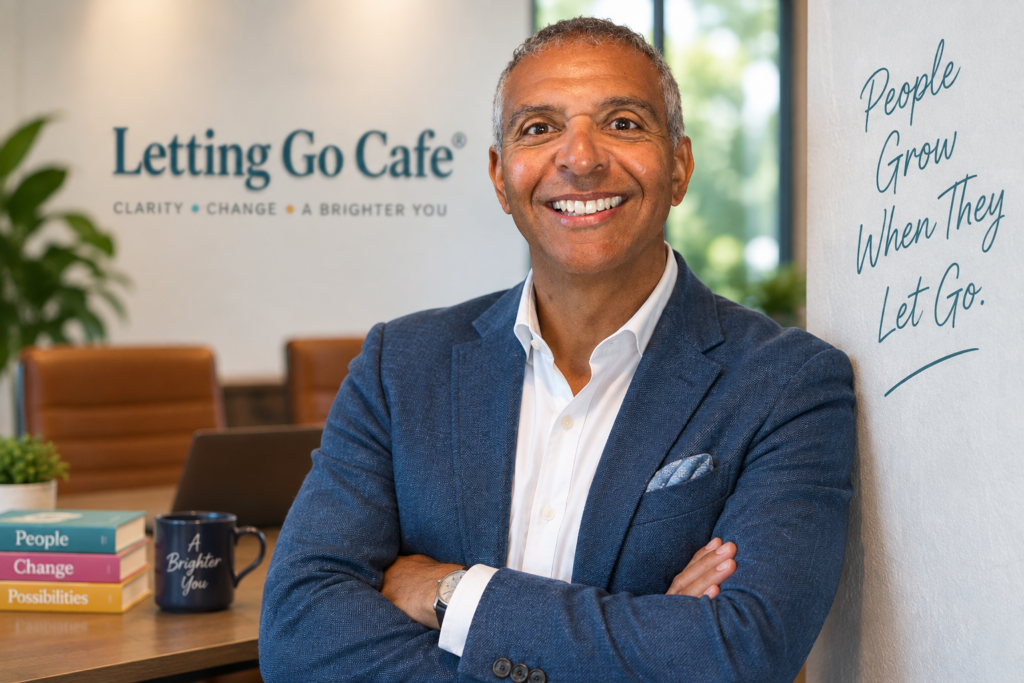
As founder of Letting Go Cafe, Inc. and its brand, Darren is one of the nation’s leading organization development consultants, life coaches, and guides in the personal development space. Darren brings 35 years of organization development and applied behavioral experience into his one-on-one sessions with executives, influencers, mid-career leaders, and business owners.
Session Focus: An interactive letting go experience centered around the power of the Self Management Grid®️. Be prepared to focus on managing burnout and stress. Change is inevitable. The real challenge is what uncertainty causes us to hold onto. Through reflection, practical strategies, and the Self Managing Grid®, this session invites media professionals to examine what they may need to release so they can navigate disruption with greater clarity, resilience, and purpose.
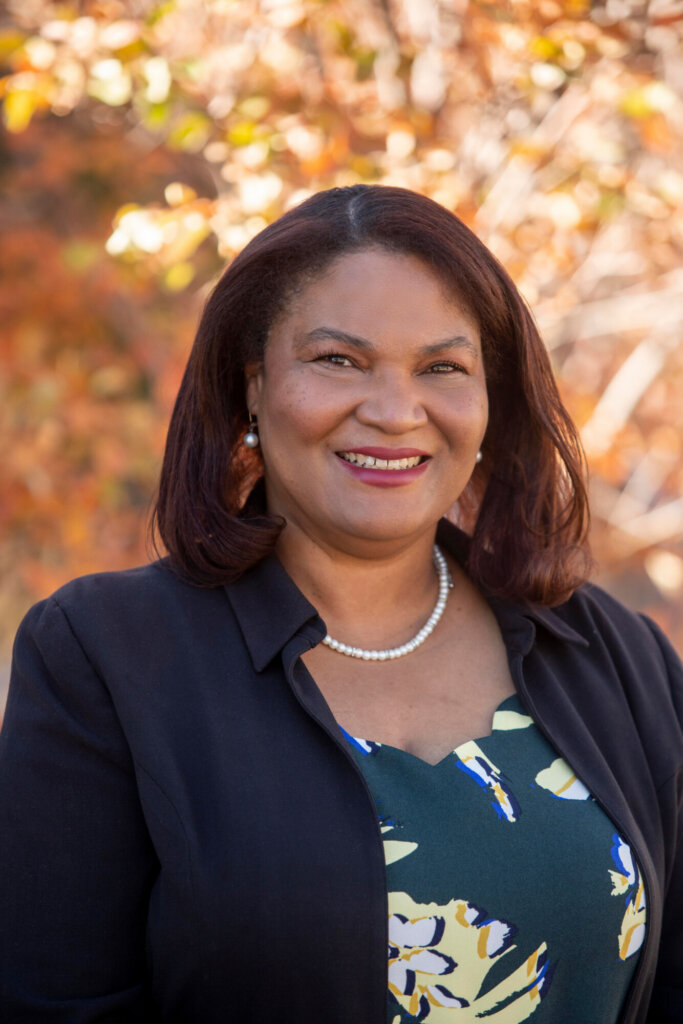
Marla is a visionary HR executive and strategic business partner who translates people strategy into measurable financial performance. She serves as Vice President of People and Culture with the Center For Investigative Reporting serving Mother Jones and Reveal. With deep expertise in talent management, organizational design, workforce strategy, and change management, she has led enterprise-wide transformations that align talent with business objectives and consistently deliver results that exceed organizational goals.
Session Focus: Focusing on leaning into their emotional intelligence, managers will receive tools to manage change. They will understand the difference between manager and leader.
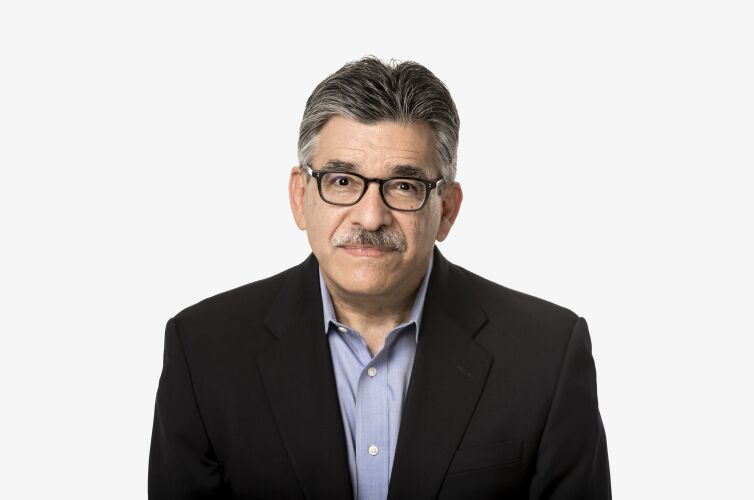
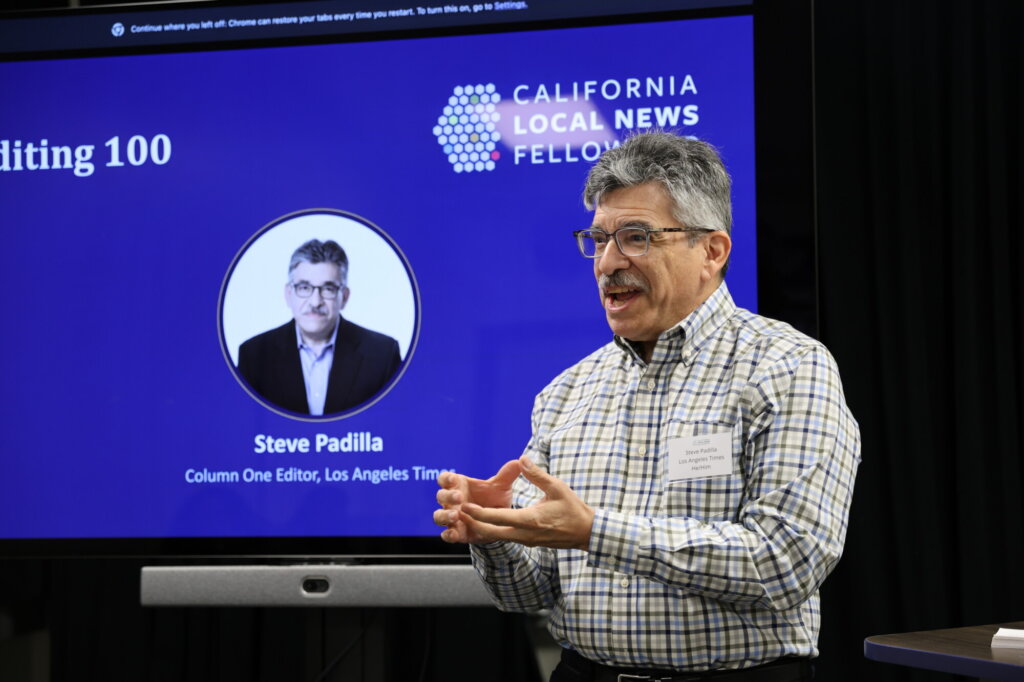
Steve is editor of Column One, the Los Angeles Times showcase for storytelling and narrative. He also works with reporters who cover immigration, the Middle East, Mexico and the Americas. In his 39 years with the Times – 36 of them as an editor – he has overseen coverage of a wide variety of topics, including presidential campaigns, California news, higher education and religion.
Session Focus: This session will cover both the human relations element of line editing — how to tell someone they buried the lede, for example — and also offer sentence-level tips on helping writers make their copy brighter, tighter and better.
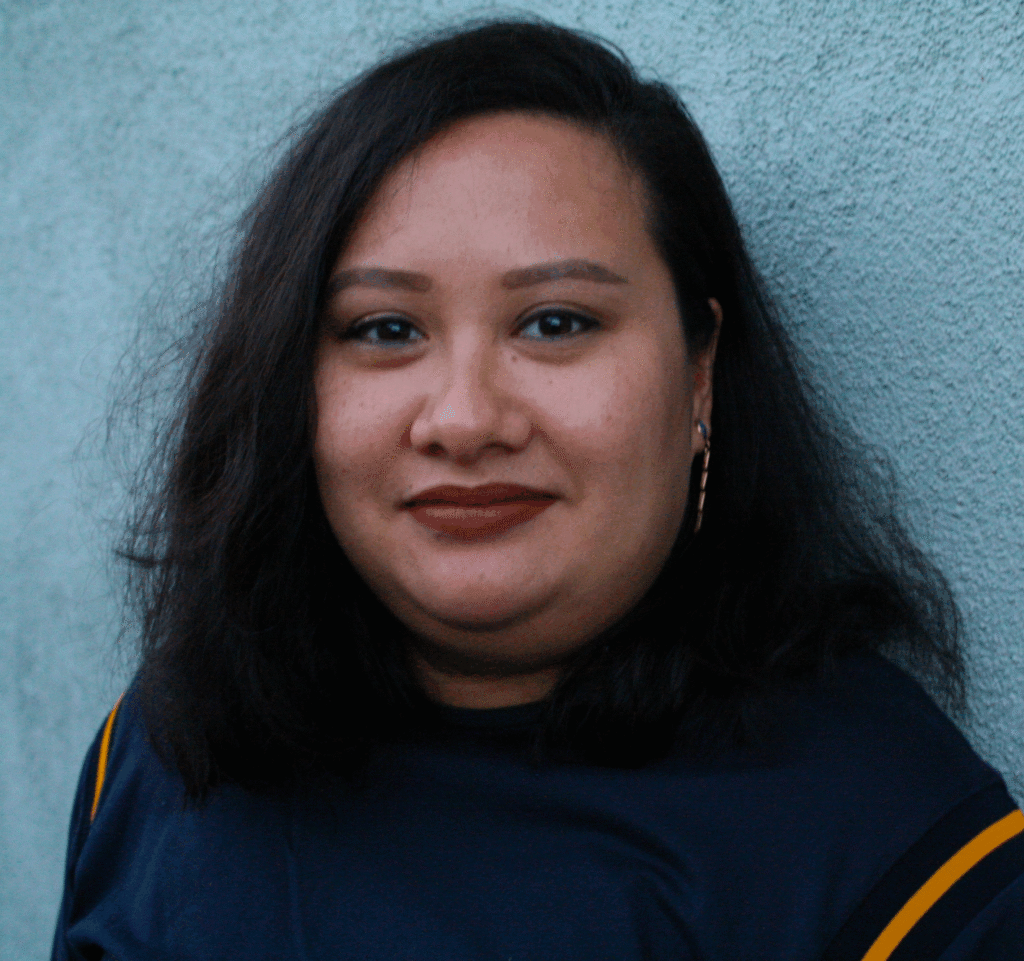
Michelle is deputy political editor at Courier Newsroom, based in Los Angeles, where she leads a political correspondent team covering California, New Mexico, Nevada, Utah, Arizona, Colorado and Alaska. She has 20 years of experience across ethnic press, independent newsrooms and digital media.
Session Focus: This interactive session gives frontline editors and managers a practical checklist for leading high-risk coverage, from ICE operations and protests to election-related threats. Working through real scenarios in small groups, participants will make the calls that fall to newsroom leaders rather than reporters, including who deploys and how, real-time check-ins, handling arrests and equipment seizures, and debriefing afterward. Everyone leaves with a one-page tool they can adapt for their own newsroom.
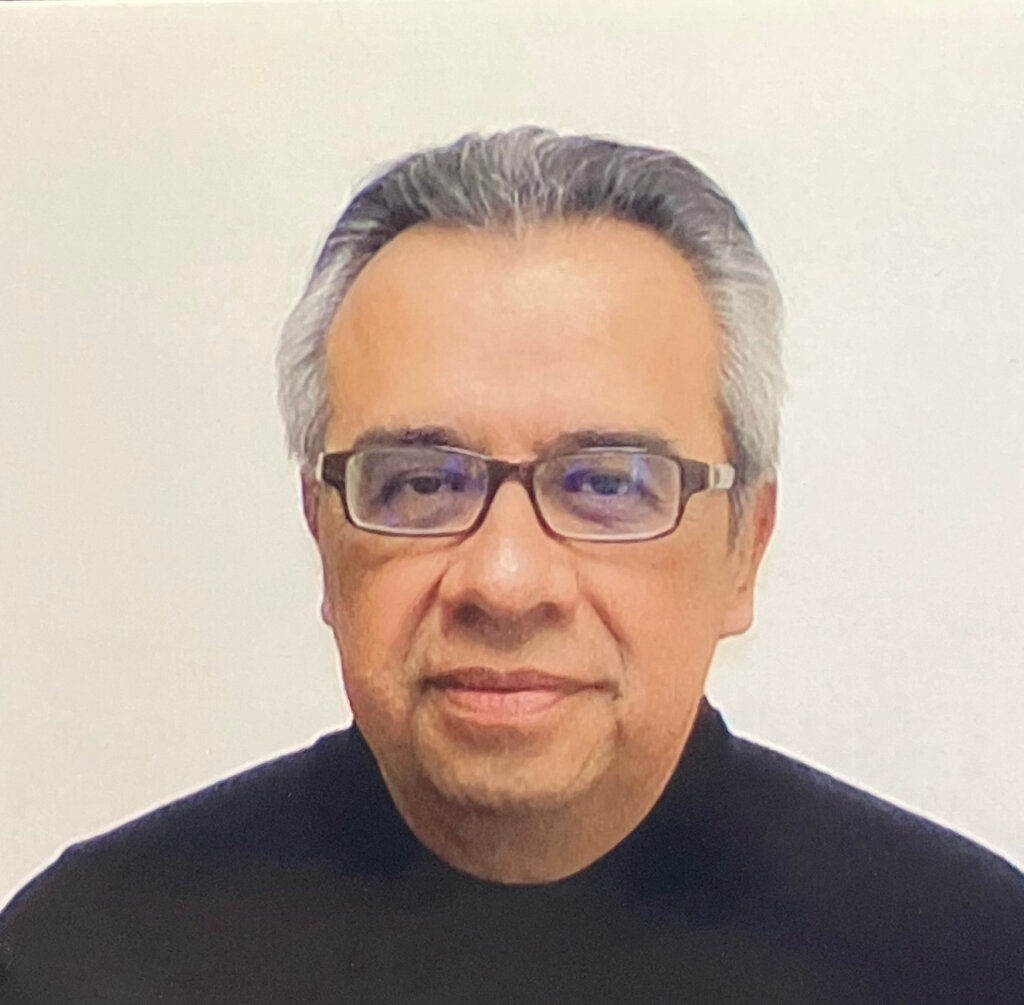
Dr. José Luis is a journalism professor at California State University, Northridge and director of the Tom & Ethel Bradley Center—a visual and oral archive focused on documenting ethnic communities of California. He created the first interdisciplinary minor in Spanish-language journalism in the U.S. and founded the Spanish-language student publication El Nuevo Sol in 2003, which he transformed in 2007 into a digital site covering global Latino communities.
Session Focus: The session will present the historical significance of the work of photojournalists working for ethnic and alternative media in Los Angeles and California preserved at the Bradley Center. The session will also encourage community/ethnic media editors to use more effectively the work produced by visual storytellers and the importance of encouraging the inclusion of proper credit to photographers; as well as the creation of photographic archives.
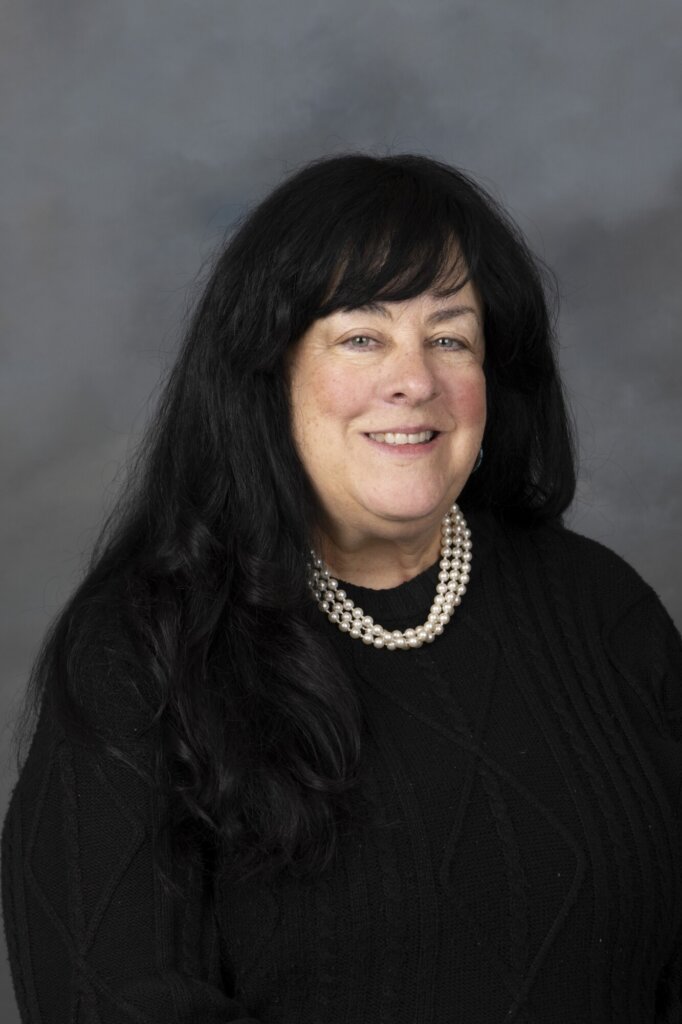
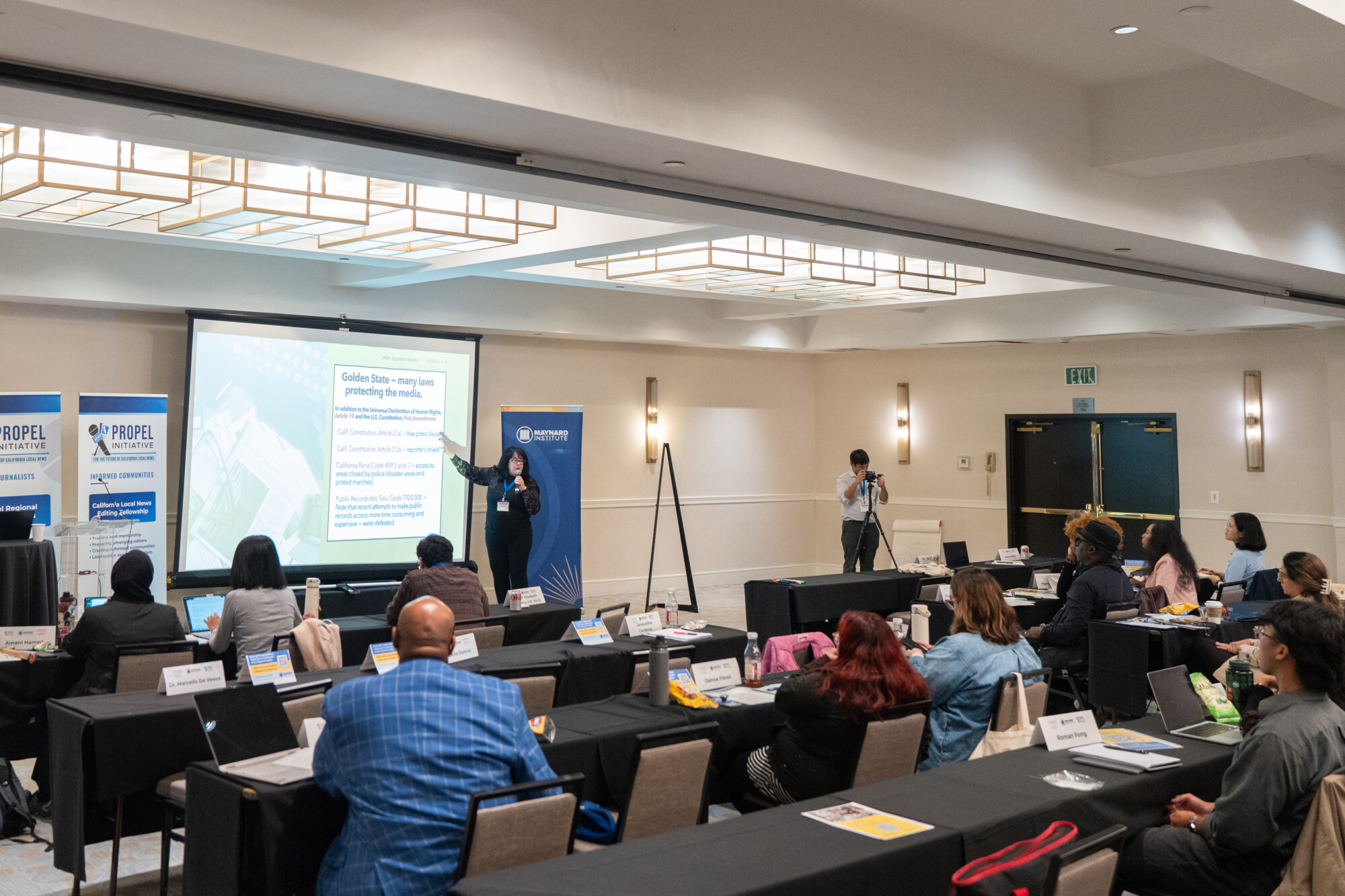
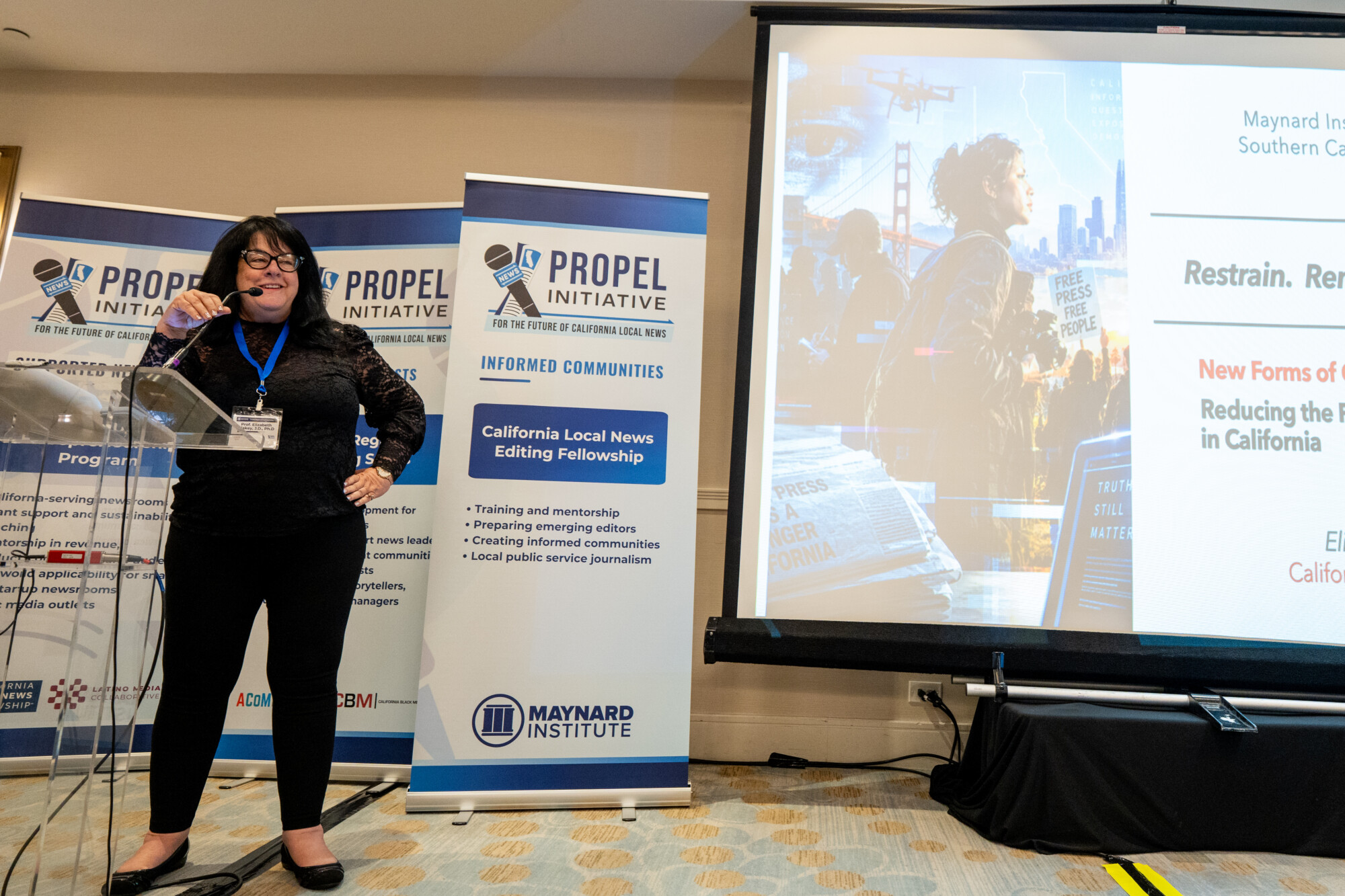
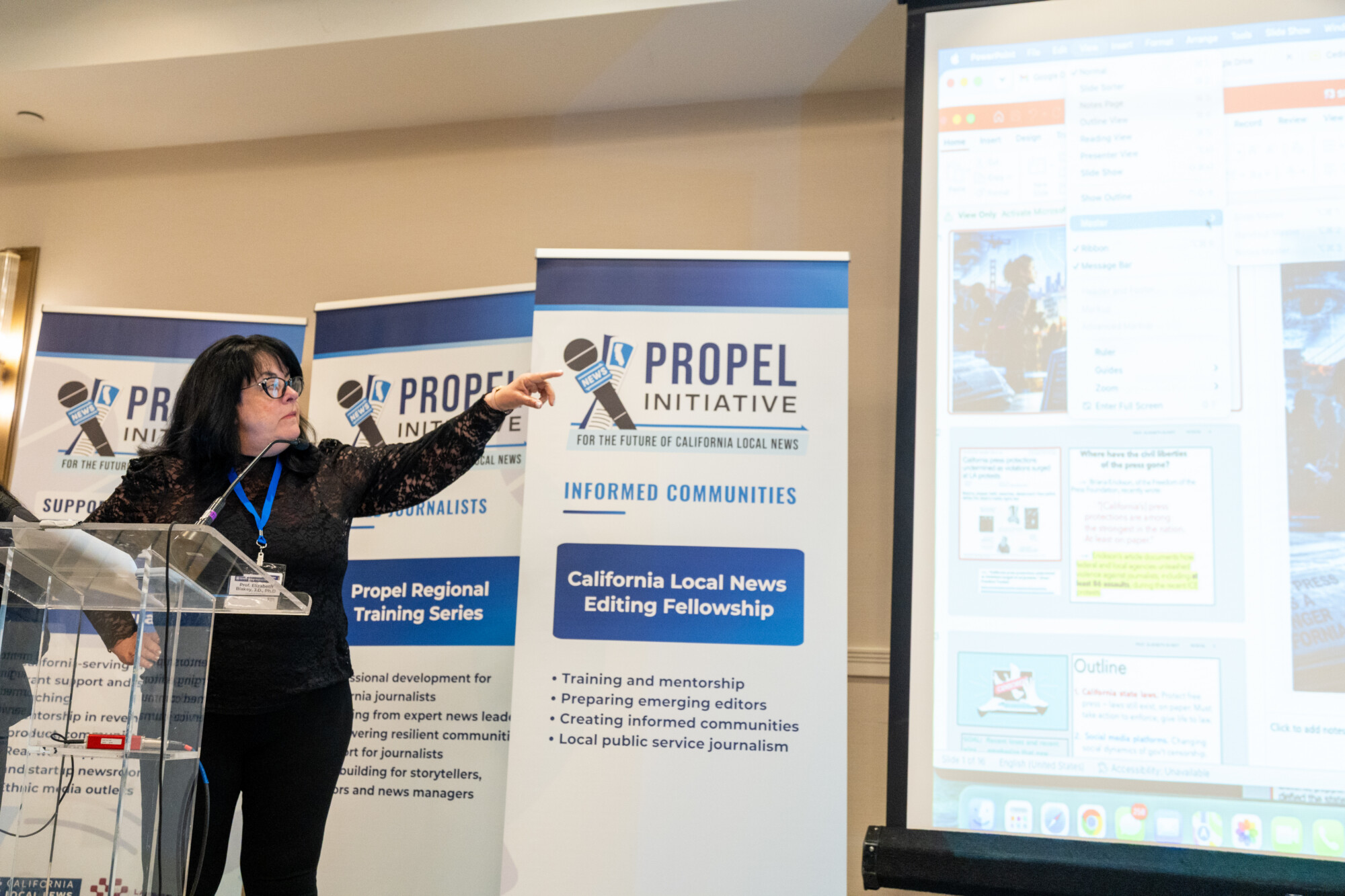
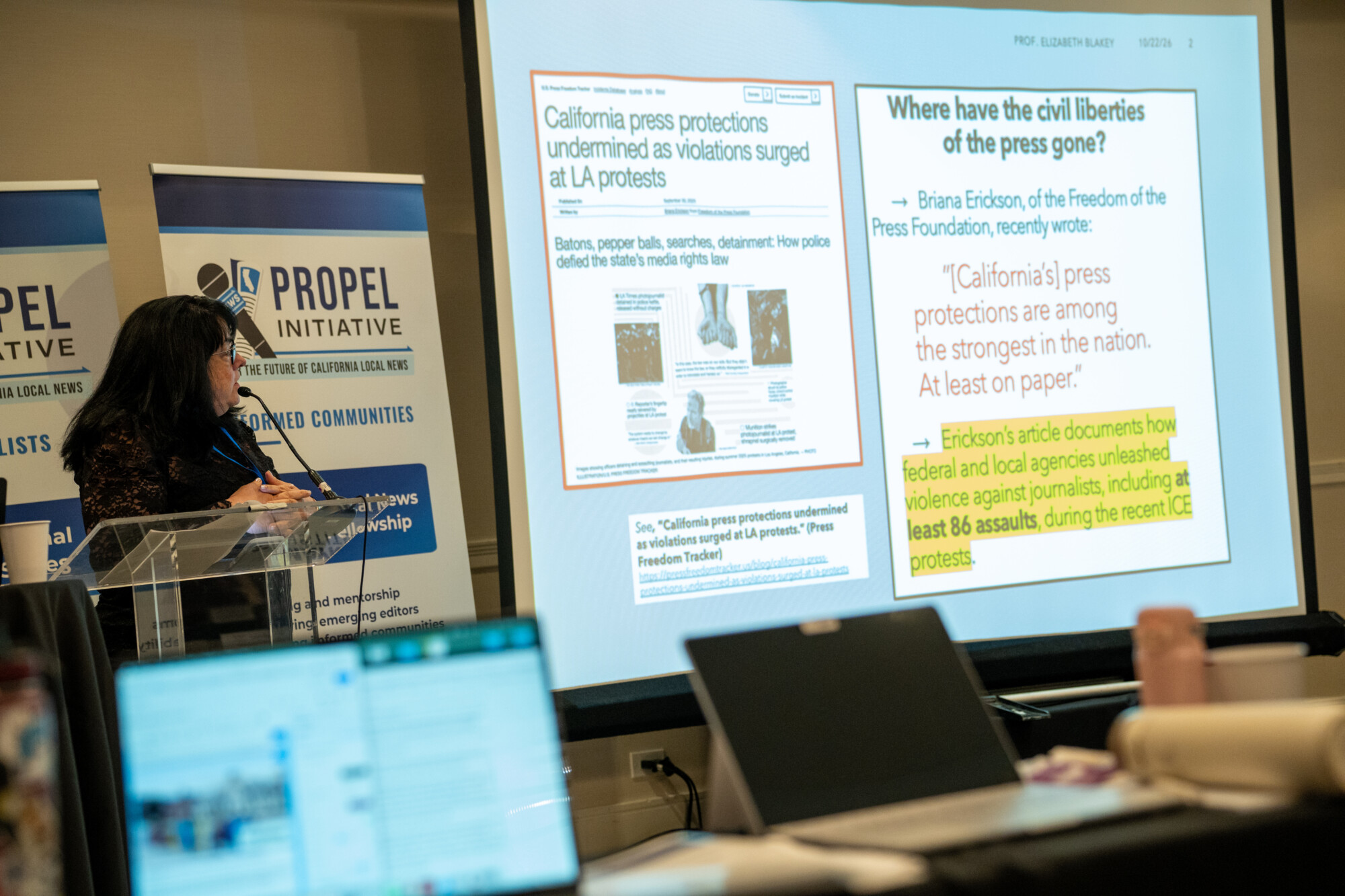
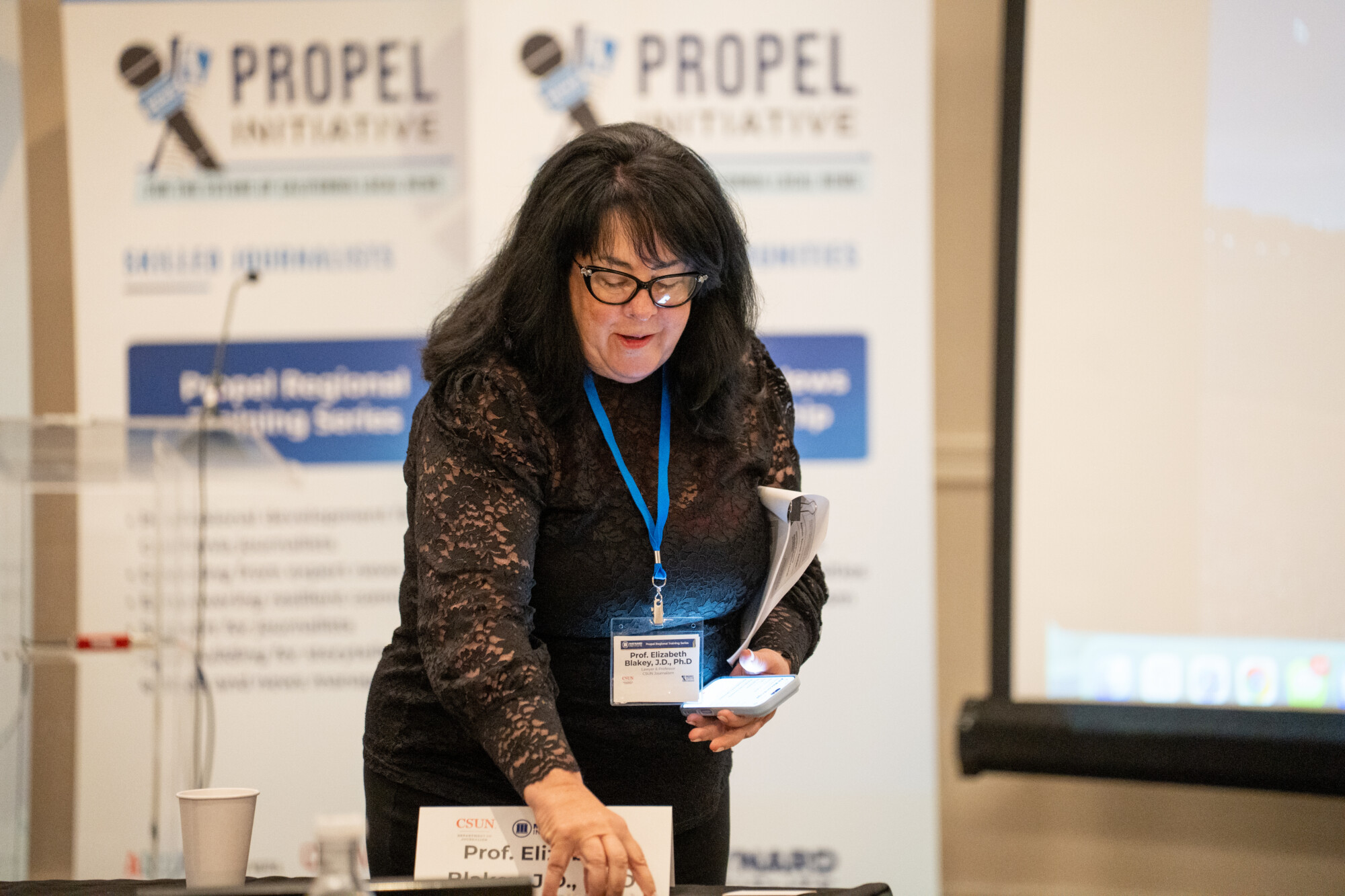
Elizabeth is a California lawyer and professor, teaching freedom of the press, digital media law and tech policy at California State University Northridge (CSUN) in the Mike Curb College of Arts, Media, and Communication, within the Department of Journalism.
Session Focus: The silencing of speech is taking a variety of new shapes in the Golden State. While California has statutory protections for journalists, a variety of new laws and government practices are reducing and restraining the freedom of the press in our state … and beyond. From the Disney/ABC settlement of a frivolous defamation case, to local ordinances limiting the First Amendment activities of journalists and observers at encampment sweeps, to the relentless retaliations by police departments against investigative reporters, we are in a new era of censorship in California.
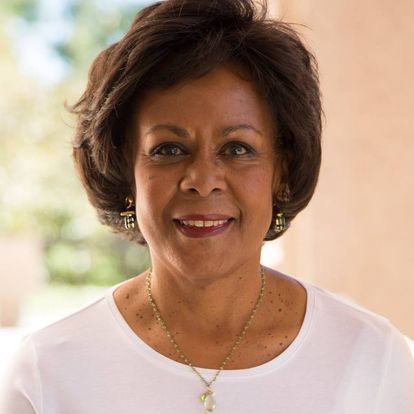
Marcella “Marcy” is a media expert and educator with decades of experience in entertainment public relations, diversity best practices, and coaching. She is a tenured professor at California State University, Northridge. Following her work as a facilitator in Faculty Development, she currently serves as chair of the Department of Journalism.
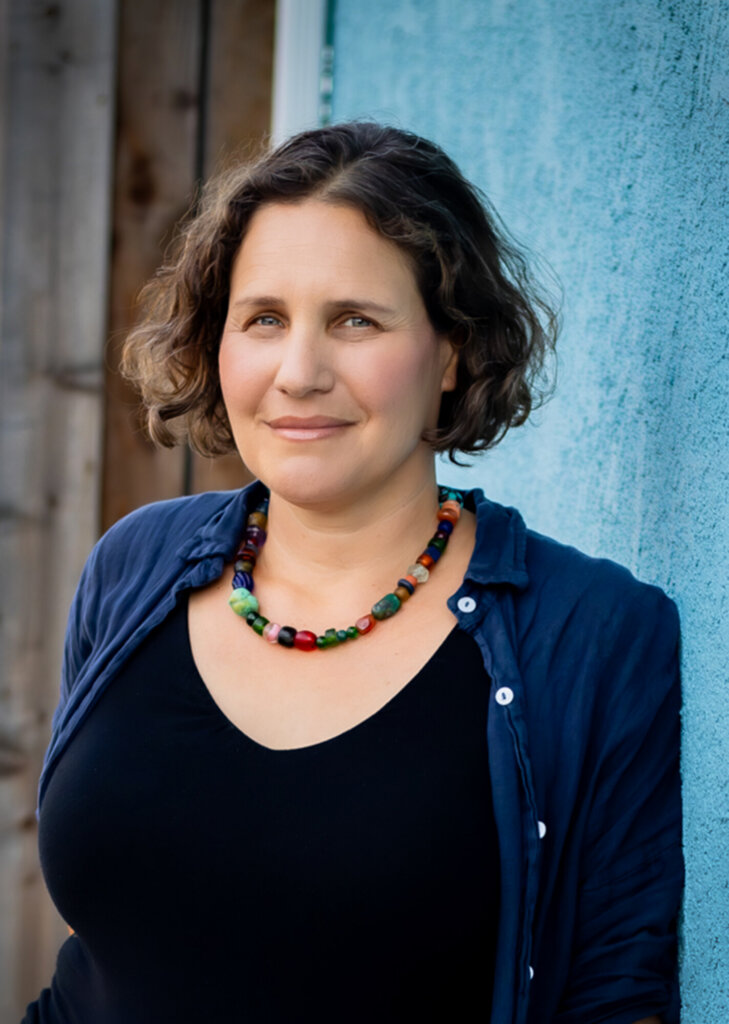
Daniela is an award-winning reporter whose work has appeared in The New York Times, Der Spiegel, Public Radio International, and the Financial Times, among other outlets. An associate professor of journalism at California State University, Northridge and editor-at-large at Zócalo Public Square, she previously worked as a community engagement editor at the LA Times and as a staff immigration reporter for the New York Sun.
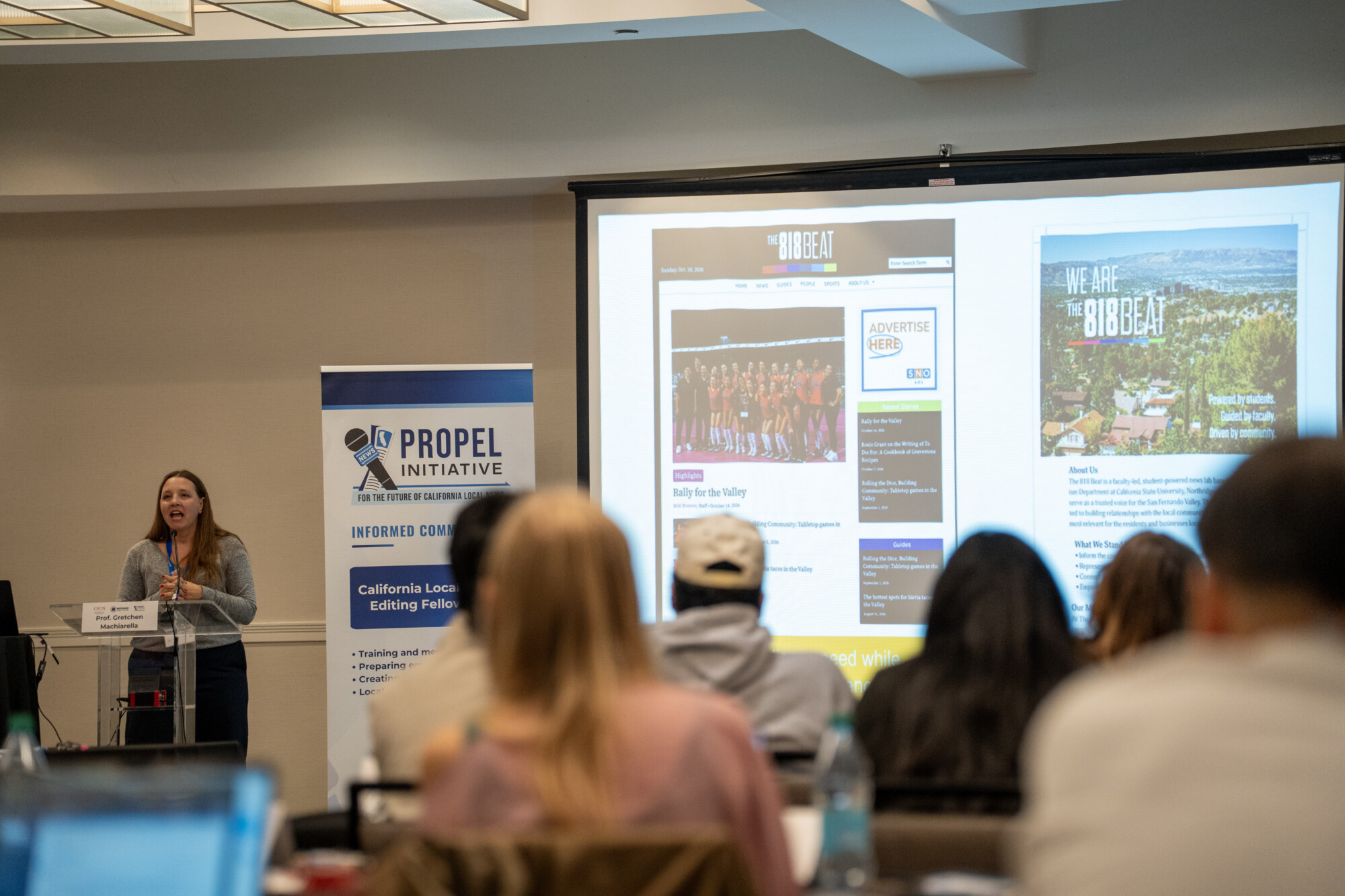
Session Focus: Local Journalism That Matters: Building Trust Through Community-Centered & Student-Led Reporting. Journalism schools can lead in the community news space, not just filling gaps left by the professionals. The low barriers to innovation and collaboration allows these outlets to develop and test models with deep community engagement. The818Beat.com is a faculty-led initiative that serves as a news lab and community service, with classroom assignments creating most of the content.
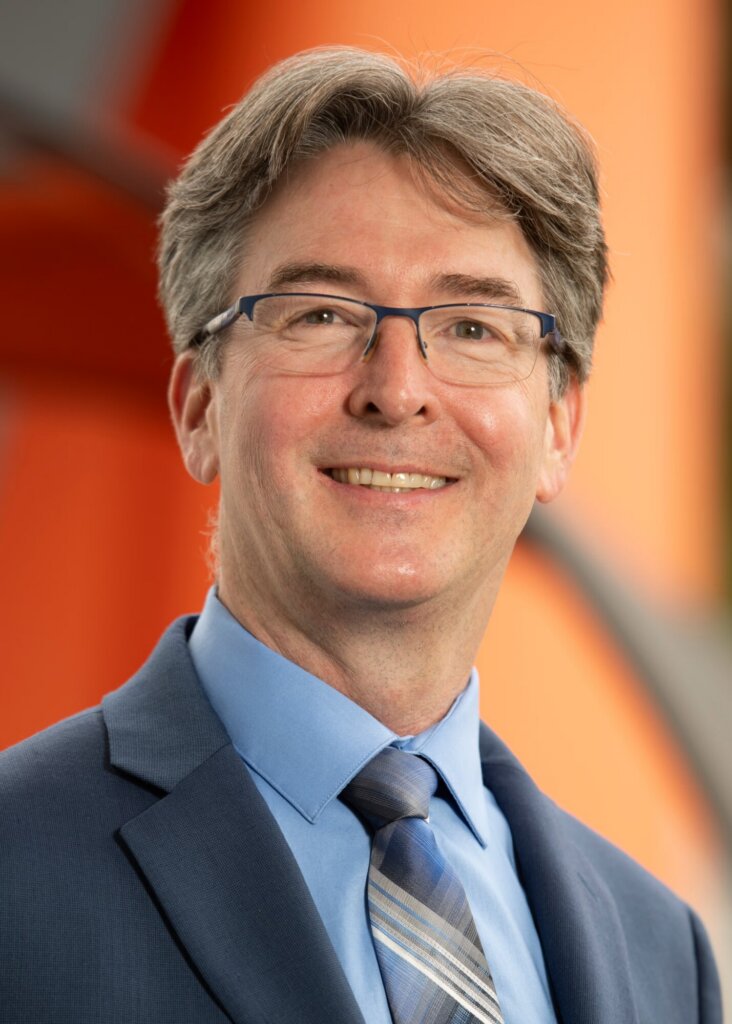
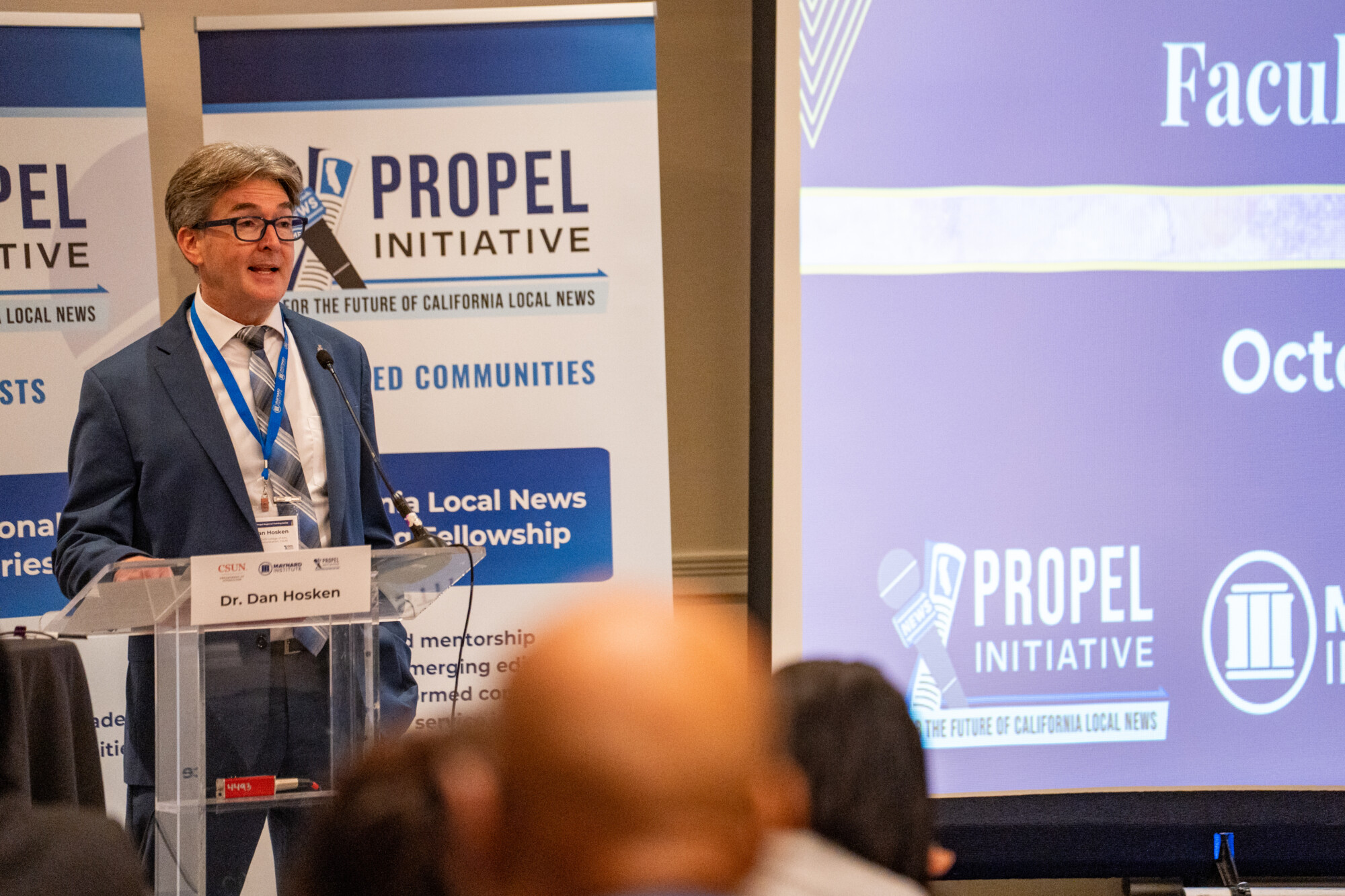
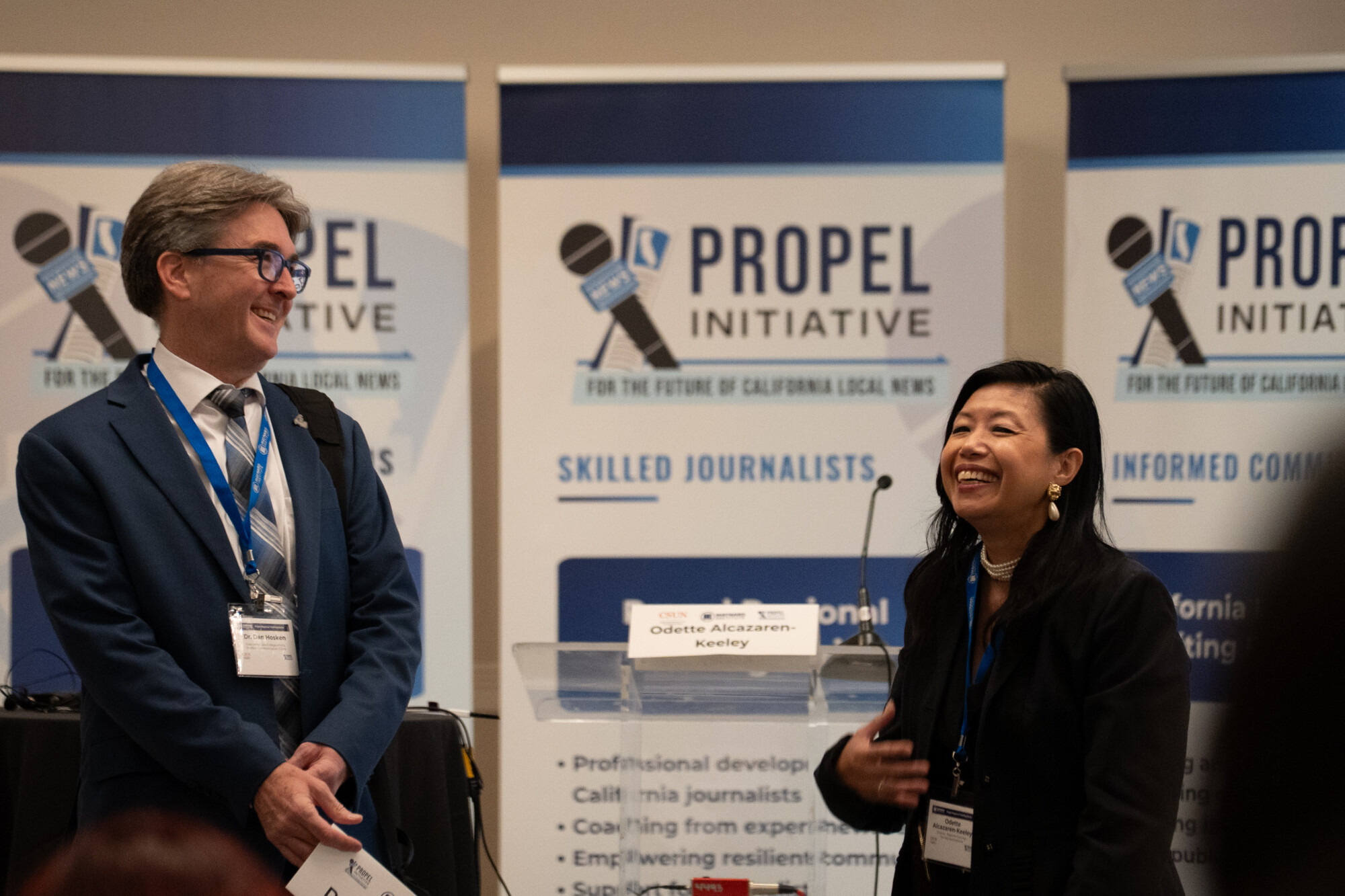
Dr. Dan Hosken is proud to serve as the Dean of the Mike Curb College of Arts, Media, and Communication, having previously served as Interim Dean, Associate Dean, and Professor of Music in the college. He brings with him a breadth of knowledge that encompasses the arts, instruction, and leadership skills spanning more than 15 years, including 13 years as a faculty member in the Music Department and 3 years as Associate Dean of the college. The Mike Curb College at CSUN enrolls over 5,000 students across the disciplines of Journalism, Communication Studies, Cinema and Television Arts, Art and Design, Music, and Theatre.
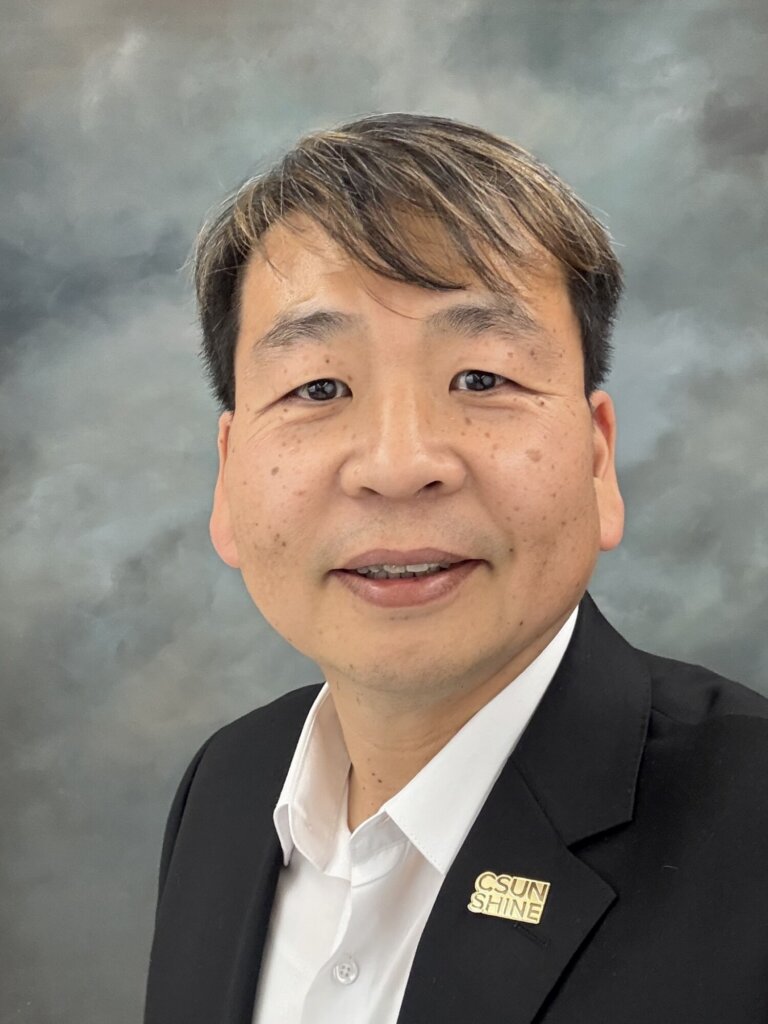
Taehyun is an associate professor in the Department of Journalism at California State University, Northridge. He holds a B.A. and an M.A. in Journalism from The Ohio State University and a Ph.D. from Washington State University.
Trained as a media sociologist, Taehyun’s research interests include the effects of corporate structures on editorial vigor, the disinformation campaigns of climate-change skeptics, and the community-maintenance role of Korean ethnic media—particularly Radio Korea—during the 1992 Los Angeles riots. He has published numerous studies on media coverage of the riots and has served as a columnist for Radio Korea and Miju Sisa Journal.
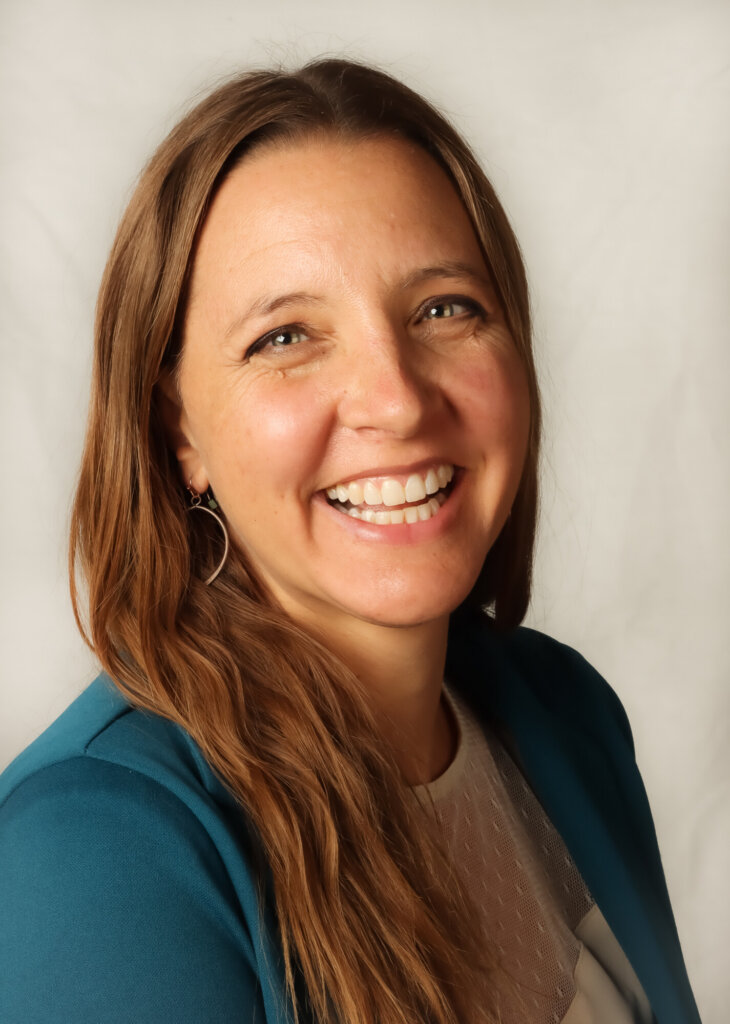
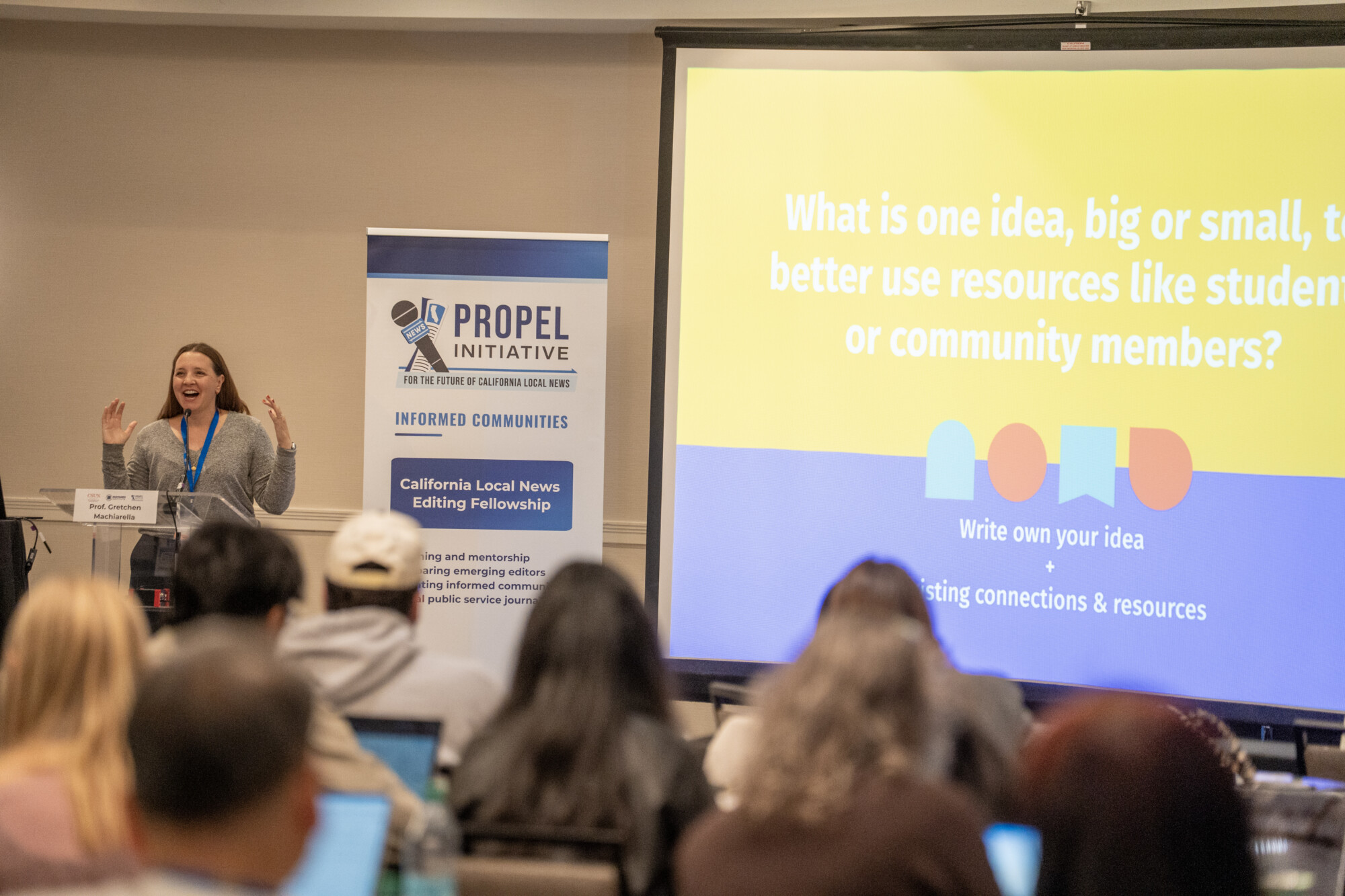
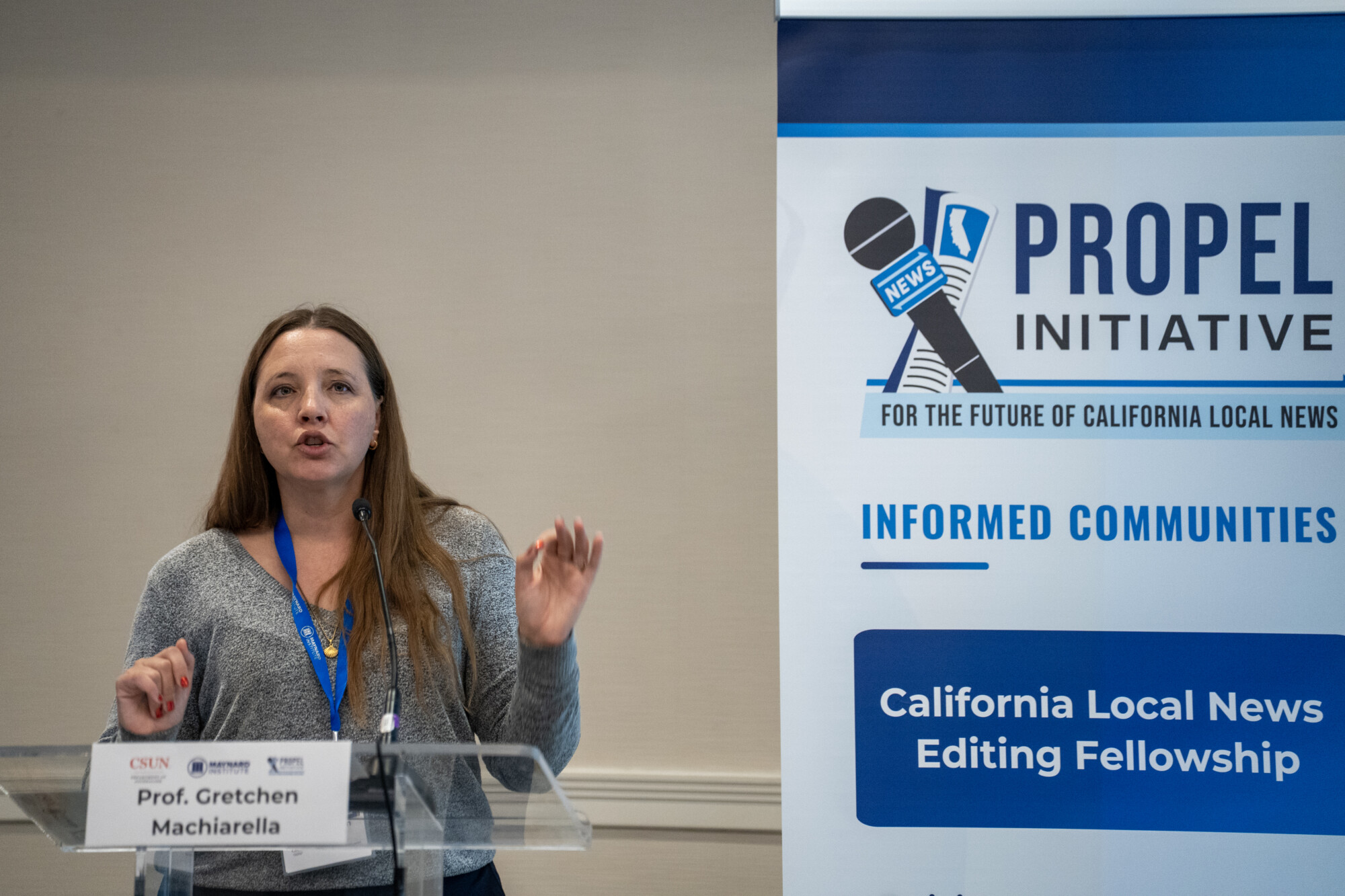
Gretchen is an associate professor in the Journalism Department at Cal State University, Northridge focusing on Digital Media and Emerging Journalistic Practices.
She worked her industry career in newspapers finishing up as the managing editor for digital at the Ventura County Star. Gretchen has a professional and research interest in innovation and digital news production. She earned a master’s degree in digital journalism and design from the University of South Florida, St. Petersburg, and her BA from UCSB despite her job at the Daily Nexus student newspaper.
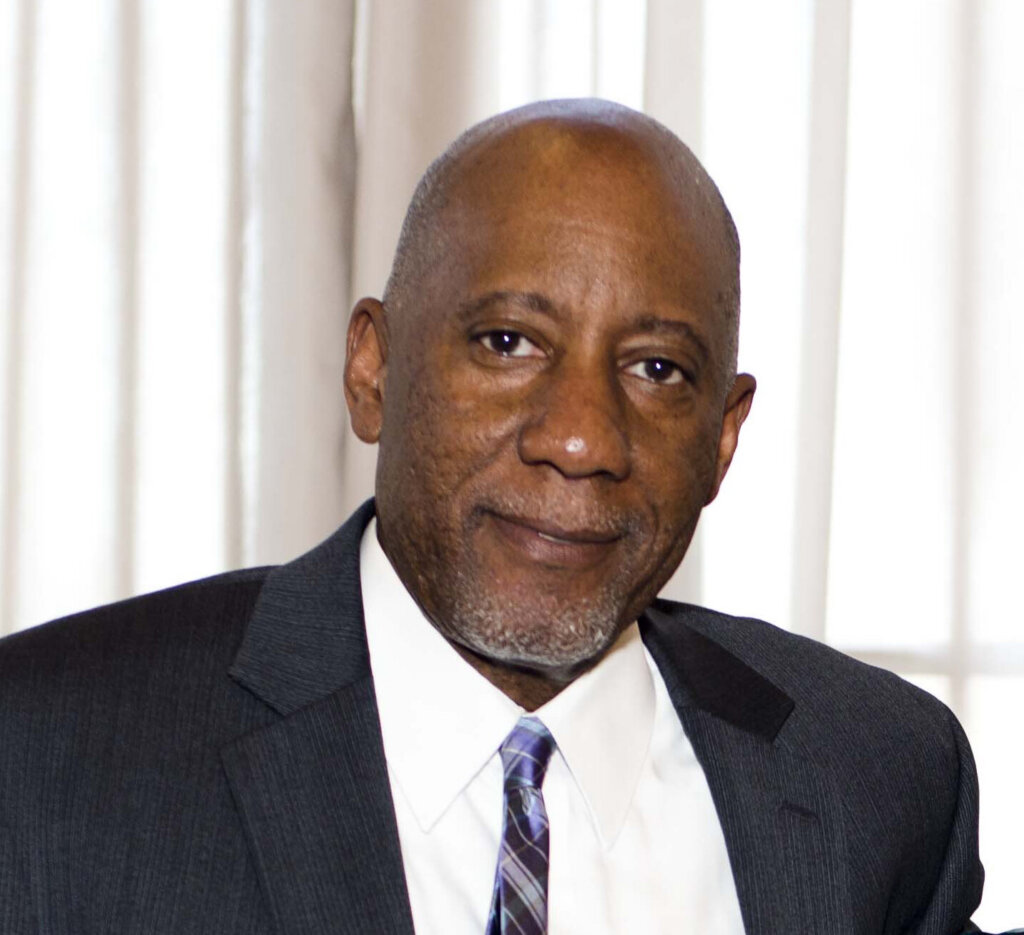
Keith is the historian and certified archivist at the Tom & Ethel Bradley Center located at California State University, Northridge. The Bradley Center is the home of photographic, and oral histories that document the attested historically underrepresented communities in Los Angeles.
Prior to becoming a historian, Keith had careers as a computer technician for the General Electric Company, and as a songwriter, producer, studio and live sound engineer for Earth Wind and Fire guitarist Al McKay.
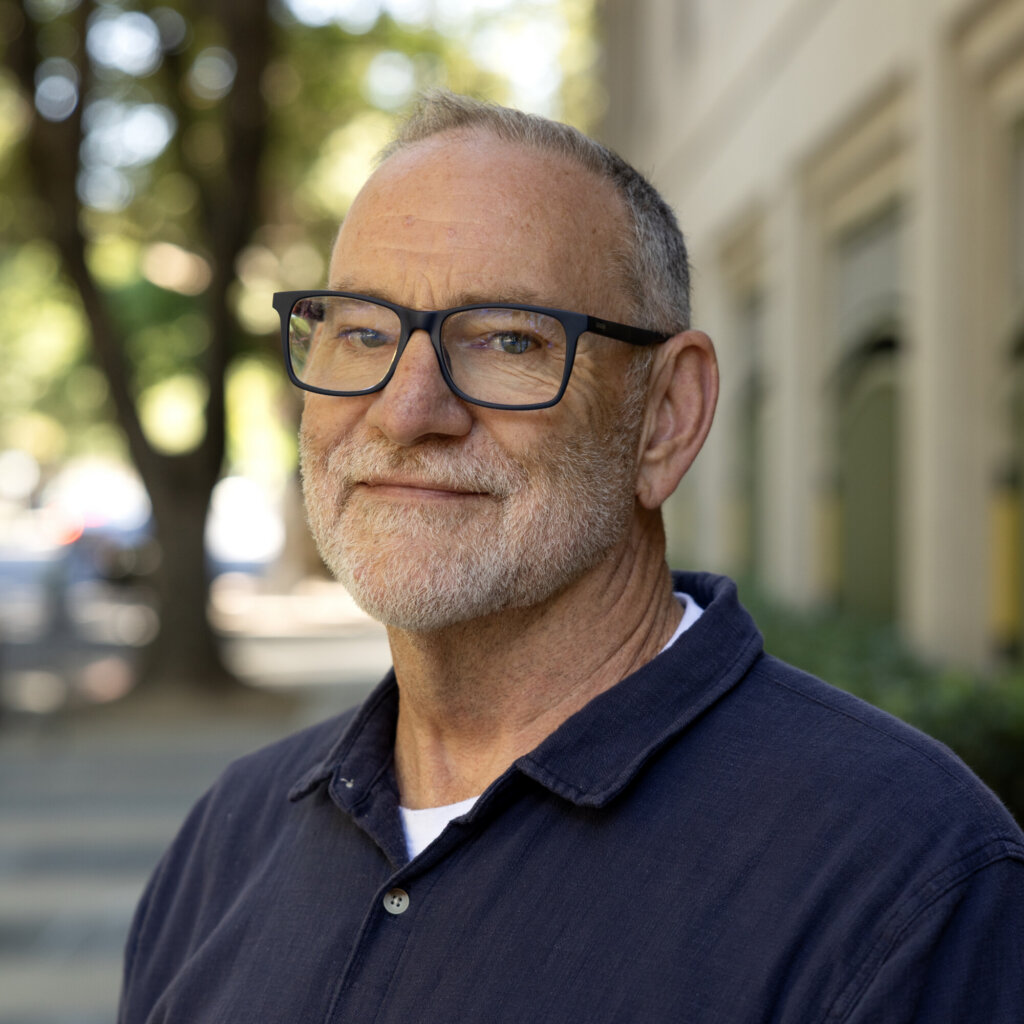
John is the managing editor of CalMatters, where he oversees six teams of reporters and editors who specialize in reporting on state politics and policy with an emphasis on government accountability.
Before moving to CalMatters, he spent four years as managing editor and senior news director at The Press Democrat in Santa Rosa, helping lead the paper to more than a half dozen national journalism awards for investigative, explanatory and storytelling projects on subjects ranging from government corruption, death with dignity and the forced sterilizations of mental health patients.
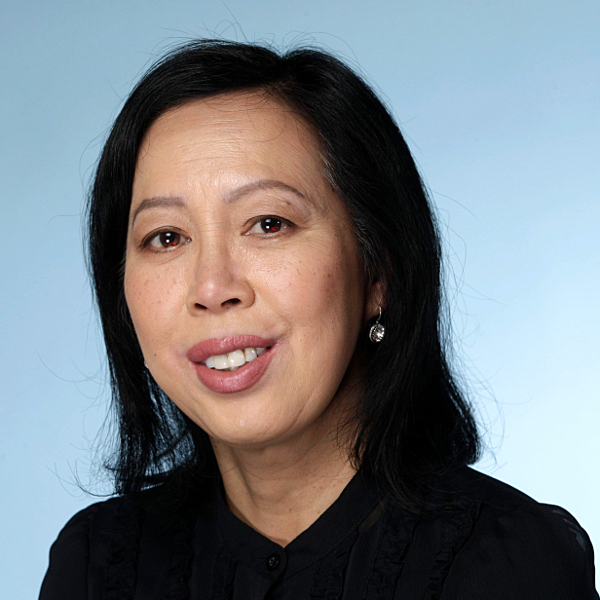
Anh, deputy editor for culture and talent at the Los Angeles Times, helps manage its internship, fellowship, recruitment and training programs. Before this job, she worked as community engagement editor and as a Metro reporter covering Asian American issues and general assignments for 11 years.
Anh has reported for the Seattle Times, the Orange County Register and Nguoi Viet Daily News, the largest Vietnamese publication in the U.S. and founded by her late father. Born in Saigon, she is a graduate of USC with degrees in journalism and English.
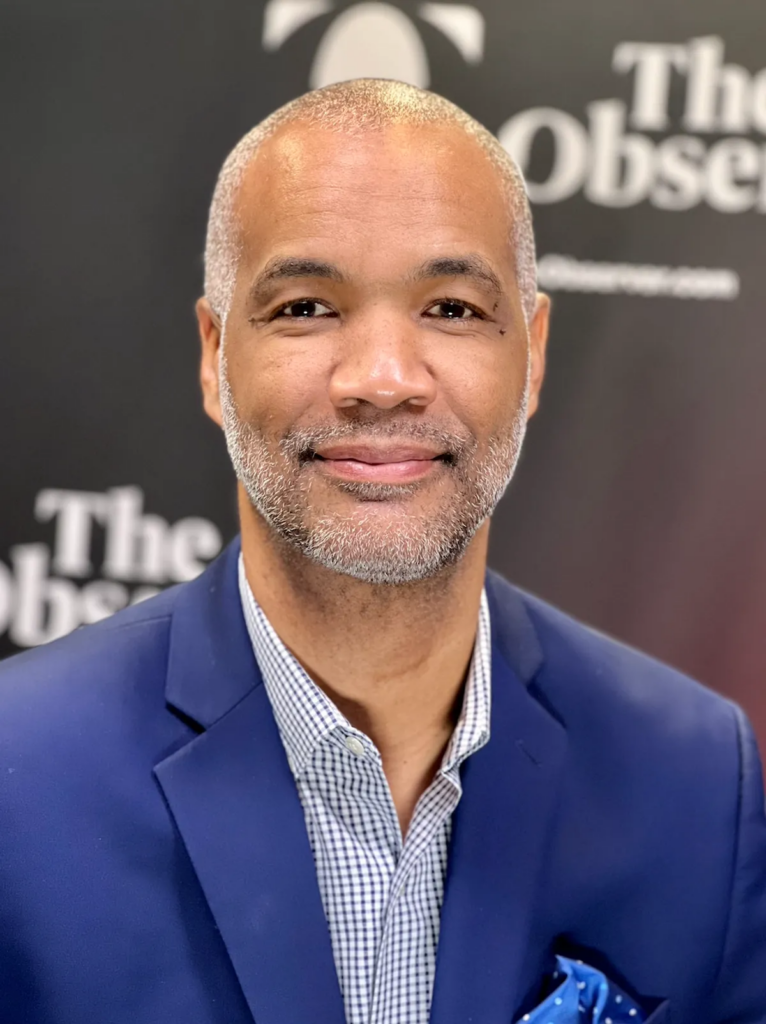
Larry is president and publisher of The OBSERVER Media Group (Sacramento, California) and The Sacramento OBSERVER Newspaper.
The OBSERVER, founded in 1962, has been named the best Black newspaper in America eight times and has received more than 800 awards for its journalism excellence and community service. On March 16, 2026, The OBSERVER extended its reach by launching a newsroom in Stockton, California.
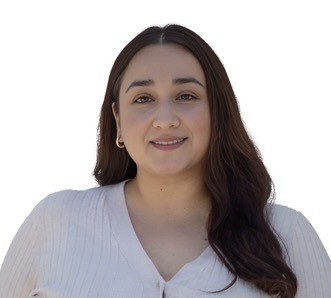
Joanna is the news director at CALÓ News, leading coverage of issues impacting Latine English-speaking individuals in California, Arizona and other parts of the Southwest. She previously worked at La Voz Arizona and The Arizona Republic, part of the USA Today Network, as its communities editor, leading bilingual coverage of Arizona Latines and Spanish-language coverage of breaking news across the country.
Earlier in her career, she freelanced for multiple Southern California newsrooms and worked as a digital reporter/editor for La Opinión.
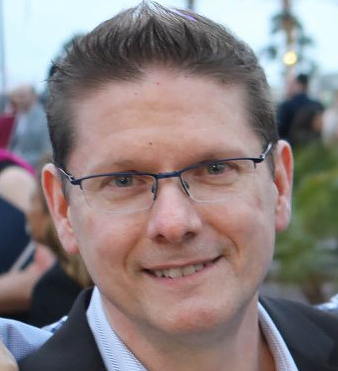
Phillip, an award-winning journalist, has a habit of bringing queer news out of the closet.
Phillip’s journalism has won two awards, and he has been nominated for his reporting, including a two-part investigation that exposed anti-gay bullying of local high school students and the school districts’ failure to implement state mandated protections for LGBTQ+ students.
Phillip created Q Voice News after seeing that the greater Los Angeles region, including Long Beach where the newsroom is based, is a news desert for the LGBTQ+ community.
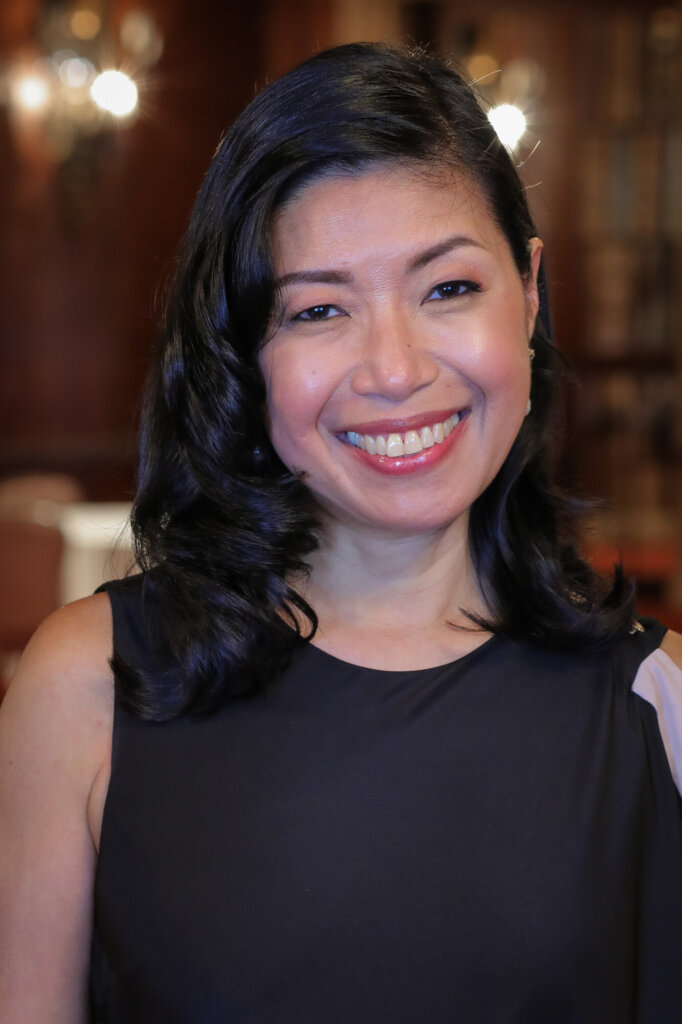
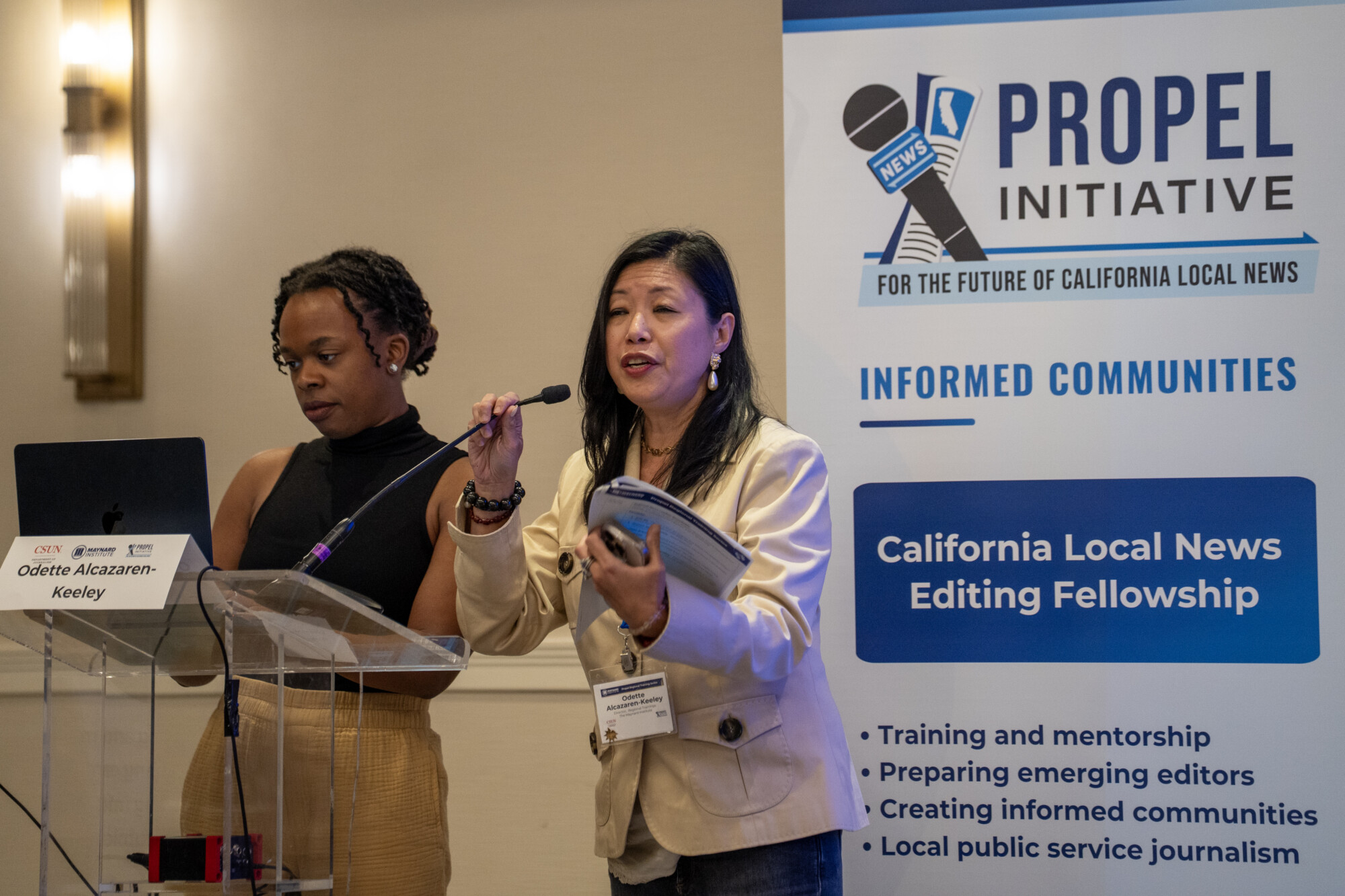
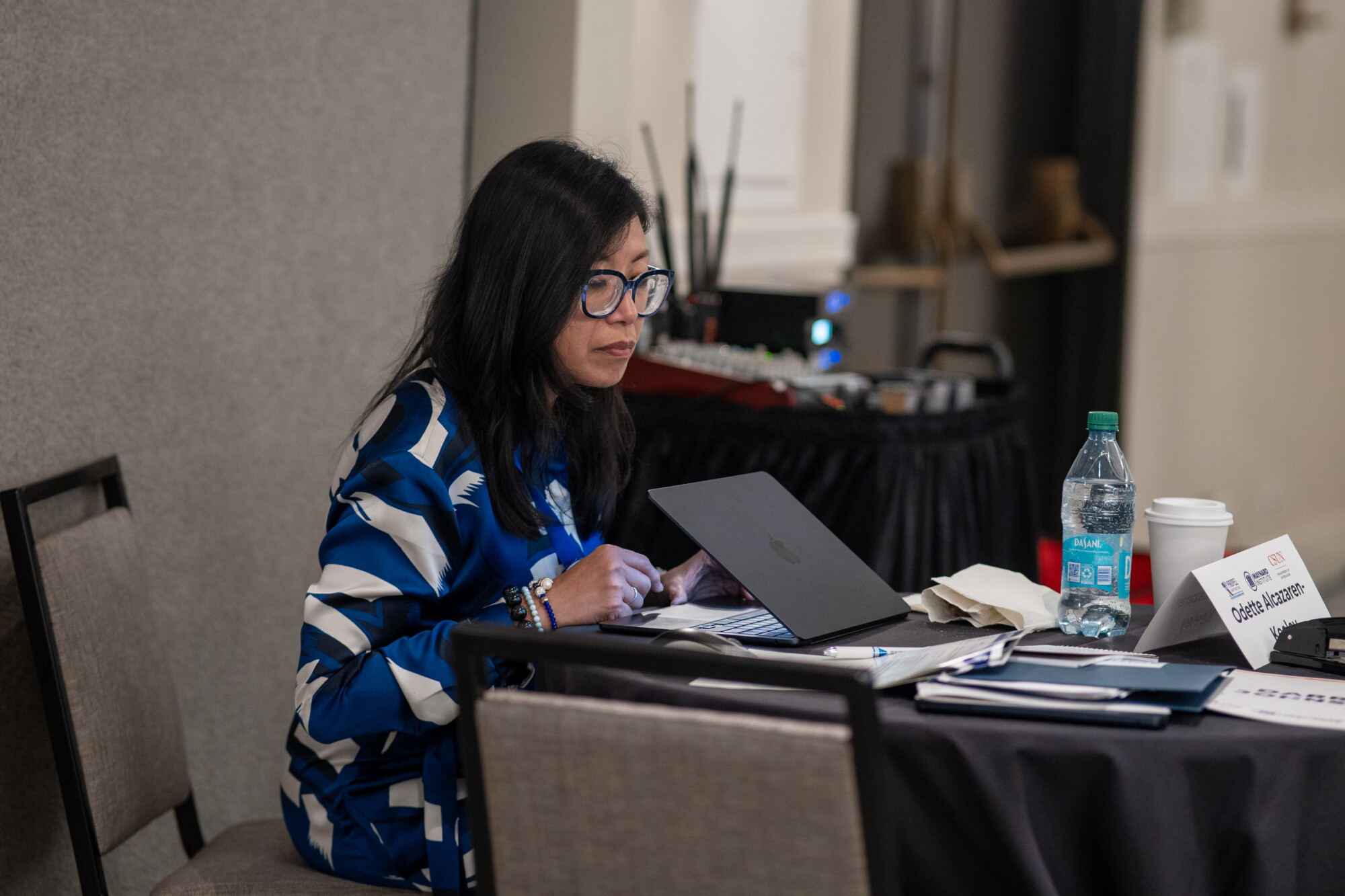
Odette is director of the Maynard Regional Training and Maynard Communities of Practice programs. Previously, she had served as director of the Maynard Institute’s flagship fellowship program, Maynard 200.
She is also a diversity communications and media executive, serving as president and founding partner of Global MediaX. A respected broadcast journalist, Odette’s career spans 25-plus years in the United States and the Philippines. Previously, at New America Media [NAM], she was the national media network director, television and radio news anchor/executive producer, as well as chair and co-emcee of the NAM Ethnic Media Awards.
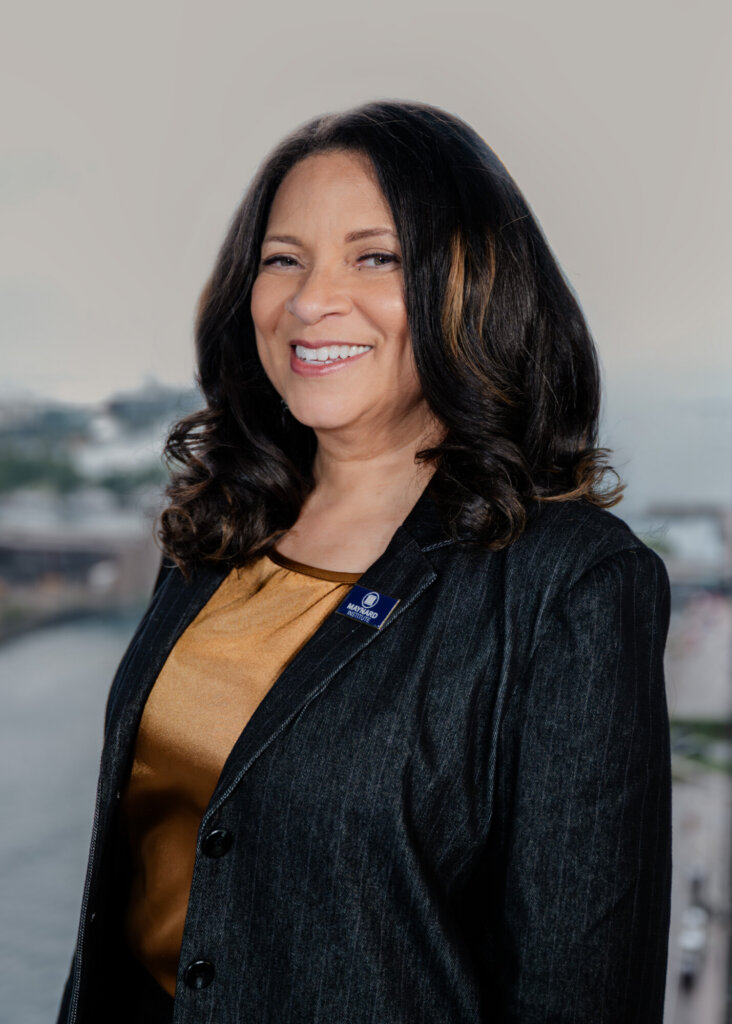
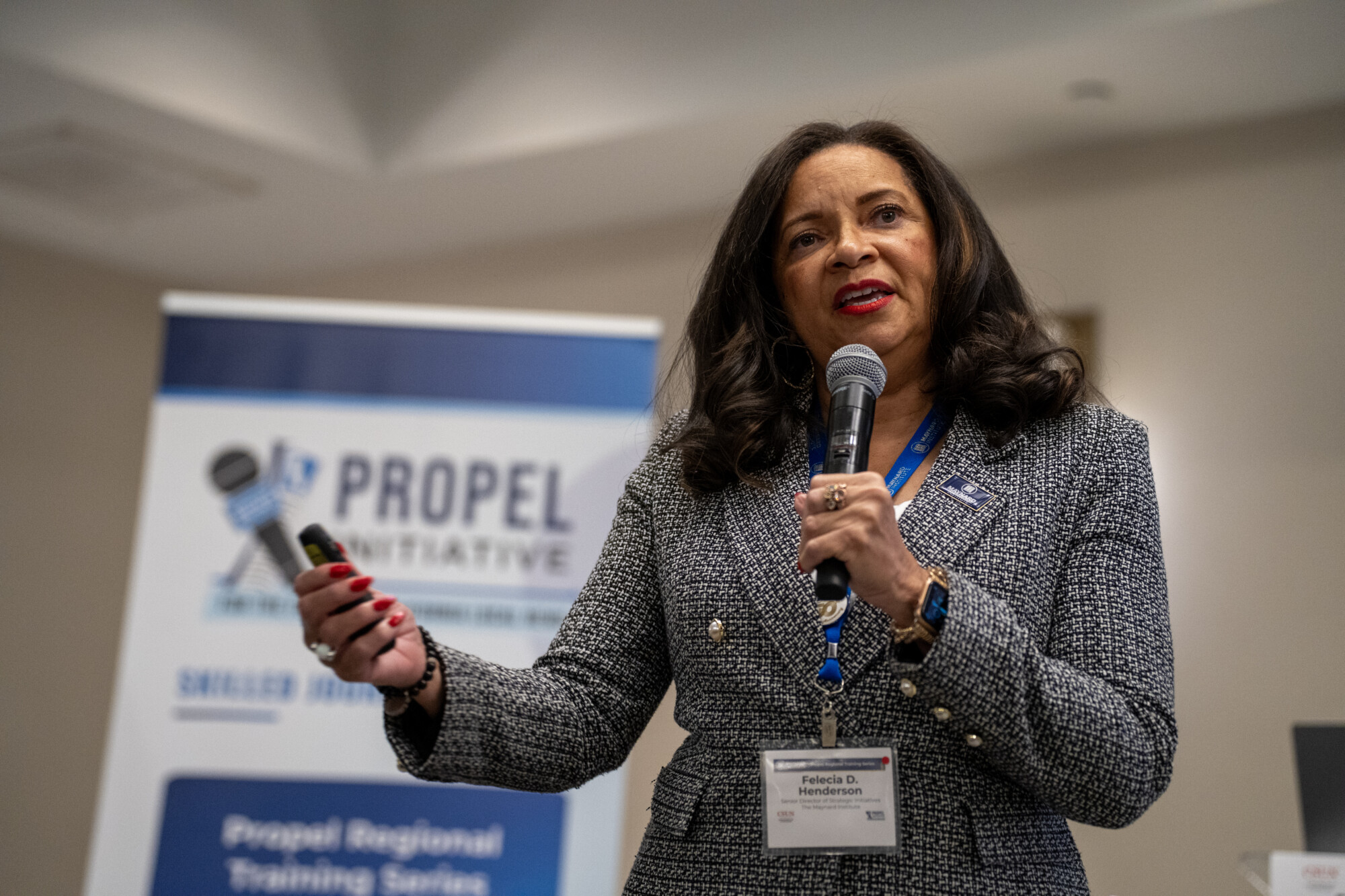
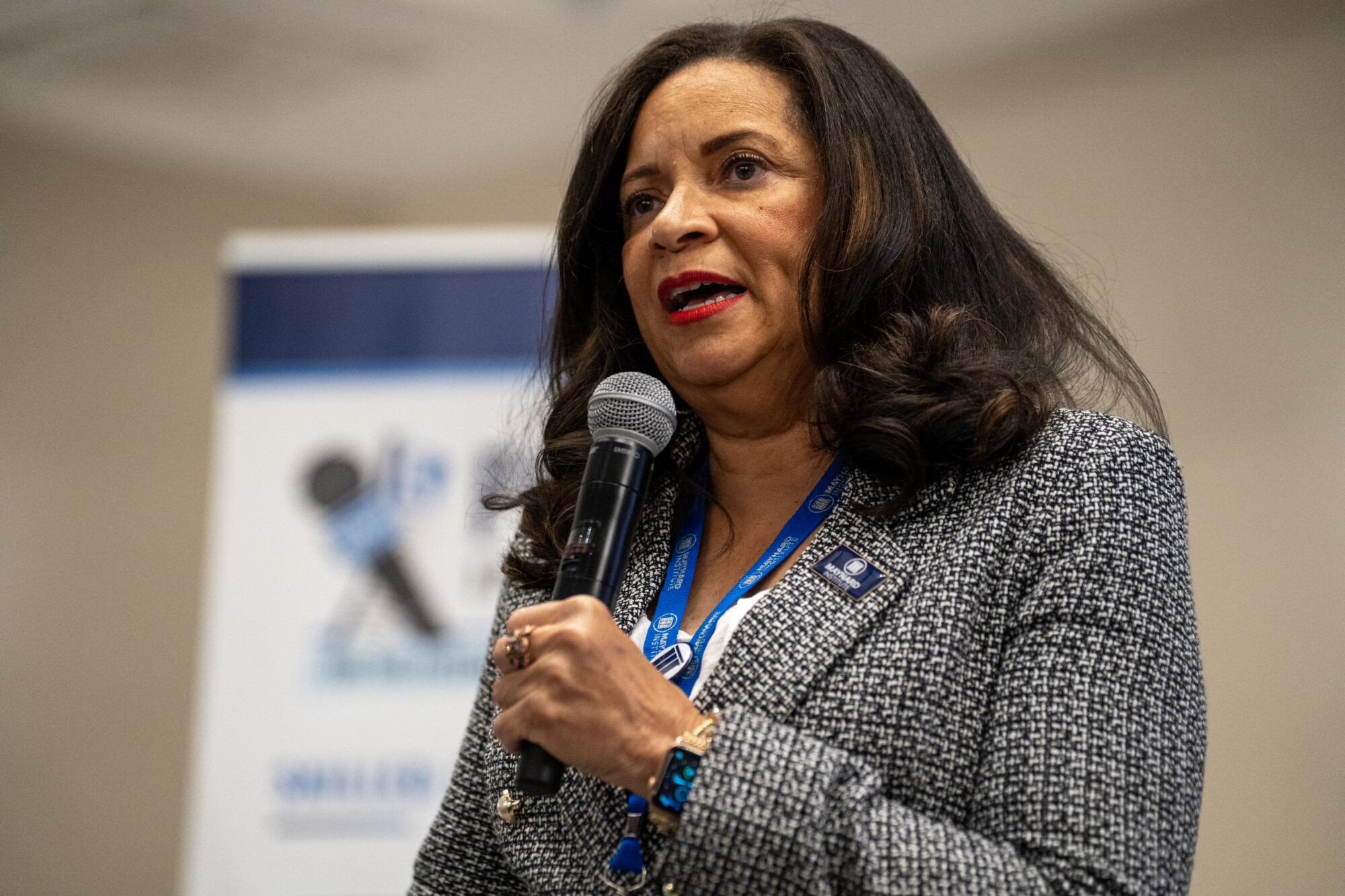
Felecia is the senior director of strategic initiatives at the Maynard Institute for Journalism Education. She has been a trainer on diversity, equity, inclusion and belonging in journalism to more than 500 print and broadcast news organizations since 2020. In 2023, she was co-leader of the institute’s Newsroom Transformation Program and in 2024, Henderson served as Executive-in-Residence of the Maynard 200 management training program at the Bob Schieffer College of Communication, Texas Christian University.
In her current role as senior director, Felecia develops new training initiatives and oversees management training programs that strengthen individual leadership skills and help organizations improve workplace culture to drive sustainable performance and growth.
Session Focus: What shapes the way we see a story and the way we see one another? The Maynard Institute’s Fault Lines® framework provides a powerful lens for understanding how race, class, gender, generation, geography, sexual orientation and other intersecting identities influence our perspectives and experiences.
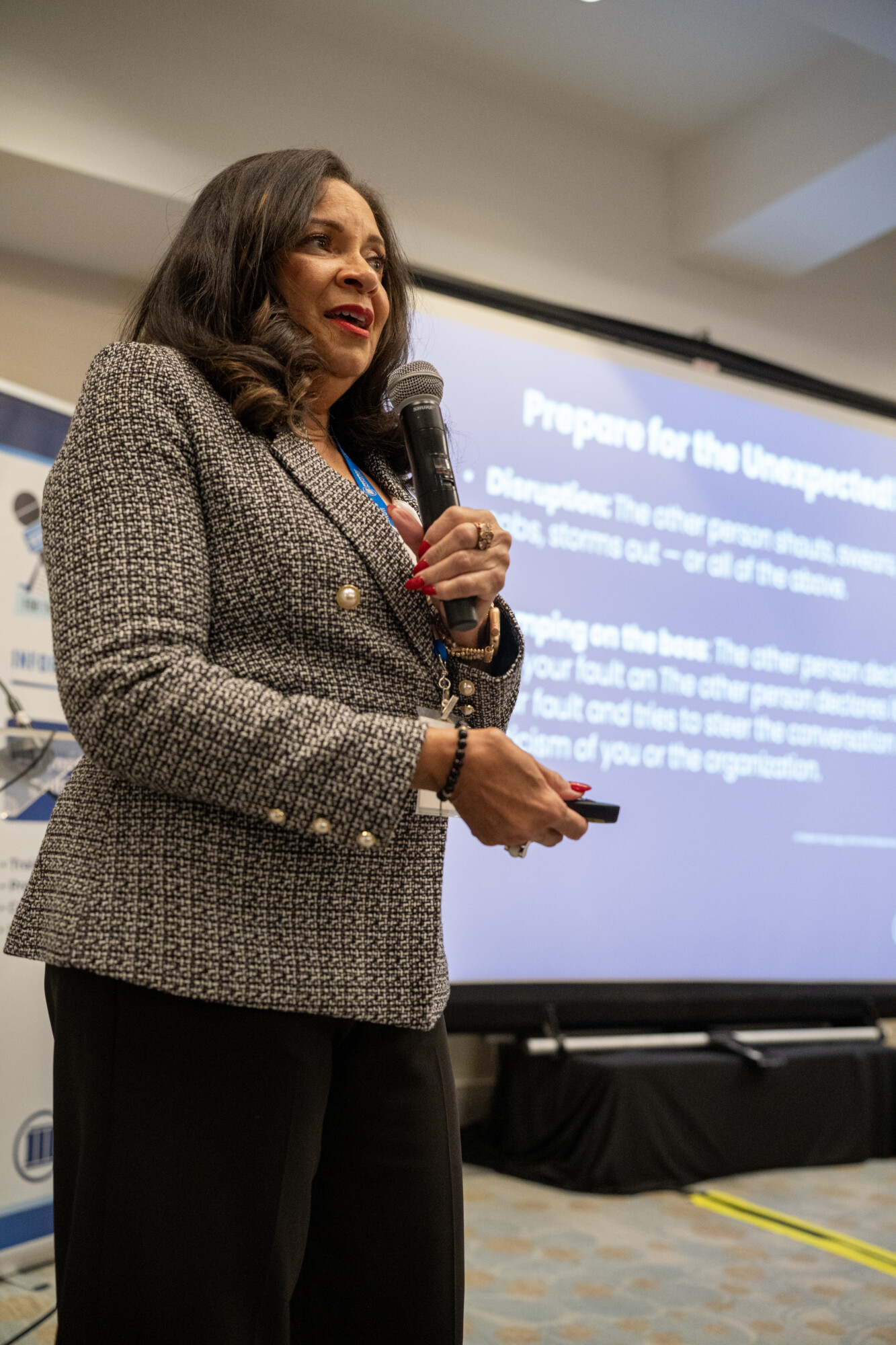
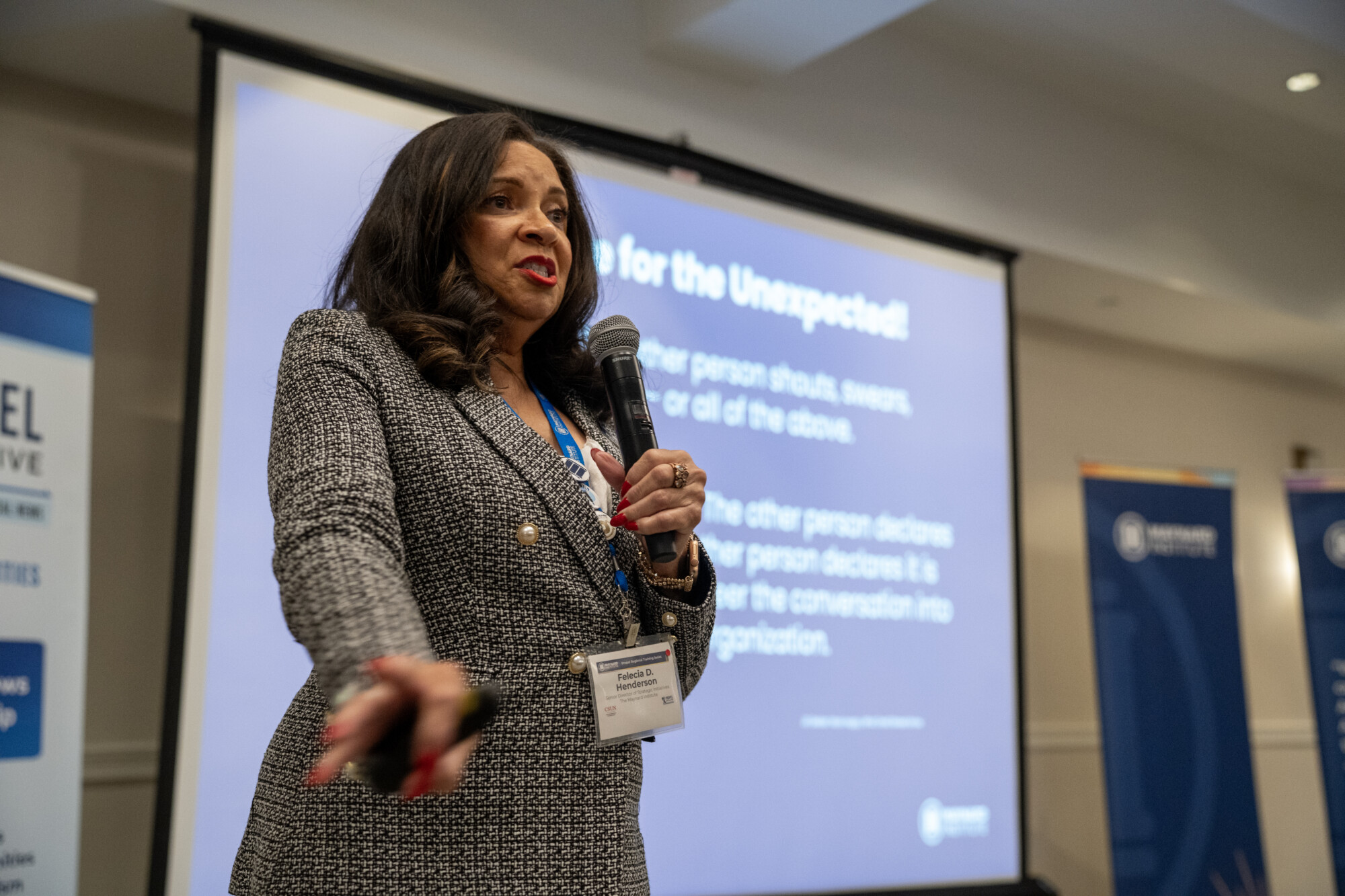
Session Focus: Having difficult conversations is a part of the job. In this interactive session, learn strategies for delivering feedback, handling conflict, and navigating emotionally charged topics with professionalism and empathy. Trainees will be asked to role-play scenarios.
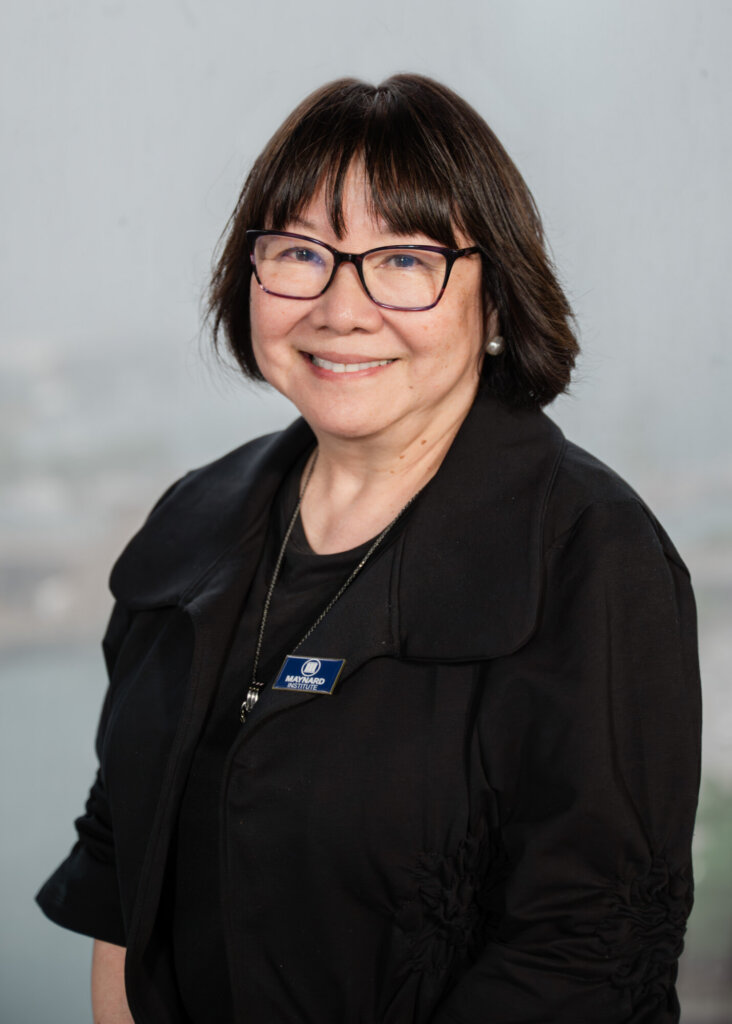
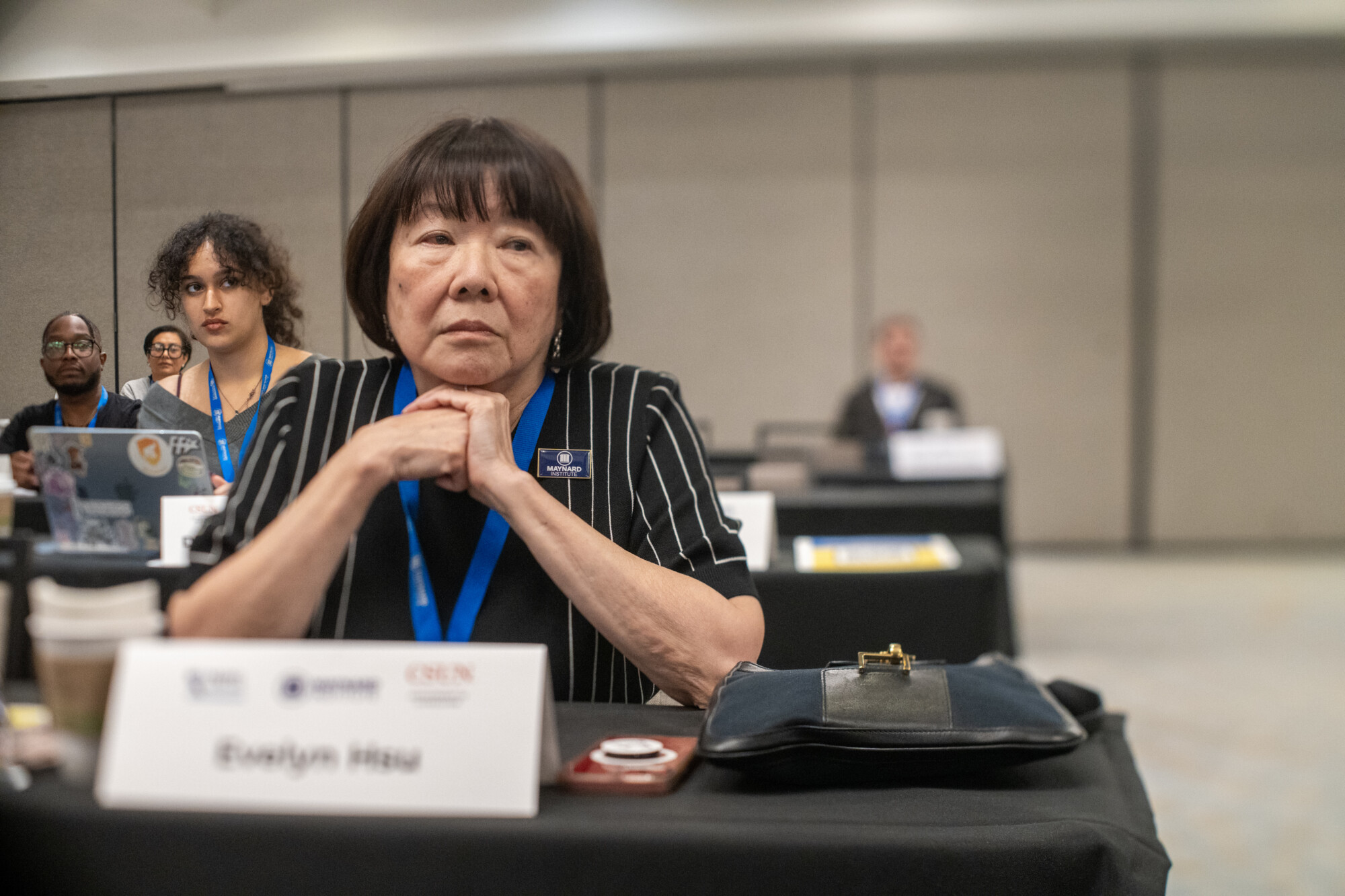
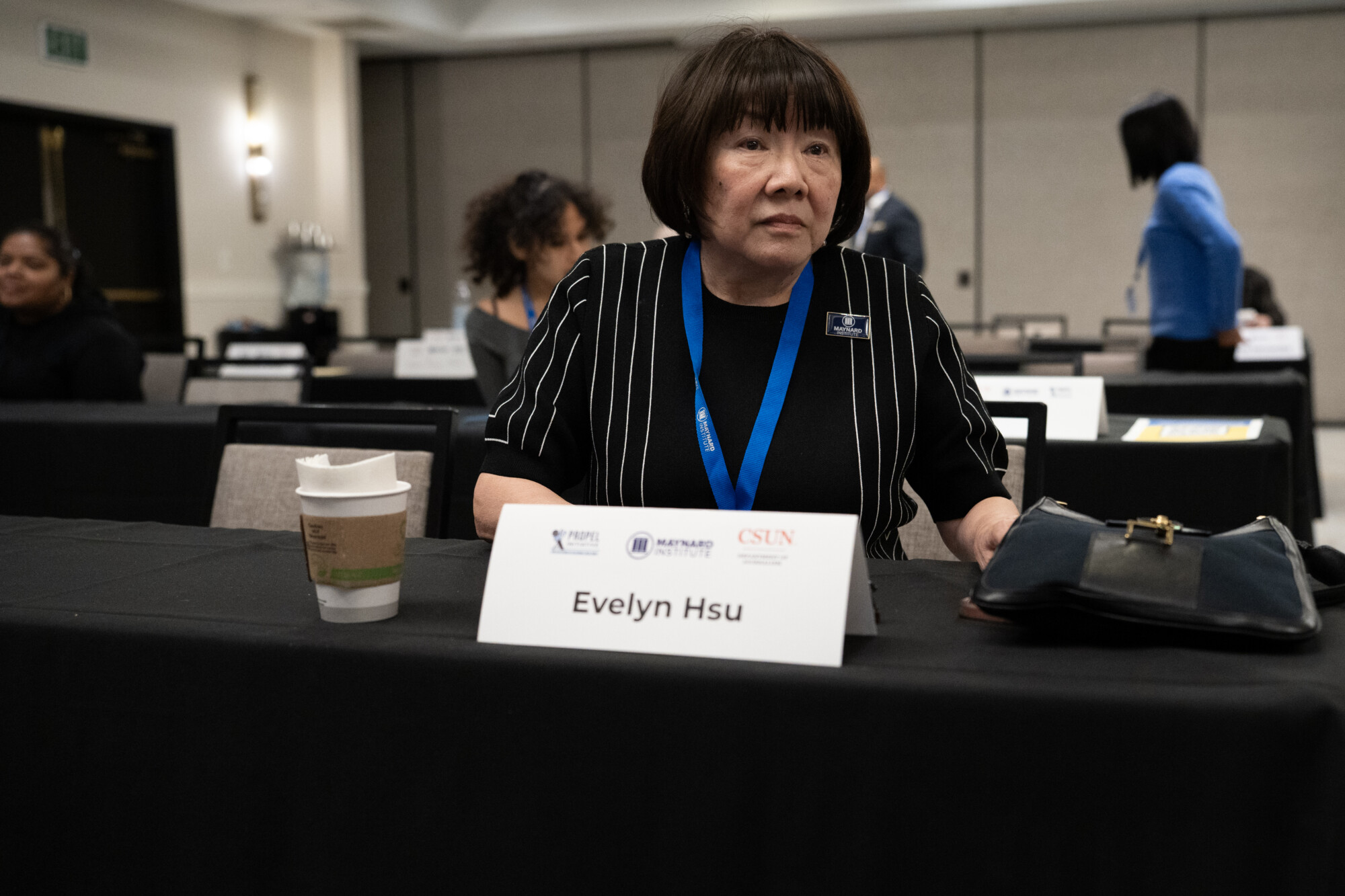
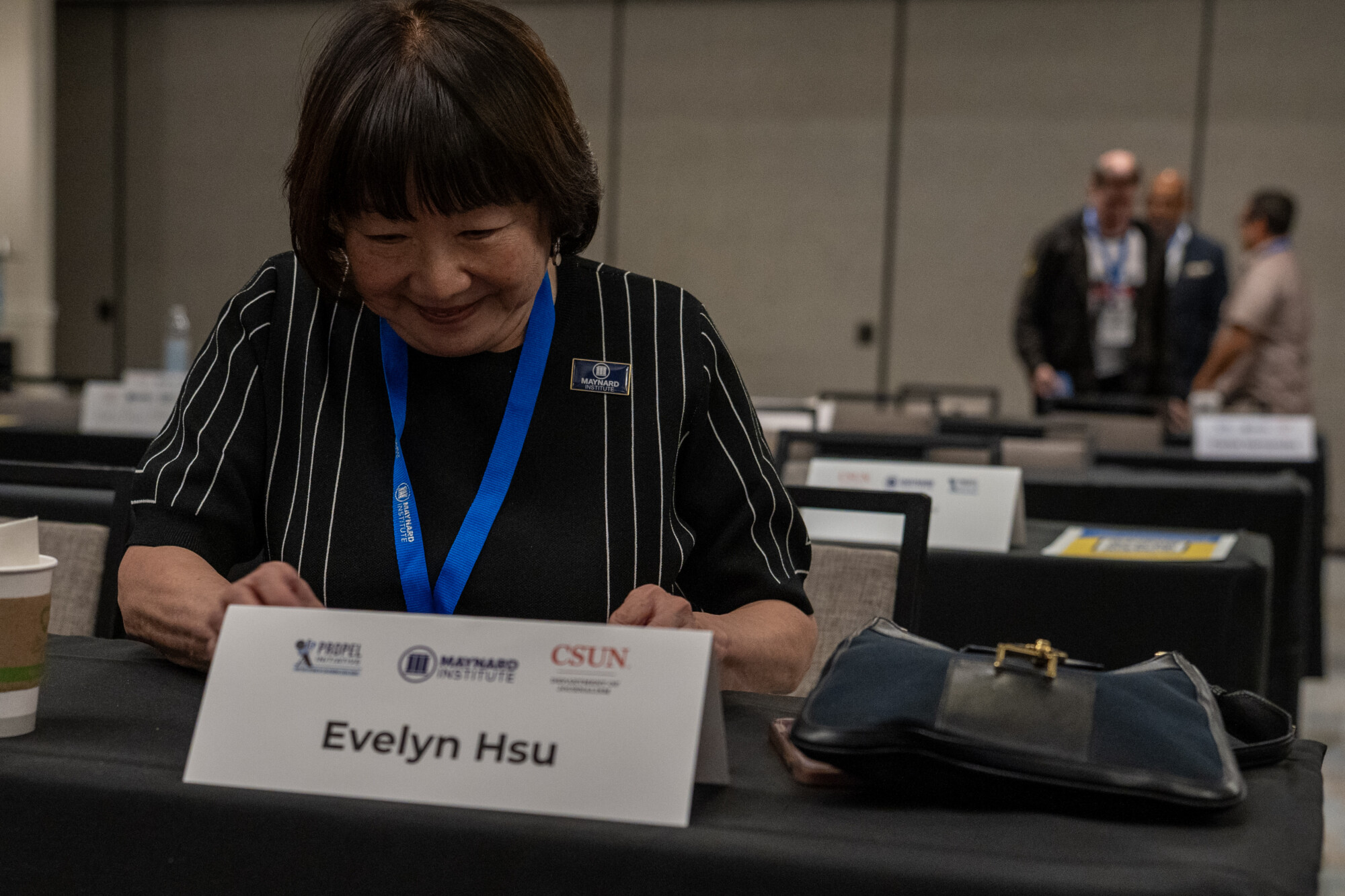
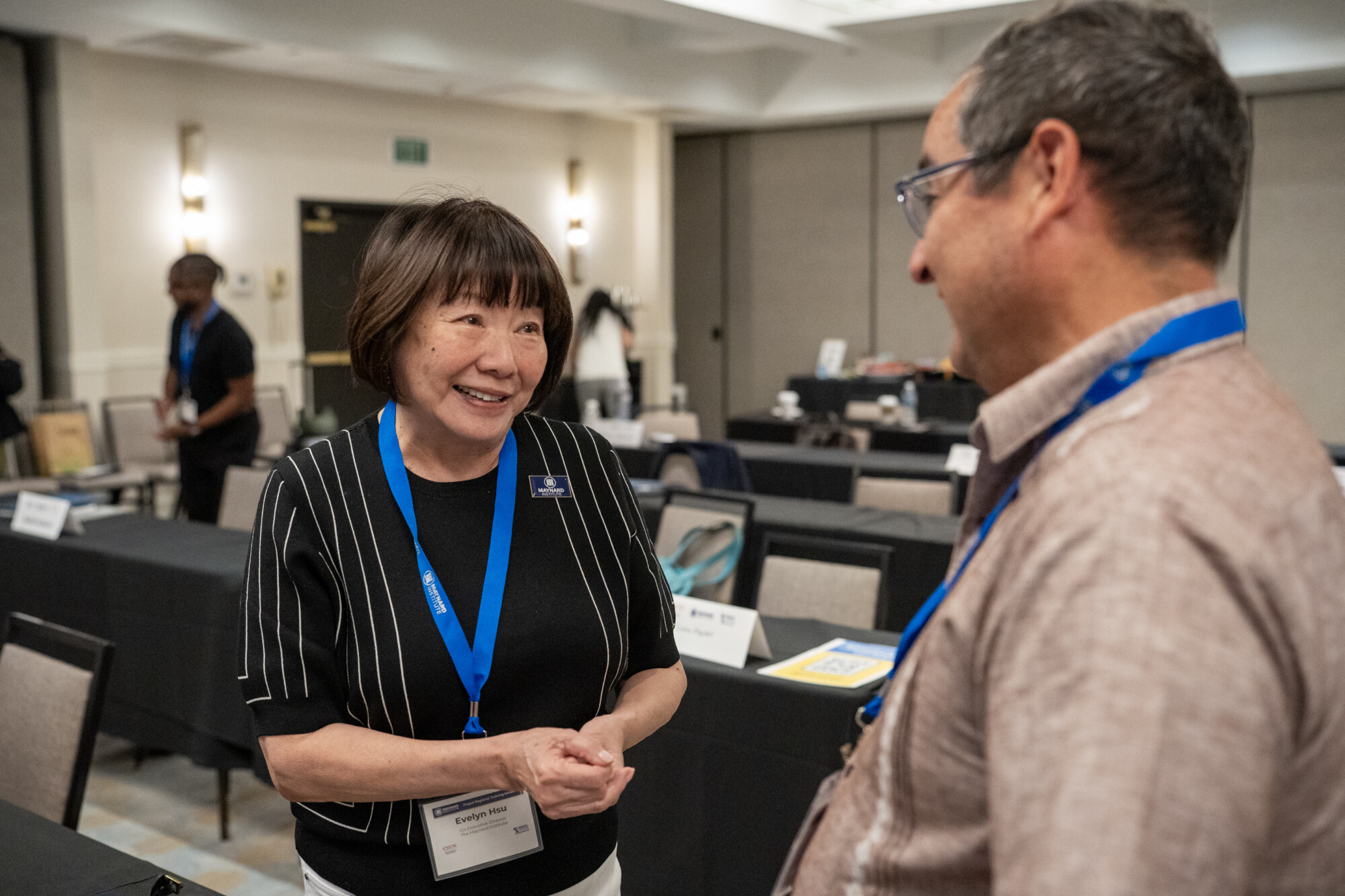
Evelyn is co-executive director of the Robert C. Maynard Institute for Journalism Education. Prior to joining the Maynard Institute, she was a member of the faculty of the Poynter Institute and before that, she was an associate director of the American Press Institute.
She has worked as a reporter for The Washington Post and for the San Francisco Chronicle. She is a past national president of the Asian American Journalists Association.
She is the former vice president of the board of directors of the Society of Professional Journalists Foundation.
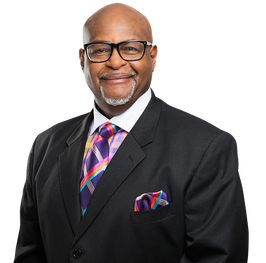
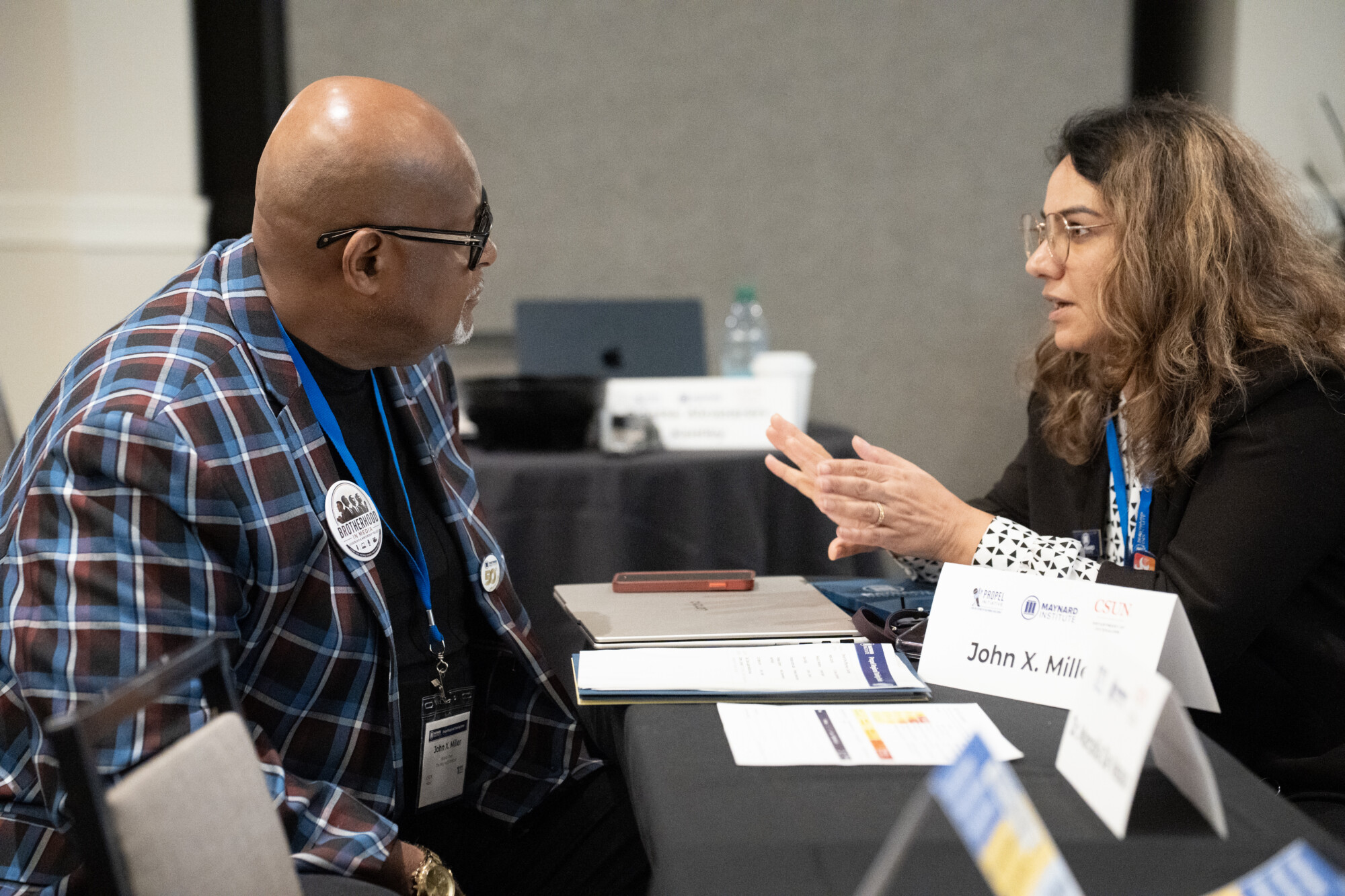
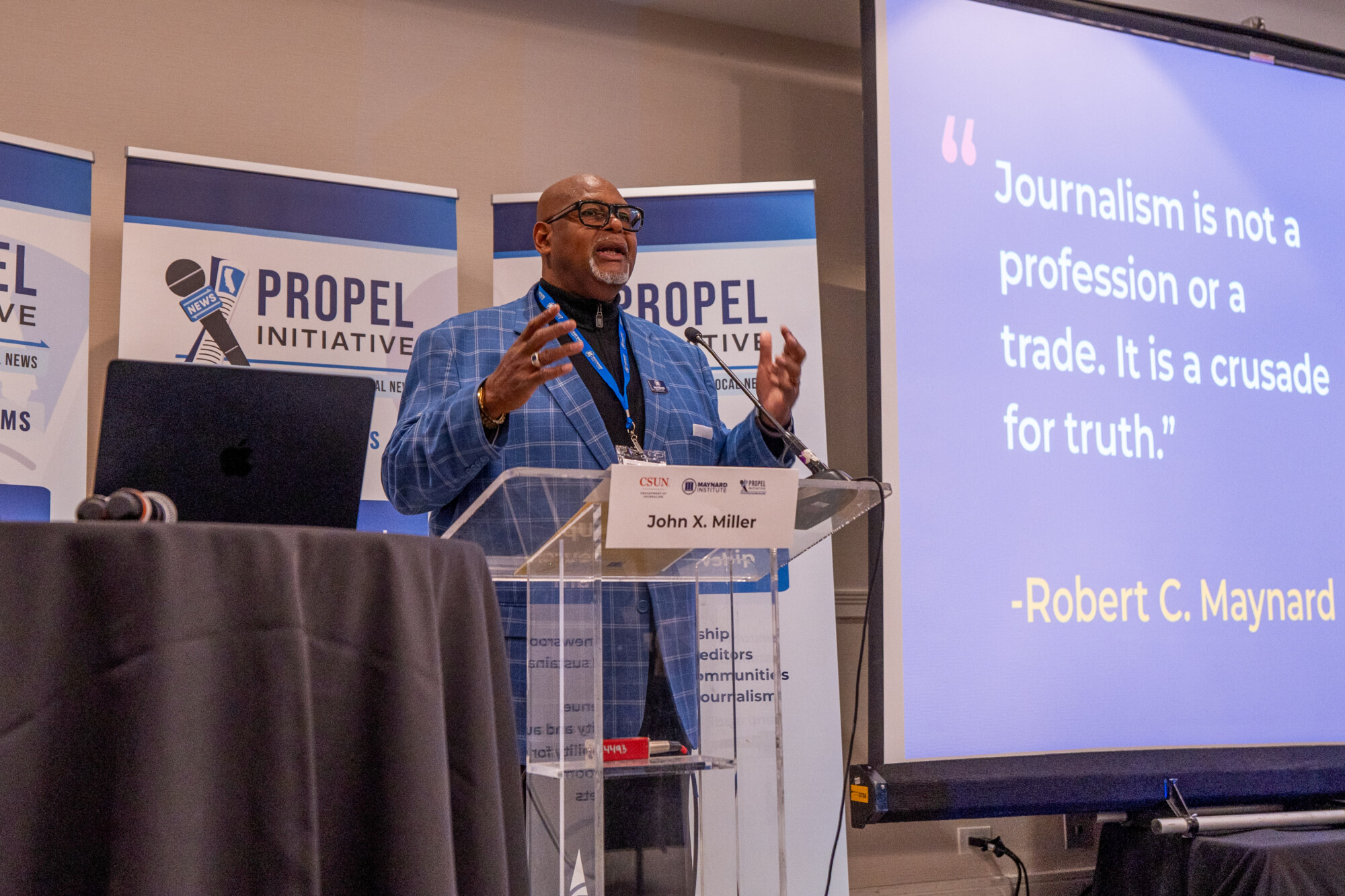
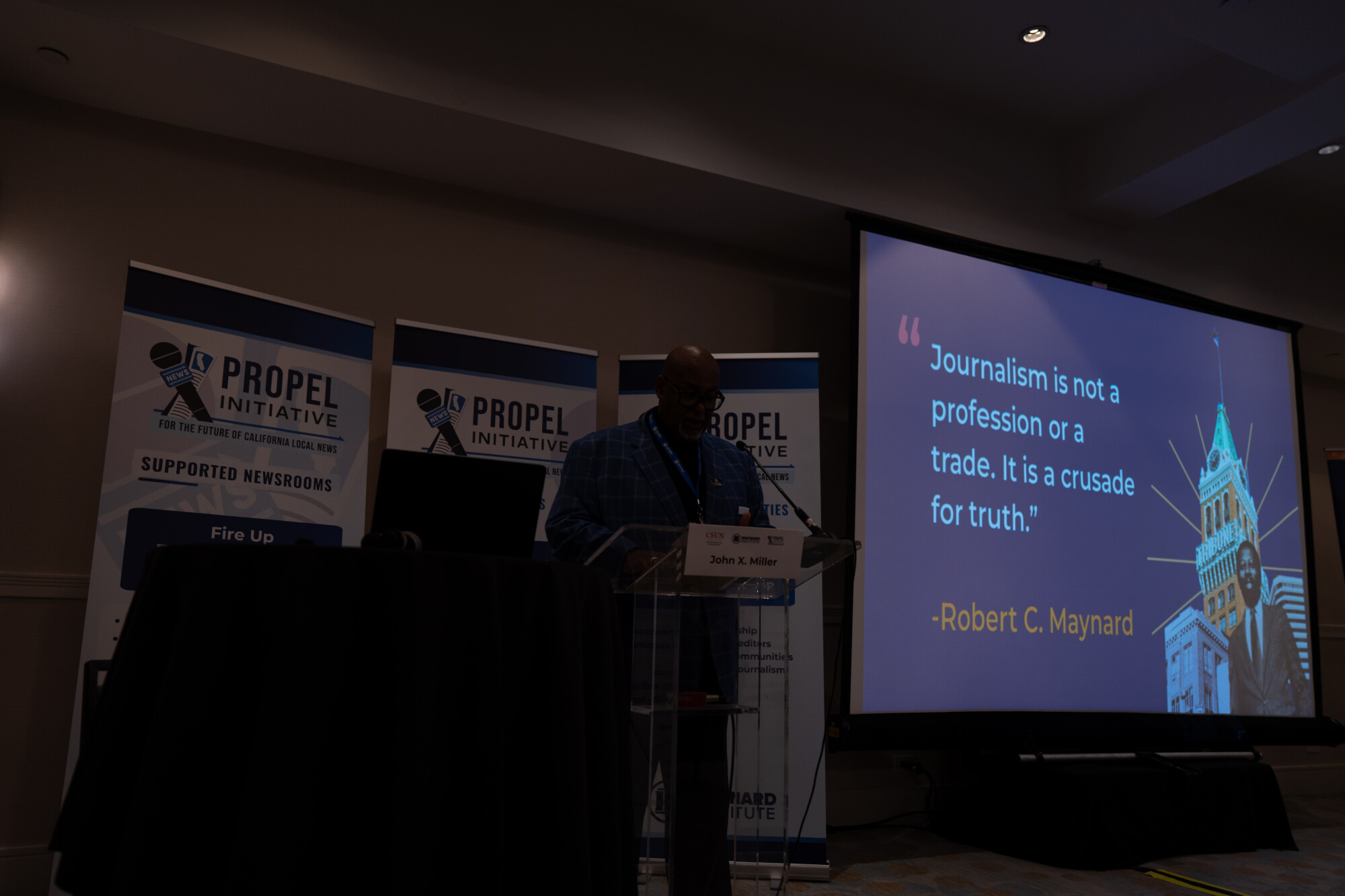
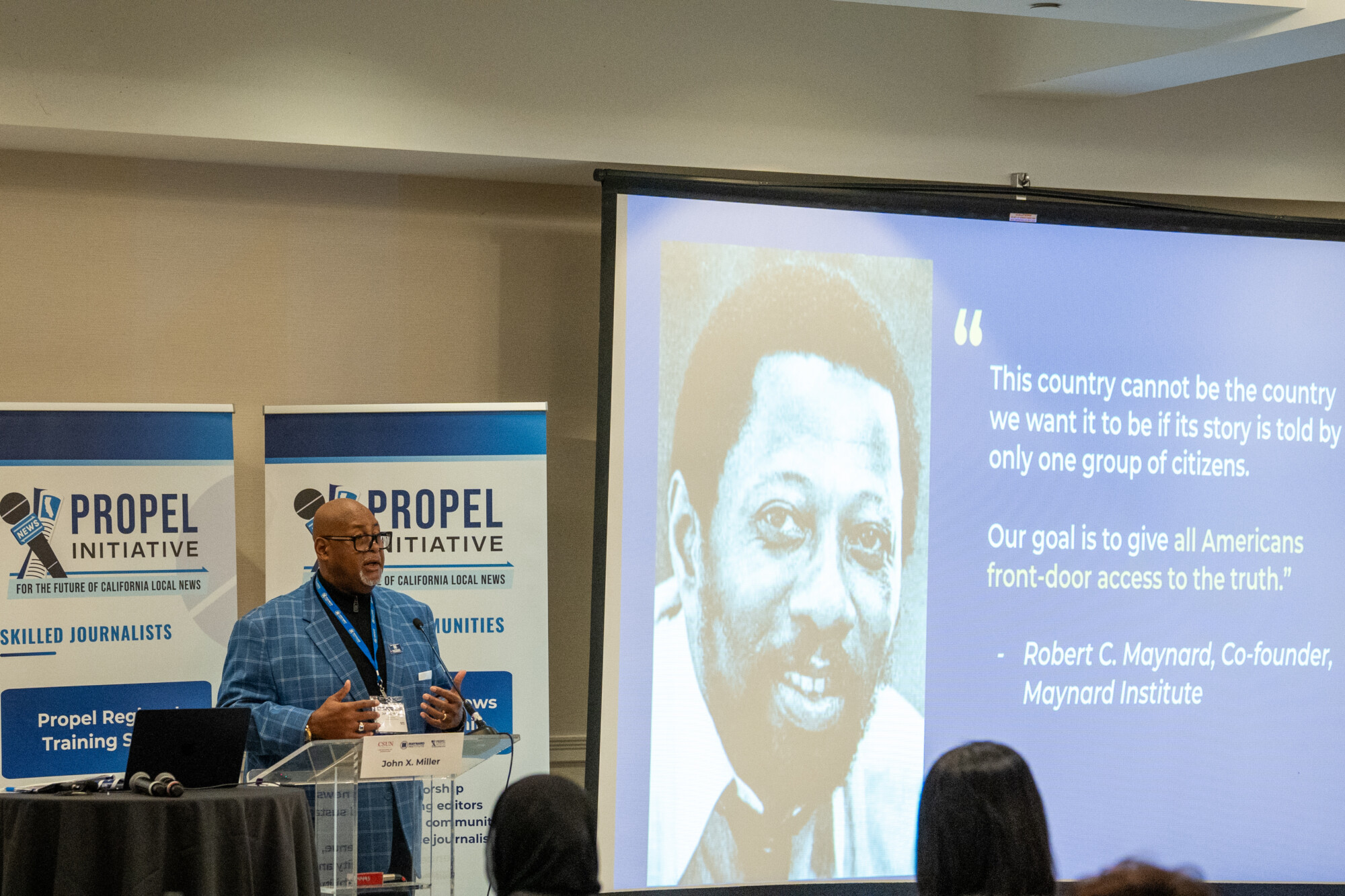
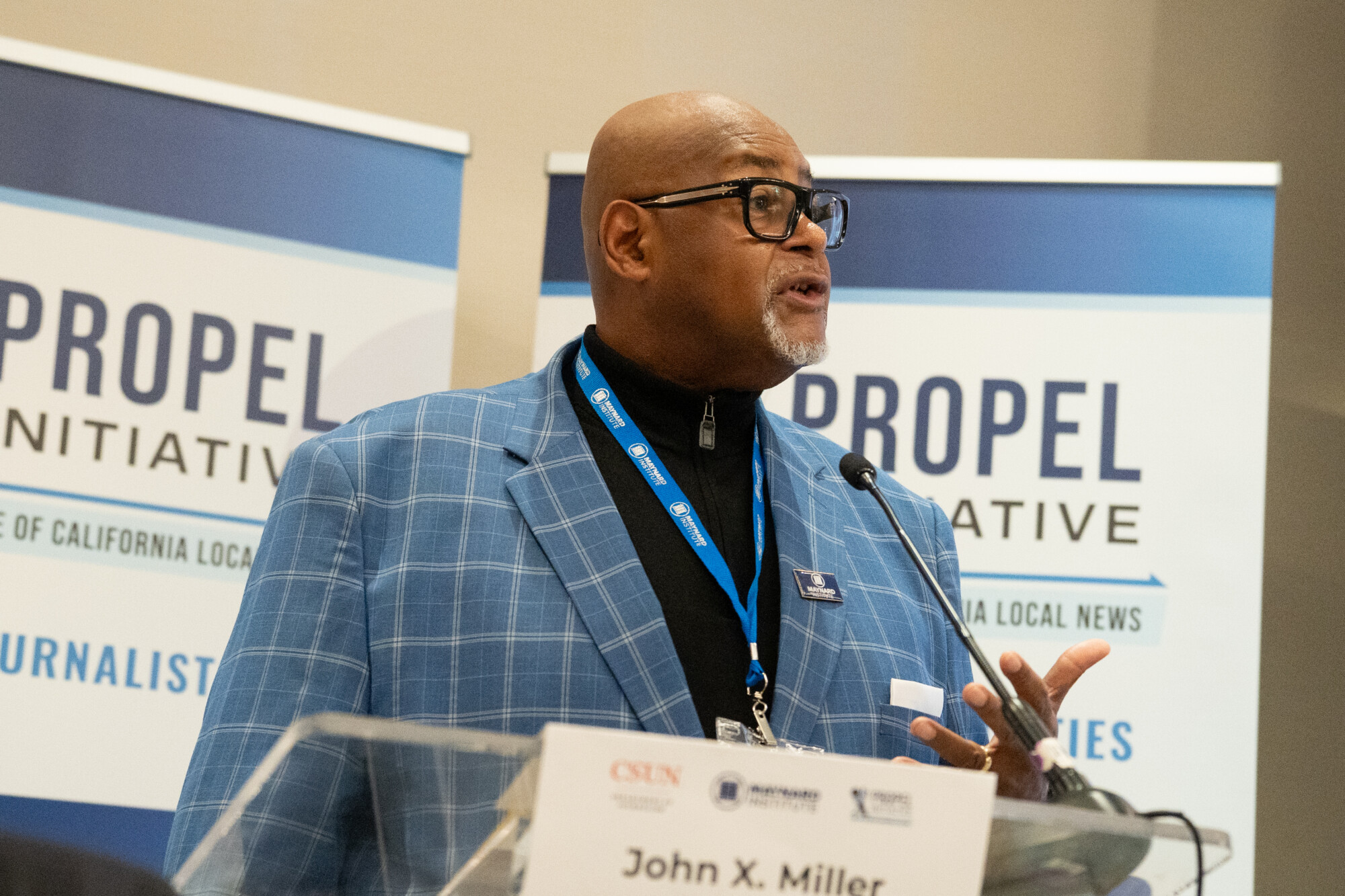
John X. Miller is a media executive, non-profit leader and educator with decades of experience. He serves as board chairfor the Maynard Institute, and was executive-in-residence for the Maynard 200 Frontline Editors and Managers track, as well as keynote and coach for the Maynard Communities of Practice.
Over his 45-year journalism career he has worked in 10 newsrooms, was a top editor in six of those including roles as executive editor, managing editor, senior editor and public editor.
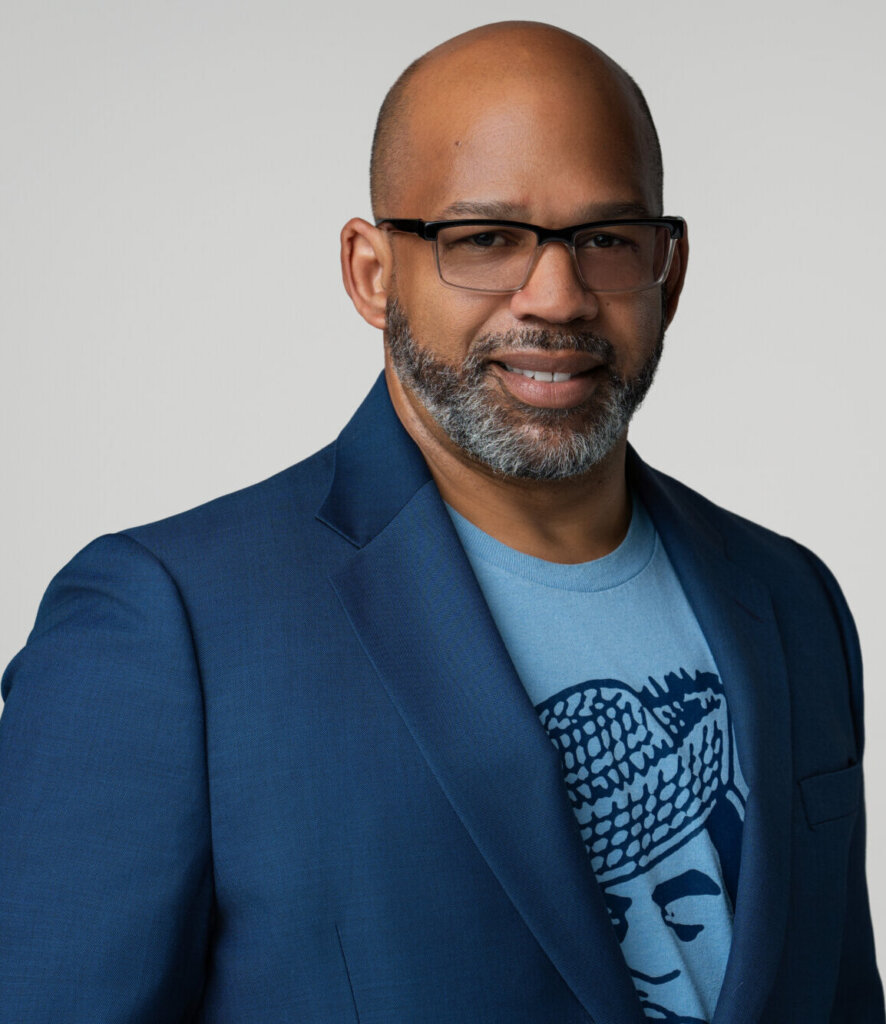
Martin is co-executive director of the Robert C. Maynard Institute for Journalism Education. Previously, Martin was a senior fellow for strategic planning for the institute, helping to oversee planning and implementation of the “MIJE Re-Imagined” project. He is co-founder of Oakland Voices, a community storytelling project that trains residents to be community correspondents. For his work there, he was named as Digital First Media’s Innovator of the Year.
Before his Maynard fellowship, Martin was senior editor for community engagement and training for 18 years with the Bay Area News Group, and editor-in-chief of the Oakland Tribune between 2008-2011. Reynolds was also a lead editor on the Chauncey Bailey Project, formed in 2007 to investigate the slaying of the former Oakland Post editor and Tribune reporter.
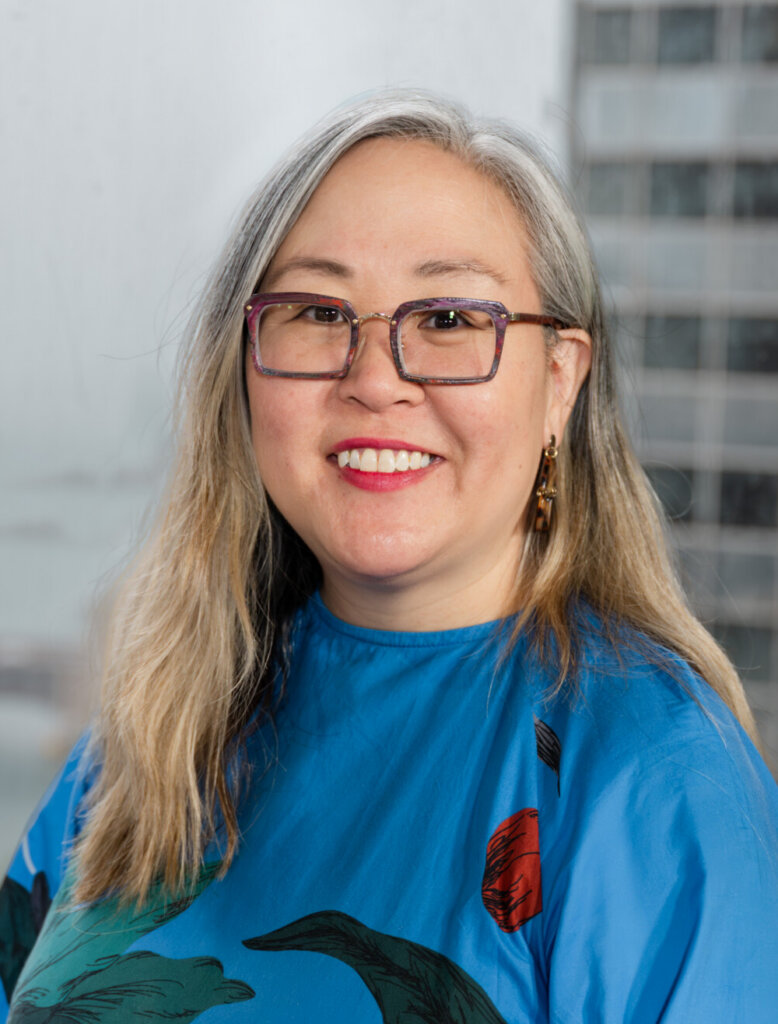
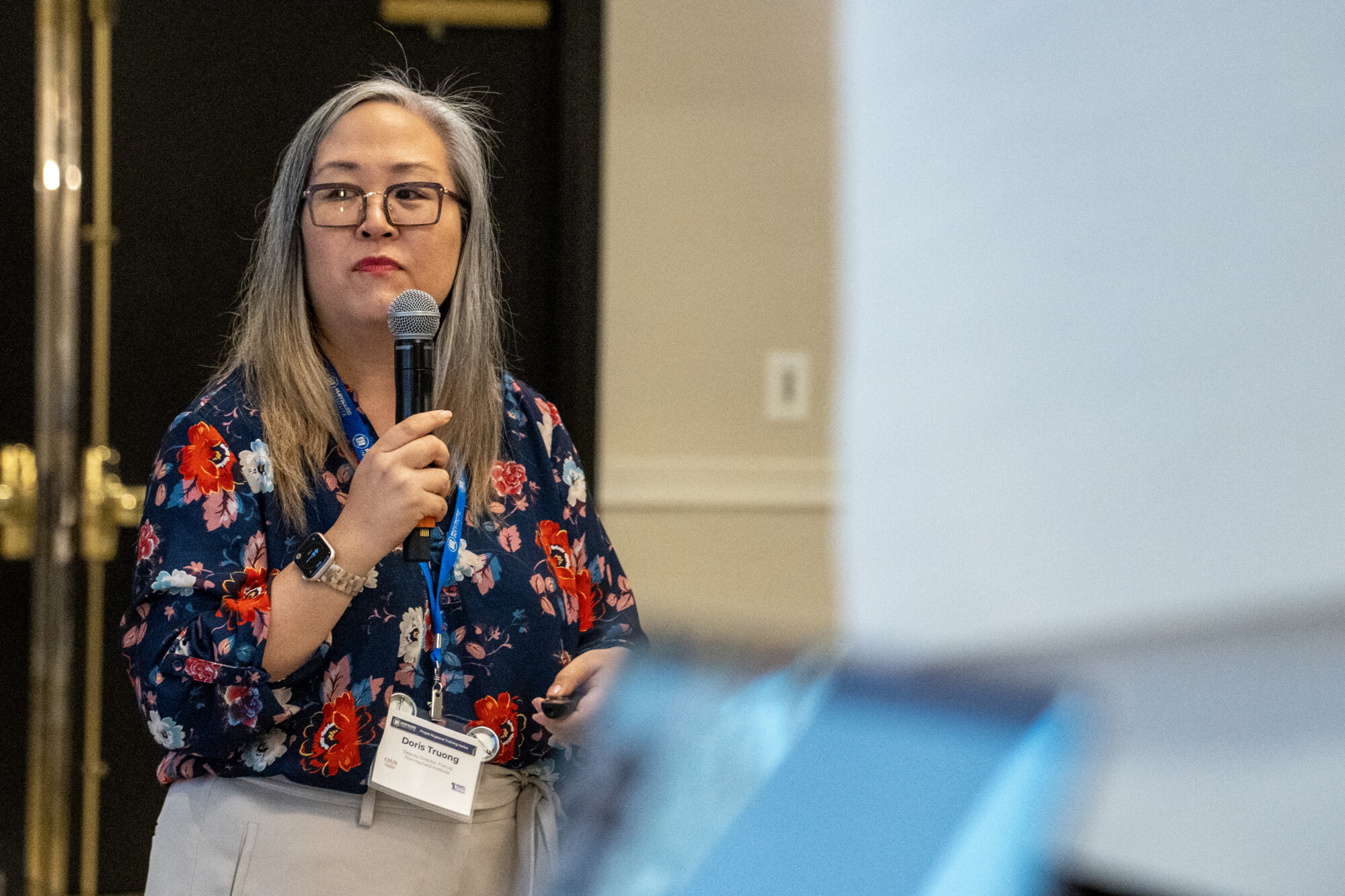
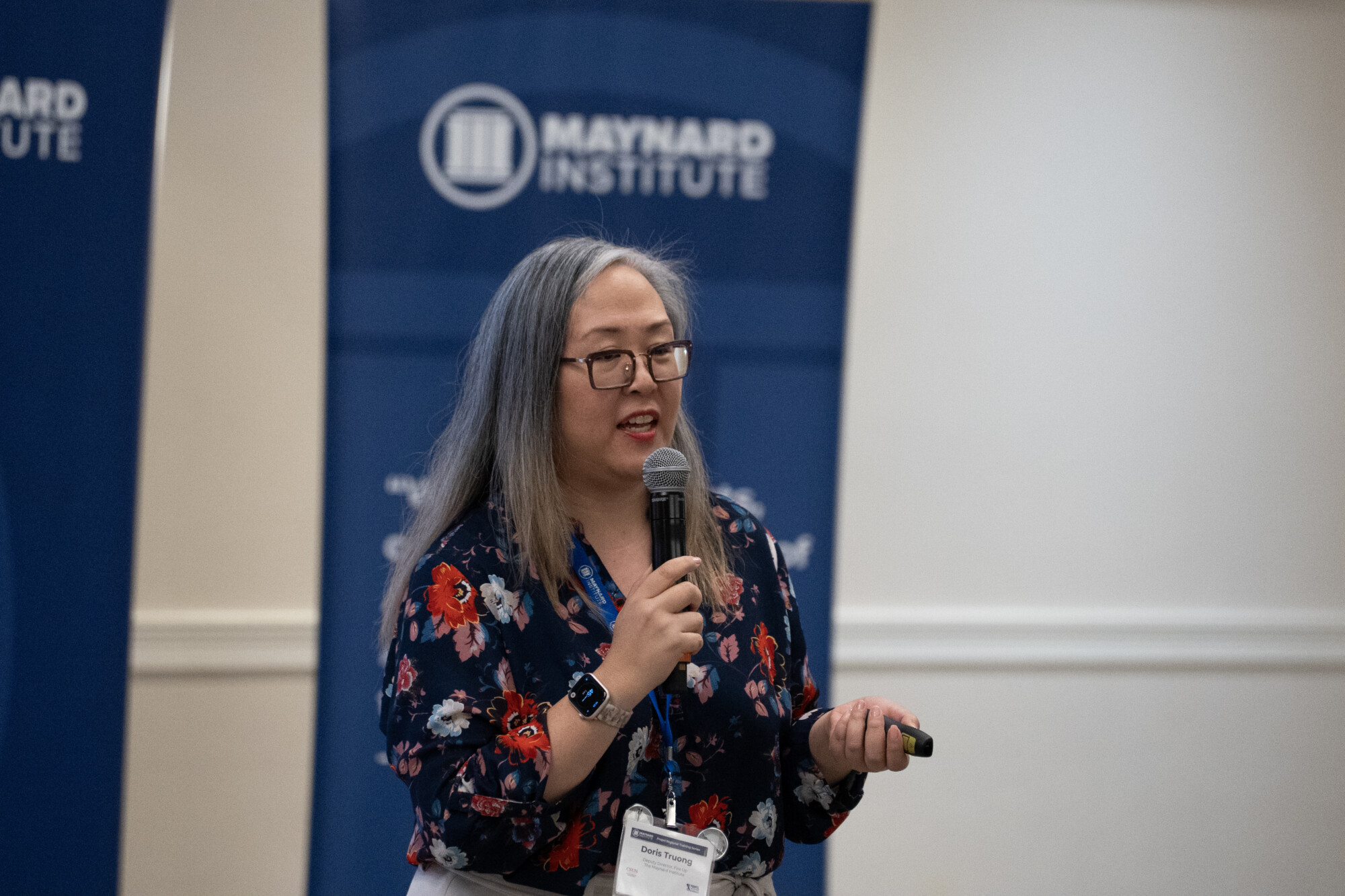
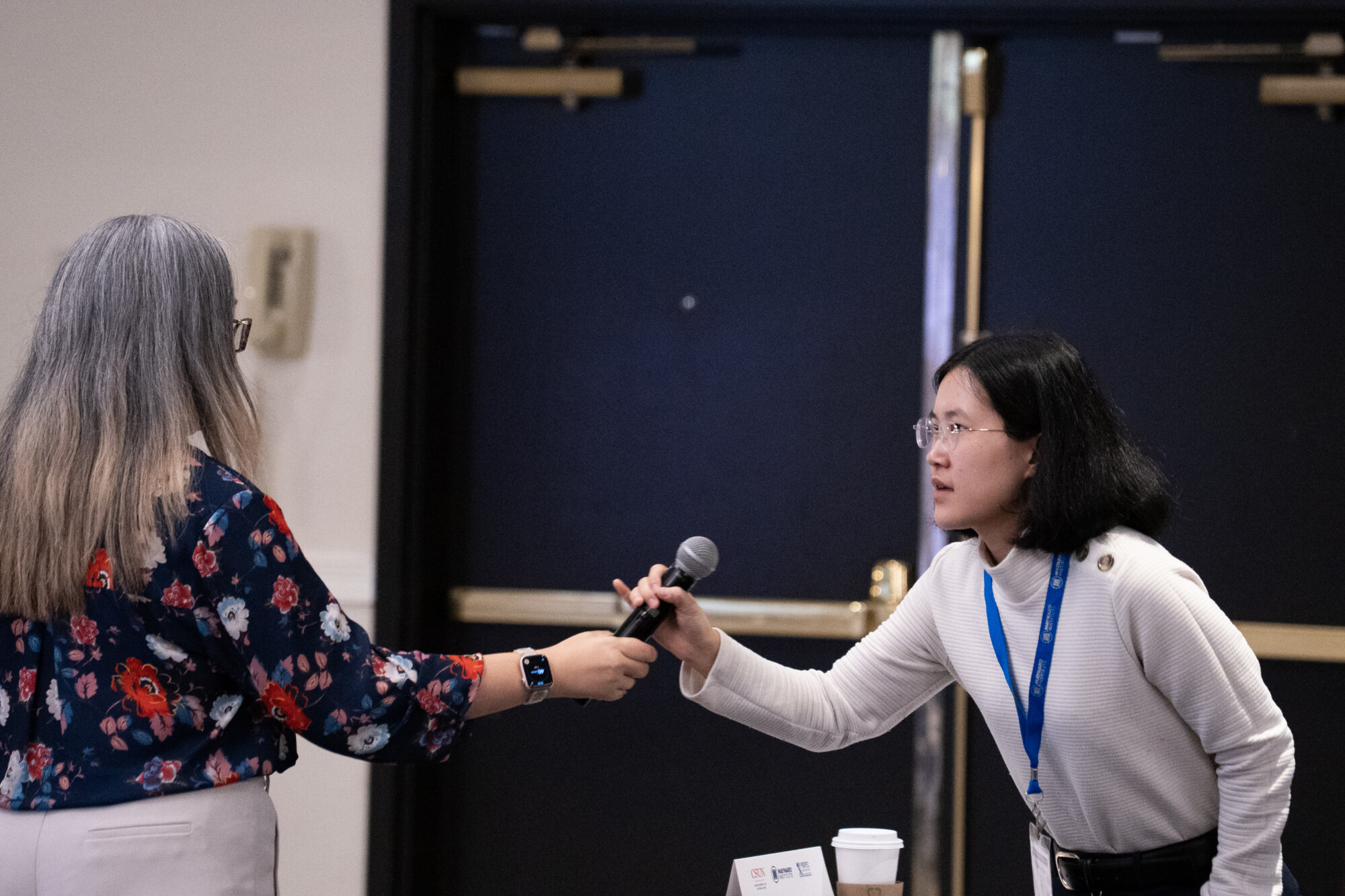
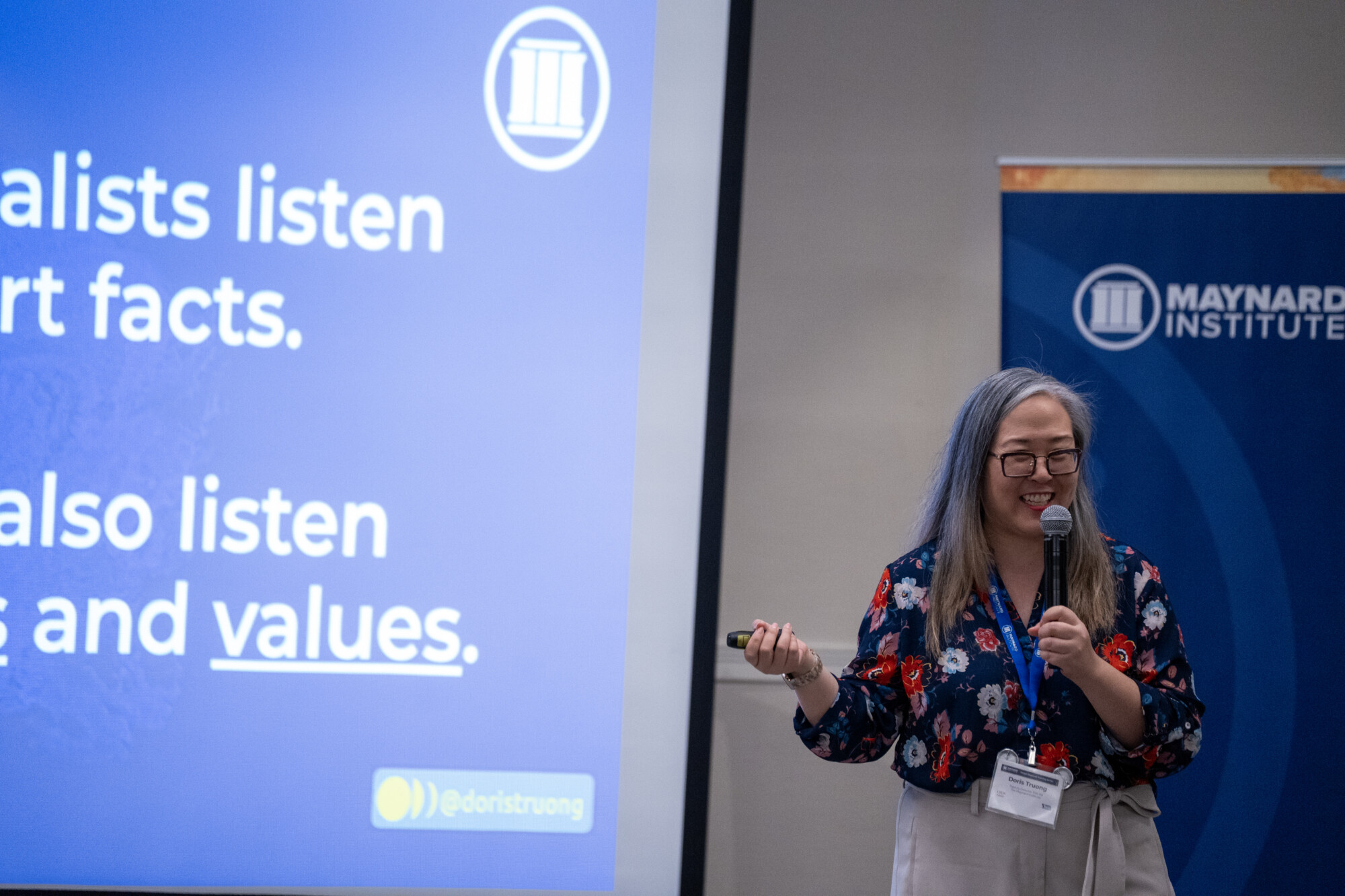
Doris Truong is deputy director of the Maynard Institute’s Fire Up training program for journalism entrepreneurs. She is an inclusion expert and facilitator who led teaching and diversity strategies for the Poynter Institute.
She has two decades of daily news experience from The Washington Post and The Dallas Morning News. She served as national president of the Asian American Journalists Association, vice president of UNITY: Journalists for Diversity and a board member on the Fund for Investigative Journalism.
Session Focus: Most journalists are trained to hear facts, and some to read emotions. Less attention is paid to understanding values — the beliefs people don’t always state directly. Recognizing and validating values can deepen connections with sources, peers, supervisors, and direct reports.
Communities depend on healthy newsrooms and well-supported journalists to access reliable information, stay informed and participate in civic…
While attending California State University, Northridge (CSUN), I struggled financially and scholastically. I am a photojournalist and writer,…
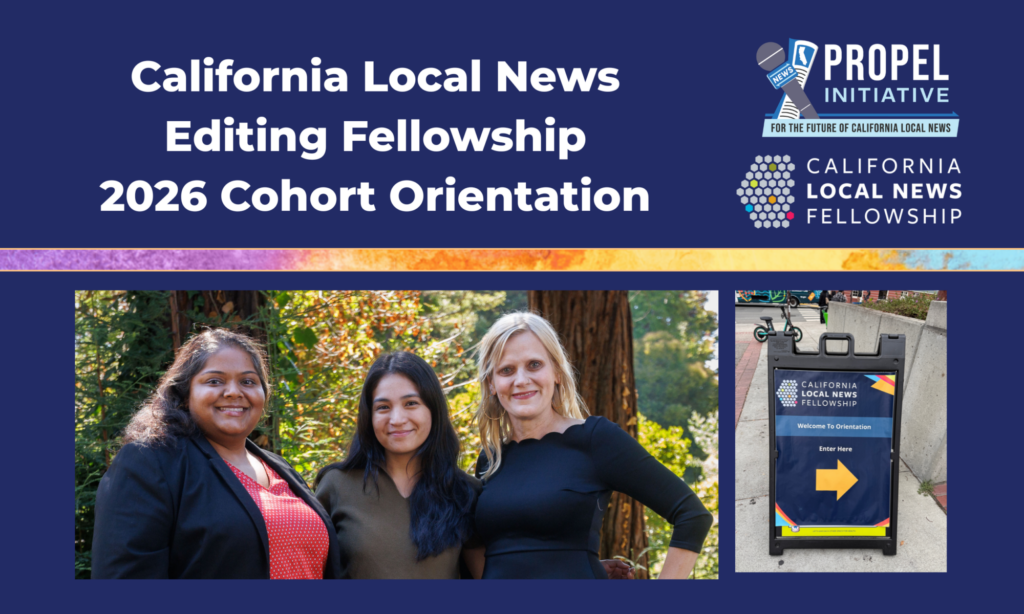
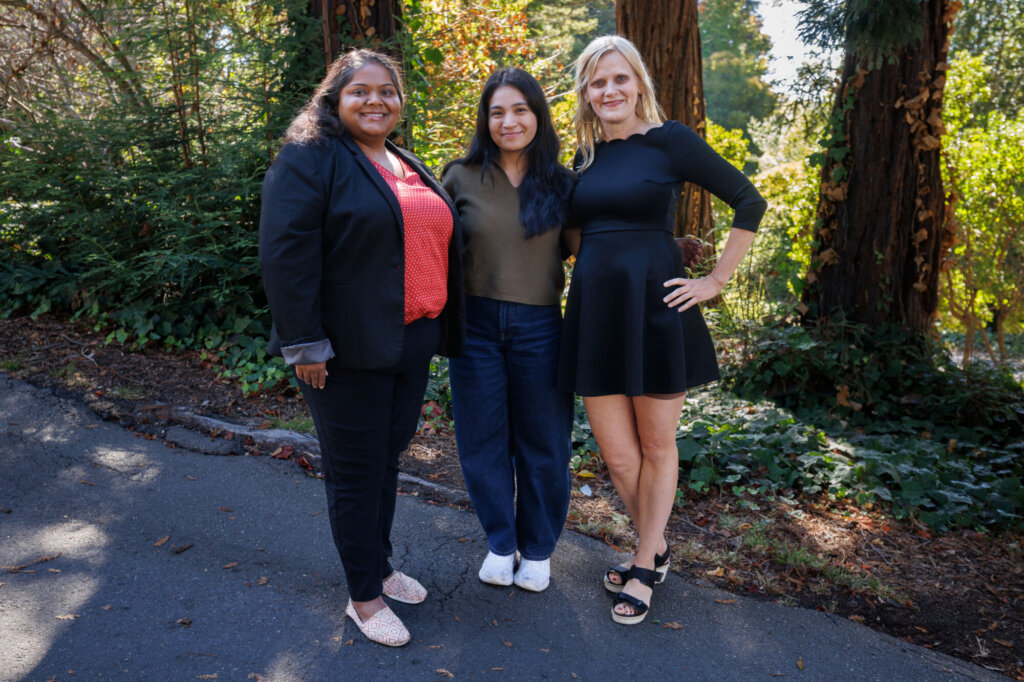
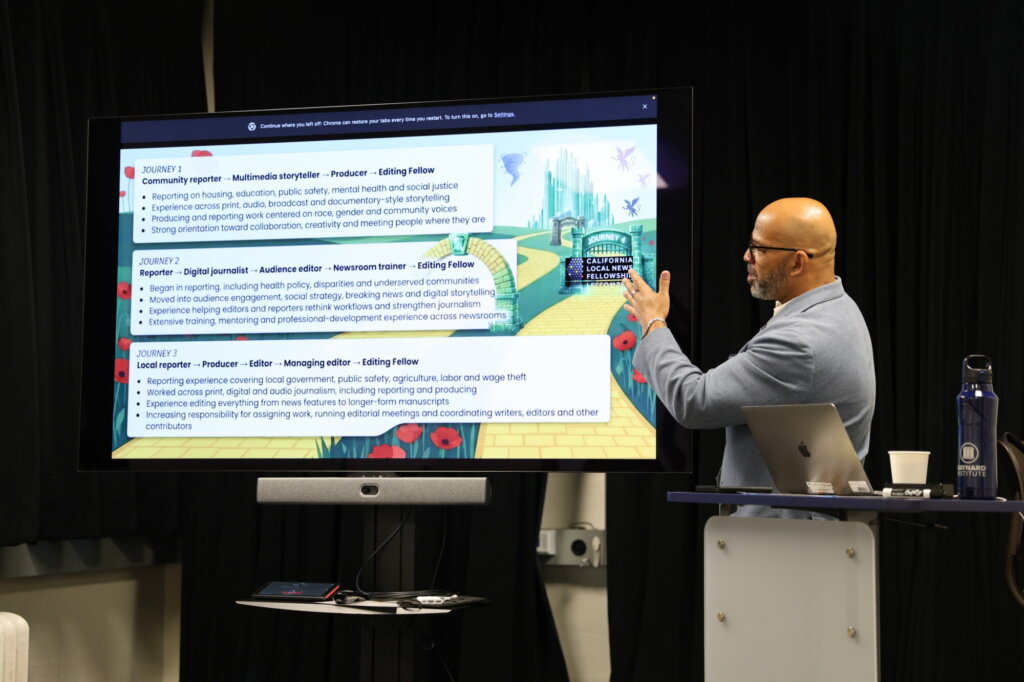
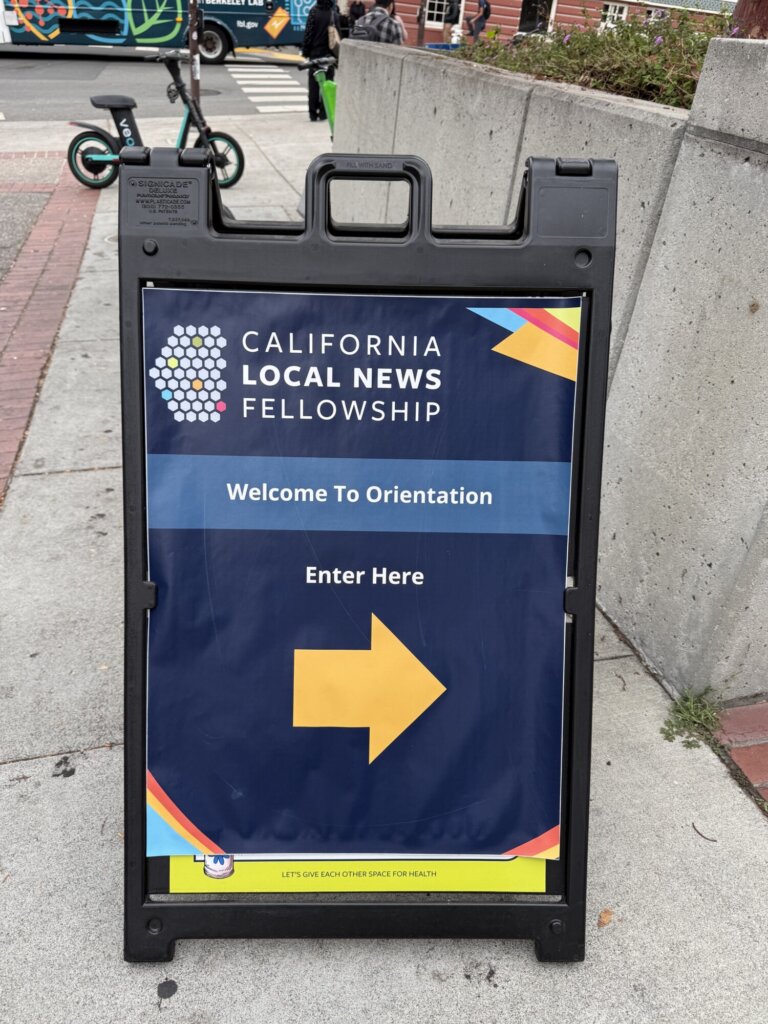
The California Local News Fellowship recently conducted orientation for its 2026 cohort of 35 journalists, who are reporting on critical issues in communities that have historically lacked sustained local news coverage. Three journalists are part of the pilot, one-year editing fellowship, a Maynard Institute partnership designed for early- to mid-career reporters or producers to move into editing roles.
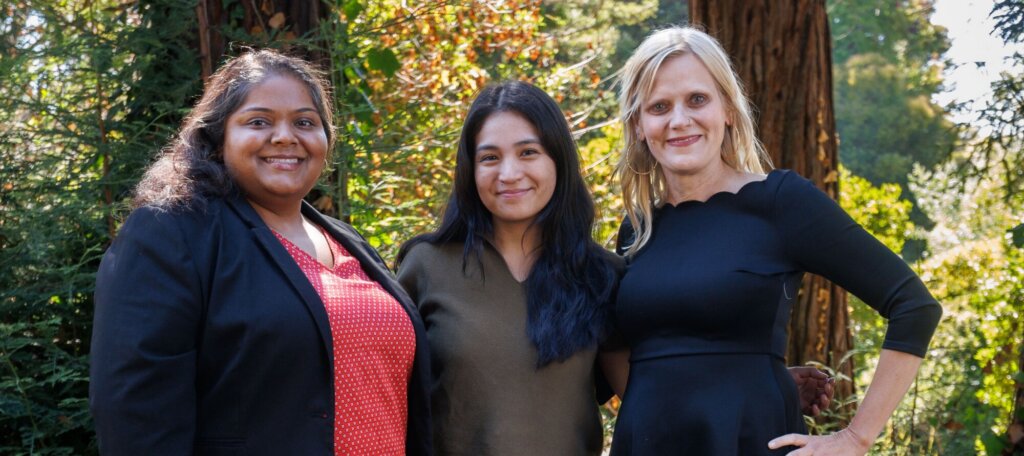
The fellows were selected from nearly 30 applicants from across California and around the world to work in newsrooms that were also independently selected. They receive a salary and benefits paid for by the state through the University of California, Berkeley, along with hands-on support from the UC Berkeley-based fellowship staff and through the Propel Initiative, led by the Maynard Institute.
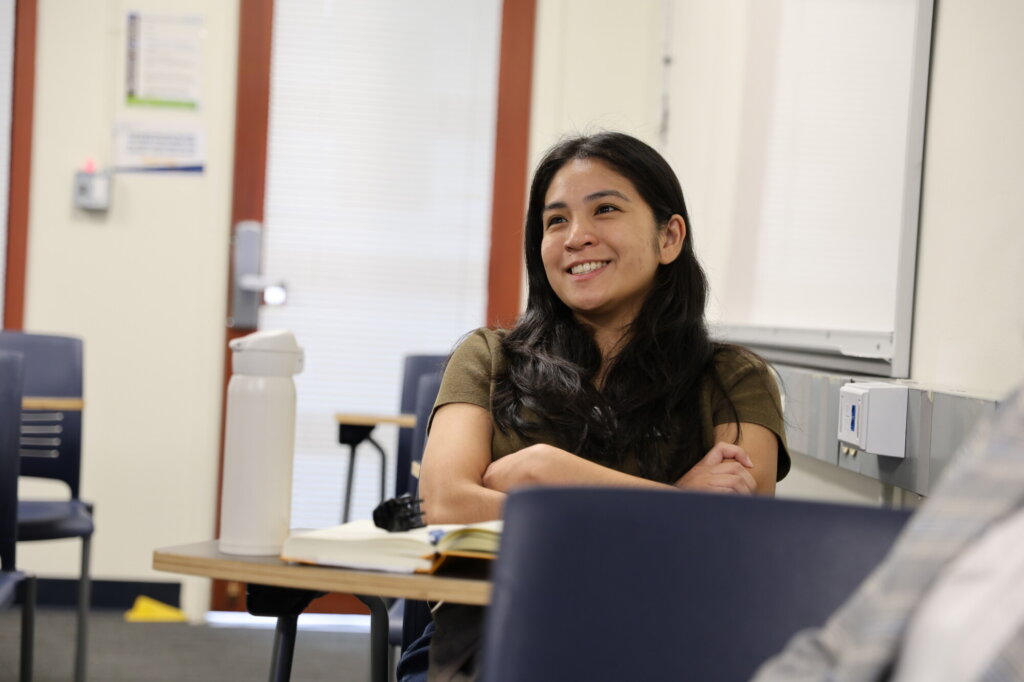
During the two-day orientation, the editing fellows participated in intensive training led by veteran editors and news leaders. The sessions focused on the critical skills editors need to manage people, edit content and navigate the evolving challenges of daily journalism.
The fellows developed skills in:
During the yearlong fellowship, the fellows will continue to receive training and mentorship in editing and leadership from Maynard Institute trainers.
“There is a strong need for good frontline editors in news organizations, and as a graduate of the Maynard Editing Program, it was important to design the curriculum with that in mind,” Felecia D. Henderson said. “Understanding what a new editor needs to know and what newsroom leaders expect of their editors are important. Rebecca Martin, newsroom cohort manager, and I want to equip the fellows with solid editing knowledge and tools.
“This wouldn’t have been possible without the extraordinary faculty, who are giving their time and talent to help ensure the editing fellows have a strong foundation.”
Communities depend on healthy newsrooms and well-supported journalists to access reliable information, stay informed and participate in civic…
While attending California State University, Northridge (CSUN), I struggled financially and scholastically. I am a photojournalist and writer,…
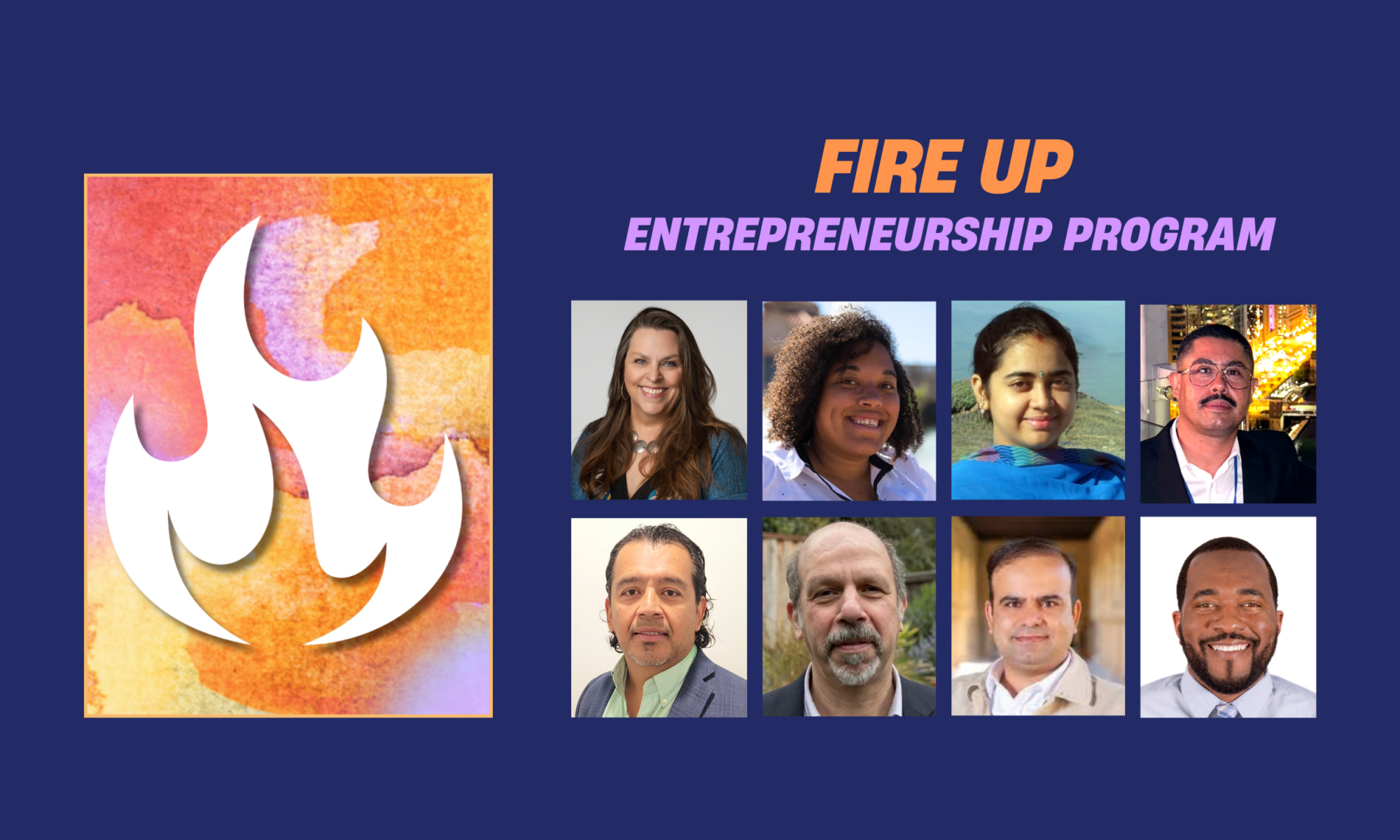
The Fire Up Entrepreneur Program, as part of the Propel Initiative, is training eight news organizations in revenue, audience, product and community with a focus on ensuring sustainability. Participants will work with experts in business, audience strategy and other topics.
The inaugural cohort of Fire Up Fellows represent the power and potential of diverse news in the State of California. Covering various beats, ethnic communities, geographical areas and language groups, the Fellows are using the program as an opportunity to expand their reach, create lasting sustainability and deepen their coverage to better serve their audiences.
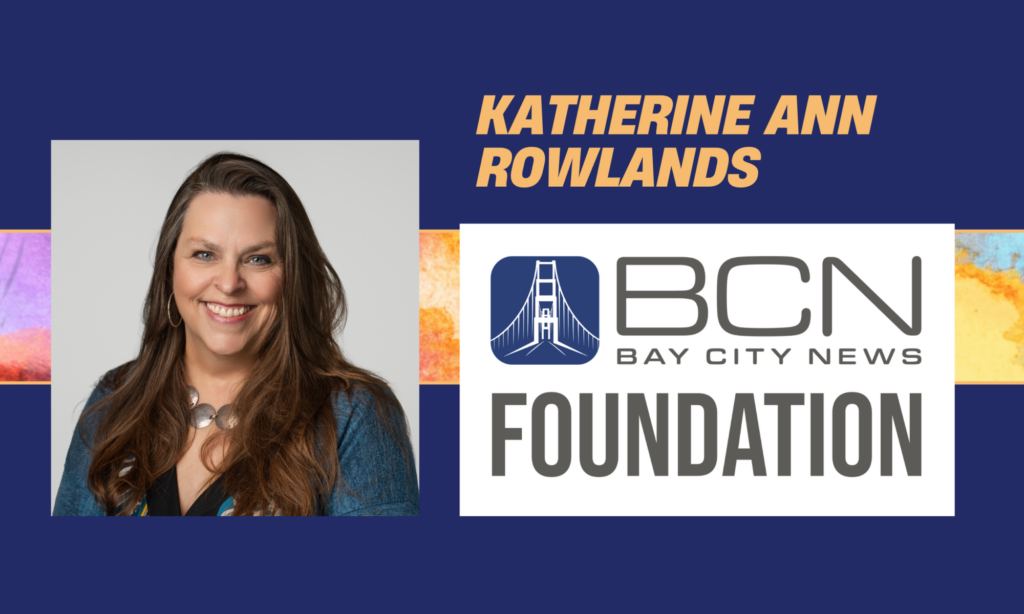
Rowlands is a longtime champion of local journalism. Bay City News, a regional news service she bought in 2018, has expanded to cover 13 counties, supplying trustworthy, original journalism for the media ecosystem, from TV and radio to newspapers to start-up digital outlets in the greater Bay Area. Its nonprofit affiliate, which publishes free content at LocalNewsMatters.org, has trained 60 paid interns, adopted transformative technology and published thousands of stories that would otherwise not be told.
Through Fire Up, Rowlands will develop Bay City News Labs to examine how to track bot traffic at the Cloudflare or WordPress plugin level to quantify and audit how intellectual property is being utilized by AI companies. What Bay City News learns could lead to revenue, block exploitation or monetize assets with the right partners. The takeaways will be shared publicly with the news ecosystem.

Mapp (she/her/akaónha) is a Kanien’kehá:ka (Mohawk). She is a Daylight San Diego co-founder and journalist who has covered Indigenous communities, caregiving, senior care, social justice, art, music, travel, food and culinary traditions since 2005. Prior to Daylight, she worked for The San Diego Union-Tribune, inewsource, Times of San Diego, North Coast Current, Indian Time and The People’s Voice. She was the outstanding graduate for the School of Journalism and Media Studies at San Diego State University in 2019.
Daylight San Diego’s audience increasingly relies on social media and alternative formats for news. Through Fire Up, Daylight San Diego seeks to revamp its newsletter ecosystem to increase engagement, grow sponsorship revenue and strengthen sustainability. By January 2027, Daylight aims to reduce video skip rates, achieve consistent engagement and generate 10 percent of organizational revenue through newsletter-related sponsorships and ads.

Lava has developed expertise in digital publishing, audience growth and revenue strategy through programs with Google News Initiative, LION Publishers and Newspack. She completed three years of training with Dan Oshinsky on newsletter growth and engagement. At India Currents, she manages communications and operations related to advertising sales and plays an active role in website development and digital transformation initiatives.
India Currents will launch Rooted in Care, a podcast connecting South Asian immigrants to trusted resources on aging, women’s health, mental health and civic engagement. Featuring experts, community leaders and service providers. The podcast will offer practical, culturally relevant guidance while leveraging partnerships with agencies and nonprofits to expand community reach.
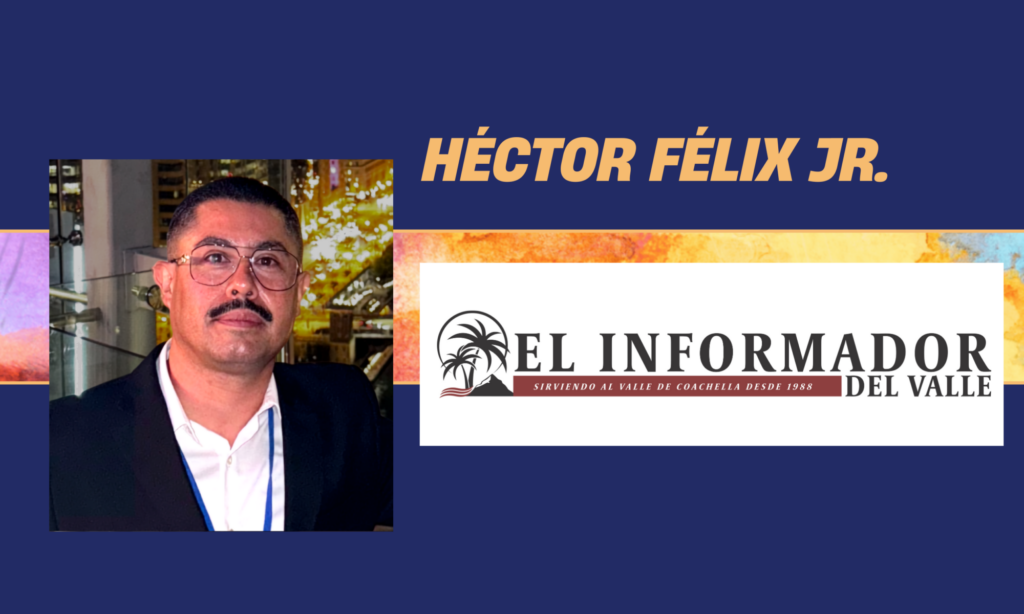
From a young age, Félix immersed himself in all aspects of the family business, El Informador del Valle. As a teenager, he gained hands-on experience in newspaper sales, reporting, photography, videography, graphic design and weekly distribution. His early involvement laid the foundation for his leadership and continued commitment to community journalism.
El Informador will do research within the community and with potential sponsors to determine the best ways to heighten ad visibility. These experiments will provide a way for El Informador del Valle to continue to uplift important stories without succumbing to outdated business models.

Hernandez is an award-winning journalist, editor and publisher with extensive experience in Spanish-language and bilingual media on the East and West coasts. He is the editor and publisher of El Latino Central Coast Newspaper, a trusted bilingual outlet serving Latino and immigrant communities across Ventura, Santa Barbara and San Luis Obispo counties. Hernandez is committed to strengthening bilingual journalism and expanding El Latino’s role as a bridge between the local society and the Latino community.
El Latino’s “Digital Forward” project pushes its editors beyond reliance on print ads. With new revenue opportunities, the outlet continue to serve Central Coast bilingual communities for free. We’ll expand service journalism for immigrants, especially around health, immigration, education and civic information while building long-term sponsorship and digital engagement strategies.

As MindSite News launches its Bay Area bureau, Waters returns to his roots in Bay Area community journalism. In the 1980s, he was editor of the Tenderloin Times, which reported extensively on mental health. His journey since has largely focused on covering health and mental health through a social justice lens.
The Bay Area has no dedicated mental health news outlet, and MindSite can fill this gap while boosting its sustainability by opening new revenue streams. To ensure the coverage reaches communities most in need, MindSite will tap into established relationships with community-based service and advocacy organizations.
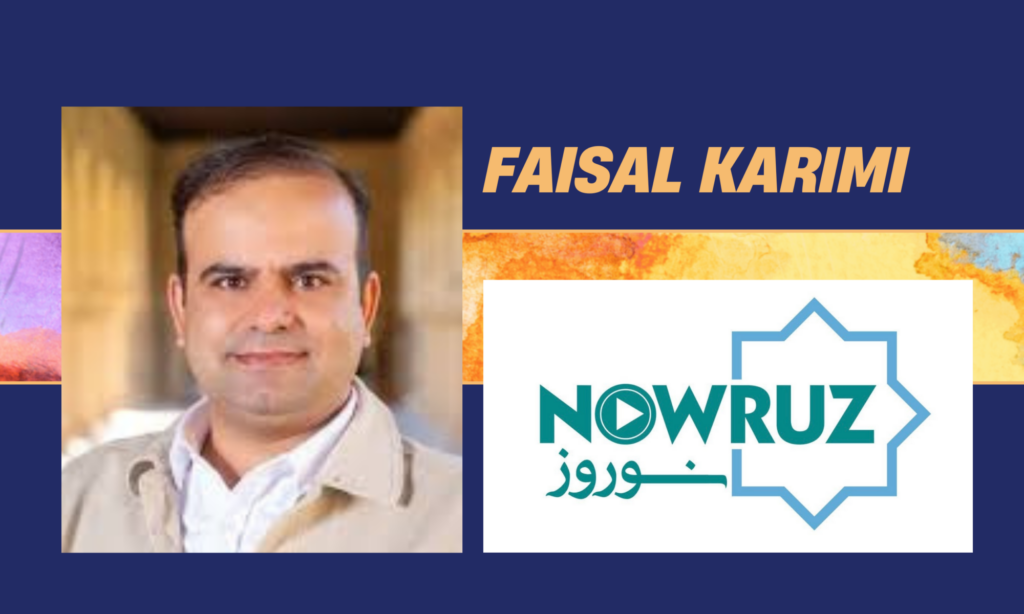
Karimi is a senior journalist, journalism educator and media entrepreneur with more than two decades of experience. He is the founder and director of Nowruz Media, a multilingual California-based community newsroom serving Afghan immigrants, and he founded the Afghanistan Institute for Research and Media Studies. He is an alumnus of the John S. Knight Journalism Fellowship at Stanford University and currently teaches journalism at Sacramento State University.
Nowruz Media will develop the Nowruz Community Hub, a multilingual resource desk for Afghan immigrants in California. Through Farsi/Dari, Pashto and English explainers, guides, WhatsApp, newsletters and community listening, Nowruz provide trusted information to drive civic engagement and increase public safety while building a stronger audience and revenue model.
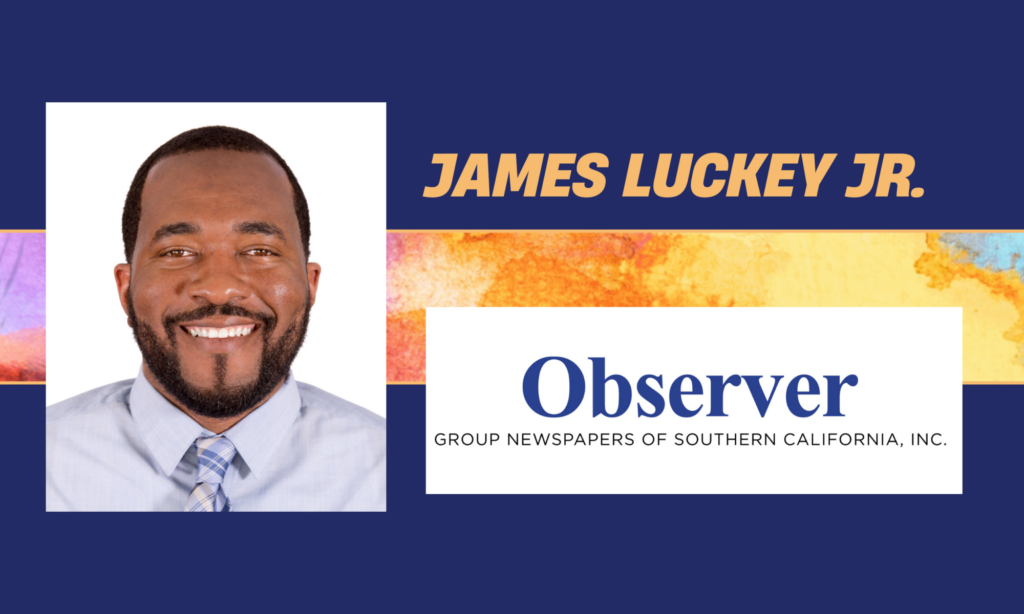
Luckey is the editor of Observer Group Newspapers of Southern California, a Black press institution founded in 1977 that serves Bakersfield, Los Angeles and the San Joaquin Valley. Born and raised in Bakersfield, Luckey grew up inside the newsroom under the founding family’s mentorship before stepping into leadership. A Kern County Black Chamber of Commerce honoree, he is modernizing the organization’s digital presence while preserving its century-long commitment to Black community journalism.
Black community stories are buried by algorithms and missed by legacy outlets, so Observer Group Newspapers is launching News Observed, a mobile platform to let Black Southern Californians submit reports on their own neighborhoods. Observer Group will create a pipeline with editorial oversight and plan to publish at least 50 community-contributed stories before January 2027.
Communities depend on healthy newsrooms and well-supported journalists to access reliable information, stay informed and participate in civic…
While attending California State University, Northridge (CSUN), I struggled financially and scholastically. I am a photojournalist and writer,…
By Andrea Lampros, Communications Director, UC Berkeley Journalism. Originally published by UC Berkeley Journalism.
California is reinforcing its role as the national leader in rebuilding local journalism, approving a $15-million investment in reporting and editing fellowships and newsroom leadership training and sustainability initiatives in the state budget signed by Gov. Gavin Newsom last week.
This funding supports the UC Berkeley Journalism-based California Local News Fellowship— the nation’s largest publicly funded journalism initiative — and the Maynard Institute’sPropel Initiative, a groundbreaking leadership and newsroom sustainability effort led in collaboration with American Community Media, California Black Media and Latino Media Collaborative.
The budget also includes $10 million for the Civic Media Program, funded by the state, which will be matched by a minimum $10-million contribution by Google.
“California has long led the nation in creating opportunity for its millions of residents. This model of funding independent local journalism and newsroom sustainability is yet another way California is showing leadership, especially at a time when the dark clouds of authoritarianism and the scourge of disinformation are threatening to undermine freedom of the press,” said Michael D. Bolden, dean of UC Berkeley Journalism. “Lawmakers have shown a steadfast commitment to local transparency and accountability and to democracy itself. They realize that the public good requires a resolute investment in trustworthy news and information.”
The California Local News Fellowship and Propel Initiative together provide a national model at a time of crisis for journalism, a period marked by an unprecedented rise in news desertsand the plunging number of local journalists per capita.
“California’s lawmakers have again recognized that everything we care about in our local communities — from affordable housing to excellent education to safeguarding the environment — is enabled by robust local journalism,” said former state Sen. Steve Glazer who championed the local news fellowship with $25 million in state funding in 2022.
Glazer retired from the Senate in 2024 but has continued to be deeply engaged in supporting renewed funding for local journalism.
This year, legislative leadership for the state’s investment was provided by Senate President Pro Tempore Monique Limón (D-Santa Barbara), Sens. Ben Allen (D-Santa Monica), Catherine Blakespear (D-Encinitas), Melissa Hurtado (D-Bakersfield), John Laird (D-Santa Cruz) and Assembly Speaker Robert Rivas (D-Salinas), Assemblymembers David Alvarez(D-San Diego), Marc Berman (D-Menlo Park), Jesse Gabriel (D-Encino), Buffy Wicks (D-Oakland) and Lori D. Wilson (D-Suisun City). Many other legislators stepped up to support the funding.
The California Local News Fellowship program led by journalist Monica Campbell has nearly 70 early-career reporting fellows currently serving communities from Shasta County to the Inland Empire. To date, 110 fellows have produced more than 10,000 stories to help keep Californians informed about important issues, such as immigration, housing, education, and more. The latest funding ensures that fellows will serve California communities through 2029.
Fellows and partner newsrooms are independent, competitively selected and based in counties that currently account for approximately 90 percent of California’s population. State funding has supported four cohorts of full-time, two-year reporting fellows, editing fellowships and new health reporting fellowships, which also receive support from the California Health Care Foundation.
The Propel Initiative complements the California Local News Fellowship by helping community and ethnic media organizations become stronger, more resilient and financially sustainable. Led by the Robert C. Maynard Institute for Journalism Education in partnership with American Community Media, California Black Media and Latino Media Collaborative, Propel invests in the organizations that collectively serve more than 20 million Californians with trusted local news and information.
“This investment by lawmakers affirms a simple truth: Journalists, storytellers and news organizations serving California’s diverse communities must have the capacity to provide the trusted information people need to make informed decisions, hold institutions accountable and participate fully in civic life,” said Martin G. Reynolds, co-executive director of the Maynard Institute. “More than support for journalism, this is a commitment to ensuring every Californian — regardless of where they live or the language they speak — has access to trusted news and information.”
Through Propel, participating news organizations and media professionals receive training, technical assistance, and strategic support to strengthen editorial leadership, newsroom management, and storytelling through regional institutes, management development, and peer learning; build organizational capacity through technical assistance in audience engagement, business development, legal and journalism safety and operational best practices; create sustainable revenue through the Fire Up Entrepreneurship Program and the Community Media Marketplace, a first-of-its-kind statewide platform that helps community and ethnic media organizations compete collectively for major public and private advertising campaigns.
The 2026-2027 state funding will fund a fifth cohort of reporting and editing fellows, while continuing the Propel Initiative — extending California’s strategy to strengthen local journalism statewide.
“This renewed investment is a vote of confidence in the vital role that ethnic and community media play in keeping California informed, connected and represented. We’re grateful for the continued Propel partnership and committed to building on the momentum it represents.”
—Jaya Padmanabhan, Executive Director of American Community Media
“The tireless advocacy and coordinated effort of this coalition over the last several weeks showed lawmakers the true, undeniable power of the community press. This $15 million renewal is a crucial victory for information equity, ensuring our newsrooms can continue reporting on the ground where it matters most. Looking ahead, this isn’t just a budget win for today — it is a vital launchpad for building a sustainable, long-term ecosystem for ethnic media across California.”
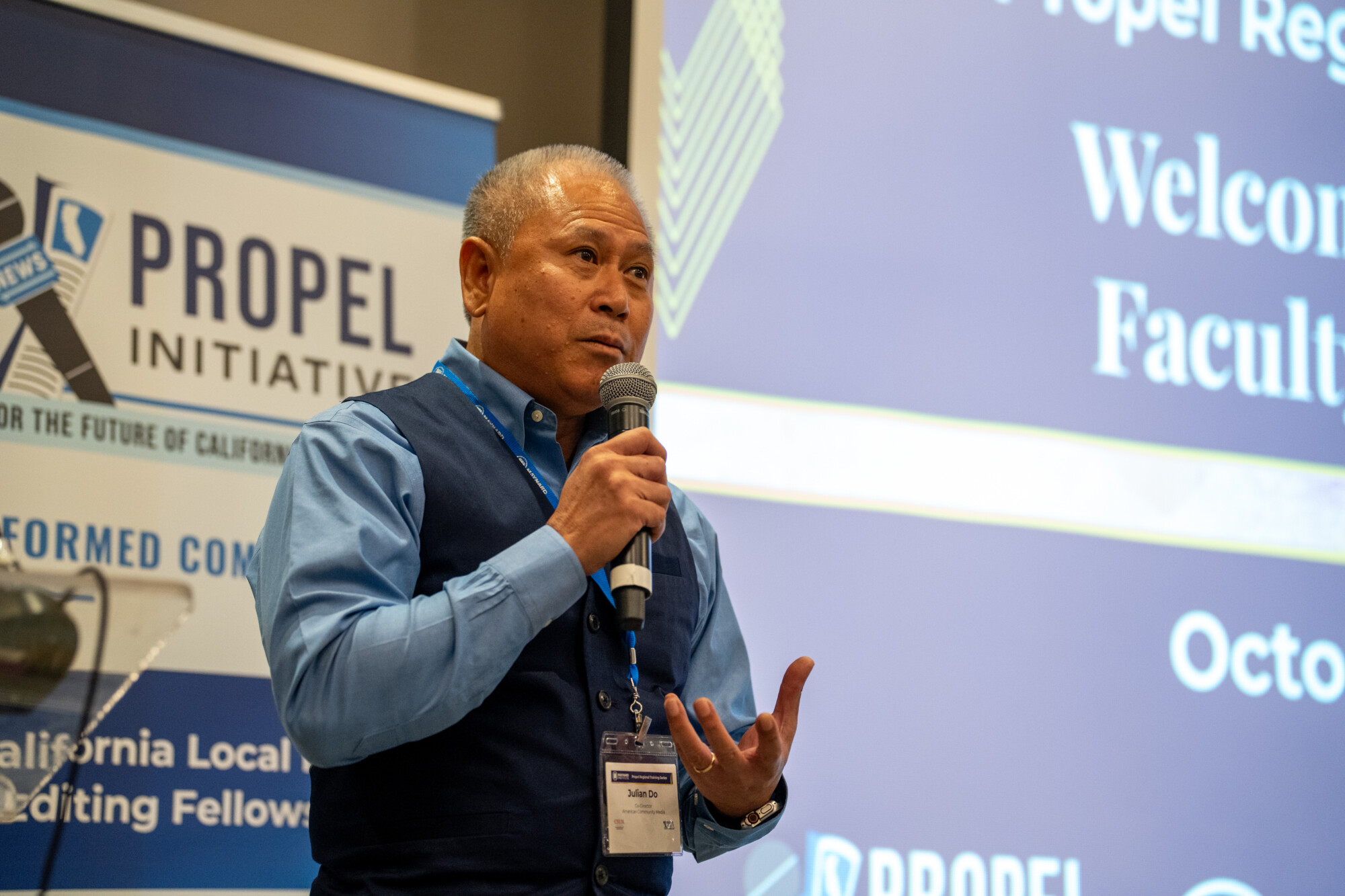
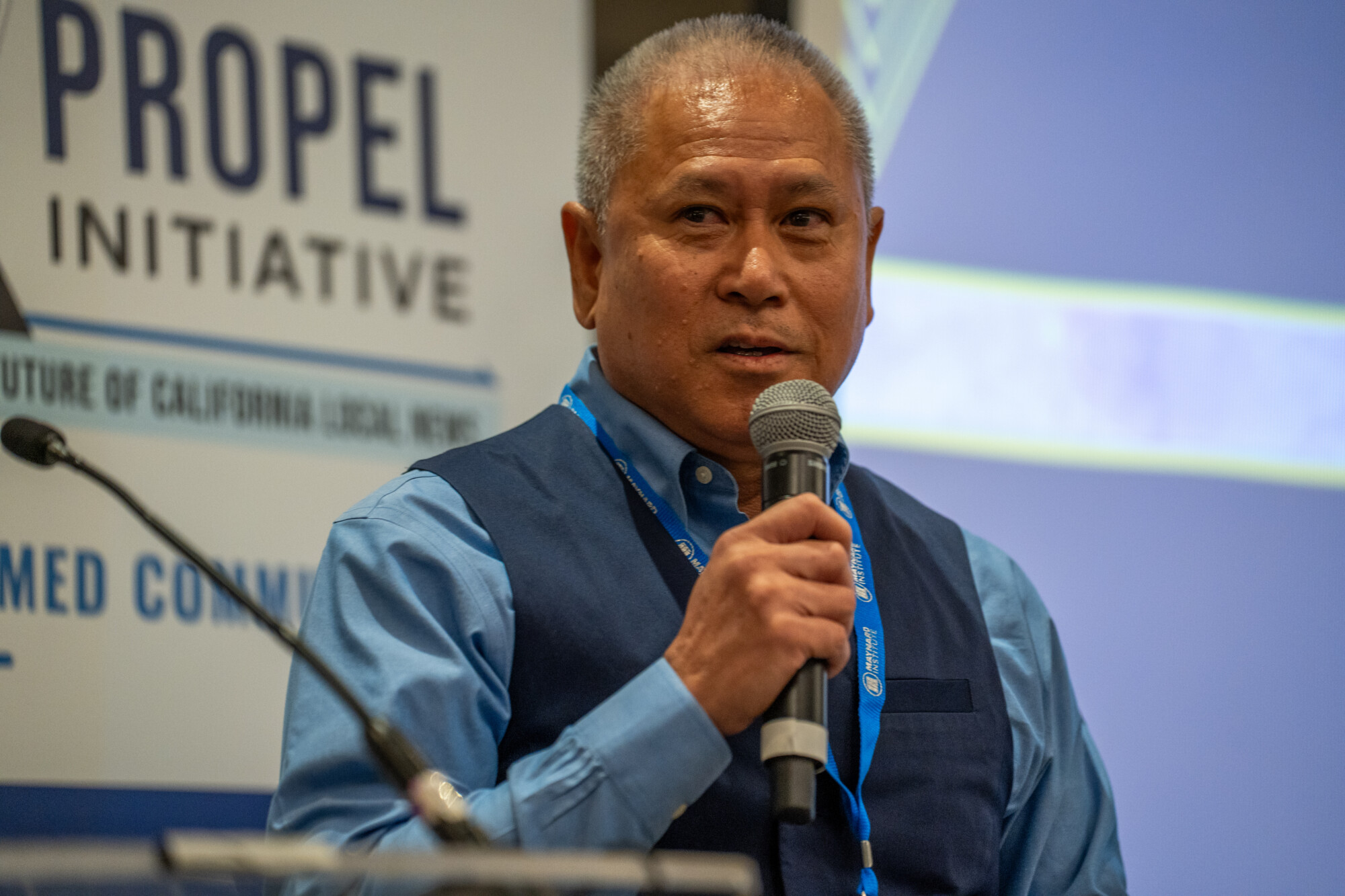
—Julian Do, Co-Director of American Community Media
“This investment is a testament to the value California’s leaders place on the role local newsrooms and community advocates play in our civic life. I’m grateful to Governor Newsom, lawmakers, our coalition partners, and supporters across state government for fighting side by side with us to secure the funds necessary to strengthen California’s media infrastructure and keep trusted local information flowing to the people who need it most.”
—Regina Brown Wilson, Executive Director of California Black Media
“Sustaining Latino and news media serving communities of color is a non-negotiable public infrastructure necessity. Alongside our partners at California Black Media, American Community Media, and the Maynard Institute, we extend our deepest thanks to Governor Newsom, Speaker Rivas, Pro Tem Limón, Senators Laird, Pérez, Hurtado, Glazer, Allen, and Assemblymembers Alvarez, Wicks and Wilson. This historic victory ensures that trusted newsrooms reflecting and serving California’s diverse population can continue their essential work.”
— Arturo Carmona, President of the Latino Media Collaborative
Communities depend on healthy newsrooms and well-supported journalists to access reliable information, stay informed and participate in civic…
While attending California State University, Northridge (CSUN), I struggled financially and scholastically. I am a photojournalist and writer,…