News / Blog
From fellowship to the field: How one alum carries Maynard’s lessons forward
Four years after completing the Maynard 200 Fellowship, William J. Ford is covering Maryland’s statehouse, explaining state politics…


Register here for the Propel Regional Training Series for Editors and Managers taking place October 22-24 in Burbank, California in partnership with the Department of Journalism at California State University at Northridge.
The Maynard Institute and Propel Initiative programs are always led by expert journalists, editors, newsroom leaders and faculty from our partner universities.
In our final Propel Regional Training of 2026, we are excited to welcome eight educators from our partners in the Department of Journalism at California State University at Northridge. Joining them from the pool of Maynard alumni and faculty are seven expert investigative journalists, innovative editors, newsroom managers, award-winning writers, C-suite executives and coaches. Together with our Maynard Institute staff, this team presents a combined century of journalism expertise.
“CSUN Journalism is proud to partner with the Maynard Institute and Propel Initiative to strengthen the next generation of newsroom leaders. This three-day training creates an important space for editors and managers and our student journalists to sharpen their leadership skills, navigate today’s complex media environment, and embrace emerging tools like AI,” said Dr. Marcella De Veaux, Chair of the Department of Journalism at CSUN.
“We’re especially pleased to bring together experienced journalists, CSUN Journalism faculty and media leaders to share knowledge and practical strategies. Together, we are investing in a stronger, more inclusive and sustainable future for California journalism.”
We will also end our Propel Regional Training in Burbank with a Regional Roundtable of News Leaders from Southern California, representing a diverse cross-section of media experience.
“We look forward to welcoming another exceptional cohort of California journalists who are transforming the state’s news landscape and reflecting the diverse voices of its communities.
The second Propel Regional Training organized by the Maynard Institute continues to deliver a curriculum grounded on actionable toolkits and customized coaching to sharpen the editing and management skills of the next generation of media professionals, while building a peer community of support and belonging. Led by award-winning editors, CSUN faculty and Maynard executives, sessions and conversations will leave participants more confident, capable and resilient – ready to lead their teams with courage, to defend civil rights, democracy and fight for human dignity in this AI reckoning,” said Odette Alcazaren-Keeley, director of the Maynard Regional Training and Communities of Practice Programs.
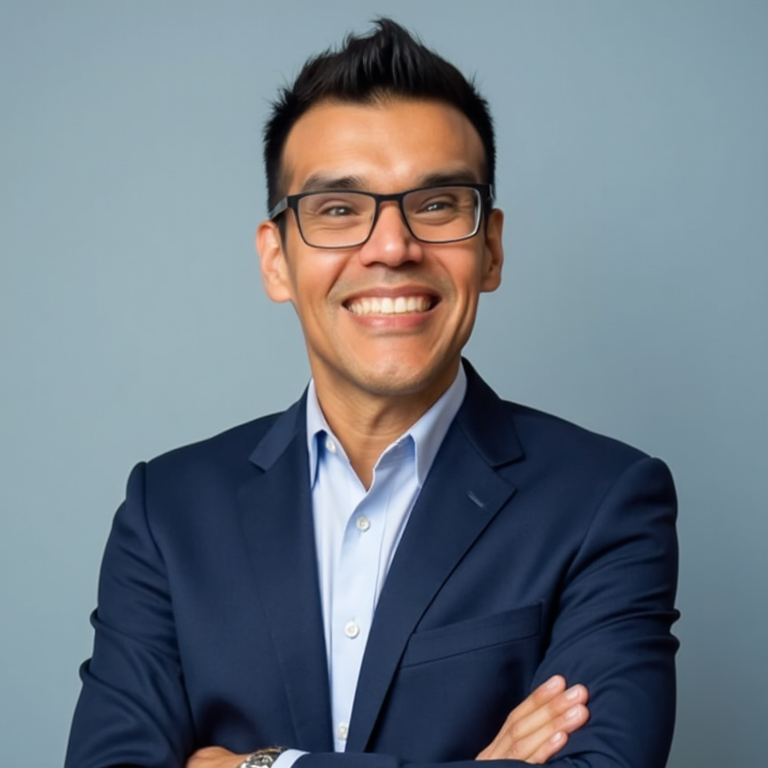
Born in East Houston, Ernesto’s life was transformed by public media. His career has traversed daily newspapers and alternative weeklies to public radio news and program director roles.
At KQED, he oversees radio broadcast content and a range of initiatives in the organization’s Content division, including leading its AI Working Group.
Prior to KQED, Ernesto served stations nationwide for five years as executive director of the National Federation of Community Broadcasters.
Session Focus: Explore how to responsibly integrate artificial intelligence into your newsroom workflow without compromising integrity or audience trust. We will cover practical frameworks for using AI tools to streamline your sourcing, editing and operations.
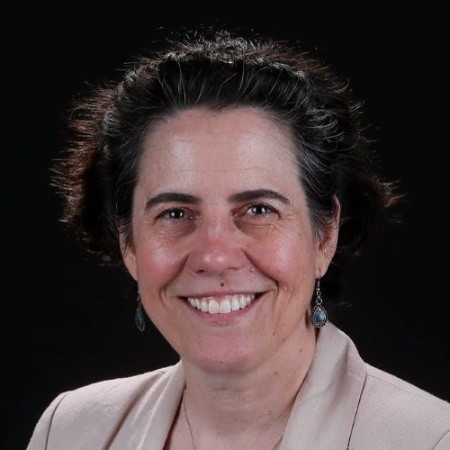
Maria is a consultant and coach after spending 36 years in seven newsrooms. She was enterprise editor at the Tampa Bay Times and Houston Chronicle and, before that, managing editor at The Virginian-Pilot. She has edited dozens of award-winning projects, regularly lectures on narrative journalism and co-hosts a podcast (WriteLane) about craft. She teaches for the Poynter and Maynard institutes, is a board member of the Virginia Center for Investigative Journalism and a juror for the Hillman Prizes.
Session Focus: Editors must be smart about where their newsroom spends time and energy. So this session will help them learn how to look for the big ideas, coach reporters through the information-gathering process and work through the copy.
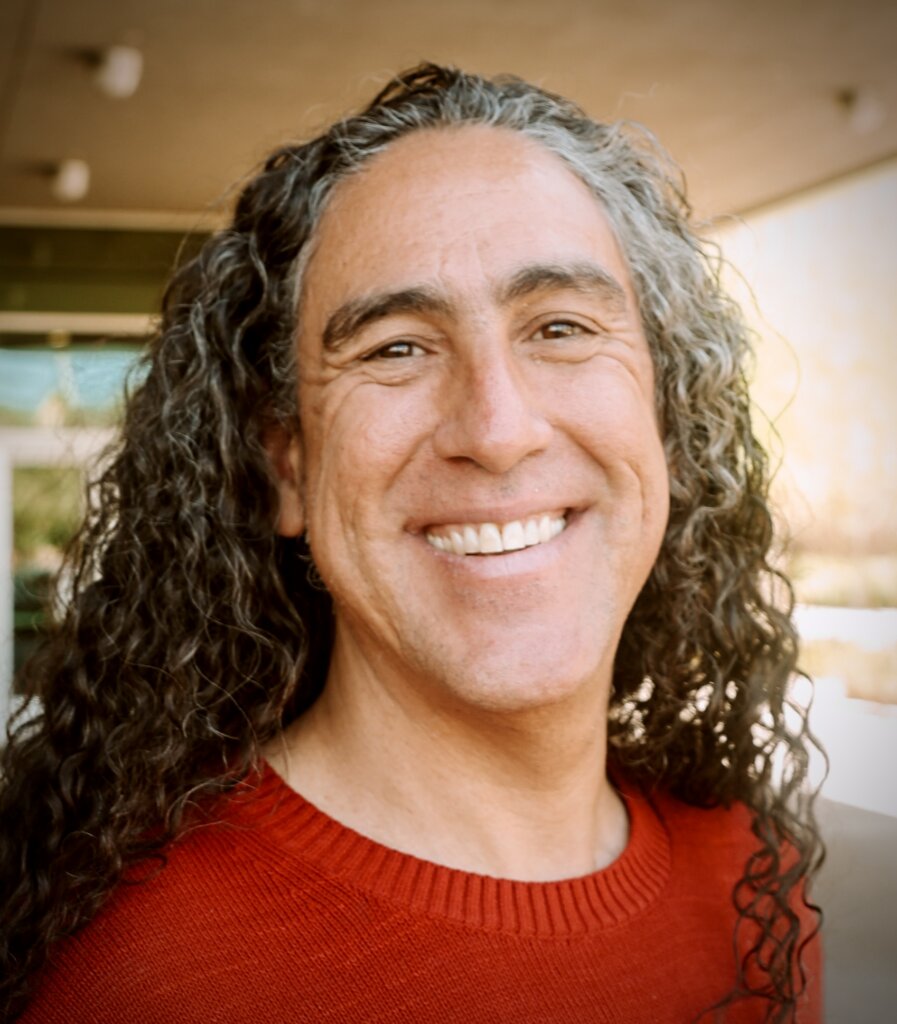
Andrés is an Emmy-award winning investigative journalist, documentary filmmaker, and educator. Primarily publishing with the PBS strands FRONTLINE, POV and VOCES, his work has focused on immigration, trafficking, human rights, and climate change.
Session Focus:
Immigration enforcement has resulted in much more than mass deportations. DHS policies and Supreme Court rulings have explicitly undermined civil liberties and the constitution, particularly targeting the First, Fourth and Fourteenth Amendments. We will look at how this rapid erosion of previously protected rights is occurring, and discuss strategies for documenting abuses in real time.
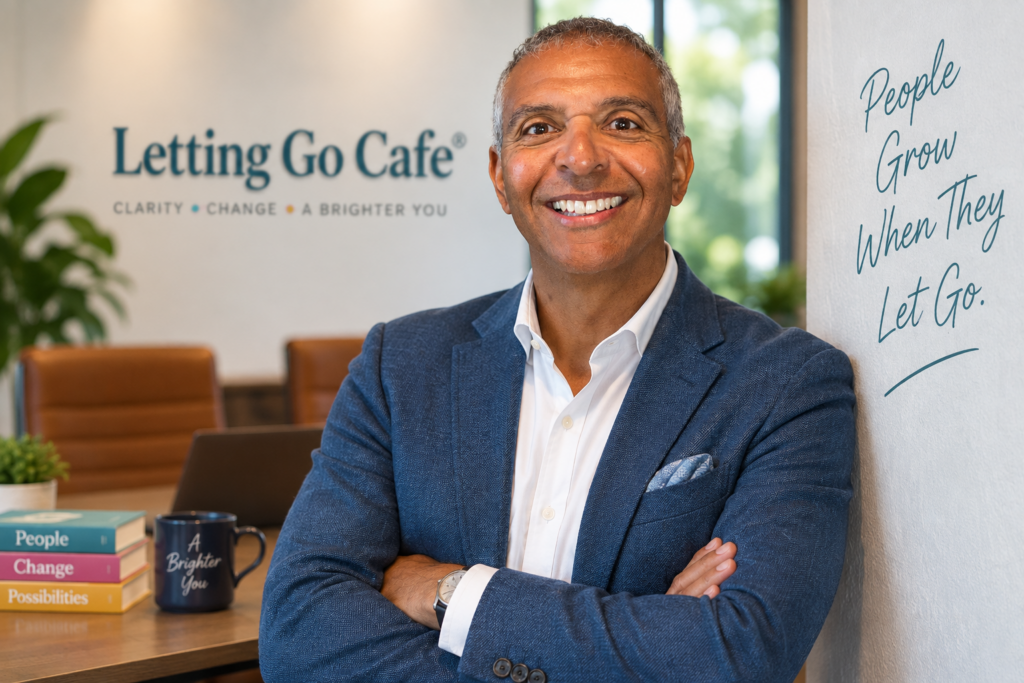
As founder of Letting Go Cafe, Inc. and its brand, Darren is one of the nation’s leading organization development consultants, life coaches, and guides in the personal development space. Darren brings 35 years of organization development and applied behavioral experience into his one-on-one sessions with executives, influencers, mid-career leaders, and business owners.
Session Focus: An interactive letting go experience centered around the power of the Self Management Grid®️. Be prepared to focus on managing burnout and stress. Change is inevitable. The real challenge is what uncertainty causes us to hold onto. Through reflection, practical strategies, and the Self Managing Grid®, this session invites media professionals to examine what they may need to release so they can navigate disruption with greater clarity, resilience, and purpose.
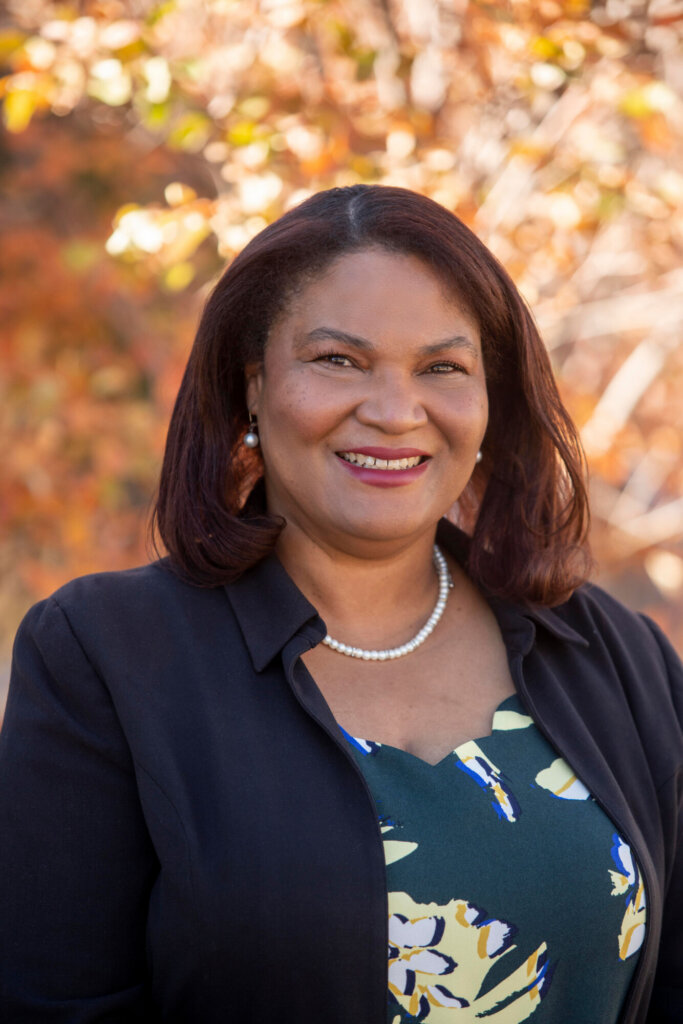
Marla is a visionary HR executive and strategic business partner who translates people strategy into measurable financial performance. She serves as Vice President of People and Culture with the Center For Investigative Reporting serving Mother Jones and Reveal. With deep expertise in talent management, organizational design, workforce strategy, and change management, she has led enterprise-wide transformations that align talent with business objectives and consistently deliver results that exceed organizational goals.
Session Focus: Focusing on leaning into their emotional intelligence, managers will receive tools to manage change. They will understand the difference between manager and leader.
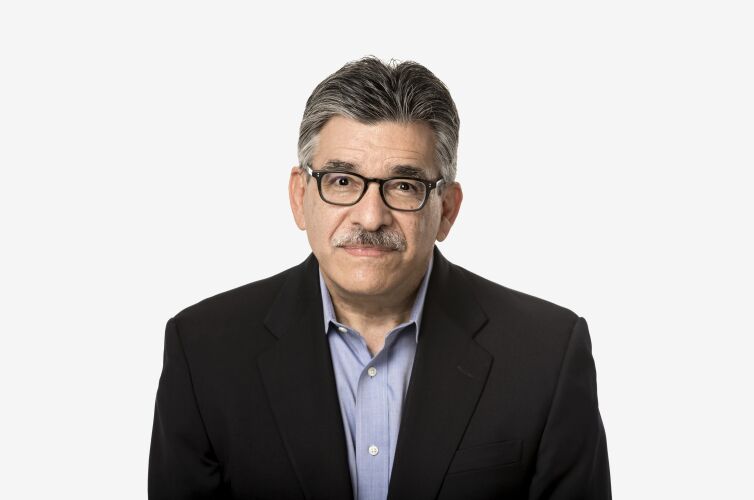
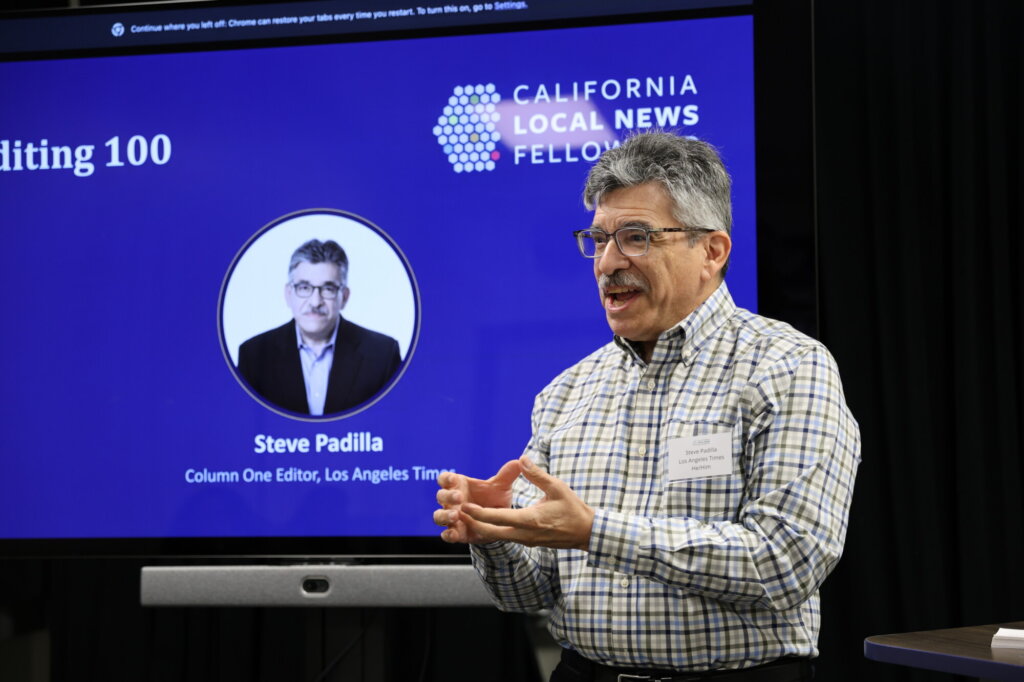
Steve is editor of Column One, the Los Angeles Times showcase for storytelling and narrative. He also works with reporters who cover immigration, the Middle East, Mexico and the Americas. In his 39 years with the Times – 36 of them as an editor – he has overseen coverage of a wide variety of topics, including presidential campaigns, California news, higher education and religion.
Session Focus: This session will cover both the human relations element of line editing — how to tell someone they buried the lede, for example — and also offer sentence-level tips on helping writers make their copy brighter, tighter and better.
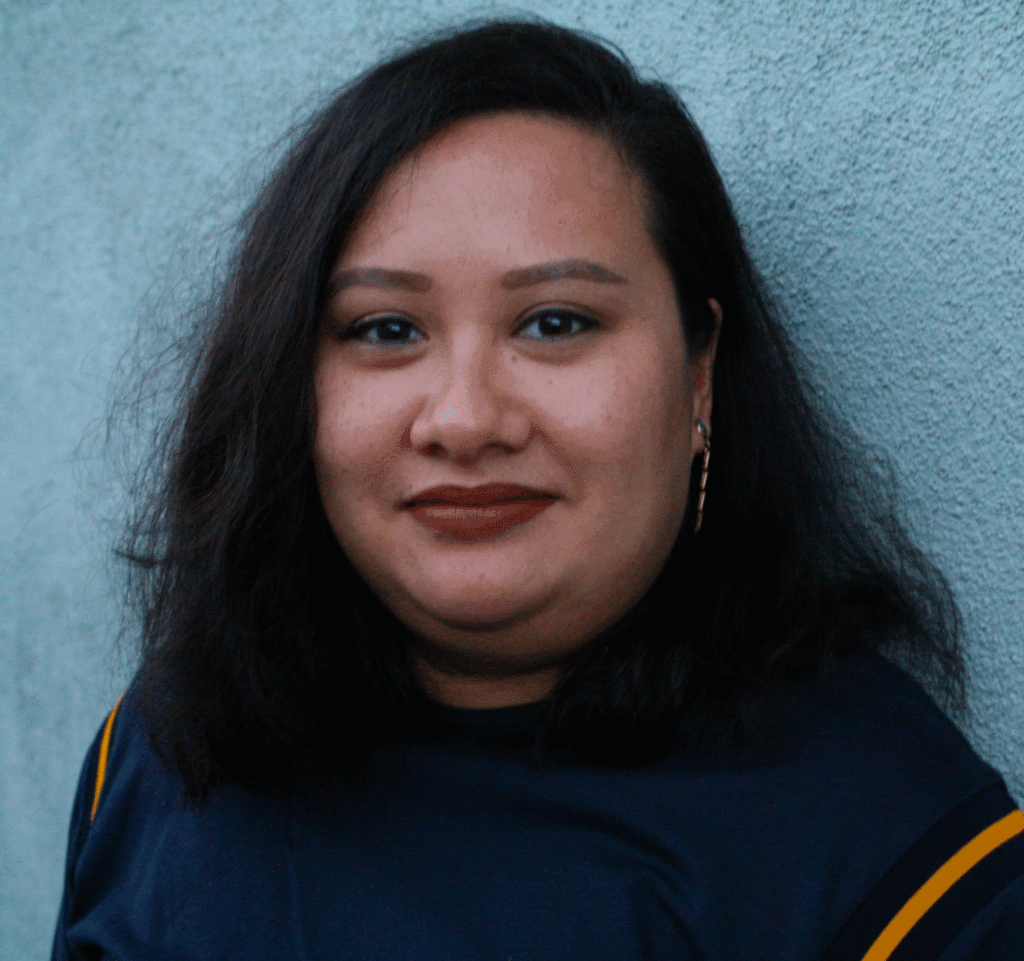
Michelle is deputy political editor at Courier Newsroom, based in Los Angeles, where she leads a political correspondent team covering California, New Mexico, Nevada, Utah, Arizona, Colorado and Alaska. She has 20 years of experience across ethnic press, independent newsrooms and digital media.
Session Focus: This interactive session gives frontline editors and managers a practical checklist for leading high-risk coverage, from ICE operations and protests to election-related threats. Working through real scenarios in small groups, participants will make the calls that fall to newsroom leaders rather than reporters, including who deploys and how, real-time check-ins, handling arrests and equipment seizures, and debriefing afterward. Everyone leaves with a one-page tool they can adapt for their own newsroom.
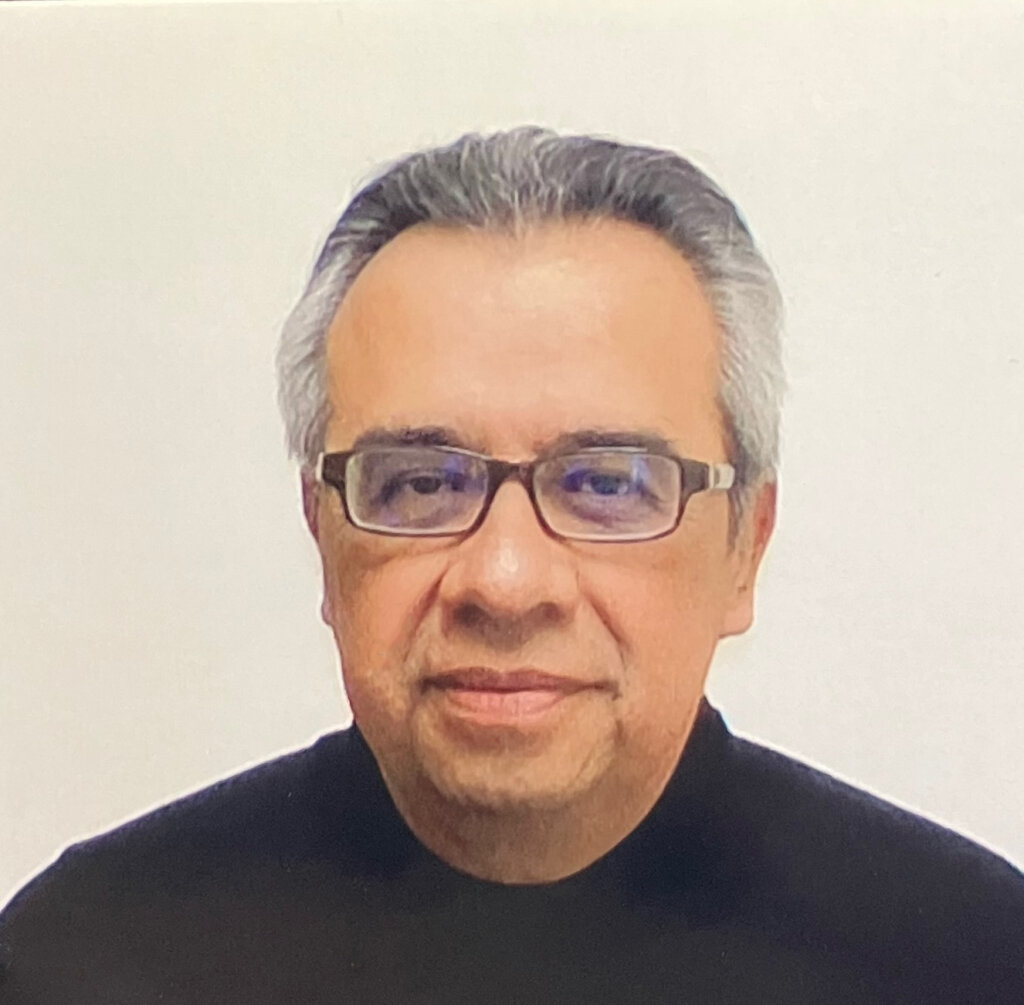
Dr. José Luis is a journalism professor at California State University, Northridge and director of the Tom & Ethel Bradley Center—a visual and oral archive focused on documenting ethnic communities of California. He created the first interdisciplinary minor in Spanish-language journalism in the U.S. and founded the Spanish-language student publication El Nuevo Sol in 2003, which he transformed in 2007 into a digital site covering global Latino communities.
Session Focus: The session will present the historical significance of the work of photojournalists working for ethnic and alternative media in Los Angeles and California preserved at the Bradley Center. The session will also encourage community/ethnic media editors to use more effectively the work produced by visual storytellers and the importance of encouraging the inclusion of proper credit to photographers; as well as the creation of photographic archives.
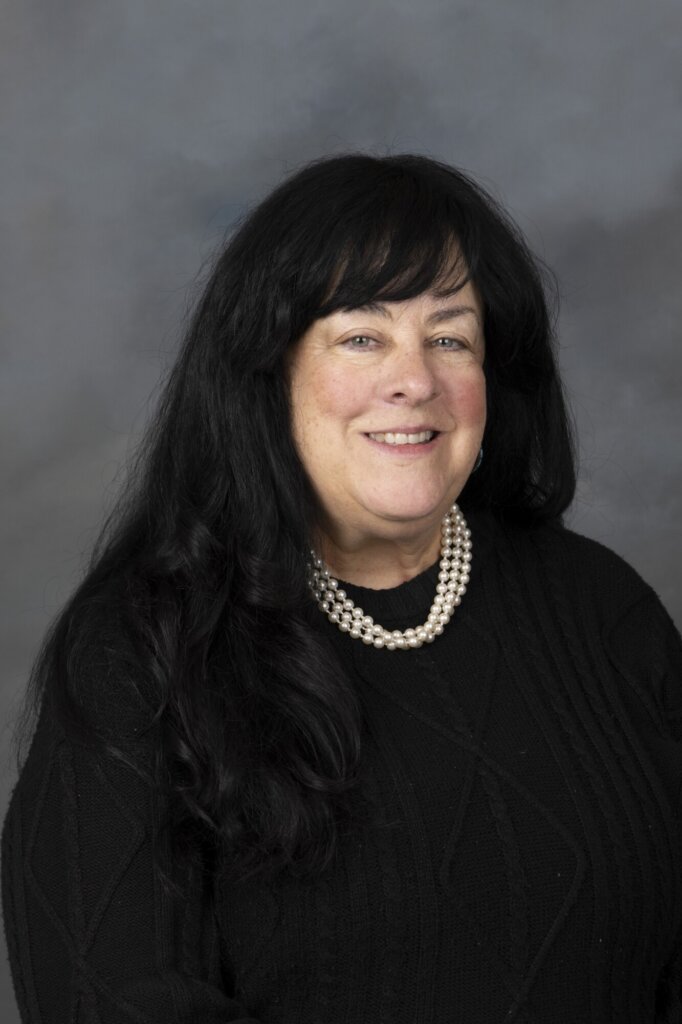
Elizabeth is a California lawyer and professor, teaching freedom of the press, digital media law and tech policy at California State University Northridge (CSUN) in the Mike Curb College of Arts, Media, and Communication, within the Department of Journalism.
Session Focus: The silencing of speech is taking a variety of new shapes in the Golden State. While California has statutory protections for journalists, a variety of new laws and government practices are reducing and restraining the freedom of the press in our state … and beyond. From the Disney/ABC settlement of a frivolous defamation case, to local ordinances limiting the First Amendment activities of journalists and observers at encampment sweeps, to the relentless retaliations by police departments against investigative reporters, we are in a new era of censorship in California.
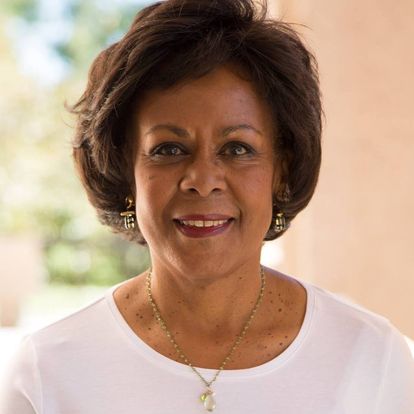
Marcella “Marcy” is a media expert and educator with decades of experience in entertainment public relations, diversity best practices, and coaching. She is a tenured professor at California State University, Northridge. Following her work as a facilitator in Faculty Development, she currently serves as chair of the Department of Journalism.
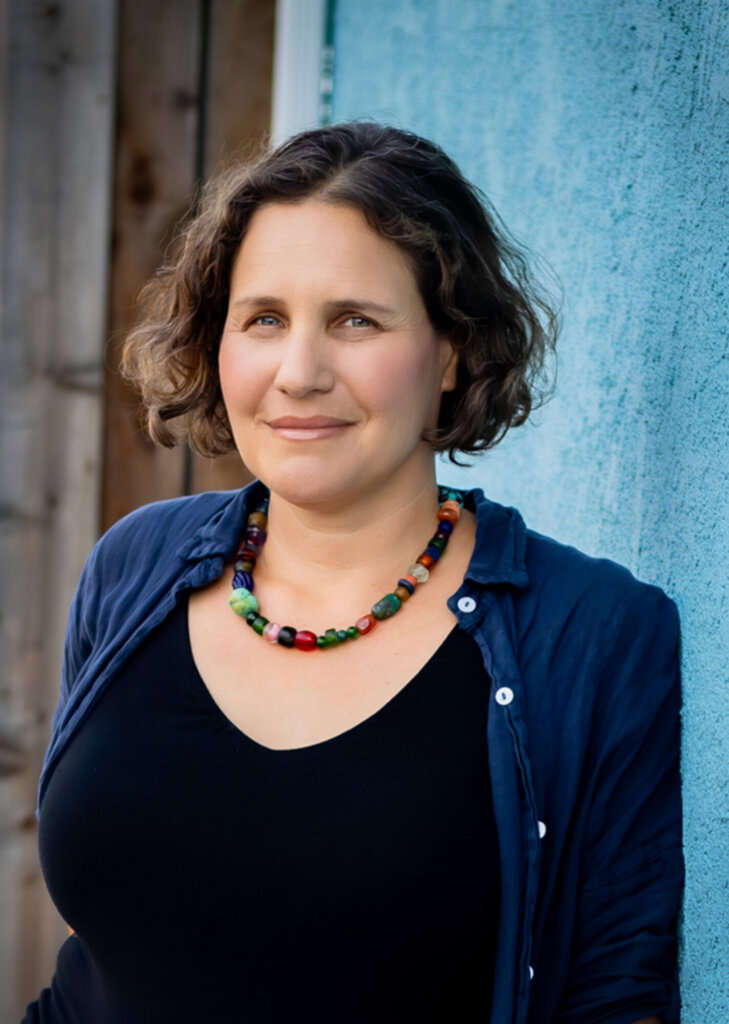
Daniela is an award-winning reporter whose work has appeared in The New York Times, Der Spiegel, Public Radio International, and the Financial Times, among other outlets. An associate professor of journalism at California State University, Northridge and editor-at-large at Zócalo Public Square, she previously worked as a community engagement editor at the LA Times and as a staff immigration reporter for the New York Sun.
Session Focus: Local Journalism That Matters: Building Trust Through Community-Centered & Student-Led Reporting. Journalism schools can lead in the community news space, not just filling gaps left by the professionals. The low barriers to innovation and collaboration allows these outlets to develop and test models with deep community engagement. The818Beat.com is a faculty-led initiative that serves as a news lab and community service, with classroom assignments creating most of the content.
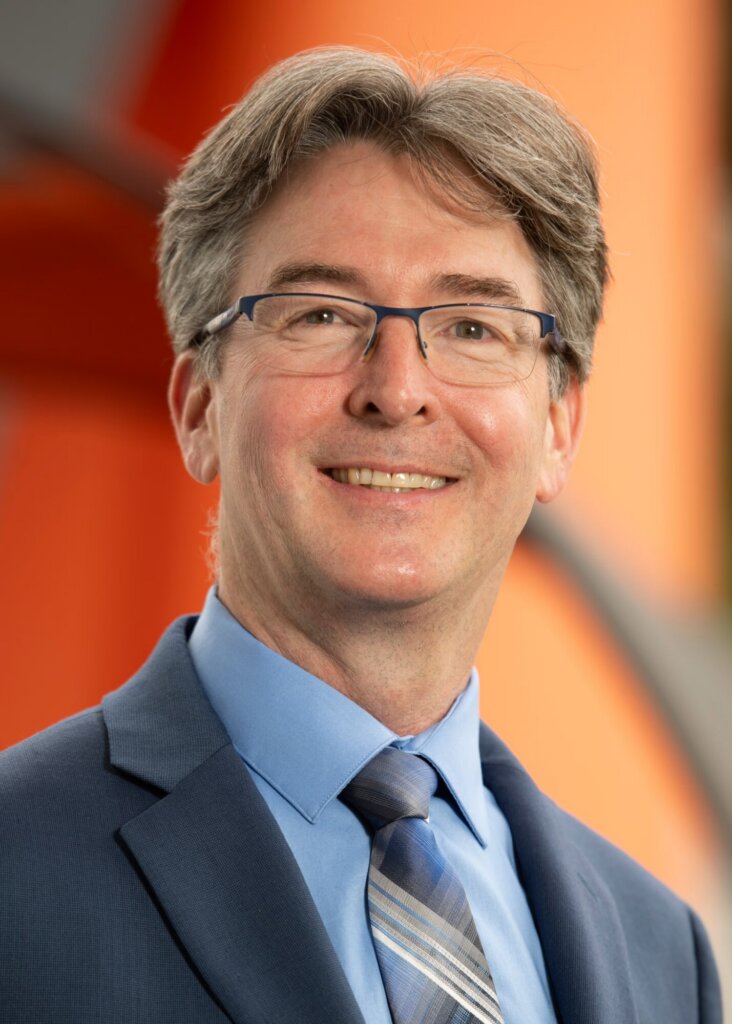
Dr. Dan Hosken is proud to serve as the Dean of the Mike Curb College of Arts, Media, and Communication, having previously served as Interim Dean, Associate Dean, and Professor of Music in the college. He brings with him a breadth of knowledge that encompasses the arts, instruction, and leadership skills spanning more than 15 years, including 13 years as a faculty member in the Music Department and 3 years as Associate Dean of the college. The Mike Curb College at CSUN enrolls over 5,000 students across the disciplines of Journalism, Communication Studies, Cinema and Television Arts, Art and Design, Music, and Theatre.
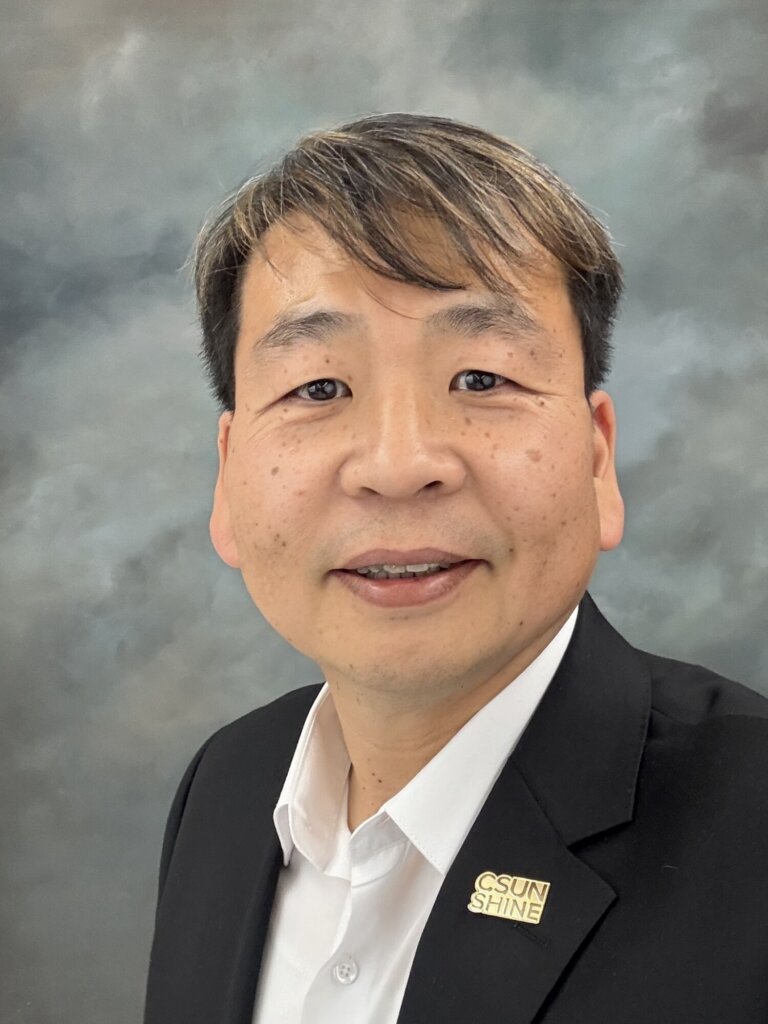
Taehyun is an associate professor in the Department of Journalism at California State University, Northridge. He holds a B.A. and an M.A. in Journalism from The Ohio State University and a Ph.D. from Washington State University.
Trained as a media sociologist, Taehyun’s research interests include the effects of corporate structures on editorial vigor, the disinformation campaigns of climate-change skeptics, and the community-maintenance role of Korean ethnic media—particularly Radio Korea—during the 1992 Los Angeles riots. He has published numerous studies on media coverage of the riots and has served as a columnist for Radio Korea and Miju Sisa Journal.
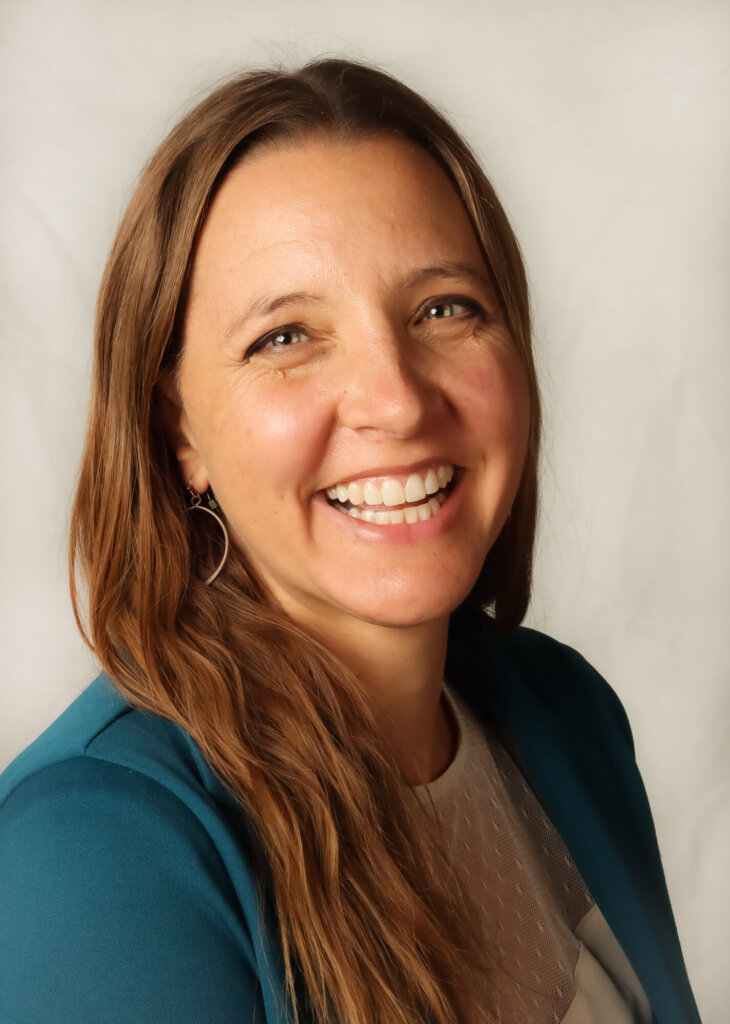
Gretchen is an associate professor in the Journalism Department at Cal State University, Northridge focusing on Digital Media and Emerging Journalistic Practices.
She worked her industry career in newspapers finishing up as the managing editor for digital at the Ventura County Star. Gretchen has a professional and research interest in innovation and digital news production. She earned a master’s degree in digital journalism and design from the University of South Florida, St. Petersburg, and her BA from UCSB despite her job at the Daily Nexus student newspaper.
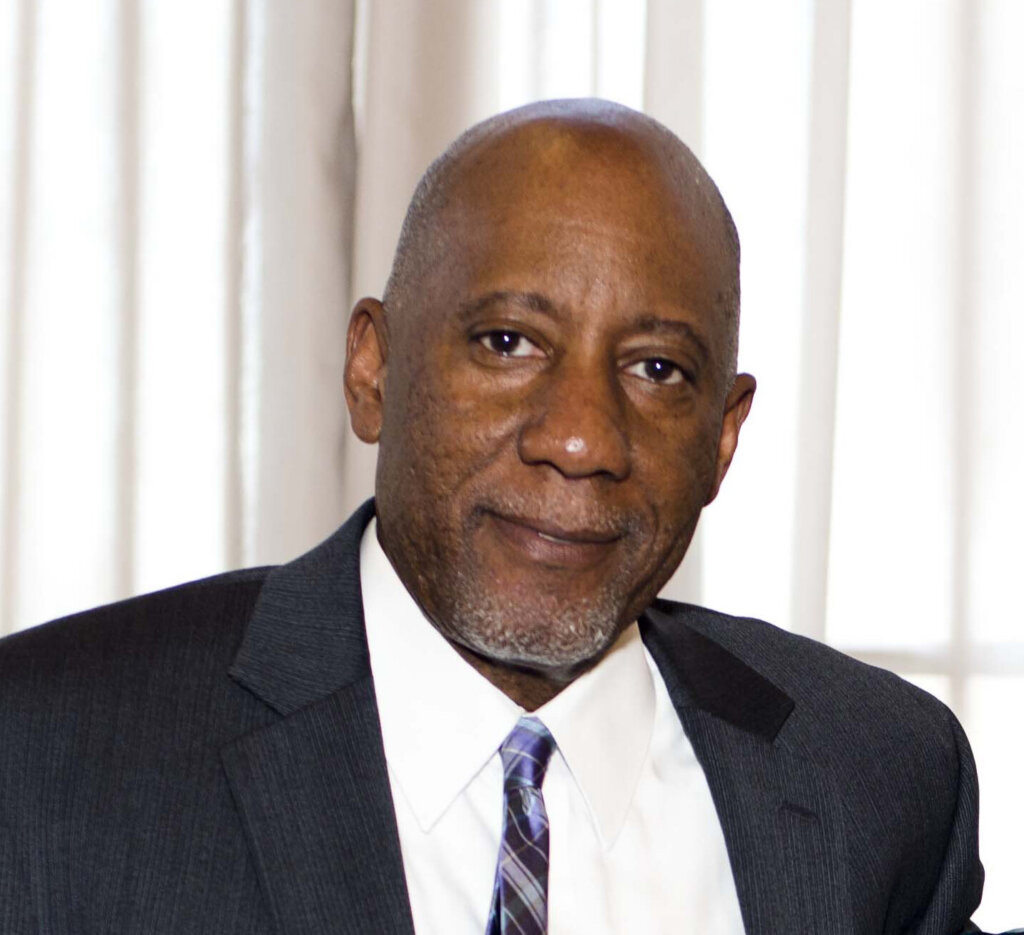
Keith is the historian and certified archivist at the Tom & Ethel Bradley Center located at California State University, Northridge. The Bradley Center is the home of photographic, and oral histories that document the attested historically underrepresented communities in Los Angeles.
Prior to becoming a historian, Keith had careers as a computer technician for the General Electric Company, and as a songwriter, producer, studio and live sound engineer for Earth Wind and Fire guitarist Al McKay.
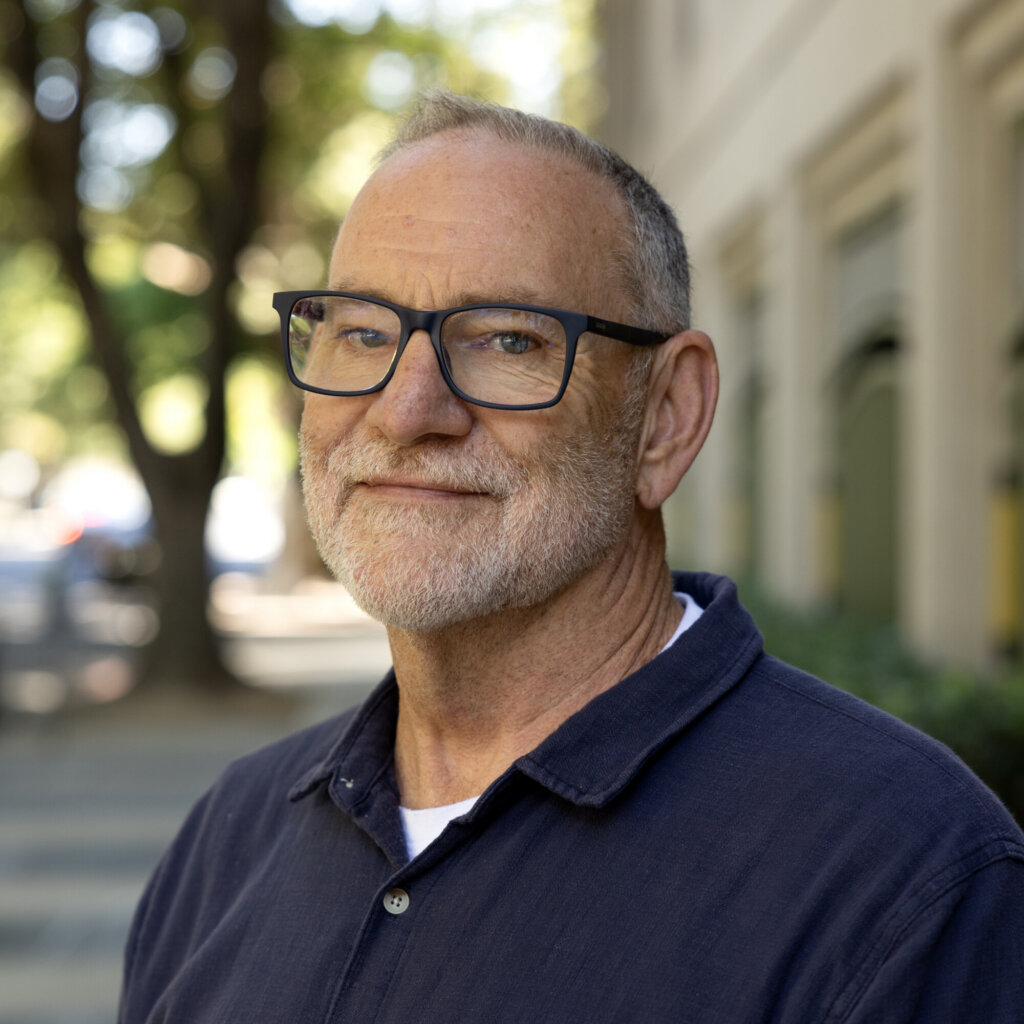
John is the managing editor of CalMatters, where he oversees six teams of reporters and editors who specialize in reporting on state politics and policy with an emphasis on government accountability.
Before moving to CalMatters, he spent four years as managing editor and senior news director at The Press Democrat in Santa Rosa, helping lead the paper to more than a half dozen national journalism awards for investigative, explanatory and storytelling projects on subjects ranging from government corruption, death with dignity and the forced sterilizations of mental health patients.
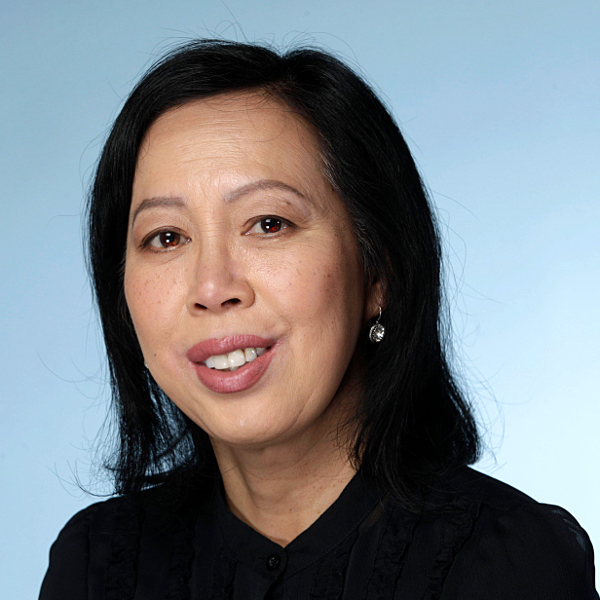
Anh, deputy editor for culture and talent at the Los Angeles Times, helps manage its internship, fellowship, recruitment and training programs. Before this job, she worked as community engagement editor and as a Metro reporter covering Asian American issues and general assignments for 11 years.
Anh has reported for the Seattle Times, the Orange County Register and Nguoi Viet Daily News, the largest Vietnamese publication in the U.S. and founded by her late father. Born in Saigon, she is a graduate of USC with degrees in journalism and English.
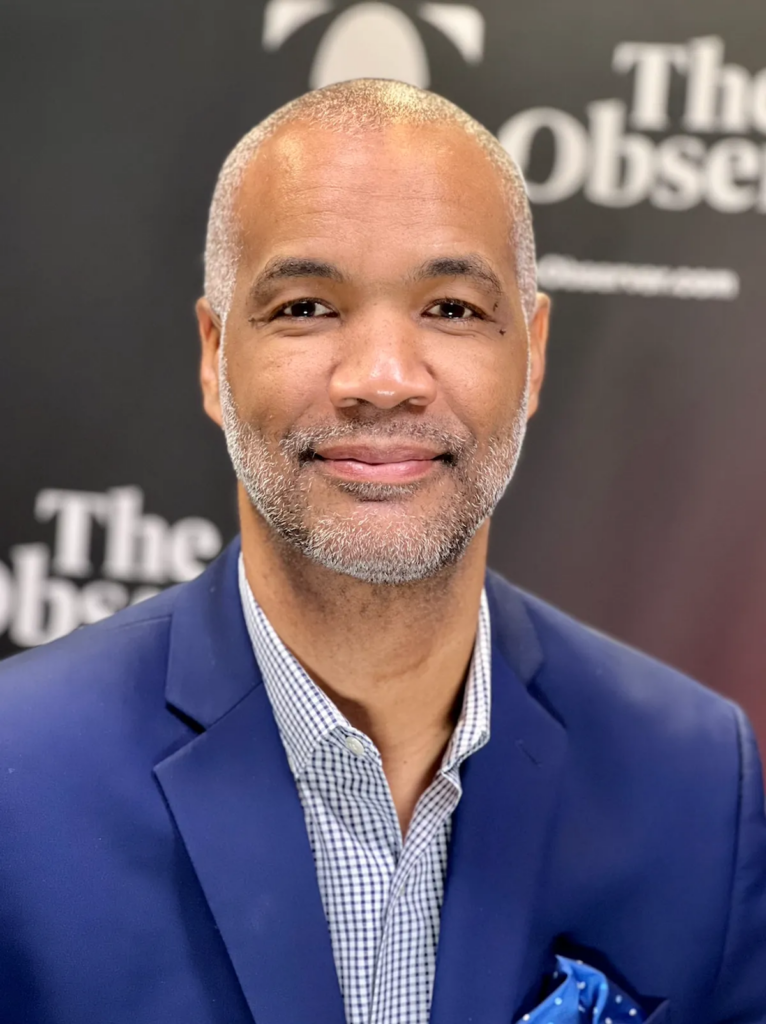
Larry is president and publisher of The OBSERVER Media Group (Sacramento, California) and The Sacramento OBSERVER Newspaper.
The OBSERVER, founded in 1962, has been named the best Black newspaper in America eight times and has received more than 800 awards for its journalism excellence and community service. On March 16, 2026, The OBSERVER extended its reach by launching a newsroom in Stockton, California.
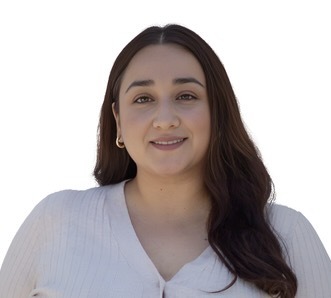
Joanna is the news director at CALÓ News, leading coverage of issues impacting Latine English-speaking individuals in California, Arizona and other parts of the Southwest. She previously worked at La Voz Arizona and The Arizona Republic, part of the USA Today Network, as its communities editor, leading bilingual coverage of Arizona Latines and Spanish-language coverage of breaking news across the country.
Earlier in her career, she freelanced for multiple Southern California newsrooms and worked as a digital reporter/editor for La Opinión.
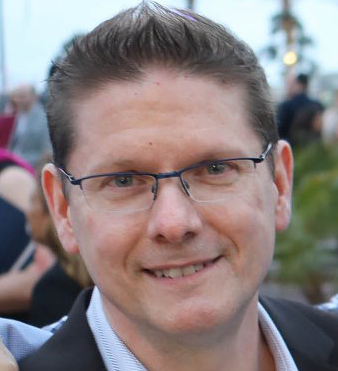
Phillip, an award-winning journalist, has a habit of bringing queer news out of the closet.
Phillip’s journalism has won two awards, and he has been nominated for his reporting, including a two-part investigation that exposed anti-gay bullying of local high school students and the school districts’ failure to implement state mandated protections for LGBTQ+ students.
Phillip created Q Voice News after seeing that the greater Los Angeles region, including Long Beach where the newsroom is based, is a news desert for the LGBTQ+ community.
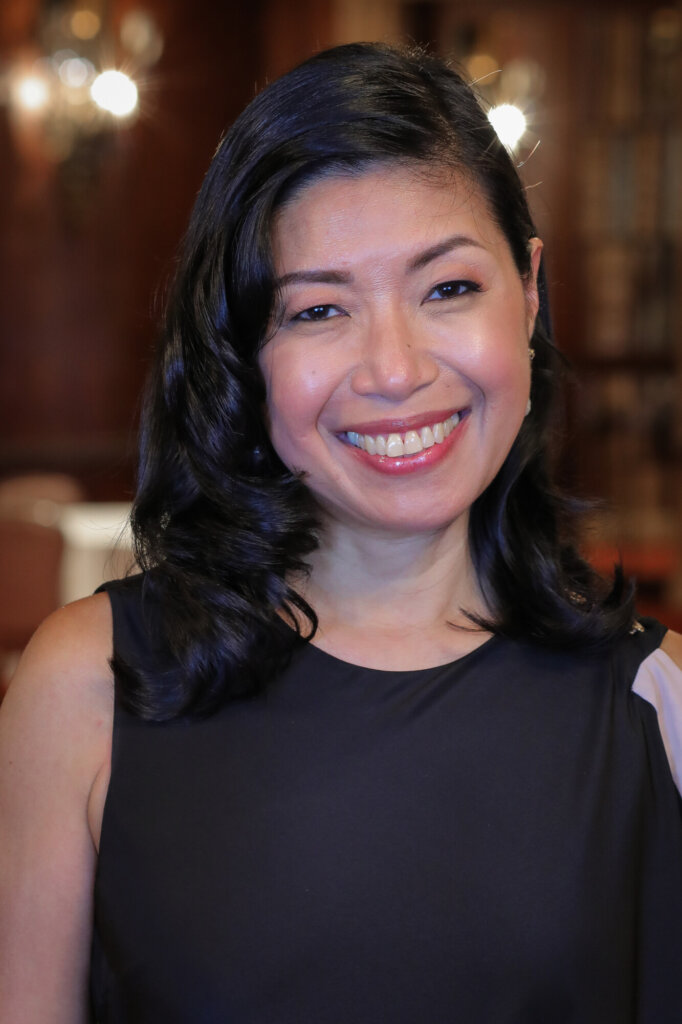
Odette is director of the Maynard Regional Training and Maynard Communities of Practice programs. Previously, she had served as director of the Maynard Institute’s flagship fellowship program, Maynard 200.
She is also a diversity communications and media executive, serving as president and founding partner of Global MediaX. A respected broadcast journalist, Odette’s career spans 25-plus years in the United States and the Philippines. Previously, at New America Media [NAM], she was the national media network director, television and radio news anchor/executive producer, as well as chair and co-emcee of the NAM Ethnic Media Awards.
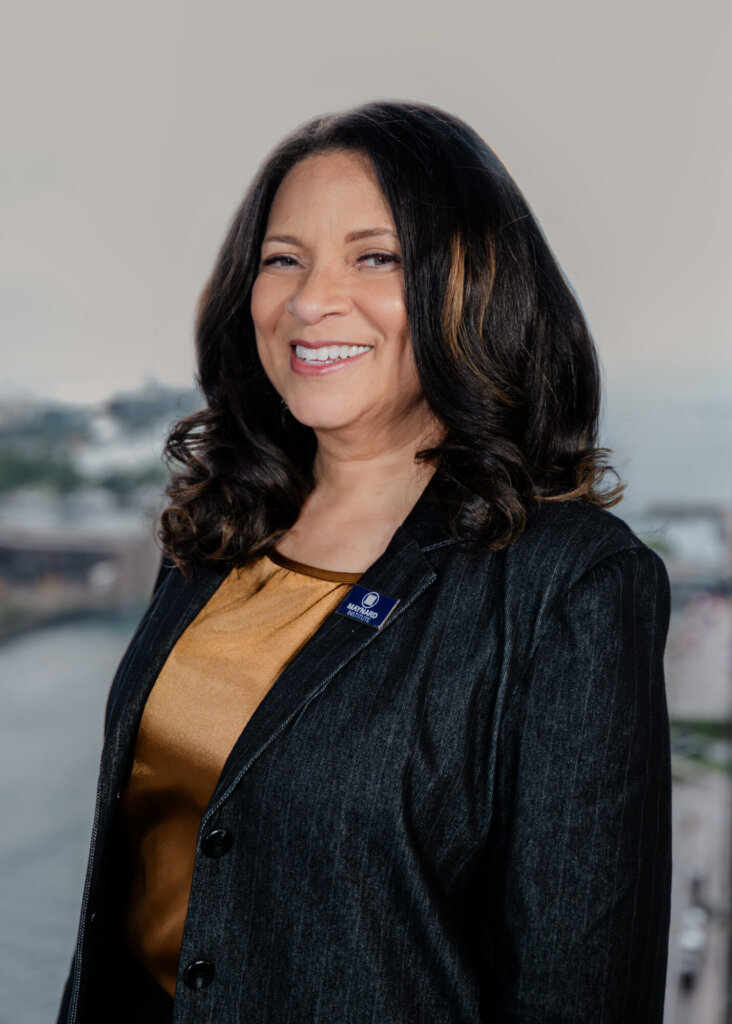
Felecia is the senior director of strategic initiatives at the Maynard Institute for Journalism Education. She has been a trainer on diversity, equity, inclusion and belonging in journalism to more than 500 print and broadcast news organizations since 2020. In 2023, she was co-leader of the institute’s Newsroom Transformation Program and in 2024, Henderson served as Executive-in-Residence of the Maynard 200 management training program at the Bob Schieffer College of Communication, Texas Christian University.
In her current role as senior director, Felecia develops new training initiatives and oversees management training programs that strengthen individual leadership skills and help organizations improve workplace culture to drive sustainable performance and growth.
Session Focus: What shapes the way we see a story and the way we see one another? The Maynard Institute’s Fault Lines® framework provides a powerful lens for understanding how race, class, gender, generation, geography, sexual orientation and other intersecting identities influence our perspectives and experiences.
Session Focus: Having difficult conversations is a part of the job. In this interactive session, learn strategies for delivering feedback, handling conflict, and navigating emotionally charged topics with professionalism and empathy. Trainees will be asked to role-play scenarios.
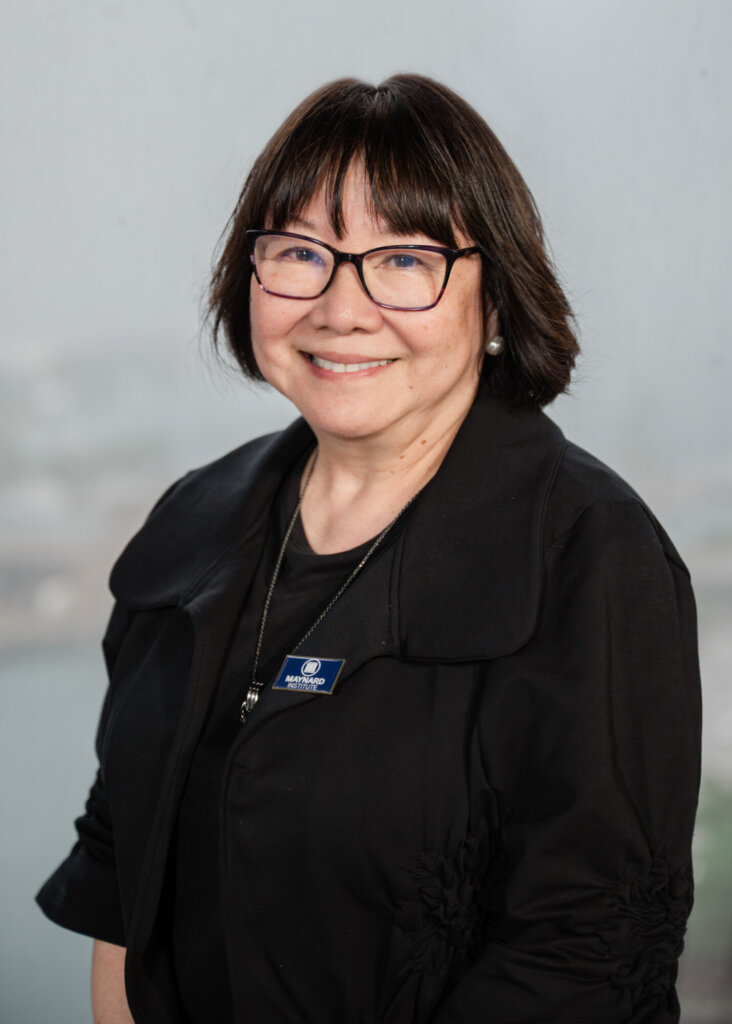
Evelyn is co-executive director of the Robert C. Maynard Institute for Journalism Education. Prior to joining the Maynard Institute, she was a member of the faculty of the Poynter Institute and before that, she was an associate director of the American Press Institute.
She has worked as a reporter for The Washington Post and for the San Francisco Chronicle. She is a past national president of the Asian American Journalists Association.
She is the former vice president of the board of directors of the Society of Professional Journalists Foundation.
John X. Miller is a media executive, non-profit leader and educator with decades of experience. He serves as board chairfor the Maynard Institute, and was executive-in-residence for the Maynard 200 Frontline Editors and Managers track, as well as keynote and coach for the Maynard Communities of Practice.
Over his 45-year journalism career he has worked in 10 newsrooms, was a top editor in six of those including roles as executive editor, managing editor, senior editor and public editor.
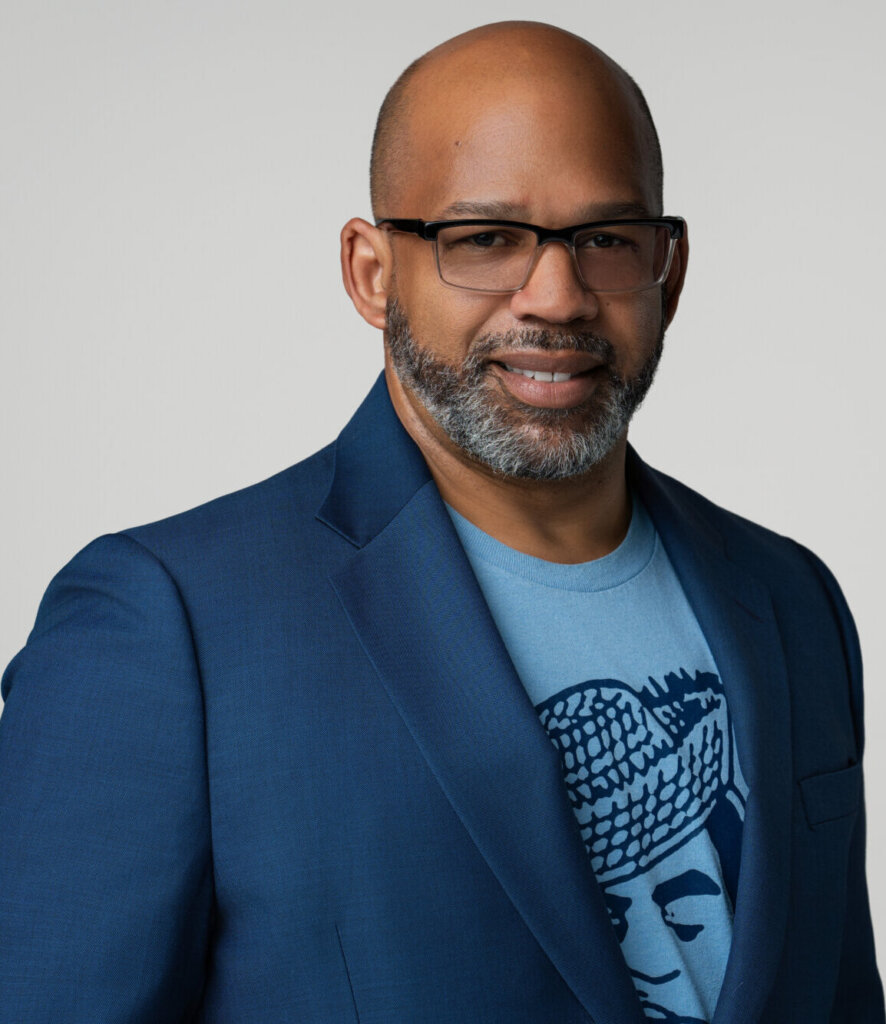
Martin is co-executive director of the Robert C. Maynard Institute for Journalism Education. Previously, Martin was a senior fellow for strategic planning for the institute, helping to oversee planning and implementation of the “MIJE Re-Imagined” project. He is co-founder of Oakland Voices, a community storytelling project that trains residents to be community correspondents. For his work there, he was named as Digital First Media’s Innovator of the Year.
Before his Maynard fellowship, Martin was senior editor for community engagement and training for 18 years with the Bay Area News Group, and editor-in-chief of the Oakland Tribune between 2008-2011. Reynolds was also a lead editor on the Chauncey Bailey Project, formed in 2007 to investigate the slaying of the former Oakland Post editor and Tribune reporter.
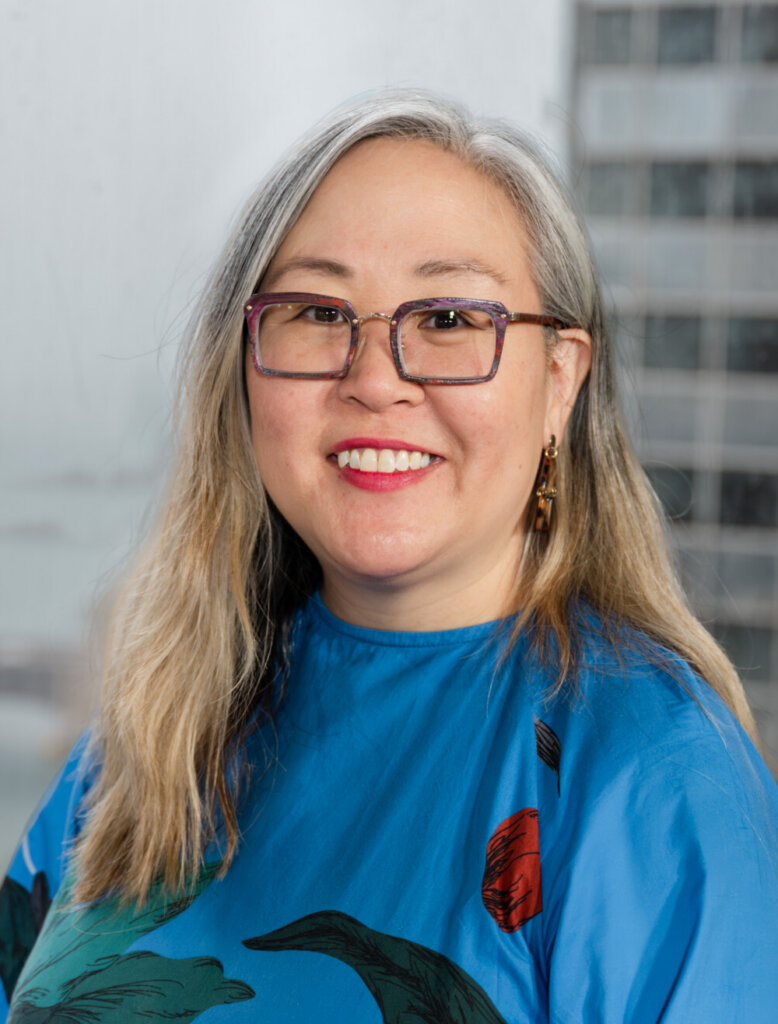
Doris Truong is deputy director of the Maynard Institute’s Fire Up training program for journalism entrepreneurs. She is an inclusion expert and facilitator who led teaching and diversity strategies for the Poynter Institute.
She has two decades of daily news experience from The Washington Post and The Dallas Morning News. She served as national president of the Asian American Journalists Association, vice president of UNITY: Journalists for Diversity and a board member on the Fund for Investigative Journalism.
Session Focus: Most journalists are trained to hear facts, and some to read emotions. Less attention is paid to understanding values — the beliefs people don’t always state directly. Recognizing and validating values can deepen connections with sources, peers, supervisors, and direct reports.
Four years after completing the Maynard 200 Fellowship, William J. Ford is covering Maryland’s statehouse, explaining state politics…
The Maynard Institute also sponsored afternoon coffee at the impeccably executed convention, attended panels led by subject matter…
“This wouldn’t have been possible without the extraordinary faculty, who are giving their time and talent to help…
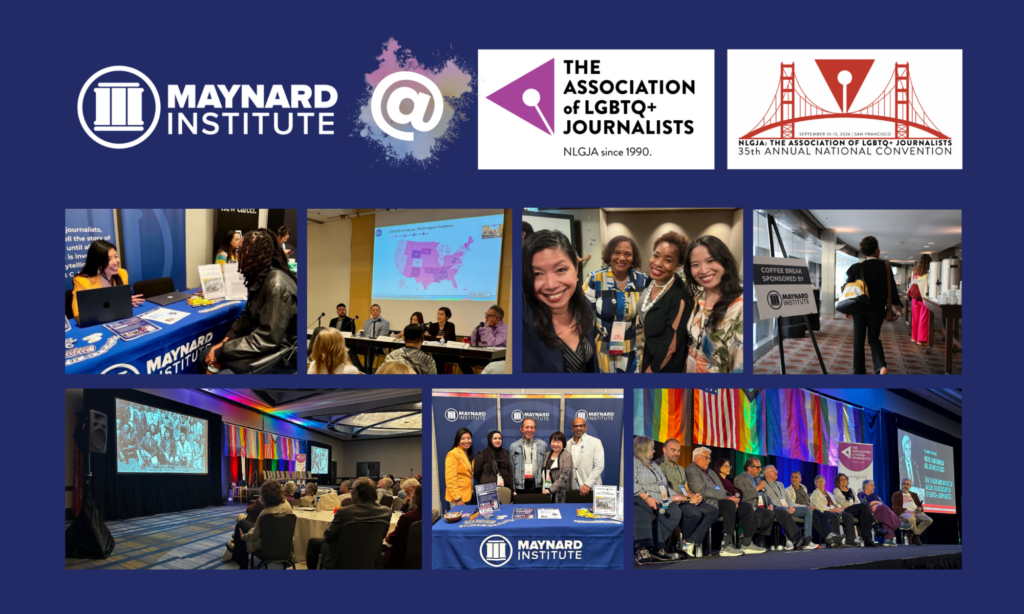
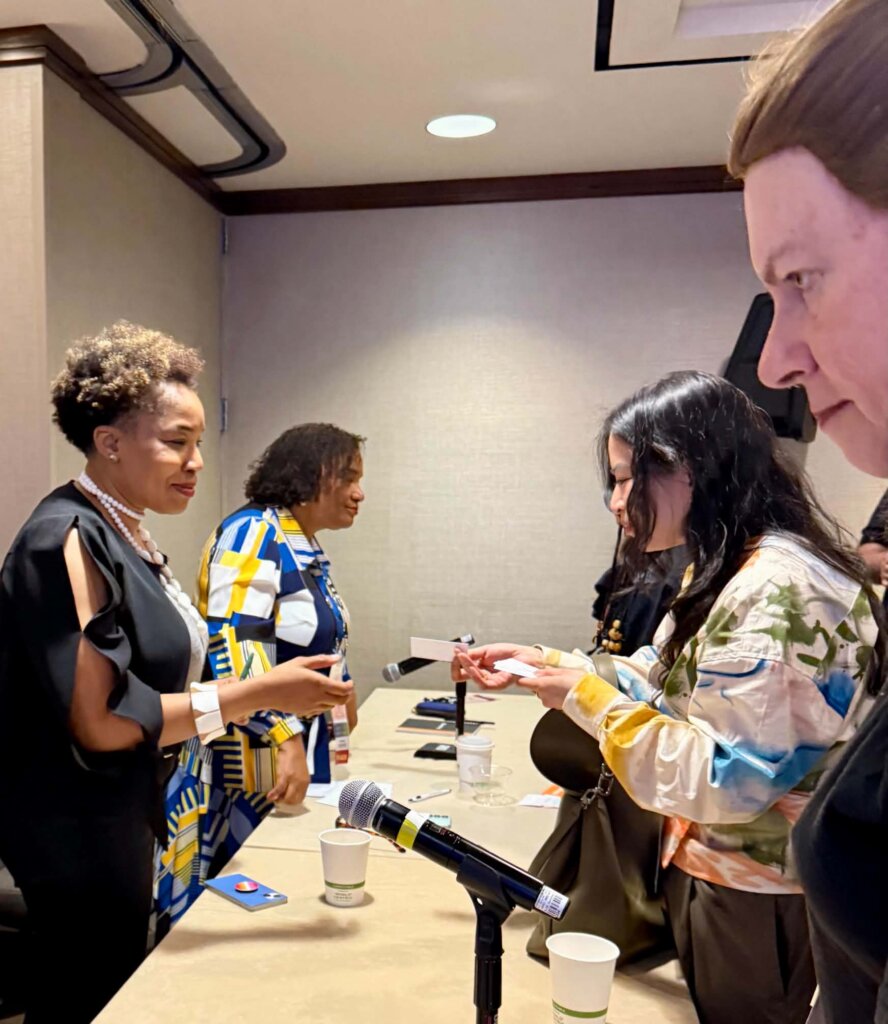
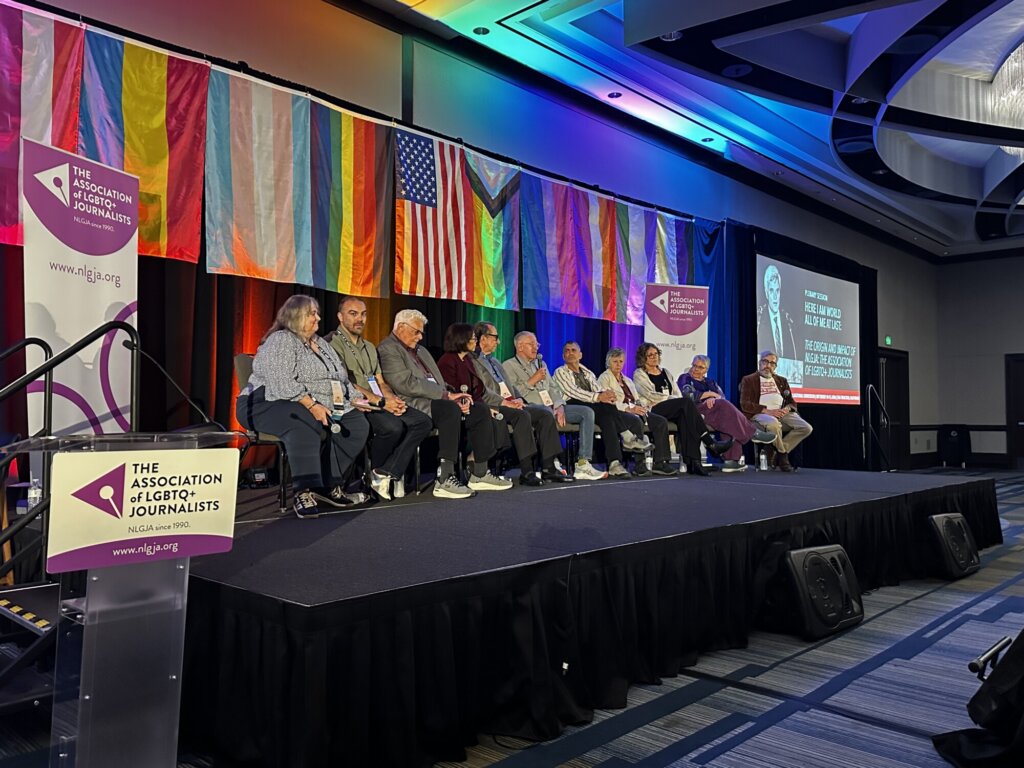
Last week the Maynard Institute traveled to San Francisco for NLGJA’s 2026 35th annual convention.
The team caught up with Maynard Institute Co-Founder Steve Montiel, Maynard Program alumni, and colleagues from across the journalism industry.
Programs Director and Director of the Propel Regional Training Series and Maynard Communities of Practice Odette Alcazaren-Keeley invited editors and managers to the Propel Regional Training in Burbank in October.
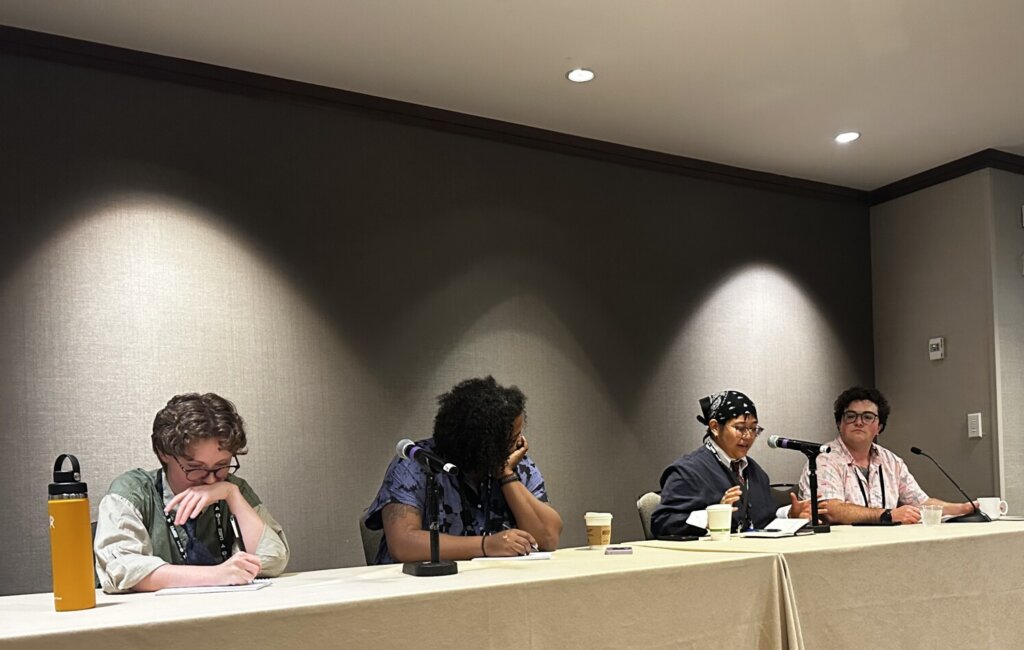
Community Engagement Manager Amani Hamed reunited with Tre’vell Anderson and K Petrin of the Trans Journalists association, and Jireh Deng of the AAJA LGBTQIA_ affinity group, who contributed to a panel for the Maynard Institute in June.
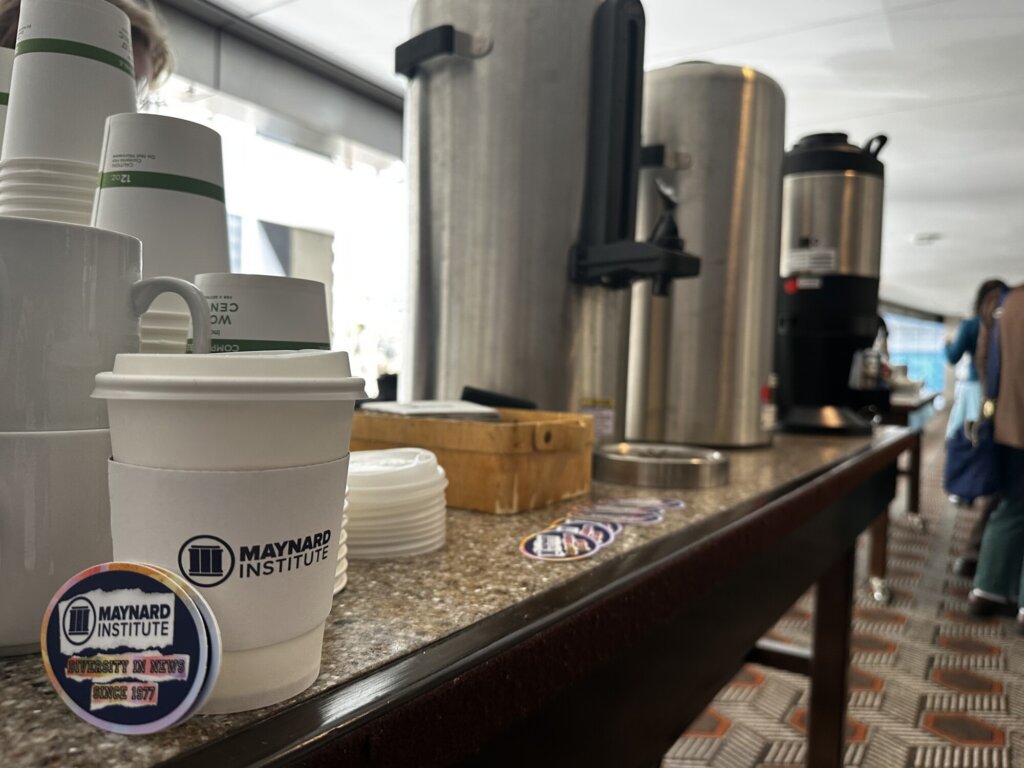
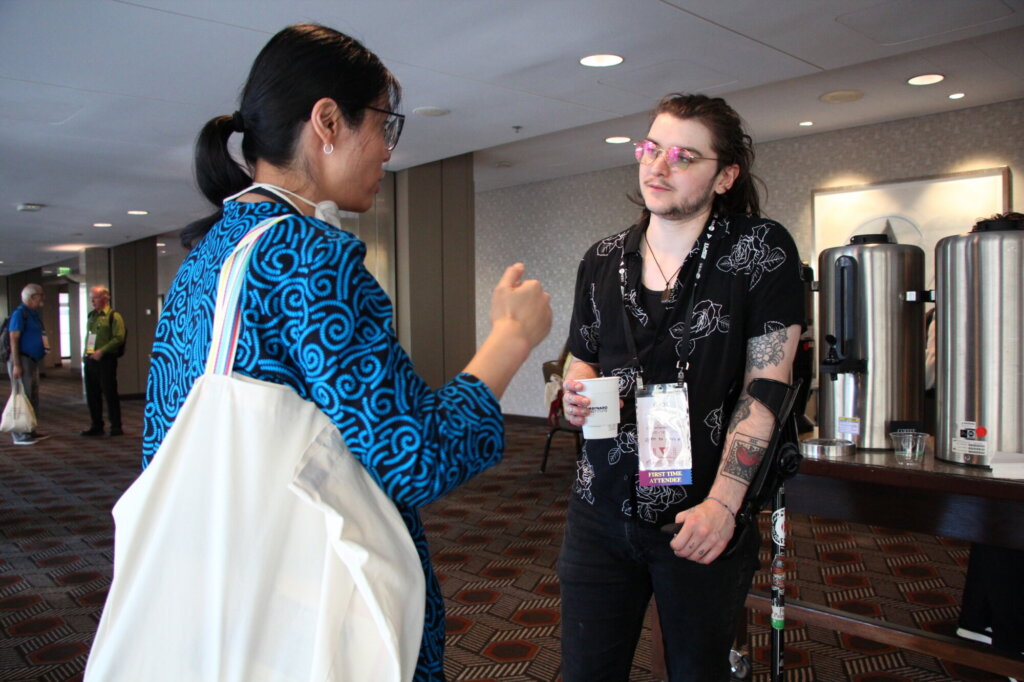
The Maynard Institute also sponsored afternoon coffee at the impeccably executed convention, attended panels led by subject matter experts, journalists, editors and newsroom managers.
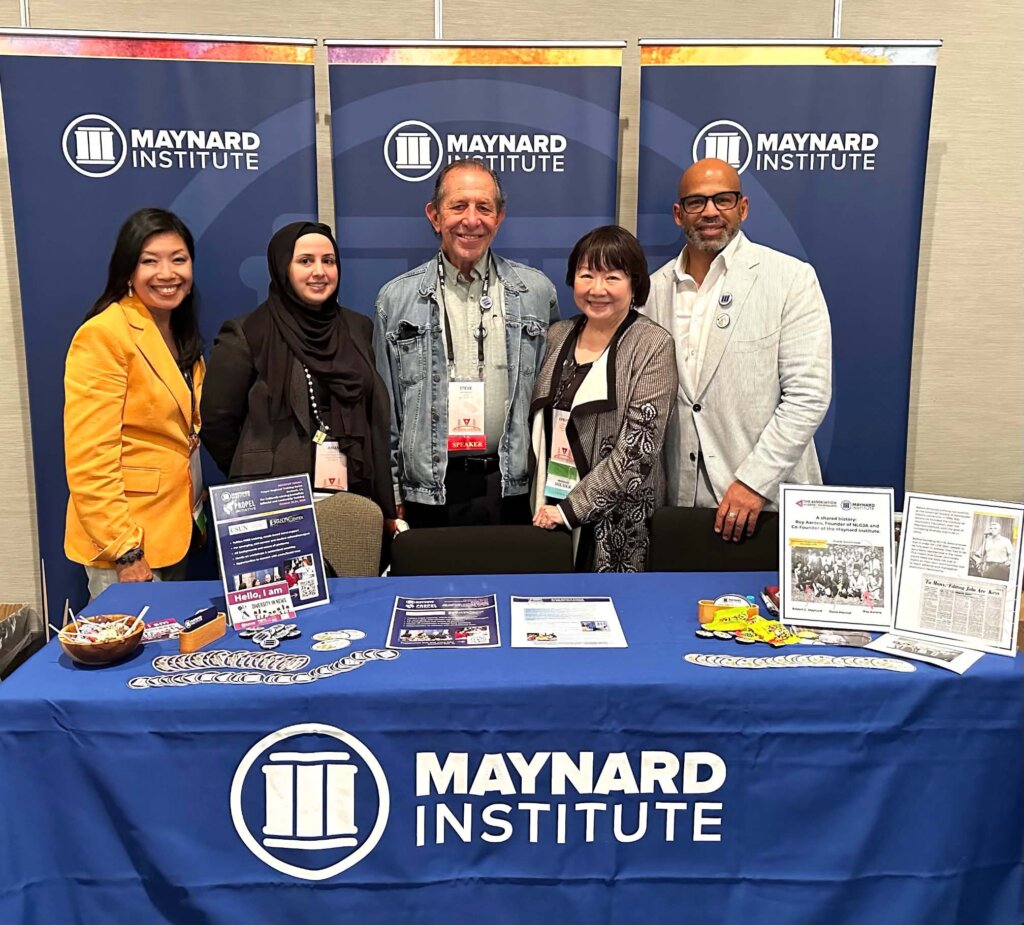
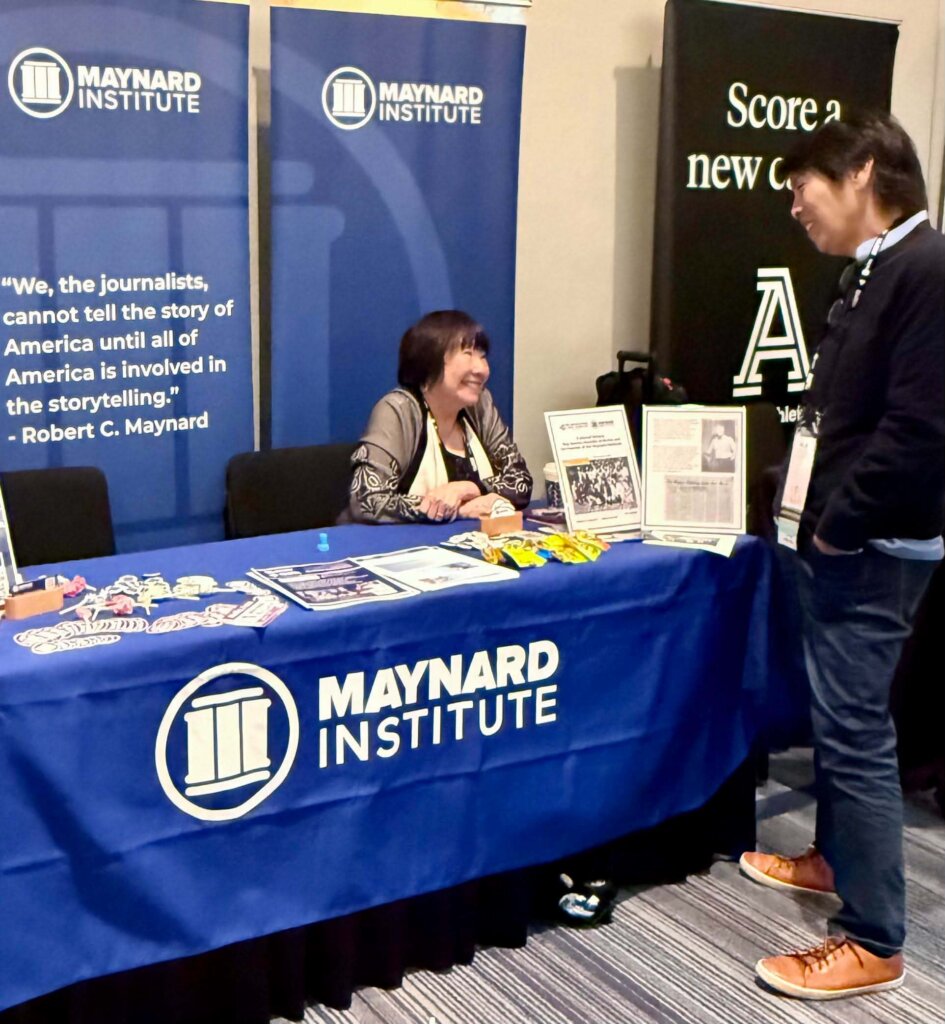
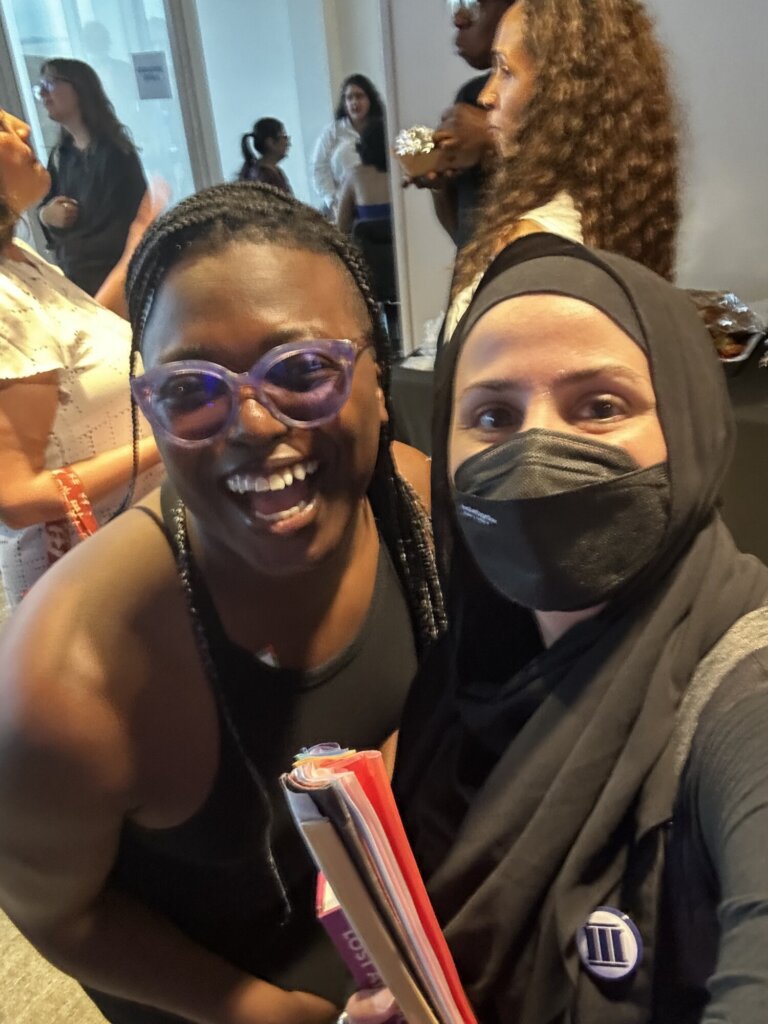
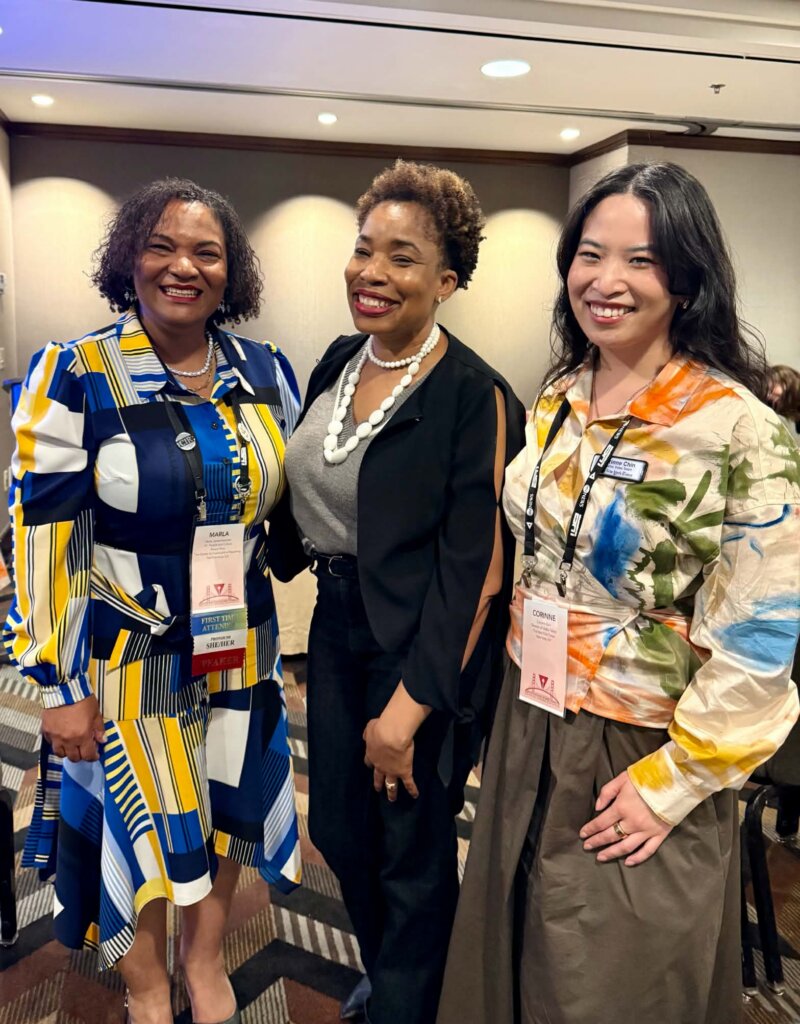
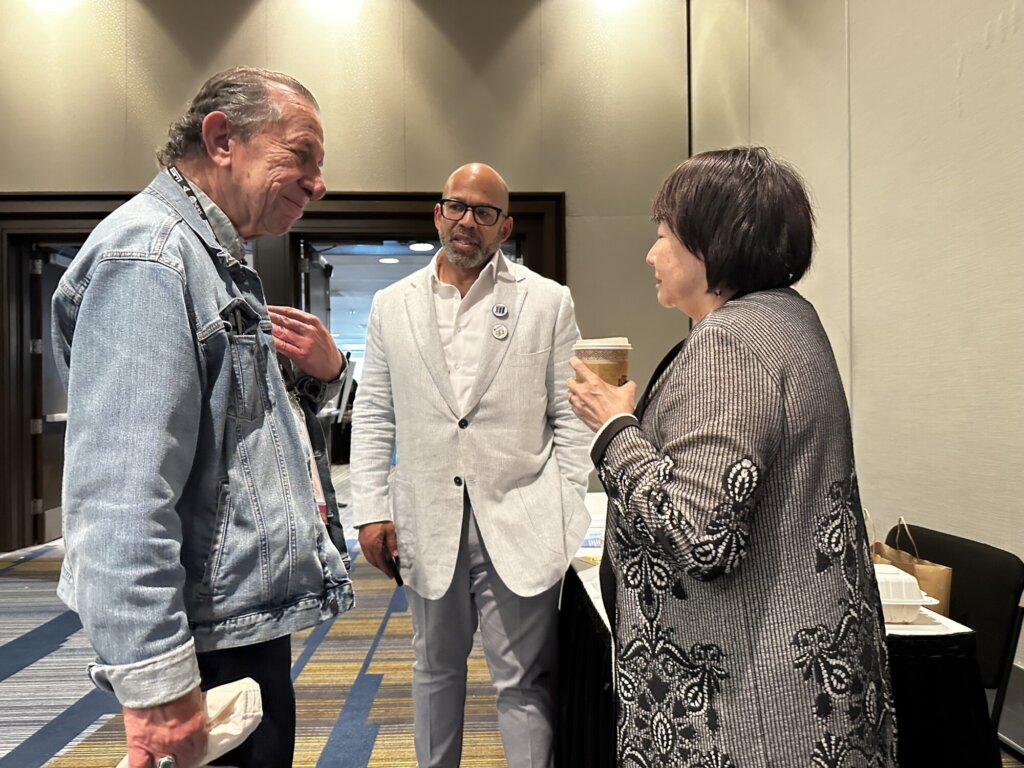
The Maynard Institute would like to offer our enthusiastic congratulations to The Association of LGBTQ+ Journalists/NLGJA for the impressive lineup of panelists, experts and editors who staffed illuminating panels on everything from intersex inclusion in journalism, using your own voice in reporting, and practical safety for LGBTQ+ journalists.
K Petrin and Jireh Deng, seen in a webinar on Queer News hosted by the Maynard Institute in June, joined Guardian reporter Lex McMenamin and Assistant Manager for Verite News Drew Costley on coverage of trans and gender-expansive communities.
Maynard Alumni Marla Jones-Newman (VP, People and Culture, Reveal from The Center for Investigative Reporting) and Jahna Berry (Chief Operating Officer, The Center for Investigative Reporting) educated convention attendees on optimizing resumés for AI alongside Leonor Ayala Polley and Sonali Kohli of URL Media.
The impressive full lineup of panels and sessions is too extensive to reprint but can be found here.
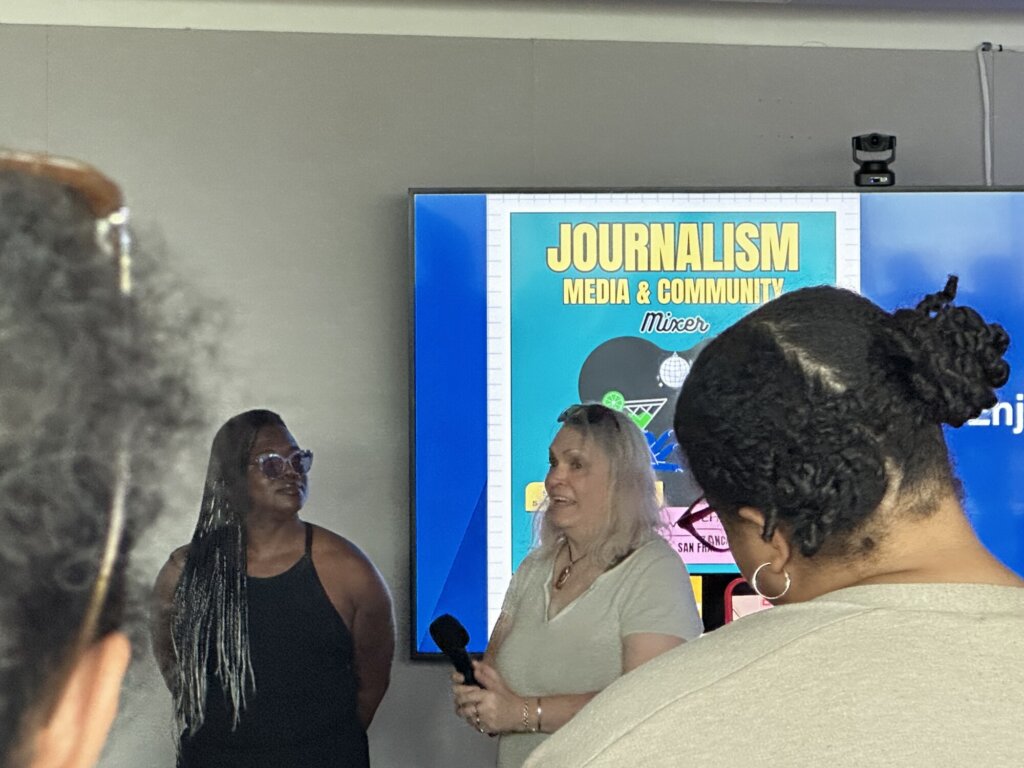
Between sessions, the convention offered multiple opportunities for journalists to meet and build community during brown-bag lunch gatherings and coffee breaks, as well as receptions and after-conference Night-Out gatherings on the city.
The expo hall offered a wide range of reporting resources and tools, job connections and resources for Queer and Trans reporters.
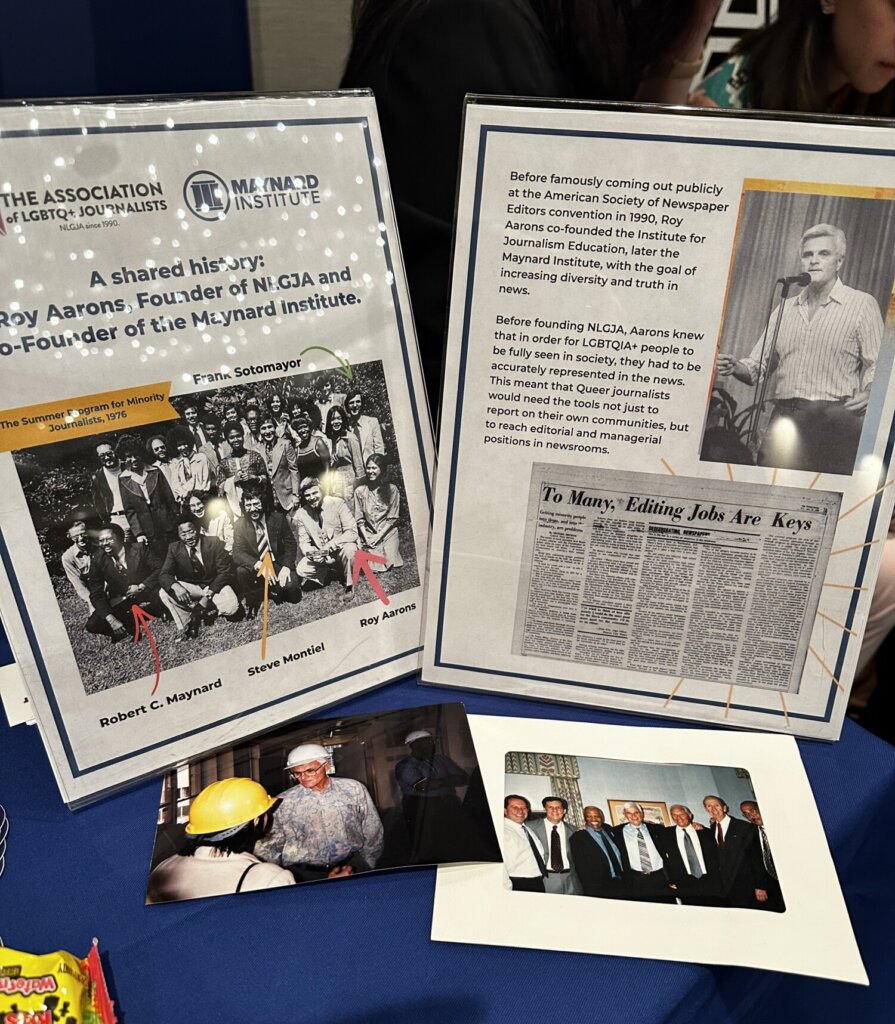
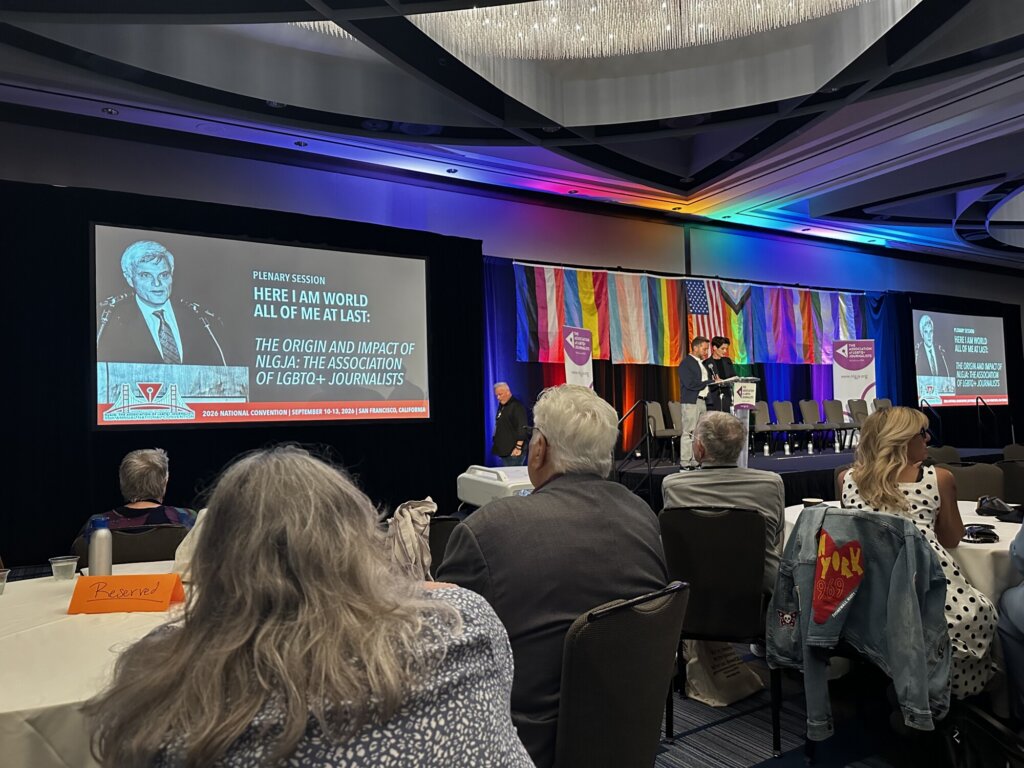
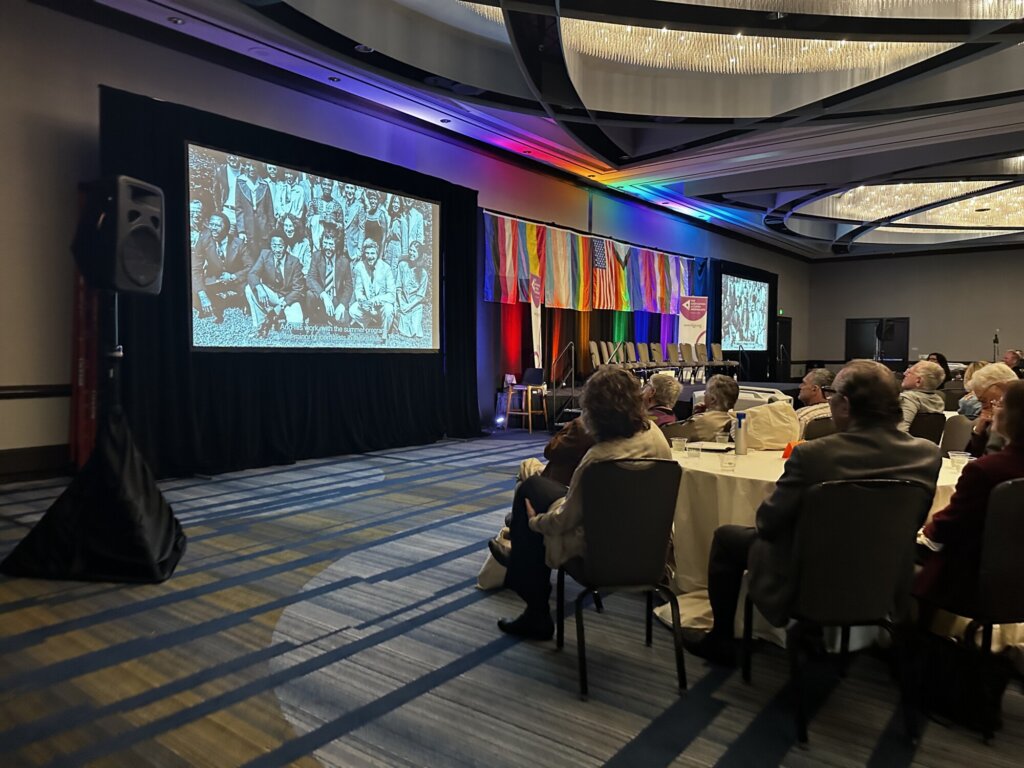
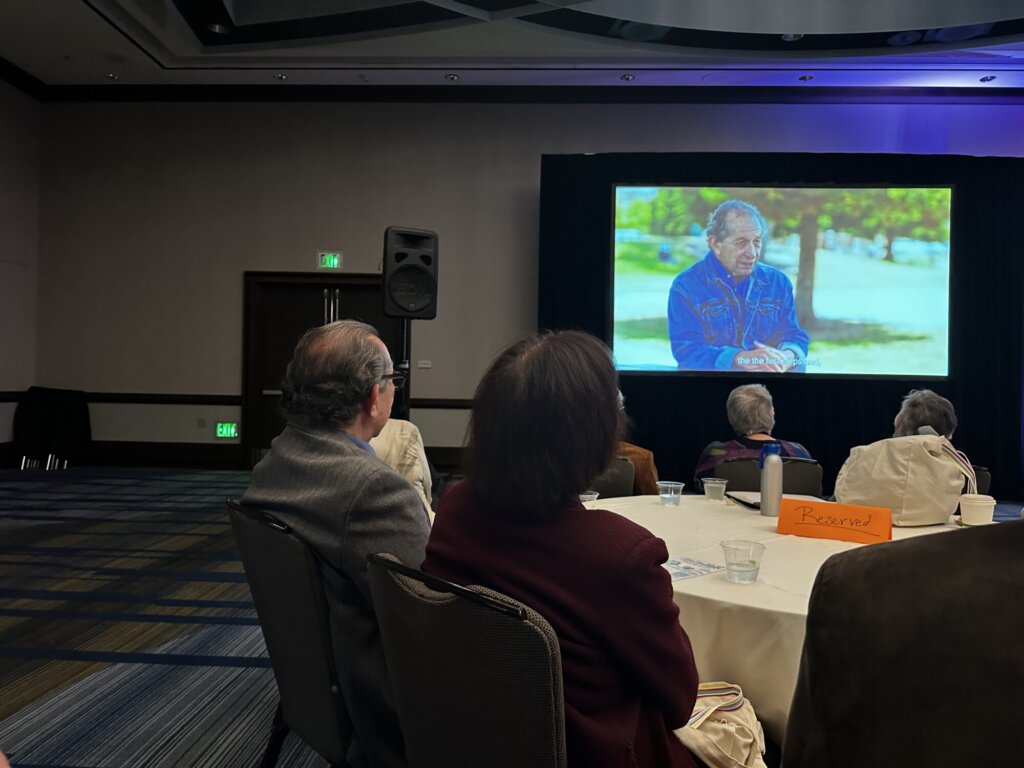
The Maynard Institute team attended a screening of “Here I am, World, All of Me, At Last,” the documentary chronicling the story of Maynard Institute co-founder and NLGJA co-founder Roy Aarons and the rise of NLGJA and its stunning effect on journalism, culture and policy.
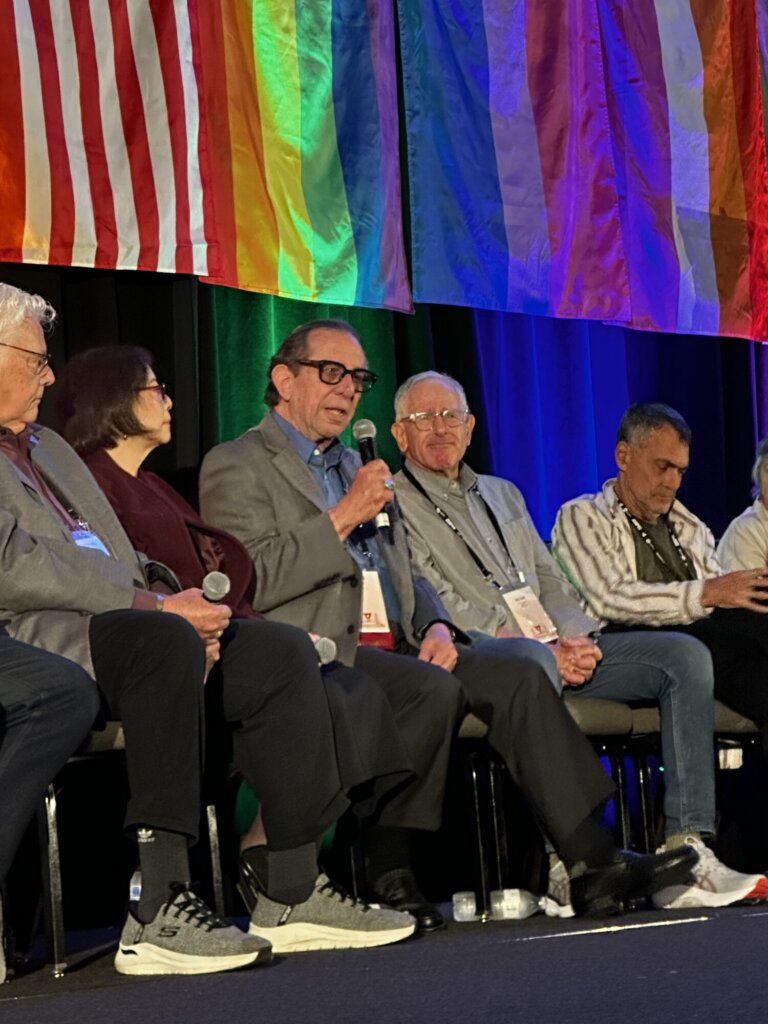
Maynard Institute Co-Founder Steve Montiel spoke beside a line-up of journalists who remembered Aarons and were interviewed in the film about their heroic efforts to co-found and steward NLGJA during the height of the AIDS crisis in America.
The emotional screening illustrated just how far coverage, policy and cultural acceptance surrounding LGBTQIA+ people has come, while the following panel confirmed just how much work remains during a time when queer and trans rights and press freedom are under consistent attack by local, state and federal administrations and hate crimes are on the rise.
Beyond remembering Roy Aarons as a man of many talents with a larger-than-life personality, panelists remembered the legacy of a man who fought tirelessly for queer liberation and diversity in journalism.
The Maynard Institute and Propel Initiative programs are always led by expert journalists, editors, newsroom leaders and faculty…
Four years after completing the Maynard 200 Fellowship, William J. Ford is covering Maryland’s statehouse, explaining state politics…
“This wouldn’t have been possible without the extraordinary faculty, who are giving their time and talent to help…
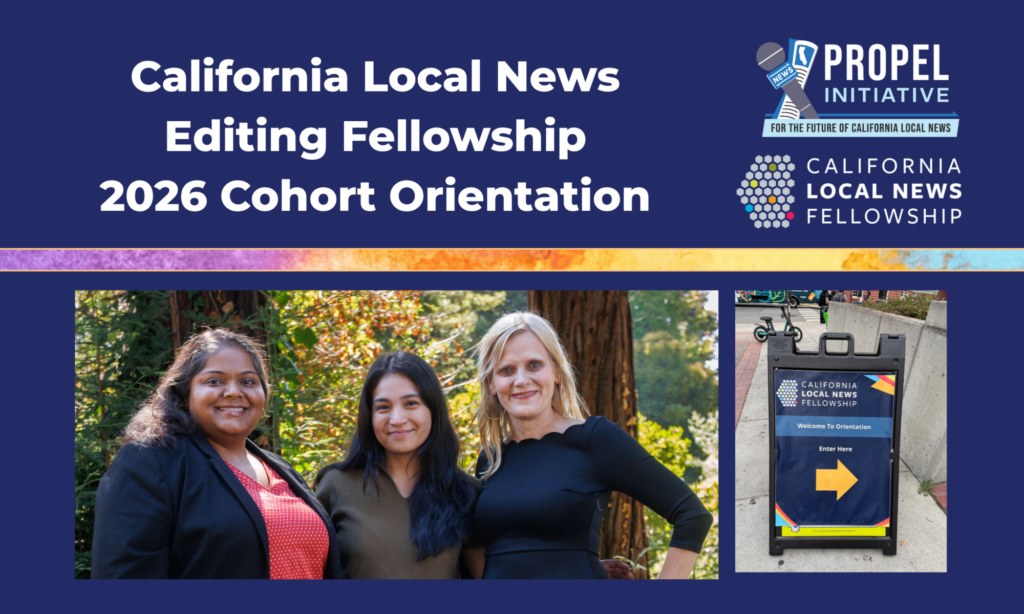
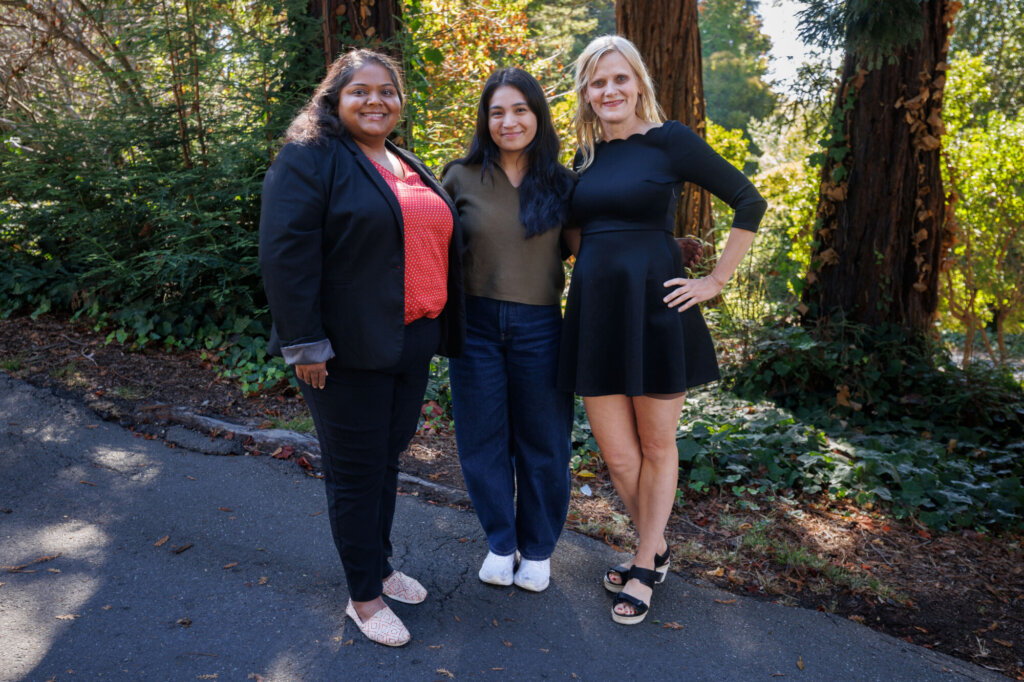
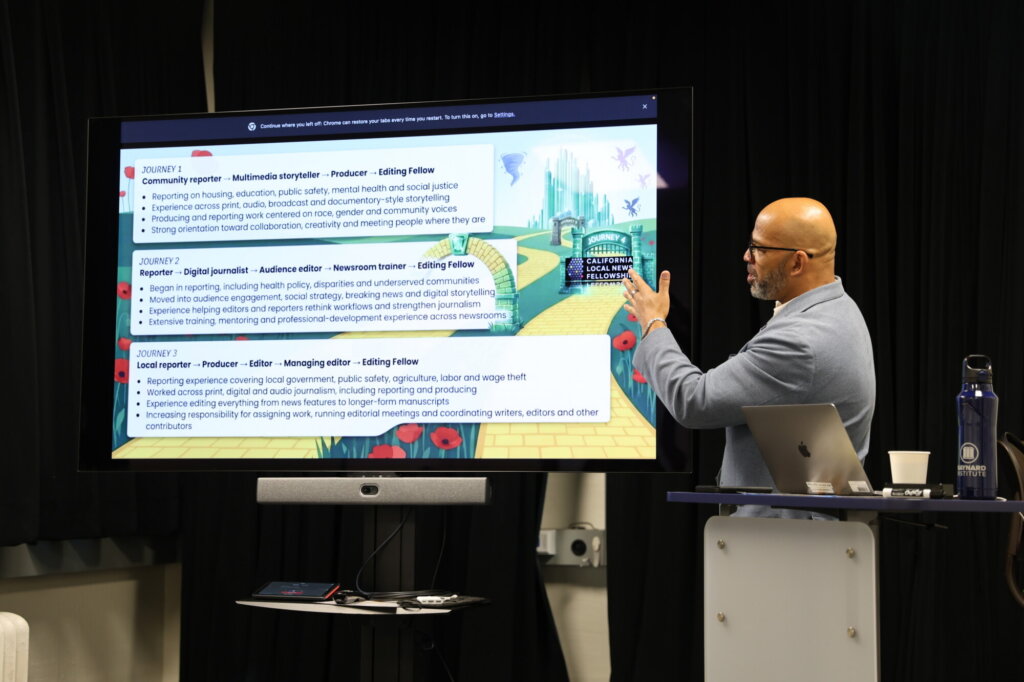
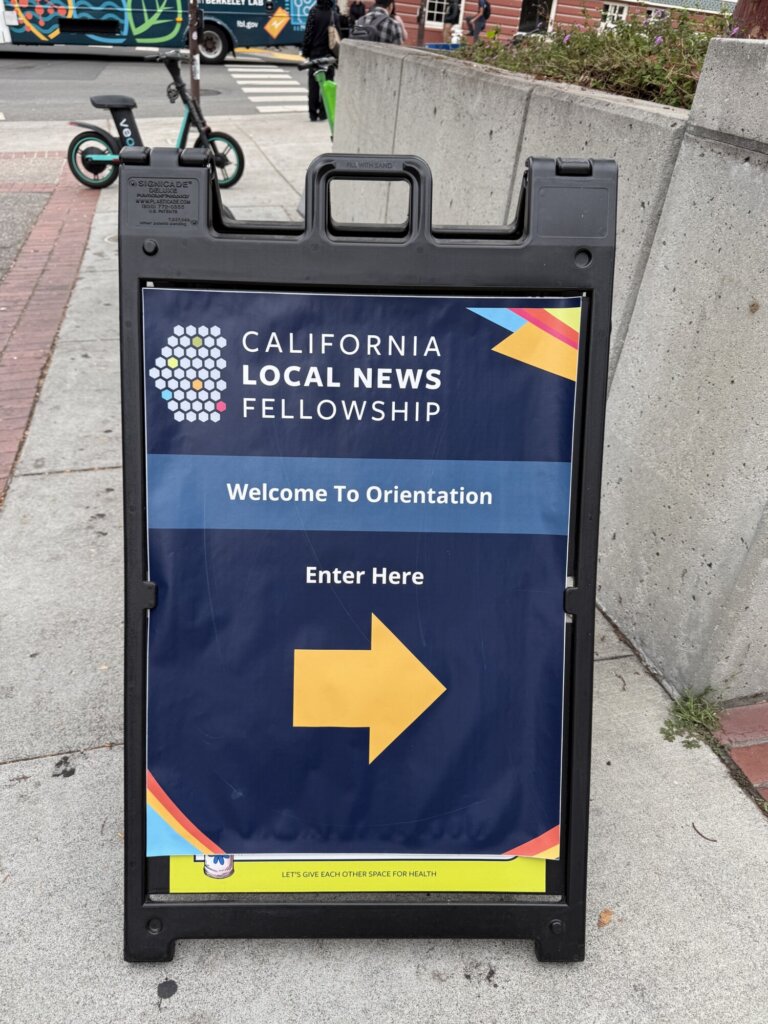
The California Local News Fellowship recently conducted orientation for its 2026 cohort of 35 journalists, who are reporting on critical issues in communities that have historically lacked sustained local news coverage. Three journalists are part of the pilot, one-year editing fellowship, a Maynard Institute partnership designed for early- to mid-career reporters or producers to move into editing roles.
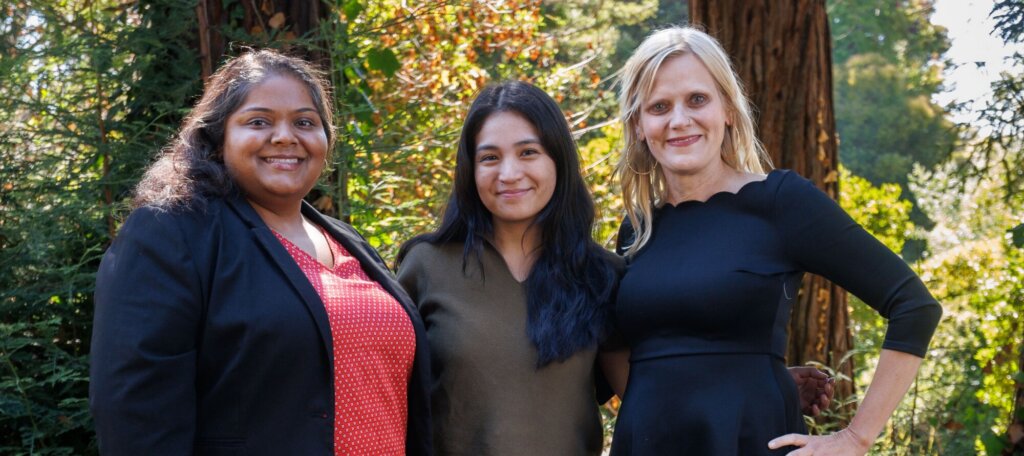
The fellows were selected from nearly 30 applicants from across California and around the world to work in newsrooms that were also independently selected. They receive a salary and benefits paid for by the state through the University of California, Berkeley, along with hands-on support from the UC Berkeley-based fellowship staff and through the Propel Initiative, led by the Maynard Institute.
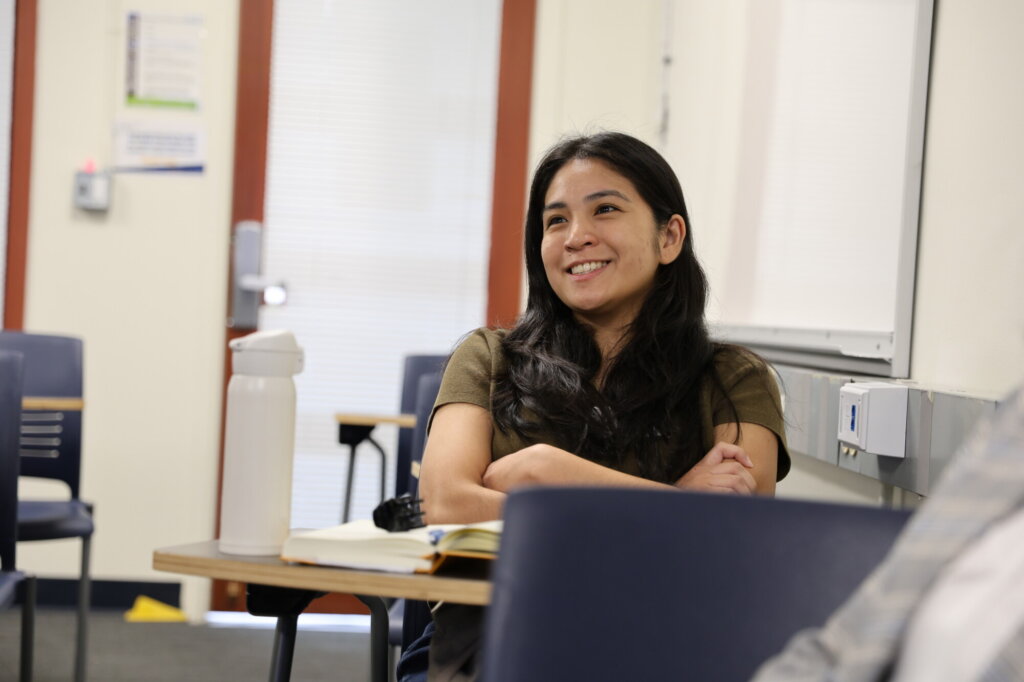
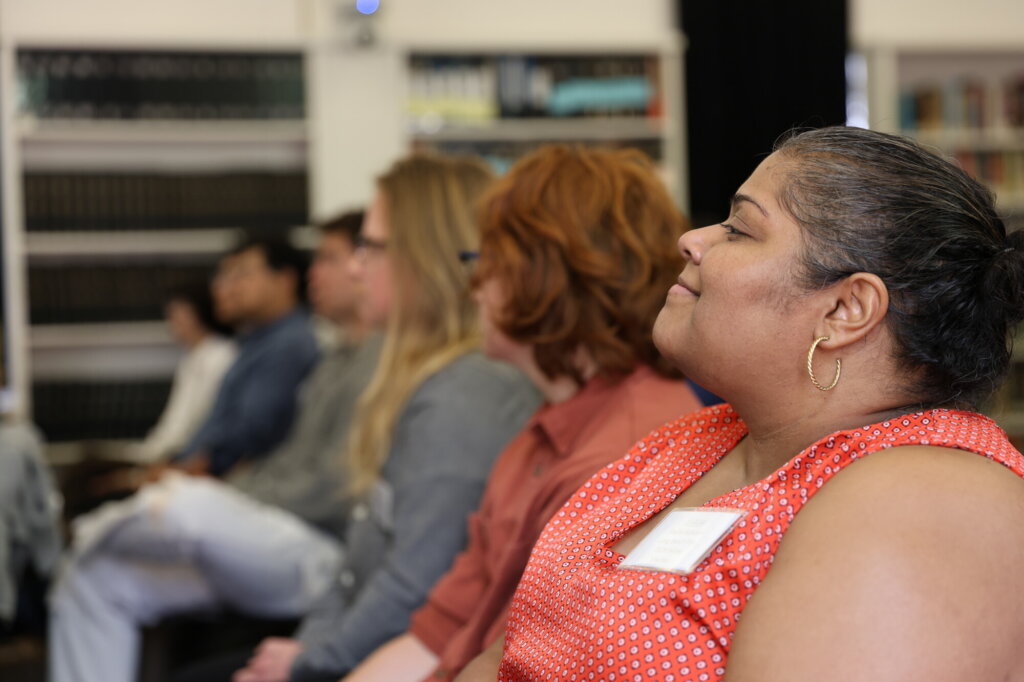
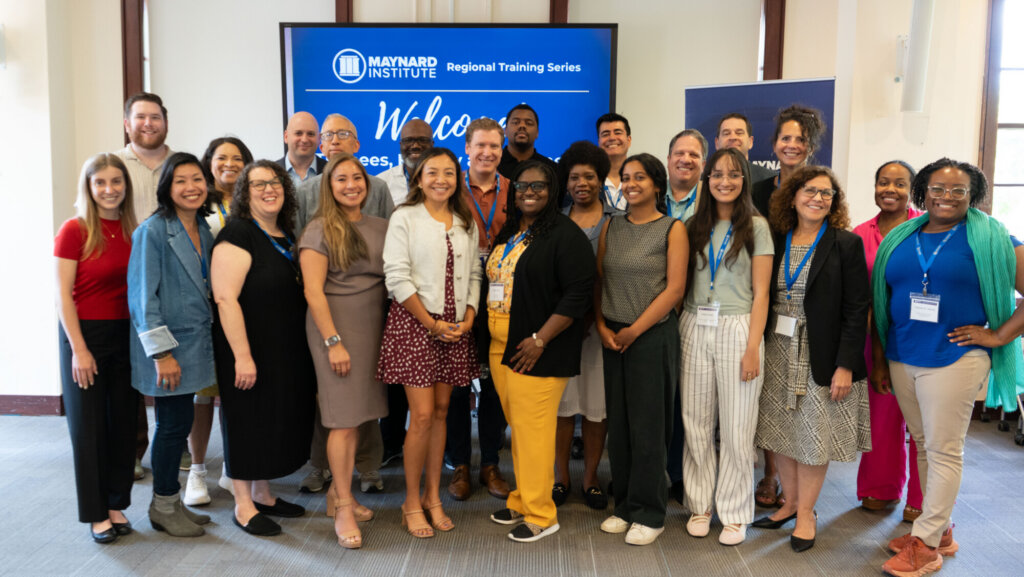
During the two-day orientation, the editing fellows participated in intensive training led by veteran editors and news leaders. The sessions focused on the critical skills editors need to manage people, edit content and navigate the evolving challenges of daily journalism.
The fellows developed skills in:
During the yearlong fellowship, the fellows will continue to receive training and mentorship in editing and leadership from Maynard Institute trainers.
“There is a strong need for good frontline editors in news organizations, and as a graduate of the Maynard Editing Program, it was important to design the curriculum with that in mind,” Felecia D. Henderson said. “Understanding what a new editor needs to know and what newsroom leaders expect of their editors are important. Rebecca Martin, newsroom cohort manager, and I want to equip the fellows with solid editing knowledge and tools.
“This wouldn’t have been possible without the extraordinary faculty, who are giving their time and talent to help ensure the editing fellows have a strong foundation.”
The Maynard Institute and Propel Initiative programs are always led by expert journalists, editors, newsroom leaders and faculty…
Four years after completing the Maynard 200 Fellowship, William J. Ford is covering Maryland’s statehouse, explaining state politics…
The Maynard Institute also sponsored afternoon coffee at the impeccably executed convention, attended panels led by subject matter…

We’re partnering with BlueLena to revolutionize the way we connect with our Maynard Family and new donors.
With BlueLena’s support, we have quietly transitioned to a their new Customer Relationship Manager, made FundraiseUp our official donation platform and donor portal, and transitioned to ActiveCampaign as our newsletter and email campaign builder.
Moving to BlueLena will enable us to track donations and engagement, extend our reach in the journalism community, strengthen donor relationships, and put more control in the hands of donors who want to directly interact with our giving platform and manage their own donor information, such as giving history, receipts and giving methods.
The implementation of these systems will also allow us to create new ways for people to support the Maynard Institute, including Giving Circles, donor challenges, and team giving.
Watch this space for more information on how to manage YOUR donor portal with BlueLena and FundraiseUp!
Donating to MIJE helps newsrooms and professionals improve their reporting, workplaces, and the communities they serve.
The Maynard Institute and Propel Initiative programs are always led by expert journalists, editors, newsroom leaders and faculty…
Four years after completing the Maynard 200 Fellowship, William J. Ford is covering Maryland’s statehouse, explaining state politics…
The Maynard Institute also sponsored afternoon coffee at the impeccably executed convention, attended panels led by subject matter…
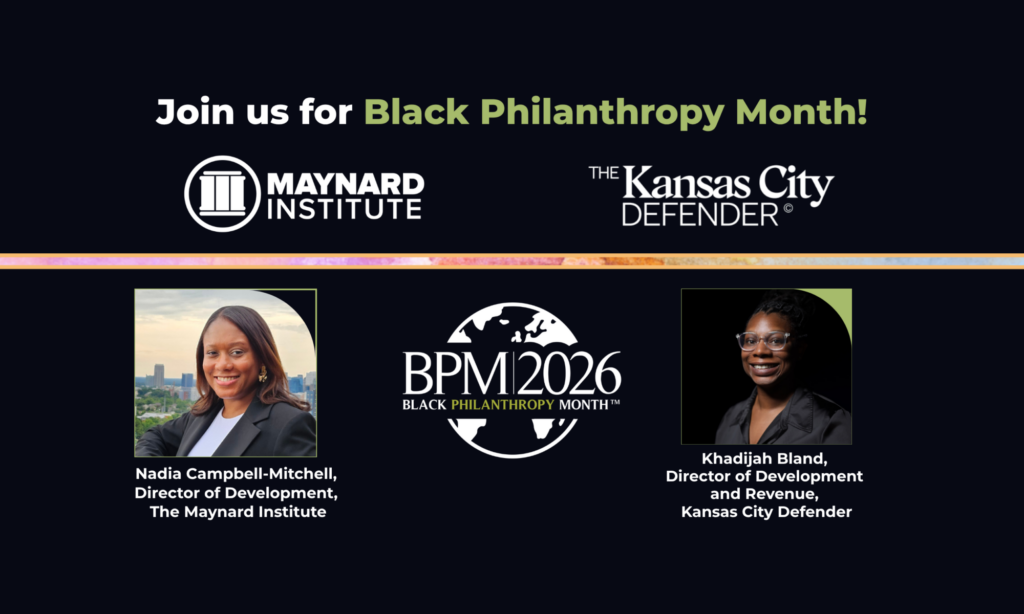
August is Black Philanthropy Month! Founded in 2011 by Dr. Jaqueline Bouvier Copeland, Black Philanthropy Month is a “global celebration and campaign to elevate African-descent giving and funding equity.”
Black Philanthropy Month has over 19 million participants across 60 countries. Today, BackBlack founder Floyd Jones serves as the Global Chair of Black Philanthropy Month, and BackBlack is the official home and managing organization of Black Philanthropy Month.
According to BackBlack, “This new era centers the power of collective giving, bold storytelling, and strategic collaboration to uplift Black-led organizations and communities year-round.”
“Black Philanthropy Month is an opportunity to celebrate a long-standing legacy of generosity, resilience, and community investment,” wrote Maynard Institute Director of Development Nadia Campbell-Mitchell.
“Throughout history, Black communities have created pathways of support and opportunity through giving, mentorship, advocacy, and collective action. This month reminds us that philanthropy is not only about what we give, but the impact we create when we invest in one another.
I am grateful to be part of a community that continues to believe in the power of generosity and the importance of building a stronger future together.”
I am grateful to be part of a community that continues to believe in the power of generosity and the importance of building a stronger future together.
Nadia Campbell-Mitchell, Director of Development
This year’s theme is “Many Voices, One Movement.” We’ve partnered with The Kansas City Defender, an outlet living in the spirit of journalism and advocacy in the legacy of the Black Press. Founded by Maynard 200 alum Ryan A. Sorrell, The Kansas City Defender, the Defender not only operates as a liberationist news outlet in direct resistance to white supremacist framing in media, the Defender supports the growth of Black journalism through investigative reporting, political education, and their Freedom School, the B-REAL Academy.
In addition, the Defender supports the local community in Kansas City with its mutual aid fund supporting a free clothing program and grocery buyout program, as well as emergency assistance to community members in need. The Kansas City Defender also supports the Hamer Free Food Program. Named for revolutionary and freedom fighter Fannie Lou Hamer, who founded the Freedom Farm Cooperative in 1969, the initiative grows, harvests and delivers free fresh produce “directly from Black farms to Black families,” fighting food insecurity while developing and stewarding Black agricultural knowledge and food sovereignty.
Donations to The Kansas City Defender are considered charitable donations for tax purposes and the Defender is a nonprofit digital organization.
We’re working closely with Khadijah Bland, Director of Development and Revenue for the Kansas City Defender, who “architects radical, sustainable funding strategies to fuel one of the most unapologetic Black media forces in the country.”
Bland was named the 2026 Emerging Leader of the Year by the Institute for Nonprofit News. After she helped grow their active subscription base by more than 40%, opened new revenue streams and expanded the Defender’s partnerships and helped track and, Ryan A. Sorrel told INN Bland “is the reason the Defender can dream bigger, plan longer, and fight harder.”
“Black philanthropy has always been how we’ve kept each other alive, from mutual aid to freedom schools to backyard gardens turned into food programs,” Bland said. “At the Defender, every dollar someone gives is a push for a future where Black communities tell our own stories, feed our own neighbors, and educate our own children. This partnership is a reminder that we build that future together, one gift at a time.”
Through this partnership, we’re supporting Black philanthropy that promotes resistance education, excellence in journalism and direct community action.
Support the Kansas City Defender during Black Philanthropy Month to help create lasting change, steward existing knowledge and resistance movements and invest in Black journalism in the radical liberationist tradition of the American Black Press.
Donating to MIJE helps newsrooms and professionals improve their reporting, workplaces, and the communities they serve.
The Maynard Institute and Propel Initiative programs are always led by expert journalists, editors, newsroom leaders and faculty…
Four years after completing the Maynard 200 Fellowship, William J. Ford is covering Maryland’s statehouse, explaining state politics…
The Maynard Institute also sponsored afternoon coffee at the impeccably executed convention, attended panels led by subject matter…
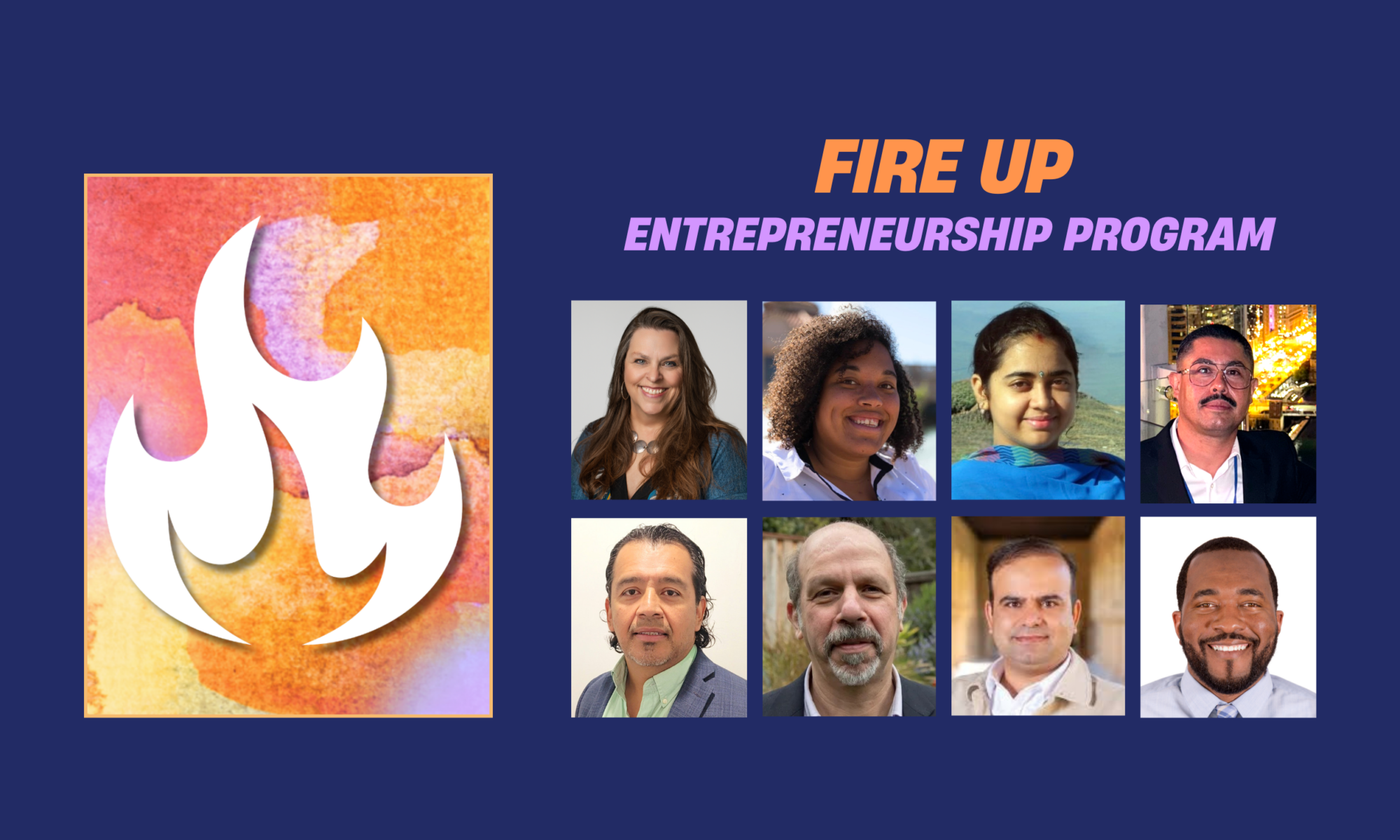
The Fire Up Entrepreneur Program, as part of the Propel Initiative, is training eight news organizations in revenue, audience, product and community with a focus on ensuring sustainability. Participants will work with experts in business, audience strategy and other topics.
The inaugural cohort of Fire Up Fellows represent the power and potential of diverse news in the State of California. Covering various beats, ethnic communities, geographical areas and language groups, the Fellows are using the program as an opportunity to expand their reach, create lasting sustainability and deepen their coverage to better serve their audiences.
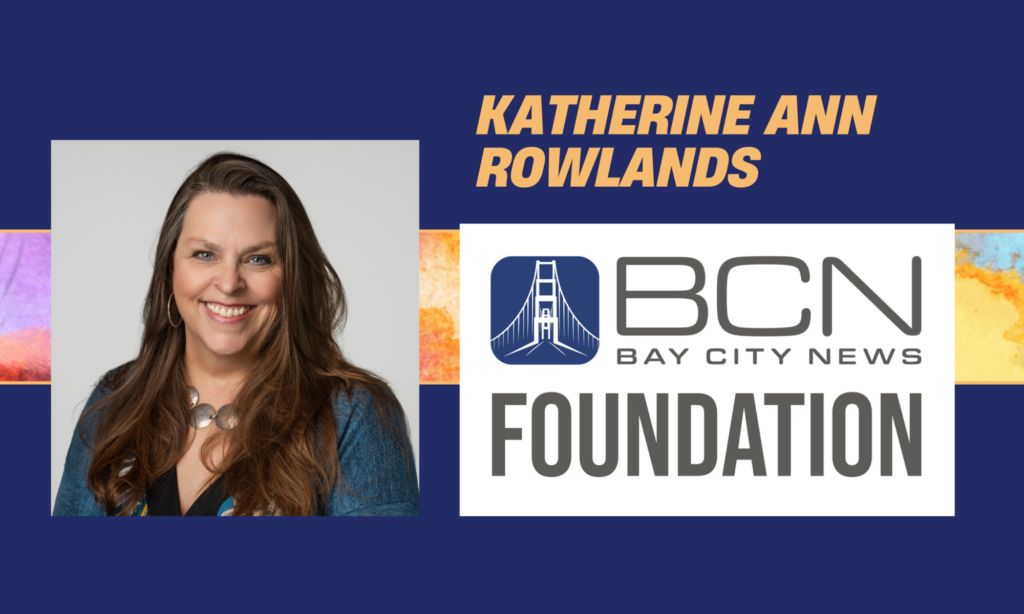
Rowlands is a longtime champion of local journalism. Bay City News, a regional news service she bought in 2018, has expanded to cover 13 counties, supplying trustworthy, original journalism for the media ecosystem, from TV and radio to newspapers to start-up digital outlets in the greater Bay Area. Its nonprofit affiliate, which publishes free content at LocalNewsMatters.org, has trained 60 paid interns, adopted transformative technology and published thousands of stories that would otherwise not be told.
Through Fire Up, Rowlands will develop Bay City News Labs to examine how to track bot traffic at the Cloudflare or WordPress plugin level to quantify and audit how intellectual property is being utilized by AI companies. What Bay City News learns could lead to revenue, block exploitation or monetize assets with the right partners. The takeaways will be shared publicly with the news ecosystem.

Mapp (she/her/akaónha) is a Kanien’kehá:ka (Mohawk). She is a Daylight San Diego co-founder and journalist who has covered Indigenous communities, caregiving, senior care, social justice, art, music, travel, food and culinary traditions since 2005. Prior to Daylight, she worked for The San Diego Union-Tribune, inewsource, Times of San Diego, North Coast Current, Indian Time and The People’s Voice. She was the outstanding graduate for the School of Journalism and Media Studies at San Diego State University in 2019.
Daylight San Diego’s audience increasingly relies on social media and alternative formats for news. Through Fire Up, Daylight San Diego seeks to revamp its newsletter ecosystem to increase engagement, grow sponsorship revenue and strengthen sustainability. By January 2027, Daylight aims to reduce video skip rates, achieve consistent engagement and generate 10 percent of organizational revenue through newsletter-related sponsorships and ads.

Lava has developed expertise in digital publishing, audience growth and revenue strategy through programs with Google News Initiative, LION Publishers and Newspack. She completed three years of training with Dan Oshinsky on newsletter growth and engagement. At India Currents, she manages communications and operations related to advertising sales and plays an active role in website development and digital transformation initiatives.
India Currents will launch Rooted in Care, a podcast connecting South Asian immigrants to trusted resources on aging, women’s health, mental health and civic engagement. Featuring experts, community leaders and service providers. The podcast will offer practical, culturally relevant guidance while leveraging partnerships with agencies and nonprofits to expand community reach.
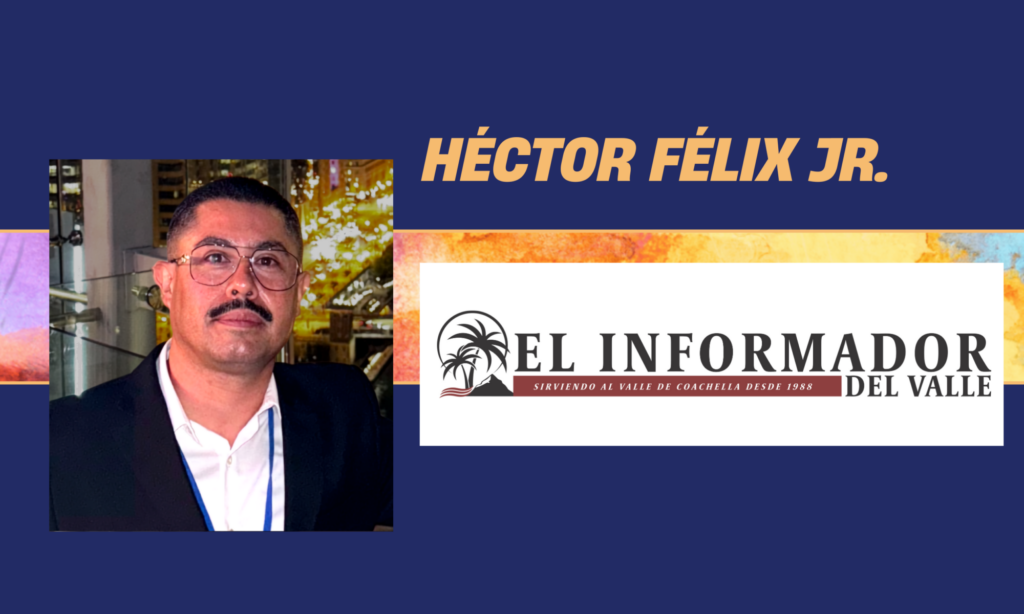
From a young age, Félix immersed himself in all aspects of the family business, El Informador del Valle. As a teenager, he gained hands-on experience in newspaper sales, reporting, photography, videography, graphic design and weekly distribution. His early involvement laid the foundation for his leadership and continued commitment to community journalism.
El Informador will do research within the community and with potential sponsors to determine the best ways to heighten ad visibility. These experiments will provide a way for El Informador del Valle to continue to uplift important stories without succumbing to outdated business models.
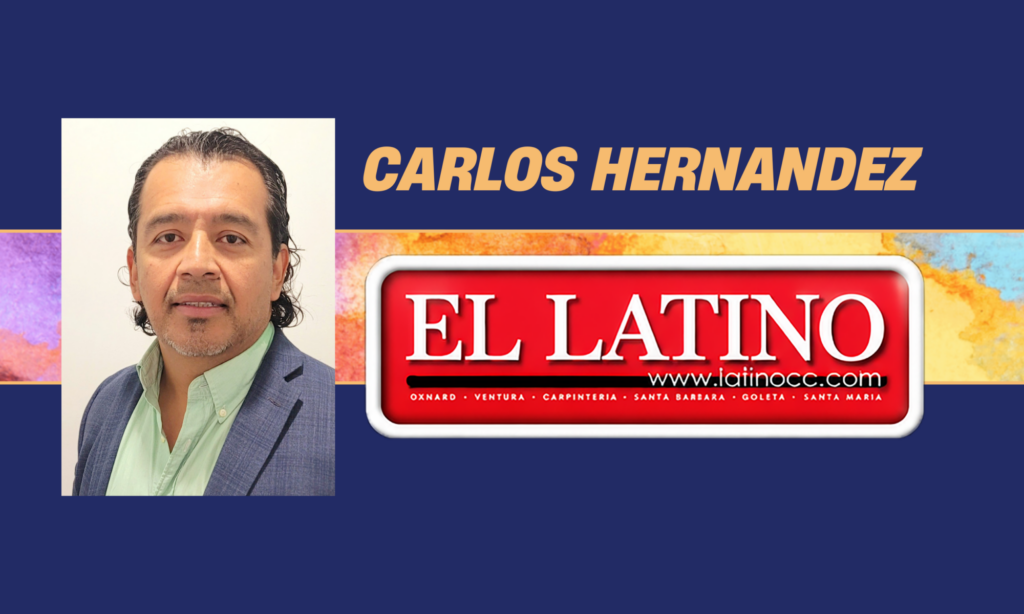
Hernandez is an award-winning journalist, editor and publisher with extensive experience in Spanish-language and bilingual media on the East and West coasts. He is the editor and publisher of El Latino Central Coast Newspaper, a trusted bilingual outlet serving Latino and immigrant communities across Ventura, Santa Barbara and San Luis Obispo counties. Hernandez is committed to strengthening bilingual journalism and expanding El Latino’s role as a bridge between the local society and the Latino community.
El Latino’s “Digital Forward” project pushes its editors beyond reliance on print ads. With new revenue opportunities, the outlet continue to serve Central Coast bilingual communities for free. We’ll expand service journalism for immigrants, especially around health, immigration, education and civic information while building long-term sponsorship and digital engagement strategies.

As MindSite News launches its Bay Area bureau, Waters returns to his roots in Bay Area community journalism. In the 1980s, he was editor of the Tenderloin Times, which reported extensively on mental health. His journey since has largely focused on covering health and mental health through a social justice lens.
The Bay Area has no dedicated mental health news outlet, and MindSite can fill this gap while boosting its sustainability by opening new revenue streams. To ensure the coverage reaches communities most in need, MindSite will tap into established relationships with community-based service and advocacy organizations.
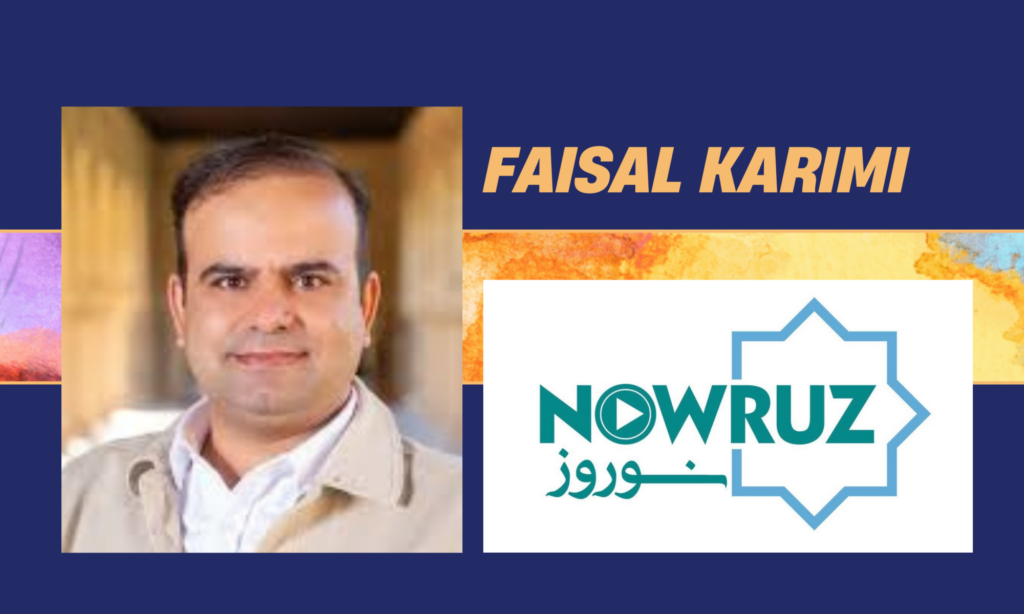
Karimi is a senior journalist, journalism educator and media entrepreneur with more than two decades of experience. He is the founder and director of Nowruz Media, a multilingual California-based community newsroom serving Afghan immigrants, and he founded the Afghanistan Institute for Research and Media Studies. He is an alumnus of the John S. Knight Journalism Fellowship at Stanford University and currently teaches journalism at Sacramento State University.
Nowruz Media will develop the Nowruz Community Hub, a multilingual resource desk for Afghan immigrants in California. Through Farsi/Dari, Pashto and English explainers, guides, WhatsApp, newsletters and community listening, Nowruz provide trusted information to drive civic engagement and increase public safety while building a stronger audience and revenue model.
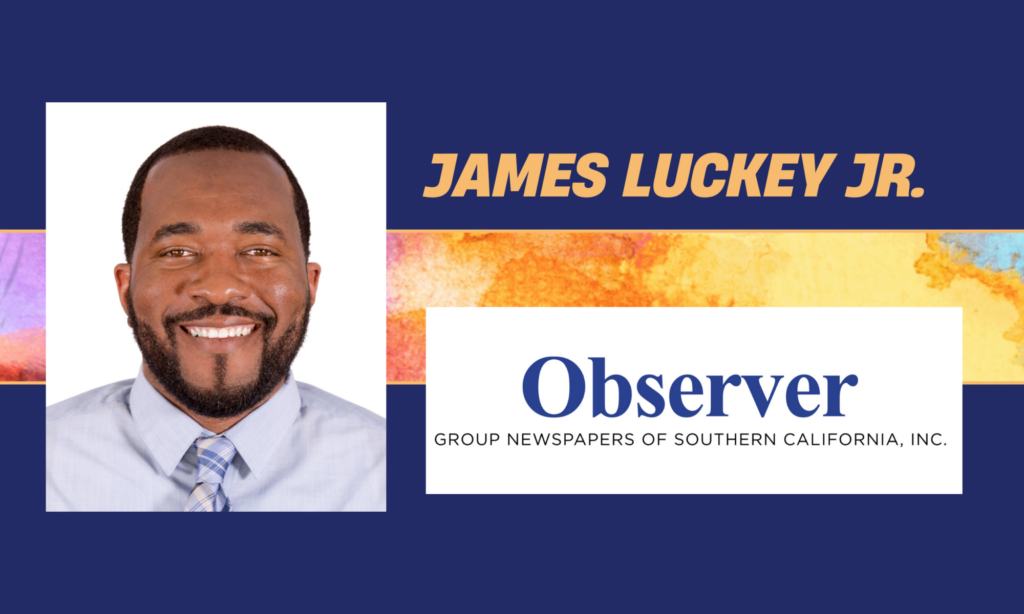
Luckey is the editor of Observer Group Newspapers of Southern California, a Black press institution founded in 1977 that serves Bakersfield, Los Angeles and the San Joaquin Valley. Born and raised in Bakersfield, Luckey grew up inside the newsroom under the founding family’s mentorship before stepping into leadership. A Kern County Black Chamber of Commerce honoree, he is modernizing the organization’s digital presence while preserving its century-long commitment to Black community journalism.
Black community stories are buried by algorithms and missed by legacy outlets, so Observer Group Newspapers is launching News Observed, a mobile platform to let Black Southern Californians submit reports on their own neighborhoods. Observer Group will create a pipeline with editorial oversight and plan to publish at least 50 community-contributed stories before January 2027.
The Maynard Institute and Propel Initiative programs are always led by expert journalists, editors, newsroom leaders and faculty…
Four years after completing the Maynard 200 Fellowship, William J. Ford is covering Maryland’s statehouse, explaining state politics…
The Maynard Institute also sponsored afternoon coffee at the impeccably executed convention, attended panels led by subject matter…

The Robert C. Maynard Institute for Journalism Education is proud to announce the inaugural cohort for the Fire Up Entrepreneurship Program, which starts this month in Oakland.
The cohort consists of eight California-serving newsrooms. Each will receive seven months of training in revenue, audience, product and community plus mentorship on their proposed project and a $20,000 grant. Project ideas range from surfacing untold Black stories to ensuring free bilingual news in the Central Coast to mitigating AI threats to audience traffic.
Fire Up is part of the Propel Initiative to strengthen California’s multi-lingual media ecosystem, ensuring long-term sustainability of local public service journalism for underserved localities.
The eight cohort news organizations are Bay City News Foundation, Daylight San Diego, India Currents, El Informador del Valle, El Latino Central Coast, MindSite News, Nowruz Media and Observer Group Newspapers of Southern California.
The first cohort will convene July 29 in Oakland, California for the program’s orientation and kickoff.
Bay City News Foundation is working to mitigate the threat of AI technology undercutting audience traffic.
Daylight San Diego will build on its local journalism startup presence and grow audience through alternative news formats.
India Currents is expanding its reach as a vital civic connector through a podcast for South Asian immigrants to be shared by strategic partners.
El Informador del Valle will experiment with different ways to attract advertisers in a community that relies on print, using the Fire Up program to identify successful and sustainable approaches.
El Latino Central Coast will reinforce the importance of free bilingual news as a bridge to Central Coast immigrants while growing its digital presence.
MindSite News seeks to broaden Bay Area reporting into the under-covered topic of navigating mental health disparities.
Nowruz Media will create a multilingual resource hub for Afghan immigrants in California, the U.S. state with the largest Afghan diaspora population.
Observer Group Newspapers of Southern California plans to surface untold Black stories through a community platform to reach and expand Black audiences.
For detailed information about the proposed projects as well as the Fire Up Fellows, click here.
Fire Up is made possible by a budget allocation from the State of California and is part of the Propel Initiative to support local news, with the goal of safeguarding democracy and encouraging civic engagement by giving all citizens access to quality journalism. The journalism organizations in this cohort serve audiences statewide, including 26 bipartisan Assembly districts and 12 bipartisan Senate districts.
The Maynard Institute and Propel Initiative programs are always led by expert journalists, editors, newsroom leaders and faculty…
Four years after completing the Maynard 200 Fellowship, William J. Ford is covering Maryland’s statehouse, explaining state politics…
The Maynard Institute also sponsored afternoon coffee at the impeccably executed convention, attended panels led by subject matter…
By Andrea Lampros, Communications Director, UC Berkeley Journalism. Originally published by UC Berkeley Journalism.
California is reinforcing its role as the national leader in rebuilding local journalism, approving a $15-million investment in reporting and editing fellowships and newsroom leadership training and sustainability initiatives in the state budget signed by Gov. Gavin Newsom last week.
This funding supports the UC Berkeley Journalism-based California Local News Fellowship— the nation’s largest publicly funded journalism initiative — and the Maynard Institute’sPropel Initiative, a groundbreaking leadership and newsroom sustainability effort led in collaboration with American Community Media, California Black Media and Latino Media Collaborative.
The budget also includes $10 million for the Civic Media Program, funded by the state, which will be matched by a minimum $10-million contribution by Google.
“California has long led the nation in creating opportunity for its millions of residents. This model of funding independent local journalism and newsroom sustainability is yet another way California is showing leadership, especially at a time when the dark clouds of authoritarianism and the scourge of disinformation are threatening to undermine freedom of the press,” said Michael D. Bolden, dean of UC Berkeley Journalism. “Lawmakers have shown a steadfast commitment to local transparency and accountability and to democracy itself. They realize that the public good requires a resolute investment in trustworthy news and information.”
The California Local News Fellowship and Propel Initiative together provide a national model at a time of crisis for journalism, a period marked by an unprecedented rise in news desertsand the plunging number of local journalists per capita.
“California’s lawmakers have again recognized that everything we care about in our local communities — from affordable housing to excellent education to safeguarding the environment — is enabled by robust local journalism,” said former state Sen. Steve Glazer who championed the local news fellowship with $25 million in state funding in 2022.
Glazer retired from the Senate in 2024 but has continued to be deeply engaged in supporting renewed funding for local journalism.
This year, legislative leadership for the state’s investment was provided by Senate President Pro Tempore Monique Limón (D-Santa Barbara), Sens. Ben Allen (D-Santa Monica), Catherine Blakespear (D-Encinitas), Melissa Hurtado (D-Bakersfield), John Laird (D-Santa Cruz) and Assembly Speaker Robert Rivas (D-Salinas), Assemblymembers David Alvarez(D-San Diego), Marc Berman (D-Menlo Park), Jesse Gabriel (D-Encino), Buffy Wicks (D-Oakland) and Lori D. Wilson (D-Suisun City). Many other legislators stepped up to support the funding.
The California Local News Fellowship program led by journalist Monica Campbell has nearly 70 early-career reporting fellows currently serving communities from Shasta County to the Inland Empire. To date, 110 fellows have produced more than 10,000 stories to help keep Californians informed about important issues, such as immigration, housing, education, and more. The latest funding ensures that fellows will serve California communities through 2029.
Fellows and partner newsrooms are independent, competitively selected and based in counties that currently account for approximately 90 percent of California’s population. State funding has supported four cohorts of full-time, two-year reporting fellows, editing fellowships and new health reporting fellowships, which also receive support from the California Health Care Foundation.
The Propel Initiative complements the California Local News Fellowship by helping community and ethnic media organizations become stronger, more resilient and financially sustainable. Led by the Robert C. Maynard Institute for Journalism Education in partnership with American Community Media, California Black Media and Latino Media Collaborative, Propel invests in the organizations that collectively serve more than 20 million Californians with trusted local news and information.
“This investment by lawmakers affirms a simple truth: Journalists, storytellers and news organizations serving California’s diverse communities must have the capacity to provide the trusted information people need to make informed decisions, hold institutions accountable and participate fully in civic life,” said Martin G. Reynolds, co-executive director of the Maynard Institute. “More than support for journalism, this is a commitment to ensuring every Californian — regardless of where they live or the language they speak — has access to trusted news and information.”
Through Propel, participating news organizations and media professionals receive training, technical assistance, and strategic support to strengthen editorial leadership, newsroom management, and storytelling through regional institutes, management development, and peer learning; build organizational capacity through technical assistance in audience engagement, business development, legal and journalism safety and operational best practices; create sustainable revenue through the Fire Up Entrepreneurship Program and the Community Media Marketplace, a first-of-its-kind statewide platform that helps community and ethnic media organizations compete collectively for major public and private advertising campaigns.
The 2026-2027 state funding will fund a fifth cohort of reporting and editing fellows, while continuing the Propel Initiative — extending California’s strategy to strengthen local journalism statewide.
“This renewed investment is a vote of confidence in the vital role that ethnic and community media play in keeping California informed, connected and represented. We’re grateful for the continued Propel partnership and committed to building on the momentum it represents.”
—Jaya Padmanabhan, Executive Director of American Community Media
“The tireless advocacy and coordinated effort of this coalition over the last several weeks showed lawmakers the true, undeniable power of the community press. This $15 million renewal is a crucial victory for information equity, ensuring our newsrooms can continue reporting on the ground where it matters most. Looking ahead, this isn’t just a budget win for today — it is a vital launchpad for building a sustainable, long-term ecosystem for ethnic media across California.”
—Julian Do, Co-Director of American Community Media
“This investment is a testament to the value California’s leaders place on the role local newsrooms and community advocates play in our civic life. I’m grateful to Governor Newsom, lawmakers, our coalition partners, and supporters across state government for fighting side by side with us to secure the funds necessary to strengthen California’s media infrastructure and keep trusted local information flowing to the people who need it most.”
—Regina Brown Wilson, Executive Director of California Black Media
“Sustaining Latino and news media serving communities of color is a non-negotiable public infrastructure necessity. Alongside our partners at California Black Media, American Community Media, and the Maynard Institute, we extend our deepest thanks to Governor Newsom, Speaker Rivas, Pro Tem Limón, Senators Laird, Pérez, Hurtado, Glazer, Allen, and Assemblymembers Alvarez, Wicks and Wilson. This historic victory ensures that trusted newsrooms reflecting and serving California’s diverse population can continue their essential work.”
— Arturo Carmona, President of the Latino Media Collaborative
The Maynard Institute and Propel Initiative programs are always led by expert journalists, editors, newsroom leaders and faculty…
Four years after completing the Maynard 200 Fellowship, William J. Ford is covering Maryland’s statehouse, explaining state politics…
The Maynard Institute also sponsored afternoon coffee at the impeccably executed convention, attended panels led by subject matter…

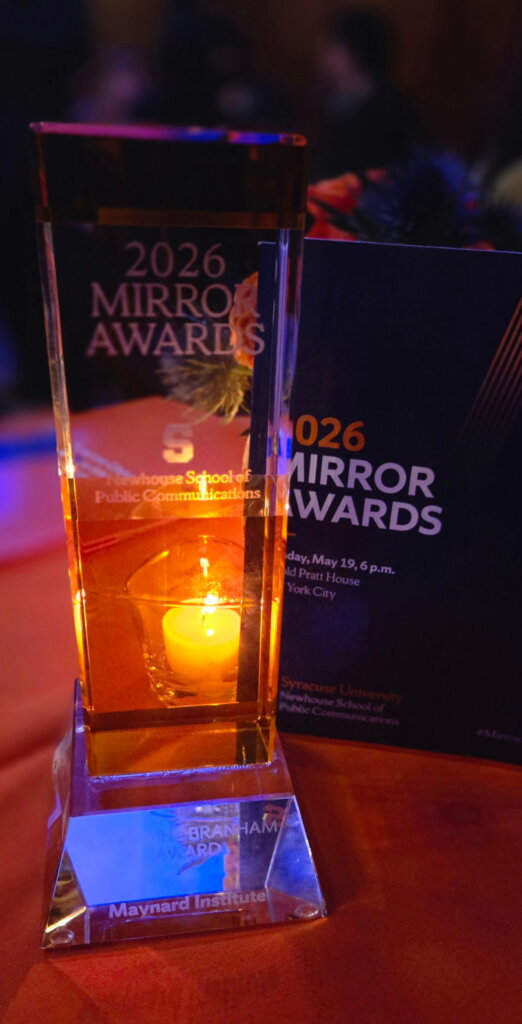
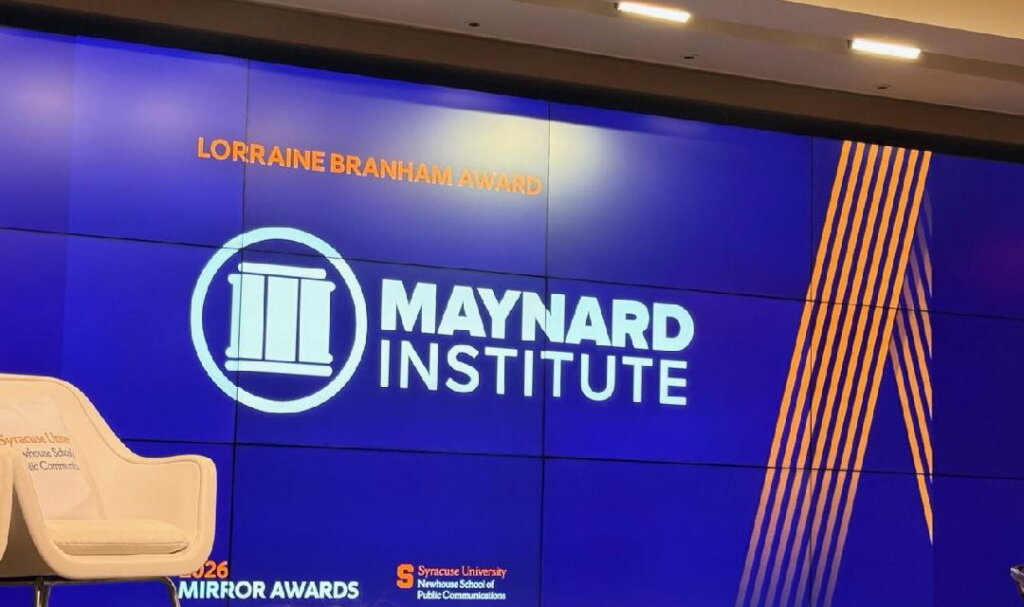
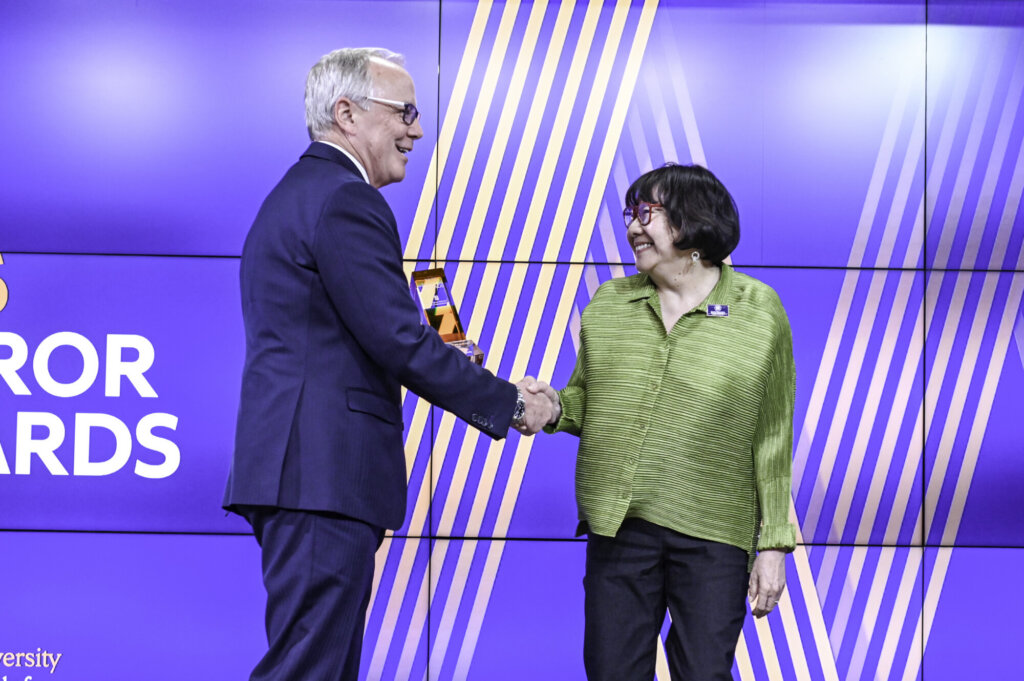
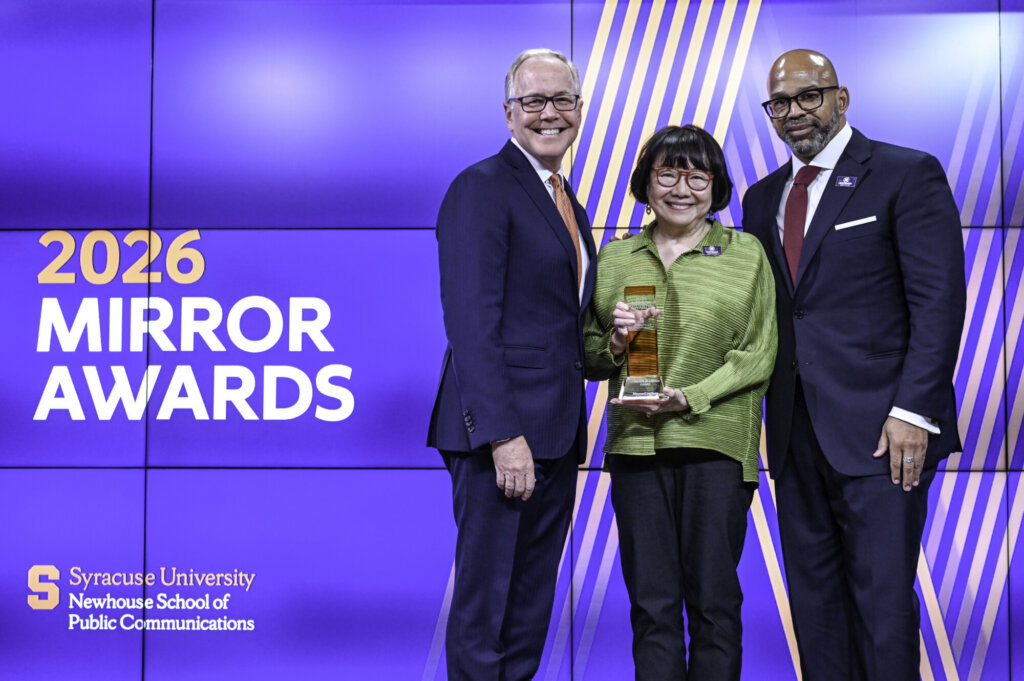
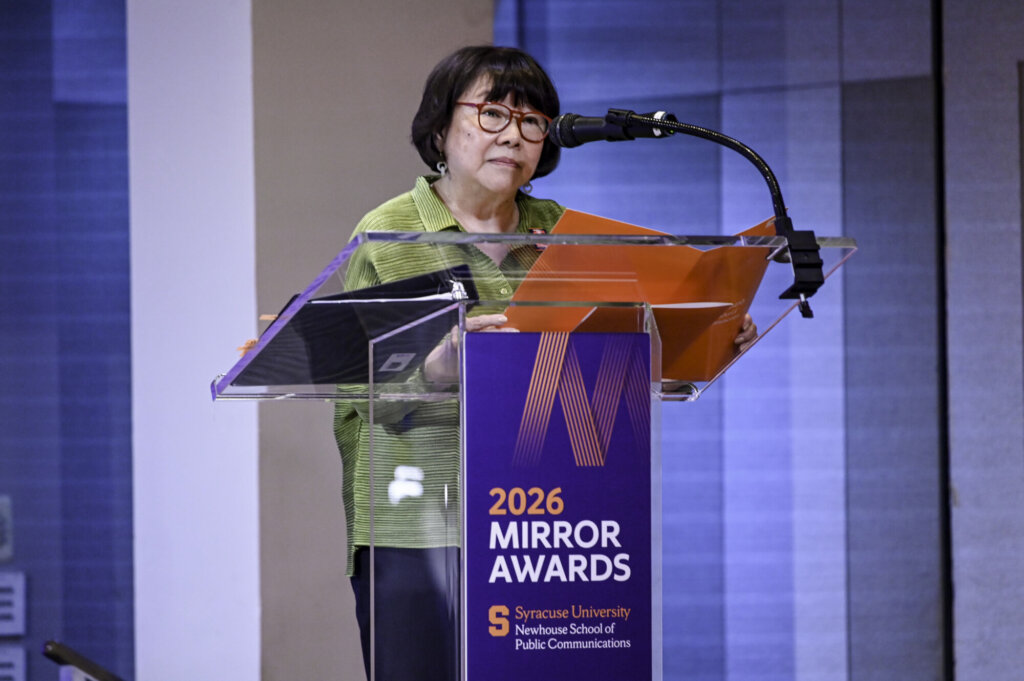
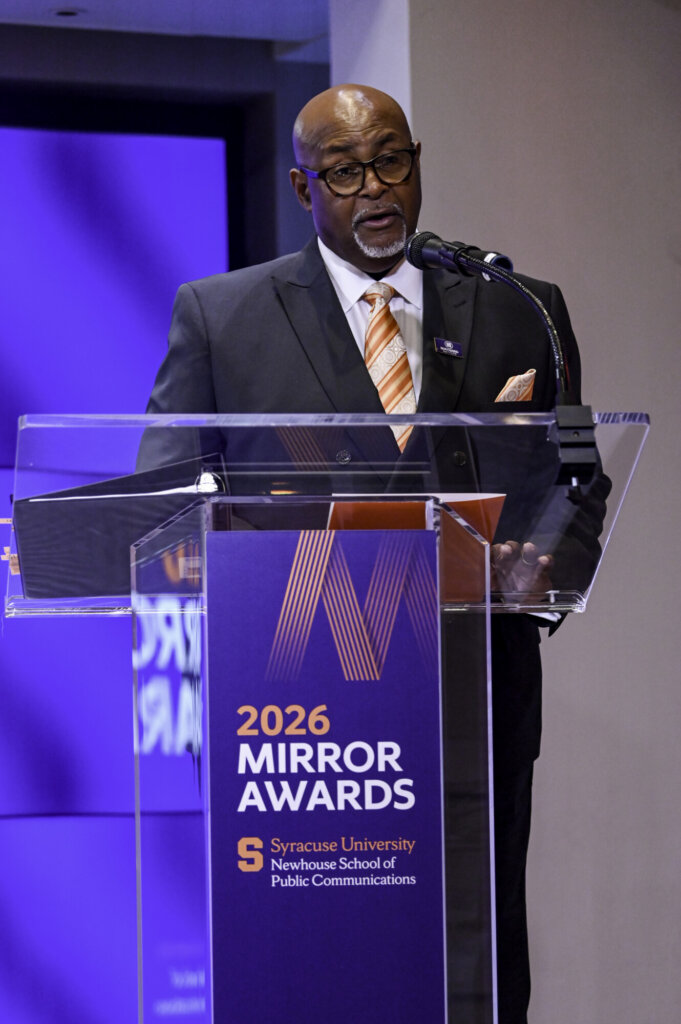
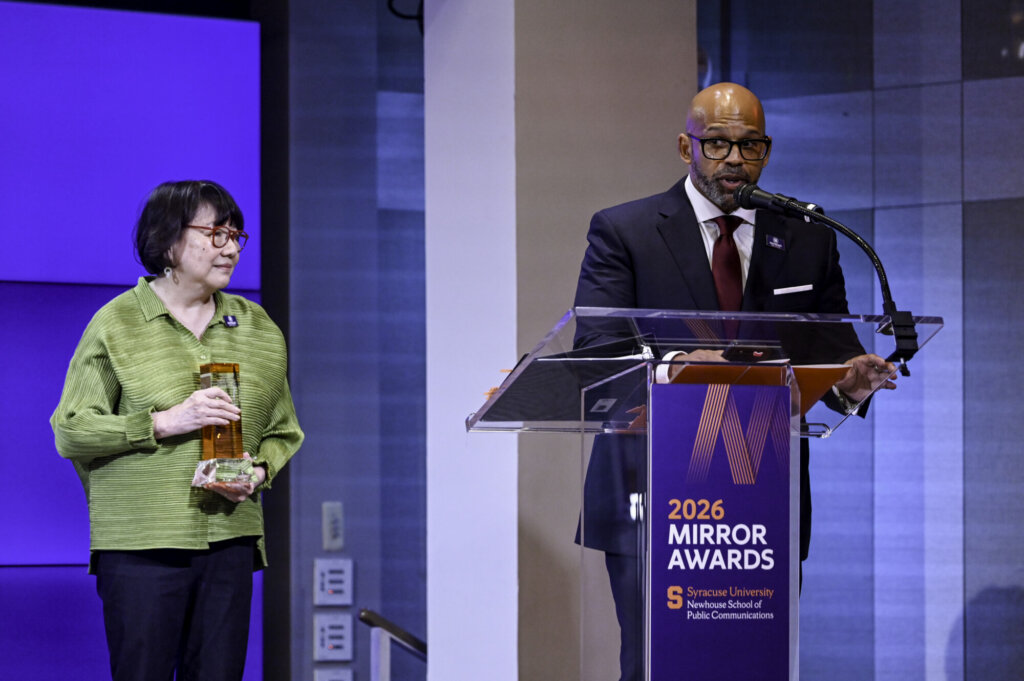
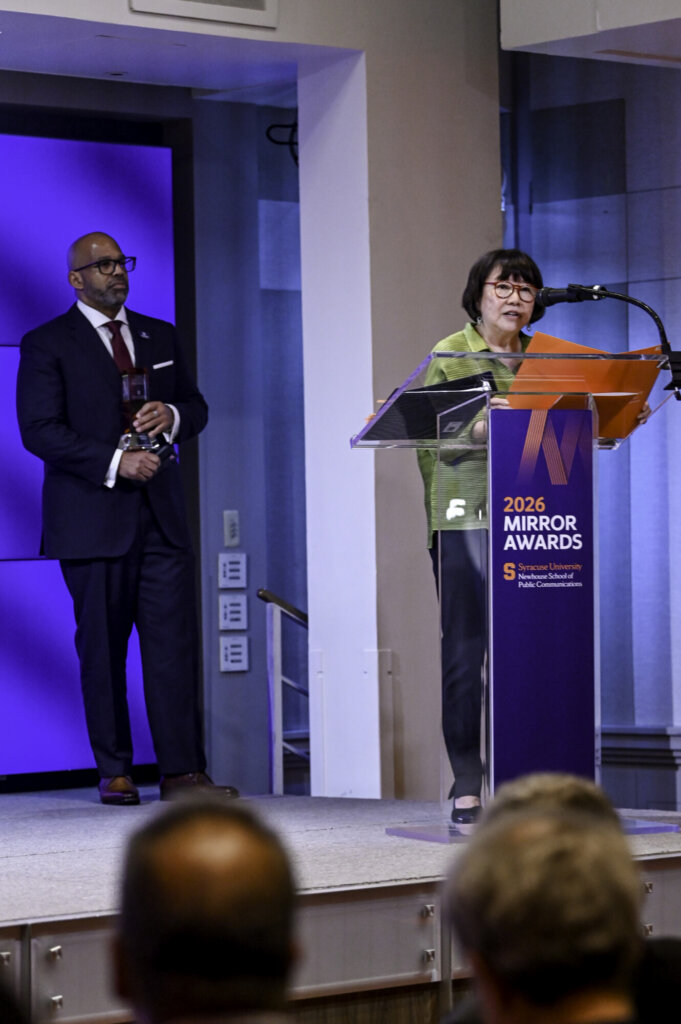
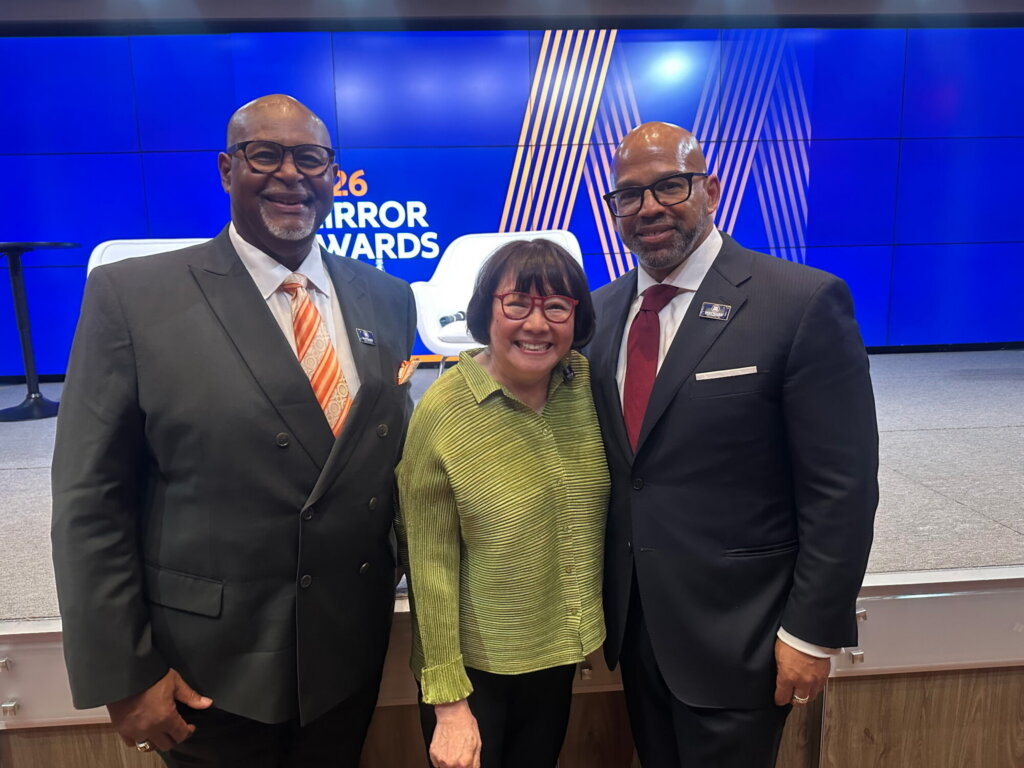
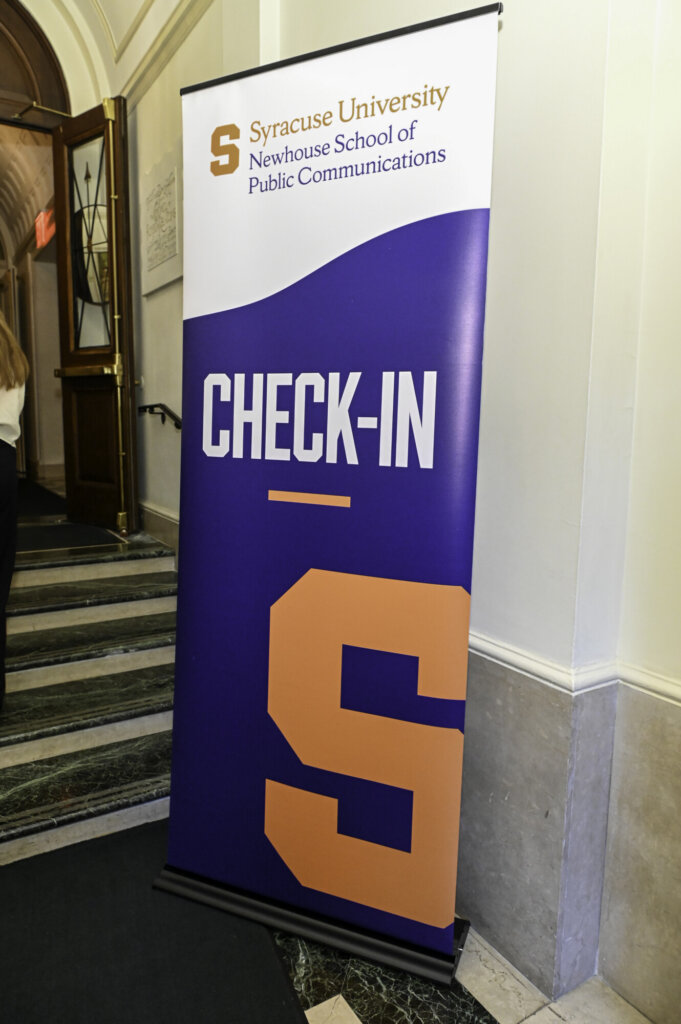
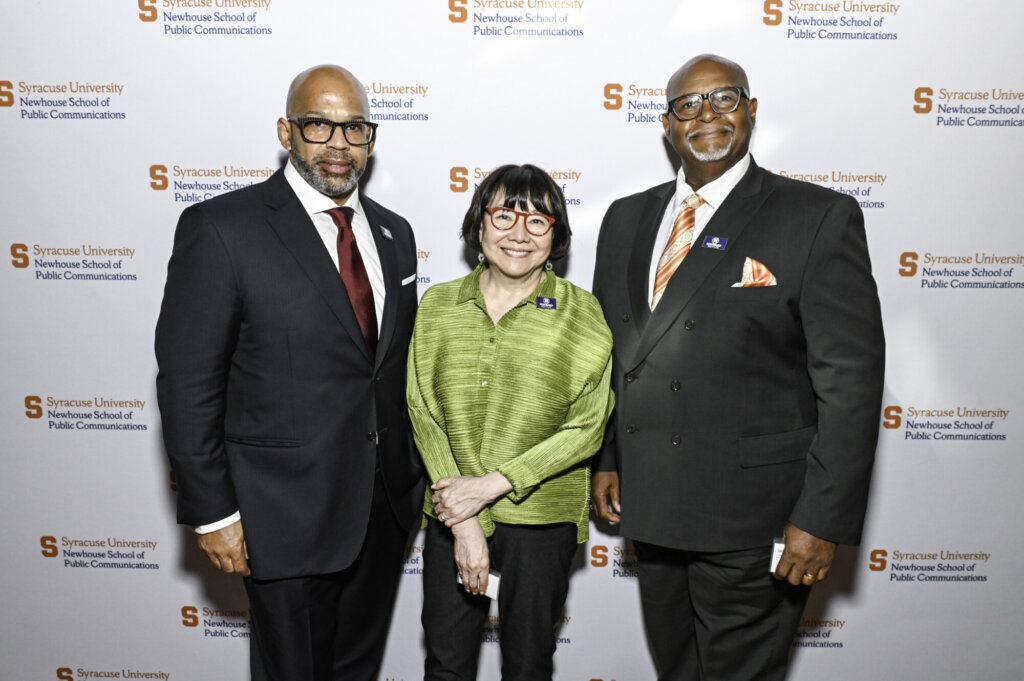
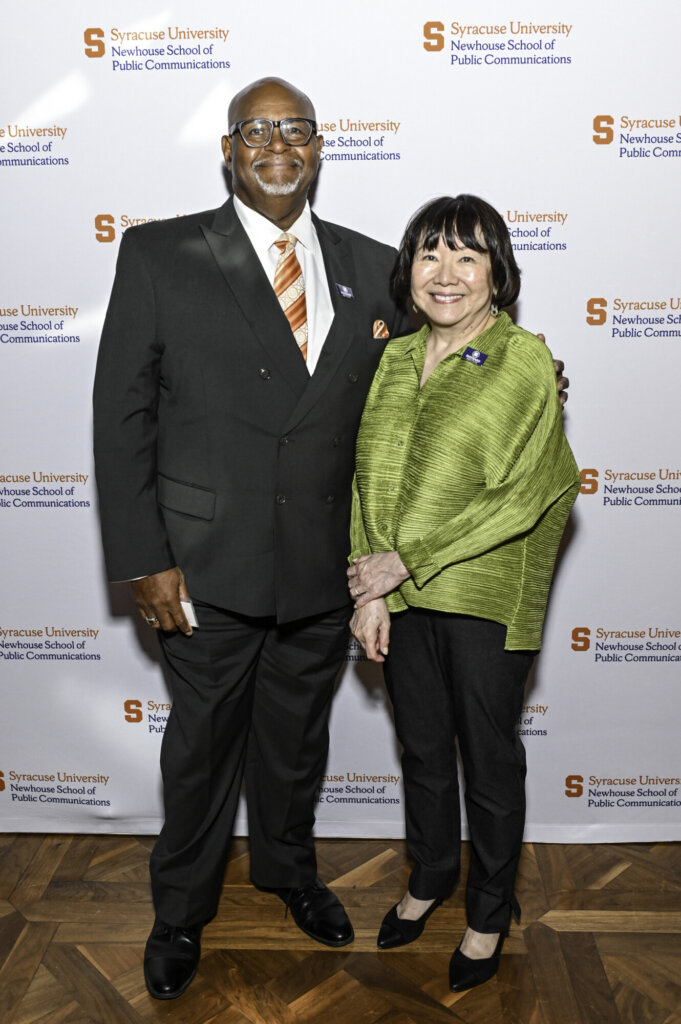
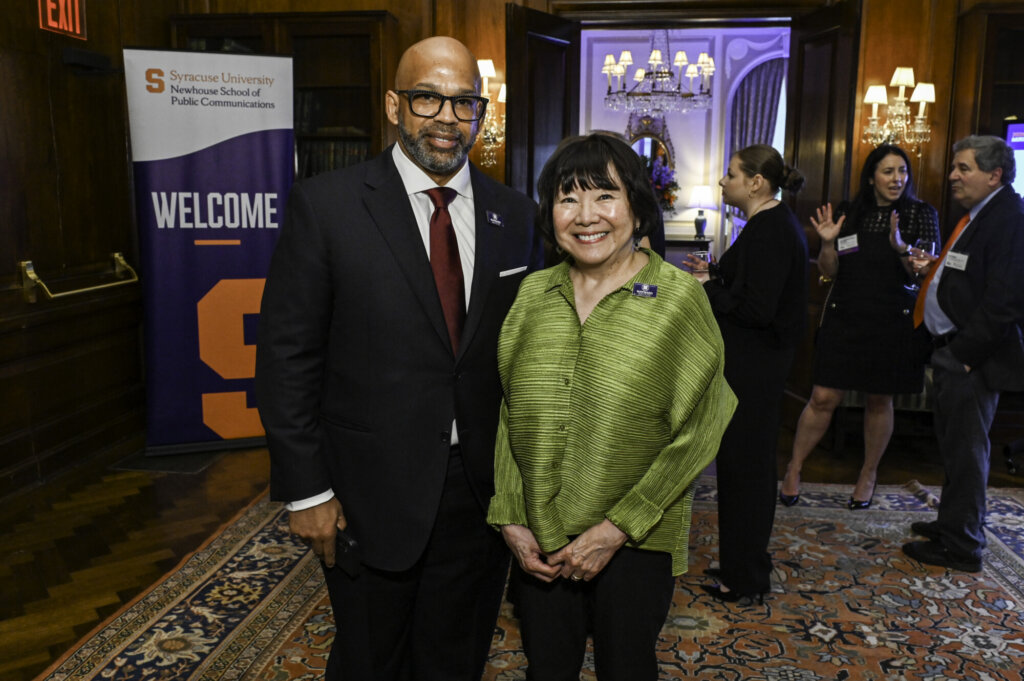
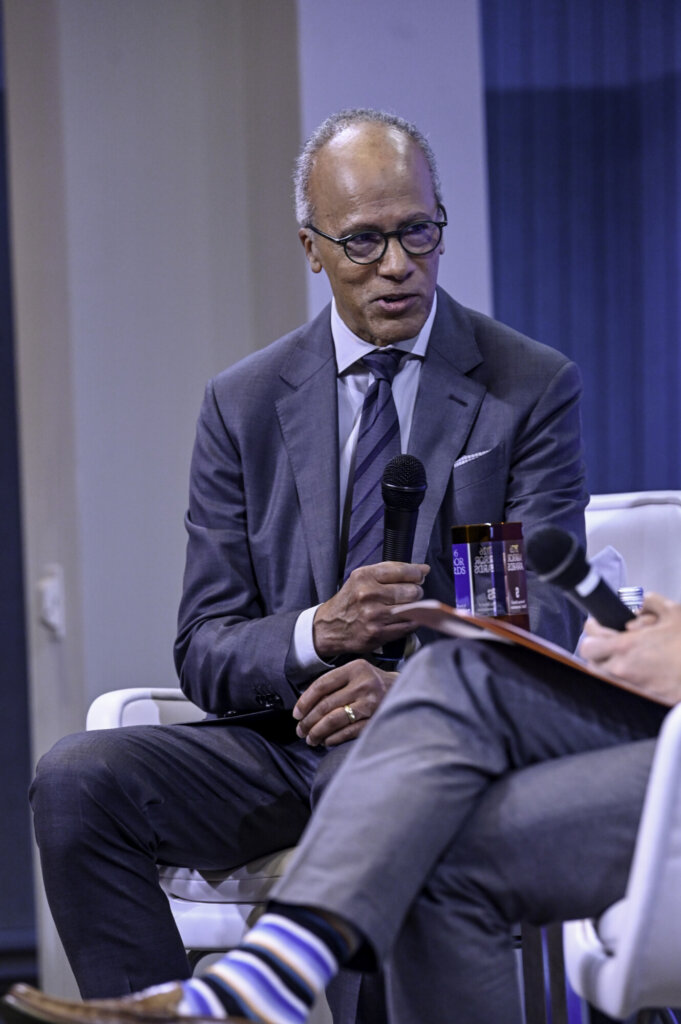
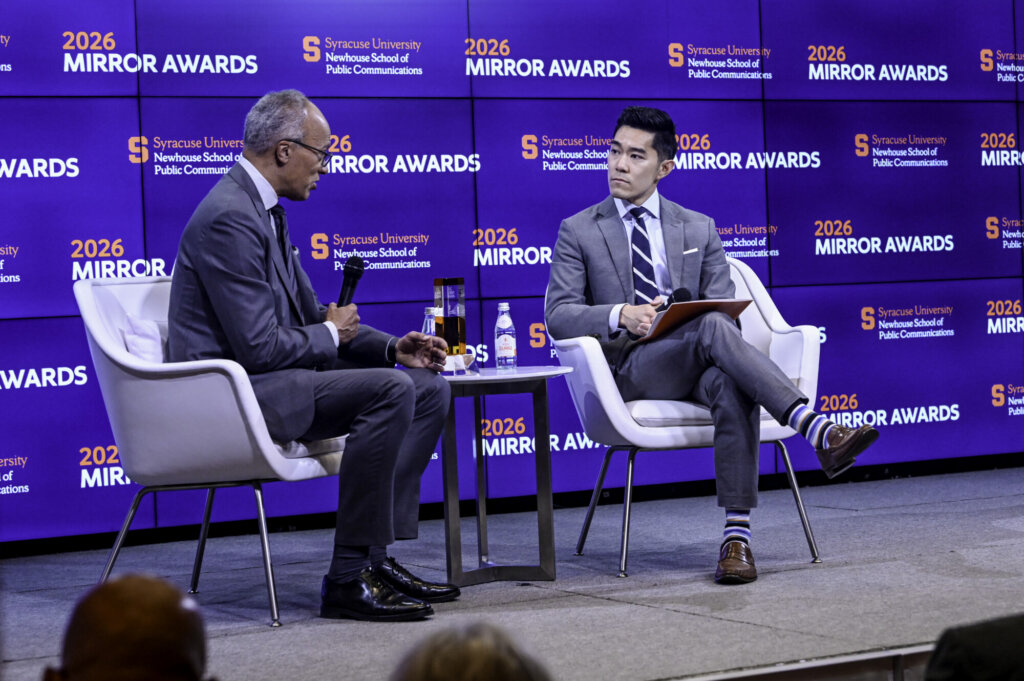
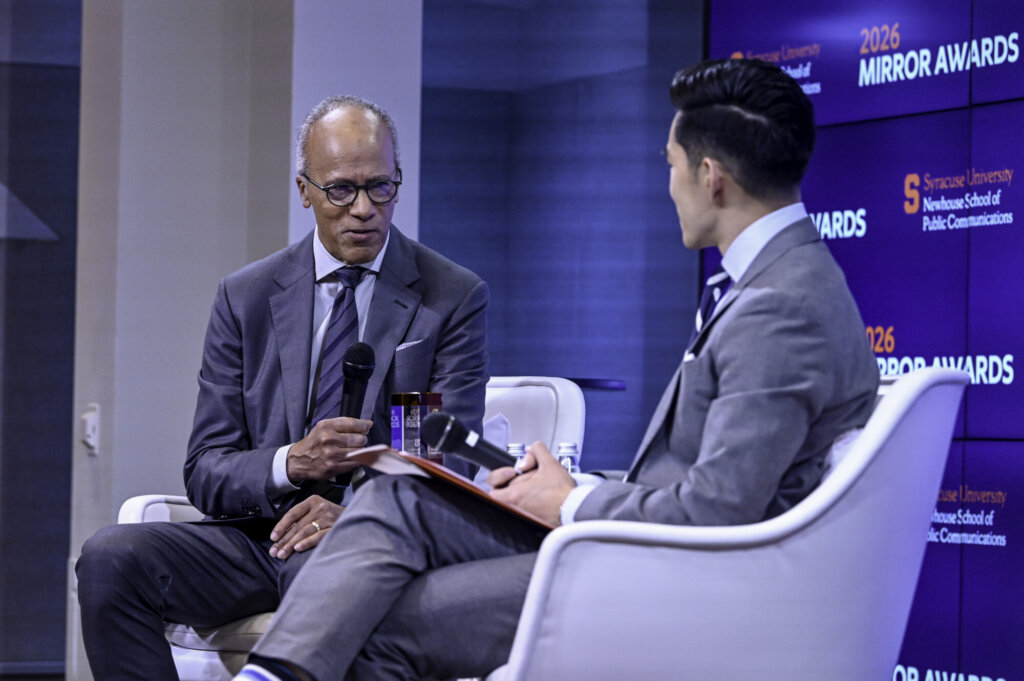
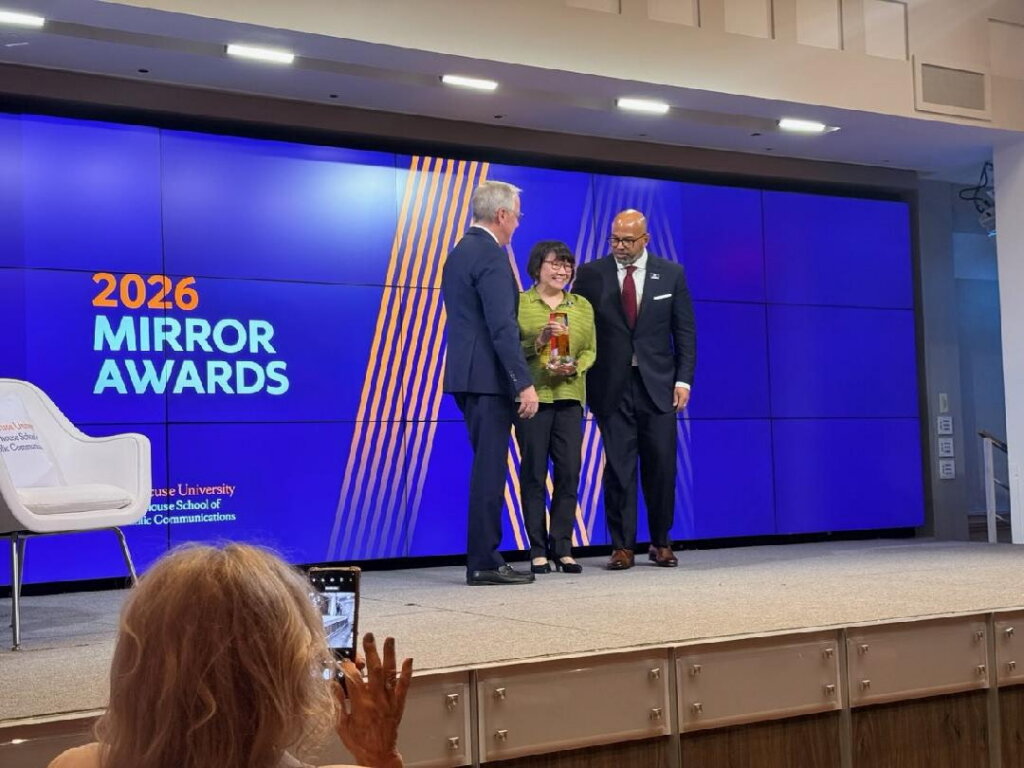
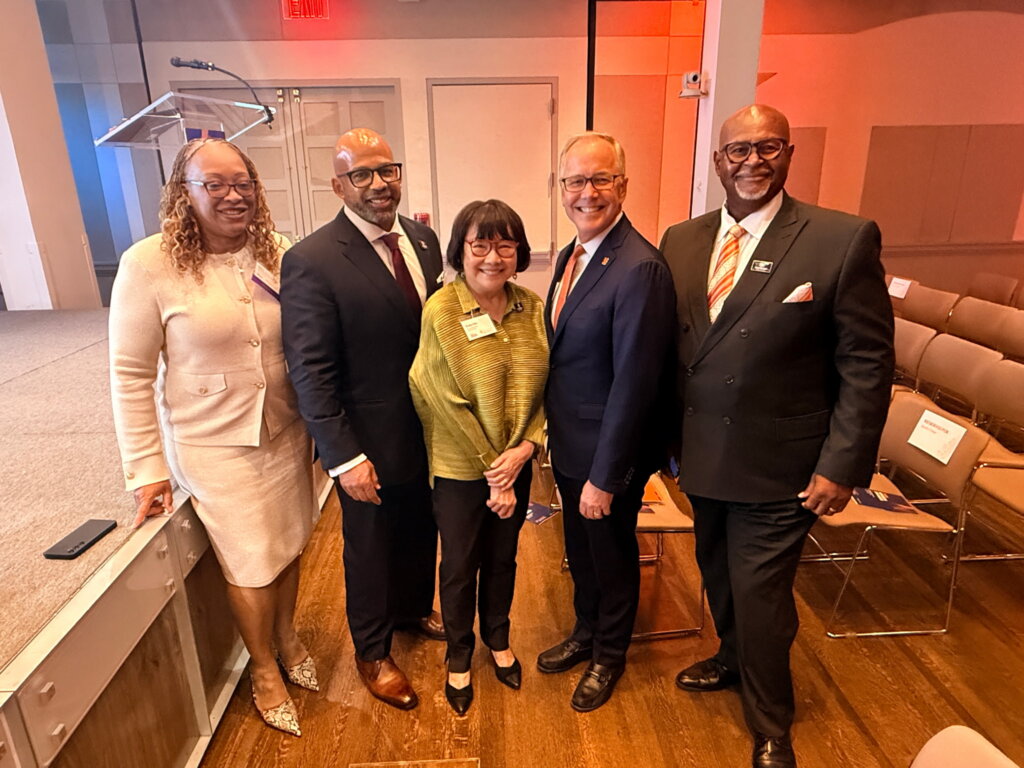
On Tuesday, May 19, 2026 the Maynard Institute was honored to receive the Lorraine Branham Award from Syracuse University’s Newhouse School of Public Communications. Named for former Newhouse dean and Maynard alum Lorraine Branham, who attended the Summer Program for Minority Journalists in 1977 before the Institute received its first official name, the award “recognizes a media organization that has worked to promote inclusion, diversity, equity and accessibility in the news media over the previous year.”
Maynard Institute Board Chair John X. Miller spoke at the awards, and later wrote on the experience of attending the ceremony and reception hosted by Syracuse University.
“It was my honor and privilege to represent the Maynard Institute and introduce Evelyn and Martin at the Mirror Awards, where they accepted the Lorraine Branham Award on behalf of the Institute,” Miller wrote after the awards ceremony.
“Being recognized on the national stage as an organization that continues the work of inclusion, equity and truth-based journalism acknowledges Maynard’s decades-long commitment to expand the community of journalists who aspire to live up to the words and aspirations of Bob Maynard and the founders.
It was a milestone moment for Maynard. In my remarks as the award presenter, I lauded Martin and Eveyln’s stewardship, vision, leadership, adaptability and humanity as they help carry forward Maynard’s mission with urgency and purpose.
As board chair, I am very appreciative of the recognition because it champions the Institute’s persistent work. I share congratulations with the staff and board, too, because the award acknowledges your dedication.
Thank you to the Newhouse School of Public Communications for the Lorraine Branham Award, presented at a fantastic event where NBC News’ Lester Holt was among the six honorees, as the recipient of the Fred Dressler Leadership Award.”
On accepting the Lorraine Branham Award, Co-Executive Director Evelyn Hsu recalled founders Bob and Nancy Maynard, and Bob’s daughter and Institute President Dori J. Maynard.
“We stand on the shoulders of our founders, including Bob Maynard and Nancy Hicks Maynard,” Hsu said. “And we carry deep appreciation for the leadership of our former president, Dori Maynard, who left us far too soon just over a decade ago. I know Dori would have been proud to see the Institute receive an award named for Lorraine Branham, a Maynard graduate whose life and work reflected the power of this legacy.”
Hsu expounded on carrying forward the legacy of the founders, and the generational mantle carried forward by Maynard Institute faculty, staff, fellows and trainees.
“That work has never belonged to one person or one generation. It has been carried by mentors, trainers, editors, reporters, board members, funders and alumni who kept showing up because they believed journalism matters — and because they believed who gets to shape journalism matters, too.”
Co-Executive Director Martin G. Reynolds spoke on past and future visions of belonging in news.
“Nearly 50 years ago, the founders of the Institute believed something simple and profound: the beacons of news in this country should reflect the full diversity of the nation. That mission has always mattered. But it meets this moment with particular urgency,” Marting G. Reynolds said, referencing recent attacks on diversity not only as a practice, but as an ideal and as a reality in America.
“…this honor feels like more than recognition. It is a deeply appreciated act of affirmation for our board, our staff, and especially our graduates, who remain the most powerful reflection of our legacy. Because this work has never been only about who is represented inside newsrooms. It is also about whether the people in our communities are seen fully, heard clearly, and understood for who they are.”
Reynolds hit on the most desired outcome of representation in news: true belonging and investment in communities, and investment in the belonging of each individual within the collective.
“Our hope is that our shared humanity will prevail — and that corrosive attempts to divide us will be met by stories that reveal the beauty, complexity and authenticity of the person beside you.
They do belong. And you belong. Because we belong.”
The Maynard Institute and Propel Initiative programs are always led by expert journalists, editors, newsroom leaders and faculty…
Four years after completing the Maynard 200 Fellowship, William J. Ford is covering Maryland’s statehouse, explaining state politics…
The Maynard Institute also sponsored afternoon coffee at the impeccably executed convention, attended panels led by subject matter…
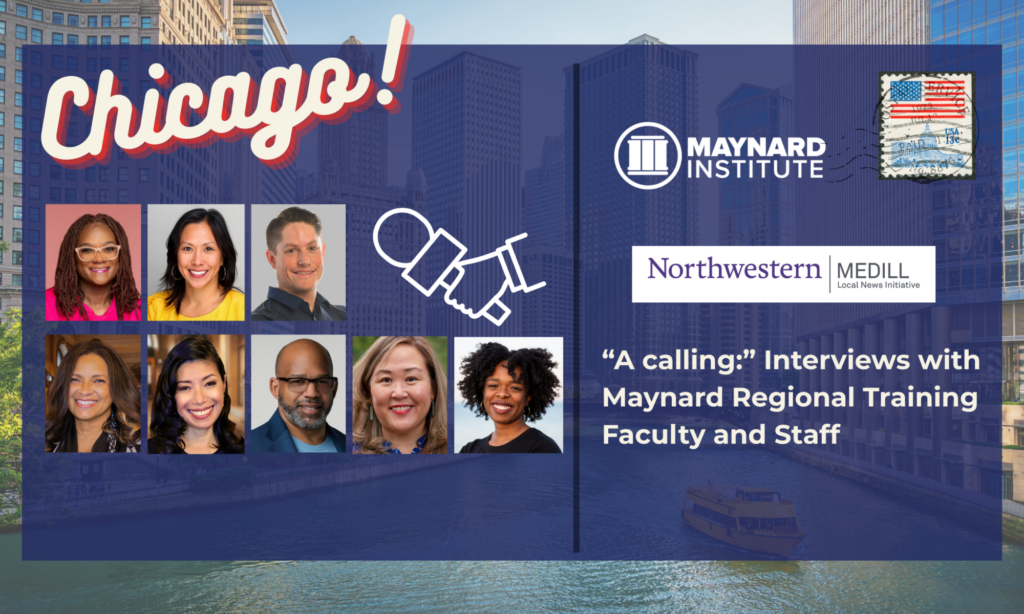
by Alice Finno, Maynard Institute reporting intern
This post contains promotional material for the Maynard Regional Training Series in Chicago.
The Maynard Institute will host a free training for entry- and mid-level editors and managers in Chicago, Illinois, on June 4 through 5, as part of its regional training series.
In partnership with Northwestern University’s Medill School of Journalism, Media and Integrated Marketing Communications, the training will provide coaching and mentoring to help editors and managers working in print, broadcast and digital platforms navigate the complexities of newsroom leadership. Northwestern will cover the standard registration fee on behalf of registrants. Two meals will be provided each day, and limited discounted hotel rooms will be available.
Anyone from the Chicago regional area is invited to attend the training. Registration is open until Tuesday, May 26. Anyone with questions can contact Maynard Regional Training Series Director Odette Alcazaren-Keeley.
Award-winning journalists and Medill professors will lead workshops and discussions together with Maynard Institute faculty.
Martin Reynolds, co-executive director at the Maynard Institute, said that people often start managerial positions without receiving any training, especially when transitioning from a reporter role to a manager or editor position.
However, Reynolds said, only one in ten people have the skills to be a successful manager, according to Gallup, a research and polling organization. During the Chicago training, Reynolds will hold a session about “The Manager’s Mindset” and core aspects of leadership roles, including authority, influence and empathy.
“Having empathy and compassion for your people is really one of the elements that I think is essential,” Reynolds said. “If you don’t have that, it’s very difficult to be an effective manager, a good manager, where your colleagues will thrive under your leadership.”
Mei-Ling Hopgood, journalism professor at Northwestern, will hold a session on using AI with integrity, where participants will discuss newsrooms’ standards and practices when using large language models, such as ChatGPT and Gemini.
“They’re going to be part of newsrooms, they’re going to be part of our workflow, but to be able to say aloud — or to have in writing — this is my philosophy, these are the values that are guiding my use, is very important,” Hopgood said, adding that she hopes people will leave the session having a sense of the guiding principles they want to follow when using AI.
Deborah Douglas, director of the Medill Solutions Journalism Hub, will hold a session called “Complicating the Narrative,” where she will teach people a deep listening technique used in interviewing developed by journalist Amanda Ripley, who currently partners with Maynard alum Hélène Biandudi Hoffer at Good Conflict, guiding and facilitating communication by reimagining conflict “to help people listen and be heard in times of profound disagreement.”
“In a time of deep polarization and shrinking trust, I want to introduce a deep listening technique that models deep listening so that people feel heard and so that they feel safe enough to open up and give us the real answer, not just the surface level answers that people tend to give,” she said.
At the training, Mackenzie Warren, interim executive director of the Medill Local News Initiative, will also present the findings of a study about how Chicago gets its news. The researchers surveyed 1,101 adults in the Chicago metropolitan area and examined consumer behavior, obtaining insights about audiences’ evolving habits and interests.
Warren said the survey focused on 14 counties and included urban, suburban and rural communities in proportions roughly mirroring the United States’ population while also taking race, class and socio-economic status into account to have a representative index.
“I feel somewhat confident in using it as a directional information about how the United States as a whole is getting local news,” he added.
Warren also shared that the Medill Local News Initiative is designed to help the local news ecosystem thrive and highlighted the correlation between positive performance in local news and in democratic norms.
“Without trusted local journalism, it’s not as possible for ordinary people to make good decisions in their lives,” he said.
Doris Truong, deputy director of the Fire Up Entrepreneurship Program at the Maynard Institute, will lead a session on listening and identifying personal values. Truong will talk about interviewing people you disagree with without expressing judgement.
“When you’re talking to sources, it’s really important for them to understand that you’re just trying to understand them, not trying to change their minds,” she said. “You may end up having to interview somebody that you can say ‘I don’t agree with this, but I really want to help my audience understand your perspective.’”
Felecia Henderson, senior director of strategic initiatives at the Maynard Institute, will hold a session about navigating difficult conversations, providing useful steps managers can follow and then role-playing scenarios.
“When you’re a manager, you really have to find a way to strike the right tone, the right setting, the right approach. And a lot of people don’t know what that is,” Henderson said.
Henderson added that when people finish a regional training, they become part of the Maynard Communities of Practice, a program that connects people working in the same field and provides continuous training across different curriculum tracks.
Odette Alcazaren-Keeley, director of the Maynard Regional Training and Communities of Practice Programs, shared that the training will include a roundtable with news leaders from the region to talk about the state of the media in the region.
Alcazaren-Keeley said what participants always appreciate about the programs is sharing the room with other journalists who face the same challenges and be able to learn from each other.
“What we hope is that when they leave, they feel they are not alone, that they have us, and they have each other, and they grow the community with us: they become part of the Maynard family that endures,” she said.
Jasmine Barnes, program manager at the Maynard Institute, said she enjoys creating the vision for a Maynard training and thinking about all the details that will enhance the participants’ experience.
“I’m really hoping that the Chicago training can be a really good opportunity for Northwestern’s network and broader community, as well as some Maynard alumni and some folks who haven’t really been involved with either of those institutions to meet and to really talk about the region and the unique challenges and opportunities that are present in Chicago,” she said.
Mackenzie Warren expressed his excitement for having frontline editors and leaders in journalism come together for the training.
“There’s going be a room full of people who have signed on to this mission and dedicated themselves to this profession that’s more than a profession, it’s a calling,” Warren said.
“Our contributions to journalism will outlast ourselves if we do it right — I’m really encouraged that there’s a room full of people, the next generation of people, who see themselves that way and see this as not just their job, but their mission, and are invested in themselves to get better at their craft.”
The Maynard Institute and Propel Initiative programs are always led by expert journalists, editors, newsroom leaders and faculty…
Four years after completing the Maynard 200 Fellowship, William J. Ford is covering Maryland’s statehouse, explaining state politics…
The Maynard Institute also sponsored afternoon coffee at the impeccably executed convention, attended panels led by subject matter…