News / Blog
Announcing: The Maynard Institute is partnering with BlueLena.
Watch this space for more information on how to manage YOUR donor portal with BlueLena and FundraiseUp!



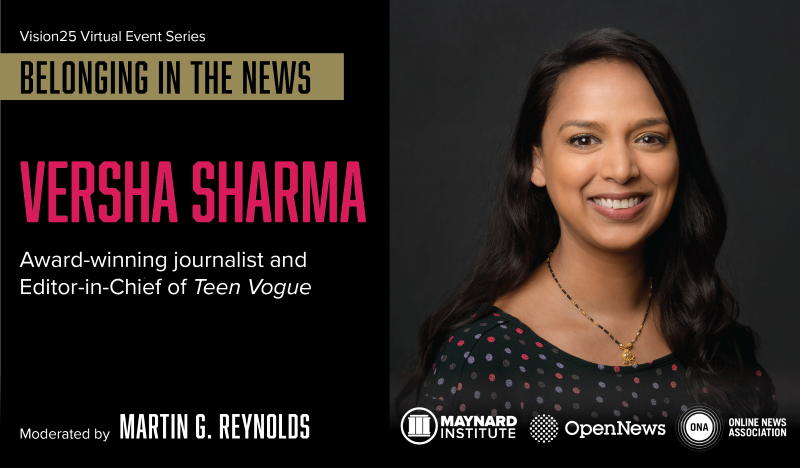
Vision25’s Belonging in the News returns on April 13 with acclaimed journalist and editor-in-chief of Teen Vogue, Versha Sharma as our guest. We are excited to announce that–by popular demand–Vision25 will also be hosting a post-event party discussion. Leaders of our Vision25 partner organizations, Sisi Wei of OpenNews and Irving Washington of the Online News Association, will join us on screen after the main event to facilitate a discussion in the Crowdcast chat on any extra themes or questions that audience members want to cover. There is no need for extra registration, just stay on the same Crowdcast event page to participate. The after party will last for as long as audience members would like, with a hard stop at 1:30pm PT/4:30pm ET. Can’t wait to see you there!
One of the goals for the Vision25: Building Racial Equity in Newsrooms collaboration is to establish ‘institutions of belonging.’ The term describes actively anti-racist news organizations where journalists of color have a sense of agency and belonging in the newsroom. We believe that institutions of belonging are part of the solution to creating a diverse, equitable and trustworthy press.
In the upcoming episode of Belonging in the News, co-executive director of the Maynard Institute Martin Reynolds, will discuss belonging with award winning-journalist and the current editor-in-chief of Teen Vogue, Versha Sharma. Teen Vogue, a web-only Condé Nast publication, pivoted to become a strong voice on social justice issues in recent years.
The discussion will explore:
The event is one hour. The last 15 minutes will be open for audience questions. NEW For the first time ever we’ll be hosting a moderated, post-event party for members of the audience to flesh out any of the comments or themes from the live discussion. This post-event discussion will be hosted by executive members of Vision25 in the chat on our Crowdcast livestream after the event has ended, so you only need to register once. Join us on Wednesday, April 13 at 12pm PT / 3pm ET for the webinar and at 1pm PT / 4pm ET for the after party!
The Online News Association, OpenNews and the Maynard Institute have come together to create Vision25: Building Racial Equity in Newsrooms, a catalyst in a social change movement that seeks to build journalistic institutions where newsrooms are actively anti-racist and collaborative, and journalists of color feel like they truly belong. Learn more here.
Watch this space for more information on how to manage YOUR donor portal with BlueLena and FundraiseUp!
We’re partnering with the Kansas City Defender for Black Philanthropy Month! August is Black Philanthropy Month! Founded in…
The inaugural cohort of Fire Up Fellows represent the power and potential of diverse news in the State…
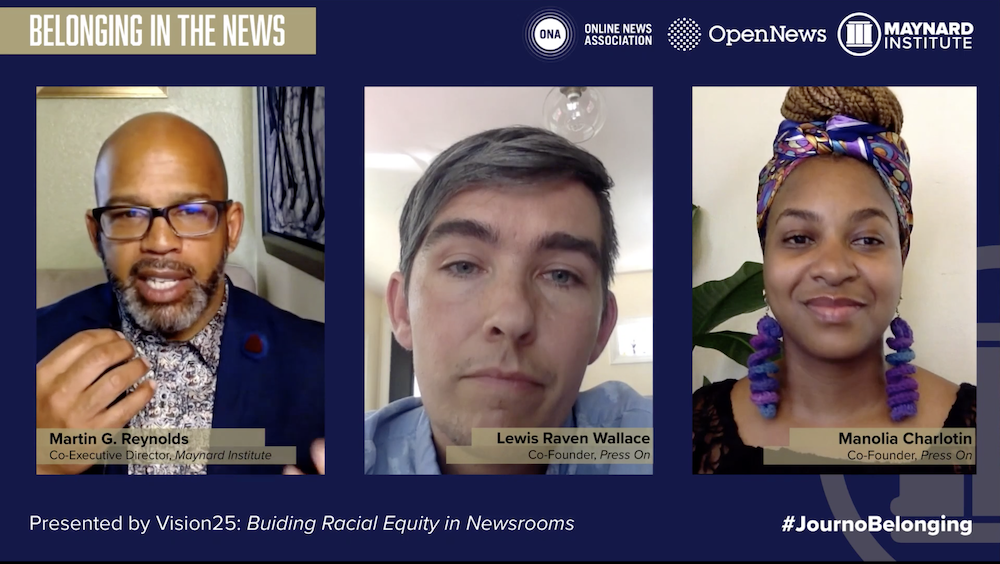
Martin G. Reynolds in conversation with Manolia Charlotin and Lewis Raven Wallace of Press On in episode four of Vision25 Belonging in the News
Vision25’s Belonging in the News returns next week with acclaimed journalist and editor-in-chief of Teen Vogue, Versha Sharma as our guest. Register for the next Belonging in the News discussion — we promise our guests don’t hold back! In honor of the 2022 return of our popular virtual event series in partnership with OpenNews and the Online News Association we’re sharing a compilation of some of our favorite mic drop moments from the past episodes.
One of the goals for the Vision25: Building Racial Equity in Newsrooms collaboration is to establish ‘institutions of belonging.’ The term describes actively anti-racist news organizations where journalists of color have a sense of agency and belonging in the newsroom. We believe that institutions of belonging are part of the solution to creating a diverse, equitable and trustworthy press.
1.“If our standard is to appear to be objective, our standard becomes to lie to our readers.”
These journalism institutions should have their values clearly stated somewhere. If truth-telling is a value then no journalist working for an institution should get in trouble for telling the truth.” –Episode 3, Wesley Lowery, Pulitzer Prize-winning journalist, author and correspondent for CBS News

2.“We’re trusting heterosexual, white men of privilege who have been consuming mainstream narratives about immigrants for years to do ‘objective’ reporting on that issue and hire reporters on that issue… And all of the media we are consuming is through that filter. That is bad journalism.” –Episode 2, Maria Hinojosa, executive producer of Latino USA and creator of Futuro Media Group
3.“We[journalists] have been trained out of our humanity. When you are trained out of your humanity, you can’t see that you are taking a piece of someone’s respect and dignity by ‘objectifying’ them.” –Episode 4, Manolia Charlotin, Co-founder of PressOn

Martin G. Reynolds in conversation with Maria Hinojosa
4.“Journalists need to hold powerful people accountable–the powerful people within our own journalism institutions.” –Episode 4, Lewis Raven Wallace, Co-founder of PressOn
5.“Newsrooms today don’t reflect our communities, they reflect power.”
-Episode 1, Nikole Hannah-Jones, reporter for The New York Times Magazine and creator of the 1619 Project

6.“Radical imagination is something that exists and that is alive and breathing as a practice in marginalized and oppressed communities, and the way they are going about change is to reimagine the systems they are impacted by.” –Episode 4, Manolia Charlotin, Co-founder of PressOn
7.“We’re seeking the white audience by not telling the truth about racism, and black people are going, ‘What is this nonsense?’” –Episode 3, Wesley Lowery, Pulitzer Prize-winning journalist, author and correspondent for CBS News
8.“The critic’s job is to help people understand what questions they should be asking; how to use food and restaurants to start a larger social conversation.” –Episode 5, Soleil Ho, Restaurant critic for the San Francisco Chronicle
9.“We [journalists] cannot compromise our values of truth and fairness to seek the validation of bad faith actors.” –Episode 3, Wesley Lowery, Pulitzer Prize-winning journalist, author and correspondent for CBS News

Martin G. Reynolds in conversation with Wesley Lowery.
10.“The sense of feeling you belong will make you a better journalist.” –Episode 2, Maria Hinojosa, executive producer of Latino USA and creator of Futuro Media Group

11.“The 1619 Project would not exist if I was not being treated as if I belonged in the newsroom. You have to treat me as an equal who is worth investing in.”
-Episode 1, Nikole Hannah-Jones, reporter for The New York Times Magazine and creator of the 1619 Project
12.“Hip hop taught me everything–it led me to writing about the fine arts, it led me to covering President Obama, and it led me to writing about resegregation. Hip hop’s the glasses I wear–I see everything through it.” –Episode 6, Jeff Chang, author, journalist and a senior advisor at Race Forward
In the April 2022 episode of Belonging in the News, co-executive director of the Maynard Institute Martin Reynolds, discussed belonging with award winning-journalist and the current editor-in-chief of Teen Vogue, Versha Sharma. Teen Vogue, a web-only Condé Nast publication, pivoted to become a strong voice on social justice issues in recent years. The discussion explored:
The event is one hour. The last 15 minutes was open for audience questions as part of a moderated, post-event party for members of the audience to flesh out any of the comments or themes from the live discussion. This post-event discussion was hosted by executive members of Vision25 in the chat on our Crowdcast livestream after the event ended. Watch the recording.
The Online News Association, OpenNews and the Maynard Institute have come together to create Vision25: Building Racial Equity in Newsrooms, a catalyst in a social change movement that seeks to build journalistic institutions where newsrooms are actively anti-racist and collaborative, and journalists of color feel like they truly belong. Learn more here.
We’re partnering with the Kansas City Defender for Black Philanthropy Month! August is Black Philanthropy Month! Founded in…
The inaugural cohort of Fire Up Fellows represent the power and potential of diverse news in the State…
Fire Up is made possible by a budget allocation from the State of California and is part of…

Martin G. Reynolds speaks to the attendees of the Chauncey Bailey Way commemorative plaque unveiling at Alice and 14th Streets on March 5, 2022. Photo by Momo Chang.
On Saturday, March 5, 2022, the City of Oakland officially unveiled the commemorative plaque installed on 14th Street at Alice Street as Chauncey Bailey Way, in honor of veteran journalist Chauncey Bailey, who was shot and killed at the intersection 15 years ago for investigating a local news story. Over 100 family members, colleagues and friends attended the emotional memorial. The Maynard Institute’s co-executive director, Martin Reynolds spoke to the crowd about Bailey’s impact and the role of the Chauncey Bailey Project, the media coalition that formed to finish the stories Bailey had begun before he was assassinated.
“The kind of violence experienced when Chauncey was slain seemed unimaginable in this country in 2007. Around the world, journalism has been perilous, particularly in Mexico and in the Philippines and in other places around the globe. Killing Chauncey–it was a breach, a shock. And now, 15 years later, after the 2018 killings of journalists at The Capital Gazette in Maryland and the normalizing of threats to journalists during the Trump administration, such a slaying doesn’t feel so far away. Nor does the threat to our democracy.”
Martin G. Reynolds, Co-Executive Director, Maynard Institute for Journalism Education
Bailey was born and raised in Oakland and began his career writing for the Oakland Post and San Francisco’s Sun Reporter, as well as reporting on-air for San Jose’s KNTV. Bailey established roots at the Detroit News where he worked for a decade as reporter and columnist before returning to Oakland. From 1993 to 2005, Bailey covered East Oakland and African-American community affairs for the Oakland Tribune.
Reynolds began his memorial service speech with his experience getting to know Bailey during their time working together at the Tribune:
“I first met Chauncey when I was an intern working at the Tribune back in 1995. He knew everybody, and yet he took time to help me, gave me thoughts, gave me guidance. Later, when I went into editing, he was a critical go-to reporter and an anchor for the coverage of the Black community. Which for Oakland, particularly at that time, was synonymous with our community. I recall his hosting a news show on Soul Beat and efforts to push for black ownership of broadcast outlets. It was a passion and it was one that I always respected and appreciated.
After Chauncey left the Tribune he was reborn as editor of the Oakland Post. I remember thinking how fortunate the paper was to get such a seasoned, knowledgeable and passionate editor who could also write and report. Seeing him out and about–and, you know, he was always out and about–he had this fire in his eyes. One that had been dimmed by the corporate upheaval and constant downsizing at the Tribune, along with the change of ownership and strife between management and reporters.
I can also say this– when Chauncey left the Oakland Tribune, the coverage that he provided, the perspective that he offered, was never replaced. There was no replicating his contribution, and I was happy for the Post and for him that he found a place where his skills could be valued and that this important publication was enhanced by his presence and his persistence.”
Reynolds continued to describe the meaningful work of the Chauncey Bailey Project, the media coalition formed shortly after Bailey’s murder:
“The Chauncey Bailey project, as mentioned, was the second large-scale collaboration of American journalists from multiple news organizations coming together to investigate the slaying of an American journalist. The first was the Arizona Project and although many news organizations participated in that project, The Arizona Republic never published any of the stories. The Oakland Tribune would not make such a mistake.
It was the home of the Chauncey Bailey Project, and we received full support from our then VP of news, Kevin Keane and the Bay Area News Group manager, Pete Wevurski. And I also want to give a shout out to senior editor Mike Oliver and Michelle Maitre for their outstanding work, as well as Robert Rosenthal.
The kind of violence experienced when Chauncey was slain seemed unimaginable in this country in 2007. Around the world, journalism has been perilous, particularly in Mexico and in the Philippines and in other places around the globe. Killing Chauncey–it was a breach, a shock. And now, 15 years later, after the 2018 killings of journalists at The Capital Gazette in Maryland and the normalizing of threats to journalists during the Trump administration, such a slaying doesn’t feel so far away. Nor does the threat to our democracy. So often journalists extoll in lofty terms about the fourth estate. How you can’t kill a story because you killed a journalist. Following the investigation into those who killed Chauncey–and I will not utter their names–books were written, awards were won, people went to jail.”

Former Oakland City councilwoman Lynette Gibson McElhaney, who introduced the initiative to honor Bailey in 2011, takes a group photo of members of The Chauncey Bailey Project and colleagues. From left to right: Ray Chavez, Martin Reynolds, Thomas Peele, Josh Richman, Mary Fricker, Bob Butler, and Jane Tyska. Photo by Kat Ferreira.
Reynolds closed by addressing Bailey’s son Chauncey Bailey, Jr. with hope that those who loved Bailey find peace in his memory while traveling down the newly commemorated street in downtown Oakland:
“But you know what happened? The most tragic thing that happened. A son lost a father. A father who loved him, brought Chauncey Jr. into the newsroom all the time. He showed us photos of you playing football. You were the apple of his eye, I’ll tell you that. And I will always remember your kind, sweet face. Those kind eyes. And I think of you when I think of your father.
I’m so happy to see this commemoration of Chauncey here. And thank you to the city officials and the family and to so many other folks who I’m sure are responsible for bringing this honor to fruition. Chauncey’s unique gift was his love of and relationship to the community and even members of the community who didn’t like him. In the end, you know, if you knew Chauncey you had an opinion of him.
He amplified the collective voice, and it was that voice–a part of our community’s voice–that was snuffed out when he was killed. May his memory ride along this stretch of street that bears his name. May those who loved him find peace. May the stories he told and the craft he practiced continue to travel with all of us down Chauncey Bailey Way. Thank you.”
Oakland Voices emerged from a partnership between the Oakland Tribune and The Maynard Institute for Journalism Education. In the same spirit of Chauncey Bailey, many of our correspondents join Oakland Voices because they want to reshape common misperceptions of their communities, portraying them instead as dynamic places where real people struggle, succeed, and thrive. Oakland Voices correspondent Brandy Collins wrote about the memorial ceremony. Read the article at Oakland Voices and subscribe to our newsletter for more information about the Institute’s programs.
Watch this space for more information on how to manage YOUR donor portal with BlueLena and FundraiseUp!
We’re partnering with the Kansas City Defender for Black Philanthropy Month! August is Black Philanthropy Month! Founded in…
The inaugural cohort of Fire Up Fellows represent the power and potential of diverse news in the State…

EMERYVILLE, CA (March 9, 2022): The Maynard Institute for Journalism Education, a nonprofit dedicated to expanding the diversity pipeline in the news media and dismantling structural racism in its newsrooms, is accepting applications for its cornerstone Maynard 200 Fellowship. The professional development program provides cutting-edge training and year-long mentorship for storytellers, editors and managers, leaders and media entrepreneurs of diverse backgrounds.
The 2022 program will be held in-person during the week of June 27th at the USC Annenberg School for Communication and Journalism in Los Angeles, California. Maynard 200 fellows will benefit from tuition-free training and mentorship, plus air travel and lodging expenses will be covered by the Maynard Institute.
The program will continue throughout the summer with a series of virtual webinars. A second week of in-person training will be held the week of October 24th. Fellows will then be paired with industry veterans and experts in relevant disciplines in their area of interest to receive one year of one-to-one mentorship through October 2023.
This year’s program will consist of an expanded cohort size of 50 fellows. Applicants can apply to one of four curriculum tracks including investigative storytelling, media entrepreneurship, executive leadership, and frontline editors and managers. Applications are now closed. Screening will begin after the application deadline and will continue through March and early-April.
Maynard 200 has been supported by Google News Initiative, the Craig Newmark Philanthropies, the Hearthland Foundation, and the McClatchy Foundation. The Fox Corporation is a confirmed sponsor for the 2022 program.
For more information and guidance on the application process, as well as COVID-19 safety protocols for the in-person training sessions, please visit Maynard 200 program updates for 2022.
For more than 40 years, the Maynard Institute has fought to push back against the systemic lack of diversity in the news industry through training, collaborations and convenings. Founded by Robert C. Maynard, the Institute promotes diversity and antiracism in the news media through improved coverage, hiring and business practices. We are creating better representation in America’s newsrooms through our Maynard 200 fellowship program, which gives media professionals of color the tools to become skilled storytellers, empowered executives and inspired entrepreneurs.
Maynard 200 is the cornerstone fellowship program advancing the Maynard Institute’s efforts to expand the diversity pipeline in news media and dismantle structural racism in its newsrooms. It is designed for and serves the next generation of media leaders, storytellers, and entrepreneurs, in order to advance their career growth and leadership power in newsrooms and organizations. The professional development program provides customized training courses, resources and 1:1 mentorship by industry professionals, to fellows who have represented a wide spectrum of racial, gender and geographic backgrounds.
The deadline to apply for Maynard 200 was March 28, 2022. Applications are now closed.
See the latest press release on PR Newswire. For more information about sponsoring the Maynard 200 Fellowship or program eligibility, please reach out to:
Maynard 200 Director, Odette Alcazaren-Keeley at okeeley@mije.org.
Watch this space for more information on how to manage YOUR donor portal with BlueLena and FundraiseUp!
We’re partnering with the Kansas City Defender for Black Philanthropy Month! August is Black Philanthropy Month! Founded in…
The inaugural cohort of Fire Up Fellows represent the power and potential of diverse news in the State…
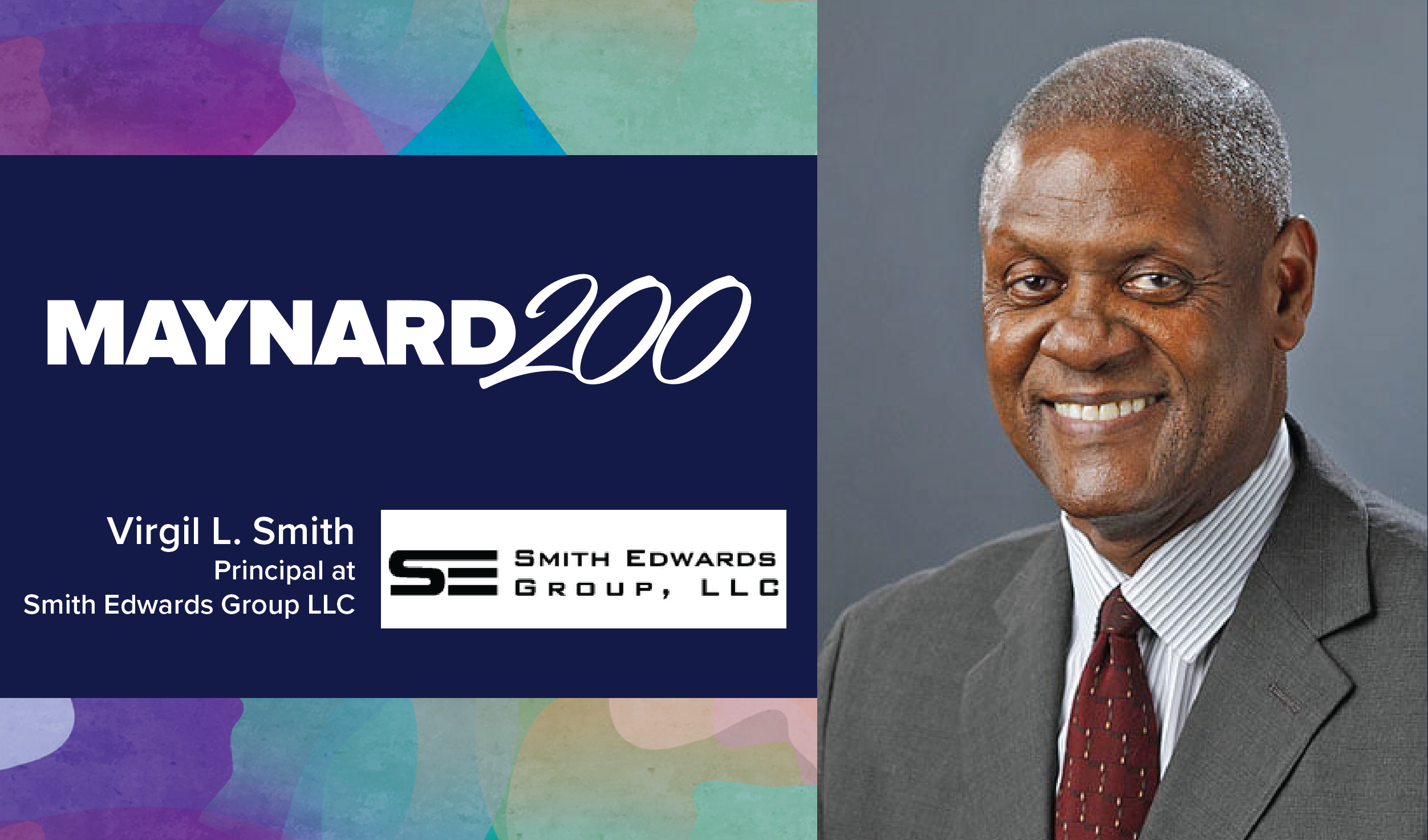
The Maynard Institute welcomes back Virgil L. Smith, Principal Consultant of the Smith Edwards Group, as executive-in-residence for the Maynard 200 fellowship program’s Executive Leadership track. Smith started the consulting firm in October 2015 after retiring from the Gannett Company, where he worked for 24 years as a president and publisher and corporate HR executive focused on talent development, talent acquisition, talent management and diversity. Prior to joining Gannett, Smith spent 20 years with the McClatchy Company, where he held a number of executive positions. His commitment to leadership development is evident in the hundreds of media professionals he has coached in achieving their career and life goals.
One of the Maynard Institute’s core programs, the Maynard 200 Fellowship provides advanced, tuition-free training to mid-career journalists of color. With the supportive peer network, Maynard 200 fellows have the opportunity to grow the impact of their work while helping diversify institutional and entrepreneurial news organizations.
When you look at the landscape of journalism leaders of color across the nation, many participated in the Maynard Institute since its founding in 1977. My goal is to create the same type of environment and success for the journalists who strive to be leaders in their organizations and the industry.”
Virgil L. Smith, Principal Consultant of the Smith Edwards Group, LLC
The Maynard 200 Executive Leadership track is designed to assist fellows in achieving their career goals. As a testament to the program’s success, every Maynard 200 fellow in the program’s first year executive leadership cohort has since advanced to a c-suite and/or executive vice president level position.
As executive-in-residence, Smith’s approach to the curriculum is influenced by the Maynard Institute’s mission and founders. “I have been a supporter and affiliated with the Maynard Institute since the early days. I had the honor of knowing Bob and Nancy Maynard as well as their daughter Dori Maynard,” Smith said.
“The founders’ vision and commitment to developing an institute that gave people of color the opportunity to learn and develop in a non-judgmental environment was invigorating. When you look at the landscape of journalism leaders of color across the nation, many participated in the Maynard Institute since its founding in 1977. My goal is to create the same type of environment and success for the journalists who strive to be leaders in their organizations and the industry.”
Smith described how Maynard 200 fellows benefit from experienced faculty who challenge participants to engage in the shared experience with their peers. Fellows gain insights, skills, and a support network to propel their careers, as well as executive mentorship to continue learning throughout the year.
Smith said, “the trainers we have as part of the Maynard 200 Executive Leadership track are exceptional and accomplished professionals. The combined expertise and knowledge that faculty and Maynard 200 fellows bring together is what makes this program so special. It’s a place for shared learning with a supportive peer network.”
Maynard 200 Executive Leadership curriculum topics include: Human Capital Management, Financial Leadership, Introspective Leadership, Personal and Professional Development, Corporate Governance, and Investor Relations and Developing a Strategic Direction.
As part of the Executive Leadership track, fellows are encouraged to complete a 360-degree assessment. The 360-assessment approach provides a view of a leader’s strengths and opportunities for growth. The assessment measures 16 competencies critical for success, as well as 5 possible career derailers.
Are you a media professional seeking to move up the organizational structure to senior level positions? If you are confident in your ability to learn and lead top performers in the industry, learn more about the fellowship program. Applications are now closed.
The Maynard 200 program is grateful to all members of the 2022 faculty and mentors. In addition to media entrepreneurship, the Maynard 200 program includes three additional areas of focus for investigative storytellers, executive leaders, and frontline editors. Each track is led by accomplished industry veterans such as peabody award-winning journalist Aaron Glantz for investigative storytelling, former newsroom C-suite executive Virgil Smith for the leadership track, and senior editor John X. Miller for frontline editors and managers.
Over 60 executives in media and other relevant disciplines participate in the Maynard 200 program. Their expertise and representation mirror that of our fellows — of diverse heritage, geography across the United States and globally, affiliation at mainstream and ethnic media outlets as well as entrepreneurial ventures.
Since the inception of Maynard 200, the Maynard Institute’s partners have been instrumental in the program’s success. Partner organizations include Investigative Reporters and Editors (IRE), Asian American Journalists Association (AAJA), National Association of Hispanic Journalists (NAHJ), Native American Journalists Association (NAJA), National Association of Black Journalists (NABJ), Poynter Institute, the Craig Newmark Graduate School of Journalism at the City University of New York (CUNY), and Society for Professional Journalists (SPJ). Special thanks to IRE’s support for this year’s mentorship roster, which includes their distinguished board members and network partners.
The program supports and emboldens the next generation of storytellers, leaders, managers, creators and founders of new media ventures. Check out the video greetings from the 2021 Fellows and the recap of the 2021 fall training session plenary fireside chat featuring Los Angeles Times executive editor Kevin Merida.
Maynard 200 has been supported by Google News Initiative, the Craig Newmark Philanthropies, the Hearthland Foundation, and the McClatchy Foundation. The Fox Corporation is a confirmed sponsor for the 2022 program.
The 2022 program will be held in-person during the week of June 27th at the USC Annenberg School for Communication and Journalism in Los Angeles, California. Maynard 200 fellows will benefit from tuition-free training and mentorship, plus air travel and lodging expenses will be covered by the Maynard Institute.
The deadline to apply for Maynard 200 was March 28, 2022. Applications are now closed.
Watch this space for more information on how to manage YOUR donor portal with BlueLena and FundraiseUp!
We’re partnering with the Kansas City Defender for Black Philanthropy Month! August is Black Philanthropy Month! Founded in…
The inaugural cohort of Fire Up Fellows represent the power and potential of diverse news in the State…

In 2022, the Maynard Institute welcomes back Dickson Louie as the Maynard 200 Fellowship program’s media entrepreneurship executive-in-residence. As Principal of Louie & Associates and Lecturer at the University of California Davis Graduate School of Management, Louie has over 25 years of professional management experience within the news media industry. He brings veteran expertise as a planning and business development executive at the Los Angeles Times, the San Jose Mercury News and the San Francisco Chronicle. At these organizations he helped oversee the launch of several new initiatives, including the Viet Mercury Vietnamese-language weekly at the Mercury News. As a member of the corporate staff of Times Mirror—then the parent company of the Los Angeles Times, Newsday and the Baltimore Sun—Louie oversaw the finances of its $2 billion newspaper division.
One of the Maynard Institute’s core programs, the Maynard 200 Fellowship provides advanced, tuition-free training to mid-career journalists of color. With the supportive peer network, Maynard 200 fellows have the opportunity to grow the impact of their work while helping diversify institutional and entrepreneurial news organizations.
“In this era of digital disruption, it’s never been easier to be an entrepreneur. But the challenges of establishing a sustainable venture remain. In this Maynard 200 media entrepreneur track, fellows learn the frameworks that will help increase the odds of their venture’s success: discovering market opportunities, identifying business models, learning how to pitch ideas, setting goals, and leading a start-up team.”
Dickson Louie, Principal of Louie & Associates
When asked about how Maynard 200 fellows benefit from the media entrepreneurship curriculum, Louie said, “In this era of digital disruption, it’s never been easier to be an entrepreneur. But the challenges of establishing a sustainable venture remain.”
“In this Maynard 200 media entrepreneur track, fellows learn the frameworks that will help increase the odds of their venture’s success: discovering market opportunities, identifying business models, learning how to pitch ideas, setting goals, and leading a start-up team.”
The Maynard 200 entrepreneurship track is designed to support fellows navigating the modern media landscape. “Fellows learn from case studies, marketing experts, and media entrepreneurs who have already been there and made it,” Louie said.
One of the components of the media entrepreneurship curriculum is a pitch meeting with a panel of industry veterans and potential investors during the October training sessions. Last year’s panel included digital media executives such as Christian Hendricks, Managing Partner of Extol Digital, and Waylae Gregoire, Partner and Head of Business Development of NextShark. Check back for details on the 2022 panel and read more about the 2021 Maynard 200 media entrepreneurship award recipients.
The Maynard 200 program is grateful to all members of the 2022 faculty and mentors. In addition to media entrepreneurship, the Maynard 200 program includes three additional areas of focus for investigative storytellers, executive leaders, and frontline editors. Each track is led by accomplished industry veterans such as peabody award-winning journalist Aaron Glantz for investigative storytelling, former newsroom C-suite executive Virgil Smith for the leadership track, and senior editor John X. Miller for frontline editors and managers.
Over 60 executives in media and other relevant disciplines participate in the Maynard 200 program. Their expertise and representation mirror that of our fellows — of diverse heritage, geography across the United States and globally, affiliation at mainstream and ethnic media outlets as well as entrepreneurial ventures.
Since the inception of Maynard 200, the Maynard Institute’s partners have been instrumental in the program’s success. Partner organizations include Investigative Reporters and Editors (IRE), Asian American Journalists Association (AAJA), National Association of Hispanic Journalists (NAHJ), Native American Journalists Association (NAJA), National Association of Black Journalists (NABJ), Poynter Institute, the Craig Newmark Graduate School of Journalism at the City University of New York (CUNY), and Society for Professional Journalists (SPJ). Special thanks to IRE’s support for this year’s mentorship roster, which includes their distinguished board members and network partners.
The program supports and emboldens the next generation of storytellers, leaders, managers, creators and founders of new media ventures. Check out the video greetings from the 2021 Fellows and the recap of the 2021 fall training session plenary fireside chat featuring Los Angeles Times executive editor Kevin Merida.
Maynard 200 has been supported by Google News Initiative, the Craig Newmark Philanthropies, the Hearthland Foundation, and the McClatchy Foundation. The Fox Corporation is a confirmed sponsor for the 2022 program.
The 2022 program will be held in-person during the week of June 27th at the USC Annenberg School for Communication and Journalism in Los Angeles, California. Maynard 200 fellows will benefit from tuition-free training and mentorship, plus air travel and lodging expenses will be covered by the Maynard Institute.
The deadline to apply for Maynard 200 was March 28, 2022. Applications are now closed.
Watch this space for more information on how to manage YOUR donor portal with BlueLena and FundraiseUp!
We’re partnering with the Kansas City Defender for Black Philanthropy Month! August is Black Philanthropy Month! Founded in…
The inaugural cohort of Fire Up Fellows represent the power and potential of diverse news in the State…

Aaron Glantz, Senior Investigations Editor at The California Newsroom (NPR, KQED, KPCC, KCRW, KPBS, CapRadio, CalMatters). Photo by: Sarah Blesener.
In 2022, two-time Peabody Award-winner Aaron Glantz returns as executive-in-residence for the Maynard 200 fellowship program’s investigative storytelling track. Glantz currently serves as Senior Investigations Editor for The California Newsrooms, a collaboration of California public radio stations such as NPR and CalMatters. His work has appeared in The New York Times, Chicago Tribune, NBC Nightly News, Good Morning America and the PBS NewsHour. A former senior reporter at Reveal from The Center for Investigative Reporting and a recent JSK Fellow at Stanford, his books include ‘Homewreckers,’ ‘The War Come Home’ and ‘How America Lost Iraq.’
One of the Maynard Institute’s core programs, the Maynard 200 Fellowship provides advanced, tuition-free training to mid-career journalists of color. With the supportive peer network, Maynard 200 fellows have the opportunity to grow the impact of their work while helping diversify institutional and entrepreneurial news organizations.
“As track executive-in-residence for Investigative Storytelling, my first priority is to foster this sense of community and build a strong network of support.”
Aaron Glantz, Senior Investigations Editor, The California Newsroom (NPR, KQED, KPCC, KCRW, KPBS, CapRadio, CalMatters)
“What I love most about the Maynard 200 Fellowship is the way it builds community among dynamic journalists of color, who are just ready to break out and change the world,” Glantz said. “These last two years have been incredibly rough and people all across America often feel isolated and alone. As track executive-in-residence for Investigative Storytelling, my first priority is to foster this sense of community and build a strong network of support.”
“Many fellows come to Maynard 200 as the only Black, Latino, or Asian journalists in their newsroom. By the end of the program, they leave part of a community of rising media professionals,” Glantz said.
Glantz explained how fellows are “trained by some of the best investigative journalists in the business and paired 1:1 with a mentor who is selected specifically to help them fly. Last year’s mentors included journalists – from the New York Times and Washington Post, CNN and NPR, ProPublica and The Marshall Project – all united in their determination to bring change in our industry and empower audiences in the communities we serve.”
“These mentor relationships not only help the Maynard fellows take the next steps in their career, they also build a fabric of connectivity of talented journalists of color within the media, building resilience and making the changes we seek in the media more sustainable.”
As returning faculty, Glantz has seen the positive impacts of the Maynard 200 fellowship program. “This is my second year as track executive-in-residence for Maynard 200 and I am just blown away by both the talent of the fellows, the power of the community it creates and the difference that community can make in propelling their careers,” Glantz said.
“I look at the talent these fellows have when they come in and see the tremendous difference the Maynard 200 fellowship can make in helping them overcome barriers. Throughout the year-long program, nearly every investigative storytelling fellow went through a job change or received a promotion.”
Every track of the fellowship program includes training sessions and hands-on workshops on best practices. The investigative storytelling curriculum is designed to provide journalists with the tools they need to succeed.
“My goal in constructing the fellowship track is to arm these rising journalists of color with the tools they need to be the best investigative journalists in America — from filing public records requests and analyzing data, to developing relationships with vulnerable sources, confronting the powerful, and taking care of their mental health.”
Some of the confirmed faculty for this year’s investigative storytelling track include:
Plus, Mark Walker, a Maynard 200 fellow from Class of 2021 will lead a Freedom of Information Act workshop. During the Maynard 200 fellowship, Walker was part of two Pulitzer Prize-winning teams at the New York Times.
The Maynard 200 program is grateful to all members of the 2022 faculty and mentors.
Over 60+ executives in media and other relevant disciplines participate in the Maynard 200 program. Their expertise and representation mirror that of our fellows – of diverse heritage, geography across the United States and globally, affiliation at mainstream and ethnic media outlets as well as entrepreneurial ventures.
In addition to investigative storytelling, the Maynard 200 program includes three additional areas of focus for media entrepreneurs, executive leaders, and frontline editors. Each track is led by accomplished industry veterans such as media strategist Dickson Louie for media entrepreneurship, former newsroom C-suite executive Virgil Smith in executive leadership, and senior editor John X. Miller for frontline editors and managers.
The program supports and emboldens the next generation of storytellers, leaders, managers, creators and founders of new media ventures. Check out the video greetings from the 2021 Fellows, the award recipients from the media entrepreneurship track, and the recap of the recent plenary fireside chat featuring Los Angeles Times executive editor Kevin Merida.
Interested in applying for Maynard 200 but have questions? Watch Maynard 200 Program Director, Odette Alcazaren-Keeley and alumni guest speakers as they gave a special FAQs webinar (Passcode: 81%PueT1) to learn more about the fellowship program.
Get key information about this year’s program and insights to make your application competitive. Hear directly from alumni about their fellowship experience, which they consider transformative in their media careers and entrepreneurial ventures.
This webinar was designed for investigative reporters, executive leaders, media entrepreneurs, and frontline editors and managers, who are interested in Maynard 200.
The webinar covered:
Watch the webinar (Passcode: 81%PueT1) and we look forward to seeing you there.
The deadline to apply for Maynard 200 was March 28, 2022. Applications are now closed.
Watch this space for more information on how to manage YOUR donor portal with BlueLena and FundraiseUp!
We’re partnering with the Kansas City Defender for Black Philanthropy Month! August is Black Philanthropy Month! Founded in…
The inaugural cohort of Fire Up Fellows represent the power and potential of diverse news in the State…
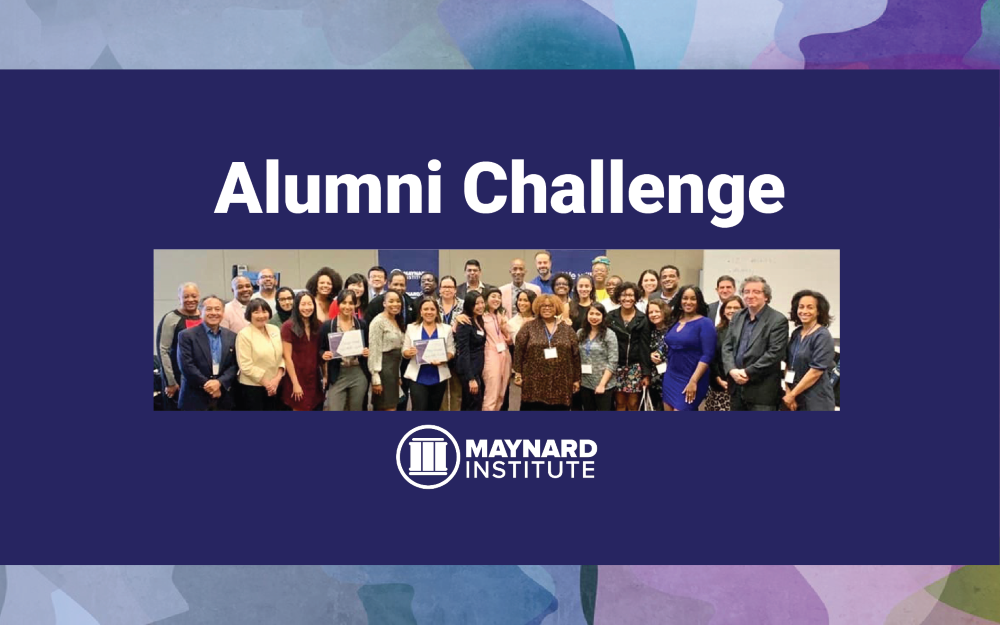
The Maynard Institute invites program alumni to join the Maynard 200 Challenge. All alumni who recruit an eligible candidate for the 2022 Maynard 200 fellowship program will receive a special thanks and invitation to the kick-off festivities and plenaries this summer. The Maynard Institute’s network of media professionals of color is unparalleled. There’s no better way to grow the Maynard Family than with alumni referrals.
In the spirit of growing the Maynard Family tree, alumni are invited to recruit one eligible applicant for the 2022 Maynard 200 fellowship program. We challenge our program alumni to recruit media professionals interested in developing their careers in one of the four Maynard 200 curriculum tracks: investigative reporting, executive leadership, media entrepreneurship, and frontline editing and management.
The alumni who refer a Maynard 200 applicant selected for the fellowship program will receive special thanks and online access to the plenary sessions scheduled for the week of June 27 and October 24.
When submitting their online application, alumni recruits must select “Maynard Alumni” as their referral source. The deadline to apply for Maynard 200 was March 28, 2022. Applications are now closed.
After the candidate selection process closes in late April, alumni who referred successful applicants will be contacted by the Maynard Institute with special thanks and details on how to virtually join the Maynard 200 plenary sessions.
Share this link with your recruits: bit.ly/maynard-alumni-challenge
Alumni with questions can contact Maynard 200 Program Director, Odette Alcazaren-Keeley at okeeley(at)mije.org.
We recently caught up with alumni Amanda Barrett to congratulate her on her promotion to Vice President and Head of News Audience at The Associated Press. Previously AP’s Deputy Managing Editor, Barrett first joined AP in New York in 2007 as a content coordinator and over the next decade she was promoted to critical news editor roles, directing AP’s award-winning coverage of Hurricane Sandy. By 2017, Barrett had a position in leadership.
Barrett first joined the Maynard Family in 2009 through the Media Academy Program.
“I learned so much about being a manager: how to have difficult conversations, how to solve complex business challenges. And I built friendships that I still depend on.”
Amanda Barrett, Vice President and Head of News Audience, The Associated Press
“I first encountered the Maynard Institute when I attended the Media Academy in 2009. Little did I know the profound effect Dori, Evelyn, Martin, and the program would have on my life. I learned so much about being a manager: how to have difficult conversations, how to solve complex business challenges. And I built friendships that I still depend on,” Barrett said.
She also participated in the Maynard 200 Fellowship program in 2018.
“Over the years, the Maynard mentorship never ended. Eventually, Evelyn asked me if I would be interested in a program that would help propel my career to another level and that turned out to be the Maynard 200. Executive coaches Virgil Smith and Caroline Ceniza-Levine were phenomenal, in addition to my mentor Susan Leath. I am so blessed to be a part of the Maynard family,” she added.
Interested in the Maynard 200 fellowship program but have questions? Watch Maynard 200 Program Director, Odette Alcazaren-Keeley and alumni guest speakers as they gave a special FAQs webinar (Passcode: 81%PueT1) to learn more about the fellowship program.
Maynard 200 is the cornerstone program advancing the Maynard Institute’s efforts to expand the diversity pipeline in news media and dismantle structural racism in its newsrooms. Since 2018, the Maynard Institute has trained over 90 media leaders, storytellers, and entrepreneurs through the fellowship program.
Watch the webinar to get key information about this year’s program and insights to make your application competitive. Hear directly from alumni about their fellowship experience, which they consider transformative in their media careers and entrepreneurial ventures.
This webinar was designed for investigative reporters, executive leaders, media entrepreneurs, and frontline editors and managers, who are interested in applying to the Maynard 200 Fellowship program.
The webinar covered:
Watch this space for more information on how to manage YOUR donor portal with BlueLena and FundraiseUp!
On Tuesday, May 19, 2026 the Maynard Institute was honored to receive the Lorraine Branham Award from Syracuse…
“Our contributions to journalism will outlast ourselves if we do it right — I’m really encouraged that there’s…
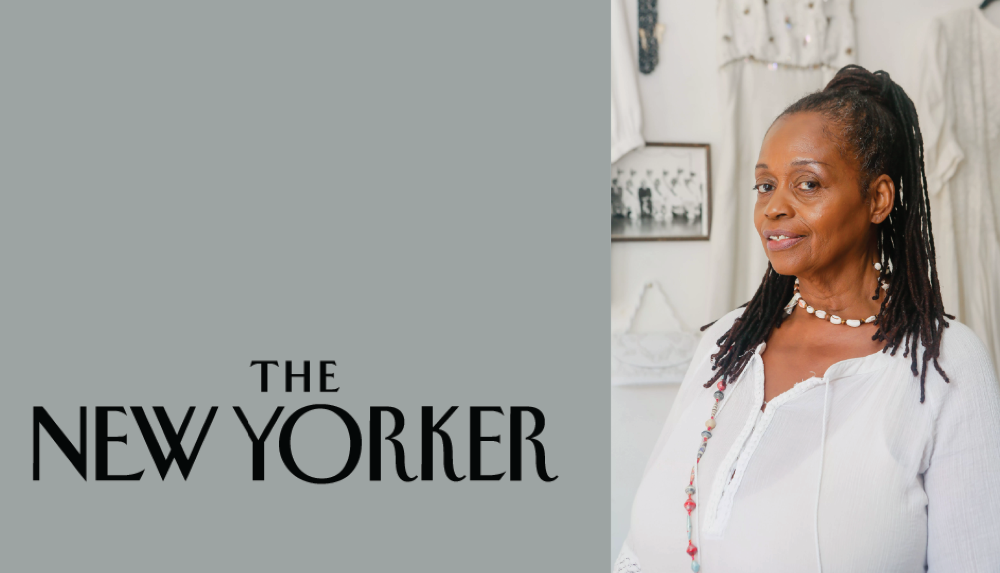
Our Oakland Voices alumna, and Oakland’s very own first Poet Laureate Ayodele Nzinga, is featured in a new film released this week at The New Yorker. The 17-minute film is called The Game God(s) and is directed by filmmaker Adrian L. Burrell, focusing on the relationship between Black Americans, the American Dream, and capitalism.
Nzinga collaborated with Burrell in writing a spoken word poem, which she reads as a monologue in various settings throughout Oakland “with all the gravitas of a priestess,” according to The New Yorker writer Maya Chesley. Nzinga’s riveting read connects the theme throughout the film in a powerful, dynamic way.
Director Burrell, who grew up in Oakland, displays his filmmaking prowess through interviews with imprisoned men, a drug dealer, a former Madame, a man who was shot, a formerly incarcerated woman speaking about the horrors of prison and suicides within prisons while juxtaposed with a scene of her tenderly holding her baby while bathing.
The film raises questions about the so-called American Dream and why so many are shut out of the dream. “I believe the American Dream is like a carrot,” Burrell tells The New Yorker. “You can sail it out in front of people who were never meant to be citizens.”
The Game God(s) is Executive Produced by another Oakland filmmaker, Pete Nicks, who recently premiered his Netflix documentary Homeroom.
Maynard Institute professional development programs have the goal of fueling the pipeline of journalists of color into the newsrooms of America. Oakland Voices is a nine-month program led by the Maynard Institute for Journalism Education that trains Oakland residents to tell the stories of their neighborhoods. Oakland Voices (OV) correspondents are trained in digital media storytelling — writing blogs and online pieces, taking photos, shooting video, and using social media to discuss issues that matter most in their communities.
This blog was written by Oakland Voices Co-Director Momo Chang and originally appeared on the Oakland Voices website.
Watch this space for more information on how to manage YOUR donor portal with BlueLena and FundraiseUp!
On Tuesday, May 19, 2026 the Maynard Institute was honored to receive the Lorraine Branham Award from Syracuse…
“Our contributions to journalism will outlast ourselves if we do it right — I’m really encouraged that there’s…
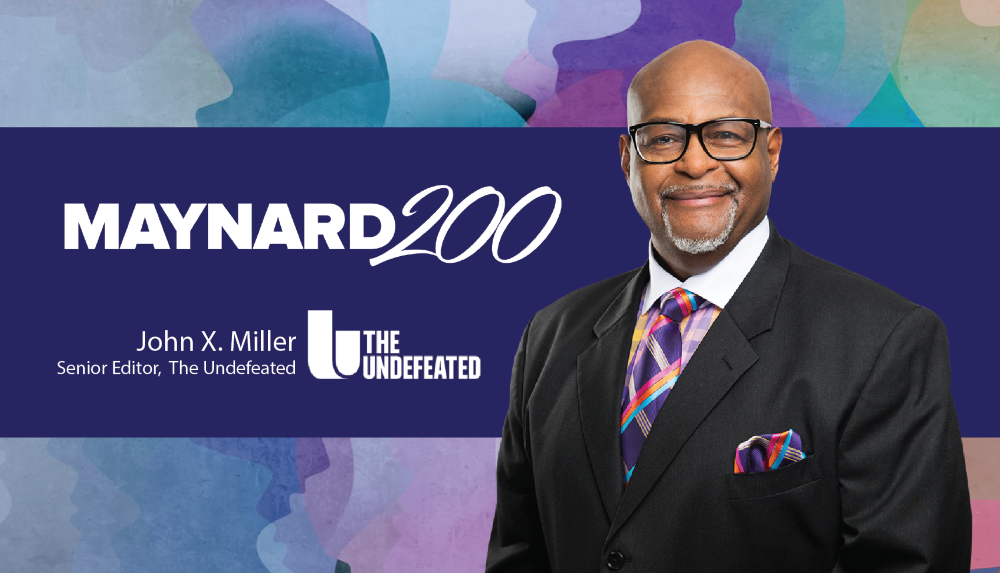
In 2022, the Maynard 200 program expanded to add a fourth track of curriculum designed for frontline editors and managers, which will be led by John X. Miller. With over forty years of media experience, Miller is a veteran journalist and currently the senior editor for news, commentary and HBCUs for The Undefeated, ESPN’s website that reports on the intersection of race, sports and culture.
“Today’s newsrooms require high-performing editors and managers to keep pace with the frenetic multimedia news cycle. Editing the news, managing teams, juggling tasks and maintaining work-life balance are such a challenge. The Maynard 200 Frontline Managers and Editors track will provide the fellows with the relevant training, curricula, mentorship and hands-on coaching that will equip them to excel as multimedia professionals.”
John X. Miller, Senior Editor, The Undefeated
Miller is joining the Maynard 200 Fellowship faculty, in addition to his role as the chairman of the Maynard Institute’s board of directors. One of the Maynard Institute’s core programs, the Maynard 200 Fellowship provides advanced, tuition-free training to mid-career journalists of color to prime them as candidates for higher leadership roles. As industry leaders, Maynard 200 fellows have the opportunity to change the management culture including hiring practices in institutional and entrepreneurial news organizations.
“What excites me the most about being executive-in-residence for this track is the opportunity to work alongside these amazing journalists as they gain the practical tools, knowledge and confidence that will accelerate their careers,” Miller said. “The Maynard Institute has always been about assembling people of diverse backgrounds and experiences to elevate the practice of journalism in the increasingly diverse world. They will gain confidence and knowledge, discover peers and mentors they can rely on and become personally empowered to lead their organizations. They will be transformed.”
The training sessions and hands-on workshops will explore successful management styles, resilient leadership, team building, and effective strategies for navigating newsroom dynamics.
The deadline to apply for Maynard 200 was March 28, 2022. Applications are now closed.
Who is encouraged to apply:
Editors, with one to five years of experience, including assigning editors both print and online; assignment editors and executive producers in broadcast who supervise either in-house reporters, writers, and producers or freelancers or both.
Mid-level managers, with one to five years of experience, who may or may not have direct reports, but hold strategic leadership or communications roles in their newsrooms or media organizations.
The Maynard 200 program is grateful to all members of the 2022 faculty and mentors. Over 60+ executives in media and other relevant disciplines participate in the Maynard 200 program. Their expertise and representation mirror that of our fellows—with diverse heritage, geography, affiliation at mainstream and ethnic media outlets as well as entrepreneurial ventures.
In addition to frontline editors and managers, the Maynard 200 program includes three additional areas of focus: media entrepreneurship, executive leadership and storytelling. Each track is led by accomplished experts, and this year we are privileged to have media strategist Dickson Louie for media entrepreneurship, former newsroom C-suite executive Virgil Smith in executive leadership, and award-winning investigative reporter and author Aaron Glantz for storytelling. Dickson Louie and Virgil Smith serve on the institute’s board of directors as well.
Interested in applying for Maynard 200 but have questions? Watch Maynard 200 Program Director, Odette Alcazaren-Keeley and alumni guest speakers as they gave a special FAQs webinar (Passcode: 81%PueT1) to learn more about the fellowship program.
Get key information about this year’s program and insights to make your application competitive. Hear directly from alumnae about their fellowship experience, which they consider transformative in their media careers and entrepreneurial ventures.
This webinar was designed for investigative reporters, executive leaders, media entrepreneurs, and frontline editors and managers, who are interested in applying to the Maynard 200 Fellowship program.
The webinar covered:
The deadline to apply for Maynard 200 was March 28, 2022. Applications are now closed.
Watch this space for more information on how to manage YOUR donor portal with BlueLena and FundraiseUp!
We’re partnering with the Kansas City Defender for Black Philanthropy Month! August is Black Philanthropy Month! Founded in…
The inaugural cohort of Fire Up Fellows represent the power and potential of diverse news in the State…