News / Blog
Announcing: The Maynard Institute is partnering with BlueLena.
Watch this space for more information on how to manage YOUR donor portal with BlueLena and FundraiseUp!


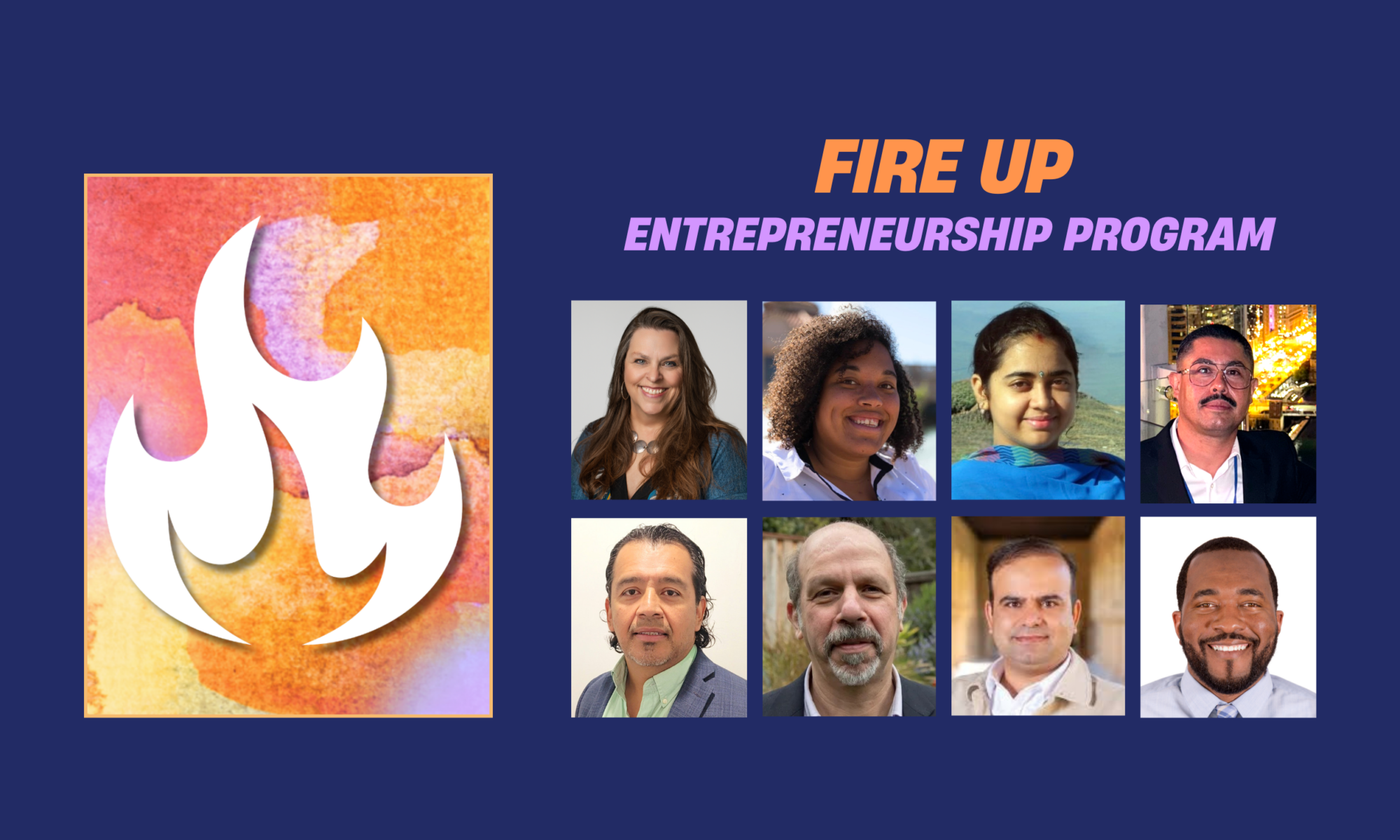
The Fire Up Entrepreneur Program, as part of the Propel Initiative, is training eight news organizations in revenue, audience, product and community with a focus on ensuring sustainability. Participants will work with experts in business, audience strategy and other topics.
The inaugural cohort of Fire Up Fellows represent the power and potential of diverse news in the State of California. Covering various beats, ethnic communities, geographical areas and language groups, the Fellows are using the program as an opportunity to expand their reach, create lasting sustainability and deepen their coverage to better serve their audiences.
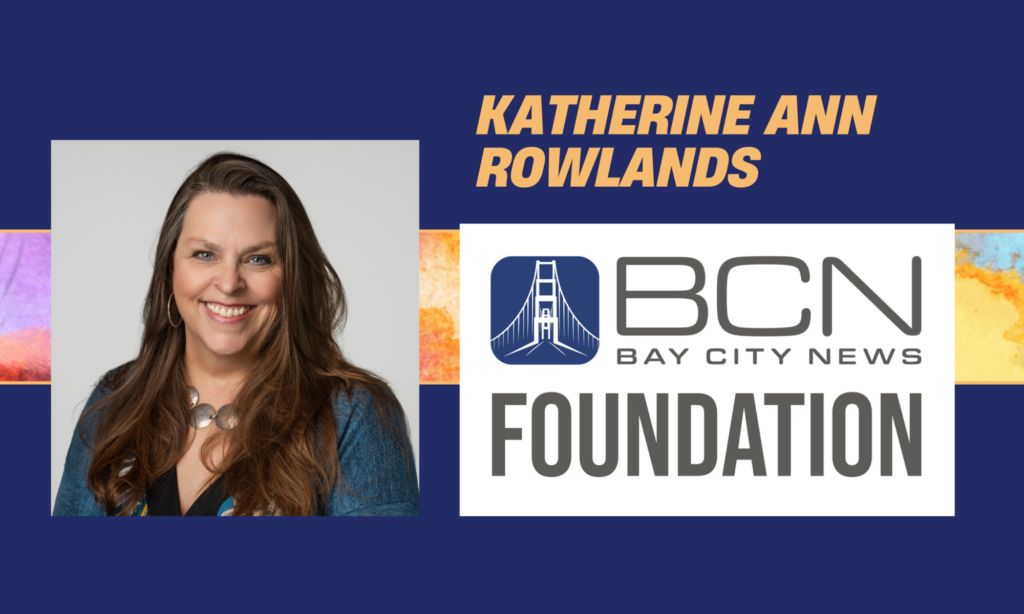
Rowlands is a longtime champion of local journalism. Bay City News, a regional news service she bought in 2018, has expanded to cover 13 counties, supplying trustworthy, original journalism for the media ecosystem, from TV and radio to newspapers to start-up digital outlets in the greater Bay Area. Its nonprofit affiliate, which publishes free content at LocalNewsMatters.org, has trained 60 paid interns, adopted transformative technology and published thousands of stories that would otherwise not be told.
Through Fire Up, Rowlands will develop Bay City News Labs to examine how to track bot traffic at the Cloudflare or WordPress plugin level to quantify and audit how intellectual property is being utilized by AI companies. What Bay City News learns could lead to revenue, block exploitation or monetize assets with the right partners. The takeaways will be shared publicly with the news ecosystem.

Mapp (she/her/akaónha) is a Kanien’kehá:ka (Mohawk). She is a Daylight San Diego co-founder and journalist who has covered Indigenous communities, caregiving, senior care, social justice, art, music, travel, food and culinary traditions since 2005. Prior to Daylight, she worked for The San Diego Union-Tribune, inewsource, Times of San Diego, North Coast Current, Indian Time and The People’s Voice. She was the outstanding graduate for the School of Journalism and Media Studies at San Diego State University in 2019.
Daylight San Diego’s audience increasingly relies on social media and alternative formats for news. Through Fire Up, Daylight San Diego seeks to revamp its newsletter ecosystem to increase engagement, grow sponsorship revenue and strengthen sustainability. By January 2027, Daylight aims to reduce video skip rates, achieve consistent engagement and generate 10 percent of organizational revenue through newsletter-related sponsorships and ads.

Lava has developed expertise in digital publishing, audience growth and revenue strategy through programs with Google News Initiative, LION Publishers and Newspack. She completed three years of training with Dan Oshinsky on newsletter growth and engagement. At India Currents, she manages communications and operations related to advertising sales and plays an active role in website development and digital transformation initiatives.
India Currents will launch Rooted in Care, a podcast connecting South Asian immigrants to trusted resources on aging, women’s health, mental health and civic engagement. Featuring experts, community leaders and service providers. The podcast will offer practical, culturally relevant guidance while leveraging partnerships with agencies and nonprofits to expand community reach.
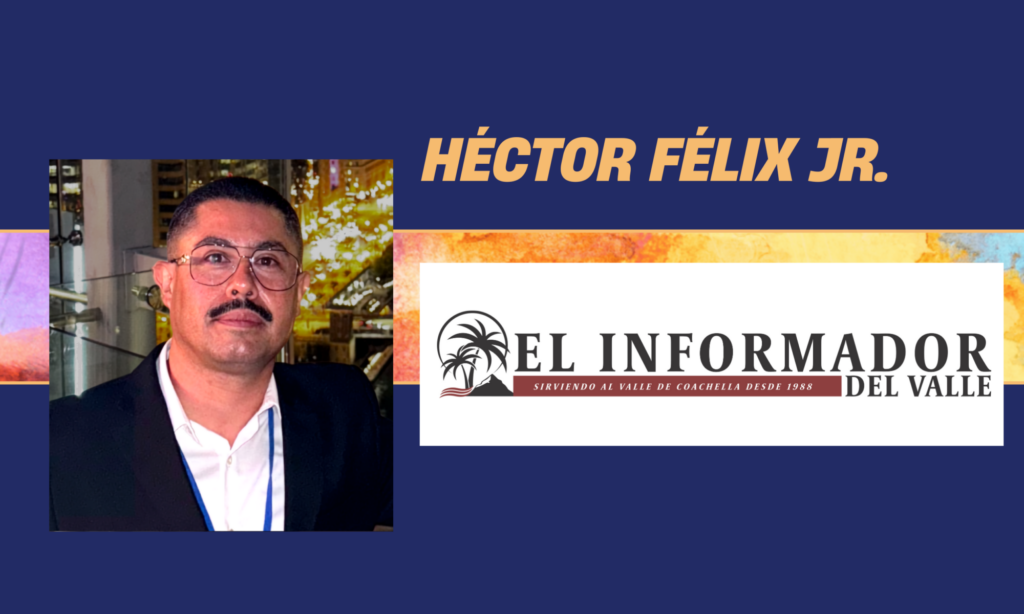
From a young age, Félix immersed himself in all aspects of the family business, El Informador del Valle. As a teenager, he gained hands-on experience in newspaper sales, reporting, photography, videography, graphic design and weekly distribution. His early involvement laid the foundation for his leadership and continued commitment to community journalism.
El Informador will do research within the community and with potential sponsors to determine the best ways to heighten ad visibility. These experiments will provide a way for El Informador del Valle to continue to uplift important stories without succumbing to outdated business models.

Hernandez is an award-winning journalist, editor and publisher with extensive experience in Spanish-language and bilingual media on the East and West coasts. He is the editor and publisher of El Latino Central Coast Newspaper, a trusted bilingual outlet serving Latino and immigrant communities across Ventura, Santa Barbara and San Luis Obispo counties. Hernandez is committed to strengthening bilingual journalism and expanding El Latino’s role as a bridge between the local society and the Latino community.
El Latino’s “Digital Forward” project pushes its editors beyond reliance on print ads. With new revenue opportunities, the outlet continue to serve Central Coast bilingual communities for free. We’ll expand service journalism for immigrants, especially around health, immigration, education and civic information while building long-term sponsorship and digital engagement strategies.

As MindSite News launches its Bay Area bureau, Waters returns to his roots in Bay Area community journalism. In the 1980s, he was editor of the Tenderloin Times, which reported extensively on mental health. His journey since has largely focused on covering health and mental health through a social justice lens.
The Bay Area has no dedicated mental health news outlet, and MindSite can fill this gap while boosting its sustainability by opening new revenue streams. To ensure the coverage reaches communities most in need, MindSite will tap into established relationships with community-based service and advocacy organizations.
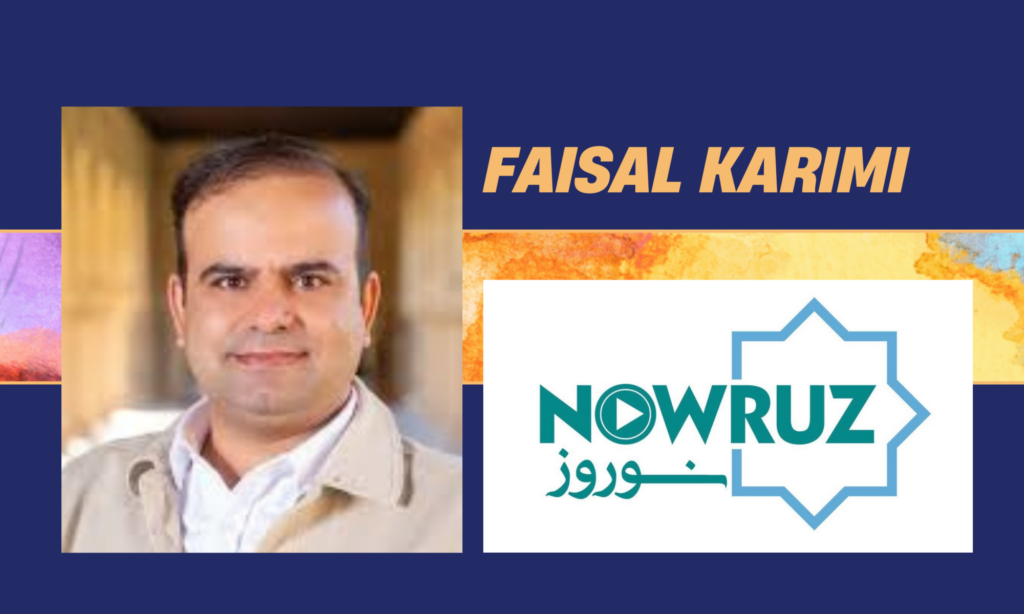
Karimi is a senior journalist, journalism educator and media entrepreneur with more than two decades of experience. He is the founder and director of Nowruz Media, a multilingual California-based community newsroom serving Afghan immigrants, and he founded the Afghanistan Institute for Research and Media Studies. He is an alumnus of the John S. Knight Journalism Fellowship at Stanford University and currently teaches journalism at Sacramento State University.
Nowruz Media will develop the Nowruz Community Hub, a multilingual resource desk for Afghan immigrants in California. Through Farsi/Dari, Pashto and English explainers, guides, WhatsApp, newsletters and community listening, Nowruz provide trusted information to drive civic engagement and increase public safety while building a stronger audience and revenue model.

Luckey is the editor of Observer Group Newspapers of Southern California, a Black press institution founded in 1977 that serves Bakersfield, Los Angeles and the San Joaquin Valley. Born and raised in Bakersfield, Luckey grew up inside the newsroom under the founding family’s mentorship before stepping into leadership. A Kern County Black Chamber of Commerce honoree, he is modernizing the organization’s digital presence while preserving its century-long commitment to Black community journalism.
Black community stories are buried by algorithms and missed by legacy outlets, so Observer Group Newspapers is launching News Observed, a mobile platform to let Black Southern Californians submit reports on their own neighborhoods. Observer Group will create a pipeline with editorial oversight and plan to publish at least 50 community-contributed stories before January 2027.
Watch this space for more information on how to manage YOUR donor portal with BlueLena and FundraiseUp!
We’re partnering with the Kansas City Defender for Black Philanthropy Month! August is Black Philanthropy Month! Founded in…
Fire Up is made possible by a budget allocation from the State of California and is part of…

The Robert C. Maynard Institute for Journalism Education is proud to announce the inaugural cohort for the Fire Up Entrepreneurship Program, which starts this month in Oakland.
The cohort consists of eight California-serving newsrooms. Each will receive seven months of training in revenue, audience, product and community plus mentorship on their proposed project and a $20,000 grant. Project ideas range from surfacing untold Black stories to ensuring free bilingual news in the Central Coast to mitigating AI threats to audience traffic.
Fire Up is part of the Propel Initiative to strengthen California’s multi-lingual media ecosystem, ensuring long-term sustainability of local public service journalism for underserved localities.
The eight cohort news organizations are Bay City News Foundation, Daylight San Diego, India Currents, El Informador del Valle, El Latino Central Coast, MindSite News, Nowruz Media and Observer Group Newspapers of Southern California.
The first cohort will convene July 29 in Oakland, California for the program’s orientation and kickoff.
Bay City News Foundation is working to mitigate the threat of AI technology undercutting audience traffic.
Daylight San Diego will build on its local journalism startup presence and grow audience through alternative news formats.
India Currents is expanding its reach as a vital civic connector through a podcast for South Asian immigrants to be shared by strategic partners.
El Informador del Valle will experiment with different ways to attract advertisers in a community that relies on print, using the Fire Up program to identify successful and sustainable approaches.
El Latino Central Coast will reinforce the importance of free bilingual news as a bridge to Central Coast immigrants while growing its digital presence.
MindSite News seeks to broaden Bay Area reporting into the under-covered topic of navigating mental health disparities.
Nowruz Media will create a multilingual resource hub for Afghan immigrants in California, the U.S. state with the largest Afghan diaspora population.
Observer Group Newspapers of Southern California plans to surface untold Black stories through a community platform to reach and expand Black audiences.
For detailed information about the proposed projects as well as the Fire Up Fellows, click here.
Fire Up is made possible by a budget allocation from the State of California and is part of the Propel Initiative to support local news, with the goal of safeguarding democracy and encouraging civic engagement by giving all citizens access to quality journalism. The journalism organizations in this cohort serve audiences statewide, including 26 bipartisan Assembly districts and 12 bipartisan Senate districts.
Watch this space for more information on how to manage YOUR donor portal with BlueLena and FundraiseUp!
We’re partnering with the Kansas City Defender for Black Philanthropy Month! August is Black Philanthropy Month! Founded in…
The inaugural cohort of Fire Up Fellows represent the power and potential of diverse news in the State…
By Andrea Lampros, Communications Director, UC Berkeley Journalism. Originally published by UC Berkeley Journalism.
California is reinforcing its role as the national leader in rebuilding local journalism, approving a $15-million investment in reporting and editing fellowships and newsroom leadership training and sustainability initiatives in the state budget signed by Gov. Gavin Newsom last week.
This funding supports the UC Berkeley Journalism-based California Local News Fellowship— the nation’s largest publicly funded journalism initiative — and the Maynard Institute’sPropel Initiative, a groundbreaking leadership and newsroom sustainability effort led in collaboration with American Community Media, California Black Media and Latino Media Collaborative.
The budget also includes $10 million for the Civic Media Program, funded by the state, which will be matched by a minimum $10-million contribution by Google.
“California has long led the nation in creating opportunity for its millions of residents. This model of funding independent local journalism and newsroom sustainability is yet another way California is showing leadership, especially at a time when the dark clouds of authoritarianism and the scourge of disinformation are threatening to undermine freedom of the press,” said Michael D. Bolden, dean of UC Berkeley Journalism. “Lawmakers have shown a steadfast commitment to local transparency and accountability and to democracy itself. They realize that the public good requires a resolute investment in trustworthy news and information.”
The California Local News Fellowship and Propel Initiative together provide a national model at a time of crisis for journalism, a period marked by an unprecedented rise in news desertsand the plunging number of local journalists per capita.
“California’s lawmakers have again recognized that everything we care about in our local communities — from affordable housing to excellent education to safeguarding the environment — is enabled by robust local journalism,” said former state Sen. Steve Glazer who championed the local news fellowship with $25 million in state funding in 2022.
Glazer retired from the Senate in 2024 but has continued to be deeply engaged in supporting renewed funding for local journalism.
This year, legislative leadership for the state’s investment was provided by Senate President Pro Tempore Monique Limón (D-Santa Barbara), Sens. Ben Allen (D-Santa Monica), Catherine Blakespear (D-Encinitas), Melissa Hurtado (D-Bakersfield), John Laird (D-Santa Cruz) and Assembly Speaker Robert Rivas (D-Salinas), Assemblymembers David Alvarez(D-San Diego), Marc Berman (D-Menlo Park), Jesse Gabriel (D-Encino), Buffy Wicks (D-Oakland) and Lori D. Wilson (D-Suisun City). Many other legislators stepped up to support the funding.
The California Local News Fellowship program led by journalist Monica Campbell has nearly 70 early-career reporting fellows currently serving communities from Shasta County to the Inland Empire. To date, 110 fellows have produced more than 10,000 stories to help keep Californians informed about important issues, such as immigration, housing, education, and more. The latest funding ensures that fellows will serve California communities through 2029.
Fellows and partner newsrooms are independent, competitively selected and based in counties that currently account for approximately 90 percent of California’s population. State funding has supported four cohorts of full-time, two-year reporting fellows, editing fellowships and new health reporting fellowships, which also receive support from the California Health Care Foundation.
The Propel Initiative complements the California Local News Fellowship by helping community and ethnic media organizations become stronger, more resilient and financially sustainable. Led by the Robert C. Maynard Institute for Journalism Education in partnership with American Community Media, California Black Media and Latino Media Collaborative, Propel invests in the organizations that collectively serve more than 20 million Californians with trusted local news and information.
“This investment by lawmakers affirms a simple truth: Journalists, storytellers and news organizations serving California’s diverse communities must have the capacity to provide the trusted information people need to make informed decisions, hold institutions accountable and participate fully in civic life,” said Martin G. Reynolds, co-executive director of the Maynard Institute. “More than support for journalism, this is a commitment to ensuring every Californian — regardless of where they live or the language they speak — has access to trusted news and information.”
Through Propel, participating news organizations and media professionals receive training, technical assistance, and strategic support to strengthen editorial leadership, newsroom management, and storytelling through regional institutes, management development, and peer learning; build organizational capacity through technical assistance in audience engagement, business development, legal and journalism safety and operational best practices; create sustainable revenue through the Fire Up Entrepreneurship Program and the Community Media Marketplace, a first-of-its-kind statewide platform that helps community and ethnic media organizations compete collectively for major public and private advertising campaigns.
The 2026-2027 state funding will fund a fifth cohort of reporting and editing fellows, while continuing the Propel Initiative — extending California’s strategy to strengthen local journalism statewide.
“This renewed investment is a vote of confidence in the vital role that ethnic and community media play in keeping California informed, connected and represented. We’re grateful for the continued Propel partnership and committed to building on the momentum it represents.”
—Jaya Padmanabhan, Executive Director of American Community Media
“The tireless advocacy and coordinated effort of this coalition over the last several weeks showed lawmakers the true, undeniable power of the community press. This $15 million renewal is a crucial victory for information equity, ensuring our newsrooms can continue reporting on the ground where it matters most. Looking ahead, this isn’t just a budget win for today — it is a vital launchpad for building a sustainable, long-term ecosystem for ethnic media across California.”
—Julian Do, Co-Director of American Community Media
“This investment is a testament to the value California’s leaders place on the role local newsrooms and community advocates play in our civic life. I’m grateful to Governor Newsom, lawmakers, our coalition partners, and supporters across state government for fighting side by side with us to secure the funds necessary to strengthen California’s media infrastructure and keep trusted local information flowing to the people who need it most.”
—Regina Brown Wilson, Executive Director of California Black Media
“Sustaining Latino and news media serving communities of color is a non-negotiable public infrastructure necessity. Alongside our partners at California Black Media, American Community Media, and the Maynard Institute, we extend our deepest thanks to Governor Newsom, Speaker Rivas, Pro Tem Limón, Senators Laird, Pérez, Hurtado, Glazer, Allen, and Assemblymembers Alvarez, Wicks and Wilson. This historic victory ensures that trusted newsrooms reflecting and serving California’s diverse population can continue their essential work.”
— Arturo Carmona, President of the Latino Media Collaborative
We’re partnering with the Kansas City Defender for Black Philanthropy Month! August is Black Philanthropy Month! Founded in…
The inaugural cohort of Fire Up Fellows represent the power and potential of diverse news in the State…
Fire Up is made possible by a budget allocation from the State of California and is part of…


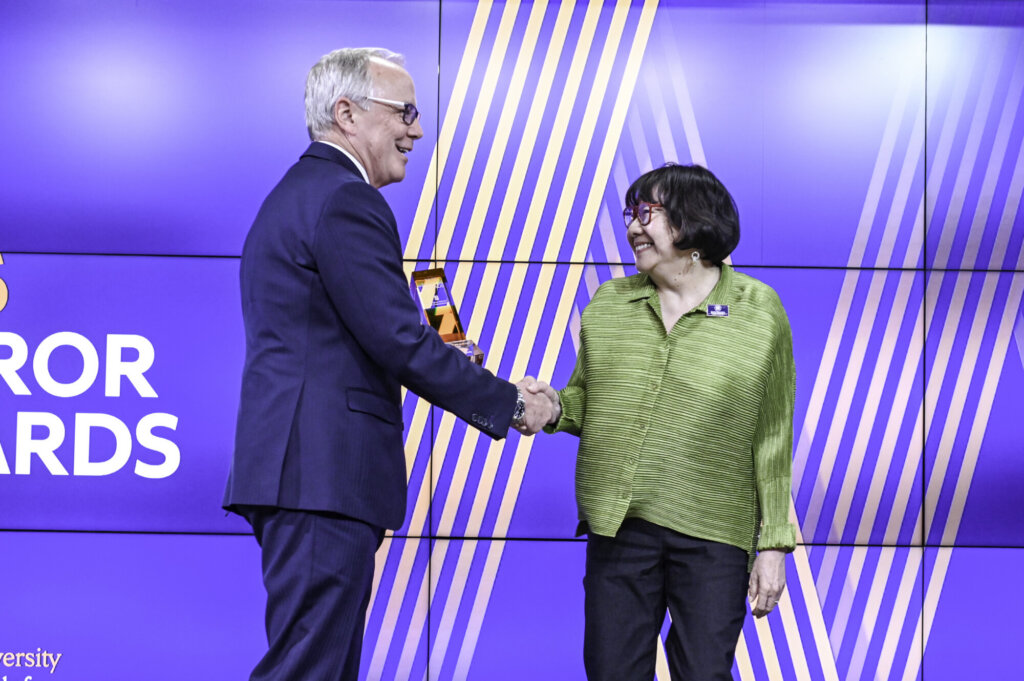
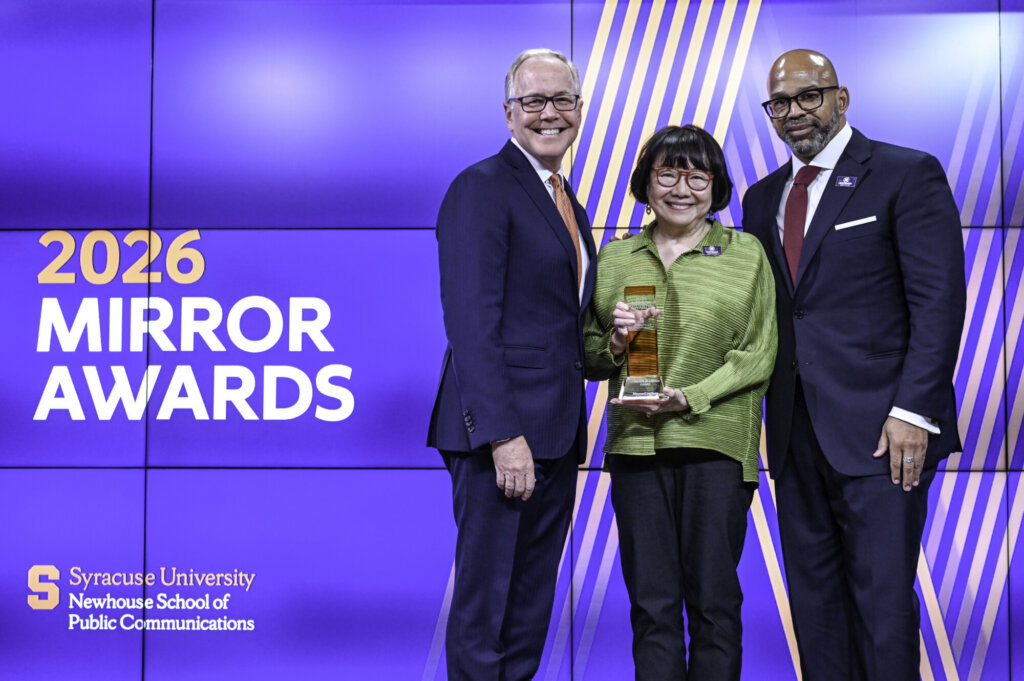
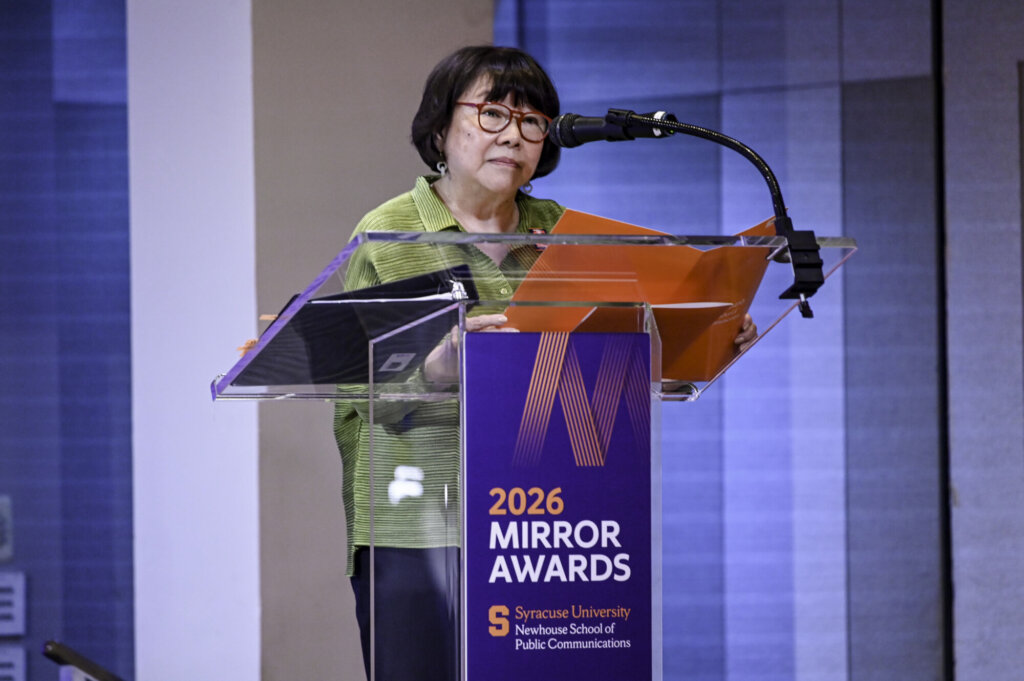
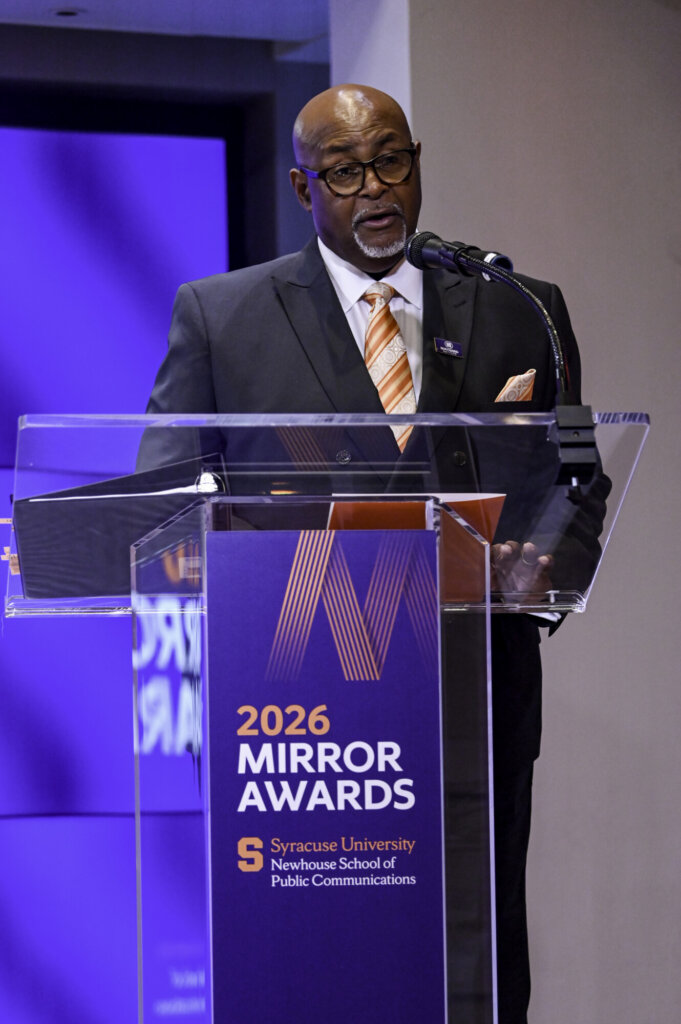
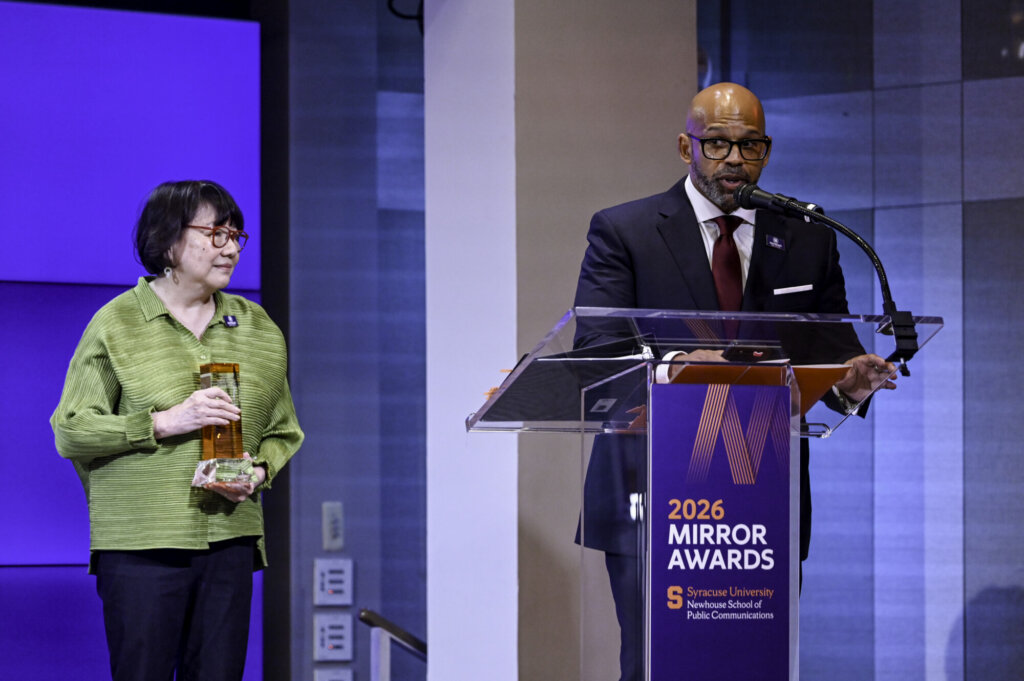
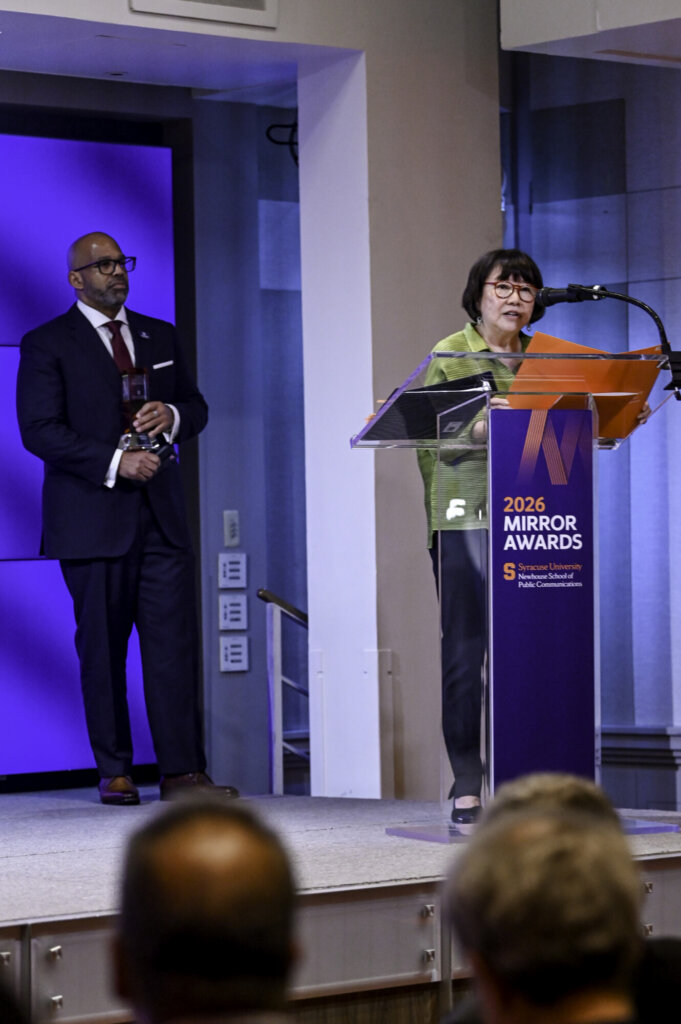
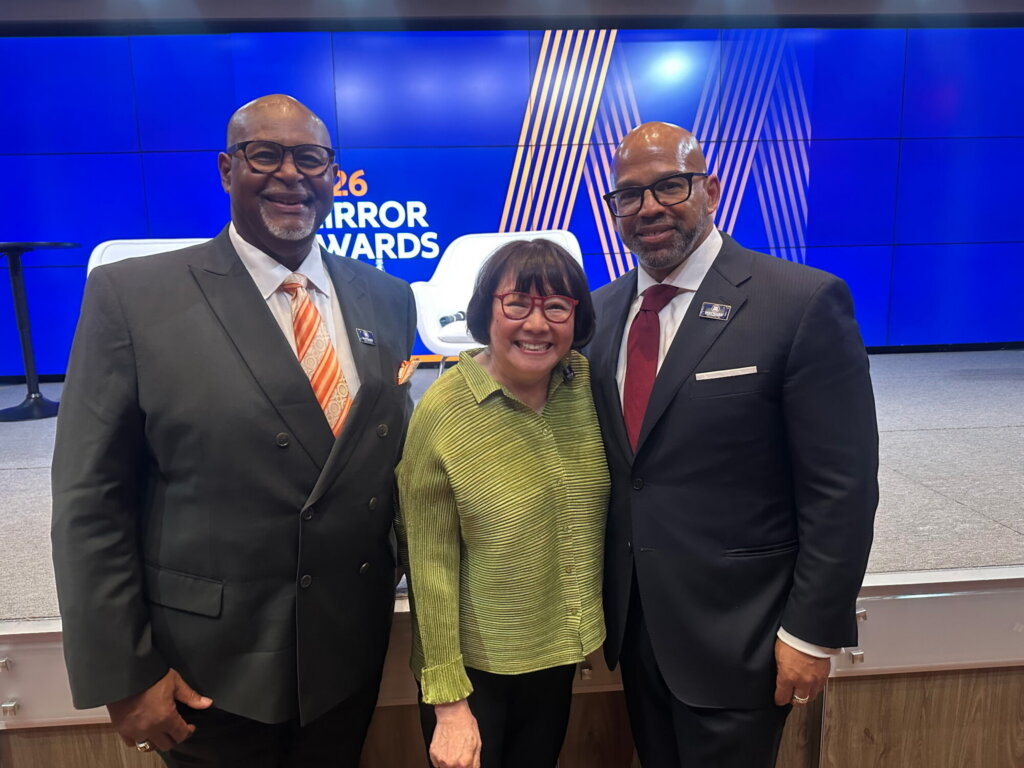
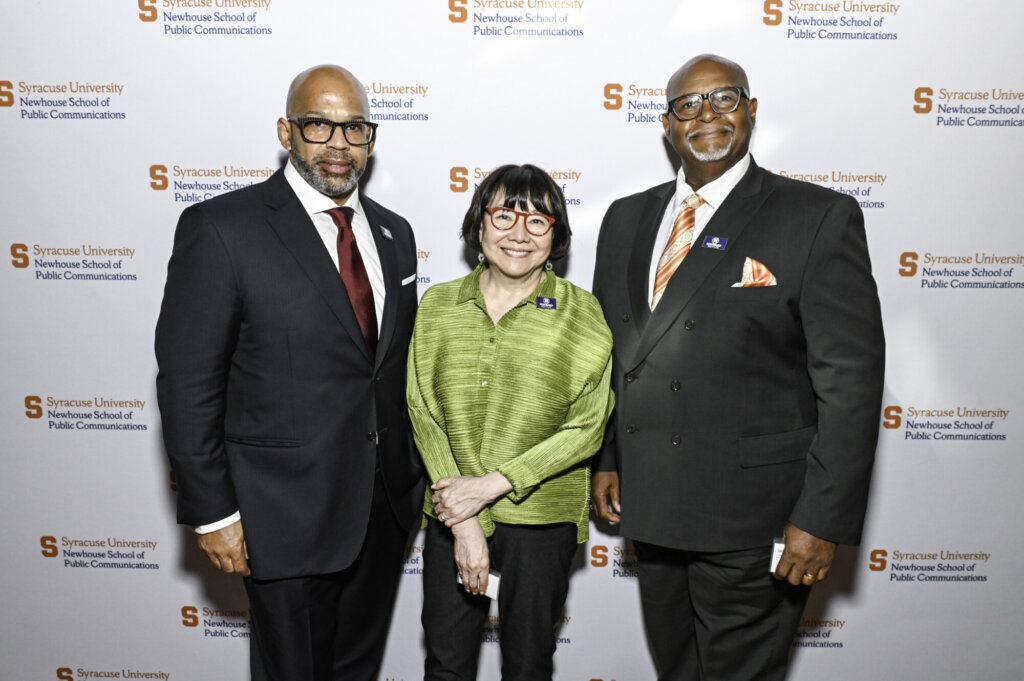
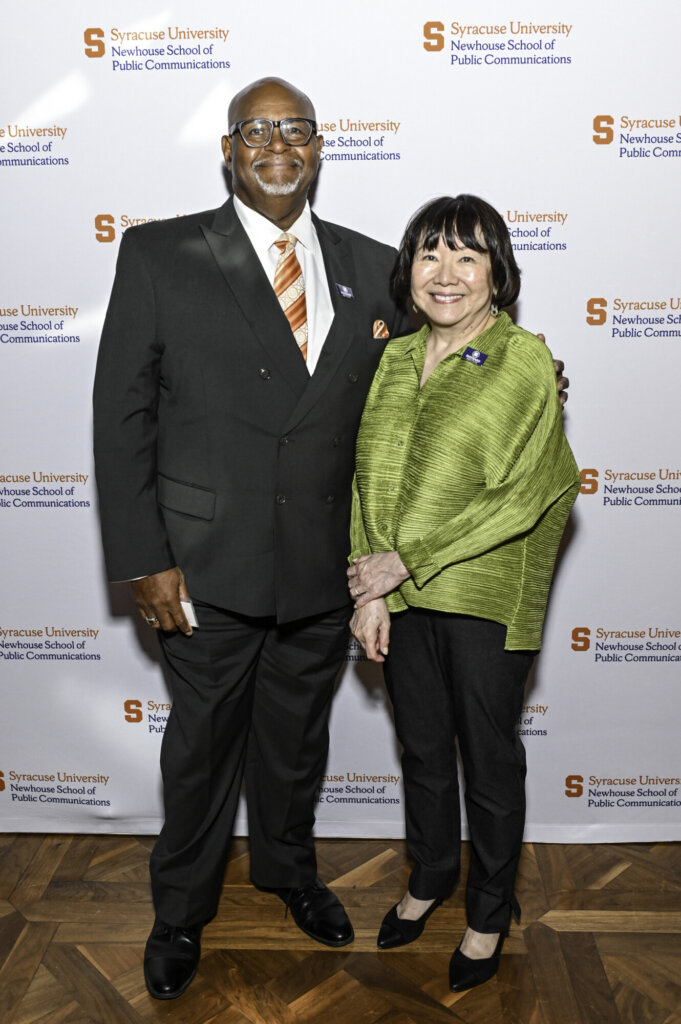
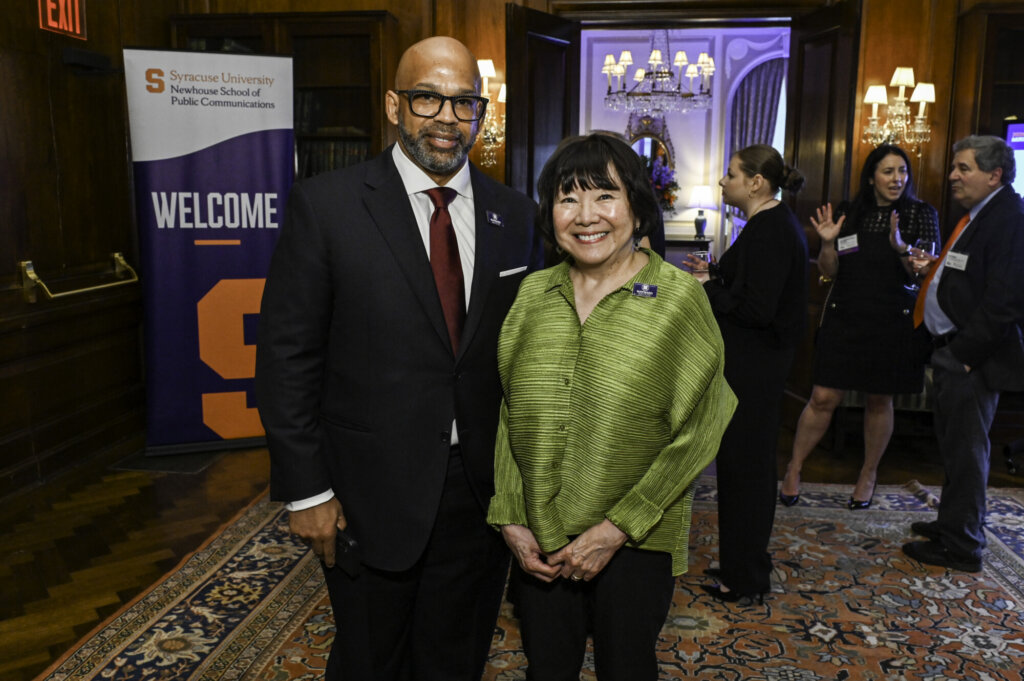
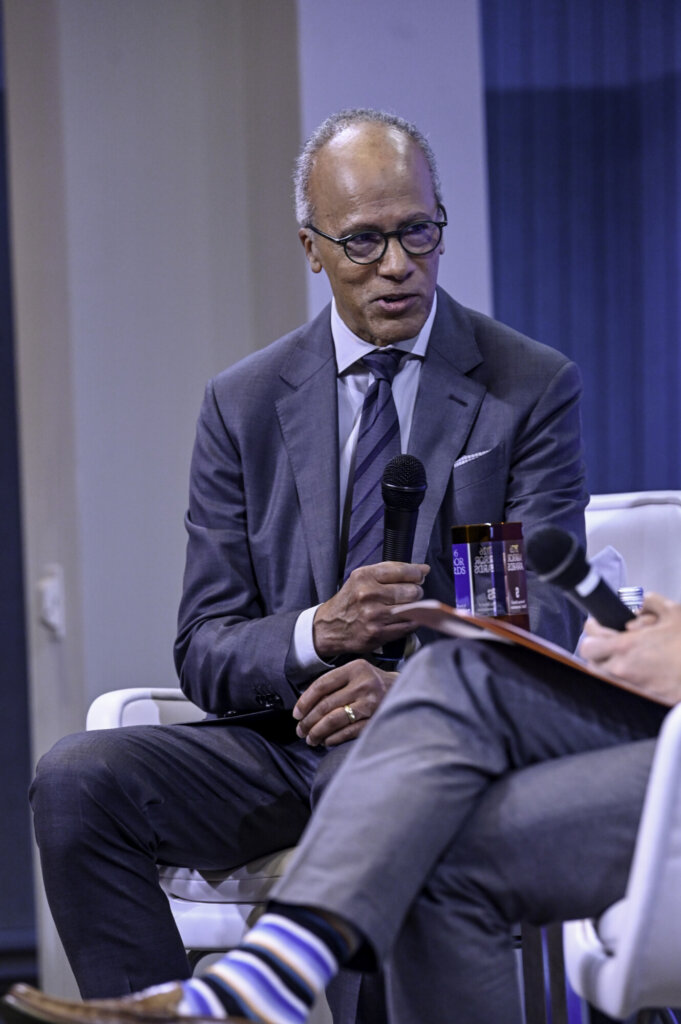
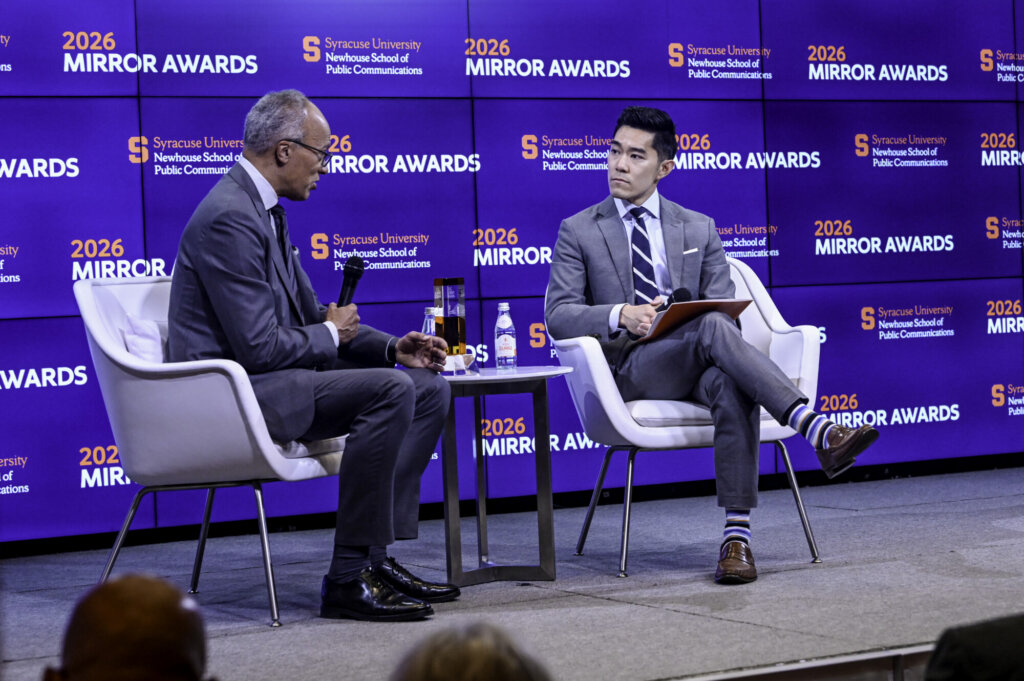
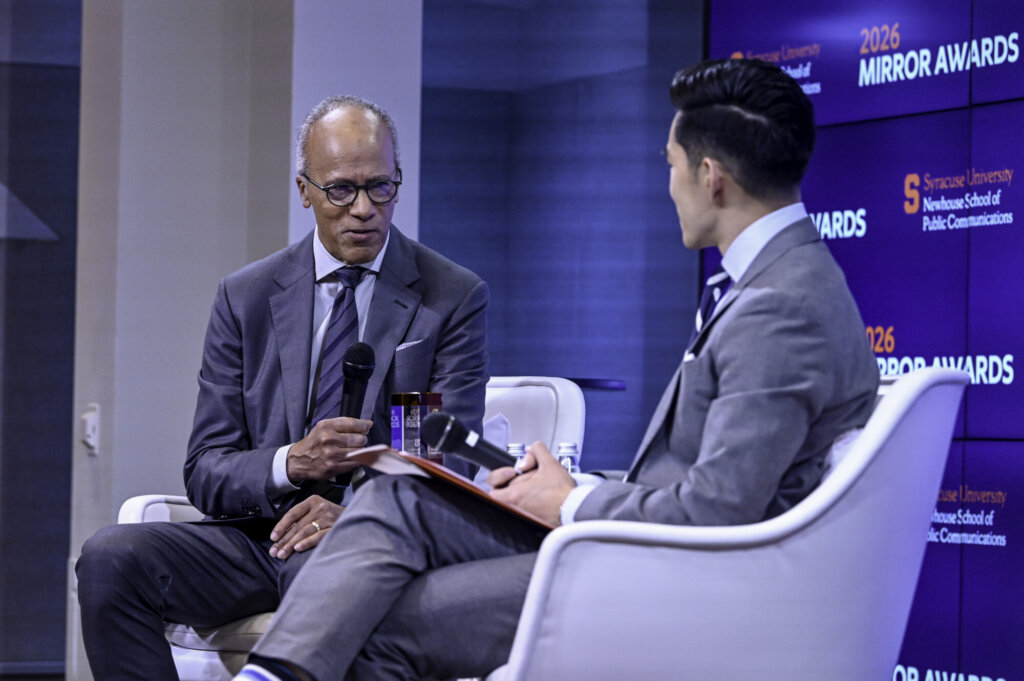
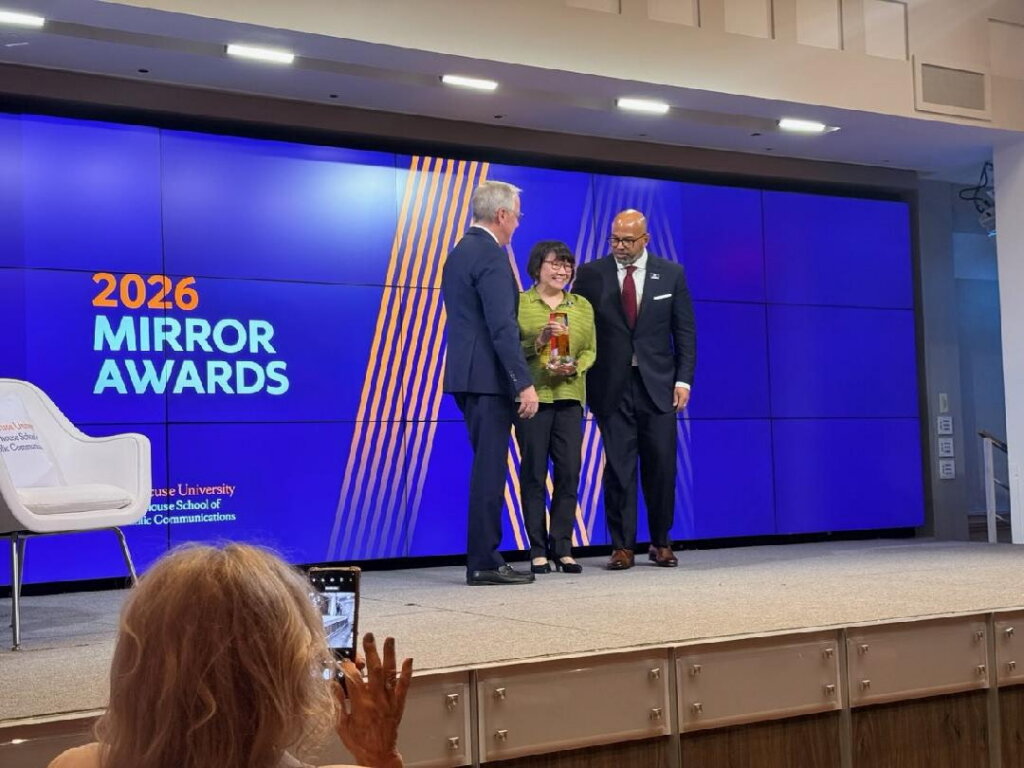
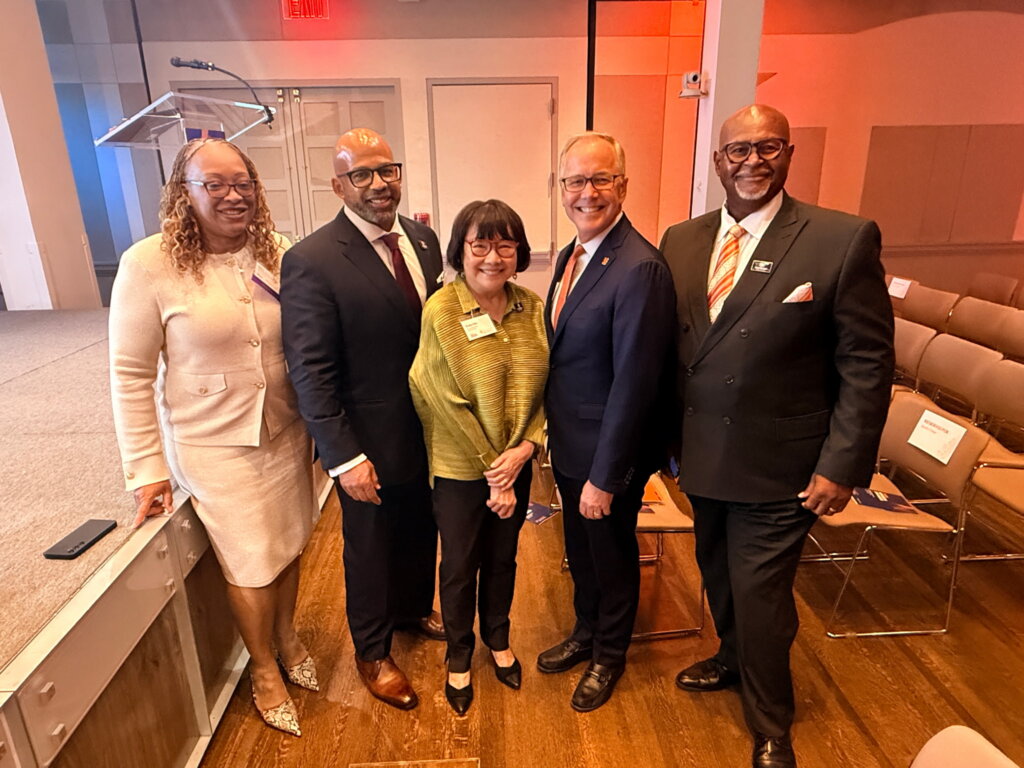
On Tuesday, May 19, 2026 the Maynard Institute was honored to receive the Lorraine Branham Award from Syracuse University’s Newhouse School of Public Communications. Named for former Newhouse dean and Maynard alum Lorraine Branham, who attended the Summer Program for Minority Journalists in 1977 before the Institute received its first official name, the award “recognizes a media organization that has worked to promote inclusion, diversity, equity and accessibility in the news media over the previous year.”
Maynard Institute Board Chair John X. Miller spoke at the awards, and later wrote on the experience of attending the ceremony and reception hosted by Syracuse University.
“It was my honor and privilege to represent the Maynard Institute and introduce Evelyn and Martin at the Mirror Awards, where they accepted the Lorraine Branham Award on behalf of the Institute,” Miller wrote after the awards ceremony.
“Being recognized on the national stage as an organization that continues the work of inclusion, equity and truth-based journalism acknowledges Maynard’s decades-long commitment to expand the community of journalists who aspire to live up to the words and aspirations of Bob Maynard and the founders.
It was a milestone moment for Maynard. In my remarks as the award presenter, I lauded Martin and Eveyln’s stewardship, vision, leadership, adaptability and humanity as they help carry forward Maynard’s mission with urgency and purpose.
As board chair, I am very appreciative of the recognition because it champions the Institute’s persistent work. I share congratulations with the staff and board, too, because the award acknowledges your dedication.
Thank you to the Newhouse School of Public Communications for the Lorraine Branham Award, presented at a fantastic event where NBC News’ Lester Holt was among the six honorees, as the recipient of the Fred Dressler Leadership Award.”
On accepting the Lorraine Branham Award, Co-Executive Director Evelyn Hsu recalled founders Bob and Nancy Maynard, and Bob’s daughter and Institute President Dori J. Maynard.
“We stand on the shoulders of our founders, including Bob Maynard and Nancy Hicks Maynard,” Hsu said. “And we carry deep appreciation for the leadership of our former president, Dori Maynard, who left us far too soon just over a decade ago. I know Dori would have been proud to see the Institute receive an award named for Lorraine Branham, a Maynard graduate whose life and work reflected the power of this legacy.”
Hsu expounded on carrying forward the legacy of the founders, and the generational mantle carried forward by Maynard Institute faculty, staff, fellows and trainees.
“That work has never belonged to one person or one generation. It has been carried by mentors, trainers, editors, reporters, board members, funders and alumni who kept showing up because they believed journalism matters — and because they believed who gets to shape journalism matters, too.”
Co-Executive Director Martin G. Reynolds spoke on past and future visions of belonging in news.
“Nearly 50 years ago, the founders of the Institute believed something simple and profound: the beacons of news in this country should reflect the full diversity of the nation. That mission has always mattered. But it meets this moment with particular urgency,” Marting G. Reynolds said, referencing recent attacks on diversity not only as a practice, but as an ideal and as a reality in America.
“…this honor feels like more than recognition. It is a deeply appreciated act of affirmation for our board, our staff, and especially our graduates, who remain the most powerful reflection of our legacy. Because this work has never been only about who is represented inside newsrooms. It is also about whether the people in our communities are seen fully, heard clearly, and understood for who they are.”
Reynolds hit on the most desired outcome of representation in news: true belonging and investment in communities, and investment in the belonging of each individual within the collective.
“Our hope is that our shared humanity will prevail — and that corrosive attempts to divide us will be met by stories that reveal the beauty, complexity and authenticity of the person beside you.
They do belong. And you belong. Because we belong.”
Watch this space for more information on how to manage YOUR donor portal with BlueLena and FundraiseUp!
We’re partnering with the Kansas City Defender for Black Philanthropy Month! August is Black Philanthropy Month! Founded in…
The inaugural cohort of Fire Up Fellows represent the power and potential of diverse news in the State…


By Celeste Barker Bright for Nonprofit Megaphone
In an era when public trust in news is both more fragile and more essential than ever, how stories are told matters just as much as the stories themselves. For journalism employers, investing in diversity, equity, inclusion, and belonging (DEIB) training is a powerful way to strengthen reporting, build audience trust, and create newsrooms where every voice contributes to more accurate and impactful storytelling.
Diversity, equity, and inclusion training, or DEI training, helps organizations build workplaces where people of all identities and backgrounds are fairly represented, treated, and supported in contributing fully. DEI training programs focus on improving awareness around the experiences of nonwhite and noncisgender male workers. This helps to reduce both conscious and unconscious bias and create systems that ensure equitable access to workplace opportunities and resources.
Many organizations now emphasize DEIB, which adds a critical fourth pillar of social equity: belonging. Belonging goes beyond representation and fairness. It reflects whether employees actually feel accepted, valued, and psychologically safe enough to contribute authentically. Without belonging, even diverse and equitable workplaces may struggle with disengagement or high turnover when employees don’t truly feel included.
In other words, DEI creates access and opportunity, while belonging ensures people feel connected and empowered once they are there. For news media organizations and the American public media as a whole, where storytelling depends on authentic voices and perspectives, that distinction is especially important.
DEIB training isn’t just a nice-to-have workplace initiative. Diversity in the media directly influences the quality, accuracy, and impact of reporting. Research and industry guidance consistently show that inclusive representation in media outlets produces stronger journalism and more sustainable organizations.
A diverse and inclusive newsroom is better equipped to cover stories that concern all American communities and the challenges they face. When journalists reflect a broader range of lived experiences, coverage becomes more representative and less likely to overlook or misinterpret marginalized perspectives.
Inclusive practices help journalists ask better questions, build trust with sources, and avoid harmful stereotypes. DEIB training equips staff with the tools to recognize bias in sourcing, framing, and language, leading to more accurate and nuanced reporting.
Trust is a core currency in journalism, and DEIB training plays a significant role in strengthening it. When audiences see themselves reflected fairly in coverage, they are more likely to engage with and trust a news outlet. That translates to positive company reputations and ratings in very real ways.
Inclusive journalism fosters stronger relationships with communities, particularly those historically underrepresented or misrepresented in media. By improving cultural competency and awareness, DEIB training helps newsrooms build credibility and deepen audience connections.
Organizations that invest in DEIB often benefit from greater creativity and innovation. Forbes explains that diverse teams bring a wider range of ideas, perspectives, and problem-solving approaches, which can lead to better decision-making and more innovative content strategies.
In the fast-changing media landscape, adaptability is essential. DEIB training encourages open dialogue, collaboration, and inclusive leadership practices that help teams respond more effectively to new challenges and opportunities.
Employees who feel valued and included are more likely to stay and contribute at a high level. DEIB-focused environments improve morale, job satisfaction, and overall performance.
For journalism employers, this translates into lower turnover and a more stable workforce. Given the demanding nature of newsroom work, fostering a sense of belonging can help prevent burnout and ensure that talented journalists remain engaged and committed.
Bias in journalism can lead not only to misinformation but also to reputational damage and loss of public trust. DEIB training helps staff identify unconscious biases and understand how they may influence reporting decisions. Structured DEI workshops provide practical tools for addressing bias, improving communication, and fostering accountability. This is especially important in journalism, where ethical standards require fairness, accuracy, and sensitivity.
DEIB training also shapes leadership practices. Inclusive leaders are better equipped to manage diverse teams, support equitable advancement, and create transparent decision-making processes. Organizations that prioritize DEIB develop healthier workplace cultures characterized by trust, collaboration, and shared purpose. In newsrooms, this can lead to stronger editorial alignment and a more cohesive mission.
While internal efforts are valuable, many news organizations stand to gain the most from working with third-party DEIB specialists who bring expertise, structure, and objectivity to the process.
Organizations such as the Maynard Institute for Journalism Education provide tailored training specifically designed for media professionals. Their programs address the unique challenges of journalism, such as inclusive sourcing, equitable storytelling, and newsroom culture. External partners bring proven frameworks and up-to-date best practices that may not exist internally.
Third-party consultants can offer an unbiased perspective on workplace culture and practices. External experts can identify gaps, measure progress, and recommend data-driven strategies for improvement. This objectivity is particularly valuable in journalism organizations, where internal dynamics and hierarchies may make it difficult to address sensitive issues openly.
External partners can design training programs that align with an organization’s size, goals, and audience. Partnering with experts can strengthen broader diversity and inclusion strategies, including hiring and retention efforts. For news organizations with multiple teams or locations, scalable training ensures consistency while allowing for customization based on local needs.
DEIB is not a one-time initiative. It requires ongoing commitment and continuous improvement. External consultants can help organizations move beyond one-off workshops to develop long-term strategies that embed DEIB principles into daily operations. Outsourcing enables companies to build sustainable programs with clear goals, metrics, and accountability structures — all without guesswork or strain on company staff.
For journalism employers, this means creating a newsroom culture where inclusive practices aren’t just passively or abstractly encouraged, but actively and concretely integrated into every aspect of reporting, editing, and leadership. By investing in DEIB training and partnering with experienced organizations, news media employers can strengthen both their workplace culture and the quality of their journalism.
The Maynard Institute inspires and powers the national, collaborative drive for DEIB in news media. Our antiracism training programs have helped create decades of news industry trailblazers, all of whom belong to the “Maynard Family”: a community of deep caring and intergenerational support for journalists of color. Programs by the Maynard Institute are open to all applicants, and the Maynard Institute is committed to addressing the under-representation of people of color and other historically disadvantaged groups in media-related professions.
The Maynard Institute’s Fault Lines® Culture Shift Program gives media professionals the tools to recognize and address biases that shape news coverage. Rooted in the Fault Lines® framework, our program helps organizations move far beyond performative DEI efforts.
Instead, we use intentional DEI practices — built on nearly 50 years of DEI training in media spaces — that are proven to create inclusive workplaces that connect with diverse communities. Fill out our interest form to Register to bring Maynard’s Fault Lines® training to your company today!
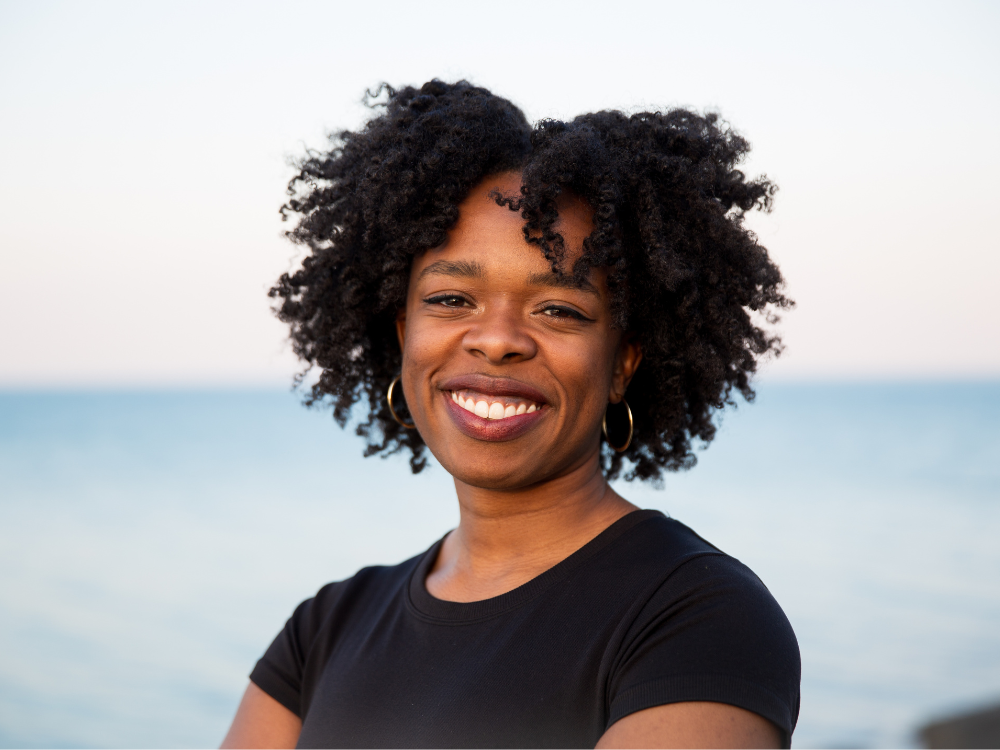
Jasmine Barnes (she/her) is a community builder, writer and program manager based on Potawatomi land on the South Side of Chicago. For many years, Jasmine served as the Community Engagement Director of an education non-profit, helping adults nationwide develop their relationship-building and collaborative communication skills. She applied similar strategies to the organization’s internal culture, co-leading its inaugural strategic DEI initiatives and developing foundational workplace culture practices. Jasmine has also worked as a consultant providing workplace culture training, facilitation, and program development services to values-driven organizations.
With a degree in sociology and journalism from the University of Texas at Austin, Jasmine brings a human-centered approach to her work, helping organizations and individuals better understand themselves and others. She specializes in creating and facilitating trainings and programs grounded in a trauma-informed, healing-centered framework. Her greatest joy is creating supportive and inclusive environments that encourage people to take risks and grow.
Jasmine expands upon this relational work by amplifying and archiving everyday stories as a freelance journalist contributing to South Side Weekly, City Bureau, the Chicago Reader and other publications.
Watch this space for more information on how to manage YOUR donor portal with BlueLena and FundraiseUp!
We’re partnering with the Kansas City Defender for Black Philanthropy Month! August is Black Philanthropy Month! Founded in…
The inaugural cohort of Fire Up Fellows represent the power and potential of diverse news in the State…

The third round of the Maynard Regional Training Series – hosted by the Bob Schieffer College of Communication at Texas Christian University (TCU) in Fort Worth – brought a powerful close to the inaugural program, after dynamic convenings of media professionals in Detroit and Chapel Hill, North Carolina.
At each training site, Maynard faculty sought to give frontline editors and mid-level managers tools they could immediately use to manage teams and coverage in a rapidly evolving landscape that’s shaped by industry upheaval and accelerating AI evolution.
The bespoke curriculum provided eight sessions and coaching from a distinguished faculty of news executives and academics, covering topics such as:
Participating in the two-day workshop were two TCU students and 18 full-time journalists who work in a variety of editing roles representing the Fort Worth Report, The Dallas Morning News, Fort Worth Star-Telegram, La Prensa de Houston, The Associated Press, Bloomberg Industry Group, The Oklahoman Media Company, Gannett and USA Today Network, TCU-Schieffer College and TCU 360 Media.
“I’m really thankful to have participated in this year’s Maynard Regional Training in Texas,” wrote Maya Earls, deputy team lead/environment and energy at Bloomberg Law
(Bloomberg Industry Group), in a LinkedIn post. “This program included great sessions on how to be a better manager and editor, and provided space to ask the big questions about AI and how we as journalists evolve for the moment.”
Maynard Regional Training and Communities of Practice Director Odette Alcazaren-Keeley opened the training, saluting the long-standing relationship with TCU Bob Schieffer College of Communication’s Dean Kristie Bunton, Ph.D; Jean Marie Brown, associate professor of professional practice and student media director; and John Tisdale, Ph.D., associate professor and chair of the journalism department.
“As a college named for an award-winning, longtime journalist, our TCU Bob Schieffer College of Communication is happy to provide a regional home for the Maynard Regional Training Series,” Dean Bunton said. “Our democracy needs well-trained journalists to lead newsrooms effectively and ethically in reporting news that is vital to citizens.”
Alcazaren-Keeley welcomed the participants, citing their impactful work and acknowledging their organizations’ investment in their career growth.
“We were invigorated by the latest outstanding journalists in the Maynard Regional Training – members of the next generation of news leaders who reflected the diversity of the Texas media ecosystem and beyond.They expressed appreciation for the skills they gained, coaching and conversations they engaged in, and affirmed they are applying these toolkits to their work,” said Alcazaren-Keeley.
Felecia D. Henderson, Maynard senior director of strategic initiatives, echoed that sentiment, reflecting on the impact across all three training programs.
“At each regional training, we saw mid-level editors and managers embrace new strategies for leadership, learn to conduct tough conversations, and explore how AI is reshaping journalism,” Henderson said. “These sessions weren’t just about skills; they were about building confidence and community. It was inspiring to see participants leave ready to lead with clarity and purpose.”

Professor Jean Marie Brown kicked off the training with “Leaning Into Your Fault Lines®,” focused on Maynard’s signature Fault Lines® framework, which helps editors understand how their biases – unconscious and conscious – inform the ways they manage news coverage. She also facilitated the workshop “Managing Time while Building Genuine Relationships.”
One participant wrote when surveyed: “I appreciated the candid discussion about Fault Lines. It made me step back and consider all the different fault lines that exist in my life and how those show up daily as a manager.”
The Manager’s Mindset: Stepping into your Leadership Role
Martin G. Reynolds, Maynard Institute Co-Executive Director
Maynard Co-Executive Director Martin G. Reynolds led the session “The Manager’s Mindset”, focused on what editors and managers need to consider when stepping into leadership roles.
“It’s exciting to provide management training to editors — many of whom have had limited access to the kind of sustained support that helps them grow as leaders,” said Martin G. Reynolds, Maynard Institute co-executive director, who leads the Manager’s Mindset session for each Regional Training cohort. “Managing is about helping others thrive and fueling the success of the whole organization. In a moment of transformation and uncertainty for journalism, the quality of managers often determines whether innovation thrives or fades — and whether morale improves or erodes. Our program helps editors build the awareness, tools, and community they need to lead with care and confidence.”
“I loved learning about the different manager archetypes because I noticed pieces of myself in each of them. I consider myself a bridge builder more than anything else, but I could benefit from being more of a disruptor.”
Regional Training Series Participant


Coach and consultant Maria Carrillo led two workshops: Ethical Editorial Decision Making and Coaching for Story and Building Trust.
In “Ethical Editorial Decision-Making,” Carrillo led discussions with trainees highlighting real-world news coverage ethical dilemmas. She said this session showed that our moral code can help us to make decisions when we are faced with tough calls, which happens often in any newsroom.
“My hope is that the editors in these classes walk away feeling empowered to make tough decisions and to execute more powerful stories,” Carillo said.
Carrillo also facilitated the workshop “Coaching for Story & Building Trust” where she shared lessons about developing relationships and trust with reporters as well as best practices for vetting ideas and executing stronger stories.
“This was another session where I learned a lot about being both an effective leader and editor. I’ve already used Maria’s suggestion to edit side-by-side with members of my team. When I can’t do that, I’m being better about following up with them about major edits I’ve made to their projects. Before this session, I’d often edit without providing much feedback – but I now see that my team can’t learn to grow and develop confidence if I don’t show them how they can improve.”
Regional Training Series Participant

Tom Huang centered this workshop on story focus, introducing five questions that will help editors and reporters focus their stories and identify underlying themes. He used the movie Titanic to illustrate how stories can have a central theme and secondary themes. An interactive exercise helped participants understand how stories can often have strong emotions lying beneath the surface.
“I hope the editors in the class took away the idea that they can and should coach their reporters and discuss what their stories are truly about. Most stories should just be told simply and in a straightforward way. But some stories deserve a little more time in exploring themes and meaning. That’s the fun part of storytelling,” Huang said.
“I love Tom. He’s incredibly passionate about journalism and storytelling, and he only wants to make our industry better. I realize that’s true of all the speakers and panelists, but Tom’s session made us pause and take a step back, something that doesn’t often happen in the fast-paced environment of a newsroom.”
Regional Training Series Participant
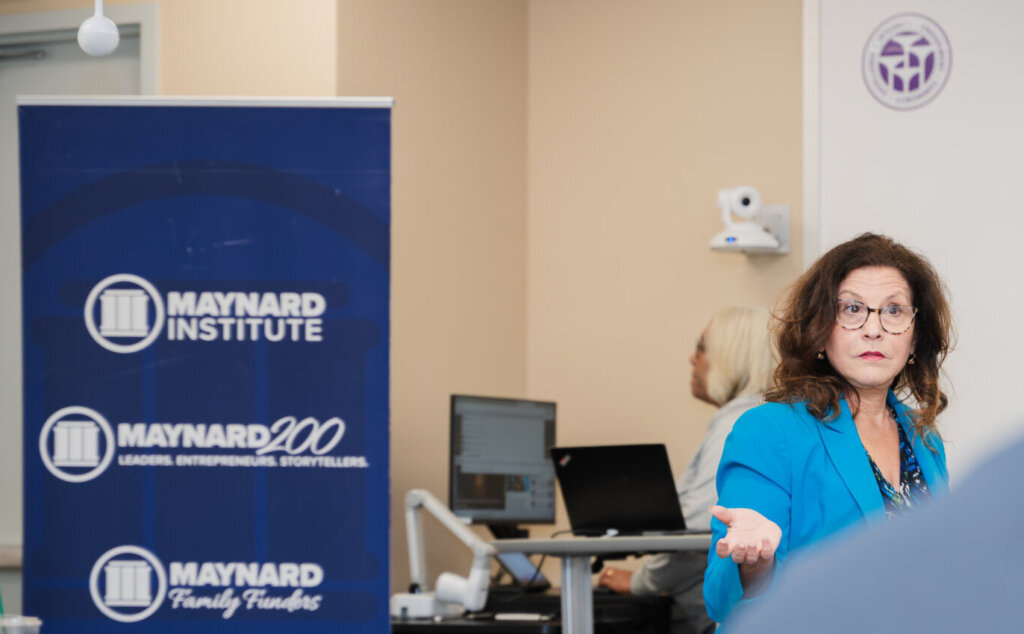
In the workshop “AI: Best Practices and Ethics,” Professor Marisa Porto explored how AI is transforming newsrooms, focusing on ethics and innovation. Participants discussed real-world examples and practical ways to use AI that is grounded in journalistic values.
“I hope participants left ready to use AI in their news organizations with purpose and transparency, guided by a commitment to public trust,” Porto said.
“It was interesting (and a bit concerning) to see how some newsrooms around the world use AI. I also appreciated the questions she encouraged us to ask about purpose, disclosure, oversight, review and impact. This will benefit me in my role as we explore more ways to utilize AI tools in our newsroom.”
Regional Training Series Participant

This workshop led by audience engagement consultant and newsroom management expert P. Kim Bui was centered on her observation that newsrooms are now multi-generational and each generation has its own working style. In this interactive workshop, she examined how today’s managers and leaders cross generational differences to lead more empathetic and valuable newsrooms.
“It is always such a joy to work with others in the Maynard family to create better workplaces for us all in turbulent times,” Bui said. “Attendees always approach tough problems with deep solutions as well as humor and hope.”
“Kim’s presentation gave me insight into how to be a more collaborative and effective leader beyond my team. As soon as I left Maynard, I created my own version of Kim’s employee Q&A to give to my direct reports and a recent new hire. I’m excited to see how it helps me be a better manager.”
Regional Training Series Participant

The regional roundtable of news leaders highlighted the state of Texas media and each editors’ perspectives on building a culture of courage and integrity in newsrooms in defense of democracy. Executives of legacy, nonprofit, ethnic and local media discussed challenges that news organizations are facing, including in covering federal and state policies impacting their audiences.
They shared innovations and approaches that are crucial in this era of political division. The panel was moderated by professor, author and Maynard board member Dr. Dorothy Bland.
Panelist Evelyn Castro of La Prensa de Houston, who also participated in the training, shared with her LinkedIn network that “The Maynard Institute for Journalism Education continues to set the standard for leadership, collaboration, and integrity in journalism. [I am] grateful for the opportunity to learn, share, and connect with so many passionate newsroom leaders committed to truth and community.”
Participants in the regional training programs are automatically eligible to access the benefits of the peer-to-peer learning and coaching hub, the Maynard Communities of Practice.
Program director Alcazaren-Keeley said the insights shared by trainees during session conversations and office hours consultations drive the impact of each training.
They value the space to be seen, heard and supported, and give that support to each other.
She sees the training programs embodying hope as the industry forges forward.
“The program is vital in helping journalists unlock their full leadership potential, to navigate this inflection point in our history and the tide of AI disruption. Our newest journalism cohort carries the professional advancement and movement-building legacy of the Maynard Institute. Together we bring our collective mission of integrity and courage to the future,” Alcazaren-Keeley said.

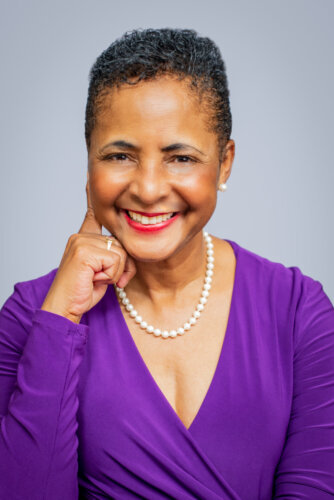
Board Member
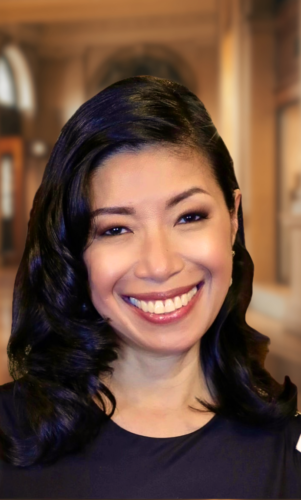
Director Maynard Regional Training Series and Maynard Communities of Practice
okeeley@mije.org
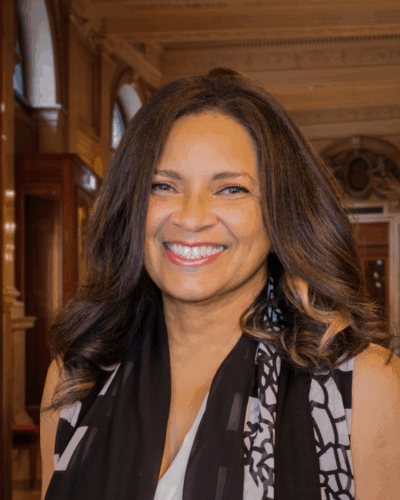
Senior Director of Strategic Initiatives
fhenderson@mije.org
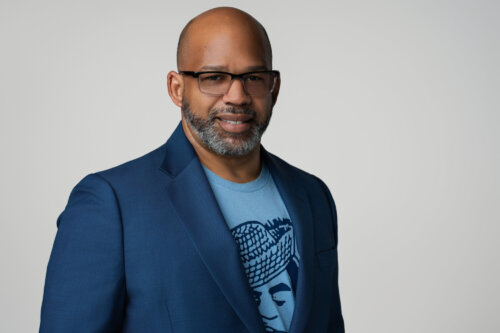
Co-Executive Director, Revenue and External Affairs
mreynolds@mije.org

Associate professor of professional practice, Department of Journalism at TCU Bob Schieffer College of Communication

Consultant / Coach

Assistant Managing Editor, The Dallas Morning News

Knight Chair in Local News and Sustainability, UNC Chapel Hill Hussman School of Journalism

Media Consultant

Panelist

Panelist

Panelist

Panelist
For more than 45 years, the Maynard Institute has fought to push back against the systemic lack of diversity in the news industry through training, collaborations and convenings. We are creating better representation in U.S. newsrooms through our programs which give media professionals the tools to become skilled storytellers, empowered executives and inspired entrepreneurs.
For more information about the Regional Training Series, please reach out to Odette Alcazaren-Keeley, Maynard Regional Training Series Director at okeeley@mije.org.
The Maynard Regional Training Series is a new training program advancing the Maynard Institute’s efforts to expand the diversity pipeline in news media and dismantle structural racism in its newsrooms. It is designed for and serves the next generation of frontline managers and editors in order to advance their career growth and leadership power in newsrooms and organizations.
Maynard Institute programs are open to all. We are committed to addressing the under-representation of people of color and other historically disadvantaged groups in media-related professions.
This professional development program provides customized training courses, resources and 1:1 mentorship by industry professionals, to fellows who have represented a wide spectrum of racial, gender and geographic backgrounds. The Maynard Institute’s new training programs are supported by the John S. and James L. Knight Foundation, the Ford Foundation, Craig Newmark Philanthropies, and The Hearthland Foundation.
For more information about the Maynard Regional Training Series, please reach out to:
Director of Maynard Regional Training and Communities of Practice, Odette Alcazaren-Keeley at okeeley@mije.org.
Watch this space for more information on how to manage YOUR donor portal with BlueLena and FundraiseUp!
We’re partnering with the Kansas City Defender for Black Philanthropy Month! August is Black Philanthropy Month! Founded in…
The inaugural cohort of Fire Up Fellows represent the power and potential of diverse news in the State…