News / Blog
Meet our new Program Manager, Jasmine Barnes
Jasmine expands upon this relational work by amplifying and archiving everyday stories as a freelance journalist contributing to South…



Our Oakland Voices alumna, and Oakland’s very own first Poet Laureate Ayodele Nzinga, is featured in a new film released this week at The New Yorker. The 17-minute film is called The Game God(s) and is directed by filmmaker Adrian L. Burrell, focusing on the relationship between Black Americans, the American Dream, and capitalism.
Nzinga collaborated with Burrell in writing a spoken word poem, which she reads as a monologue in various settings throughout Oakland “with all the gravitas of a priestess,” according to The New Yorker writer Maya Chesley. Nzinga’s riveting read connects the theme throughout the film in a powerful, dynamic way.
Director Burrell, who grew up in Oakland, displays his filmmaking prowess through interviews with imprisoned men, a drug dealer, a former Madame, a man who was shot, a formerly incarcerated woman speaking about the horrors of prison and suicides within prisons while juxtaposed with a scene of her tenderly holding her baby while bathing.
The film raises questions about the so-called American Dream and why so many are shut out of the dream. “I believe the American Dream is like a carrot,” Burrell tells The New Yorker. “You can sail it out in front of people who were never meant to be citizens.”
The Game God(s) is Executive Produced by another Oakland filmmaker, Pete Nicks, who recently premiered his Netflix documentary Homeroom.
Maynard Institute professional development programs have the goal of fueling the pipeline of journalists of color into the newsrooms of America. Oakland Voices is a nine-month program led by the Maynard Institute for Journalism Education that trains Oakland residents to tell the stories of their neighborhoods. Oakland Voices (OV) correspondents are trained in digital media storytelling — writing blogs and online pieces, taking photos, shooting video, and using social media to discuss issues that matter most in their communities.
This blog was written by Oakland Voices Co-Director Momo Chang and originally appeared on the Oakland Voices website.
Jasmine expands upon this relational work by amplifying and archiving everyday stories as a freelance journalist contributing to South…
A recap of our most recent Regional Training at Texas Christian University Bob Schieffer College of Communication in…
Remembering our friend and colleague Michael Days.
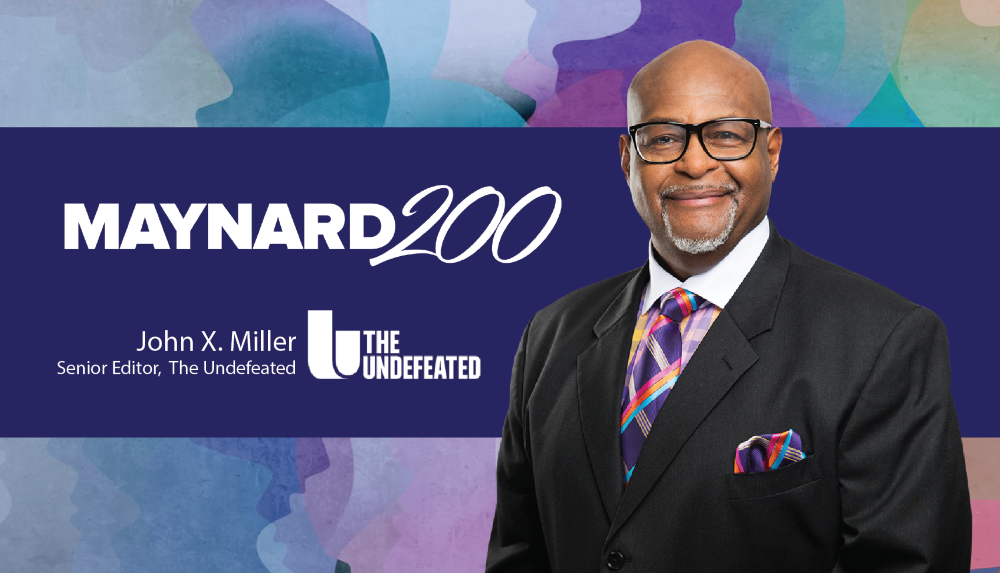
In 2022, the Maynard 200 program expanded to add a fourth track of curriculum designed for frontline editors and managers, which will be led by John X. Miller. With over forty years of media experience, Miller is a veteran journalist and currently the senior editor for news, commentary and HBCUs for The Undefeated, ESPN’s website that reports on the intersection of race, sports and culture.
“Today’s newsrooms require high-performing editors and managers to keep pace with the frenetic multimedia news cycle. Editing the news, managing teams, juggling tasks and maintaining work-life balance are such a challenge. The Maynard 200 Frontline Managers and Editors track will provide the fellows with the relevant training, curricula, mentorship and hands-on coaching that will equip them to excel as multimedia professionals.”
John X. Miller, Senior Editor, The Undefeated
Miller is joining the Maynard 200 Fellowship faculty, in addition to his role as the chairman of the Maynard Institute’s board of directors. One of the Maynard Institute’s core programs, the Maynard 200 Fellowship provides advanced, tuition-free training to mid-career journalists of color to prime them as candidates for higher leadership roles. As industry leaders, Maynard 200 fellows have the opportunity to change the management culture including hiring practices in institutional and entrepreneurial news organizations.
“What excites me the most about being executive-in-residence for this track is the opportunity to work alongside these amazing journalists as they gain the practical tools, knowledge and confidence that will accelerate their careers,” Miller said. “The Maynard Institute has always been about assembling people of diverse backgrounds and experiences to elevate the practice of journalism in the increasingly diverse world. They will gain confidence and knowledge, discover peers and mentors they can rely on and become personally empowered to lead their organizations. They will be transformed.”
The training sessions and hands-on workshops will explore successful management styles, resilient leadership, team building, and effective strategies for navigating newsroom dynamics.
The deadline to apply for Maynard 200 was March 28, 2022. Applications are now closed.
Who is encouraged to apply:
Editors, with one to five years of experience, including assigning editors both print and online; assignment editors and executive producers in broadcast who supervise either in-house reporters, writers, and producers or freelancers or both.
Mid-level managers, with one to five years of experience, who may or may not have direct reports, but hold strategic leadership or communications roles in their newsrooms or media organizations.
The Maynard 200 program is grateful to all members of the 2022 faculty and mentors. Over 60+ executives in media and other relevant disciplines participate in the Maynard 200 program. Their expertise and representation mirror that of our fellows—with diverse heritage, geography, affiliation at mainstream and ethnic media outlets as well as entrepreneurial ventures.
In addition to frontline editors and managers, the Maynard 200 program includes three additional areas of focus: media entrepreneurship, executive leadership and storytelling. Each track is led by accomplished experts, and this year we are privileged to have media strategist Dickson Louie for media entrepreneurship, former newsroom C-suite executive Virgil Smith in executive leadership, and award-winning investigative reporter and author Aaron Glantz for storytelling. Dickson Louie and Virgil Smith serve on the institute’s board of directors as well.
Interested in applying for Maynard 200 but have questions? Watch Maynard 200 Program Director, Odette Alcazaren-Keeley and alumni guest speakers as they gave a special FAQs webinar (Passcode: 81%PueT1) to learn more about the fellowship program.
Get key information about this year’s program and insights to make your application competitive. Hear directly from alumnae about their fellowship experience, which they consider transformative in their media careers and entrepreneurial ventures.
This webinar was designed for investigative reporters, executive leaders, media entrepreneurs, and frontline editors and managers, who are interested in applying to the Maynard 200 Fellowship program.
The webinar covered:
The deadline to apply for Maynard 200 was March 28, 2022. Applications are now closed.
Jasmine expands upon this relational work by amplifying and archiving everyday stories as a freelance journalist contributing to South…
A recap of our most recent Regional Training at Texas Christian University Bob Schieffer College of Communication in…
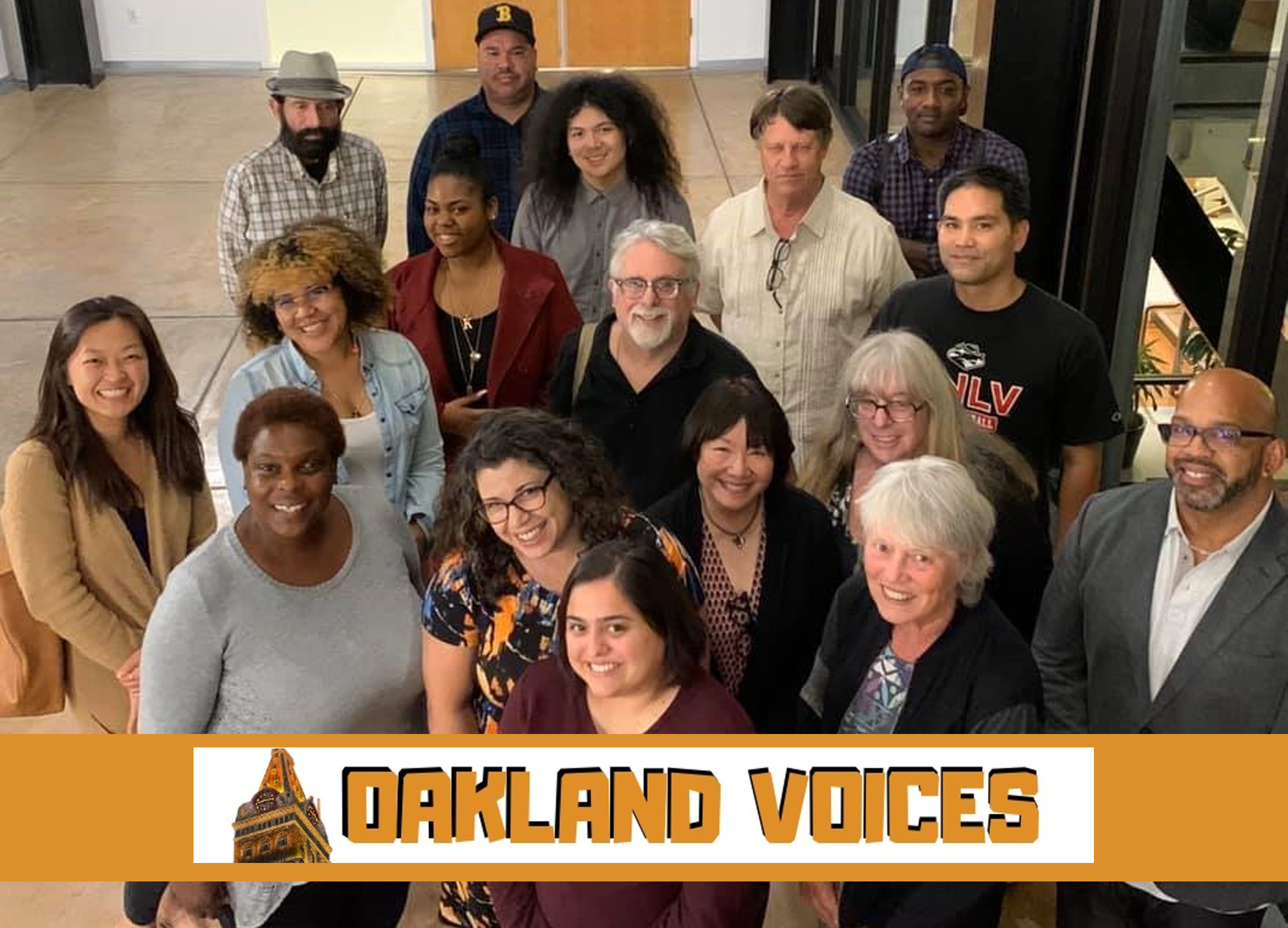
In February 2022, Oakland Voices launched a new series called “Black Voices in the Town” with grant funding from The African American Response Circle Fund with a focus on stories about how the pandemic has impacted Black-owned businesses, Black artists, and health, written by Oakland Voices alumni and local freelance writers.
The Oakland Voices program includes more than 60 members who have completed the community journalism training program over the course of the past 10 years. Many in this group have actively contributed to the Oakland Voices website with articles, interviews, and personal essays, as well as freelancing for other outlets and continuing their professional development.
On February 1, 2022, a group of the alumni gathered virtually to catch up, talk about what they wished to see in 2022 for the program, and discussed story ideas.
‘Black Voices in the Town’ is funded by The African American Response Circle Fund. In 2020, the Brotherhood of Elders Network in partnership with the East Bay Community Foundation established the fund in response to the impact of COVID-19 as a public health crisis for African Americans who live, work, and worship in Alameda County.
The series of stories and photo essays will address the impacts of COVID-19 on Black people in Oakland, California.
The first piece published, by Iris M. Crawford, highlights two Black outdoor enthusiasts, and how nature provided a space for them during the pandemic.
More than a dozen of the Oakland Voices alumni gathered virtually last week In small breakout groups to catch up and talk about what types of continued professional development and opportunities they’d like to see. Oakland Voices alumni expressed interest in workshops for the group around investigative journalism skills, public records requests, data journalism, mapping, a design workshop, and more.
When COVID arrived in March 2020, the alumni program coordinator at the time (now Co-Director of Oakland Voices) Momo Chang and coordinator (now Co-Director) Rasheed Shabazz invited guest speakers via Zoom to chat about being a local journalist and around topics such as immigration coverage and beyond. Guest speakers included Oaklandside’s Azucena Rasilla, UC Berkeley Journalism School Professor-in-Residence Andrés Cediel, KQED columnist Pendarvis Harshaw, local investigative and community journalists Darwin BondGraham and Davey D, Program Manager at Disability Media Alliance Project Cara Reedy, and others. The alumni who attended the most recent meeting expressed that the webinars were valuable.
Many of the Oakland Voices alumni expressed gratitude for the group itself and members of the group. As alumni, many who freelance write now while balancing day jobs or school, expressed that writing can be isolating. The alumni group helps to make them feel less alone as writers and provides a network and supportive community, as well as an outlet to tell authentic stories about Oakland.
“I have published stories in several Bay Area outlets, and I can irrefutably say that Oakland Voices is the most committed to telling the real Oakland story.” Tony Daquipa, 2017 Oakland Voices alumnus
Daquipa has been covering OUSD school issues, as well as arts & culture coverage. His most recent stories focus on school closures..
Finally, many expressed how the group is enjoyable because it gives people an opportunity to talk about Oakland and the many facets. The stories written are real and some are about serious issues, yet the group as a whole wanted to uplift positive and hopefully stories about The Town as well.
Jasmine expands upon this relational work by amplifying and archiving everyday stories as a freelance journalist contributing to South…
A recap of our most recent Regional Training at Texas Christian University Bob Schieffer College of Communication in…
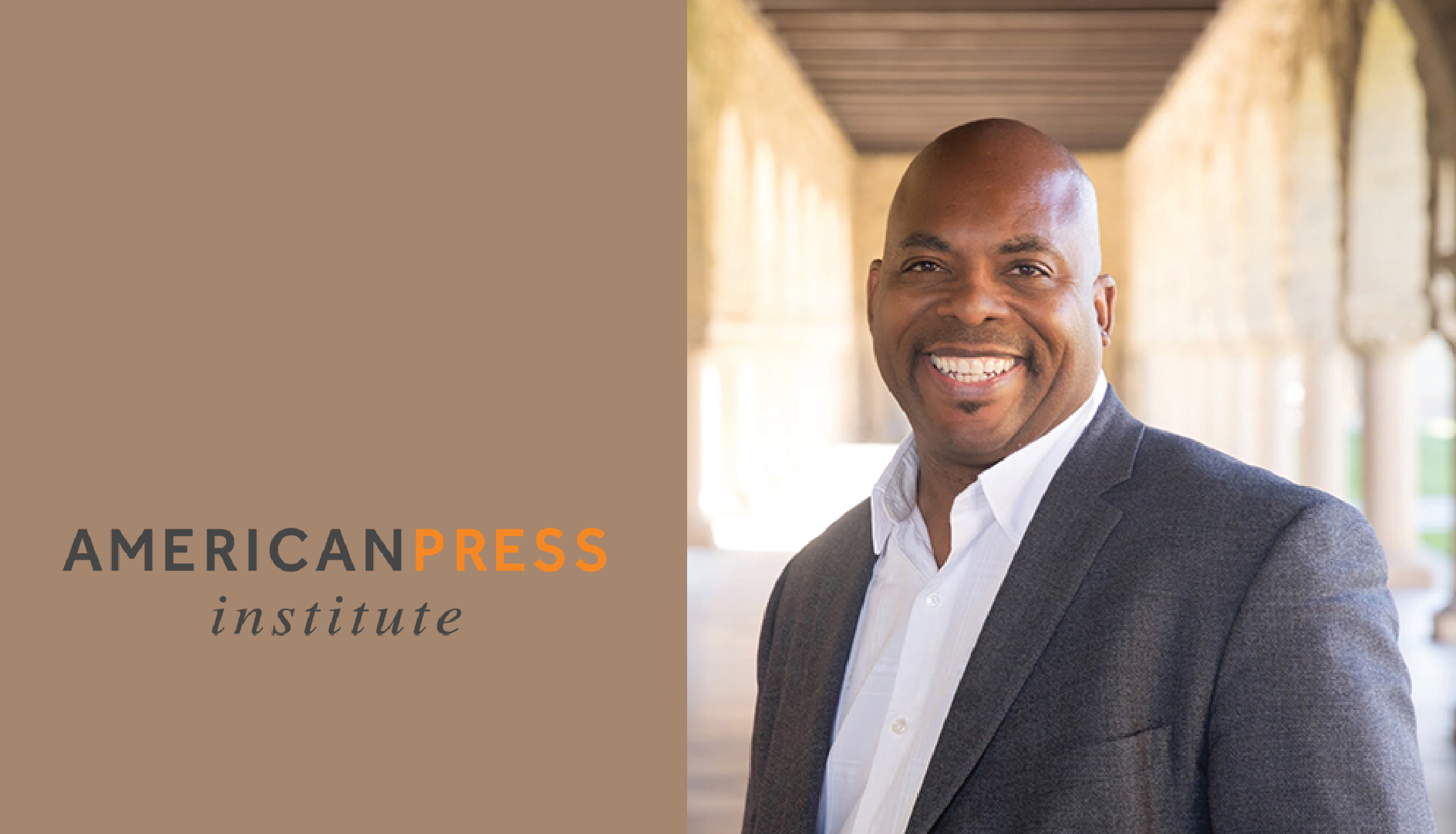
The Maynard Institute congratulates Maynard program alum Michael D. Bolden on his new role at the American Press Institute as Executive Director and Chief Executive Officer. The American Press Institute, an affiliate of the News Media Alliance, is dedicated to helping news publishers navigate and adapt to organizational and industry change to sustain journalism. In their press release dated January 11, 2022, the American Press Institute stated that Bolden “is a proven leader who has shown deep commitment to quality journalism.”
The American Press Institute (API) is a national 501(c)3 nonprofit educational organization affiliated with the News Media Alliance. API is dedicated to the mission of making journalism sustainable and the concept that the publishers that thrive in the 21st century will be those with a deep understanding of rapidly changing audiences.
Bolden, currently the director of culture and operations at the San Francisco Chronicle and a member of the newsroom’s executive leadership team, will begin in his new role with API by February 14.
“It is the privilege of my lifetime to join the enterprising team at the American Press Institute, who work at the forefront of guiding news organizations through constant change. In this time of misinformation and uncertainty, our communities, especially those that have been dispossessed and disregarded, need us more than ever. I look forward to partnering with our visionary board, our funders, newsrooms across the industry, and concerned people everywhere to meet the needs of our audiences, lift trust in the media and help journalism thrive.” Michael D. Bolden, American Press Institute, Executive Director and CEO.
Bolden shared his vision for API in his recent piece “The next step in my journalism journey”:
“Journalism has too often functioned as a closed ecosystem, with limited access to talent and ideas. That world can’t exist any longer, not if we want to reach new audiences and serve the ones our industry has neglected for far too long.
In this time of uncertainty, our diverse, multicultural society needs great journalism and the pursuit of truth more than ever, and the team at the American Press Institute stands at the forefront of guiding news organizations through this fog of constant change. That makes how we operate internally important.
I want to nurture a culture at the American Press Institute that is a model for how to operate an organization. By creating a paradigm at API, we can more effectively help publishers navigate the changes taking place in their newsrooms and help journalism leaders bring more empathy, transparency and understanding to their work. I believe this is just as important for the future of journalism as developing new products and subscription models.”
Maynard Institute professional development programs have the goal of fueling the pipeline of journalists of color into the newsrooms of America. One of the Maynard Institute’s core programs, the Maynard 200 Fellowship provides advanced training and mentorship to mid-career journalists of color for promoting their career growth and expanded leadership roles.
The call for applications is now open for the updated 2022 Maynard 200 program. The application deadline is March 7, 2022. Space is limited. Learn more and apply today!
Jasmine expands upon this relational work by amplifying and archiving everyday stories as a freelance journalist contributing to South…
A recap of our most recent Regional Training at Texas Christian University Bob Schieffer College of Communication in…
Remembering our friend and colleague Michael Days.

One of the Maynard Institute’s core programs, the Maynard 200 Fellowship supports the next generation of storytellers, leaders and entrepreneurs of diverse backgrounds. The program provides relevant training courses, resources and mentorship by distinguished media professionals. In 2021, media strategist Dickson Louie led the media entrepreneurship track and launched a new award program. Based on the scores from a panel of media business experts, two fellows, Travers Johnson, founder of Queerency and Annie Guo VanDan, co-founder of Asian Avenue Magazine, have been recognized for their outstanding media venture pitches.
The Quentin Hope Metrics Award in Entrepreneurship is a $1,000 prize funded by the Maynard Institute. It honors a teacher and coach, Quentin Hope, who guided co-executive directors Martin Reynolds and Evelyn Hsu in growing the reach and revenue of the institute. The prize is awarded to the media project business plan that scores highest for sound strategies and rigorous metrics.
The Dori J. Maynard Media Entrepreneurship Award honors the late president of the Maynard Institute and is funded by the Maynard Institute through a donation from Dickson Louie. The award provides up to $1,000 in additional entrepreneurial training through IDEO U, or an equivalent training entity, approved in advance by the Institute, to the media project that receives the highest cumulative score from the outside judges.
Annie Guo VanDan is the recipient of this year’s Quintin Hope Metrics Award, which recognizes her work as president of Asian Avenue magazine, a Denver-based publication that lifts up the stories and voices of Asian American Pacific Islanders (AAPIs). She began the publication in 2006 at age 20 in collaboration with her mother, a first-generation immigrant from Taiwan.
With a Journalism degree from the University of Missouri, Annie worked in marketing and communications roles with Procter & Gamble, The Integer Group and the Colorado Department of Public Health & Environment.
She found her passion in health equity and community engagement work and is also a change specialist for Change Matrix, where she works with diverse communities to provide training and technical assistance on racial justice, equity and inclusion. In 2009, she founded the Colorado Asian Culture and Education Network, a 501(c)(3) that serves the state’s AAPI community.
She completed her MBA in Health Administration from the University of Colorado Denver in 2012 and lived briefly in San Diego before returning to Denver, her hometown. She enjoys hiking, playing tennis and spending time with her husband and their two daughters.
Travers Johnson received the highest overall score as founder and editor in chief of Queerency, a digital media company that highlights the best in queer business. He has more than 12 years of experience in digital media, print publishing and email marketing at some of the world’s leading companies, including Penguin Random House, Edelman and BET.
A writer and editor based in Austin, Travers was trained at Morehouse College and Georgetown University and is passionate about helping people tell their stories across various mediums.
The 2022 program will be held in-person during the week of June 27th at the USC Annenberg School for Communication and Journalism in Los Angeles, California. Maynard 200 fellows will benefit from tuition-free training and mentorship, plus air travel and lodging expenses will be covered by the Maynard Institute.
The deadline to apply for Maynard 200 is March 21st. Space is limited. Submit your application today!
Jasmine expands upon this relational work by amplifying and archiving everyday stories as a freelance journalist contributing to South…
A recap of our most recent Regional Training at Texas Christian University Bob Schieffer College of Communication in…
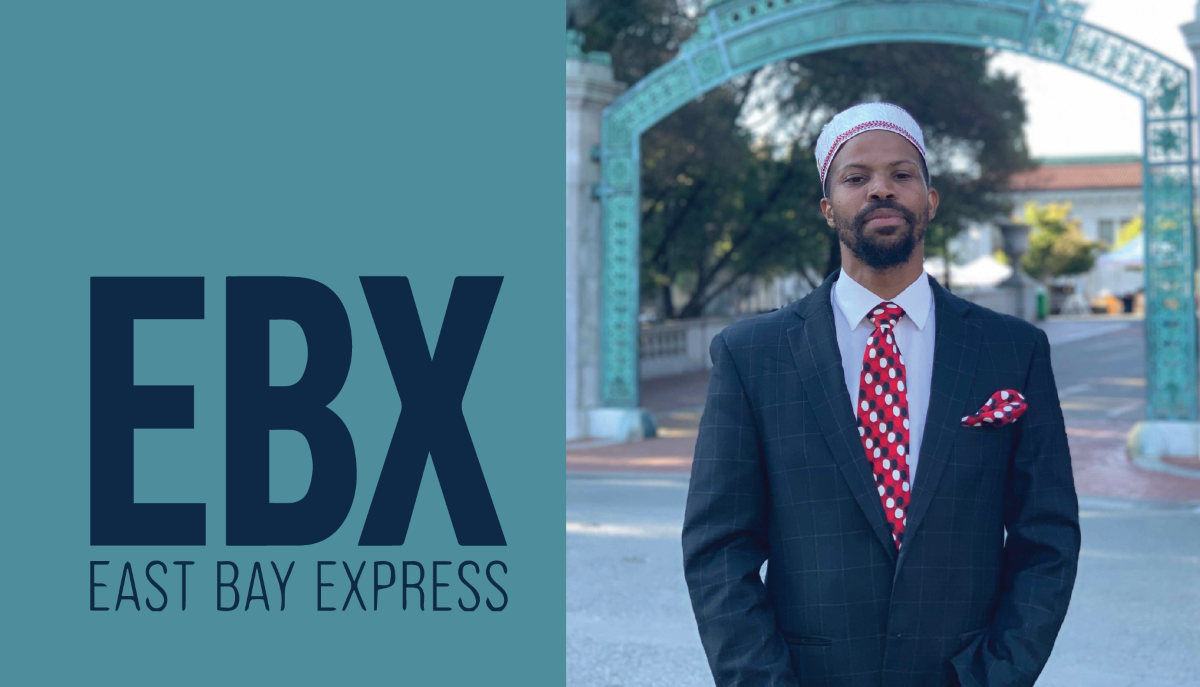
Oakland Voices Co-director Rasheed Shabazz reported a two-part cover series for the East Bay Express in 2018 on the predatory towing that unlawfully targeted residents of Summer House Apartments in Alameda, California. Thanks in part to his reporting, the Alameda County District Attorney launched an investigation into Private Property Impound Inc., or PPI Towing and found “systemic fraud.” Formal charges were filed by the Alameda County District Attorney for predatory towing, falsifying documents and tax evasion in October of 2021. Shabazz recently wrote a follow-up piece about how his reporting led to the investigation and charges.
A flagship program of the Maynard Institute, over seventy Oakland residents have completed the nine month Oakland Voices storytelling program. As the media landscape shifts, the critical role of Oakland Voices continues to grow, amplifying stories that impact the local communities of Black, indigenous and people of color. The work of Oakland Voices correspondents motivated Shabazz to report the story of PPI Towing’s corruption.
“Seeing the work of Oakland Voices’ recent graduates Brandy Collins and Iris M. Crawford inspired me to return to reporting. I’m grateful I could use data journalism to investigate and highlight the exploitation of people in my community.” Rasheed Shabazz, Oakland Voices, Co-executive Director

Photo: Oakland Voices correspondent Iris M. Crawford with program Co-director Rasheed Shabazz at the 2019 graduation ceremony.
Recent Oakland Voices alumni Iris M. Crawford received the Taylor/Blakeslee Fellowship from the Council for the Advancement of Science Writing and is now attending MIT’s graduate program for science writing. Other graduates such as Brandy Collins, who published her first cover story for the SF Weekly, and Ayodele Nzinga, who was recently inaugurated as Oakland’s first poet laureate, continue to positively impact their local communities since graduating the program.
Due to the COVID-19 pandemic, Oakland Voices had to pivot to a virtual model and plans to shift to a hybrid of online and in-person when the pandemic allows. The current cohort of Oakland Voices is the largest to date and hopes to gather in person in 2022. Recent stories featured a “Talk of the Town” series including:
Support the local reporting of Oakland Voices by making a donation to the Maynard Instiute today. Your tax-deductible donation directly supports the journalism that serves local communities.
Jasmine expands upon this relational work by amplifying and archiving everyday stories as a freelance journalist contributing to South…
A recap of our most recent Regional Training at Texas Christian University Bob Schieffer College of Communication in…
Remembering our friend and colleague Michael Days.
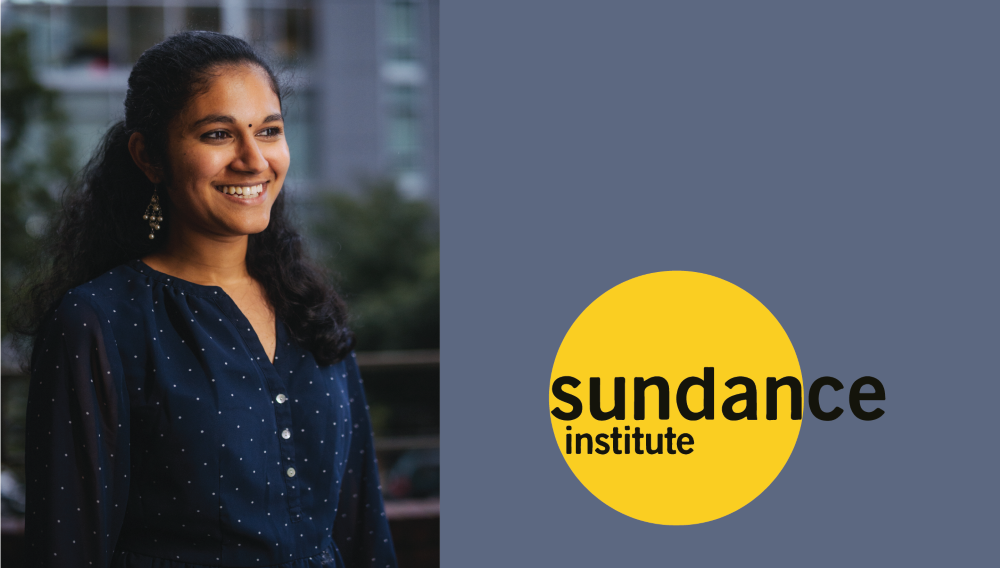
We congratulate Maynard 200 fellow Raji Ramanathan on being selected as one of ten filmmakers to participate in the inaugural Sundance Institute Producers Intensive. The two-day program provides creative, strategic and professional development support for early career fiction and nonfiction producers from traditionally underrepresented communities who are poised to take the next step in their filmmaking career.
Ramanathan is an award-winning journalist and a documentary filmmaker based in California. She currently serves Al Jazeera (AJ+) as Senior Video Producer. Outside of work, she puts her energy into documentary films. She aims to tell stories that expose systemic barriers, especially when it relates to race, immigration and women.
The nonfiction film project that Ramanathan received the Sundance Institute fellowship for is called The Civil Case. The film explores the 1980 civil lawsuit brought against three Klansmen who went on a shooting spree in Chattanooga, Tennessee, injuring five Black women. The film documents how five women fought back in a new way with the support of civil rights attorney Randolph McLaughlin, who helped the women win an important victory against the Klan and set a legal precedent for today’s court battles on racial violence.
In a recent email exchange, Ramanathan shared, “I never in a million years expected to be part of such a prestigious and resourceful family like Sundance. I’m beyond thrilled and grateful to have been selected as a fellow for the Sundance Institute’s inaugural Producers Intensive. I’ve already met several incredible women filmmakers and learned about key components of a producer’s role in filmmaking.”
“Imposter syndrome comes crawling in when you’re a storyteller, an artist and a dreamer because you really have to be vulnerable to tell an impactful story. And while some of that fear may never go away, speaking with my peers and getting guidance from mentors at Maynard has helped to alleviate some of that anxiety,” Ramanathan added.
The Maynard 200 program really pushed me to put myself out into the world and take ownership of spaces where I deserve to be, and I think that really inspired me to apply for Sundance.”
–Raji Ramanathan, Maynard 200 fellow
The Maynard Institute has trained two outstanding cohorts so far since 2018, who are now being promoted in both mainstream and ethnic media newsrooms such as the New York Times, Los Angeles Times, Mother Jones, theGrio, the Associated Press, the Washington Informer, Mundo Hispanico, Nieman Journalism Lab, among many others, or earning grants for entrepreneurial media ventures. The continuation of this cornerstone program will be critical to advancing the Maynard Institute’s efforts to expand the diversity pipeline in American media and dismantle structural racism in its newsrooms. These leaders will have the opportunity to change the management culture including hiring practices in institutional and entrepreneurial news organizations. The program is tuition-free thanks to funding by Google News Initiative, Craig Newmark Philanthropies, The Hearthland Foundation and the McClatchy Foundation.
Jasmine expands upon this relational work by amplifying and archiving everyday stories as a freelance journalist contributing to South…
A recap of our most recent Regional Training at Texas Christian University Bob Schieffer College of Communication in…
Remembering our friend and colleague Michael Days.
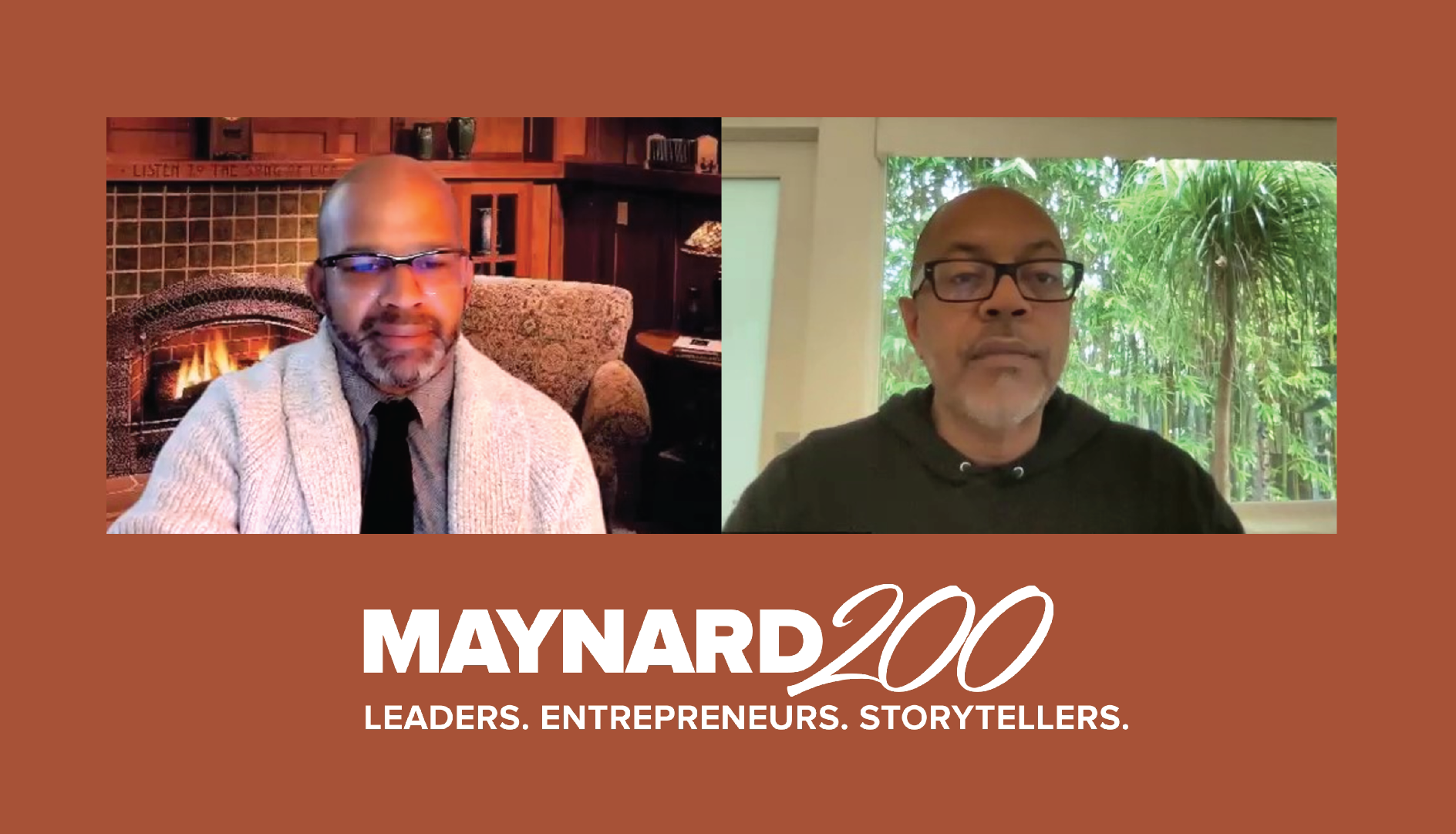
In October, the 2021 cohort of Maynard 200 fellows gathered for week-long intensive training sessions joined by more than 60 executive level faculty and mentors whose caliber mirror back the wide representation of our fellows of diverse heritage and geography affiliation at mainstream and ethnic media outlets across disciplines and expertise. The convening plenary kicked off with a fireside chat featuring Kevin Merida, executive editor of the Los Angeles Times and Maynard Institute board member.
Maynard 200 Program Director, Odette Alcazaren-Keeley, helped set the tone for the keynote session by describing the high stakes facing Maynard 200 fellows today.
“In a climate where local journalism is under threat– in the print sector alone – today half of all daily newspapers in the United States are controlled by financial firms. For example, The Atlantic’s recent cover story points to newsrooms being gutted by hedge fund Alden Global Capital,” she said.
One of the Maynard Institute’s core programs, the Maynard 200 Fellowship provides advanced training to mid-career journalists of color to prime them as candidates for higher leadership roles. As industry leaders, Maynard 200 fellows have the opportunity to change the management culture including hiring practices in institutional and entrepreneurial news organizations.
“We look to our legacy values and groundbreaking work at the Maynard Institute, rooted in trust equity and belonging to change the culture and American media. And all of you, the voices of our fellows resound. We stand together with you in your work in defending the soul of our democracy,” Alcazaren-Keeley added.
Maynard Institute Co-executive director Evelyn Hsu addressed the group, thanking Merida and all the faculty for their support. Detailing the ways the Maynard family survives through the graduates of programs like Maynard 200.
In conversation with Maynard Institute’s co-executive director Martin Reynolds, Merida shared insights from his journalism career, from his earliest days to today as executive editor of the Los Angeles Times, the largest news gathering organization in the Western United States.
“It’s certainly nostalgic just listening to Evelyn talk about the history. Evelyn and I were classmates in the Maynard Instute’s 1979 summer program. And with that pioneering spirit that Bob Maynard had, it’s really important to remember history and how far we’ve come.”
Merida reflected on his journey in relation to Robert C. Maynard’s journey as well.
“This program is why I feel so close to Maynard and this family. It really helped shape my career as one of the most important experiences of my life. We were celebrating our graduation in 1979 from the program but also Bob Maynard’s ascension to be the first African American editor in our country’s history at the Oakland Tribune.”
Merida would later become the first Black managing editor of the Washington Post, before becoming senior vice president at ESPN and editor-in-chief at The Undefeated.
When Reynolds asked for thoughts on trends in journalism, Merida suggested that the digital revolution has evolved to the point where technology is now a major driver in the industry. He explained that journalists fluent in technology have the power to change industry conventions and storytelling as a whole for the better.
“We talk a lot about the digital revolution. I say we’re all digital now, whatever medium you belong to, we’re already in a digital environment. People said content is king and that’s true. But technology is really king among kings because the way in which we are able to reach people and to drive different consumption habits. And in some ways, those consumption habits are driven by technology.”
“So as journalism evolves and people who have grown up in the digital era have fluency that didn’t previously exist they gravitate toward different kinds of storytelling. Even just the way stories are written, every part of our business conventions. We’re disrupting that, so why wouldn’t we disrupt it all?”
“Newsrooms have always had challenges, but now we have challenges in more public ways and I think that is good for our business. It’s going to make us better.”
In response to the question “how do you define culture, and how can the Maynard 200 fellows use culture to their leadership advantage?” Merida said culture can serve newsrooms as a grounding principle for inclusion.
“I always think transparency can’t be underestimated. We have to have a lot more open conversations. As citizens of this workplace, what are we going to stand for? How are we gonna operate? What is the environment of inclusion? What do we do that brings ourselves closer to our community? Culture defines an environment where everybody is welcome, where we can accommodate all kinds of people.”
Merida closed the plenary session with a call to action that echoed the vision of the institute’s founder, Robert C. Maynard who declared in 1978, “We must desegregate this business…Newsrooms have a responsibility to cure the legacy of racism.” The Institute has trained three Maynard 200 cohorts, who are now being promoted in both mainstream and ethnic media newsrooms such as the New York Times, Los Angeles Times, Mother Jones, theGrio, the Associated Press, The Washington Post, the Washington Informer, Mundo Hispanico, Queerency, Univision KDTV Bay Area, Nieman Journalism Lab, among many others. Some of them are also have been awarded grants for entrepreneurial media ventures. As the Maynard Family grows, the journalism industry becomes closer to curing the legacy of racism.
The Maynard 200 program is grateful to Kevin Merida and all members of this year’s faculty who led sessions and all who continue to serve as mentors. This year’s faculty is once again a high-caliber roster of 60+ executives in media and other relevant disciplines. Their expertise and representation mirror that of our fellows – of diverse heritage, geography across the United States and globally, affiliation at mainstream and ethnic media outlets as well as entrepreneurial ventures.
The Maynard 200 program includes three areas of focus: media entrepreneurship, executive leadership and storytelling. Each track is led by accomplished experts, and this year we are privileged to have media strategist Dickson Louie for media entrepreneurship, former newsroom C-suite executive Virgil Smith in executive leadership, and award-winning investigative reporter and author Aaron Glantz for storytelling. Dickson Louie and Virgil Smith serve on the institute’s board of directors as well.
Serving as track deputies this year are Emmanuel Martinez, data reporter at The Markup who was also a session speaker for Storytelling; and Waylae Gregoire, Partner, Head of Business Development at NextShark, for Media Entrepreneurship.
The Maynard Institute’s allies in the field have been instrumental in this year’s recruitment and selection of our stellar 2021 fellows including Investigative Reporters and Editors (IRE), Asian American Journalists Association (AAJA), National Association of Hispanic Journalists (NAHJ), Native American Journalists Association (NAJA), National Association of Black Journalists (NABJ), Poynter Institute, the Craig Newmark Graduate School of Journalism at the City University of New York (CUNY), and Society for Professional Journalists (SPJ). Special thanks to IRE’s support for this year’s mentorship roster, which includes their distinguished board members and network partners.
The 2021 Maynard 200 Journalism Fellowship is supported by Google News Initiative, Craig Newmark Philanthropies, The Hearthland Foundation and the McClatchy Foundation.
Plenary and Track Session Speakers:
Mentors for Storytelling:
Mentors for Executive Leadership:
Mentors for Media Entrepreneurship:
Jasmine expands upon this relational work by amplifying and archiving everyday stories as a freelance journalist contributing to South…
A recap of our most recent Regional Training at Texas Christian University Bob Schieffer College of Communication in…
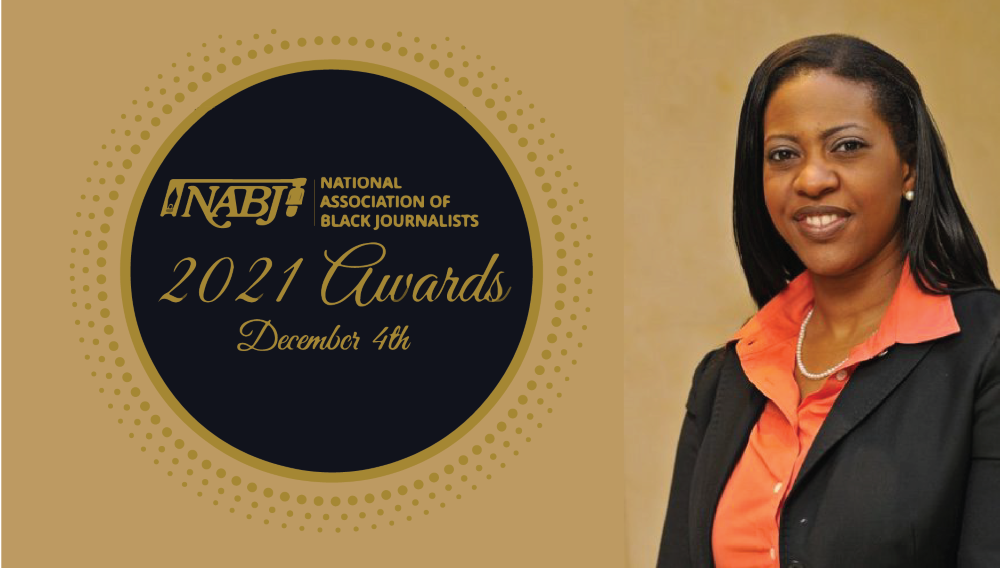
The Maynard Institute congratulates board member Aprill O. Turner for being named the Special Honors recipient of the 2021 Patricia L. Tobin Media Professional Award by the National Association of Black Journalists (NABJ). A seasoned public relations strategist with deep roots in the political world, Turner has led media strategy for several local and national political campaigns. Her expertise includes message development, media training, crisis communications and public affairs.
Patricia L. Tobin was a pioneering publicist, media entrepreneur, and co-founder of the National Black Public Relations Society. One of NABJ’s Special Honors, the Patricia L. Tobin Media Professional Award is given to an entrepreneur, public relations/advertising/marketing professional, or media owner that serves as a trailblazer in the media realm and is responsible for a positive impact of Black coverage and the media profession.
To be selected for this Special Honor, Turner is recognized through her work and service display a commitment to NABJ’s goal of fostering an exemplary group of professionals that honors excellence and outstanding achievements in Black journalism and outstanding achievement in the media industry as a whole.
“I am beyond honored to receive NABJ’s 2021 Pat Tobin Media Professional Award,” said Turner.
“NABJ member Pat Tobin of Los Angeles passed away in 2008. Tobin was president and CEO of Tobin and Associates, a prominent minority, woman-owned public relations firm. She was a dedicated activist for causes that impacted minorities, women and youth; and was co-founder of the National Black Public Relations Society.”
“It makes me proud to have had the opportunity to meet Pat Tobin and witness the large impact that she had. It also makes me proud to follow in her footsteps, especially in the love that we both have for public relations, seeing other Black professionals excel in it and how much we both love NABJ.” Aprill O. Turner, Maynard Institute board member and NABJ’s 2021 Patricia L. Tobin Media Professional Award Winner
NABJ inducted 8 new members into its Hall of Fame and awarded 14 Special Honors to Black journalists and communicators from around the world during a virtual awards ceremony December 4, 2021. The event streamed online and featured special guests, entertainment and interactive features. Read more about the 2021 NABJ award receipients.
NABJ offers innovative training, career advancement opportunities and advocacy initiatives for Black journalists and media professionals worldwide. The association’s annual awards honor the groundbreaking accomplishments of Black journalists and those who support the Black community in the media. Learn more about NABJ.
Jasmine expands upon this relational work by amplifying and archiving everyday stories as a freelance journalist contributing to South…
A recap of our most recent Regional Training at Texas Christian University Bob Schieffer College of Communication in…
Remembering our friend and colleague Michael Days.
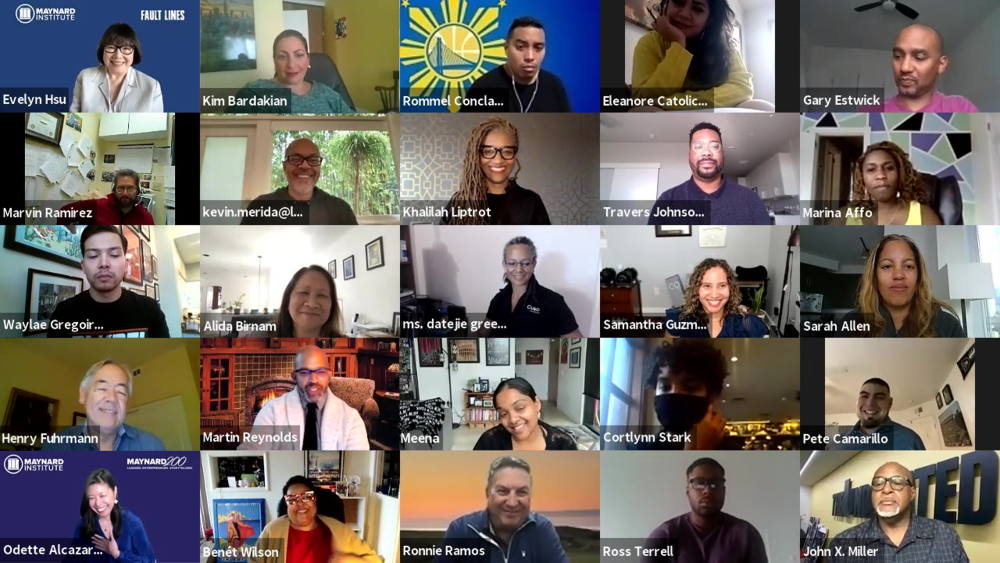
The Maynard 200 fellows reconvened virtually for their second week of intensive training, panel discussions, workshops, and mentorship. Due to the COVID-19 pandemic, the 2021 fellows have been unable to gather in-person. To help foster connections in the virtual program, fellows were invited to submit video clips shot from their individual locations and share their thoughts on the Maynard 200 program.
One of the Maynard Institute’s core programs, the Maynard 200 Fellowship provides advanced training to mid-career journalists of color to prime them as candidates for higher leadership roles. The program is designed with three tracks: Storytelling, Media Entrepreneurship, and Executive Leadership. During the week of trainings, daily plenary sessions kicked off with a watch party of these brief compilation videos for all fellows, faculty, and mentors to enjoy together.
Each track is led by accomplished experts, and this year we are lucky to have award-winning investigative reporter and author Aaron Glantz for the storytelling track. Fellows in this track include: Marina Affo, Stephanie Casanova, Angela Chen, Eleanore Catolico, Rommel Conclara, Ruslan Gurzhiy, Estephany Haro Thalia Juarez Sarah Mizes-Tan Herb Pinder Cortlynn Stark Jasmine Vaughn-Hall, Mark Walker, Dalia Hatuqa, and Sameea Kamal.
Fellow Stephanie Casanova, who recently joined The Chicago Tribune as Breaking News and Criminal Justice Reporter, said, “Maynard 200 has helped me be more confident and push aside the imposter syndrome that would have prevented me from applying to this job in the first place.”
Led by former newsroom C-suite executive Virgil Smith, fellows in the executive leadership track include Stephen Angeles, Charmayne Brown , Anica Butler, Tripp J. Crouse, Gary Estwick, Samantha Guzman, Lottie Joiner, Ashton R. Lattimore, Khalilah E. Liptrot, Marian Liu, Michelle Faust Raghavan, Rajeswari Ramanathan, Ross Terrell, Benet J. Wilson, and Tasha Stewart.
“This Maynard experience has really underscored all the ways that journalists of color are too often undervalued in dominant newsrooms. It’s just been incredible to be in a room of people, virtual though it may be, where you really feel like you are seen and you are heard and your contributions are deeply appreciated,” said fellow Khalilah L. Liptrot, Senior Producer of the Black News Channel’s AMplified with Aisha Mills in New York.
Media strategist Dickson Louie leads the media entrepreneurship track for fellows Annie Guo VanDan, Pete Camarillo, Clarisa Strohmeyer, , Jenee Darden, Felicia Purcell, Delonte Harrod, Kevon Paynter, Hannah Kim, Anuz Thapa, Meena Thiruvengadam, Marvin Ramirez, datejie cheko green, Travers Johnson, and Michelle Garcia.
“I’m so thankful for the Maynard 200 because I’m in a space of people who are also innovating in journalism but we’re not doing this alone, we’re doing this together,” said fellow Kevon Paynter, Founder and CEO of Bloc by Block News.
The Maynard Institute has trained two outstanding cohorts so far since 2018, who are now being promoted in both mainstream and ethnic media newsrooms such as the New York Times, Los Angeles Times, Mother Jones, theGrio, the Associated Press, the Washington Informer, Mundo Hispanico, Nieman Journalism Lab, among many others, or earning grants for entrepreneurial media ventures. The continuation of this cornerstone program will be critical to advancing the Maynard Institute’s efforts to expand the diversity pipeline in American media and dismantle structural racism in its newsrooms. These leaders will have the opportunity to change the management culture including hiring practices in institutional and entrepreneurial news organizations.
The program is tuition-free thanks to funding by Google News Initiative, Craig Newmark Philanthropies, The Hearthland Foundation and the McClatchy Foundation.
Jasmine expands upon this relational work by amplifying and archiving everyday stories as a freelance journalist contributing to South…
A recap of our most recent Regional Training at Texas Christian University Bob Schieffer College of Communication in…