News / Blog
From fellowship to the field: How one alum carries Maynard’s lessons forward
Four years after completing the Maynard 200 Fellowship, William J. Ford is covering Maryland’s statehouse, explaining state politics…


Register here for the Propel Regional Training Series for Editors and Managers taking place October 22-24 in Burbank, California in partnership with the Department of Journalism at California State University at Northridge.
The Maynard Institute and Propel Initiative programs are always led by expert journalists, editors, newsroom leaders and faculty from our partner universities.
In our final Propel Regional Training of 2026, we are excited to welcome eight educators from our partners in the Department of Journalism at California State University at Northridge. Joining them from the pool of Maynard alumni and faculty are seven expert investigative journalists, innovative editors, newsroom managers, award-winning writers, C-suite executives and coaches. Together with our Maynard Institute staff, this team presents a combined century of journalism expertise.
“CSUN Journalism is proud to partner with the Maynard Institute and Propel Initiative to strengthen the next generation of newsroom leaders. This three-day training creates an important space for editors and managers and our student journalists to sharpen their leadership skills, navigate today’s complex media environment, and embrace emerging tools like AI,” said Dr. Marcella De Veaux, Chair of the Department of Journalism at CSUN.
“We’re especially pleased to bring together experienced journalists, CSUN Journalism faculty and media leaders to share knowledge and practical strategies. Together, we are investing in a stronger, more inclusive and sustainable future for California journalism.”
We will also end our Propel Regional Training in Burbank with a Regional Roundtable of News Leaders from Southern California, representing a diverse cross-section of media experience.
“We look forward to welcoming another exceptional cohort of California journalists who are transforming the state’s news landscape and reflecting the diverse voices of its communities.
The second Propel Regional Training organized by the Maynard Institute continues to deliver a curriculum grounded on actionable toolkits and customized coaching to sharpen the editing and management skills of the next generation of media professionals, while building a peer community of support and belonging. Led by award-winning editors, CSUN faculty and Maynard executives, sessions and conversations will leave participants more confident, capable and resilient – ready to lead their teams with courage, to defend civil rights, democracy and fight for human dignity in this AI reckoning,” said Odette Alcazaren-Keeley, director of the Maynard Regional Training and Communities of Practice Programs.
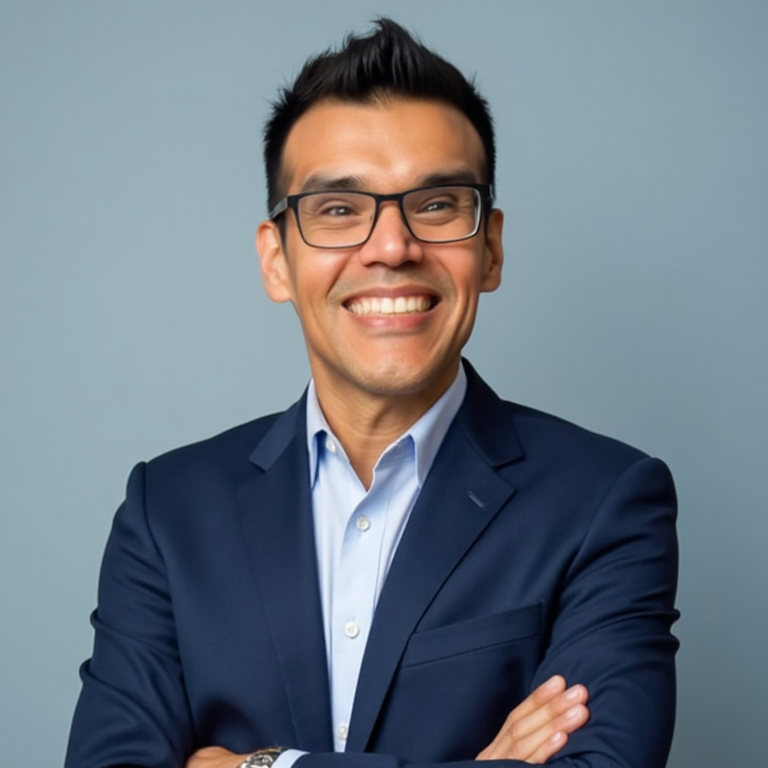
Born in East Houston, Ernesto’s life was transformed by public media. His career has traversed daily newspapers and alternative weeklies to public radio news and program director roles.
At KQED, he oversees radio broadcast content and a range of initiatives in the organization’s Content division, including leading its AI Working Group.
Prior to KQED, Ernesto served stations nationwide for five years as executive director of the National Federation of Community Broadcasters.
Session Focus: Explore how to responsibly integrate artificial intelligence into your newsroom workflow without compromising integrity or audience trust. We will cover practical frameworks for using AI tools to streamline your sourcing, editing and operations.
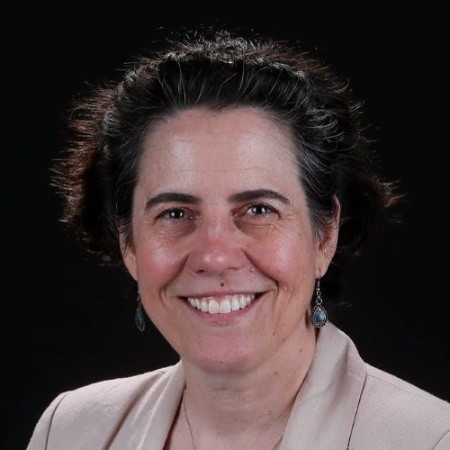
Maria is a consultant and coach after spending 36 years in seven newsrooms. She was enterprise editor at the Tampa Bay Times and Houston Chronicle and, before that, managing editor at The Virginian-Pilot. She has edited dozens of award-winning projects, regularly lectures on narrative journalism and co-hosts a podcast (WriteLane) about craft.
Session Focus: Editors must be smart about where their newsroom spends time and energy. So this session will help them learn how to look for the big ideas, coach reporters through the information-gathering process and work through the copy.
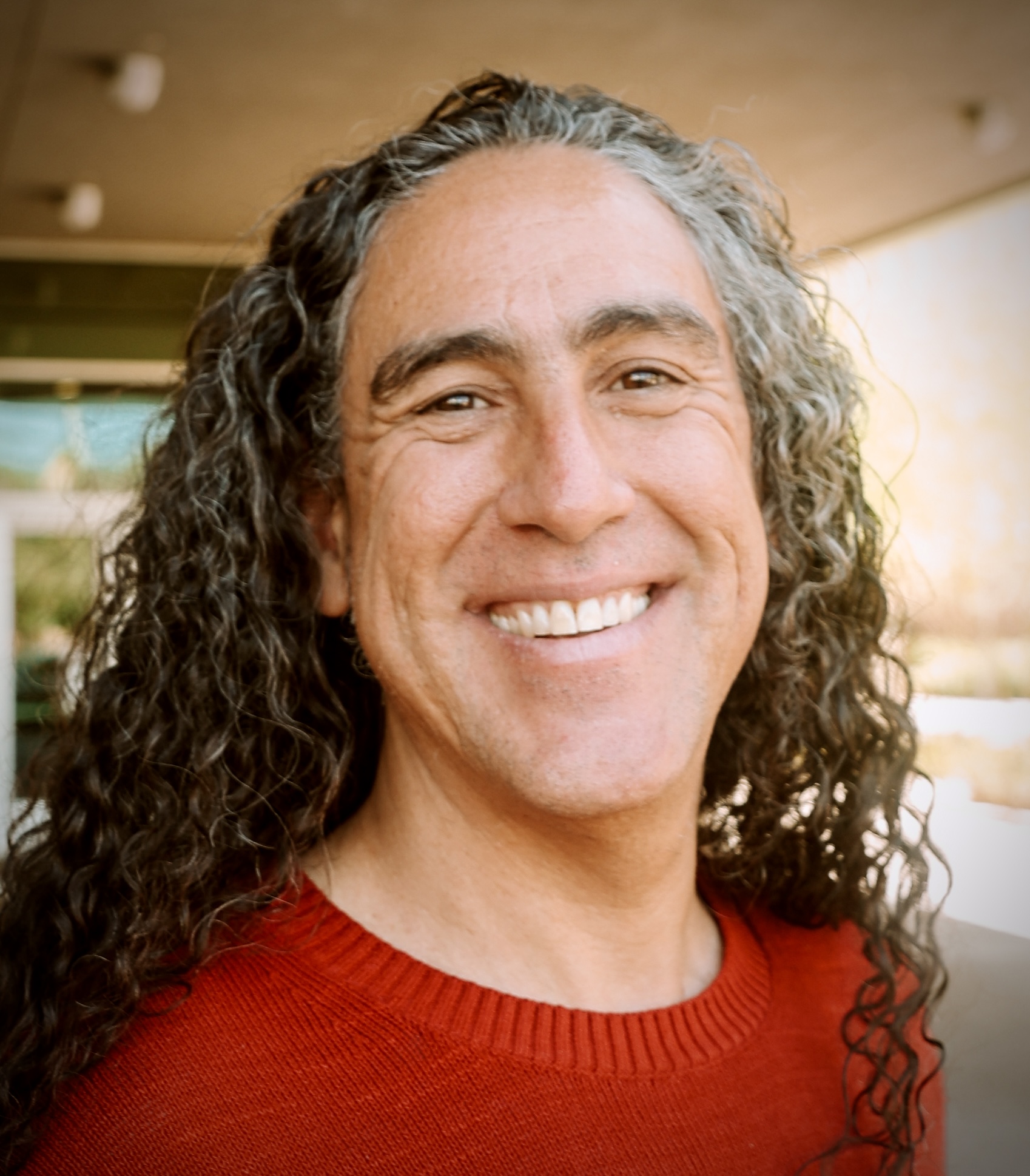
Andrés is an Emmy-award winning investigative journalist, documentary filmmaker, and educator. Primarily publishing with the PBS strands FRONTLINE, POV and VOCES, his work has focused on immigration, trafficking, human rights, and climate change.
Session Focus:
Immigration enforcement has resulted in much more than mass deportations. DHS policies and Supreme Court rulings have explicitly undermined civil liberties and the constitution, particularly targeting the First, Fourth and Fourteenth Amendments. We will look at how this rapid erosion of previously protected rights is occurring, and discuss strategies for documenting abuses in real time.
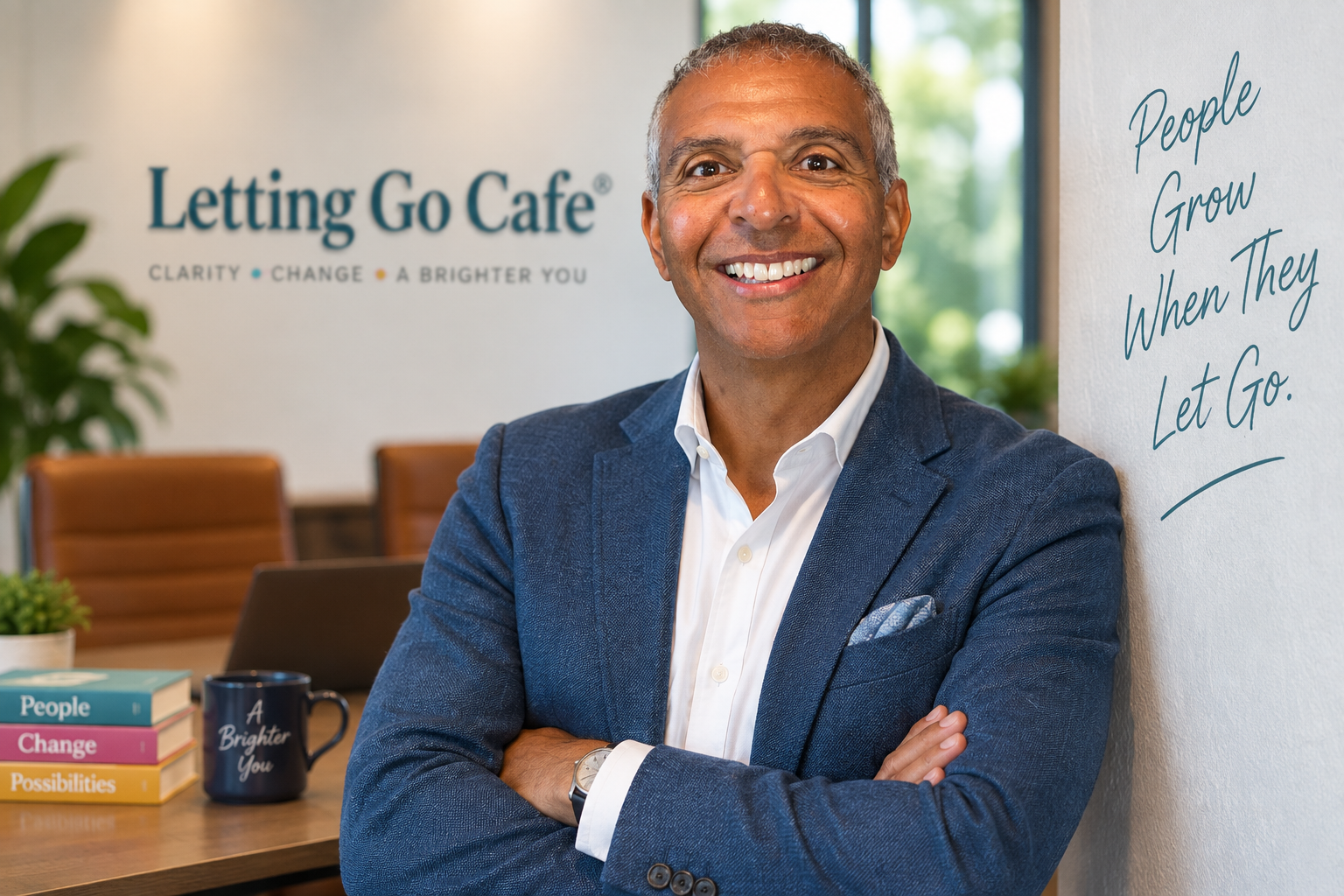
As founder of Letting Go Cafe, Inc. and its brand, Darren is one of the nation’s leading organization development consultants, life coaches, and guides in the personal development space.
Session Focus: An interactive letting go experience centered around the power of the Self Management Grid®️. Be prepared to focus on managing burnout and stress. Change is inevitable. The real challenge is what uncertainty causes us to hold onto. Through reflection, practical strategies, and the Self Managing Grid®, this session invites media professionals to examine what they may need to release so they can navigate disruption with greater clarity, resilience, and purpose.
Marla is a visionary HR executive and strategic business partner who translates people strategy into measurable financial performance. She serves as Vice President of People and Culture with the Center For Investigative Reporting serving Mother Jones and Reveal. With deep expertise in talent management, organizational design, workforce strategy, and change management, she has led enterprise-wide transformations that align talent with business objectives and consistently deliver results that exceed organizational goals.
Session Focus: Focusing on leaning into their emotional intelligence, managers will receive tools to manage change. They will understand the difference between manager and leader.
Steve is editor of Column One, the Los Angeles Times showcase for storytelling and narrative. He also works with reporters who cover immigration, the Middle East, Mexico and the Americas. In his 39 years with the Times – 36 of them as an editor – he has overseen coverage of a wide variety of topics, including presidential campaigns, California news, higher education and religion.
Session Focus: This session will cover both the human relations element of line editing — how to tell someone they buried the lede, for example — and also offer sentence-level tips on helping writers make their copy brighter, tighter and better.
Michelle is deputy political editor at Courier Newsroom, based in Los Angeles, where she leads a political correspondent team covering California, New Mexico, Nevada, Utah, Arizona, Colorado and Alaska. She has 20 years of experience across ethnic press, independent newsrooms and digital media.
Session Focus: This interactive session gives frontline editors and managers a practical checklist for leading high-risk coverage, from ICE operations and protests to election-related threats. Working through real scenarios in small groups, participants will make the calls that fall to newsroom leaders rather than reporters, including who deploys and how, real-time check-ins, handling arrests and equipment seizures, and debriefing afterward. Everyone leaves with a one-page tool they can adapt for their own newsroom.
Dr. José Luis is a journalism professor at California State University, Northridge and director of the Tom & Ethel Bradley Center—a visual and oral archive focused on documenting ethnic communities of California. He created the first interdisciplinary minor in Spanish-language journalism in the U.S. and founded the Spanish-language student publication El Nuevo Sol in 2003, which he transformed in 2007 into a digital site covering global Latino communities.
Session Focus: The session will present the historical significance of the work of photojournalists working for ethnic and alternative media in Los Angeles and California preserved at the Bradley Center. The session will also encourage community/ethnic media editors to use more effectively the work produced by visual storytellers and the importance of encouraging the inclusion of proper credit to photographers; as well as the creation of photographic archives.
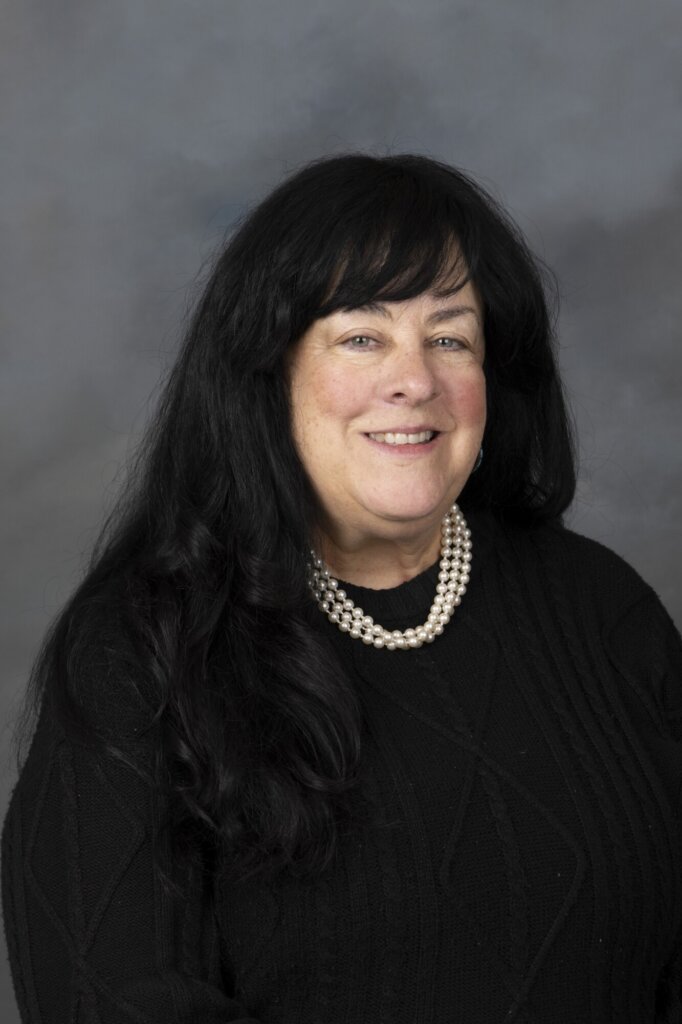
Elizabeth is a California lawyer and professor, teaching freedom of the press, digital media law and tech policy at California State University Northridge (CSUN) in the Mike Curb College of Arts, Media, and Communication, within the Department of Journalism.
Session Focus: The silencing of speech is taking a variety of new shapes in the Golden State. While California has statutory protections for journalists, a variety of new laws and government practices are reducing and restraining the freedom of the press in our state … and beyond. From the Disney/ABC settlement of a frivolous defamation case, to local ordinances limiting the First Amendment activities of journalists and observers at encampment sweeps, to the relentless retaliations by police departments against investigative reporters, we are in a new era of censorship in California.
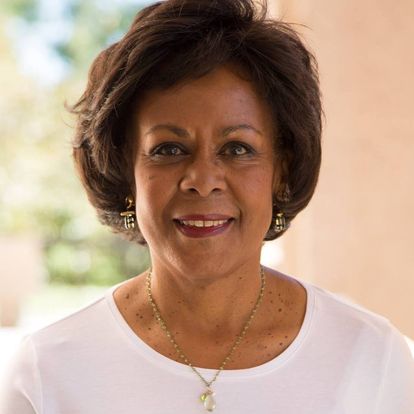
Marcella “Marcy” is a media expert and educator with decades of experience in entertainment public relations, diversity best practices, and coaching. She is a tenured professor at California State University, Northridge. Following her work as a facilitator in Faculty Development, she currently serves as chair of the Department of Journalism.
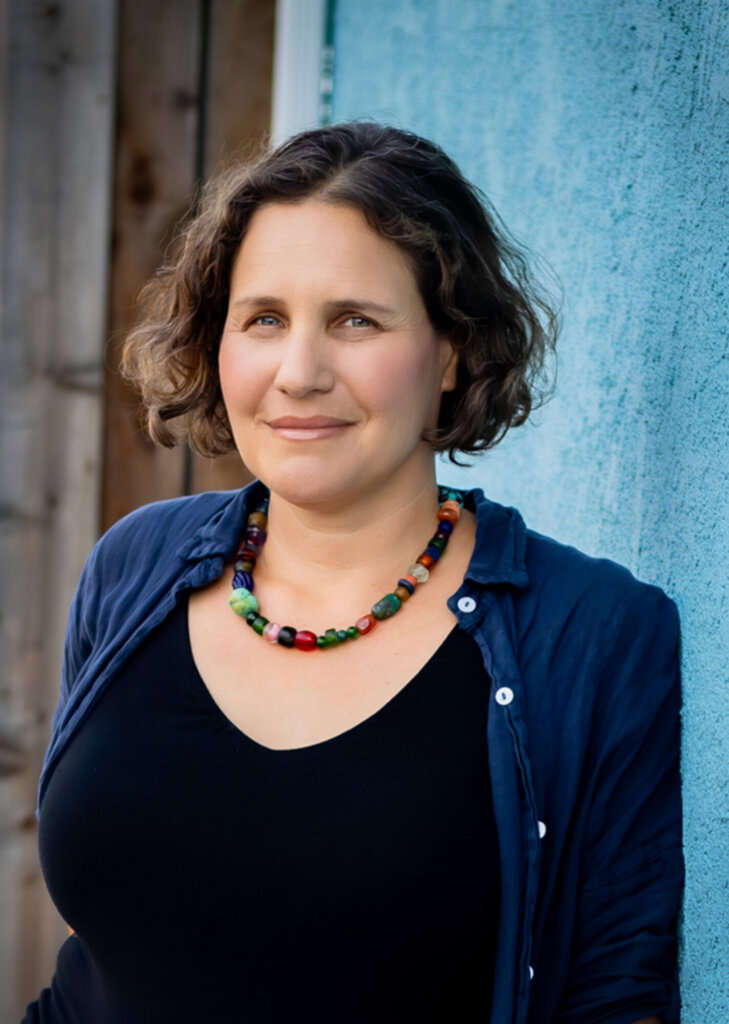
Daniela is an award-winning reporter whose work has appeared in The New York Times, Der Spiegel, Public Radio International, and the Financial Times, among other outlets. An associate professor of journalism at California State University, Northridge and editor-at-large at Zócalo Public Square, she previously worked as a community engagement editor at the LA Times and as a staff immigration reporter for the New York Sun.
Session Focus: Local Journalism That Matters: Building Trust Through Community-Centered & Student-Led Reporting. Journalism schools can lead in the community news space, not just filling gaps left by the professionals. The low barriers to innovation and collaboration allows these outlets to develop and test models with deep community engagement. The818Beat.com is a faculty-led initiative that serves as a news lab and community service, with classroom assignments creating most of the content.
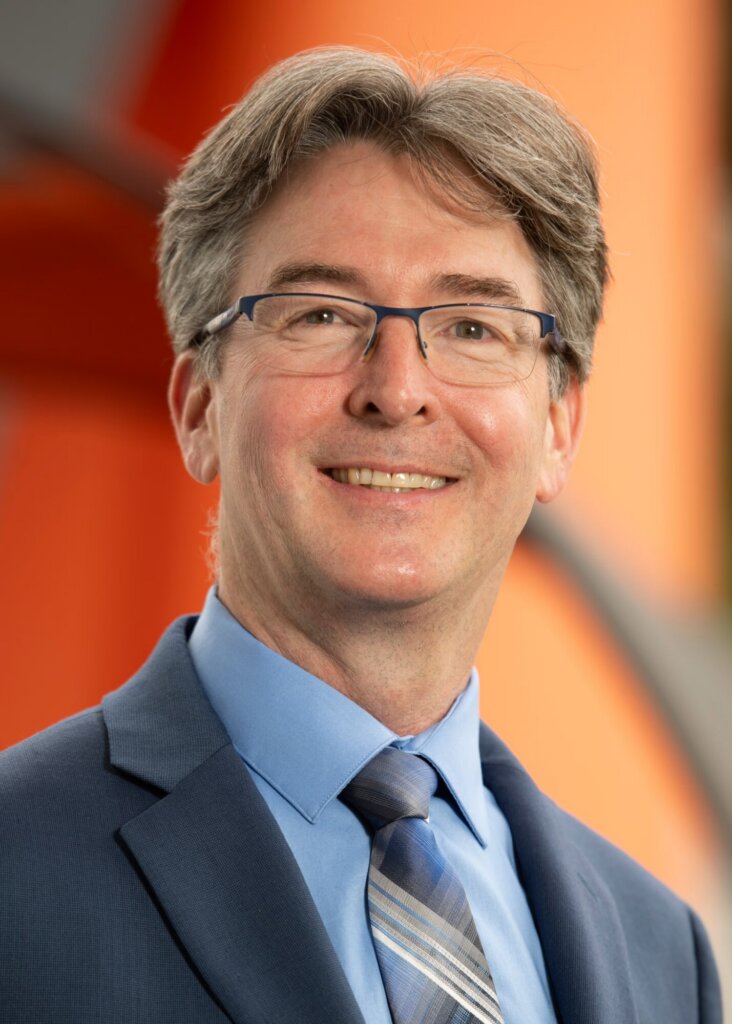
Dr. Dan Hosken is proud to serve as the Dean of the Mike Curb College of Arts, Media, and Communication, having previously served as Interim Dean, Associate Dean, and Professor of Music in the college. He brings with him a breadth of knowledge that encompasses the arts, instruction, and leadership skills spanning more than 15 years, including 13 years as a faculty member in the Music Department and 3 years as Associate Dean of the college. The Mike Curb College at CSUN enrolls over 5,000 students across the disciplines of Journalism, Communication Studies, Cinema and Television Arts, Art and Design, Music, and Theatre.
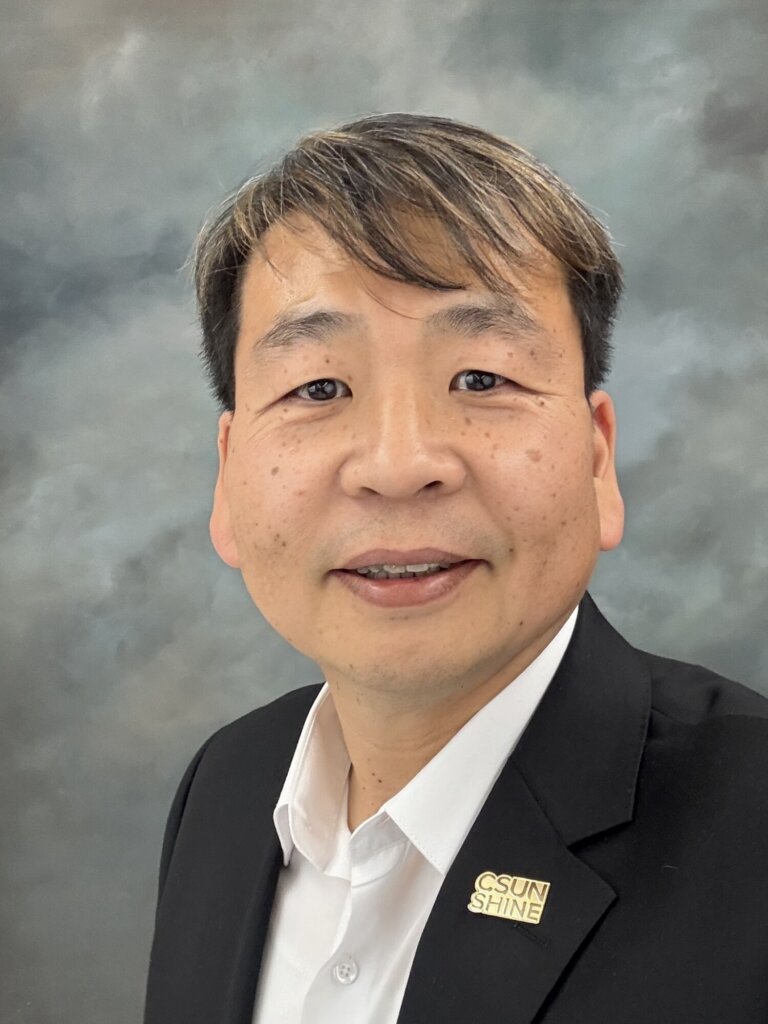
Taehyun is an associate professor in the Department of Journalism at California State University, Northridge. He holds a B.A. and an M.A. in Journalism from The Ohio State University and a Ph.D. from Washington State University.
Trained as a media sociologist, Taehyun’s research interests include the effects of corporate structures on editorial vigor, the disinformation campaigns of climate-change skeptics, and the community-maintenance role of Korean ethnic media—particularly Radio Korea—during the 1992 Los Angeles riots. He has published numerous studies on media coverage of the riots and has served as a columnist for Radio Korea and Miju Sisa Journal.
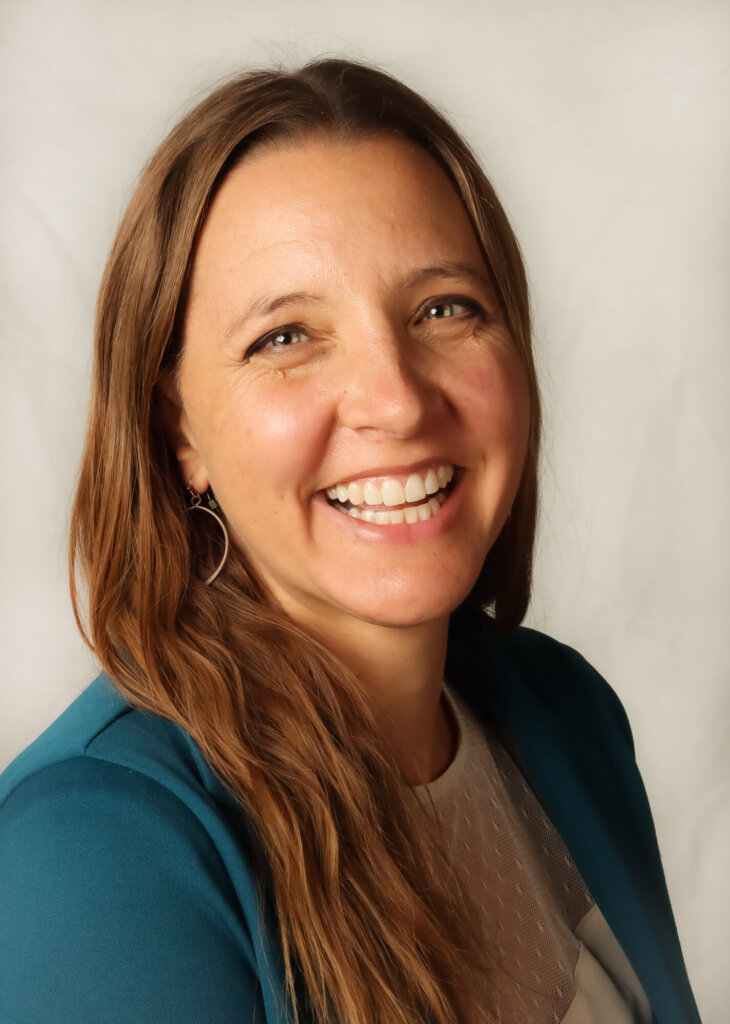
Gretchen is an associate professor in the Journalism Department at Cal State University, Northridge focusing on Digital Media and Emerging Journalistic Practices.
She worked her industry career in newspapers finishing up as the managing editor for digital at the Ventura County Star. Gretchen has a professional and research interest in innovation and digital news production. She earned a master’s degree in digital journalism and design from the University of South Florida, St. Petersburg, and her BA from UCSB despite her job at the Daily Nexus student newspaper.
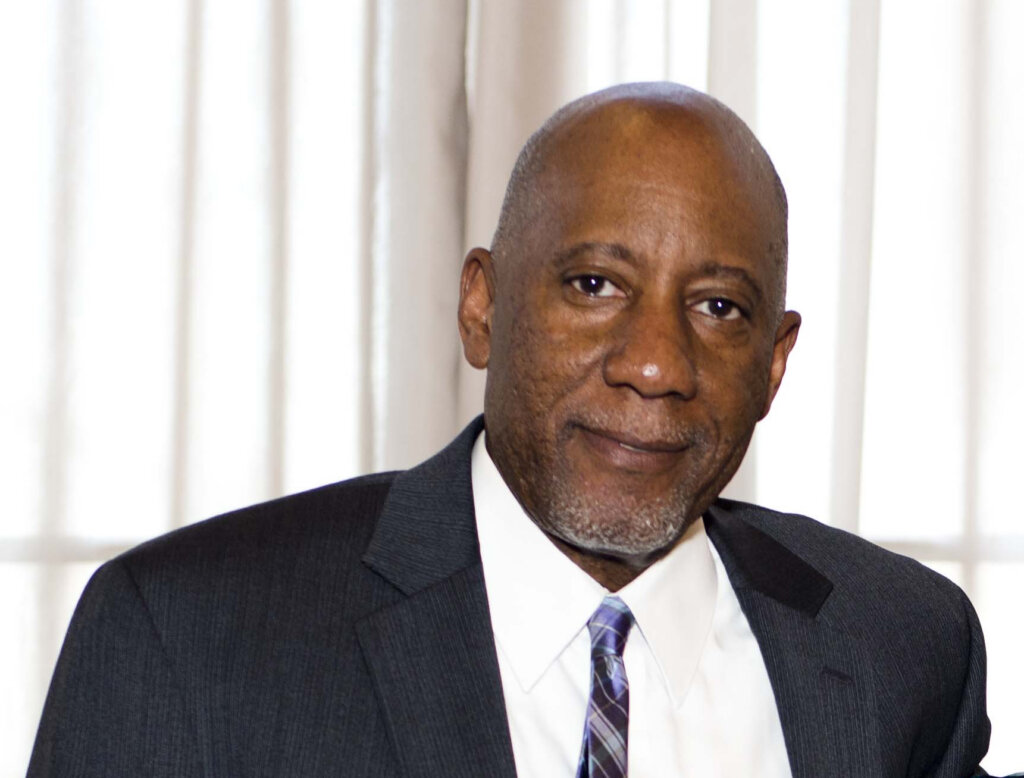
Keith is the historian and certified archivist at the Tom & Ethel Bradley Center located at California State University, Northridge. The Bradley Center is the home of photographic, and oral histories that document the attested historically underrepresented communities in Los Angeles.
Prior to becoming a historian, Keith had careers as a computer technician for the General Electric Company, and as a songwriter, producer, studio and live sound engineer for Earth Wind and Fire guitarist Al McKay.
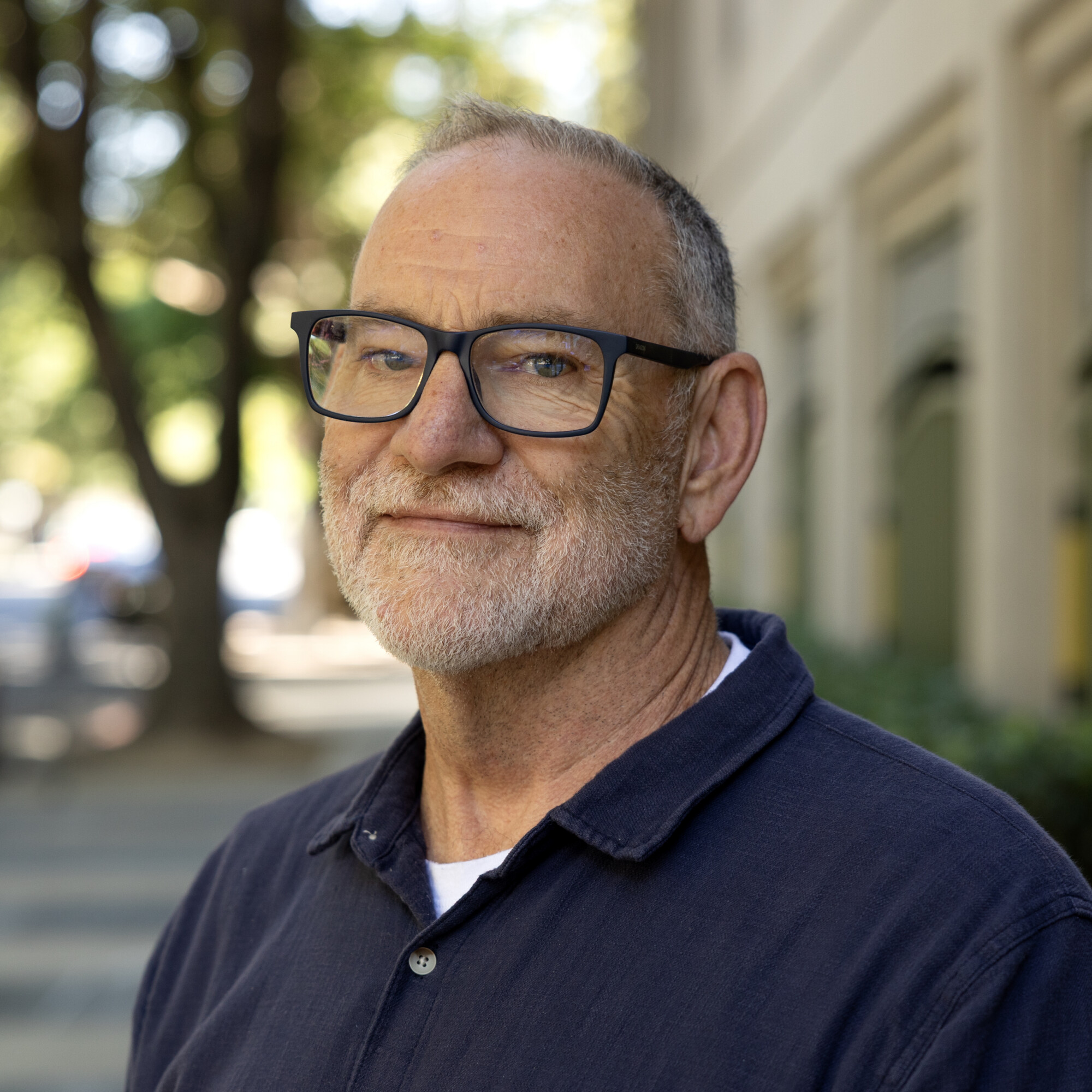
John is the managing editor of CalMatters, where he oversees six teams of reporters and editors who specialize in reporting on state politics and policy with an emphasis on government accountability.
Before moving to CalMatters, he spent four years as managing editor and senior news director at The Press Democrat in Santa Rosa, helping lead the paper to more than a half dozen national journalism awards for investigative, explanatory and storytelling projects on subjects ranging from government corruption, death with dignity and the forced sterilizations of mental health patients.
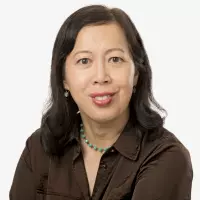
Anh, deputy editor for culture and talent at the Los Angeles Times, helps manage its internship, fellowship, recruitment and training programs. Before this job, she worked as community engagement editor and as a Metro reporter covering Asian American issues and general assignments for 11 years.
Anh has reported for the Seattle Times, the Orange County Register and Nguoi Viet Daily News, the largest Vietnamese publication in the U.S. and founded by her late father. Born in Saigon, she is a graduate of USC with degrees in journalism and English.
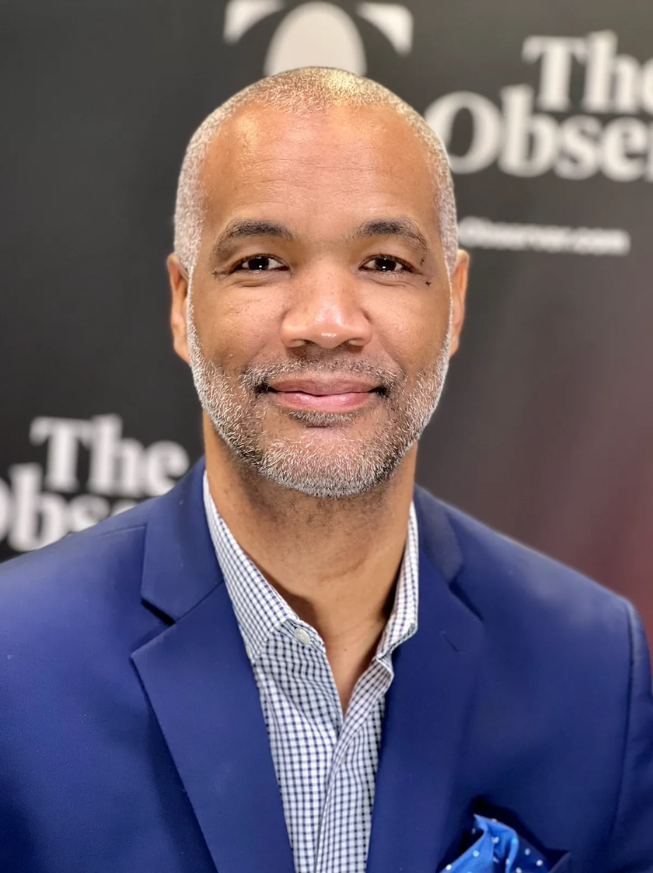
Larry is president and publisher of The OBSERVER Media Group (Sacramento, California) and The Sacramento OBSERVER Newspaper.
The OBSERVER, founded in 1962, has been named the best Black newspaper in America eight times and has received more than 800 awards for its journalism excellence and community service. On March 16, 2026, The OBSERVER extended its reach by launching a newsroom in Stockton, California.
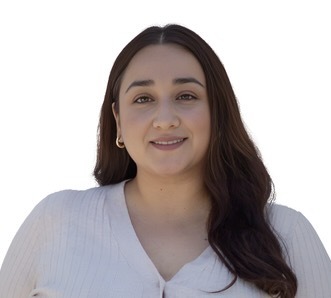
Joanna is the news director at CALÓ News, leading coverage of issues impacting Latine English-speaking individuals in California, Arizona and other parts of the Southwest. She previously worked at La Voz Arizona and The Arizona Republic, part of the USA Today Network, as its communities editor, leading bilingual coverage of Arizona Latines and Spanish-language coverage of breaking news across the country.
Earlier in her career, she freelanced for multiple Southern California newsrooms and worked as a digital reporter/editor for La Opinión.
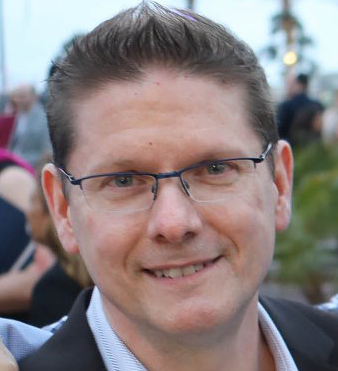
Phillip, an award-winning journalist, has a habit of bringing queer news out of the closet.
Phillip’s journalism has won two awards, and he has been nominated for his reporting, including a two-part investigation that exposed anti-gay bullying of local high school students and the school districts’ failure to implement state mandated protections for LGBTQ+ students.
Phillip created Q Voice News after seeing that the greater Los Angeles region, including Long Beach where the newsroom is based, is a news desert for the LGBTQ+ community.

Odette is director of the Maynard Regional Training and Maynard Communities of Practice programs. Previously, she had served as director of the Maynard Institute’s flagship fellowship program, Maynard 200.
She is also a diversity communications and media executive, serving as president and founding partner of Global MediaX. A respected broadcast journalist, Odette’s career spans 25-plus years in the United States and the Philippines. Previously, at New America Media [NAM], she was the national media network director, television and radio news anchor/executive producer, as well as chair and co-emcee of the NAM Ethnic Media Awards.
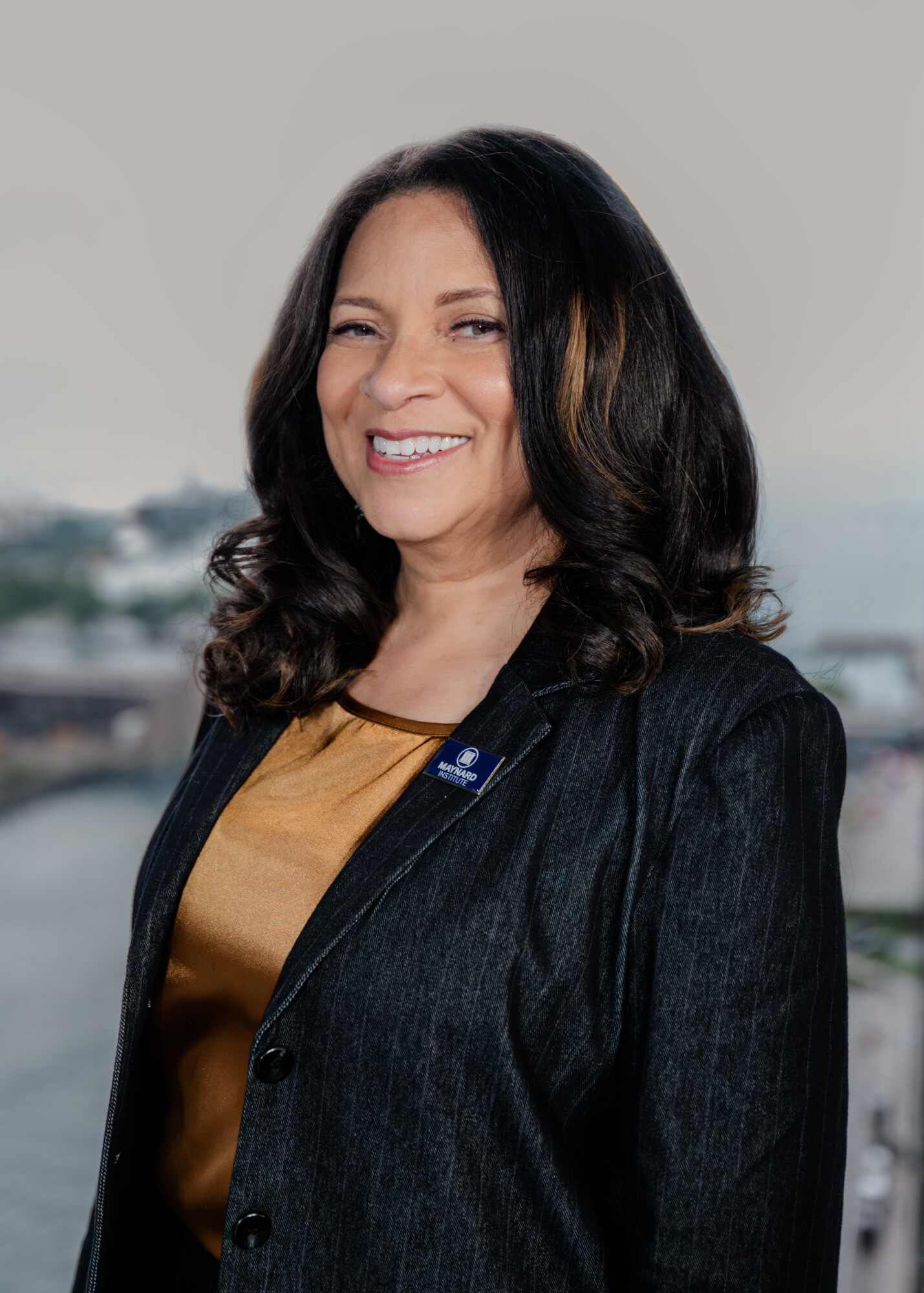
Felecia is the senior director of strategic initiatives at the Maynard Institute for Journalism Education. She has been a trainer on diversity, equity, inclusion and belonging in journalism to more than 500 print and broadcast news organizations since 2020. In 2023, she was co-leader of the institute’s Newsroom Transformation Program and in 2024, Henderson served as Executive-in-Residence of the Maynard 200 management training program at the Bob Schieffer College of Communication, Texas Christian University.
In her current role as senior director, Felecia develops new training initiatives and oversees management training programs that strengthen individual leadership skills and help organizations improve workplace culture to drive sustainable performance and growth.
Session Focus: What shapes the way we see a story and the way we see one another? The Maynard Institute’s Fault Lines® framework provides a powerful lens for understanding how race, class, gender, generation, geography, sexual orientation and other intersecting identities influence our perspectives and experiences.
Session Focus: Having difficult conversations is a part of the job. In this interactive session, learn strategies for delivering feedback, handling conflict, and navigating emotionally charged topics with professionalism and empathy. Trainees will be asked to role-play scenarios.
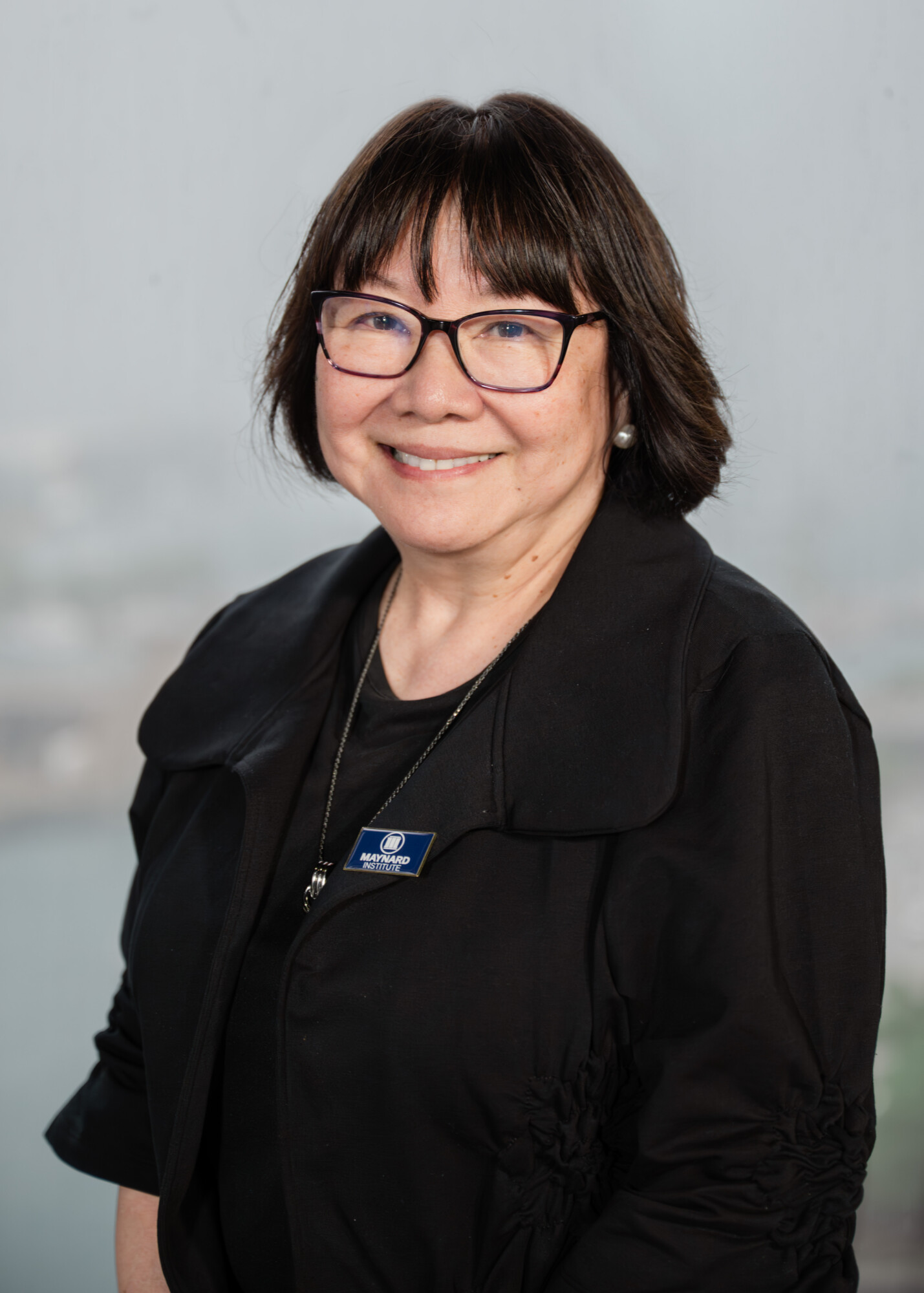
Evelyn is co-executive director of the Robert C. Maynard Institute for Journalism Education. Prior to joining the Maynard Institute, she was a member of the faculty of the Poynter Institute and before that, she was an associate director of the American Press Institute.
She has worked as a reporter for The Washington Post and for the San Francisco Chronicle. She is a past national president of the Asian American Journalists Association.
She is the former vice president of the board of directors of the Society of Professional Journalists Foundation.
John X. Miller is a media executive, non-profit leader and educator with decades of experience. He serves as board chair for the Maynard Institute, and was executive-in-residence for the Maynard 200 Frontline Editors and Managers track, as well as keynote and coach for the Maynard Communities of Practice.
Over his 45-year journalism career he has worked in 10 newsrooms, was a top editor in six of those including roles as executive editor, managing editor, senior editor and public editor.
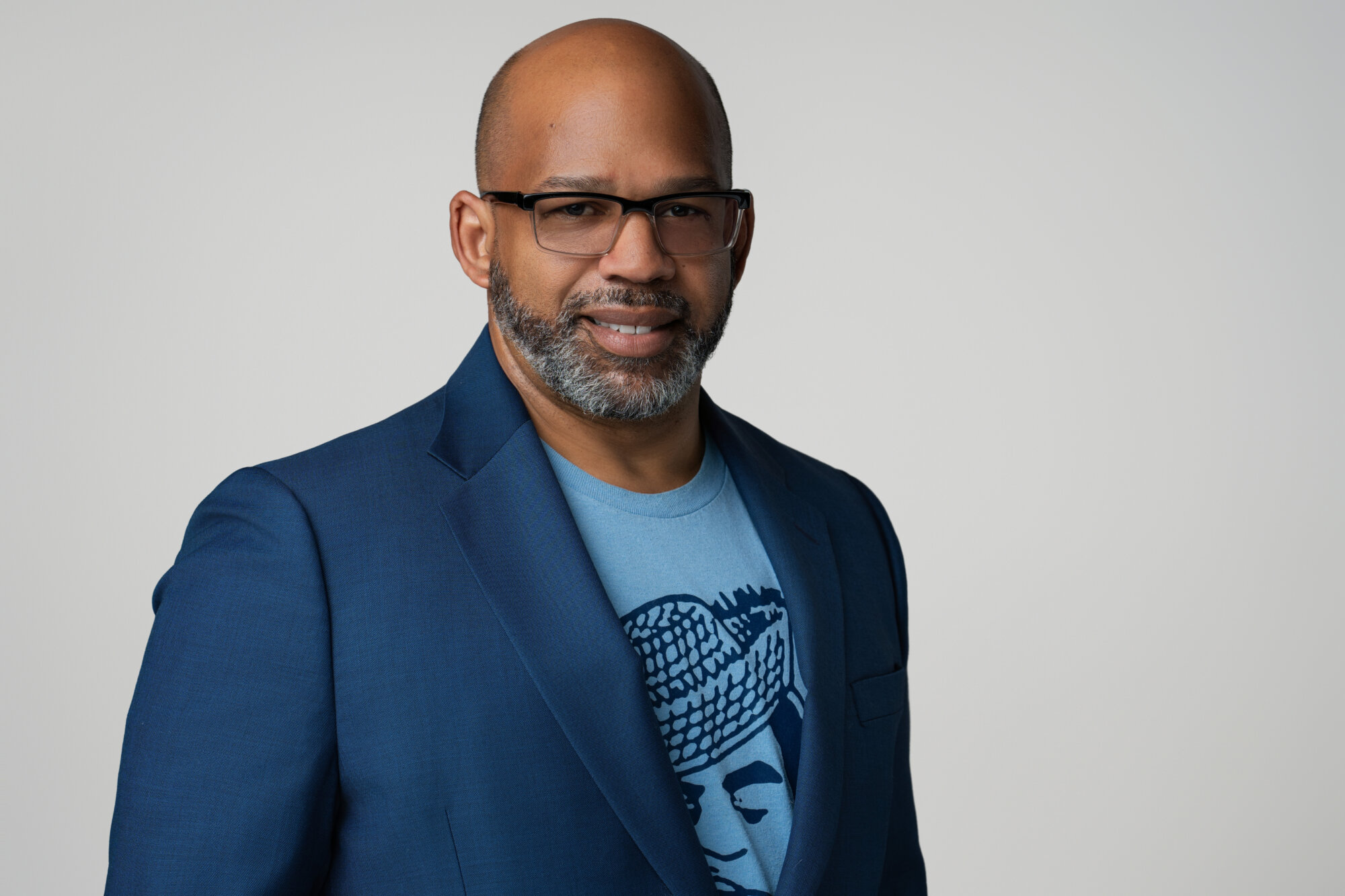
Martin is co-executive director of the Robert C. Maynard Institute for Journalism Education. Previously, Martin was a senior fellow for strategic planning for the institute, helping to oversee planning and implementation of the “MIJE Re-Imagined” project. He is co-founder of Oakland Voices, a community storytelling project that trains residents to be community correspondents. For his work there, he was named as Digital First Media’s Innovator of the Year.
Before his Maynard fellowship, Martin was senior editor for community engagement and training for 18 years with the Bay Area News Group, and editor-in-chief of the Oakland Tribune between 2008-2011. Reynolds was also a lead editor on the Chauncey Bailey Project, formed in 2007 to investigate the slaying of the former Oakland Post editor and Tribune reporter.
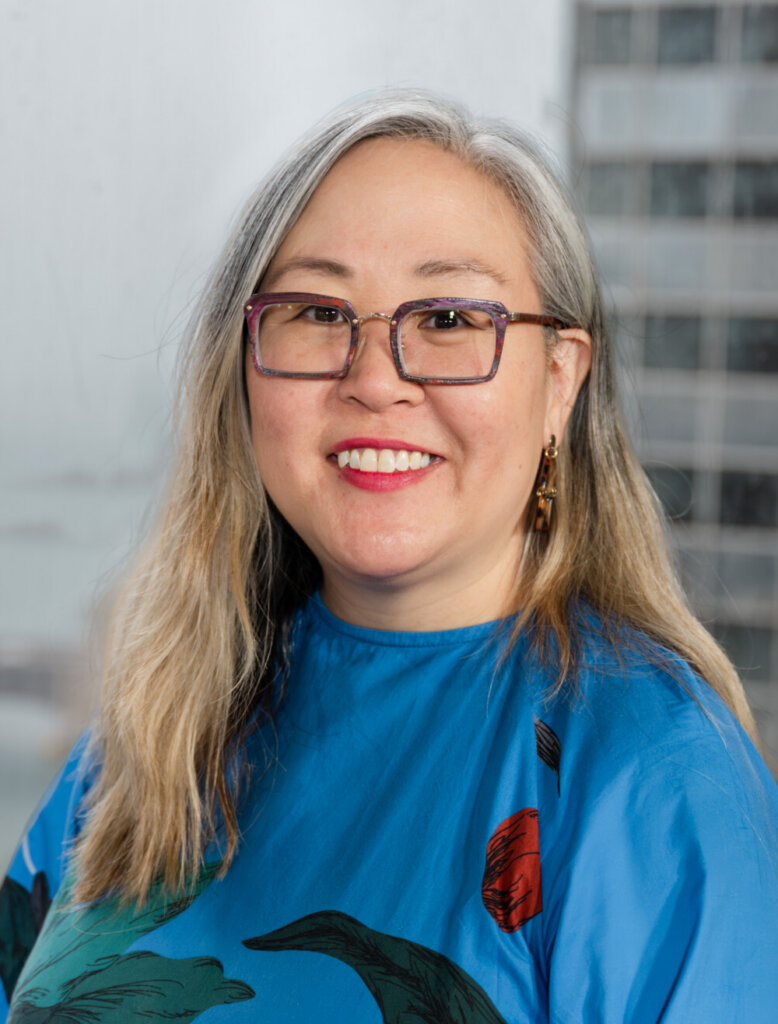
Doris Truong is deputy director of the Maynard Institute’s Fire Up training program for journalism entrepreneurs. She is an inclusion expert and facilitator who led teaching and diversity strategies for the Poynter Institute.
She has two decades of daily news experience from The Washington Post and The Dallas Morning News. She served as national president of the Asian American Journalists Association, vice president of UNITY: Journalists for Diversity and a board member on the Fund for Investigative Journalism.
Session Focus: Most journalists are trained to hear facts, and some to read emotions. Less attention is paid to understanding values — the beliefs people don’t always state directly. Recognizing and validating values can deepen connections with sources, peers, supervisors, and direct reports.
Four years after completing the Maynard 200 Fellowship, William J. Ford is covering Maryland’s statehouse, explaining state politics…
The Maynard Institute also sponsored afternoon coffee at the impeccably executed convention, attended panels led by subject matter…
“This wouldn’t have been possible without the extraordinary faculty, who are giving their time and talent to help…