News / Blog
Give Where the Whole Country Benefits: Journalism Nonprofits on Giving Tuesday
Strong journalism depends on journalists who have the tools, opportunities and support to thrive. This Giving Tuesday, partner…



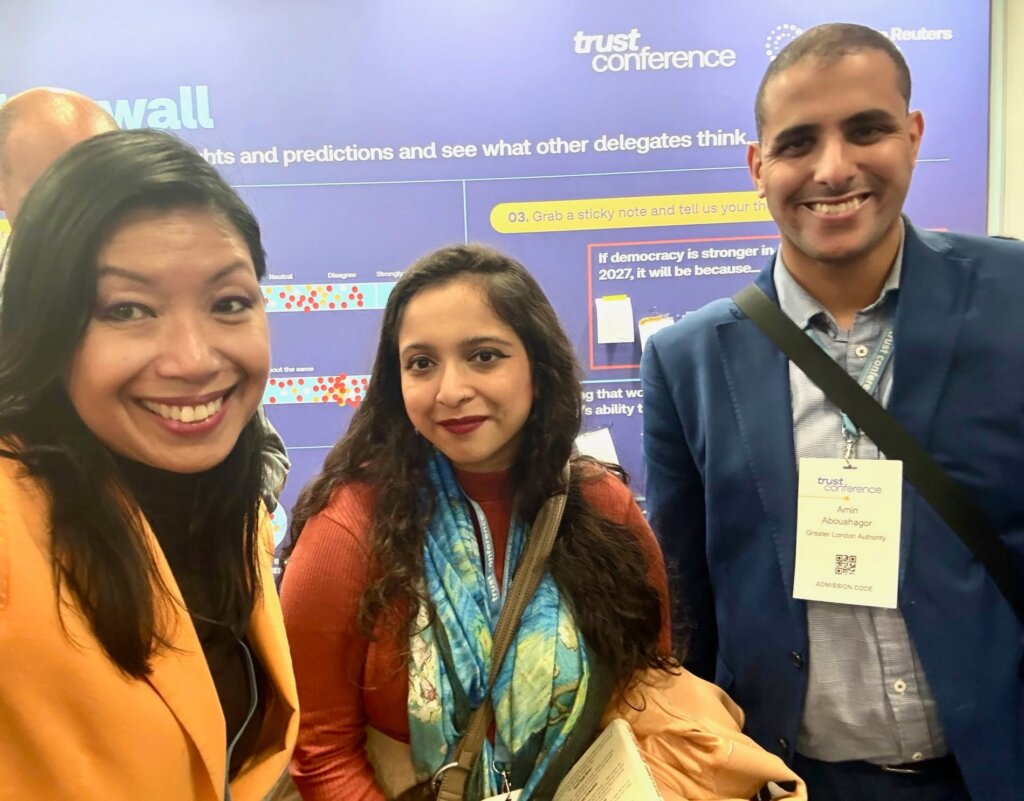
Earlier this month, Maynard Institute Director of Regional Training and Communities of Practice Odette Alcazaren-Keeley flew to London for Thomson Reuters Foundation’s Trust Conference 2026. Held November 4-5, the event is the Foundation’s flagship annual event that “brings together an international audience of civil society, media, the private sector and government leaders who are working to strengthen democracy, protect civic space and shape responsible business practices.”
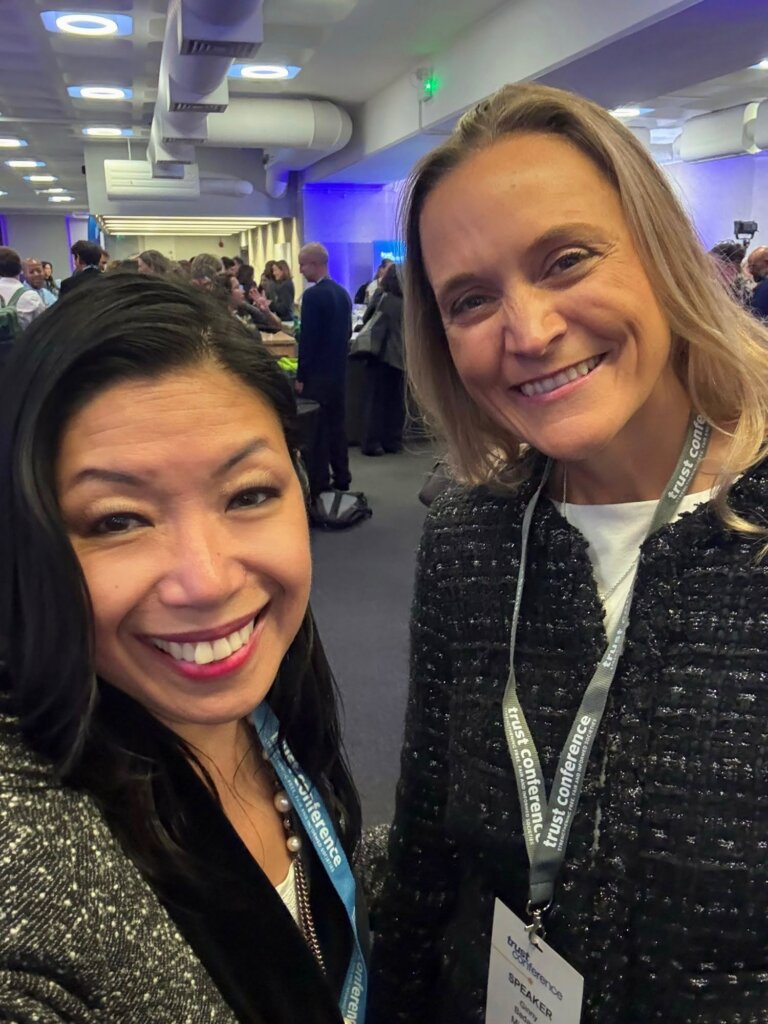
“Representing the Maynard Institute for Journalism Education as a delegate at this year’s Trust Conference in London, was an opportunity to bring our mission to a global stage. Joining more than 700 leaders from over 50 countries, I shared how Maynard creates spaces where emerging news leaders build skills, a community of support and media spaces of belonging – in order to battle attacks on civil rights and information integrity. Our mission of training the next generation of journalists to advance their professional expertise, confidence and resilience resonated with fellow truth defenders across the globe,” Alcazaren-Keeley wrote to Maynard Staff.
She reflected on the timing of the summit, receiving news while in London on U.S. midterm election results that brought in sweeping wins for Democrats in offices long held by Republicans.
“It was striking to be across the Atlantic, engaging in conversations with leaders spanning disciplines and continents, especially about the impact of the historic ‘blue tsunami’ from the midterm elections sweeping across America the previous night,” Alcazaren-Keeley wrote. “Several panels recognized the magnitude of this seismic shift while underscoring a larger point: defending freedom worldwide demands sustained vigilance – from the American people and from journalists who hold power to account.”
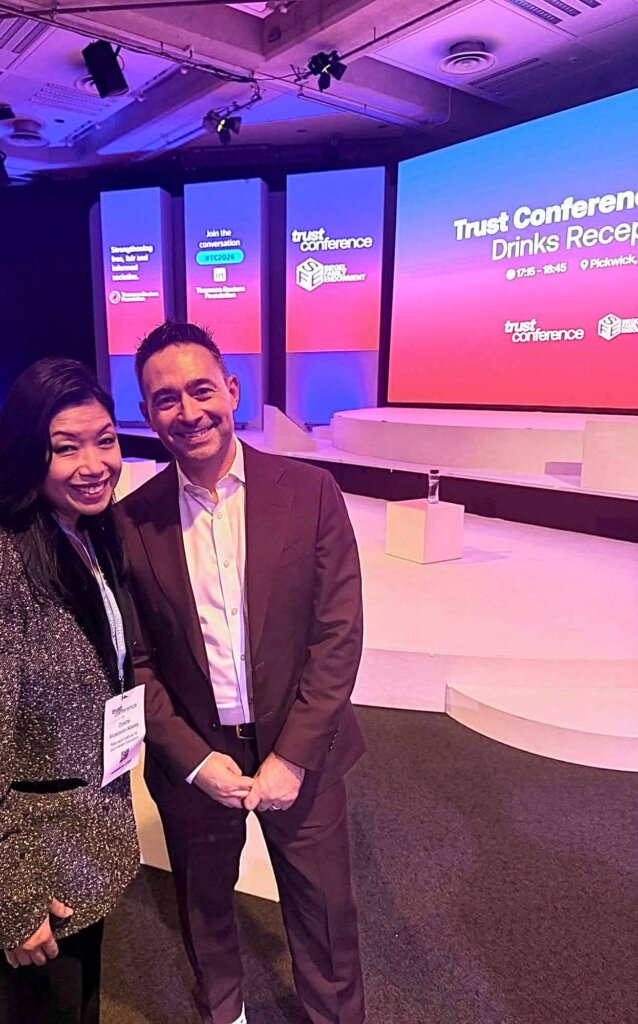
Attendees engaged in two days of impactful programming leveraging diverse international expertise, frameworks and perspectives on pivotal geopolitical issues.
“In his opening remarks that kicked off the conference’s first day, Thomson Reuters Foundation CEO Antonio Zappulla, OMRI, delivered a sweeping, incisive assessment of a world under pressure — from threats to information integrity and cognitive manipulation; the erosion of democracy, entrenched impunity and the weaponization of law to silence journalists. He also examined the stakes for public-interest AI and the future of philanthropy as the aid landscape contracts,” ,” Alcazaren-Keeley wrote.
“He welcomed leaders from across the non-profit, media, legal, civil society, technology and corporate sectors, united by a shared commitment to the foundation’s mission: defending free, fair and informed societies.”
The conference’s speakers included independent journalists, human rights advocates, economists and philanthropists. Editors and CEOs joined press freedom advocates and AI evangelists, skeptics and ethicists.
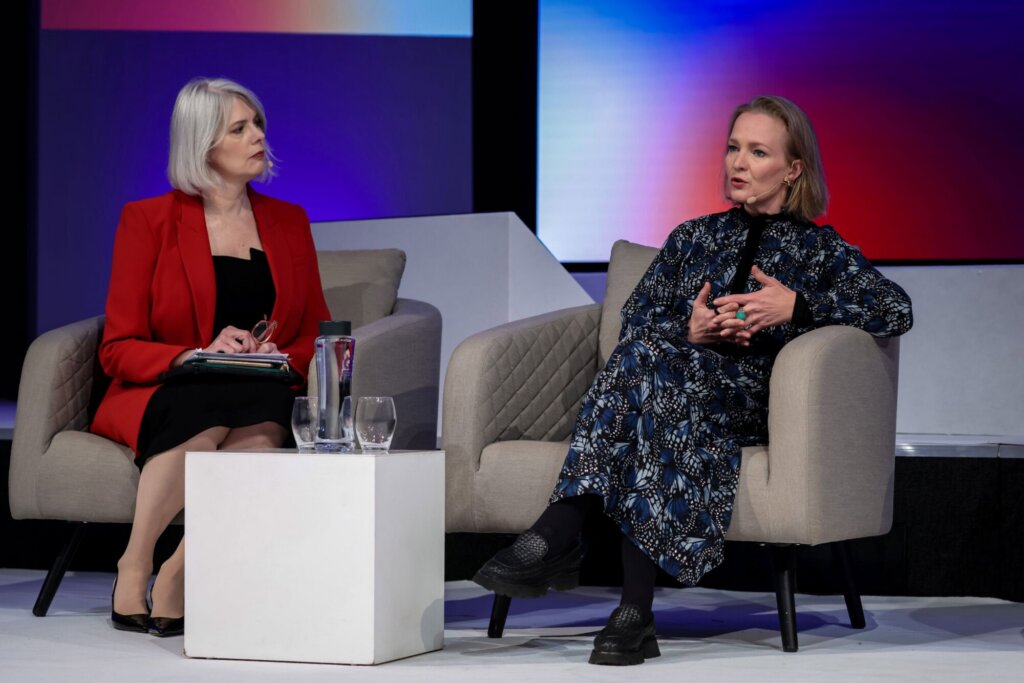
Day one began with an examination of “the new world disorder” and consequences for democratic societies, a discussion between Věra Jourová, Former Vice President of the European Commission for Values and Transparency Democracy 27, Joseph Liow, Dean and Wang Gungwu Professor in East Asian Affairs at the Lee Kuan Yew School of Public Policy, at the National University of Singapore, Michelle Harrison, Global President, of the Verian Group and moderated by Lyse Doucet, Chief International Correspondent of the BBC and author.
James Clayton, Tech Editor for the Bureau of Investigative Journalism led a presentation on AI extremism and content farming by scrutinizing a far-right “music artist” with a large presence on Spotify created entirely through AI, and is being exploited to create polarizing and hateful content online.
Further discussions on “information integrity” and “trust, democracy and impunity” shaped a view of a lawless internet information landscape in which accountability and trust have been eroded by the availability of disinformation and the exploitation of emotion and political discourse.
At the same time as governmental institutions and news organizations have been stripped of public trust, journalists and civil society organizations have struggled to maintain balance amid legal challenges and loss of funding. Through a practice called “lawfare,” political forces employ litigation, regulatory complaints, and smear campaigns, strangling funding and producing a chilling effect with regards to nonprofit advocacy organizations and groups.
“The chilling impacts of lawfare attacks further exacerbate the shrinking civic space problem,” Kay Guinane wrote in a 2021 report on lawfare and the suppression of civil society.
Further breakout sessions on the first day of the conference discussed cyber resilience and legal armor, led by journalists in exile like Natalia Belikova of Press Club Belarus and human rights and digital security advocates. Belikova has been in exile from Belarus on and off since 2010, and hasn’t been back to her home country since 2019 due to the authoritarian rule of Belarusian President Alexander Lukashenko, whose administration is responsible for an increase in the arrests of journalists.
Speaking to the Washington Post in August of this year, Belikova shed light on the administration’s hostility towards the free press, which has pushed many Belarusian journalists to leave home.
“Belarusian independent media are mostly working in exile because independent press is outlawed inside the country, and the state maintains very strict control over the information space, so they qualify any dissent as extremism or terrorism,” Belikova said.
Belikova’s presence as well as the presence of Ahmed Shihab-Eldin, highlighted the true risks to holding power to account, and what the world risks collectively by jailing or silencing journalists covering authoritarian regimes, civil unrest, war, genocide, occupation and invasion.

Shihab-Eldin, an American of Palestinian descent who also holds Kuwaiti citizenship was arrested in Kuwait and held for six weeks after filming “a US F-15 fighter jet falling from the sky and crashing near Kuwait City, as well as photos that he said showed an American pilot who had ejected and landed in the al-Jahra area,” according to the BBC. Shihab-Eldin believed the jet activity was connected to the U.S. military action in Iran, and was charged with “spreading false information, harming national security, and misusing a mobile phone.” He was later stripped of his Kuwaiti citizenship.
Day one closed with a keynote address from Thomson Reuters CEO Antonio Zapulla.
Dr. Nathan Cooper, Chief of Staff at Kaleidoscope and an attendee of the Trust Conference reflected on the impact of Zappulla’s words on LinkedIn, writing: “The near-flawless opening keynote set the tone in one line: ‘We managed to wipe out 50 years of democratic progress.’
“Then the uncomfortable truths kept coming one after another… ‘Information is now “the new currency of power,”’ ‘Manipulation is getting cheaper. Detection is getting harder.’ An AI-generated rapper with over a million Spotify streams I actually had never heard of until today, pushing far-right messages, whose creators were only found because they slipped up. A 24-year-old in the audience calling community ‘the biggest casualty of the modern age.’”
However, if the first day of the conference appeared bleak as it took stock of assaults on democracy, press freedom and human rights, day two was determined and sharply concentrated on tactics for fighting back.
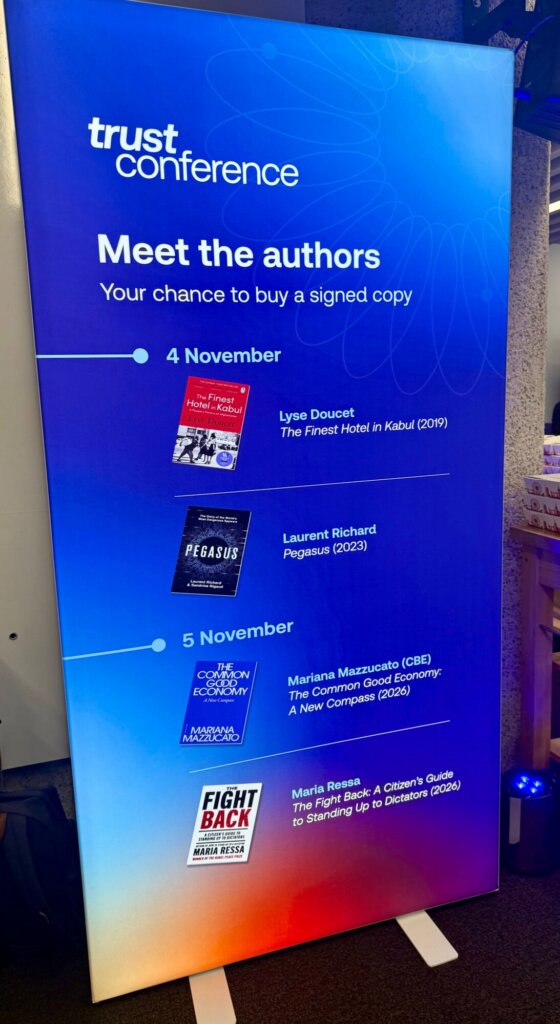
Laurent Richard, CEO of Forbidden Stories, led a session on “Exposing the machinery of digital repression.”
Maria Ressa, Filipina journalism leader, Co-Founder and CEO of Rappler and Nobel Peace Prize Laureate discussed her new book with Allesandra Galloni, Editor-In-Chief of Reuters. The book, “The Fight Back: A Citizen’s Guide to Standing Up to Dictators,” comes after Ressa has faced years of prosecution under Philippines former President Rodrigo Duterte, who now faces trial at the International Criminal Court.
Alcazaren-Keeley, a longtime broadcast journalist including formerly in Manila, shared her excitement at seeing Ressa speak on fighting authoritarianism and defending democracy.
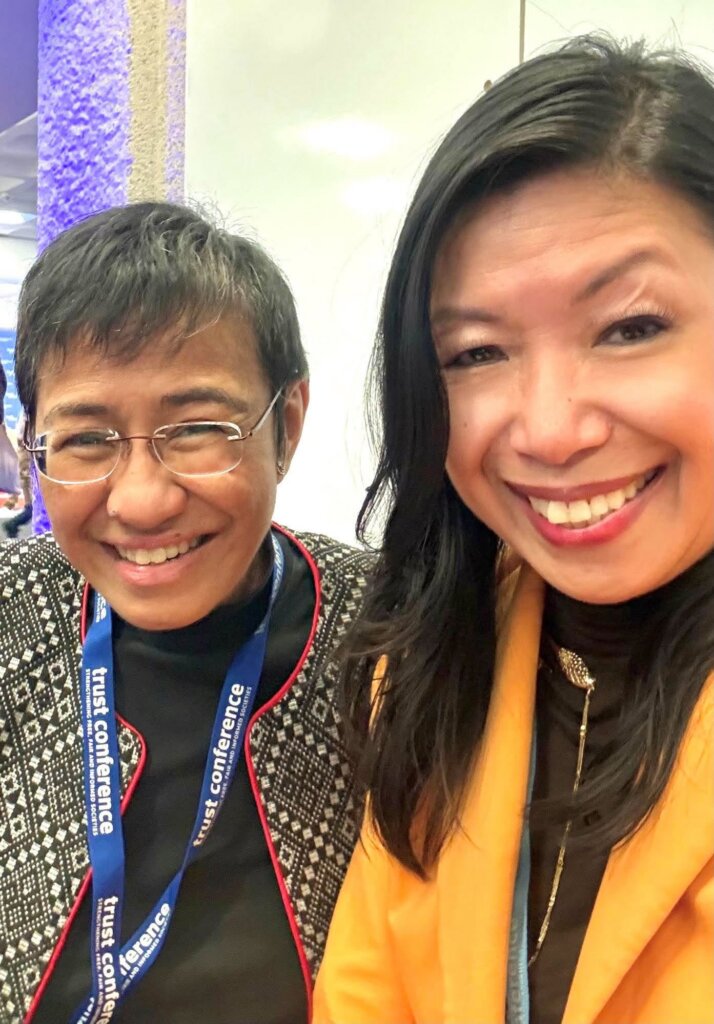
“I remain inspired to have met and shared our Maynard mission with fellow delegates and international thought leaders, among them our homeland’s own fearless journalism warrior, Nobel Peace Prize laureate from the Philippines, Maria Ressa,” Alcazaren-Keeley wrote. “Maria provides in her latest book her action plan for citizens to ‘fight back’ against this modern wave of authoritarianism, including at its core – the erosion of information integrity. Her manifesto galvanizes citizens of the world with actionable steps to ‘defend democracy, reclaim human agency from predatory technology, and rebuild a shared reality anchored in truth.’”
AI continued to dominate many of the sessions and conversations, though discussions centered not on the inevitability or supremacy of AI in journalism technology, but on the need for ethical guardrails and regulations as AI continues to spread.

“Maynard Institute programs seek to embolden media professionals representing a wide spectrum of diversity, in order to lead news spaces with courage, strengthen a culture of belonging and defend human agency in this accelerating AI race,” Alcazaren-Keeley said.
From sessions entitled “Protecting the Real Value of Journalism: What AI Can – and Can’t – Replace” to “Cohesion or conflict? AI’s impact on the social fabric,” it is clear that presenters and speakers shared Alcazaren-Keeley’s concerns and desire for ethical use of AI as a tool for knowledge growth, rather than an extractive system prioritizing profit over human rights.
“Our Maynard mission to advance the next generation of journalists with professional proficiency, confidence and resilience – through adaptive training and community-building experiences – resonated with fellow global leaders at the intersection of public trust, journalism and democracy who gathered at this year’s Trust Conference,” Alcazaren-Keeley wrote..
“We are driven by renewed urgency especially in this era of mounting lawfare against journalists and imperiled information integrity. Being in conversation and community with fellow journalists and advocates underscored the strength of an international community committed to truth.
“Their expert frameworks and diverse voices will sharpen Maynard’s curriculum approach and deepen its impact in the field for years to come.”

Strong journalism depends on journalists who have the tools, opportunities and support to thrive. This Giving Tuesday, partner…
Over 2.5 days in Pasadena in late October, the cohort worked with experts in audience, community and product.…
Communities depend on healthy newsrooms and well-supported journalists to access reliable information, stay informed and participate in civic…
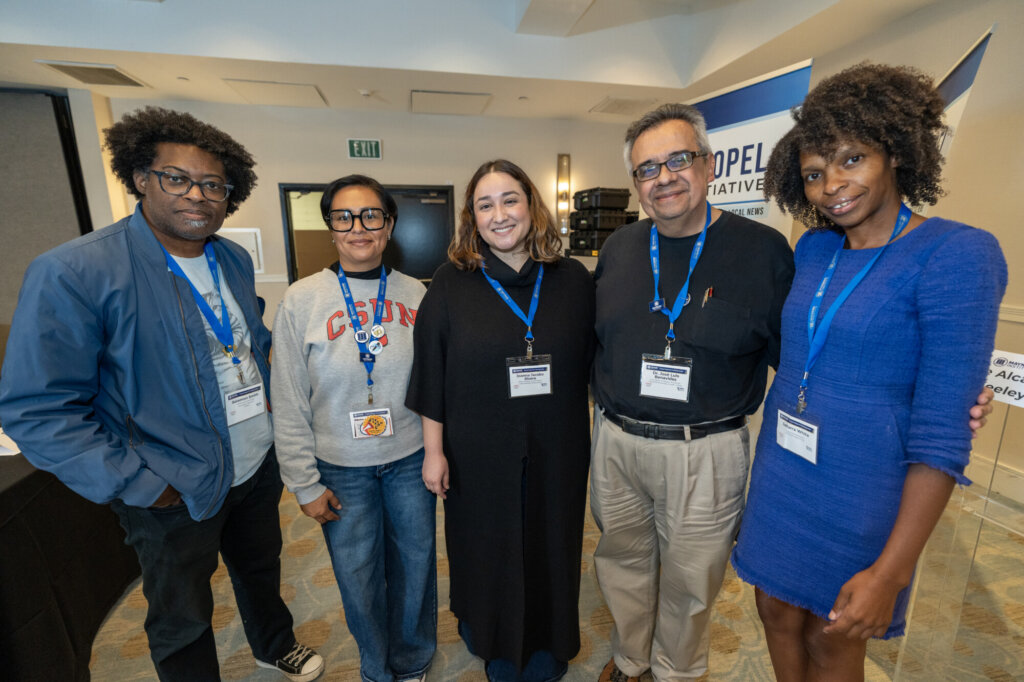
BURBANK, Calif. – Initially I did not intend to go to the Maynard Institute’s three-day training event, the Propel Regional Training Series in Burbank. It was for editors and managers — I am neither. I exist as a neophyte and a freelancer, often with the Black Press. I had a few bits of work that I was particularly proud of, but they are sparse. I thought the publishers, editors, writers and photojournalists that would be there would surely be too busy to see or hear from the likes of me.
While attending California State University, Northridge (CSUN), I struggled financially and scholastically. I am a photojournalist and writer, which often puts me at odds with my own nature. I am not good with people. I am a bit of an awkward weirdo just as likely to blurt out a random fact as I am to hide behind my camera and stalk a conversation. Over the years, the camera has been a way to infiltrate many spaces — working as both weapon and armor.
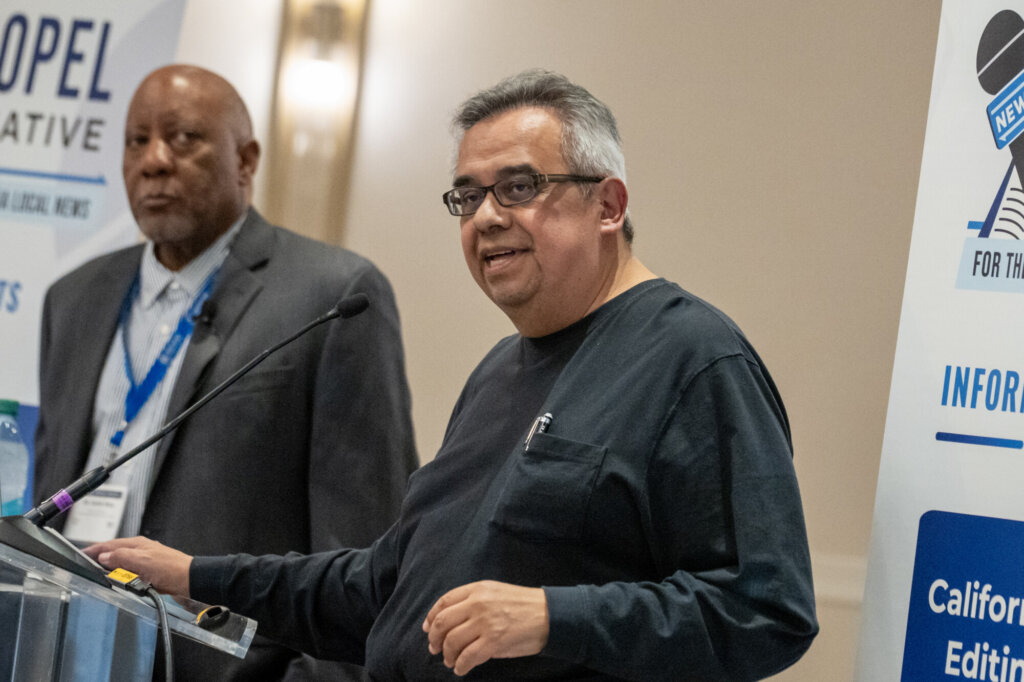
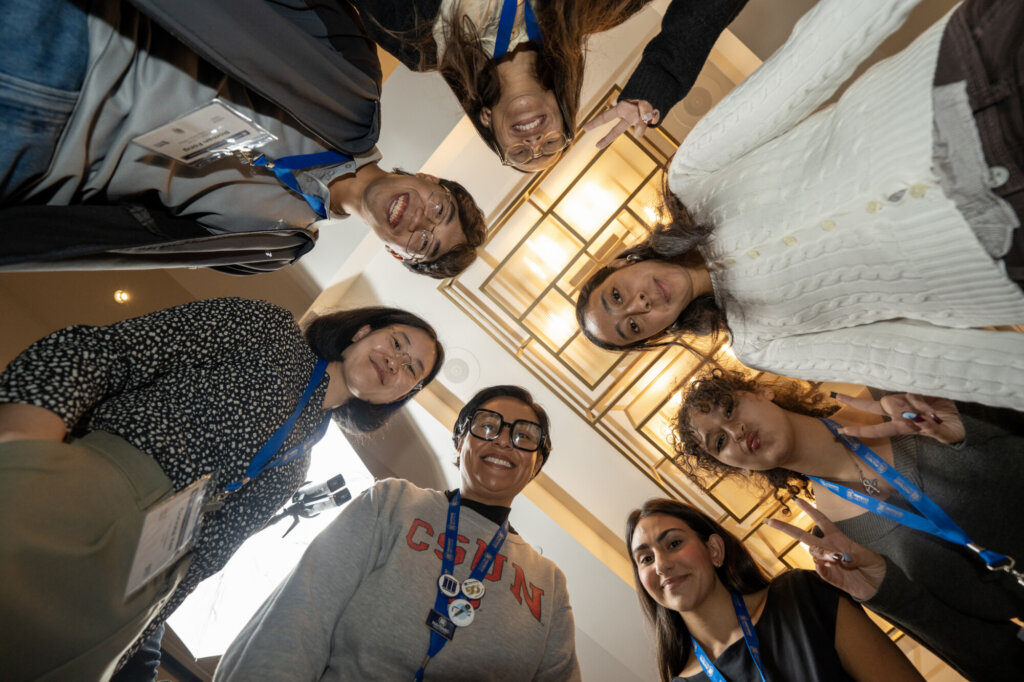
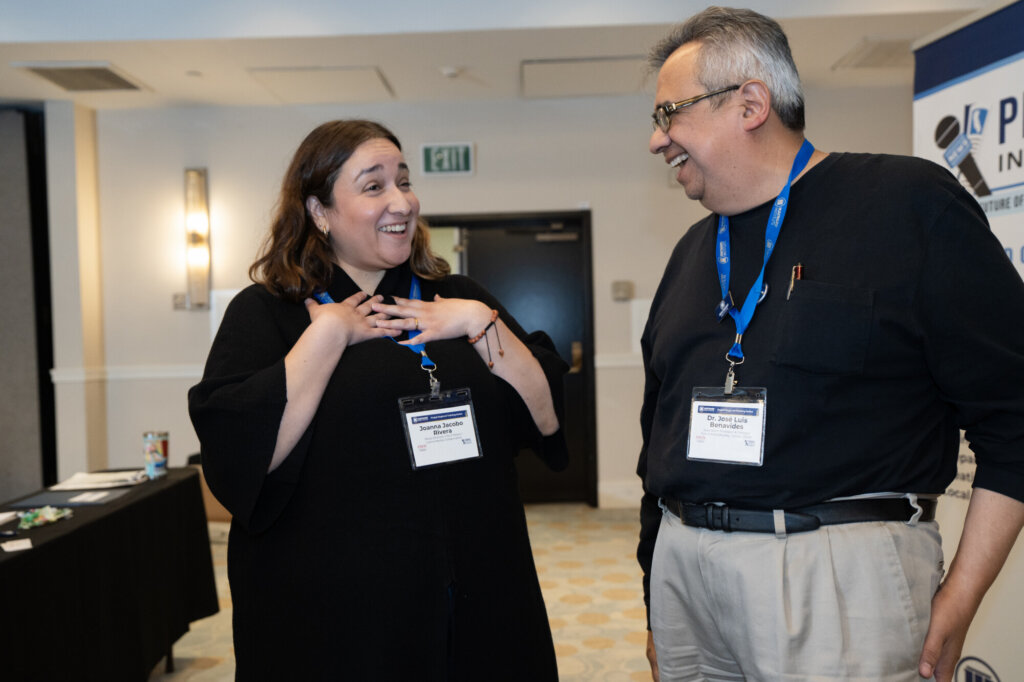
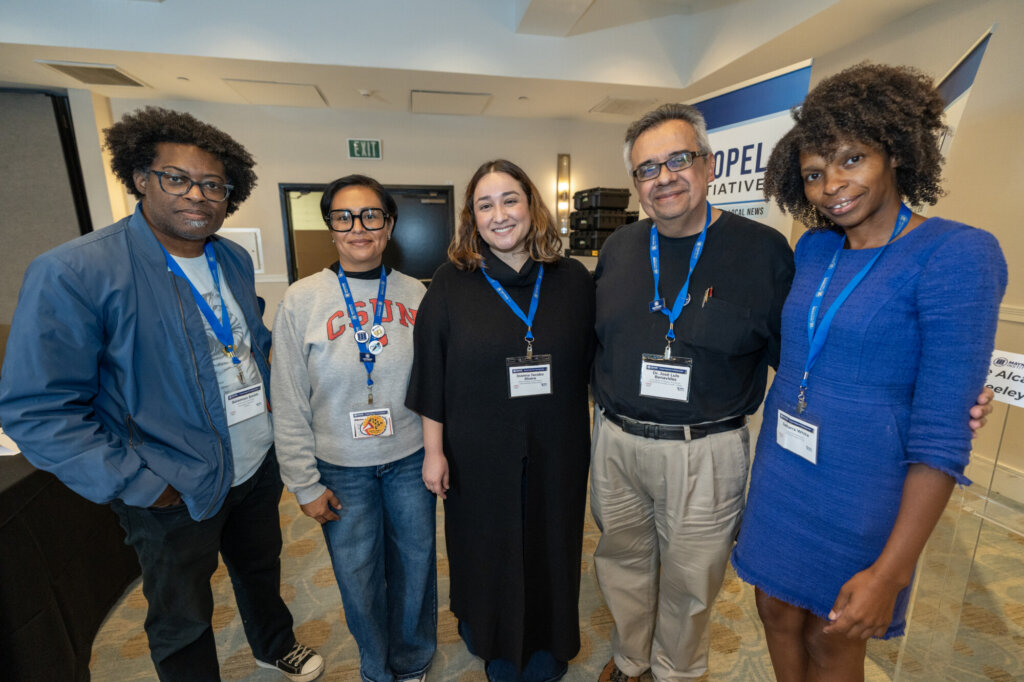
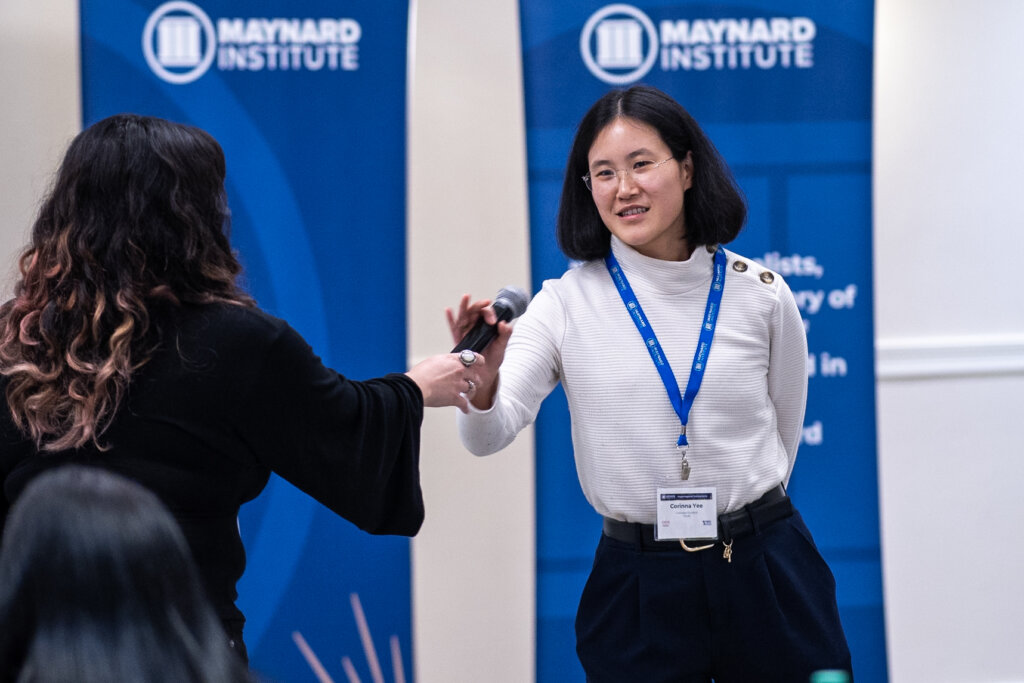
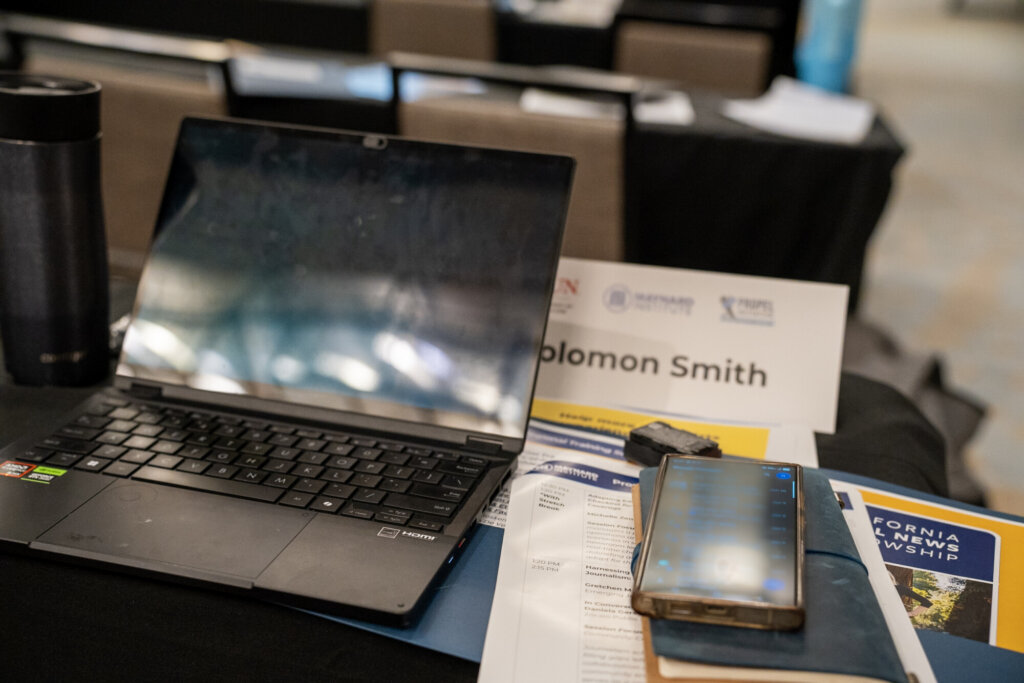
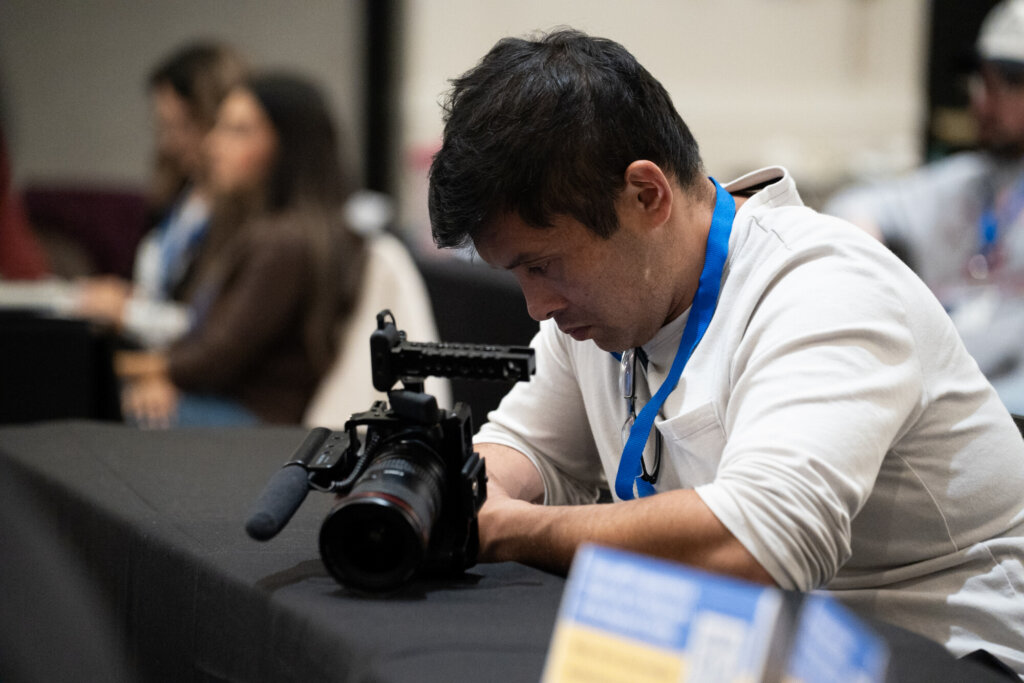


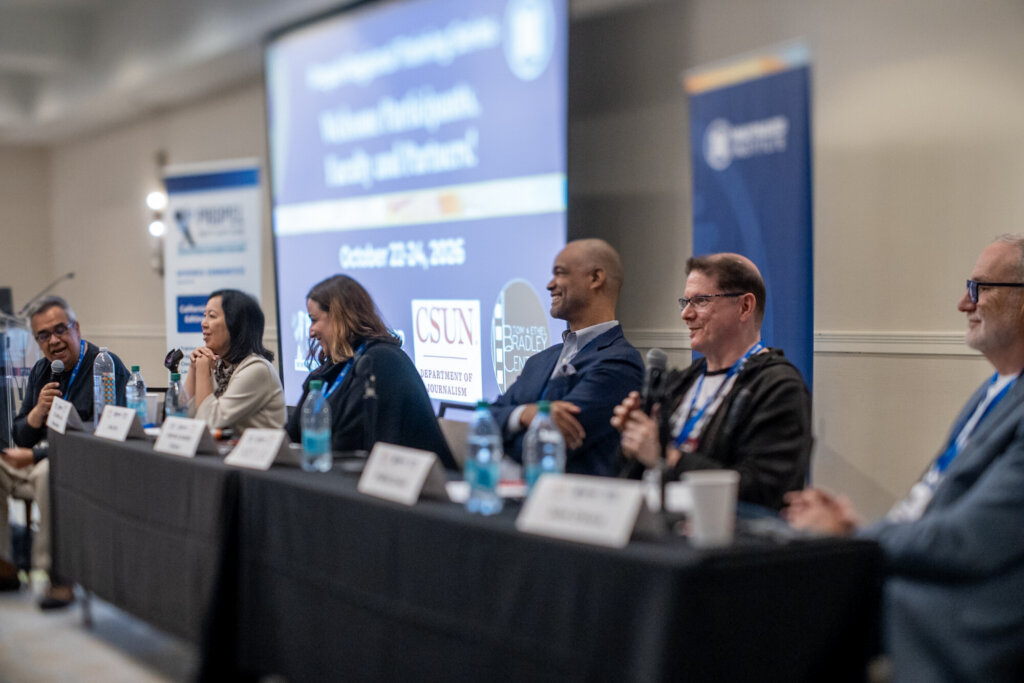
Dr. José Luis Benavides is one of my professors and is director of CSUN’s Tom and Ethel Bradley Center, whose mission “is to collect, preserve, and disseminate the visual history of the region with an emphasis on ethnic minority communities and photographers,” according to the website. Benavides and Dr. Keith Rice have been a source of information and support, a rare boon for a struggling photojournalist. Benavides strongly suggested I attend the training series and recommended me as an intern and photographer.
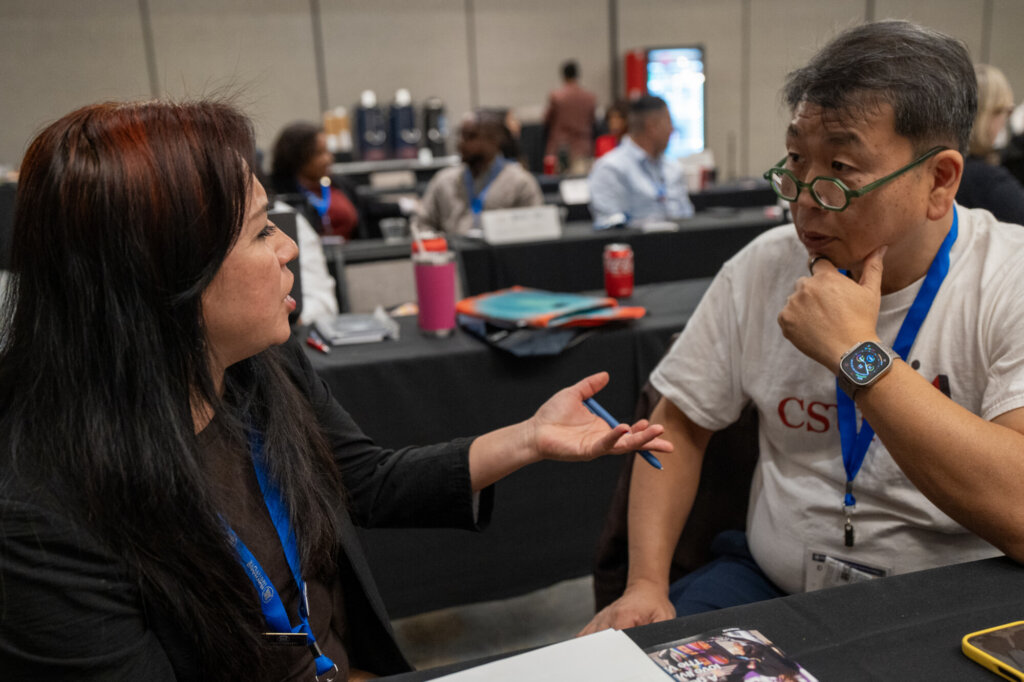
The training was excellent. A wide range of talks and tools were provided by the Maynard Institute with the goal of making better editors and journalists. Much of it addressed problems I struggled with in my own work, and many of the handouts, slides and conversations filled out my smart book.
I learned that I am not the only one struggling with a changing industry; I am not the only one asking for help navigating a shifting profession.
I learned that I am not the only one struggling with a changing industry; I am not the only one asking for help navigating a shifting profession.
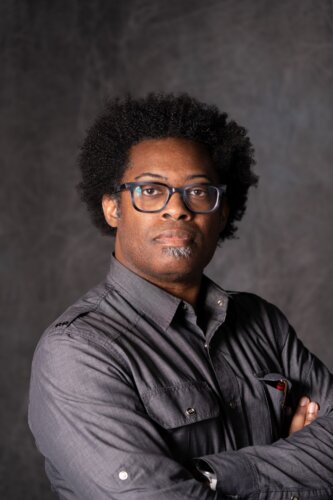
Solomon O. Smith
The Maynard Institute’s training provided the understanding that struggling together is one of the best ways to get through to the other side that reinforces the will to do something so difficult. Gathering people in a room is the only way to do that. Being present in that room is the only way to experience that.
Over those three days I was able to listen to, and learn from, some of the brightest leaders in journalism today. Steve Padilla’s famous anecdotes and tips on writing are part of the legend of the LA Times. Maria Carrillo, a board member of the Virginia Center for Investigative Journalism, provided a clean, easier method to organize enterprise stories by showing journalists how to turn chaos into well-reported art.
I had conversations with Joanna Jacobo Rivera (panelist and news director at CALÓ News) and Emily Elena Dugdale (training participant and executive editor of the LA Public Press), who exemplified in their publications that old-school grit and connection to community make great journalism. Larry Lee, panelist, president and publisher of the Observer Media Group and the Sacramento Observer, taught participants about the importance of the Black press and how to maintain a legacy.
Shockingly, as part of the Tom and Ethel Bradley Center’s presentation on the importance of photojournalism, I was able to show some of my own photos from when I covered the fires in Altadena.
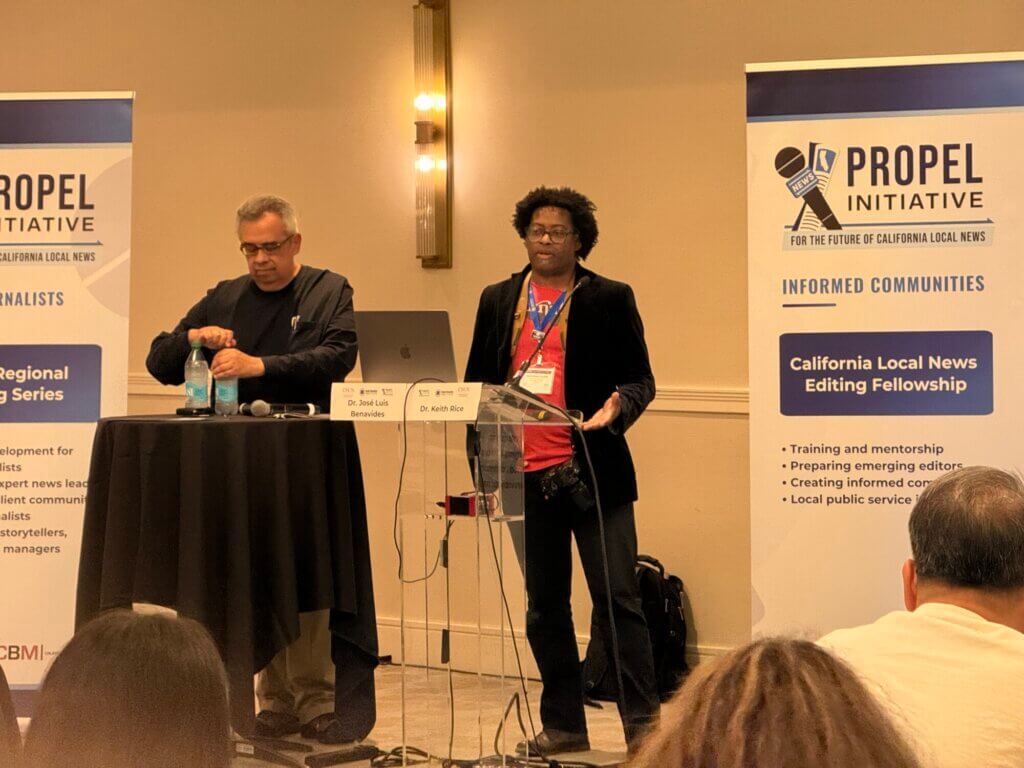
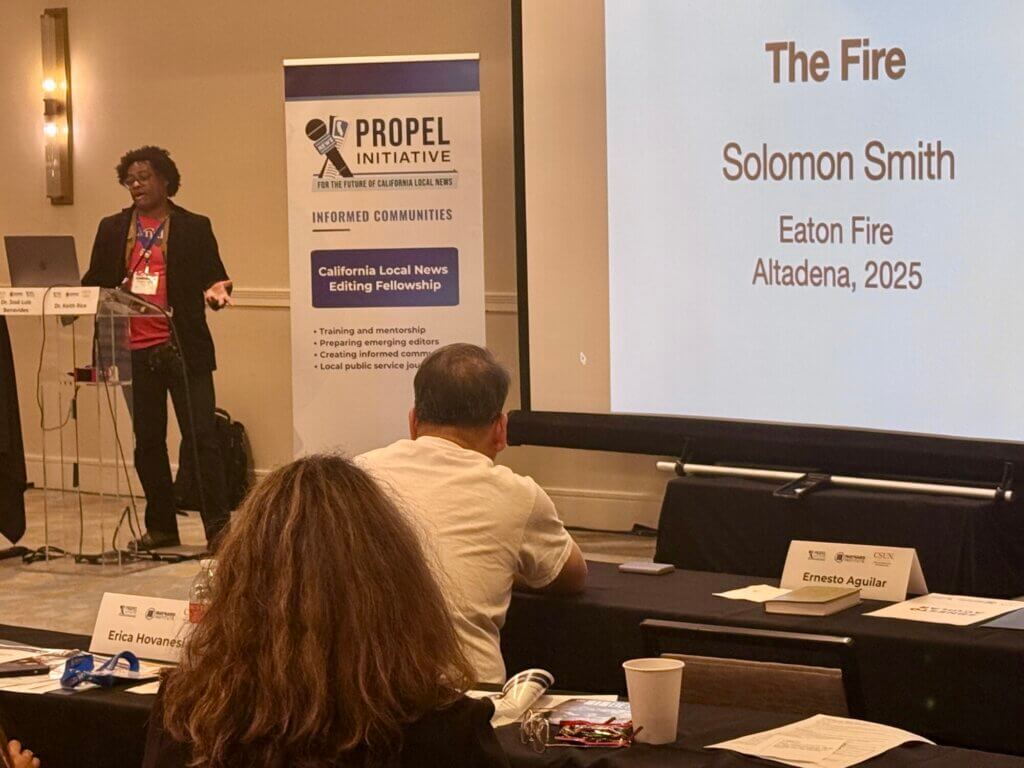
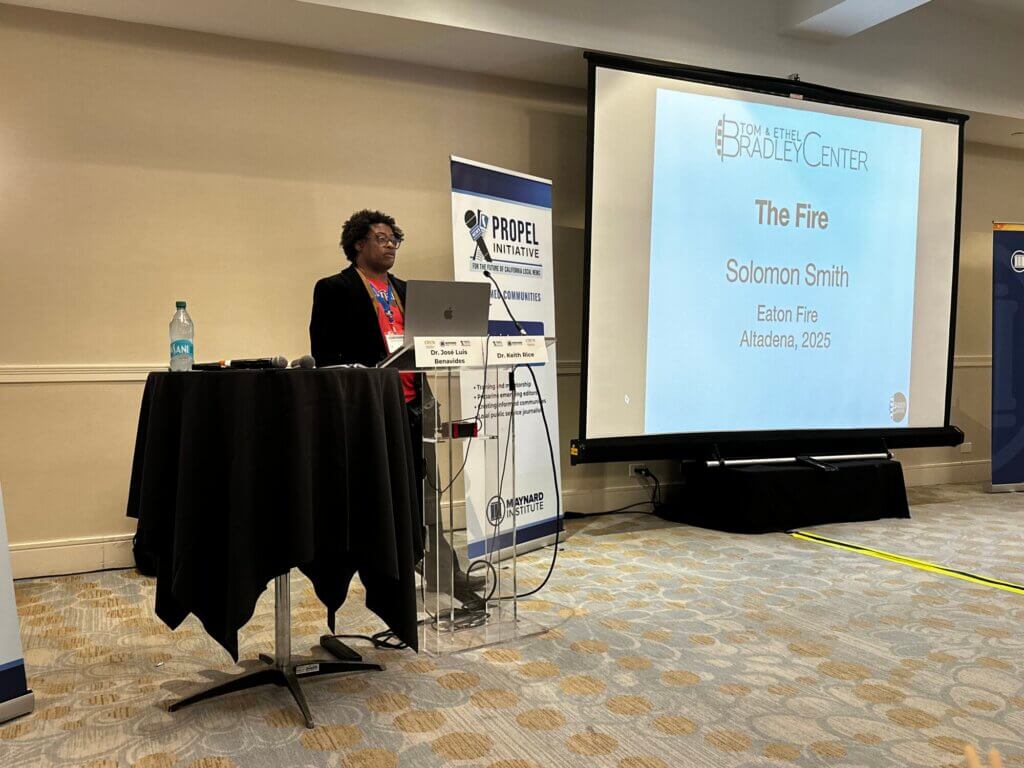
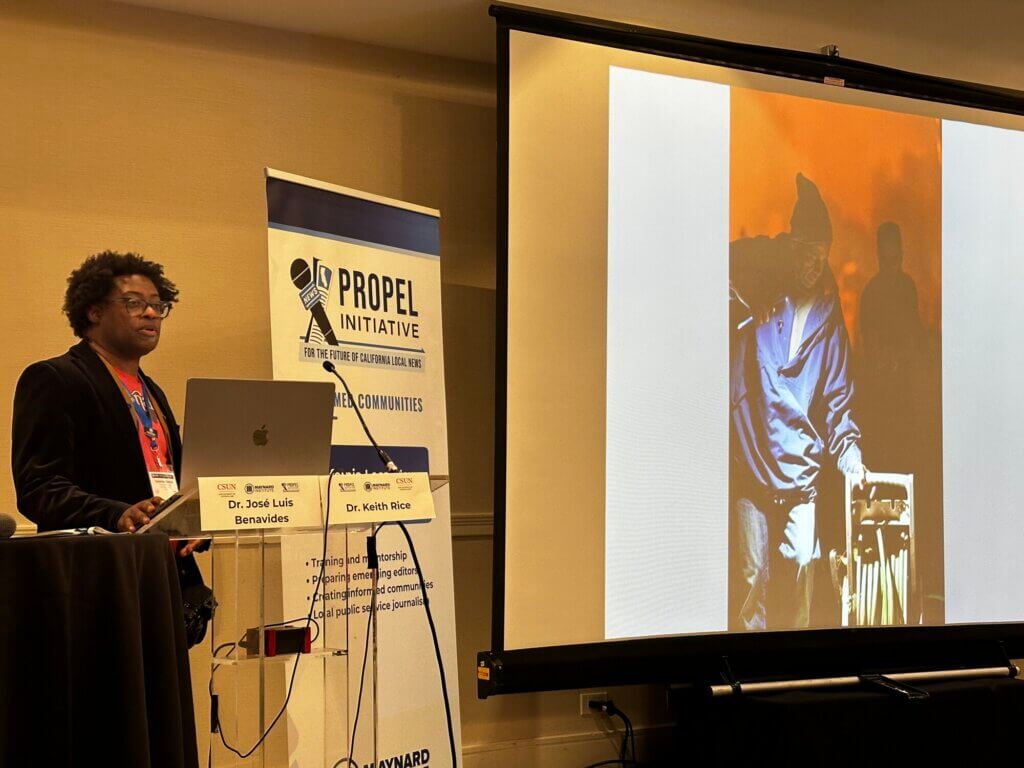
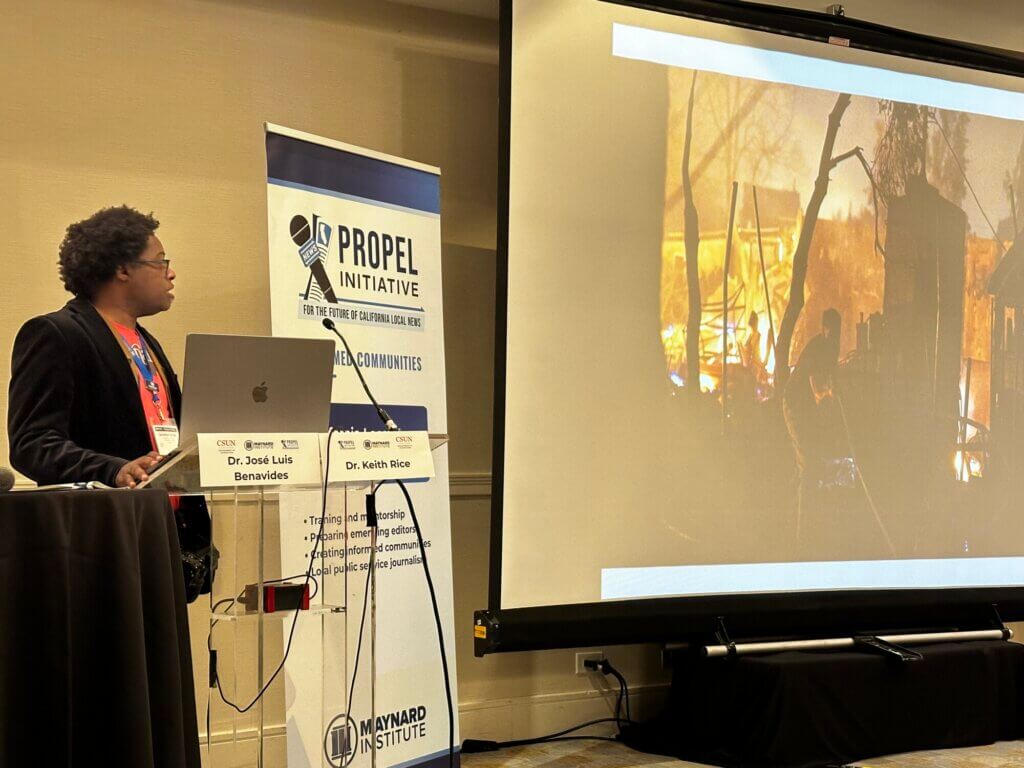
The list of talented giants in the room was long. While the training itself was impressive and instructional, it was the little moments in the liminal spaces waiting for the restroom, moving casually through the doorway on the way to lunch, that were most instructive, reinvigorating and deeply human.
I had the pleasure of being late for dinner with Felecia D. Henderson, senior director of strategic initiatives at the Maynard Institute. I almost did not go, but thankfully Felecia was insistent. We were to meet at a local favorite for Mexican food and conversation, but I missed the turn. In the time we sought parking, we talked about industry, family, our visits to California and life, generally.
We arrived late, but I don’t think we missed out on the conversation.
As latecomers, we sat at what we called the VIP table, a small addendum to the longer table that held most of the party. With us sat Phillip Zonkel, a founder and the editor-in-chief of Q Voice News, based in Long Beach. We talked about the state of the race in Los Angeles and data collection in minority communities. My table with Felecia and Phillip was one of my favorite parts of being there. So was my conversation about martial arts with John D’Anna, managing editor of CalMatters; my talk about Chi Gong with Darren L. Johnson, CEO of Letting Go Café; or laughing at my need for reading glasses with Staci Baird, a one-woman show at La Verne Daily News. They were a small sample of the people I talked to and hope to talk to again soon.
The Propel Regional Training Series for Editors and Managers taught me about the behind-the-scenes of working as an editor, how to see my work through an editor’s eyes and how better to police my own writing. The training also showed me that people in this industry care deeply about people. They did want to hear from the likes of me because many of them were me at one time.
Beginners in a room of impressive people are looking for space, hoping someone with experience will share that prized welcome to the table.
Maynard facilitated that.
Solomon O. Smith is a freelance photojournalist and nontraditional student at California State University, Northridge studying political science and journalism. He also is a veteran of the Army National Guard with deployment history in Kuwait and Iraq.
In addition to attending the Propel Regional Training Series as a participant, freelance journalist and CSUN student, Solomon was the professional photographer hired to document our last Propel Regional Training of 2026. Click here to view an entire gallery of Solomon’s Propel Regional Training Series – Burbank Photographs.
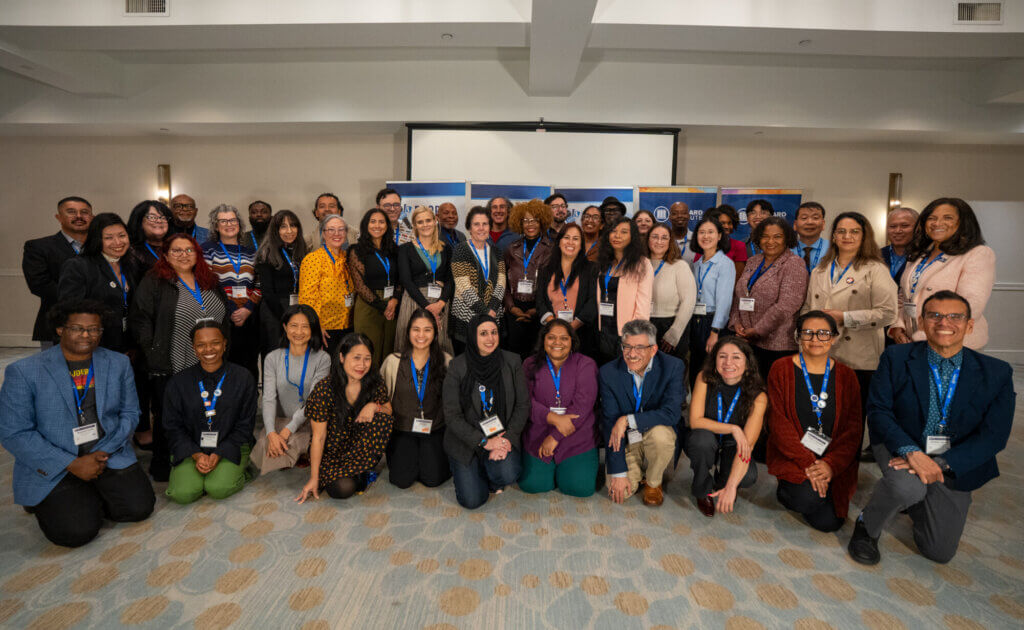
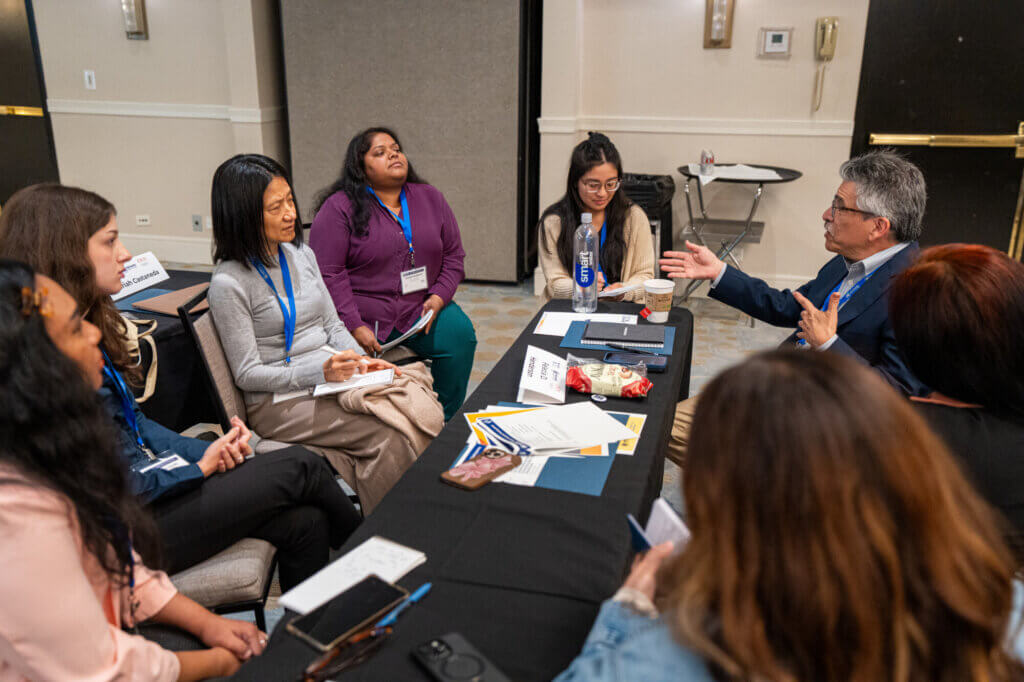
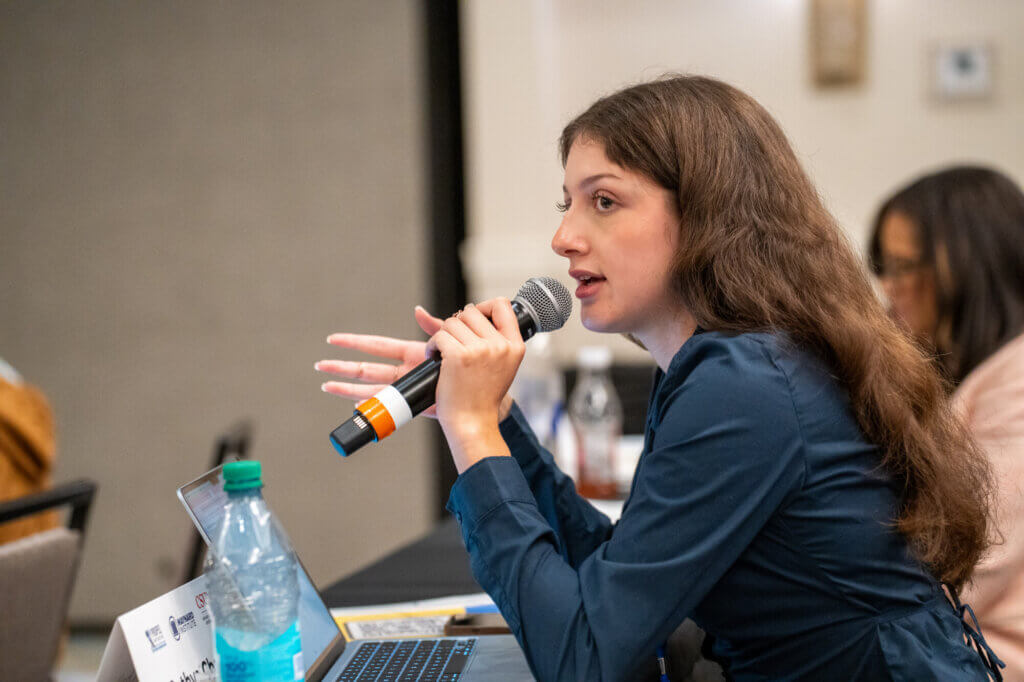
“It was a privilege to have served as a delegate representing the Maynard Institute at this year’s Trust…
Strong journalism depends on journalists who have the tools, opportunities and support to thrive. This Giving Tuesday, partner…
Over 2.5 days in Pasadena in late October, the cohort worked with experts in audience, community and product.…


By Celeste Barker Bright for Nonprofit Megaphone
In an era when public trust in news is both more fragile and more essential than ever, how stories are told matters just as much as the stories themselves. For journalism employers, investing in diversity, equity, inclusion, and belonging (DEIB) training is a powerful way to strengthen reporting, build audience trust, and create newsrooms where every voice contributes to more accurate and impactful storytelling.
Diversity, equity, and inclusion training, or DEI training, helps organizations build workplaces where people of all identities and backgrounds are fairly represented, treated, and supported in contributing fully. DEI training programs focus on improving awareness around the experiences of nonwhite and noncisgender male workers. This helps to reduce both conscious and unconscious bias and create systems that ensure equitable access to workplace opportunities and resources.
Many organizations now emphasize DEIB, which adds a critical fourth pillar of social equity: belonging. Belonging goes beyond representation and fairness. It reflects whether employees actually feel accepted, valued, and psychologically safe enough to contribute authentically. Without belonging, even diverse and equitable workplaces may struggle with disengagement or high turnover when employees don’t truly feel included.
In other words, DEI creates access and opportunity, while belonging ensures people feel connected and empowered once they are there. For news media organizations and the American public media as a whole, where storytelling depends on authentic voices and perspectives, that distinction is especially important.
DEIB training isn’t just a nice-to-have workplace initiative. Diversity in the media directly influences the quality, accuracy, and impact of reporting. Research and industry guidance consistently show that inclusive representation in media outlets produces stronger journalism and more sustainable organizations.
A diverse and inclusive newsroom is better equipped to cover stories that concern all American communities and the challenges they face. When journalists reflect a broader range of lived experiences, coverage becomes more representative and less likely to overlook or misinterpret marginalized perspectives.
Inclusive practices help journalists ask better questions, build trust with sources, and avoid harmful stereotypes. DEIB training equips staff with the tools to recognize bias in sourcing, framing, and language, leading to more accurate and nuanced reporting.
Trust is a core currency in journalism, and DEIB training plays a significant role in strengthening it. When audiences see themselves reflected fairly in coverage, they are more likely to engage with and trust a news outlet. That translates to positive company reputations and ratings in very real ways.
Inclusive journalism fosters stronger relationships with communities, particularly those historically underrepresented or misrepresented in media. By improving cultural competency and awareness, DEIB training helps newsrooms build credibility and deepen audience connections.
Organizations that invest in DEIB often benefit from greater creativity and innovation. Forbes explains that diverse teams bring a wider range of ideas, perspectives, and problem-solving approaches, which can lead to better decision-making and more innovative content strategies.
In the fast-changing media landscape, adaptability is essential. DEIB training encourages open dialogue, collaboration, and inclusive leadership practices that help teams respond more effectively to new challenges and opportunities.
Employees who feel valued and included are more likely to stay and contribute at a high level. DEIB-focused environments improve morale, job satisfaction, and overall performance.
For journalism employers, this translates into lower turnover and a more stable workforce. Given the demanding nature of newsroom work, fostering a sense of belonging can help prevent burnout and ensure that talented journalists remain engaged and committed.
Bias in journalism can lead not only to misinformation but also to reputational damage and loss of public trust. DEIB training helps staff identify unconscious biases and understand how they may influence reporting decisions. Structured DEI workshops provide practical tools for addressing bias, improving communication, and fostering accountability. This is especially important in journalism, where ethical standards require fairness, accuracy, and sensitivity.
DEIB training also shapes leadership practices. Inclusive leaders are better equipped to manage diverse teams, support equitable advancement, and create transparent decision-making processes. Organizations that prioritize DEIB develop healthier workplace cultures characterized by trust, collaboration, and shared purpose. In newsrooms, this can lead to stronger editorial alignment and a more cohesive mission.
While internal efforts are valuable, many news organizations stand to gain the most from working with third-party DEIB specialists who bring expertise, structure, and objectivity to the process.
Organizations such as the Maynard Institute for Journalism Education provide tailored training specifically designed for media professionals. Their programs address the unique challenges of journalism, such as inclusive sourcing, equitable storytelling, and newsroom culture. External partners bring proven frameworks and up-to-date best practices that may not exist internally.
Third-party consultants can offer an unbiased perspective on workplace culture and practices. External experts can identify gaps, measure progress, and recommend data-driven strategies for improvement. This objectivity is particularly valuable in journalism organizations, where internal dynamics and hierarchies may make it difficult to address sensitive issues openly.
External partners can design training programs that align with an organization’s size, goals, and audience. Partnering with experts can strengthen broader diversity and inclusion strategies, including hiring and retention efforts. For news organizations with multiple teams or locations, scalable training ensures consistency while allowing for customization based on local needs.
DEIB is not a one-time initiative. It requires ongoing commitment and continuous improvement. External consultants can help organizations move beyond one-off workshops to develop long-term strategies that embed DEIB principles into daily operations. Outsourcing enables companies to build sustainable programs with clear goals, metrics, and accountability structures — all without guesswork or strain on company staff.
For journalism employers, this means creating a newsroom culture where inclusive practices aren’t just passively or abstractly encouraged, but actively and concretely integrated into every aspect of reporting, editing, and leadership. By investing in DEIB training and partnering with experienced organizations, news media employers can strengthen both their workplace culture and the quality of their journalism.
The Maynard Institute inspires and powers the national, collaborative drive for DEIB in news media. Our antiracism training programs have helped create decades of news industry trailblazers, all of whom belong to the “Maynard Family”: a community of deep caring and intergenerational support for journalists of color. Programs by the Maynard Institute are open to all applicants, and the Maynard Institute is committed to addressing the under-representation of people of color and other historically disadvantaged groups in media-related professions.
The Maynard Institute’s Fault Lines® Culture Shift Program gives media professionals the tools to recognize and address biases that shape news coverage. Rooted in the Fault Lines® framework, our program helps organizations move far beyond performative DEI efforts.
Instead, we use intentional DEI practices — built on nearly 50 years of DEI training in media spaces — that are proven to create inclusive workplaces that connect with diverse communities. Fill out our interest form to Register to bring Maynard’s Fault Lines® training to your company today!
The arrests of journalists Georgia Fort and Don Lemon for reporting on a protest set a dangerous precedent for press freedom. Bearing witness is not a crime. Reporting at moments of civic tension — especially where government power and community response intersect — is core to journalism’s role in a democracy, and the First Amendment exists to protect precisely this work.
Through our Fault Lines® framework, we know the risk is not evenly shared. Journalists working at the intersections of race, immigration, power, and community — often independent or community-based reporters — are the first to feel the chilling effect when newsgathering is criminalized.
If they are pushed out, the voices and communities journalism has worked to include are pushed out too. We stand with the National Association of Black Journalists and the wider journalism community in condemning these arrests and calling for the protection of journalists’ constitutionally protected rights.
“It was a privilege to have served as a delegate representing the Maynard Institute at this year’s Trust…
Strong journalism depends on journalists who have the tools, opportunities and support to thrive. This Giving Tuesday, partner…
Over 2.5 days in Pasadena in late October, the cohort worked with experts in audience, community and product.…