News / Blog
The First Fire Up Cohort: Meet the Fellows
The inaugural cohort of Fire Up Fellows represent the power and potential of diverse news in the State…


By Jeremy Garza, Managing Editor, Mustang Media Group, California Polytechnic State University.
Photos by Jennifer Shaevitz, SLO Media Creations.
SAN LUIS OBISPO, Calif. – “The phone rang. It was my mom telling me my brother died.”
That’s how Joe Lambert, founder of StoryCenter, said he would start a story about his brother. By jumping right into it, I was immediately itching to hear his next word. I felt tears welling in my eyes, imagining my own mother calling me to tell me about a tragic loss.
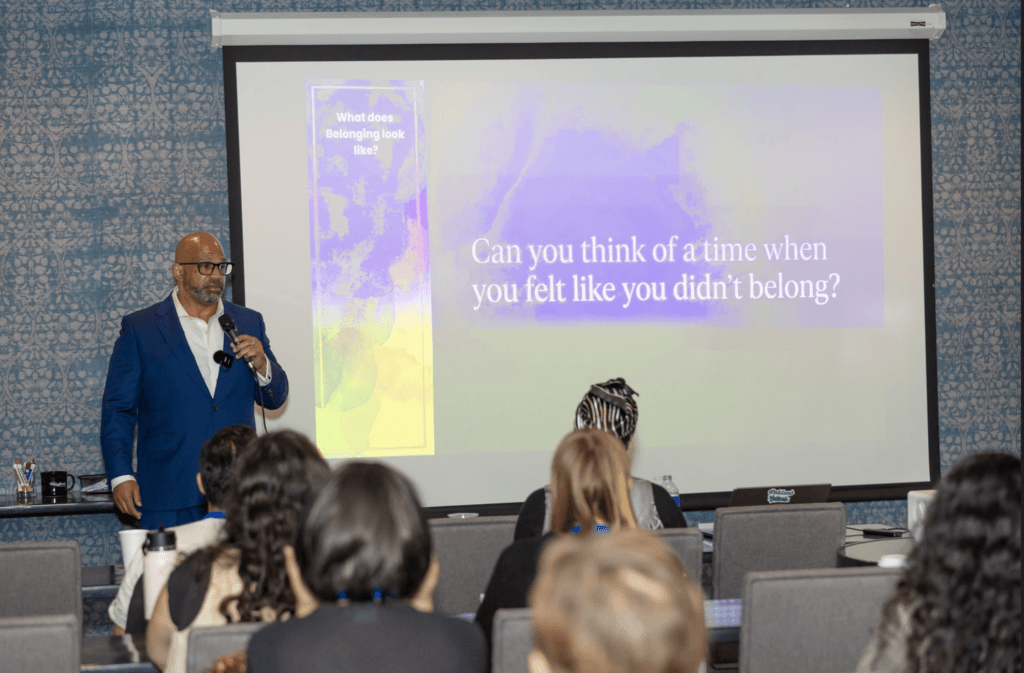
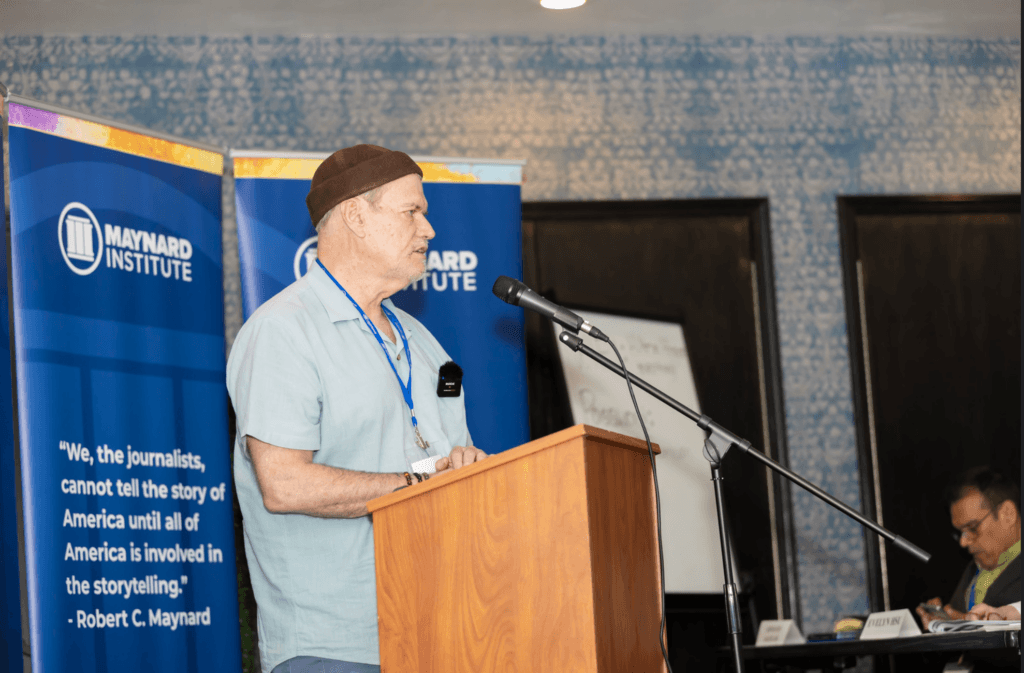
I went up to him after his presentation at the Maynard Institute’s Propel Regional Training in San Luis Obispo, held April 24-25. I wanted to thank him for changing the way I see storytelling and sharing personal stories — to which he just said, “Of course, and a little emotional manipulation never hurts.”
As an involved journalism student, I’ve found myself at a lot of conferences. I’ve sat through professionals talking about their glory days and college students rehearsing for their glory days more times than I can count. After Lambert’s kickoff session, I knew Maynard was going to push me to think differently about storytelling — including how I will tackle stories after I graduate from my college sandbox.
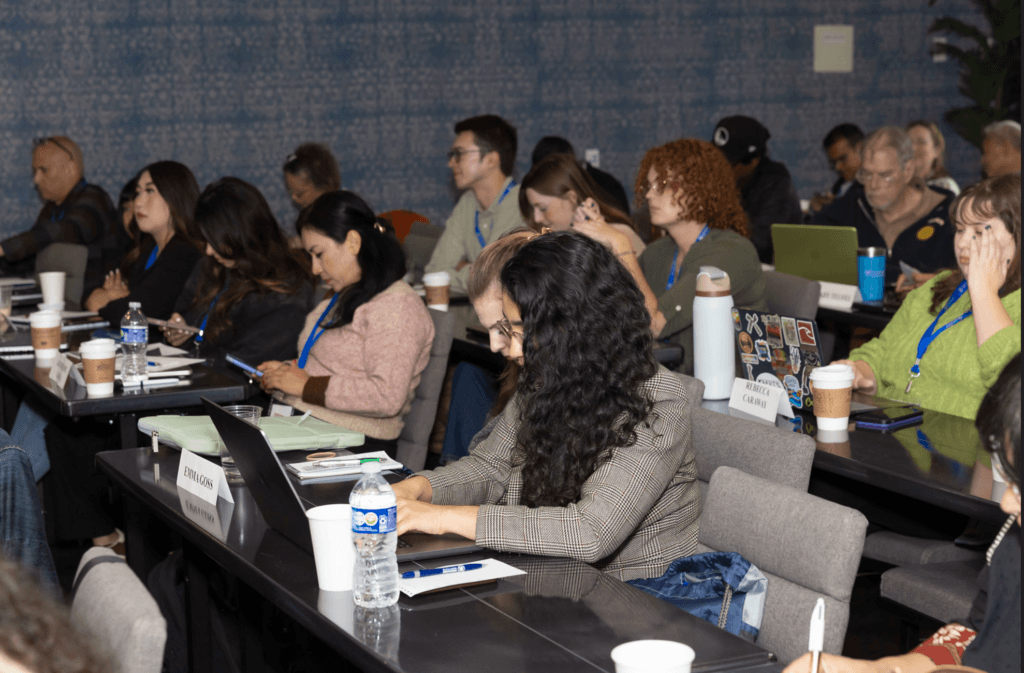
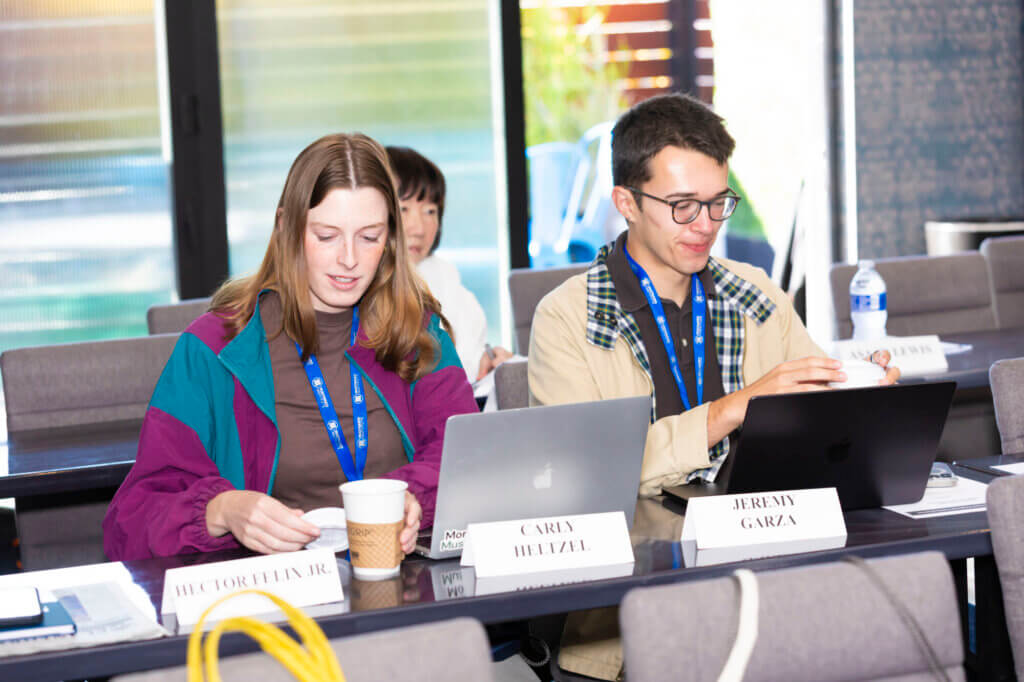
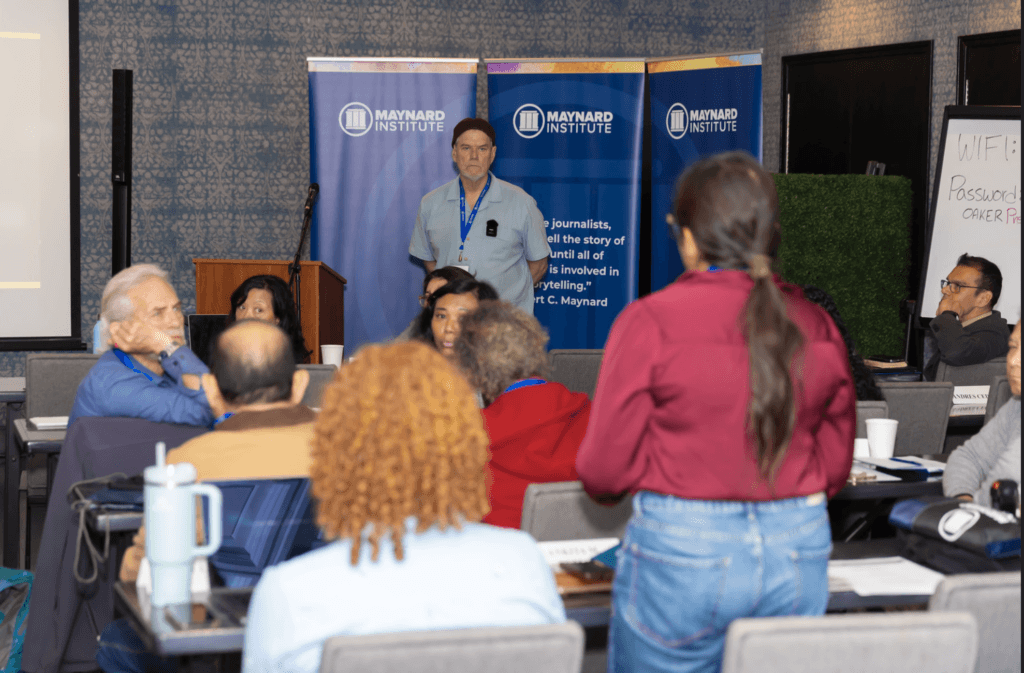
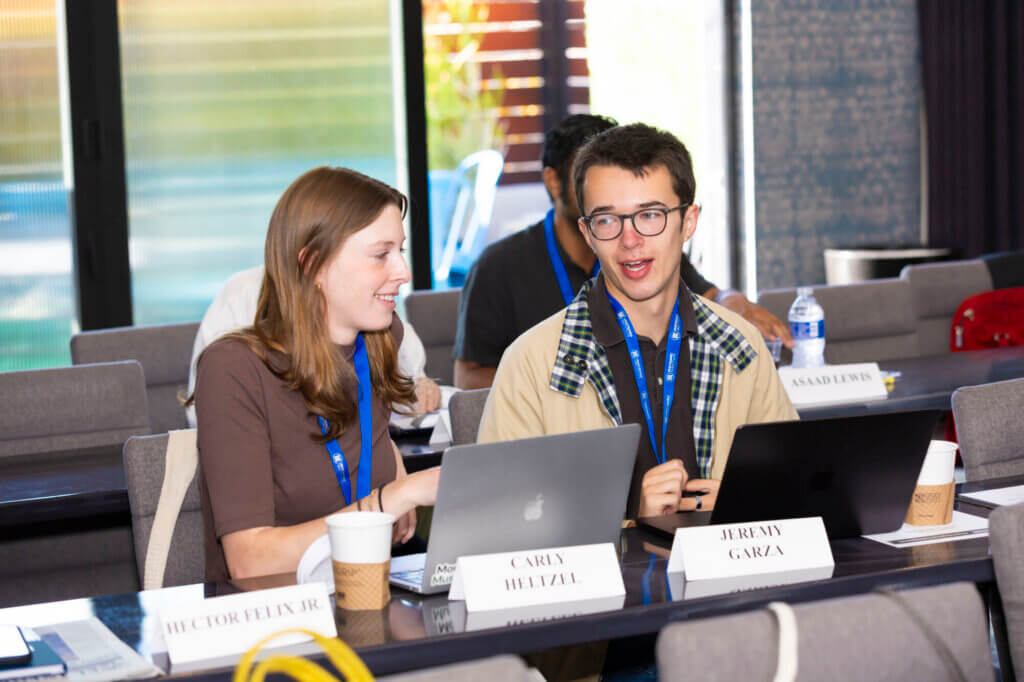
Over the course of two days, I heard frank presentations about immigration reporting and investigative work. In partnership with Cal Poly Journalism, Maynard took a page out of Cal Poly’s playbook and had participants “Learn by Doing.” Peers workshopped current stories and tackled personal biases.
Co‑executive director of the Maynard Institute Martin G. Reynolds, while teaching about the
Fault Lines® framework, tasked us to write down six people we trusted, beyond relatives. Then, based on the six fault lines — race, gender, generation, class, sexual orientation and geography — we placed check marks next to each person if we shared the same identity.
Fault Lines® taught me how to analyze spaces. Not only for myself, but for my peers and for sources. Where do more people need to be heard?
Most of my names, ranging from childhood friends to current roommates, had three to four check marks. A subconscious truth came forward: I often surround myself with people who are eerily similar to me. This can’t be the case in a newsroom, and I hope that I am able to foster belonging in more spaces that I join.
All of my trusted individuals lacked the check mark that represents sexual orientation. Not many people in my life are queer, and even fewer are gay men. I often find myself in gray areas — too gay for masculine spaces, but still too “man” for female spaces. I’m often perceived as white, but my last name and my grandfather’s immigration from Mexico shape experiences that don’t always align with that perception.
Fault Lines® taught me how to analyze spaces. Not only for myself, but for my peers and for sources. Where do more people need to be heard? When does my privilege need to stand up for others? And when does it need to sit and listen? This perspective will now shape my coverage as I search for a place in the industry.
“Belonging in newsrooms is the essential outcome of deliberately confronting bias.”
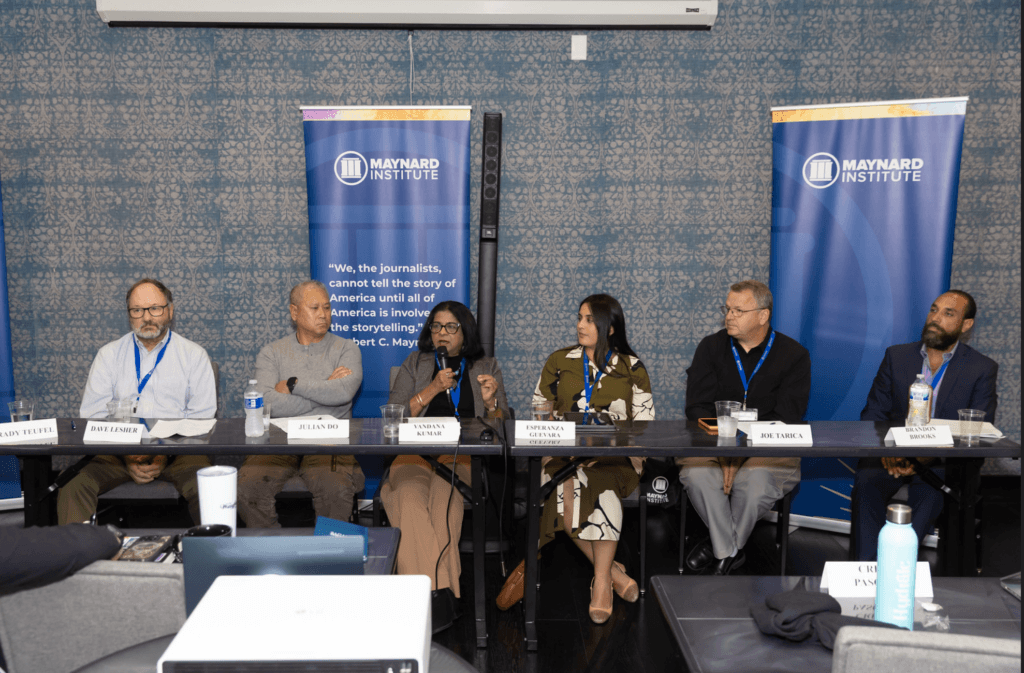
Our Cal Poly Journalism Department chair, Professor Brady Teufel, moderated a panel of community-oriented newsrooms, including representatives from ethnic media organizations, such as Latino Media Collaborative and India Currents. These small, but mighty organizations are cracking open fault lines and making room for those who do not see themselves in traditional coverage.
This conversation was taking place in a town that looks different than many in California and hosted by a state university unlike any other — predominantly white. This training was an important reminder in 2026, very eloquently stated by Reynolds.
“Belonging in newsrooms is the essential outcome of deliberately confronting bias,” Reynolds said. “When we name and dismantle the identity‑based biases that shape our coverage and culture, we create spaces where journalists of all backgrounds can bring their full selves to their work.”
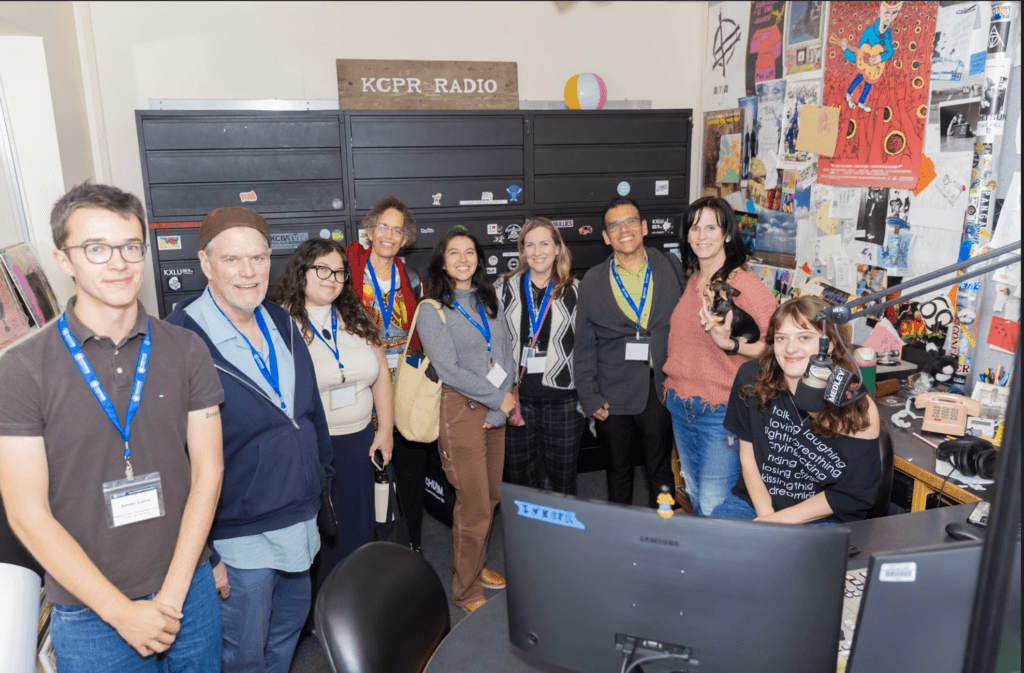
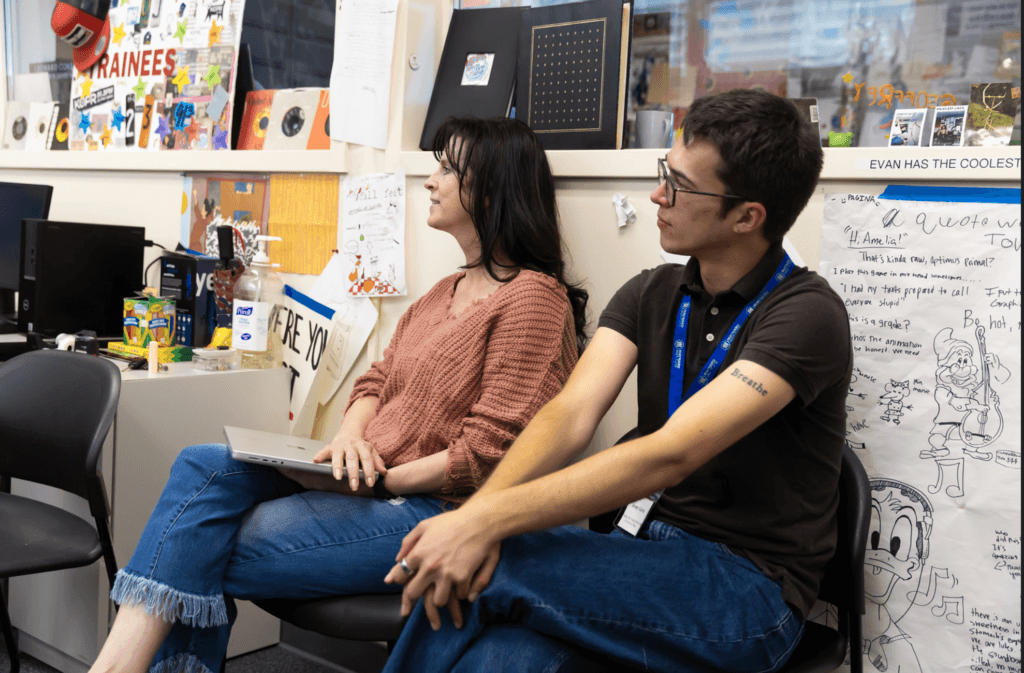
During the campus tour, I showed a group of attendees around KCPR 91.3 FM, Cal Poly’s student-run radio station. The station’s motto is “Where Different Matters.” The station is developing into a space for belonging, internally and externally, from the “boys club” it once was in the ’70s.
“Harnessing the power of journalists’ diverse lived experiences is the cornerstone of genuine belonging, and our humanity.”
I was proud to show my station off to attendees and speak of how we are able to serve our audiences. I was especially proud, and a little nervous, to show Ernesto Aguilar. As executive director of radio programming and content innovation initiatives at KQED Public Media, Aguilar taught us not only technique and style tips, but also encouraged us to have hope for the future.
Aguilar, kind with his words, told me to keep pushing, and my path will work out. This represents the best part about Maynard. The connections I formed with innovators and daily grinders inspire me as I’m leaving my college bubble. The Maynard Institute showed me that the journalism industry is alive and well, just as I needed the reminder that I belong in this space.
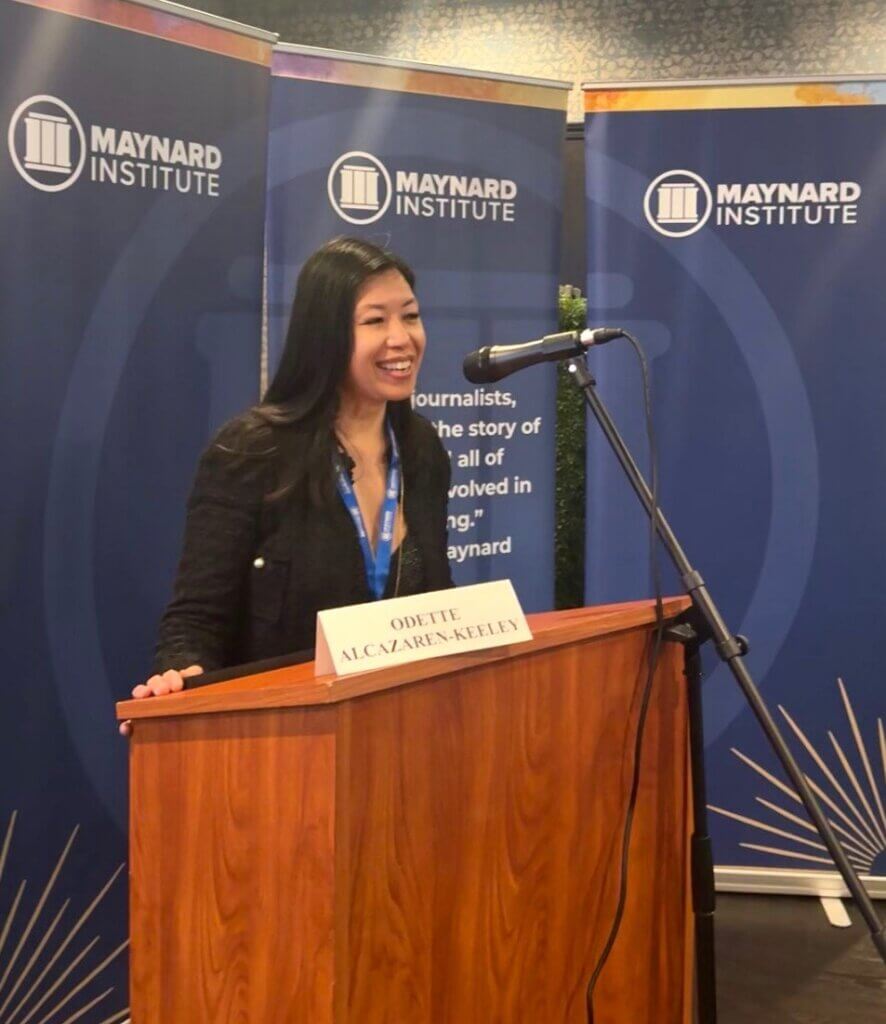
“Harnessing the power of journalists’ diverse lived experiences is the cornerstone of genuine belonging, and our humanity,” said Odette Alcazaren-Keeley, director of the Maynard Regional Training Program.

Jeremy Garza is a journalism and political science student at California Polytechnic State University in San Luis Obispo, where he serves as managing editor of Mustang Media Group and was previously a CalMatters fellow. His work has been republished by the Associated Press and earned two California College Media Association first-place awards.

Mustang Media Group (MMG) is an award-winning, multi-platform news organization based at California Polytechnic State University in San Luis Obispo. Covering digital, print, radio and social media, the student-run organization works to tell campus and community stories accurately and equitably.
The inaugural cohort of Fire Up Fellows represent the power and potential of diverse news in the State…
On Tuesday, May 19, 2026 the Maynard Institute was honored to receive the Lorraine Branham Award from Syracuse…