News / Uncategorized
Maynard goes to NLGJA!
The Maynard Institute also sponsored afternoon coffee at the impeccably executed convention, attended panels led by subject matter…


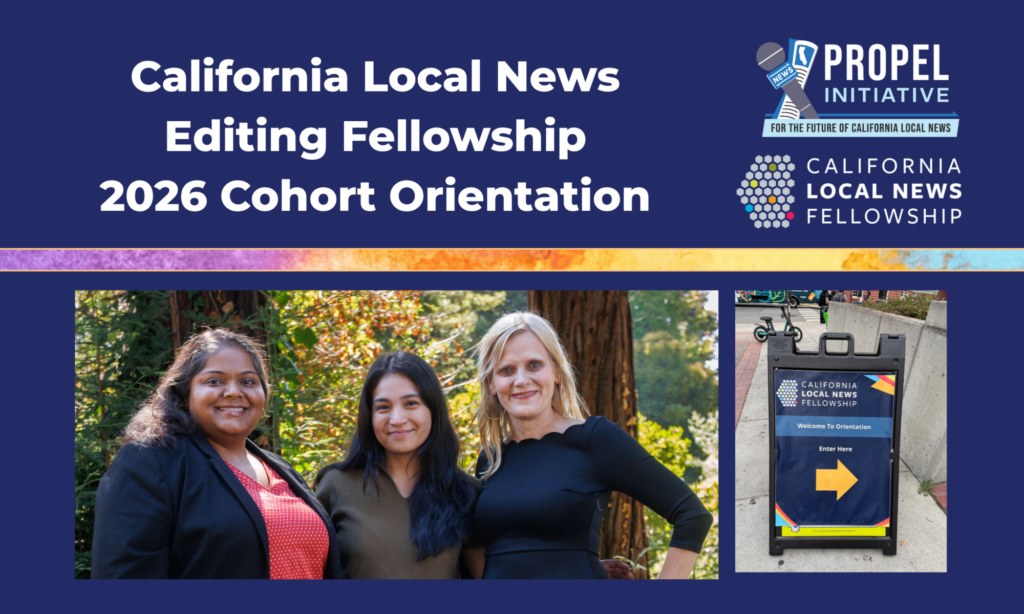
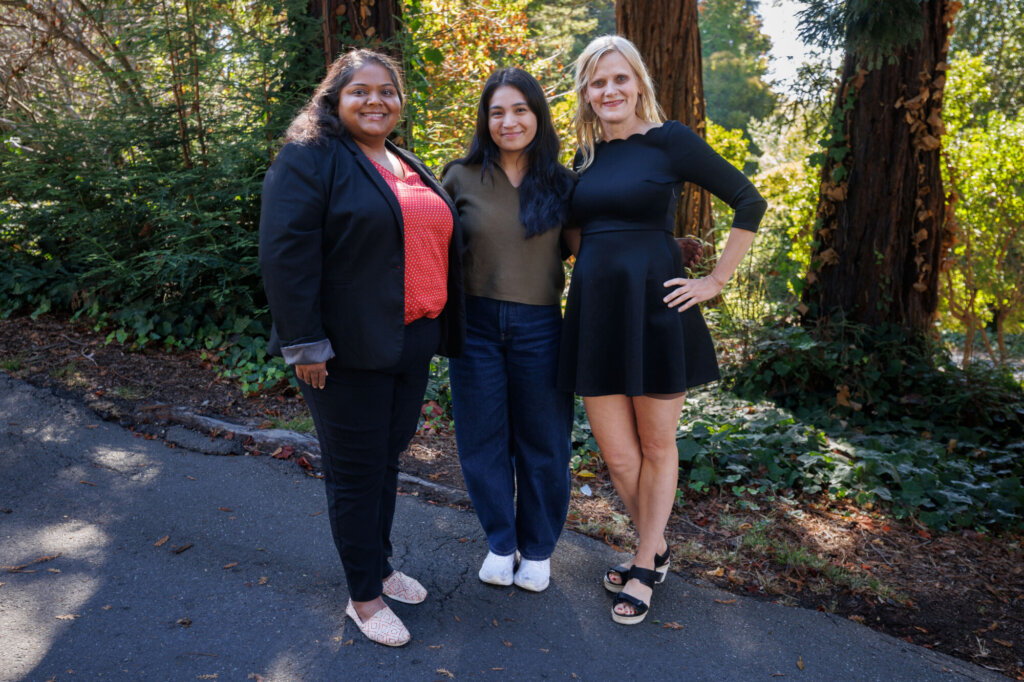
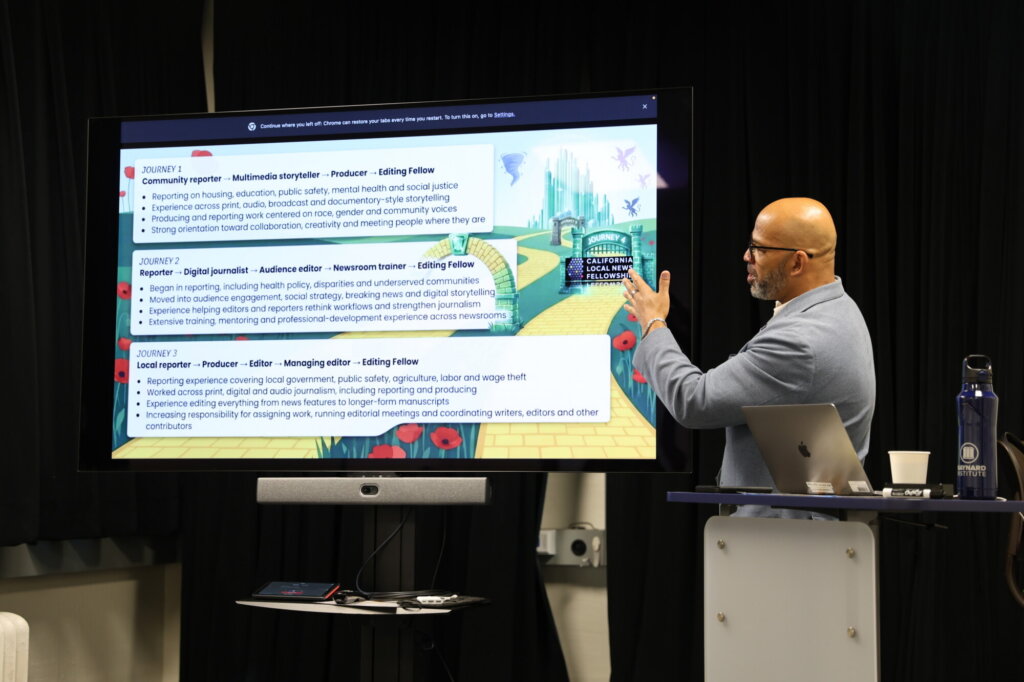
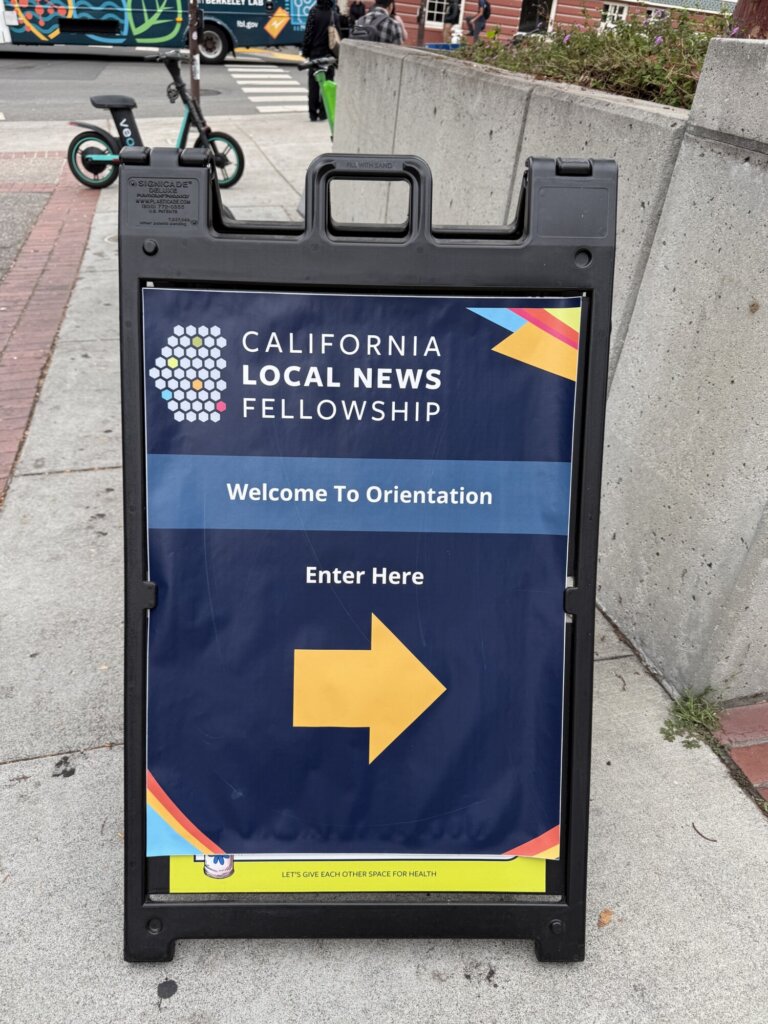
The California Local News Fellowship recently conducted orientation for its 2026 cohort of 35 journalists, who are reporting on critical issues in communities that have historically lacked sustained local news coverage. Three journalists are part of the pilot, one-year editing fellowship, a Maynard Institute partnership designed for early- to mid-career reporters or producers to move into editing roles.
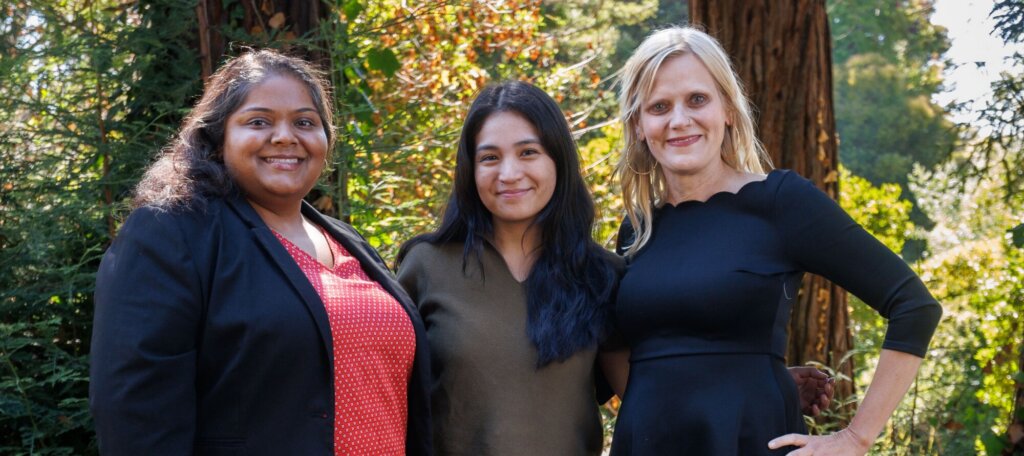
The fellows were selected from nearly 30 applicants from across California and around the world to work in newsrooms that were also independently selected. They receive a salary and benefits paid for by the state through the University of California, Berkeley, along with hands-on support from the UC Berkeley-based fellowship staff and through the Propel Initiative, led by the Maynard Institute.
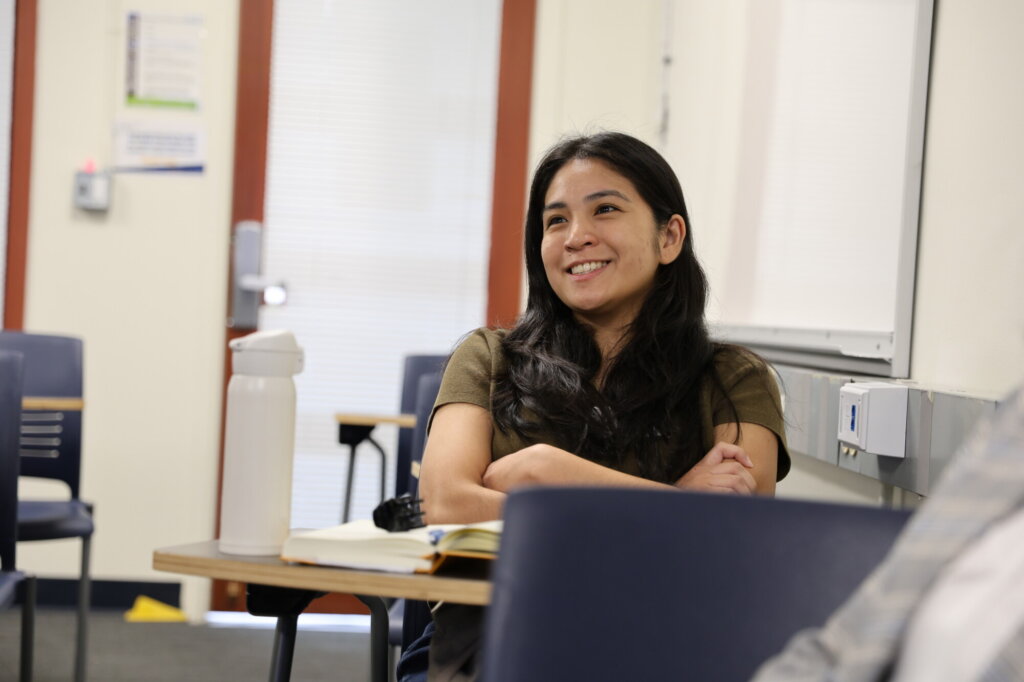
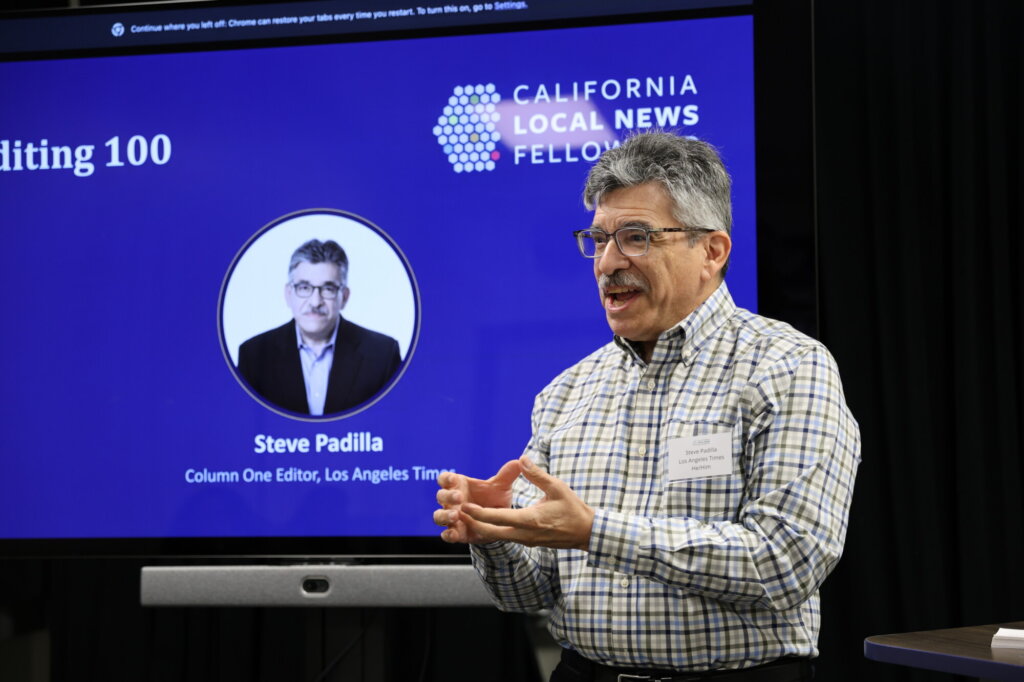
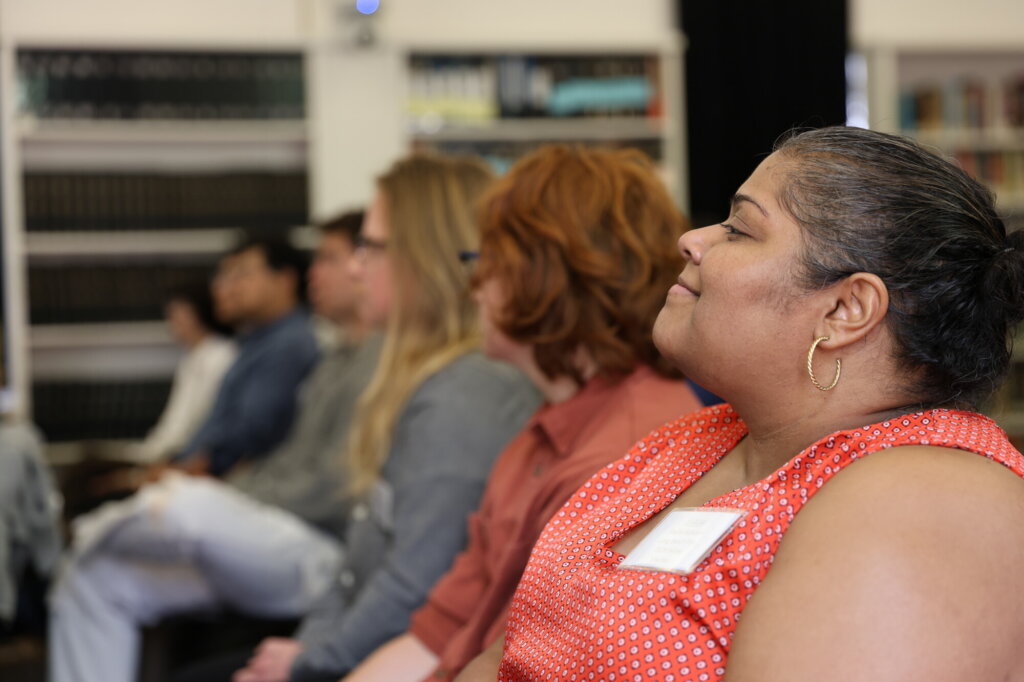
During the two-day orientation, the editing fellows participated in intensive training led by veteran editors and news leaders. The sessions focused on the critical skills editors need to manage people, edit content and navigate the evolving challenges of daily journalism.
The fellows developed skills in:
During the yearlong fellowship, the fellows will continue to receive training and mentorship in editing and leadership from Maynard Institute trainers.
“There is a strong need for good frontline editors in news organizations, and as a graduate of the Maynard Editing Program, it was important to design the curriculum with that in mind,” Felecia D. Henderson said. “Understanding what a new editor needs to know and what newsroom leaders expect of their editors are important. Rebecca Martin, newsroom cohort manager, and I want to equip the fellows with solid editing knowledge and tools.
“This wouldn’t have been possible without the extraordinary faculty, who are giving their time and talent to help ensure the editing fellows have a strong foundation.”
The Maynard Institute also sponsored afternoon coffee at the impeccably executed convention, attended panels led by subject matter…
“She launched the Spanish-language website Brennan En Español, a monthly newsletter, and as she put it, was ‘dedicated…
Fill out our interest form and register to bring Maynard’s Fault Lines® training to your company today!