
From fellowship to the field: How one alum carries Maynard’s lessons forward

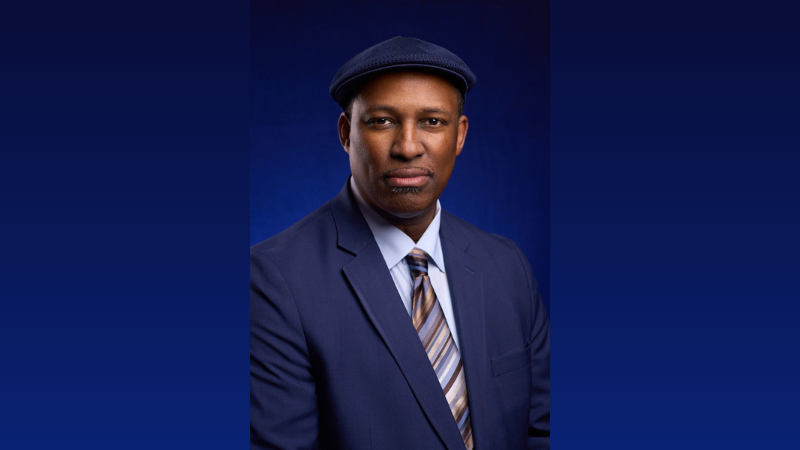
Four years after completing the Maynard 200 Fellowship, William J. Ford is covering Maryland’s statehouse, explaining state politics to television and radio audiences and helping more Black journalists find pathways into political reporting.
As a reporter for Maryland Matters, Ford covers education, criminal justice reform and other issues considered during Maryland’s annual legislative session. Outside the newsroom, he serves on the National Association of Black Journalists Political Task Force, encouraging aspiring journalists to pursue political reporting at the local, regional and state levels.
The lessons and relationships Ford gained through Maynard continue to show up across that work. A reporting technique he learned remains part of his approach to journalism, an exercise during the fellowship shaped how he thinks about representation in political reporting and members of his cohort remain part of his professional community.
“The Maynard Institute will become a part of your life,” he added. “The lessons to be learned come not only from the instructors presenting information on how to improve your reporting, but also from the individuals in your cohort.”
Ford’s story shows how an investment in a journalist can extend into the reporting communities receive, the professional relationships journalists rely on and the opportunities they help create for others.
A lesson that stayed with him
Ford described the 2022 Maynard 200 Fellowship as a “mini-graduate level course” that encouraged him to look more deeply at his reporting.
During an investigative journalism session, former Associated Press editor Ron Nixon encouraged fellows to collect pieces of information through everyday reporting and revisit them for larger stories. The advice broadened Ford’s idea of what investigative reporting could look like. A story did not have to exceed 1,000 words to matter, he recalled. If the reporting brought wrongdoing or injustice to light, it could help the public.
“That was solid advice that I still try to do,” Ford said.
Looking at who gets to cover politics
The fellowship also pushed Ford to think more intentionally about who gets to cover government. During an exercise led by journalist Aaron Glantz, he examined representation among reporters covering Maryland’s legislature.
That concern now carries into Ford’s work with the NABJ Political Task Force, where he helps encourage more Black journalists to pursue political reporting at the local, regional and state levels.
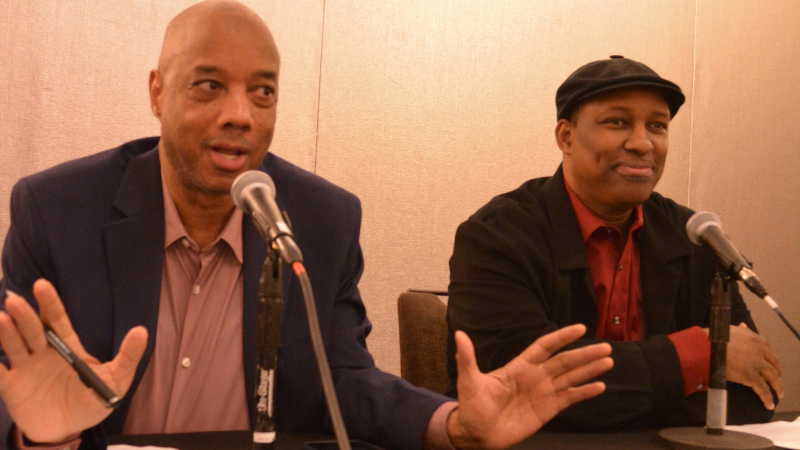
In August 2026 at the National Association of Black Journalists Convention in Atlanta, Ford received the task force’s Chairperson’s Award — announced by task force chair and fellow 2022 Maynard alum Brianna Tucker. Ford will now serve as the task force’s vice chair.
“When our task force chair Brianna Tucker … announced my name, my mouth fell to the floor,” Ford said. “To receive that from my peers truly made me blush.”
A professional community that lasted
Tucker is one of several members of his Maynard cohort Ford remains connected to.
He pointed to Aallyah Wright, who reports on the rural South for Capital B; Stefanos Chen at The New York Times; and Kenny Burns, who works in radio. He also talked about investigative journalist Monique “Mo” Madan, who launched her own newsletter after being laid off and continues to offer advice to other journalists.
Ford has watched members of the cohort change jobs, navigate layoffs, pursue new opportunities and continue supporting one another.
“I’ve gained an extended family through Maynard,” he said. “We all have different backgrounds, experiences and beliefs. However, you can meet people who know other people in your journalism careers and realize we can make a difference as best we can. Maynard helps make that happen.”
The investment continues
Maynard 200 sunsetted in 2024 after graduating more than 200 journalists, but Ford’s experience shows how the investment continues.
The reporting lessons he learned remain part of his work. The questions about representation raised during the fellowship carry into his efforts to help more Black journalists pursue political reporting. And the people he met through Maynard remain part of his professional network.
That impact extends beyond Ford: through reporting that helps Maryland residents understand state government, conversations on television and radio that bring that reporting to wider audiences, and his work helping other journalists find pathways into political reporting.
“For all the donors, thank you for supporting the Maynard Institute,” Ford said. “The programs offered teach people about the profession, which in turn can be used in a newsroom. That’s power right there.”
When asked what gives him hope about the future of journalism, Ford pointed to people who continue to believe in the profession and added:
“The Maynard Institute. Simple as that.”