News / Uncategorized
The Hidden Toll: Mental Health Challenges of Frontline Journalism
Together, the California Local News Fellowship and Propel Initiative programs support hundreds of newsrooms annually. Explore our programs…


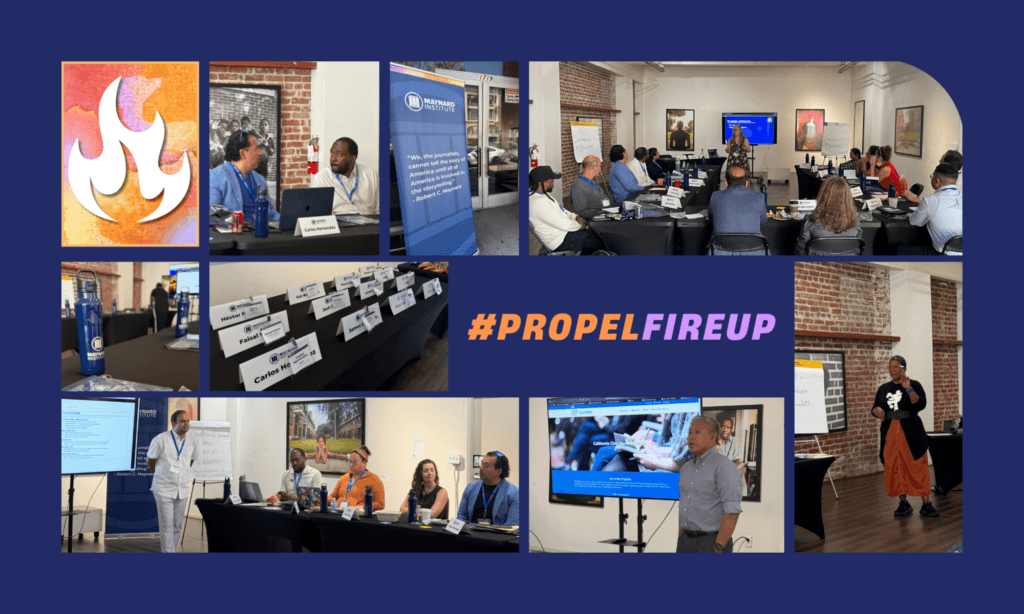
The Fire Up Entrepreneurship Program launched July 29 in Oakland with training designed to build new business models, help Fire Up Fellows dig into the value proposition of their work, and apply the Maynard Institute’s Fault Lines® framework to their journalism and understanding of audience.
Fellows inventoried their resources and revenue streams, and they learned to identify their key activities and key partners.
Doris Truong, deputy director of the Fire Up program, led a session on listening for values to deepen relationships.
“We started selecting this cohort in the spring, so it’s truly inspiring to see them come together for the first time,” Truong said. “By sharing their successes and obstacles, they realize they’re not alone and they can support each other despite their distinct audiences. We also learned a theme of commitment to community runs through this cohort.”
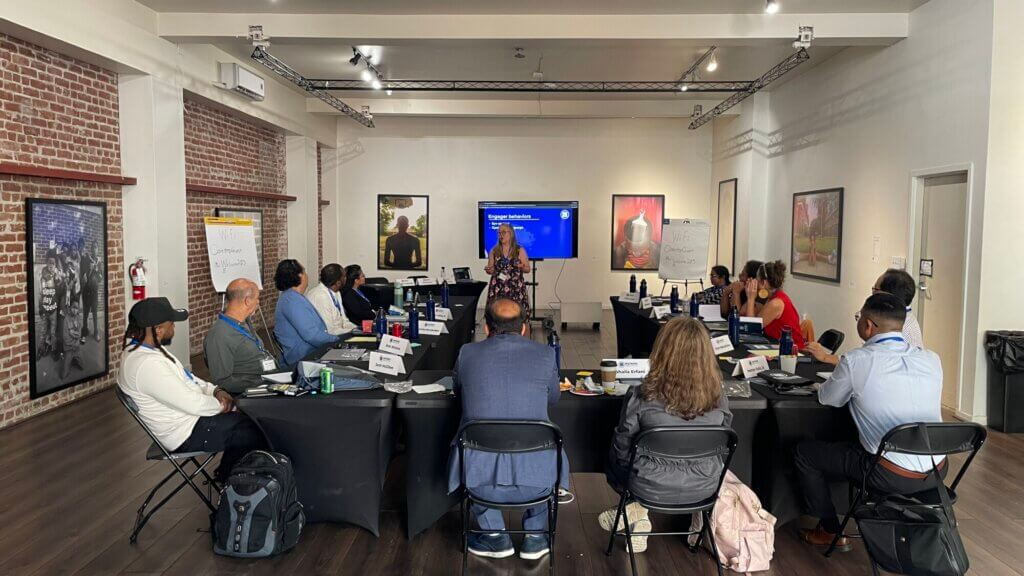
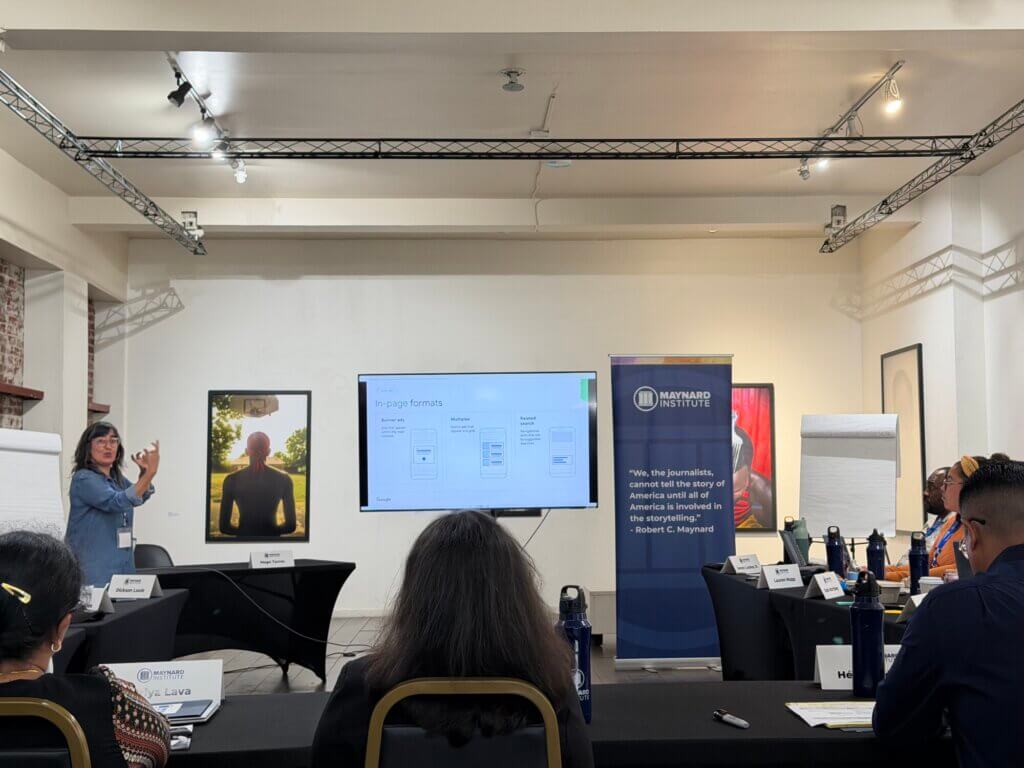
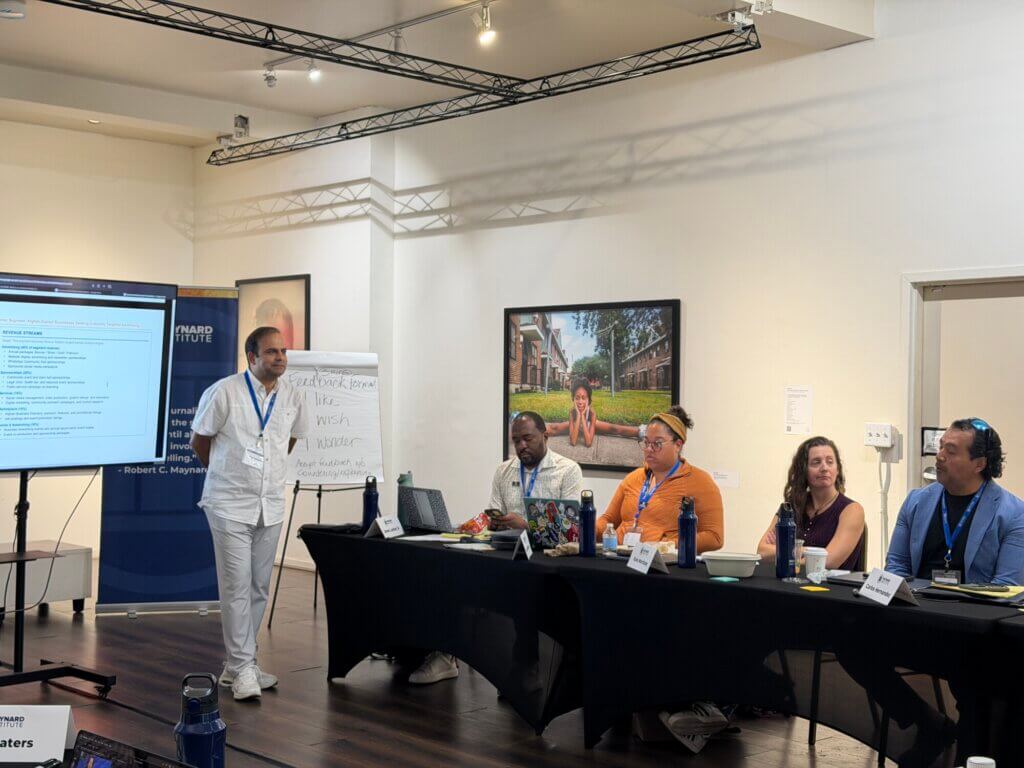
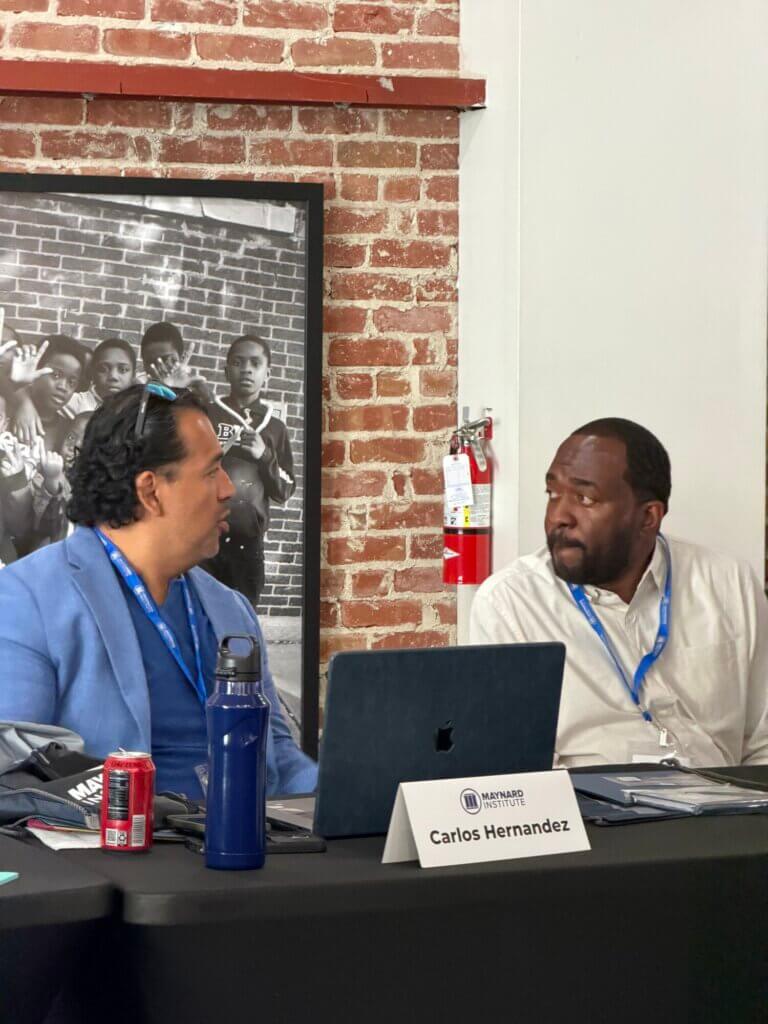
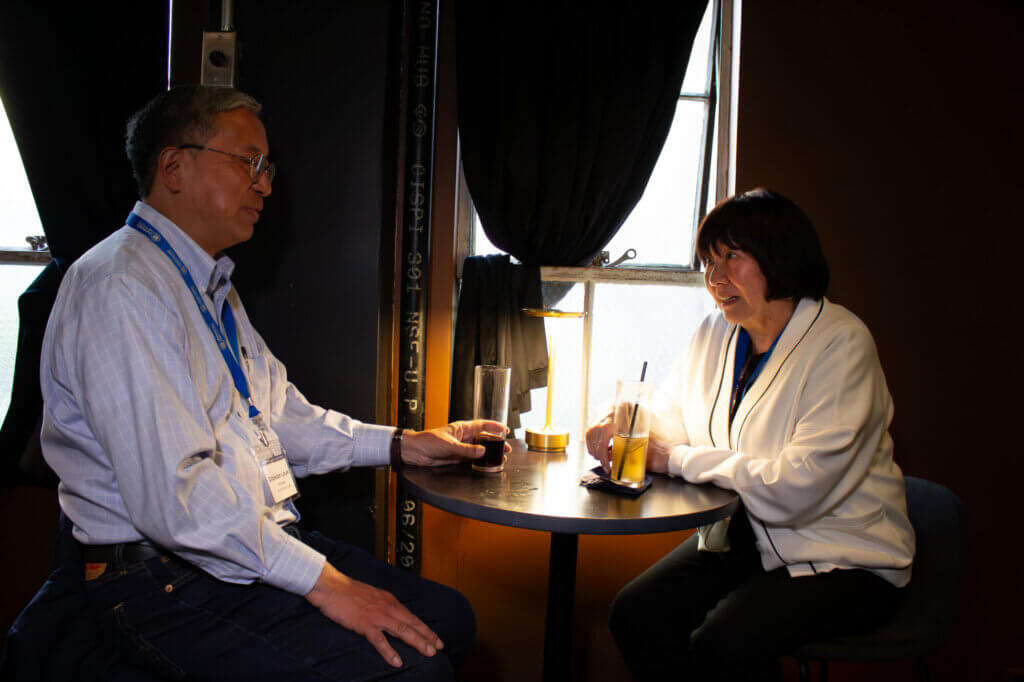
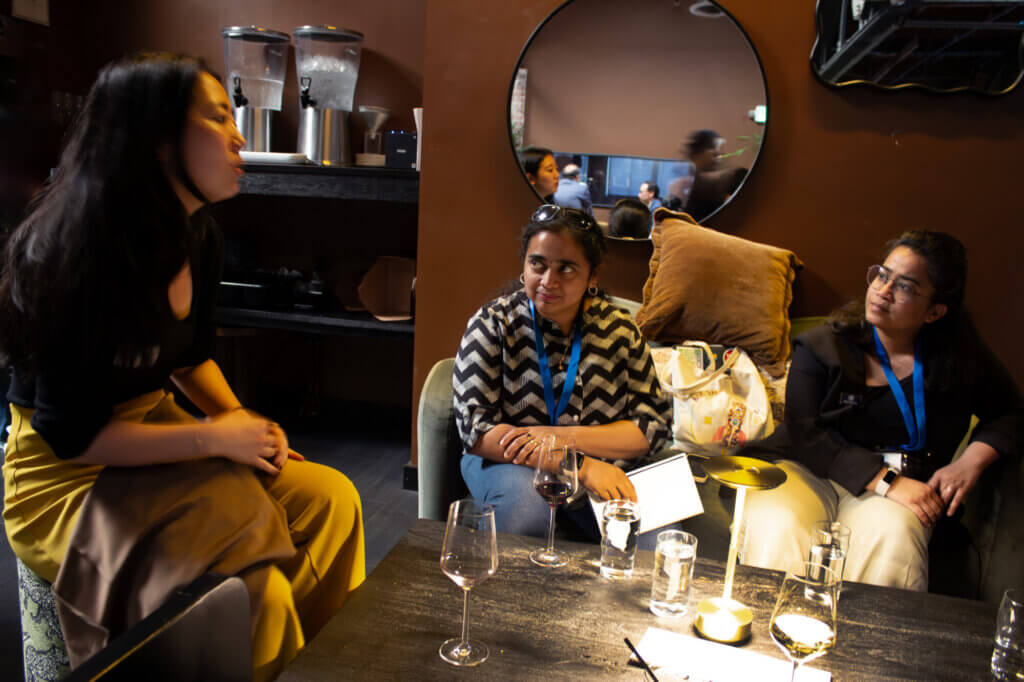
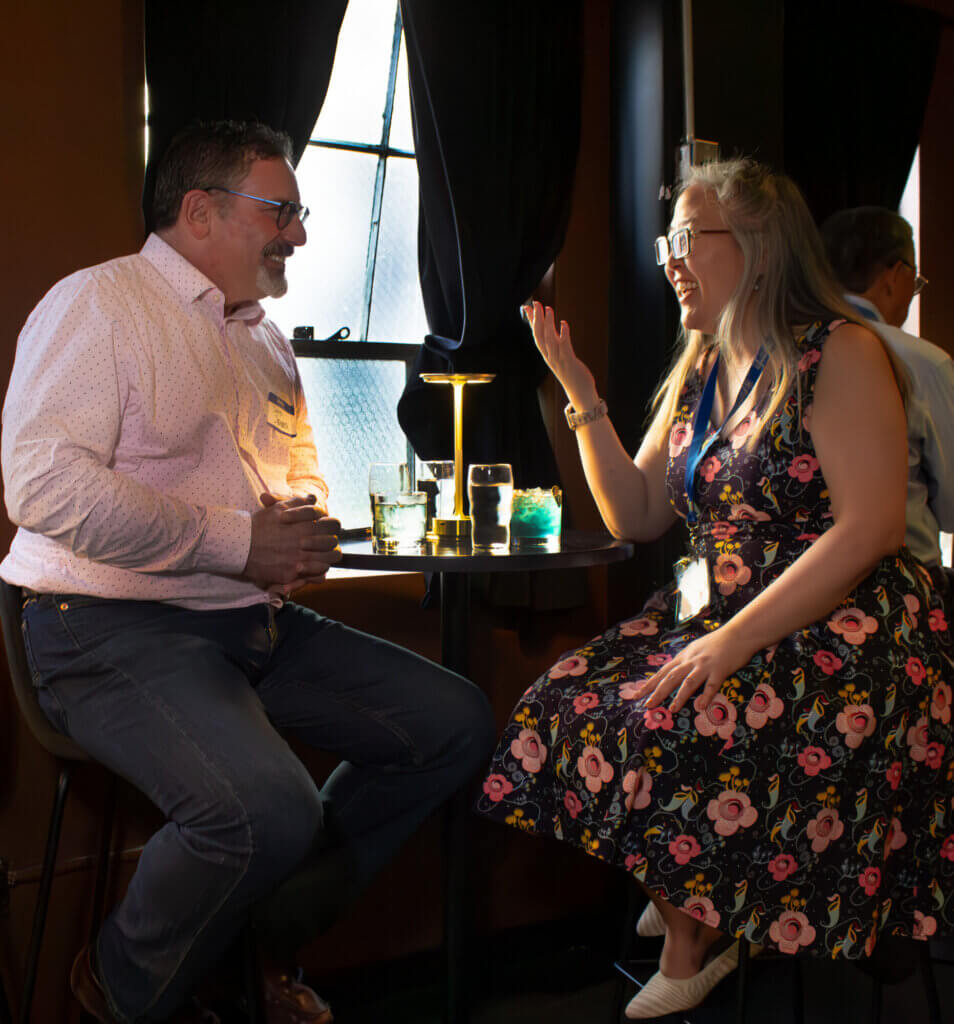
After an introduction to Maynard Institute history, Fire Up Fellows along with colleagues from their respective outlets attended a mixer with California Propel Local News Initiative partners and Bay Area journalists to discuss journalism and how to overcome industry challenges.
Héctor Félix Jr., publisher and president of El Informador del Valle, said the first few days of the Fire Up program were “a great, one-of-a-kind learning experience in an entrepreneurship program that fires up your business idea for success.”
Martin G. Reynolds, co-executive director of the Maynard Institute, said it was invigorating to open the program and to witness California’s investment in local news directly supporting publishers who serve vastly different communities.
“My session on the Fault Lines® and belonging was intended to show the Fellows that biases and blind spots don’t just create challenges within an organization,” Reynolds said. “They can also mean missed opportunities to build trust and deepen relationships with existing and new audiences, think more expansively about revenue opportunities and forge partnerships they otherwise might not have considered.”
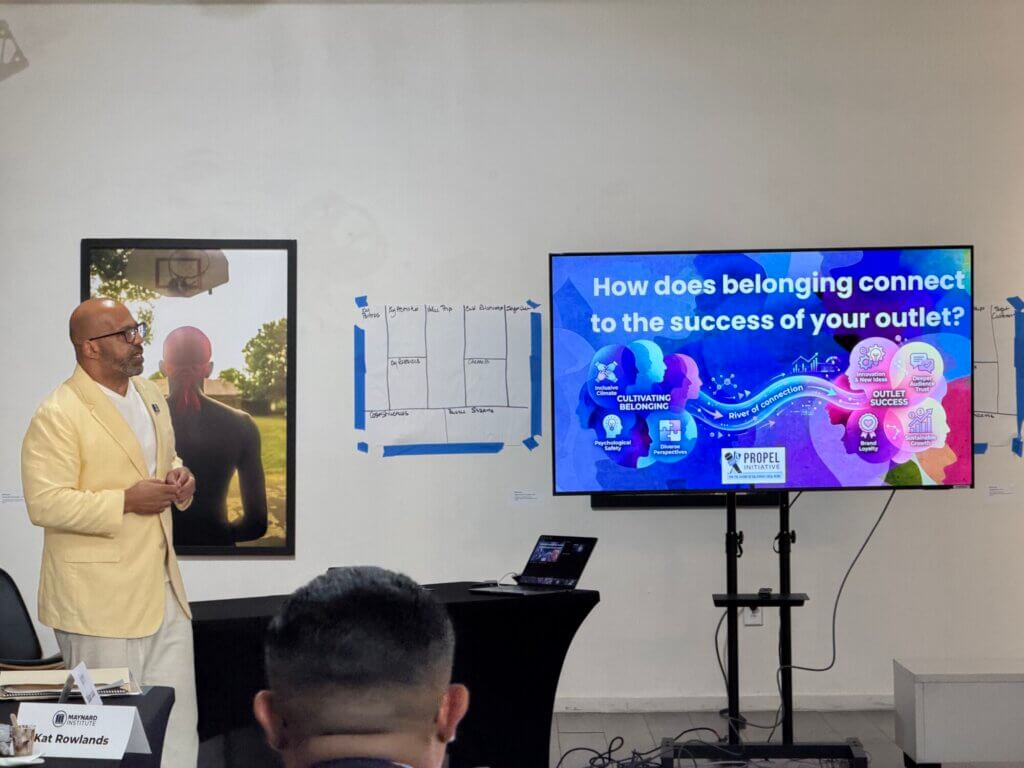
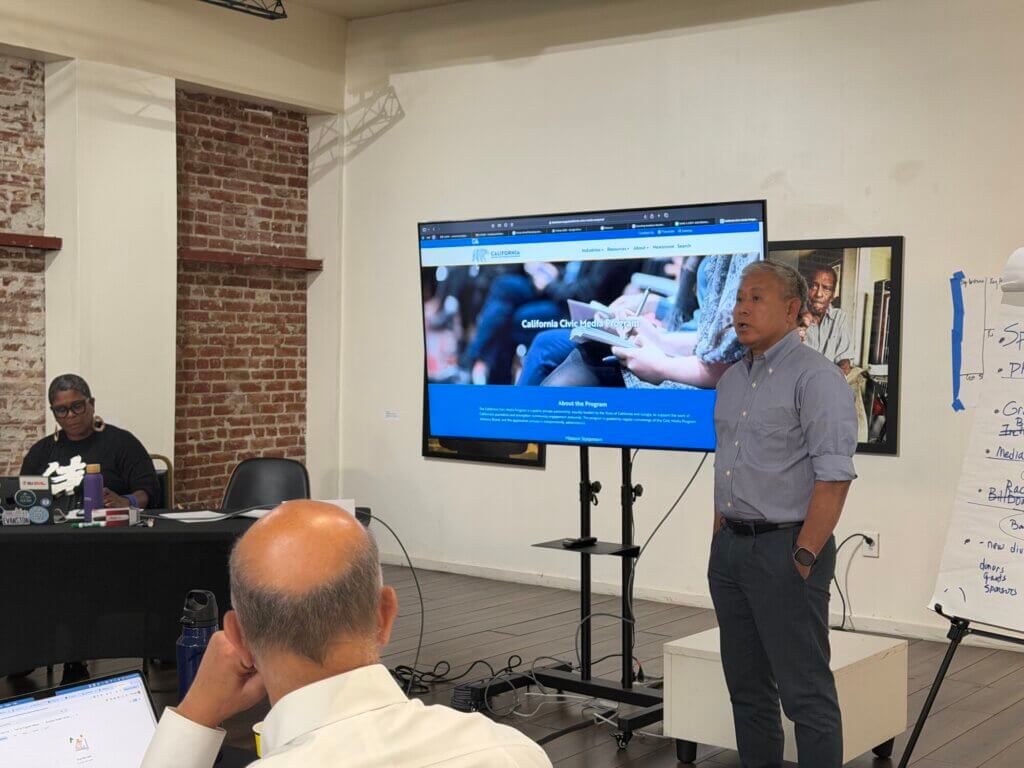
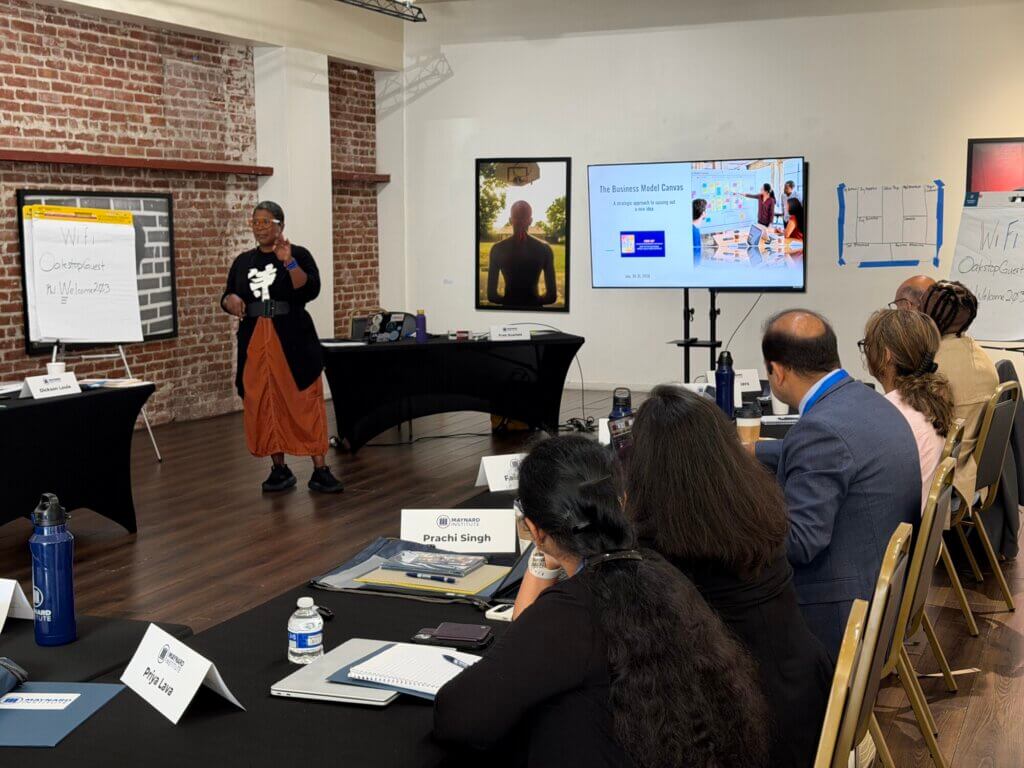
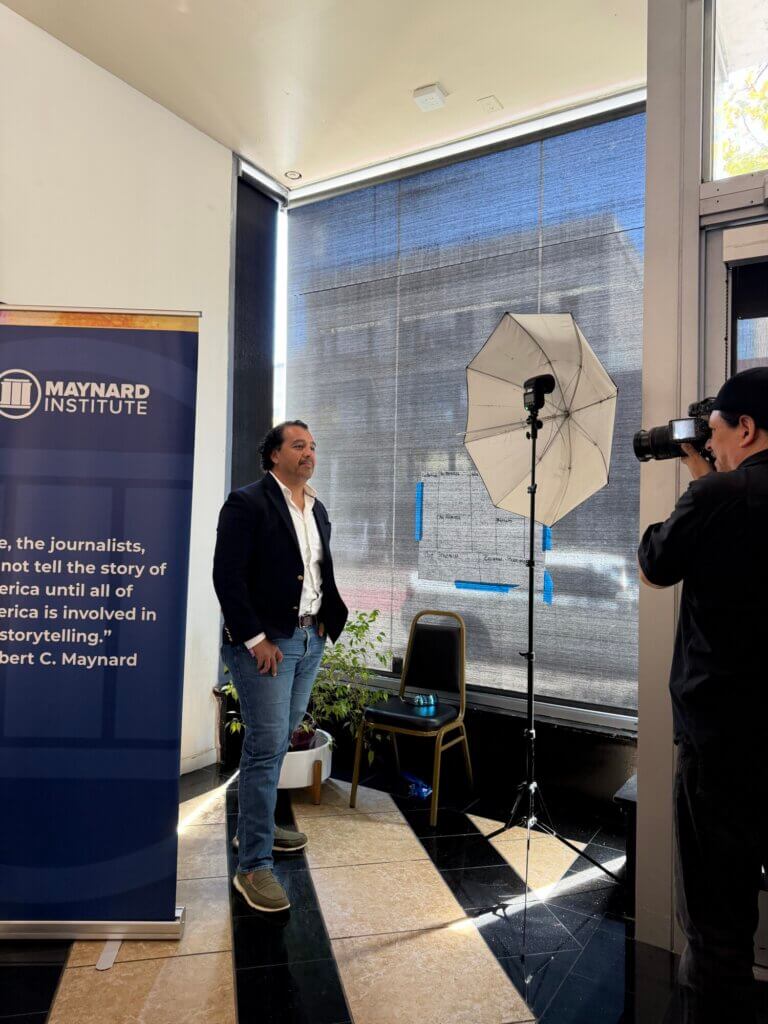
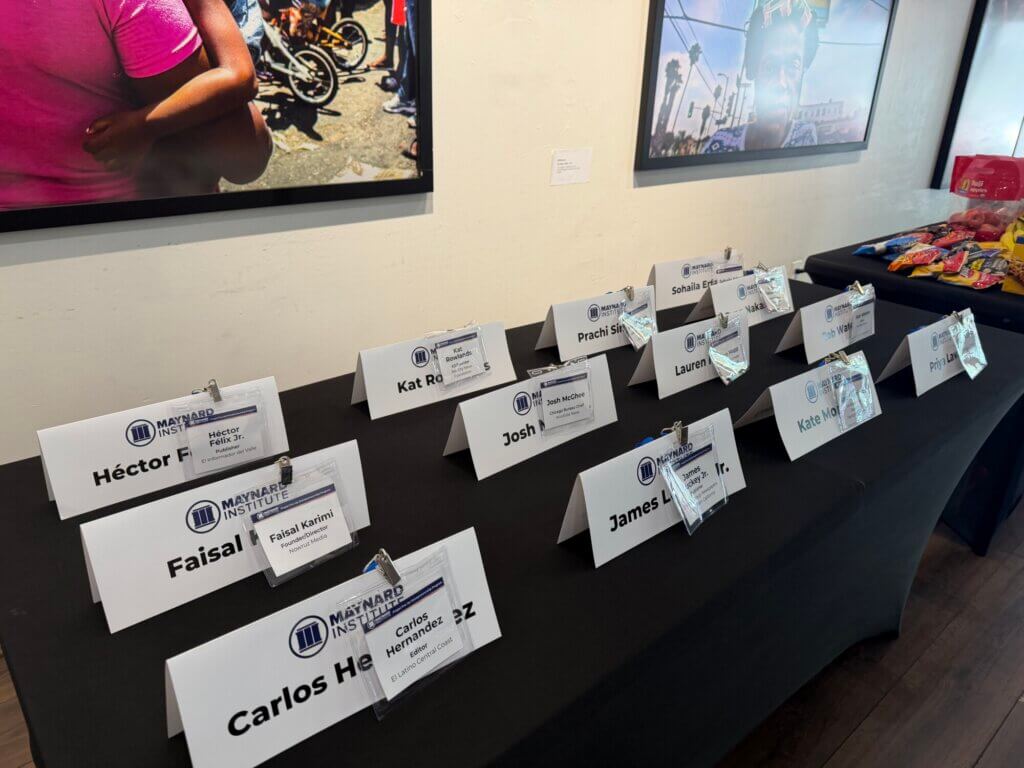
This initial training offered Fellows and their colleagues frameworks to consider different perspectives as entrepreneurs and as members of their communities.
“I appreciated the chance to review our business model and think more carefully about our audience, services, and revenue opportunities,” Faisal Karimi, founder and director of Nowruz Media, said. “… I also enjoyed learning from other media entrepreneurs and sharing our experiences and challenges.”
Fellows were asked to expand on existing business plans.
“The Oakland sessions were useful in a way most training isn’t,” said James Luckey Jr., publisher and editor of Observer Group Newspapers of Southern California. The trainers “didn’t let us map the whole business. They made us pick one new revenue stream, build [a model] and defend it in front of the room. That’s the part that stuck. I’ve sat through plenty of workshops where you leave with a nice worksheet and nothing to do on Monday. This wasn’t that.”
The Fire Up program, which provides each outlet with a $20,000 grant, continues through January with two additional in-person trainings and Zoom sessions on audience, community and product.

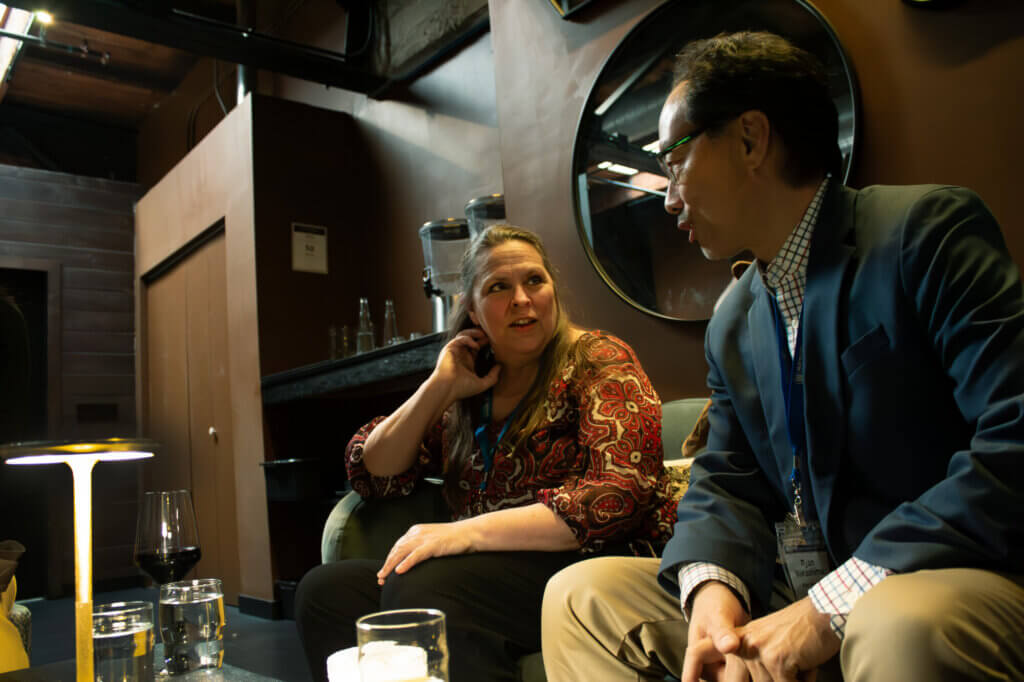

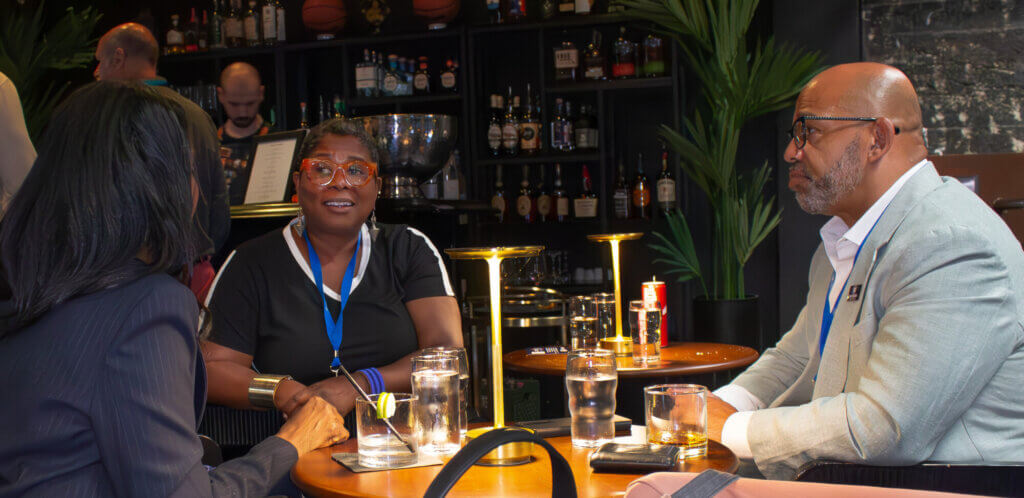



Together, the California Local News Fellowship and Propel Initiative programs support hundreds of newsrooms annually. Explore our programs…
Robert C. Maynard may not have been able to destroy outright the systems of oppression he saw enduring,…
“At this time of incredible disruption and uncertainty in the industry, we thought we had an obligation to…